
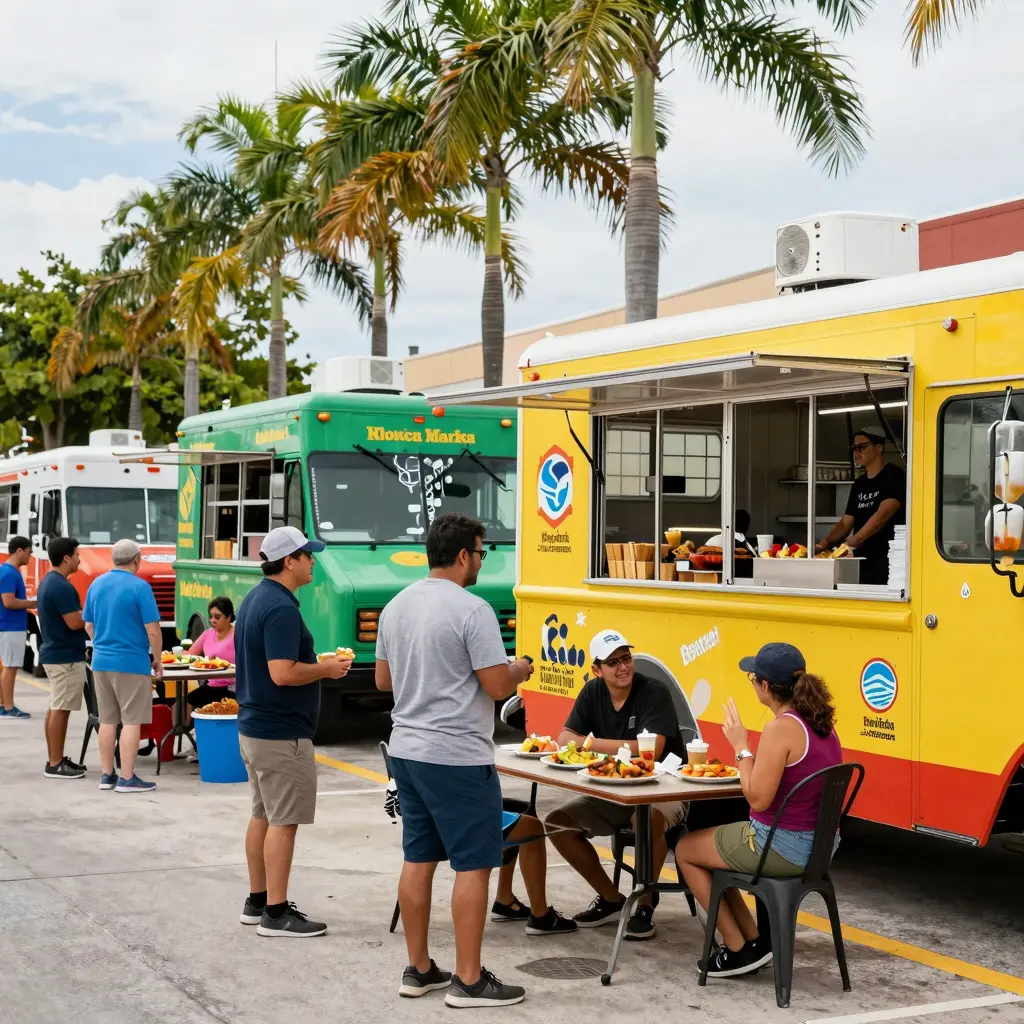
Introduction to the Joy of Street Food in Florida
Imagine the vibrant hustle and bustle of Florida’s streets, the tantalizing aroma of sizzling cuisines wafting through the air, and the joyful chatter of communities coming together to enjoy culinary delights. This is the essence of street food trucks in Florida, where food transcends mere sustenance to become a vibrant cultural cornerstone. For aspiring food truck operators, launching a street food truck in Florida is not only about serving delicious meals but also about creating experiences that foster community connections.
The appeal of street food in Florida is evident, as it attracts locals and tourists alike, each eager to explore the rich tapestry of flavors and traditions that reflect the state’s diverse culture. From the soulful rhythms of Miami’s food stalls to the charming food truck rallies in Lakewood, the scene promises an opportunity to engage with patrons in a unique, personal manner. Key events like Lakewood’s Food Truck Gatherings bring people together, offering a space where culinary innovation meets community bonding.
As you embark on your journey to own a street food truck in Florida, you’ll quickly discover that it’s not just about serving food; it’s about sharing your passion, creating memorable interactions, and contributing to the local flavor. Each meal served is a story told, a culture shared, and a community united through the love of food. So get ready to hit the road, because the adventure of launching a street food truck in Florida is just beginning!
Essential Food Truck Regulations in Florida
If you’re dreaming of starting your own food truck in sunny Florida, you’ll need to navigate a variety of regulations and requirements to get rolling. Here’s a friendly guide to help you understand the necessary permits, licenses, and health regulations:
1. Business Licenses
- Business License: Food truck operators must secure a valid business license from their local county or city government.
- EIN: You’ll need a Federal Employer Identification Number (EIN) for tax purposes.
2. Food Service Permits
- Food Service License: Obtain this from the local health department, ensuring compliance with chapter 64E of the Florida Administrative Code regarding food safety.
- Conditional Use Permit: Depending on your city, you may also require this permit to operate in specific locations.
3. Health and Safety Regulations
- Mobile Food Vendor Compliance: Adhere to the U.S. FDA’s food safety standards, which include:
- Using approved food contact materials
- Preventing cross-contamination
- Keeping records of food temperatures for at least 7 days
- Health Certificates for Staff: Ensure all employees complete food safety training (such as ServSafe) and hold valid health certificates.
- Inspection Requirements: Regular health inspections will be conducted to ensure compliance with safety standards, including having a functioning handwashing station and adequate refrigeration.
4. Local Ordinances
- Location-Based Rules: Local ordinances vary greatly by county. For example,
- Miami-Dade County requires food trucks to apply for a location permit 72 hours before operating.
- Orlando mandates that trucks must stay within designated mobile food vendor zones and be a certain distance from residential areas and schools.
- Food Traceability: Maintain documentation of your food supply chain to ensure traceability and safety in ingredients used.
By adhering to these guidelines, you’ll be well-prepared to hit the streets of Lakewood and beyond with your delicious offerings. To dive deeper into local food truck gatherings, check out Lakewood’s food truck gatherings.
Remember, compliance is key not only for a successful launch but also for the smooth operation of your business. Happy truckin’!
Choosing the Right Food Truck for Operations in Florida
When it comes to setting up a food truck in the sunny state of Florida, the journey starts with choosing the perfect truck that fits your vision and meets local regulations. With so many options available, here are a few tips on how to choose the right food truck, along with some personal anecdotes that might help guide your decision.
Size Matters
In Florida, most food trucks range from 14 to 20 feet. This size strikes a balance between being spacious enough for equipment and mobile enough to navigate busy events and narrow streets. As someone who once set up at a local fair, the right size truck made all the difference. I learned the hard way that a truck that’s too big can restrict your movement and access to prime locations where foot traffic thrives.
Design Insights
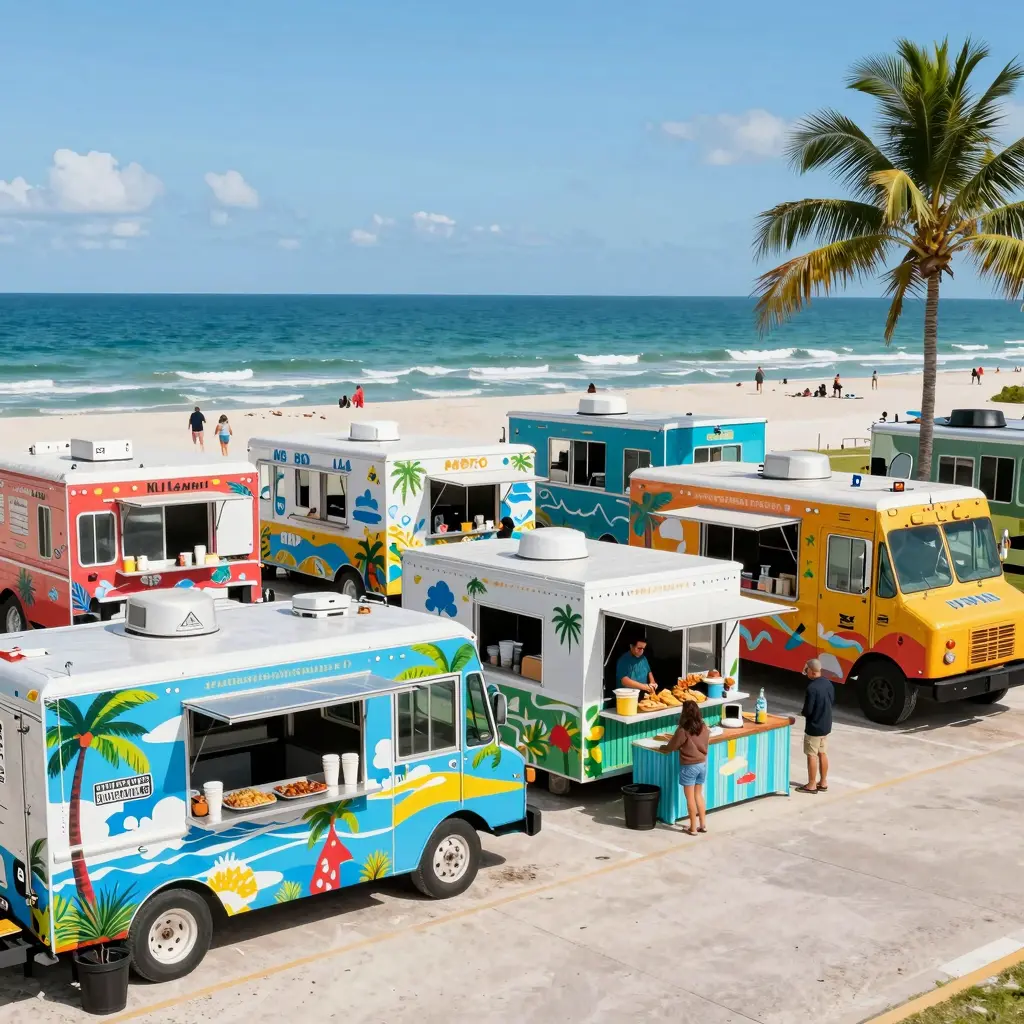
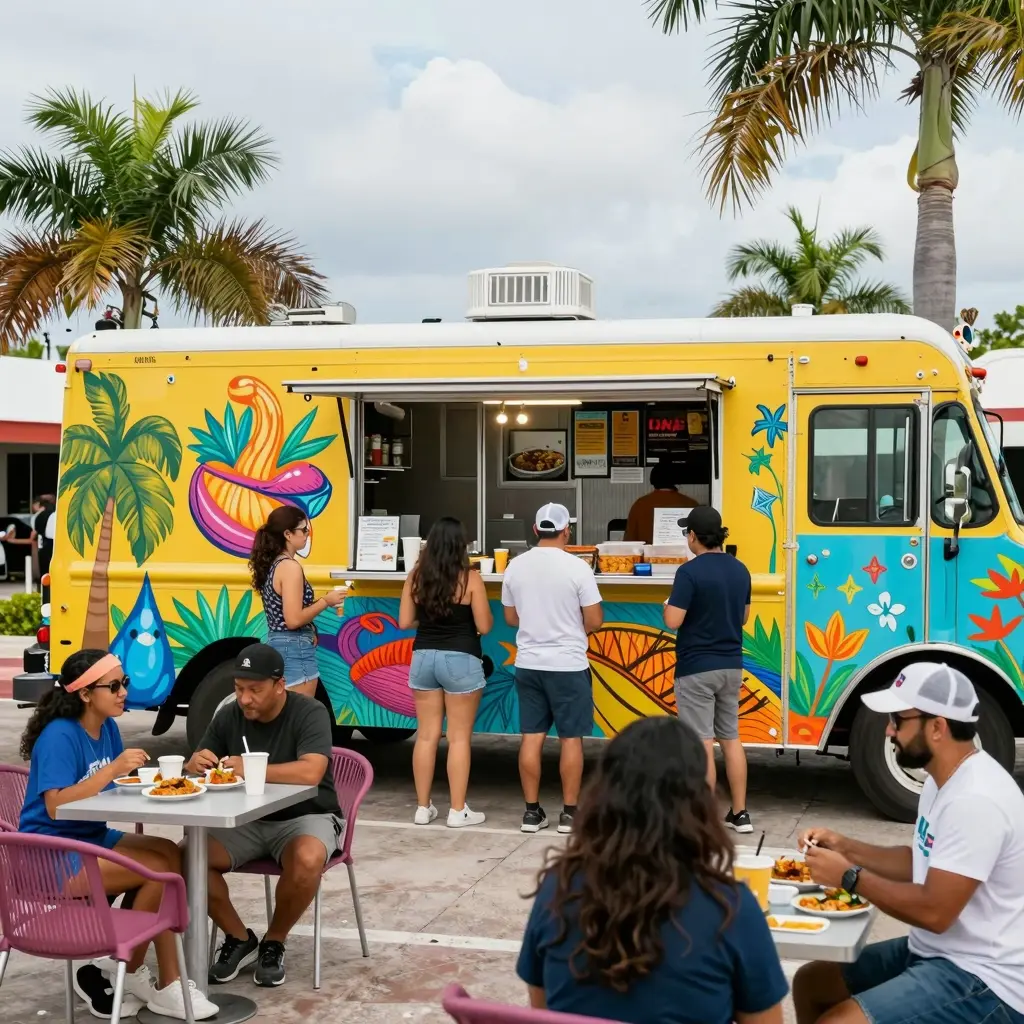
When thinking about design, embrace Florida’s vibrant culture! Bright colors and tropical motifs are not just visually appealing, but they can also attract potential customers. Personally, I painted my truck in shades of turquoise and coral, and I still remember the joy on customers’ faces when they saw my setup. Choosing a coastal theme helped me connect with tourists, especially around popular spots like Miami Beach.
Essential Equipment
Equipping your truck well is key to running efficiently. According to the Florida Department of Agriculture and Consumer Services, your truck should have:
- A three-compartment sink for proper dishwashing
- Refrigeration units to maintain food at safe temperatures
- Hot holding units to keep food warm
- A handwashing station with running water.
In my experience, having a dual compressor refrigeration unit was vital during the hot summer months. This equipment not only kept my ingredients fresh, but it also helped maintain a comfortable working environment inside the truck.
Catering to Florida’s humid climate, consider designs that incorporate heavy-duty waterproofing and UV-resistant coatings to protect your investment. Also, setting up shaded outdoor serving counters can make it more comfortable for customers during peak heat times.
Workflow Efficiency
Remember to think about the layout of your truck! Position grills near the front and sinks in the center for streamlined service. During busy events, how you organize your equipment can either make or break your day. I had a festival once where I was scrambling to grab supplies because everything was in the wrong place – it was a real learning curve!
In summary, selecting the right food truck involves careful consideration of size, design, and equipment. Bringing your unique flair to your truck’s aesthetics while ensuring efficiency will help you build a successful operation. For more insights into popular food truck models and their features, check out top food truck models for startups.
Comparing Popular Food Truck Models
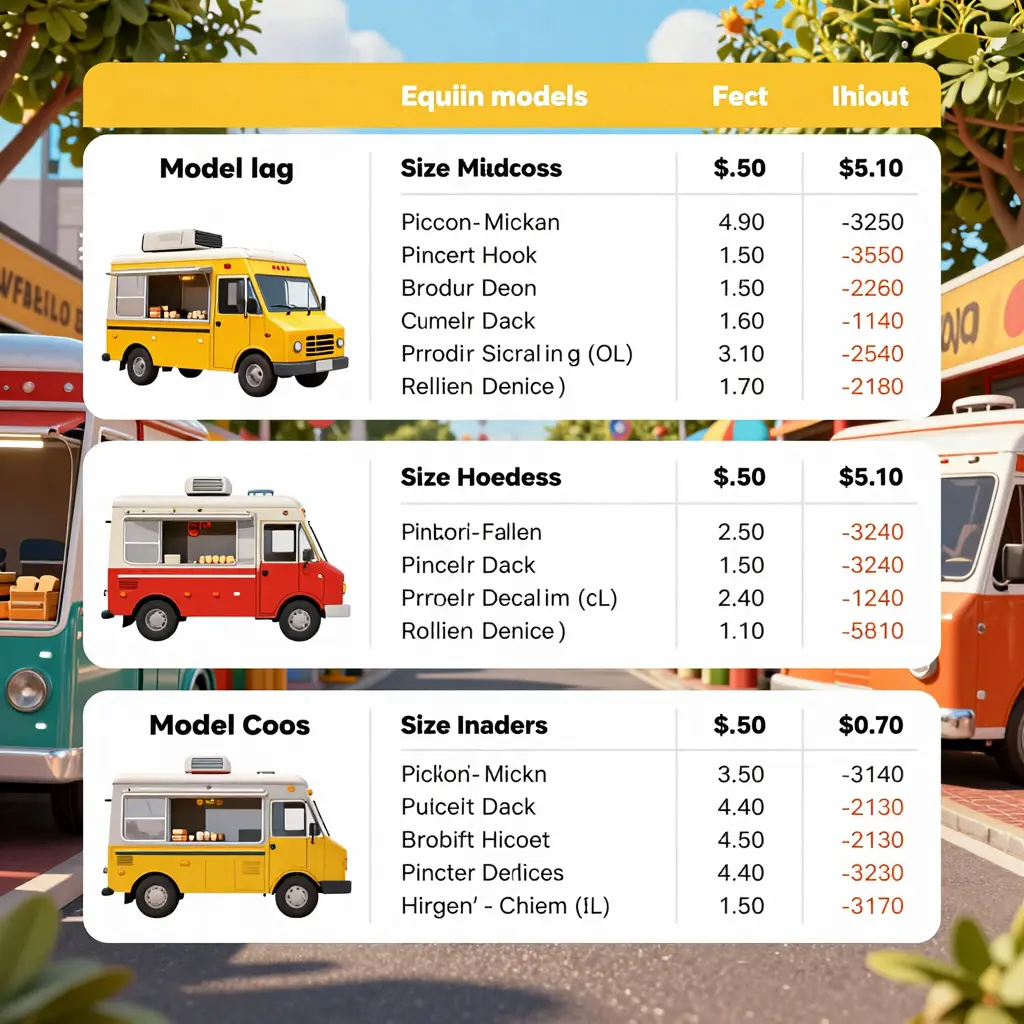
As an aspiring food truck operator in Florida, it’s essential to choose the right truck that suits your business model and budget. Below is a comparison of various popular food truck models to help you make an informed decision.
| Model Name | Size | Equipment Specifications | Price Range |
|---|---|---|---|
| Combi Classic | 20 ft | Full kitchen, gas burners, refrigeration | $8,500 |
| EcoDrive Electric Hot Dog Cart | Compact | Dual-burner electric stoves, LED lighting | $4,200 |
| QuickBite Gasoline Mobile Kitchen | 24 ft | Gas stove, exhaust hood, under-counter fridge | $6,800 |
| IceCream Express | Compact | Electric ice cream machine, refrigeration | $5,100 |
| Tuktuk Street Eater | Mini | Basic cooking setup, portable design | $3,900 |
All these food trucks have been designed with the operator in mind, focusing on ease of use, compliance with health regulations, and customization options.
For further insights into the food truck scene in Lakewood, check out our article on food truck gatherings or learn about the best food truck models for startups.
The Best Locations for Food Trucks in Lakewood
Lakewood, Colorado, offers a vibrant scene for food trucks aiming to charm both tourists and locals alike. With various bustling spots and community events, these locations are where you’ll want to set up your food truck to attract the most foot traffic. Let’s explore some of the top spots where food trucks can thrive!
1. Bear Creek Lake Park
This expansive park is perfect for outdoor activities and social gatherings. It features sports fields, picnic areas, and stunning views of the mountains, making it a favorite among locals and visitors. During weekends, especially in summer, the foot traffic here is incredibly high. It’s common for food trucks to find a steady stream of hungry guests after outdoor events or while families are picnicking.
2. Belmar Shopping Center
Belmar is one of Lakewood’s premier shopping destinations. With a variety of shops, theaters, and restaurants, this location buzzes with activity throughout the week. Setting up a food truck here taps into shoppers’ appetite, particularly during lunch hours and weekends. Additionally, special events at Belmar can provide excellent opportunities for food trucks to attract crowds.
3. Colorado Mills Mall
The largest indoor outlet mall in the Denver area, Colorado Mills sees a constant influx of shoppers. Food trucks parked at the mall during peak seasons or event days can capitalize on foot traffic from hungry shoppers looking for quick bites between shopping. The mall also hosts various events, where food trucks can showcase their offerings.
4. Red Rocks Amphitheatre
Located just a short drive from Lakewood, Red Rocks Amphitheatre is not only an iconic music venue but also a popular tourist attraction. Food trucks that operate during concerts or fitness events at Red Rocks can benefit from the large crowds. Ensuring your food truck is strategically located during these events guarantees excellent sales opportunities.
5. Lakewood Cultural Center
This location hosts an array of local performances, art classes, and community events, drawing in a diverse crowd. Food trucks positioned outside the cultural center during events can take advantage of the artsy atmosphere and hungry attendees.
6. Farmers Markets
Lakewood’s farmers markets are not only a hub for fresh produce but also a community gathering spot. Food trucks that participate can enjoy a dedicated customer base looking for food options while they explore local vendors and fresh goods. This is a great venue for food trucks to network and build community relationships.
Tips for Success
- Engagement: Connect with the community by sharing your food truck’s schedule via social media and local platforms such as Lakewood Food Trucks.
- Adaptation: Be flexible with your menu to accommodate local events and seasonal changes. Promotions on local holidays can draw in even larger crowds.
In summary, setting up a food truck in Lakewood’s high-traffic areas, especially near parks, shopping centers, and cultural venues, can maximize exposure and sales. Keep an eye on the local events calendar and be proactive in engaging with community activities to make your food truck a local favorite!
Estimated Costs for Starting a Food Truck in Florida
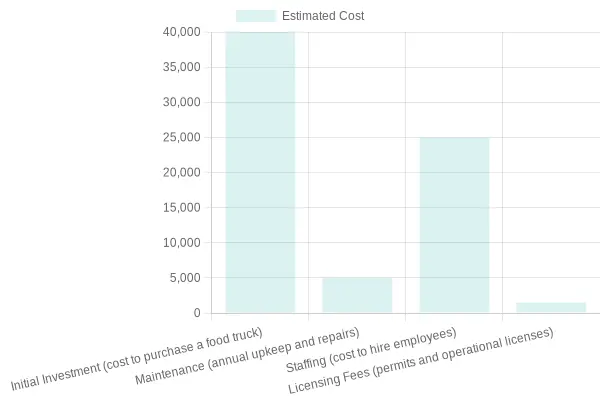
Starting a food truck in Florida involves several essential costs that aspiring operators should plan for. The following chart summarizes the estimated costs associated with this venture:
| Category | Estimated Cost |
|---|---|
| Initial Investment (cost to purchase a food truck) | $40,000 |
| Maintenance (annual upkeep and repairs) | $5,000/year |
| Staffing (cost to hire employees) | $25,000/year |
| Licensing Fees (permits and operational licenses) | $1,500 |
Understanding these costs is crucial for effective budgeting and planning for future success in the food truck industry. Learn more about food truck models to find the right fit for your business!
Effective Marketing Strategies for Food Truck Operators
Operating a food truck can be a delicious adventure, but to succeed, you need robust marketing strategies that resonate with your community. From leveraging social media to engaging with local events, here’s how you can create a warm and enticing presence that attracts customers and keeps them returning for more.
1. Harness the Power of Social Media
In today’s digital age, social media is your best friend! Platforms like Instagram, TikTok, and Facebook are essential for food trucks. Here are some effective tactics:
- High-Quality Visuals: Share drool-worthy photos of your culinary creations. Use platforms like Instagram for appealing food photography.
- Real-Time Updates: Keep fans informed about your location and menu changes using Instagram Stories or Facebook Live.
- Engagement: Utilize user-generated content by encouraging customers to tag your food truck in their posts. Consider running contests like “Tag Us in Your Meal” to boost interaction.
- Behind-the-Scenes Content: Allow followers to peek into your food prepping process through TikTok or Instagram Reels. Authenticity goes a long way in building community loyalty!
2. Participate in Local Events
Nothing brings a community together like local events! Whether it’s markets, festivals, or charity fundraisers, participating in these gatherings can substantially increase your visibility.
- Join Local Rallies: Attending food truck rallies or local festivals can significantly boost customer engagement. According to the National Restaurant Association, food trucks participating in 4-6 local events per month see a 35% increase in repeat customers.
- Be Part of the Community: Sponsor local sports teams or host charity nights (like “Dine for a Cause”). This not only brings your food truck into the spotlight but also demonstrates your commitment to the local area.
- Exclusive Event Menu Items: Create special menu items that customers can only find at events to drive more foot traffic.
3. Engage with Your Community
Building relationships within your community is essential. Here’s how you can foster loyalty and create a supportive customer base:
- Collaborate with Local Businesses: Partner with nearby businesses for cross-promotions. For instance, team up with a local brewery to offer food-beer pairings.
- Community Clean-Up Initiatives: Organize or participate in local clean-up initiatives and share these moments on social media. This demonstrates your commitment to communal wellbeing, potentially increasing your follower count.
- Feedback Loop: Actively listen to customer feedback and engage in conversations on your social media platforms. This builds trust and encourages customers to be part of your journey.
Conclusion
When it comes to marketing your food truck, a friendly and authentic approach goes a long way. By leveraging social media, participating in local events, and actively engaging with your community, you’ll not only attract more customers but create a loyal fan base that supports your delicious venture. For more detailed strategies, don’t forget to check out how food trucks are using community engagement successfully!
Inspiration from Successful Food Truck Owners
Embarking on a food truck journey can be thrilling yet challenging. Yet, many owners have shared their wisdom that can help aspiring operators navigate this road. Here’s an inspiring quote from a successful food truck owner:
“We didn’t just sell tacos-we sold an experience. Passion is non-negotiable; if you don’t love what you’re doing, customers will feel it.”
- A successful food truck operator as featured in Forbes
This emphasizes that your passion for food and customer service can set you apart from the competition. When starting your food truck, remember to focus on the experience you’re delivering and the connections you build with your community.
Additionally, maintaining consistency in your offerings can forge strong relationships with customers:
“Consistency is everything-same recipe, same vibe, every time. Your brand isn’t just the food; it’s the story you tell on every corner.”
By building a narrative around your food truck, you not only create loyal customers but also enhance your brand’s image in the community.
For more tips on launching your food truck business, check out our guide on how to choose food truck models.
Conclusion and Call to Action
Starting a food truck in Florida can be an exciting and rewarding journey, but it requires careful planning and community engagement. Remember, getting your Mobile Food Service Permit is crucial, along with ensuring compliance with local permits and regulations. You’ll want to pinpoint ideal locations and design a menu that reflects both the tastes of your clientele and your culinary strengths. By focusing on social media to market your offerings and forming partnerships with local events, you can build a loyal customer base that keeps your wheels turning.
As you embark on this flavorful adventure, consider how you can also contribute to your community. Participate in local initiatives like the Florida Food Truck Association’s ‘Fuel the Community’ campaign, which encourages food truck operators to support local events and nourish food-insecure families. Such engagements not only help others but also promote your food truck as a community staple.
If you’re ready to elevate your food truck experience further, explore custom-fit solutions for your vehicle. Brands like Summit Fairings specialize in tailored motorcycle fairings that can enhance both the aesthetic and aerodynamic performance of your food truck. A well-designed truck not only grabs attention but can also improve operational efficiency with optimal airflow.
So, why wait? Dive into the vibrant world of food trucking in Florida, design a menu that excites, and create a space that feels like home for your community. The journey is yours to shape – let your food truck dreams roll free!