
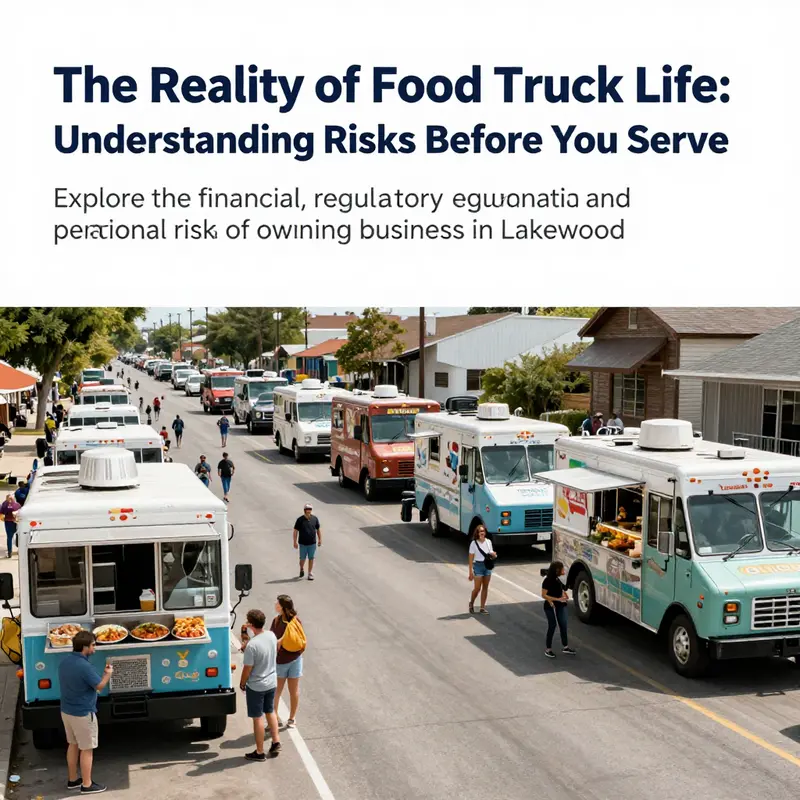
Owning a food truck can be an exciting venture filled with delicious possibilities and community connection. However, just as with any business, it comes with its own set of challenges. Whether you’re an aspiring food truck operator or a tourist visiting Lakewood who dreams of launching your culinary adventure, it’s essential to be aware of the risks involved. In this article, we break down the key areas that can impact the success of your food truck business: financial considerations, regulatory hurdles, and operational challenges. By understanding these aspects, you can better prepare yourself for the road ahead.
Rolling Forward, Weathering Costs: A Deep Dive into the Financial Risks of a Food Truck Venture
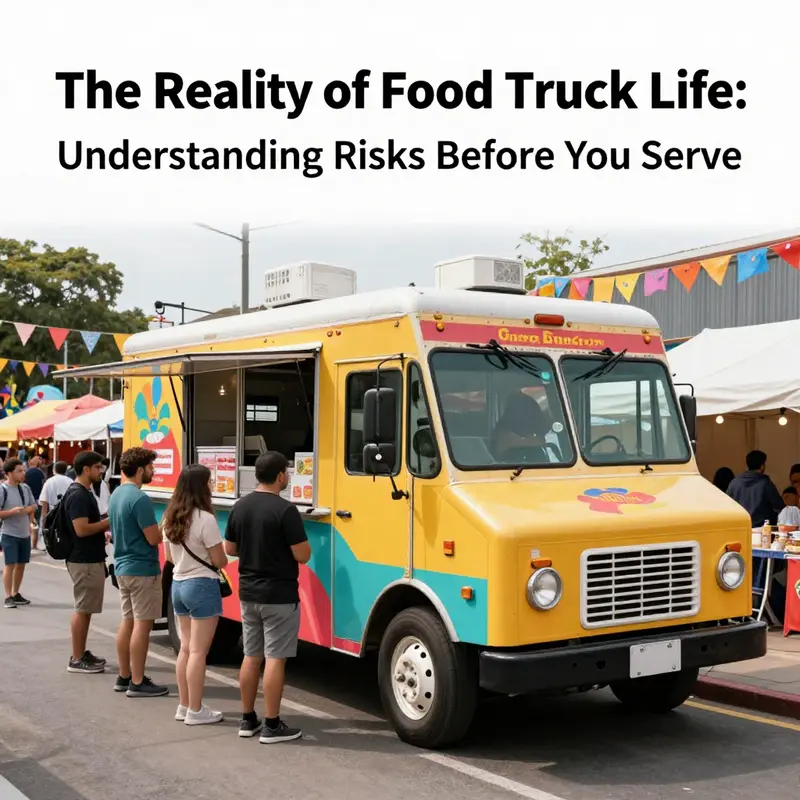
A food truck looks like a promise: a compact kitchen on wheels, a chance to connect with communities, and the freedom to chase peak hours and weather rather than a fixed dining room schedule. Yet beneath the aroma of sizzling ingredients lies a ledger of financial risks that can make or break a venture before it becomes a steady source of income. The financial landscape of a food truck is not simply a function of cooking skill and menu design; it is a delicate balance of upfront capital, ongoing operating costs, and the volatility of revenue streams that can wither under the slightest misalignment of weather, foot traffic, or regulation. Understanding this financial terrain is essential, not as a dour warning, but as a practical map that helps operators plan for survivable growth rather than a fragile sprint toward the first profitable month. The numbers, when read together, tell a story of scale and timing more than of appetite and recipe. The startup costs are substantial, the revenue can be unpredictable, and the regulatory environment is intricate, but with disciplined financial planning and a clear diversification strategy, a food truck can still build a durable business that breathes with the city’s rhythms rather than forcing the city to bend to it.
The starting line is always a financial one. Upfront costs for a food truck are not a fixed barrier but a spectrum—proof that this is a capital-intensive enterprise, even before one serves the first customer. A truck can cost anywhere from fifty thousand to more than two hundred thousand dollars, depending on its size, condition, and the level of customization that a concept requires. The price tag does not end with the vehicle; start-up expenses accumulate in layers that often surprise first-time operators. Kitchen equipment must be selected with an eye not only on capability but on reliability in a mobile environment, where space is precious and access to maintenance resources can be limited. Permits and licenses form a dense mesh of requirements that vary by city, county, and state, and they can require ongoing renewals and inspections that add to the monthly burn. Insurance is not merely a line item; it is a safeguard that protects a business and its cash flow from incidents that could otherwise derail a startup in a heartbeat. Finally, initial inventory purchases must be calibrated to the anticipated volume and perishable nature of ingredients, as well as to the cadence of events and locations that are planned in the first six to twelve months.
The shadow of high upfront costs hangs over every financial projection. It is common to hear about owners who underestimated the working capital needed to reach a stable cash flow. When the truck is purchased, the engine hums, but the ledger hums louder as loan payments begin, fuel is consumed, and routine maintenance—oil changes, tires, electrical checks—becomes a recurring expense. A well-planned business model does not pretend these costs disappear; it anticipates them and embeds them into daily targets. The most prudent operators build a comprehensive budget that includes a contingency cushion. They do not rely on a single revenue channel; they map multiple streams that can fill holes when one segment slows. This is not speculative; it is a disciplined approach to risk management grounded in the realities of mobile food service. For an operator, the backbone of this approach is to view every dollar spent as an investment in the ability to serve customers consistently, not as a one-off expense that will disappear after a few months.
Revenue volatility is the second major layer of financial risk. The food truck market is inherently fluid, and several forces can swing cash flow from steady to precarious in a matter of days. Location matters more for a truck than for a brick-and-mortar restaurant because it is the primary determinant of foot traffic and consequently, sales volume. A favorable corner in a dense urban district can produce a reliable stream of customers, but the same street on a slow day can yield a fraction of the anticipated revenue. Weather is another powerful variable. A light drizzle or an extreme heat wave can collapse turnout, even for popular menu items. The calendar itself is a variable: weekends typically bring more opportunities for sales, festivals and events create spikes, and seasonal shifts can flatten demand if a concept is not diversified. These fluctuations complicate the job of covering fixed operating costs such as car payments, loan interest, fuel, routine maintenance, and staff wages. In practice, this means that revenue is rarely a smooth line from month to month; it is a jagged path that requires careful cash management and a realistic plan for lean periods.
To counterbalance these unpredictable tides, the most resilient food truck operations pursue a broader base of revenue streams. Catering for private events, farmer’s markets, corporate pop-ups, or long-running setups at recurring venues can stabilize a calendar and spread risk across different customer ecosystems. Online ordering and delivery partnerships can further smooth revenue by creating predictable volume outside peak hours. Diversification also implies changing menus or offering add-ons that appeal to different customer segments, thereby widening the customer base and reducing dependence on a single location. When revenue models broaden, the impact of a single bad day is dampened, and the ability to cover loan payments and wages improves. This is not a premium strategy; it is a practical response to the way customers move through a city and how opportunities cluster around events and neighborhoods.
Regulatory and legal compliance emerges as the third pillar of financial risk. The world of food regulations is not a single gate but a series of gates at different heights and angles, depending on where a truck operates. Health department inspections, business licenses, vendor permits, and parking regulations are not optional extras; they are prerequisites for operation. The cost of compliance is real and recurring. Some locales require periodic inspections that, if missed, can trigger fines, forced closures, or sudden revocation of the ability to sell in a given area. Even when a truck passes inspections, the ongoing need to maintain proper food safety standards, temperature controls, and traceability can impose additional costs—specialized equipment, extended storage, and staff training. The financial consequence of regulatory missteps can be severe: fines accumulate, reputational damage follows, and a temporary shutdown can lead to lost revenue that is difficult to recoup. The guidance from authorities and industry experts consistently emphasizes that compliant operation is not merely a legal obligation; it is the foundation of sustainable profitability. Skipping this step is not a shortcut; it is a risk that can escalate into a long-term revenue problem.
The consequences of these regulatory demands extend beyond fines. In some cases, noncompliance can trigger higher insurance premiums, accelerated depreciation on tax advantages, or limitations on where the truck can operate, which in turn constrains revenue opportunities. Food safety incidents—whether caused by equipment failure, improper handling, or cross-contamination—can devastate a brand’s reputation in a community, and recovery costs can be substantial. These risks underscore a broader point: financial resilience for a food truck is as much about rigorous compliance and quality control as it is about menu design and marketing. A business that treats health and safety as a value proposition is more likely to maintain customer trust, avoid costly remedial actions, and preserve margins over the long term.
The interconnection of upfront costs, revenue volatility, and regulatory overhead creates a composite picture of risk that is not easily mitigated by a clever recipe. The answer lies in a practical, integrated approach to finance that prioritizes planning, discipline, and flexibility. Thorough financial planning begins before a single mile is logged and continues as a daily discipline. It starts with a realistic budget that captures every anticipated cost—from the smallest recurring expense to the largest capital outlay—then adds a contingency for unforeseen events. The contingency is not a cushion to be tapped after the fact; it is a strategic reserve designed to keep the business afloat during the first lean months, during a slow season, or during a regulatory delay that stalls a key project. Diversified revenue streams are essential, but they must be aligned with operational capacity and the realities of the market. Catering, pop-ups, and online orders require different logistics, equipment configurations, and staffing plans. Each channel should be tested, priced, and integrated into a cohesive calendar so that a single event does not determine the fate of the month’s finances.
The advice echoing through industry guides emphasizes the practical necessity of legal and financial preparedness as foundational elements of sustainable success. In truth, the financial risk of owning a food truck is less about a single misstep and more about the cumulative impact of careful budgeting, proactive risk management, and strategic diversification. A well-prepared operator does not view the high upfront cost as a barrier but as a starting point for building a durable mobile kitchen business. They view revenue volatility not as a defect of the model but as a signal to diversify, optimize location strategies, and invest in customer relationships that translate into repeat visits and steady demand. They approach regulatory compliance not as an obstacle to be navigated reluctantly but as a measurable, trackable component of the business plan that yields long-term stability and legitimacy. In practice, this means designing processes that capture data on sales trends, weather patterns, and event calendars so that decisions about hours, locations, and menus are informed by evidence rather than hope. It also means cultivating a culture of resilience within the team—training staff to handle peak demand smoothly, maintaining equipment proactively, and building a financial buffer that can bridge inevitable gaps in revenue.
As operators balance these financial risks, some fundamental principles recur across successful ventures. First, do not rely on a single anchor for revenue. The city changes; events come and go; and the weather is fickle. A diversified approach reduces the risk of a catastrophic month, enabling the business to weather slow periods without gut-wrenching cuts to hours or payroll. Second, invest in preventive maintenance and reliable equipment. A breakdown is more expensive in a truck than in a brick-and-mortar restaurant because it disrupts service exactly when customers are counting on you and repair windows may conflict with peak season. Third, maintain ample working capital and a cash-flow-friendly payment cadence with clients. Delayed payments from events or clients can kill a month’s profitability, so standing arrangements, deposits, and prompt invoicing help stabilize cash flow. Fourth, treat compliance as a competitive advantage, not a compliance burden. Clear food safety records, consistent licensing, and prompt inspections build trust with customers and event organizers, making it easier to secure recurring opportunities. Finally, connect with a broader community of operators, mentors, and local authorities. Shared knowledge helps anticipate regulatory shifts, identify cost-saving equipment options, and discover new venues that might not be accessible to a solo operator with limited experience.
To ground these ideas in practical choices, it helps to consider how upfront costs translate into day-to-day decisions about truck configuration, equipment, and scale. For instance, the choice between a larger vehicle with more kitchen space and a smaller, more maneuverable unit can reshape both the capital outlay and the ongoing maintenance costs. A larger truck might support higher production during peak events but will require more fuel, bigger insurance coverage, and higher maintenance expenses. A smaller truck may limit capacity but offer greater flexibility in urban cores and lower ongoing costs. Either path demands careful calculation of break-even points, taking into account variables such as ticket price, average daily sales, and the frequency of events. A thoughtful operator uses these calculations to determine a financing strategy that keeps debt service aligned with realistic cash generation, avoiding the trap of over-leveraging in the early months. In this planning, the practical guidance of peers in the field matters as much as the arithmetic of the ledger. For a practical sense of how upfront costs map onto truck choice and design, see best food truck models for Lakewood startups. This resource helps compare configurations against actual market opportunities, enabling a more grounded approach to investment rather than a speculative bet on a particular dream.
The financial landscape of a food truck is not a fixed set of rules but a dynamic system that rewards disciplined budgeting, diversified revenue, and proactive compliance. The risks are real, and the costs are tangible, but so are the opportunities to build a resilient business that serves communities and sustains a livelihood. The most successful operators do not pretend that risk does not exist; they bake risk management into every decision, from the first business plan to the last monthly financial review. By recognizing upfront capital needs, anticipating revenue volatility, and embracing a comprehensive compliance strategy, an operator creates not only a profitable enterprise but a lasting connection with the streets they serve. As with any enterprise, the difference between a short-run ordeal and a long-term, stable venture comes down to how well the financial structure supports function, growth, and the ability to recover from the unexpected. In the end, the value of a food truck is measured not just in the meals it serves but in the financial discipline that keeps it serving meals for years to come.
External resource for further official guidance on the topic: SBA’s Food Truck Business Guide.
Navigating the Legal Maze: Managing Regulatory and Compliance Risks for Your Food Truck
Navigating the Legal Maze: Managing Regulatory and Compliance Risks for Your Food Truck
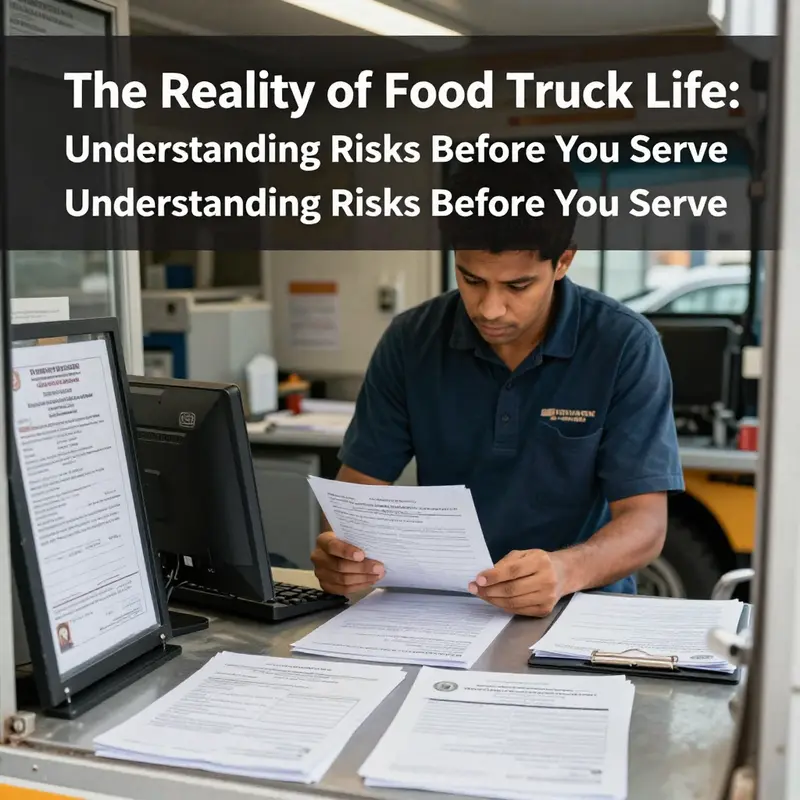
Running a food truck means serving great food and managing constant movement. It also means operating inside a dense network of laws, inspections, and permits. These rules protect public health and safety. They also create real risks for operators who underestimate them. One missed permit, one failed inspection, or one payroll error can halt sales, trigger fines, and damage your reputation. Understanding the main compliance pressures and building systems to manage them reduces disruptions. It also protects margins and allows you to focus on growth.
Permits and licenses form the backbone of compliance. Most jurisdictions require a business license, a food service permit, and a mobile vendor permit. Some demand a resale certificate for taxable merchandise. Each permit has its own application process, fees, and renewal schedule. Health departments expect a certified food handler and documented safety procedures. Local authorities often conduct inspections with little notice. Failure to meet sanitation or storage standards can lead to immediate closure until problems are fixed. The financial hit from a forced closure can be severe. Beyond lost daily revenue, emergency repairs, re-inspections, and permit reinstatement fees add up quickly.
Zoning rules and parking restrictions add another layer of complexity. Cities and counties regulate where food trucks may park. Some areas ban vending near schools, parks, or residential zones. Others limit truck operation to designated corridors or events. These rules change with local politics and commercial development. A route that was profitable last season might face new restrictions this year. Vendors operating across municipal boundaries must track rules in each jurisdiction. A lunch location in one city may be illegal in the neighboring town. This creates operational friction and a steady compliance overhead.
Health and safety codes focus on preventing foodborne illness and physical hazards. These standards cover temperature control, cross-contamination avoidance, and safe storage. They extend to vehicle sanitation, hand-wash stations, and pest control. Fire safety regulations govern cooking equipment, ventilation, and portable gas systems. Trucks must often carry specific extinguishers and follow electrical safety rules. Failing to comply risks not only fines but also a serious injury claim or a public health incident. A single outbreak linked to your food can end community trust and close doors faster than any economic downturn.
Employment and tax compliance is another common area of exposure. Food trucks often rely on a mix of full-time staff, casual hires, and contractors. Misclassifying workers as independent contractors when they function as employees attracts audits and penalties. Wage and hour laws require accurate timekeeping and proper payment of overtime. Workers’ compensation insurance and unemployment filings are mandatory in many states. Payroll tax withholding and timely remittance are non-negotiable. Sales tax adds complexity when you serve in multiple localities. Rates and taxable items vary by state and city. Misreporting sales or failing to register in a jurisdiction can result in back taxes, interest, and fines.
Environmental and municipal rules demand attention too. Waste disposal, grease management, and sanitary dumping are regulated closely. Many municipalities forbid gray-water disposal into storm drains. Improper disposal leads to environmental fines and possible bans on operation. Noise ordinances and curfew rules can limit late-night vending. Some areas require proof of adequate waste containment or participation in recycling programs. Overlooking these requirements risks repeated citations and strained relations with regulators.
Insurance and liability are tightly linked to regulatory compliance. Necessary insurance types often include general liability, auto, and property coverage. Many regulators and event organizers require proof of insurance before issuing permits or allowing participation. Without adequate coverage, a single liability claim could threaten the whole business. Insurance premiums reflect risk exposure, so noncompliance or a poor safety record may drive costs higher. Maintaining complete documentation of compliance efforts can reduce premium increases after incidents.
Operating across jurisdictions raises its own set of challenges. Food truck operators who chase events or larger markets must juggle multiple permit systems and tax registrations. Some cities offer temporary event permits for a day or weekend. Others require full vendor registration. The paperwork cadence varies widely. A multi-jurisdiction operator needs an organized system for tracking deadlines, renewals, and local requirements. This administrative burden often scales with growth. Without proper systems, compliance tasks can overwhelm small teams and force reactive decision-making.
Inspections and record keeping are where many operators win or lose. Health inspectors review equipment, storage records, and food-handling practices. They check cleaning logs, temperature logs, and employee certifications. Accurate and accessible records streamline inspections and limit the friction of remediation. A handheld digital log or a cloud-based file system keeps records in order and available during spot checks. Paper logs left in the truck can be lost, damaged, or inaccessible during inspections. A proactive record system also supports quick recovery after incidents and can demonstrate due diligence during disputes.
Partnerships, events, and private property agreements introduce contractual risks. Private venues often require proof of compliance, a certificate of insurance, and adherence to venue-specific rules. Event organizers may limit menu items, require dedicated waste handling plans, or set setup and teardown procedures. Failing to satisfy venue terms can lead to exclusion from future events and lost income. Carefully reviewing contracts and having standard addenda for insurance and compliance prerequisites reduces surprises. It also clarifies responsibilities, such as who provides power, water, or waste facilities.
Enforcement and penalties vary widely, and that variance itself is a risk. Some cities favor education and warnings for first-time violations. Others apply steep fines, impound vehicles, or pursue criminal charges for severe breaches. Understanding the enforcement culture in your operating area helps you prioritize compliance investment. In high-enforcement areas, lean toward conservative practices and redundant safeguards. In lower-enforcement settings, keep documentation and internal controls strong to prevent fines and to defend your business if complaints arise.
A major but often overlooked risk is regulatory change. Municipalities revise ordinances, update health codes, and shift permitting fees. Changes can be prompted by new public health concerns, political shifts, or development plans. A sudden zoning change or a new permit fee can alter feasibility for one or more of your routes. Monitoring local news, attending community meetings, and joining vendor associations gives early warning of pending changes. Early engagement with regulators also positions you to influence policy and reduce negative impacts.
Missteps in licensing and registration often stem from assumptions, not malice. Operators assume that a license in one city covers the neighboring jurisdiction. They assume a verbal permit from an event organizer is sufficient. These assumptions are dangerous. Formal documentation matters. Always obtain written permits, keep digital copies, and confirm renewal dates. When in doubt, call the issuing agency and request written confirmation. That small extra step prevents expensive assumptions.
Risk mitigation starts with a compliance checklist and a culture of documentation. Develop a master list of permits, renewal dates, and inspection requirements for each jurisdiction. Create templates for vendor contracts that include insurance and compliance language. Train staff on hand-washing, temperature control, and incident reporting. Use simple technology tools to maintain logs and automate reminders for renewals. The cost of software and a part-time consultant is often far lower than the cost of fines, closures, and missed revenue.
Legal and accounting advisors add measurable value. A lawyer familiar with mobile food regulations helps interpret local ordinances. An accountant familiar with multi-jurisdiction sales tax prevents costly mistakes. These advisors can be retained on a limited basis. Their hourly fees often pay for themselves when they prevent misclassification audits or tax penalties. Build a relationship with these professionals before you need them.
Insurance is a non-negotiable layer of protection. Review insurance needs annually and after major changes. If you add seating, operate cooking equipment differently, or expand into new jurisdictions, update coverage accordingly. Maintain certificates of insurance for events and venues. Use insurance as part of your compliance presentation to regulators and partners. A strong insurance profile signals that you are prepared and responsible.
Proactive engagement with regulators pays dividends. Many health departments and city offices offer guidance for new vendors. Some have pre-inspection consultations or educational materials. Requesting a pre-inspection or a checklist from health authorities reduces surprises during formal inspections. Attend local business meetings and vendor forums. Regulators often communicate policy changes at these events. Building a track record of cooperation makes regulators more receptive when you request exceptions or expedited guidance.
Finally, build contingency plans and a compliance incident playbook. Define steps to take if you are closed by inspectors or face a complaint. Maintain an emergency contact list for your lawyer, your accountant, and your local health inspector. Keep a reserve fund for emergency repairs, fines, and permit reinstatement fees. Having an immediate operational plan reduces downtime and limits reputational damage.
Regulatory and compliance risks are part of the business model for mobile food operations. They are not insurmountable. With a rigorous approach, you can turn compliance from a reactive burden into a competitive advantage. Consistent documentation, investment in training and insurance, and active engagement with local authorities lower the probability of interruptions. They also make it easier to expand into new markets. When regulators, venues, and customers see a truck that is organized and compliant, trust grows. That trust translates into more event invites, better locations, and a steadier revenue stream.
For operators seeking practical next steps, start by mapping every jurisdiction you plan to serve. List required permits, fees, renewal timelines, and contact points. Build a simple calendar with automatic reminders. Draft a standard compliance packet to present to event organizers. Train staff on inspection readiness and create a small operations binder or digital folder with all certificates. Finally, monitor policy changes and stay connected to local vendor networks. If you want an authoritative overview on federal and local steps for starting and operating a food truck, consult this resource from the Small Business Administration: https://www.sba.gov/business-guide/plan-your-business/starting-a-food-truck-business
For local event planning, community engagement, and marketing opportunities, consider joining regional gatherings. Participating in organized festivals and street food events drives visibility and revenue. To explore regional event opportunities and plan attendance, see this guide to local food truck rallies: 2026’s best food truck rallies in Lakewood.
Riding the Road of Risk: The Day-to-Day Realities Behind a Food Truck’s Operational Challenges
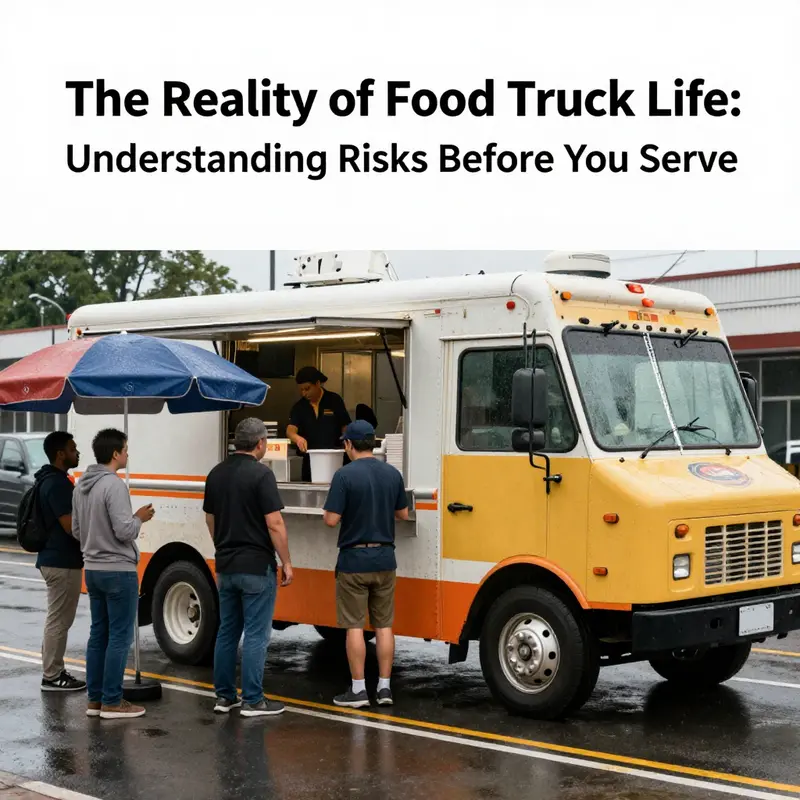
A food truck is a portable kitchen on wheels, a moving engine of flavor and possibility. But the day-to-day reality sits behind the window: permits, schedules, and delicate logistics that must align before any sizzle happens. Operating well means treating risk as a design problem, not a series of separate headaches. It requires planning, discipline, and a willingness to adapt to changing streets and rules.
Regulatory complexity is the most persistent constraint. Licensing, health and fire safety, and municipal vending rules vary widely. A truck that is compliant in one town can face fines in another if a permit is missing, expired, or misinterpreted. Smart operators map local requirements, track renewals, maintain meticulous records, and build relationships with inspectors so that new sites or events do not become surprises.
Site selection goes beyond foot traffic. The truck must be within legal zones, financially sustainable, and practically operable for daily setup and teardown. Prime spots attract attention but are often tightly controlled by parking rules and event organizers. The agile operator keeps a rotating calendar, secures pre-negotiated slots where possible, and always has a backup site ready for weather, permit changes, or competition.
Interior space shapes every decision. Layouts must optimize flow, comply with sanitation and electrical codes, and leave room for cold storage and prep. Redundancy becomes a silent hero: extra parts, a spare cooler, alternate power plans, and cross-trained staff who can fill gaps on busy days.
Weather and seasonality tilt demand and costs. Heat, cold, rain, and wind influence turnout, equipment stress, and inventory needs. Operators build flexible tempos, prearranged shifts, and supplier buffers to ride out harsh days without sacrificing quality.
Supply and staffing are ongoing risks that echo across the operation. Delays in deliveries, price volatility, or shortages ripple into menu decisions and service pace. Cross-trained teams, diversified suppliers, and disciplined inventory practices help keep service intact even when the road gets rough.
Equipment reliability anchors the business. Preventive maintenance, timely calibration, and a mobile repair network reduce the odds of a total breakdown. When failures occur, a prepared operator can reroute customers, shift menus, and protect revenue through contingency planning.
Finally, scaling risk is met with data-driven routines. Track where you operate, which sites perform best, how weather changes demand, and how pricing affects purchases. Documented procedures, clear roles, and stable cash flow routines turn risk into a repeatable system rather than a kiss of luck.
Final thoughts
Understanding the risks associated with owning a food truck is crucial for anyone considering this path. From financial struggles to regulatory complexities and operational challenges, being informed can significantly increase your chances of success. With the right knowledge and preparation, you can navigate these hurdles and create a flourishing food truck business that brings joy to the Lakewood community. Remember to stay adaptable, carry out thorough research, and connect with fellow entrepreneurs as you embark on this exciting journey.