

Los Angeles is a food lover’s paradise, and food trucks are vital to this culinary landscape. With their vibrant menus and unique flavors, these mobile kitchens bring delicious options to every corner of the city. But how much do food trucks actually make in LA? The answer varies widely, influenced by location, menu choices, and operational costs. This article will explore annual revenue estimates, factor in what influences success, and dig deep into operational costs to provide a comprehensive understanding of how food trucks can thrive in Los Angeles.
LA on the Griddle: Interpreting How Much Food Trucks Really Earn in Los Angeles
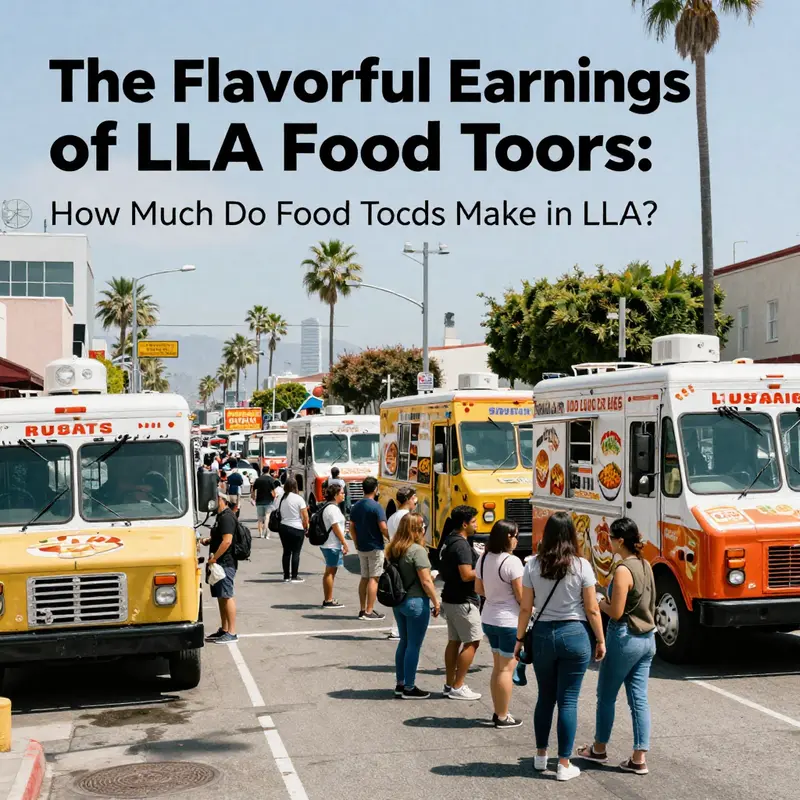
Los Angeles is a city that eats with its eyes and then with its appetite. From curbside corners to buzzing festival grounds, food trucks thread a complex economic web that reflects not only the power of a good idea but also the tight math of costs, location, and timing. In the broad strokes, industry reports and regional analyses converge on a useful idea: in Los Angeles, a well-managed food truck can generate substantial revenue, but the figure is highly sensitive to where the truck sets up, what it serves, how long it stays, and how efficiently it runs its operation. Across the national and regional landscape, the data paint a familiar outline. The National Restaurant Association points to annual revenues in the range of roughly 150,000 to 300,000 in solid markets. In other words, a truck that understands its customers, keeps a clean operation, and picks the right windows can hit a solid cadence of sales. Yet top performers, those who ride a wave of high-traffic events, corporate lunch crowds, and festival turnover, can push well beyond that range, sometimes eclipsing 400,000 in annual revenue. Those numbers are a starting point, not a guarantee, and they sit alongside recurring reminders that the devil lives in the details.
In the specific geology of Los Angeles, the food truck landscape resembles a shifting mosaic. Consider archetypes that show up most often: a dessert truck that leans into weddings, farmers markets, and other weekend moments; a fast food or taco truck near Downtown LA, Hollywood, or major office complexes during lunch; and the seasonal or event-based trucks that appear at music festivals, fairs, and other large gatherings. Each archetype has its own revenue rhythm. Dessert trucks often report strong weekend performance, with daily profits ranging from a few hundred dollars to well over a thousand on peak days. Lunch-focused concepts in dense office corridors can see higher daily peaks, especially when demand lines up with a compact service window and a high concentration of potential buyers in a walkable radius.
To translate patterns into tangible expectations, it helps to separate revenue from profit and to recognize how costs skew the final picture. Revenue is the gross intake from customers as the truck moves through its operating calendar. Profit, or net income, is what remains after deducting the costs of goods sold, labor, fuel, maintenance, permits, insurance, and other running expenses. In many markets, the gap between revenue and profit has as much to do with pricing discipline, menu design, and operational efficiency as with the sheer volume of sales. A well-run operation in Los Angeles might think of revenue bands like a festival calendar: more high-impact performances raise potential, but they require careful budgeting for the extra costs those opportunities entail.
One key reality in Los Angeles is the interplay between location and foot traffic. Downtown LA, Hollywood, and pockets around major corporate hubs create a high-velocity lunch market where customers are time-bound and price-sensitive but also forgiving if the product is convenient, flavorful, and well priced. The same is true for pop-up events at festivals and markets, where the scale of attendance can tip a day from ordinary to exceptional. The flip side—rigid demand in low-traffic areas, or days with poor weather—reminds operators that revenue is a function of opportunity as much as appetite.
The numbers, while hopeful, must be read with caution. Industry sources estimate that a well-managed LA truck typically generates between roughly 150,000 and 300,000 in annual revenue. That band reflects a spectrum of outcomes based on the decisions the operator makes. Top performers—those who optimize their calendar to include high-traffic events and secure reliable lunchtime streams at offices and campuses—can push revenue beyond 400,000 per year. On the ground, a mobile dessert truck thriving on weekends at weddings and farmers markets may see strong weekend sales, with day-to-day profits varying but landing in the mid-to-upper hundreds per day on busy sequences. Fast food or taco trucks near dense office districts can experience even more pronounced daily revenue spikes during lunch rushes, provided they have built a loyal customer base that returns again and again.
But every bright note comes with a cloud. The same market dynamics that push potential revenue upward also elevate the cost side of the ledger. Fuel and maintenance can run a few thousand dollars annually, depending on miles, vehicle condition, and the intensity of service. Permits, licenses, and related regulatory obligations add a predictable annual expense. Food costs, typically between 30 and 40 percent of revenue, eat into margins in a city where sourcing, quality, and consistency matter as much as speed. Insurance, staffing, and contingencies also round out the cost structure. When you do the math, net profit margins for many LA mobile operations settle in a modest corridor, often in the neighborhood of 15 to 25 percent after all costs. A truck generating 250,000 in revenue might expect a net of roughly 37,500 to 62,500, depending on how efficiently the operation converts high-revenue moments into sustainable earnings across a calendar that includes both ordinary workdays and extraordinary event days.
The practical implication is simple: stay disciplined about concept, location strategy, and operating efficiency. A clear concept anchors the menu, brand, and customer experience, guiding pricing, food costs, and waste reduction. Location strategy matters too: successful trucks rotate among a few high-traffic areas and avoid direct competition where possible. A lean operating model with staff and inventory discipline reduces labor costs and waste while maintaining speed and service quality. Calendar discipline matters as well: blend recurring lunch routes with selective event participation to create a predictable baseline and a high-revenue upside when festivals appear.
For readers planning an LA venture, the regulatory landscape is real but navigable. Keeping up with permits, health codes, and parking restrictions and aligning operations with zones that allow legitimate, efficient operation helps protect margins. The broader data picture remains directional: national and global benchmarks can guide expectations, but local results depend on concept quality, execution, and regulatory savvy. In sum, a well-run Los Angeles food truck has meaningful earning potential within a defined spectrum, with margins rewarded by disciplined costs and an optimized calendar that pairs routine meals with high-energy opportunities.
If you want a practical touchstone, start with a simple arithmetic: suppose a truck earns 250,000 in gross revenue. If food costs run around 35 percent, that is 87,500 on ingredients. Labor, fuel, and maintenance might total another 30,000 per year, and permits, insurance, and licensing could add 5,000 to 7,000. After these costs, net could land somewhere around 37,500 to 62,500, illustrating how tightly margins are tied to costs and how much high-revenue moments matter. The bottom line is that profitability comes from a disciplined, repeatable operation and a calendar that balances reliable lunch demand with selective festivals and events.
Geography, Menu, and Momentum: Reading LA Food Truck Earnings Through Location and Cuisine
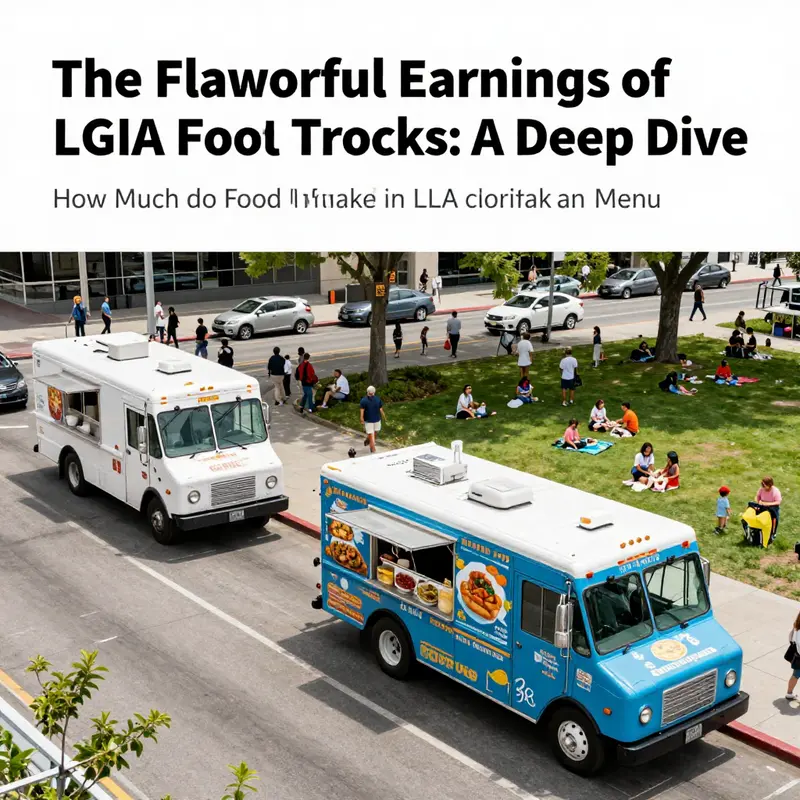
Los Angeles moves on wheels and appetite alike. The food truck is not just a kitchen on wheels; it is a micro business built around street geometry, schedules, permits, and seasonal demand. Earnings in this city swing with the energy of the streets. Where a truck parks, what it serves, and when it rolls through can lift revenue high or pull it back. Across the industry, the most common view is that a well managed LA truck earns between 150,000 and 300,000 in annual revenue. More recent, more focused analyses push that band higher, to roughly 180,000 to 300,000 for a typical successful truck, and top performers can exceed 400,000 when they lock in the best locations, the best menus, and the best marketing. These ranges are not guarantees; they reflect a market that is dynamic and sensitive to traffic, weather, events, and competition. They also remind readers that the path to strong earnings is not a single road but a map of strategic decisions, each with a different impact on the bottom line. Seasonal shifts, daily rhythms, and the pace of the city all color the earning landscape, so the best operators plan not just for today but for a rotation of venues that balance risk and reward.
Location matters in two layers, the everyday and the exceptional. In high traffic hubs like Downtown LA, Hollywood, or Santa Monica, regular lunch crowds and after work foot traffic create a reliable revenue cadence. Trucks in these areas often face higher costs to secure a slot, higher parking fees, and a crowded field of competitors. The payoff, however, can be substantial. In many cases, a truck serving a popular item during the midday rush can see robust daily revenue, while dessert and specialty trucks ride the appeal of weekend events to lift weekend totals. In contrast, trucks tucked into less central neighborhoods pay less in permits and parking and spend less on travel between shifts, but they must work harder to build a local following. Success there hinges on repeat customers, stable schedules at compatible venues, and a brand that speaks to a neighborhood with particular tastes. In both cases, the strategic driver is foot traffic volume and the ability to convert passersby into repeat customers through a distinctive menu and consistent service. A practical pattern for many operators is to anchor in two to three steady spots and supplement with pop ups at markets, corporate campuses, or special events to smooth out the cash flow.
For many operators, the menu is the compass. Unique cuisines, high quality ingredients, and a clear brand story help command premium prices. A truck that leans into creative branding tends to enjoy higher visibility and greater customer recall, which translates into higher order counts and the ability to set slightly higher price points. The trend toward seasonal menus and local sourcing not only elevates flavor but also reduces costs tied to spoilage and waste, a practical advantage in the tight margins of street food. Many successful trucks now partner with delivery platforms to extend reach beyond the curb, especially during bad weather or after hours. The broader effect is a longer sales window and a more predictable flow of orders that complements on site traffic. The right combination of catchy name, memorable visuals, and a menu that tells a story often translates into a stronger balance sheet, because branding influences both top line and price acceptance. Smart operators test new dishes in limited runs, watch feedback, and retire items only when market signals show a sustained dip in demand, preserving the brand and the price point.
Industry data from 2025 suggests that the average annual revenue for a well placed LA truck sits in a wide band around 180,000 to 300,000. Some operators, with superb locations and heavy demand, exceed 400,000. Meanwhile, earlier estimates that focus on general profitability also highlight that a typical profitable truck can maintain a net margin in the range of 15 to 25 percent after expenses. To put numbers on practice, consider a dessert truck that targets weddings and farmers markets. On weekends and special occasions, daily profits might range from 500 to 1500. That is a sign of strong event oriented sales. In a different lane, fast food or taco trucks anchored near Downtown LA or major office campuses can see daily revenue during peak lunch hours of 800 to 2,000, especially if they cultivate a loyal following and steady queuing. During peak festival seasons or music events, some operators report earning more than 10,000 in a single weekend. Such short term spikes can significantly lift overall annual performance, but they do not rewrite the need for disciplined cost management and a steady base of regular customers. It is this mix of steady earnings plus occasional surges that makes cash flow planning essential for operators who want to scale without overextending themselves.
After accounting for all costs, net margins typically fall in the 15 to 25 percent range. A truck producing 250,000 in revenue might yield about 37,500 to 62,500 in net profit per year. The difference between a decent year and a standout year hinges on the mix of locations, menu creativity, and the efficiency of operations. Essential costs include fuel and maintenance, typically 2,000 to 5,000 dollars per year, plus permits and licensing at 1,000 to 3,000 annually. Food costs run as a share of revenue, often in the 30 to 40 percent band, depending on menu choices and vendor agreements. Insurance, financing, and staffing add to the fixed and variable costs, and their relative weight shifts with seasons and staffing strategies. The calculus is simple in formula, but complex in execution: a truck must manage a rapid service model, precise inventory control, and cash handling with modern payment systems that capture tips and keep the operation clean. The best operators view costs not as a constraint but as a lever. When fuel costs drop or when route optimization reduces idle time, the same truck can lift net income without changing the price on the menu. At scale, operators often use a mix of part time staff during peak hours and full time crew for event days, calibrating payroll to demand without sacrificing service speed.
Operational discipline matters as much as appetite. A truck has to choose locations not only for traffic but for compatibility with its menu. The right blend of daytime office districts, evening entertainment zones, and weekend markets builds a pattern that smooths revenue. The ability to adjust hours in response to weather, traffic patterns, and city events is a decisive advantage. Owners who invest in reliable payment infrastructure, from card to mobile pay, with clear gratuity prompts often see a measurable uptick in tips and overall earnings. Equally important is branding and customer experience. A strong locator signal on maps and social channels that communicates daily hours, menu changes, and a bright set of images helps convert curious walkers into paying customers. In practice, the most successful trucks spend a portion of every week analyzing sales by location, weather, and event calendar to forecast the next week rather than guess at it. The result is a business that feels less like a street stall and more like a planned retail operation that can adapt quickly to shifting demand. Operators who build a small team around data capture — simple dashboards, daily closeouts, and weekly reviews — gain a repeatable edge that compounds over months.
Seasonality is not just a word here; it is the rhythm of the year. Summer months bring longer days and more outdoor events, festivals, and tourists. Winter can demand pivot to indoor or more frequent catered events and corporate lunches as the climate changes. The timing of music festivals, farmers markets, and local fairs matters because these moments can deliver outsized gains. Some operators report top line spikes on weekends when crowds converge on a single site, with the weekend sometimes delivering more than half of a typical month. A single high profile weekend can meaningfully realign quarterly performance, but it also requires disciplined cash flow planning and inventory management. The best entries in this market plan for the peaks while maintaining a reliable baseline during the troughs. They build a calendar of regular spots and partner days that keep the business visible to customers while letting them plan around predictable schedules. In practice, this means rotating through a handful of core venues and layering in seasonal events that match the brand and the menu. It also means reserving flexibility to swap venues when a partnership or permit shift opens up a more lucrative window.
To entrepreneurs stepping into the Los Angeles food truck scene, the starting point is a clear map of where and what. Location selection should be tied to the target customer, the density of foot traffic, and the cost of securing a space. A plan that includes a differentiated menu with a strong story helps create a loyal following, reduces price sensitivity, and supports higher margins. The addition of delivery options can extend reach beyond the curb, particularly during weather setbacks or off peak hours. In parallel, the business should embrace adaptive practices: use data to adjust routes, times, and inventory; adopt flexible staffing to match demand; and deploy a pricing strategy that accounts for demand by location and event type. Some operators use digital payment tools that also collect gratuity prompts to bolster tips without complicating operations. The goal is not simply to chase traffic but to convert traffic into repeat business through consistency, speed, and a sense of brand. When a truck performs reliably across varied locations and maintains high standards of safety and sanitation, customers begin to anticipate it, and the revenue growth follows as a natural consequence of trust and consistency. Some operators also pursue partnerships with local producers or institutions to secure better ingredient terms and a steadier line of day to day demand, which adds resilience to the business model.
LA city licensing and permit processes provide context for every mobile food business. Understanding the local licensing framework matters because delays or changes in permits can affect the schedule and costs. The official portal offers real time data on registered trucks, operating types, and geographic footprints, which helps shape market understanding and benchmarking. For a practical view of earnings potential, consider the range across the city that reflects both the heavy hubs and the quieter neighborhoods. The reality is that earnings are not a fixed ceiling but a moving target that responds to where you operate, what you serve, and how you run the day to day. The best operators use location intelligence to anticipate demand and then adapt, always with attention to cost discipline, customer experience, and opportunities to expand reach through partnerships and events. The story of a LA food truck is the story of momentum borrowed from the city itself, a dynamic market that rewards clarity, consistency, and the ability to respond quickly to change. For further context on how events shape earnings, look at 2026s best food truck rallies, which illustrates how gatherings can lift top line figures when paired with a strong brand. 2026s best food truck rallies.
External context and industry trends can frame expectations. For a broader view beyond the city, the Industry Trends Report 2025 compiled by the National Food Truck Association offers a broader market perspective on pricing, margins, and growth opportunities. Access it here: https://www.foodtruckassociation.org/reports/2025-industry-trends
From Wheels to Wallet: Decoding Costs, Margins, and Realistic Profits for LA Food Trucks
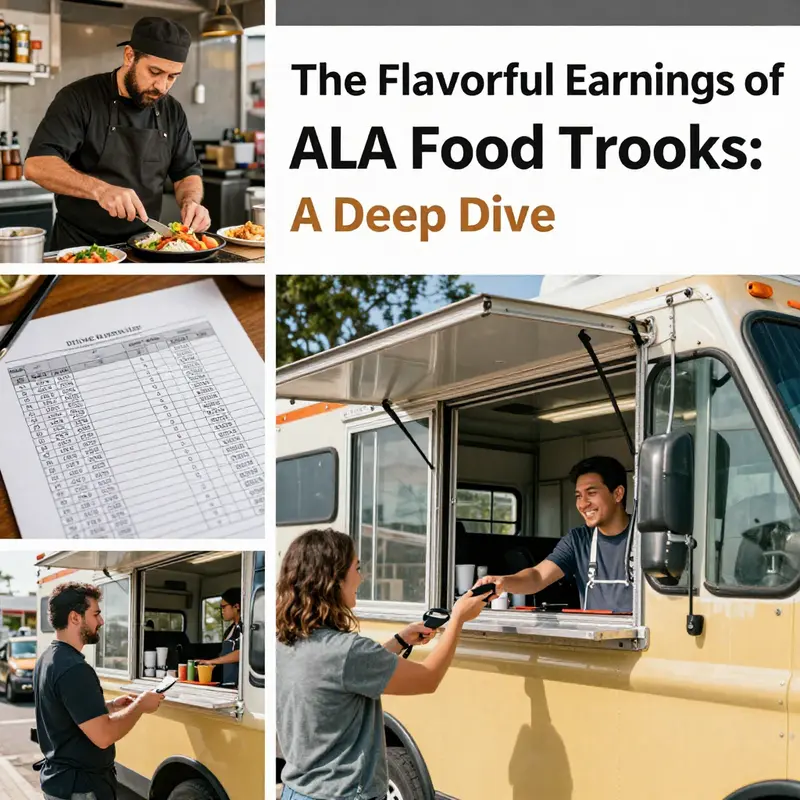
In Los Angeles, a food truck is more than a mobile kitchen; it is a flexible, location-aware business platform that must compete with dense pedestrian traffic, shifting permits, and the city’s sprawling mosaic of neighborhoods. The economics of this enterprise hinge on a delicate balance: the pull of high-volume sales in peak locations against the friction of operating costs that can erode margins if not managed with precision. The most reliable way to understand what a LA food truck can earn is to hold two realities in view at once. First, revenue potential is real but uneven. Second, the costs of turning that revenue into profit are substantial and structured. Industry analyses from 2025 place broad revenue bands for a well-managed truck somewhere between a comfortable six-figure sum and the edge of a seven-figure milestone when the operation rides high on major events, corporate catering, and repeated festival engagement. The same sources emphasize that even with strong top-line performance, profitability depends on tight cost control and pricing aligned with the local market. A realistic frame, then, begins with the recognition that gross revenue can run into the mid six figures, while net profit requires discipline in buying, labor, and scheduling to avoid the squeeze of fixed and semi-variable costs.
At the core of any LA operation are the daily cost drivers that accumulate across the month. The typical monthly operational burden, as reported by 2025 market analyses, sits roughly in a broad band of about $8,000 to $15,000. That figure encompasses fuel and vehicle maintenance, ongoing insurance, permits and licensing, wages for staff, and the inventory for the kitchen itself. It is not merely a tally of line items, but a reflection of the rhythms of the city: the need to refill pantry stocks quickly for back-to-back service windows, the wear and tear on a compact kitchen in urban traffic, and the regulatory fees that keep a truck compliant with health and safety standards. When you add in the labor costs and the real-world price of ingredients, the daily math becomes clear: costs must be controlled in a way that lets the business deliver meals that customers feel are worth the price, even as the competition for hungry customers remains intense in Downtown LA, Santa Monica, and Venice.
The gross margins for successful trucks are where the magic happens. Industry reports consistently place gross profit margins in the range of 60% to 70%, thanks to the inherently low overhead of a mobile operation compared with brick-and-mortar restaurants. This is the bright side of the ledger. It means that, after accounting for the cost of goods sold (the food and beverages themselves), the remaining revenue helps cover the fixed costs and still leaves a cushion for profit. Yet this margin can be compressed by a few forces: price-sensitive customers who expect volume at bargain prices, fierce competition that drives promotional pricing, and the challenge of maintaining quality with fluctuating supplier costs. In other words, the margin is not a given; it must be earned through a combination of smarter sourcing, menu discipline, and operational efficiency.
To translate margins into real numbers, consider a ballpark scenario: a truck generating $250,000 in annual revenue often nets between roughly $37,500 and $62,500 after costs, assuming the 15% to 25% net profit range cited in robust local analyses. This translates into monthly net earnings that can support a modest team, a comfortable car ride to the next location, and discretionary reserves for slow periods or unexpected breakages. But the same truck could push well beyond this range if it repeatedly lands high-traffic events, negotiates premium contracts for corporate lunches, or leverages a niche offering that commands a premium price.
Seasonality and event-driven revenue are more than seasonal anecdotes; they are central to the LA playbook. Festivals, holiday markets, and large weddings can yield substantial short-term income, sometimes topping $10,000 in a single weekend for a single truck. Yet relying on those peaks without a plan for the lean times is a common pitfall. The robust operators schedule around peak events but also cultivate steady revenue streams: recurring lunch service near business districts, regular farmers markets on weekends, and targeted collaborations with venues and organizers who book in advance. The balancing act is to exploit the high-value windows without over-investing in capacity that sits idle between them.
An essential lens on profitability is the initial investment required to launch or renew a mobile kitchen. A fully loaded food truck, equipped to handle a range of cuisines and meet health and safety demands, typically represents an upfront cost in the neighborhood of $45,000 to $55,000. This figure covers the vehicle, kitchen equipment, customization for the chosen cuisine, and the regulatory groundwork that makes the unit compliant from day one. There are certainly lower-cost paths, with some operators starting as low as $3,000 to $4,000 for basic components or used platforms. But those lower-cost setups often lack the durability and flexibility needed to sustain performance in a demanding urban market like LA, where incidents, wear, and the need for consistent freshness are constants. The decision about vehicle and build is therefore not merely a capex choice; it is a strategic plank that shapes efficiency, reliability, and the ability to scale.
With that capex reality in mind, the menu and pricing strategy become the tools that translate a high-cost asset into sustainable profitability. The operators who win in LA are the ones who align menu offerings with sourcing realities, who price to reflect both food cost and perceived value, and who structure their operations to maximize throughput while preserving quality. The typical food cost percentage cited in the broader literature sits in the 30% to 40% band—an acceptance of the fact that premium ingredients or niche offerings can push that figure upward, while disciplined sourcing and streamlined prep can pull it downward. In practice, a truck that specializes in premium or fusion options often commands higher prices and, when matched with efficient prep and portion control, can maintain margins that other trucks struggle to sustain. On the other hand, a price-sensitive approach in a crowded area can compress margins quickly if demand falls or if competition intensifies.
The geography of Los Angeles matters in more ways than one. Downtown LA, Hollywood, and major office corridors tend to deliver high-volume lunch traffic, but they also impose higher costs due to permits, stricter compliance checks, and the price partners expect in those hot zones. Conversely, high-traffic but lower-rent neighborhoods, college campuses, or weekend markets offer opportunities to achieve strong daily sales without the same premium on every transaction. The strategic takeaway is that profitability in LA requires not just a good recipe but a well-choreographed schedule: where to be, when to be there, and how to adjust menus from one footprint to another without incurring inefficiencies.
A practical lens for operators is to treat the business as a calendar and a budget rather than a single month of sales. Each location has its price sensitivity, and each event has its own revenue rhythm. The most resilient trucks build a portfolio of routes and events: consistent weekday shifts near corporate zones for steady lunch, weekend destinations that draw families and food enthusiasts, and occasional premium engagements that reward the work with a higher price tag. The financial discipline is to forecast cash flow with conservative assumptions, then build contingency plans for weather-related disruptions, regulatory changes, or unexpected supply costs. The infrastructure of profitability—strong branding, reliable sourcing, and optimized routes—becomes the backbone that supports a healthy bottom line even when the sun dips on a season or a festival ends.
When operators think about growth, the dialogue often returns to scale and the leverage of events versus foot traffic alone. A kitchen-on-wheels gains leverage by expanding its network of events, building repeat relationships with organizers, and diversifying offerings to reduce dependence on any single revenue stream. The premium strategy—whether by fusion cuisine, organic ingredients, or a concept that taps into an underserved niche—can command higher average checks and sustain healthier margins, particularly when paired with a lean supply chain and disciplined labor management. The literature suggests that premium or niche trucks often outperform their more generic peers in margin terms because they can maintain price integrity even as volumes rise. But premium positioning requires a consistent standard of quality, a clear brand story, and rigorous cost controls to ensure the higher price point translates into clear profit rather than margin erosion.
The accounting frame behind these decisions is straightforward but crucial. Food costs generally anchor the margin, while labor and overhead determine the net, and this is where the difference between a break-even week and a profitable run becomes a function of planning. A distributor-friendly approach—building supplier relationships, negotiating terms, and scheduling orders to minimize waste—can mean the difference between a 60% gross margin and a figure that sits notably lower after labor, insurance, and permit fees. In practice, this means operators must be tactical about stock, portion sizes, and the timing of purchases. They should also monitor seasonal shifts in demand and adjust menus slightly to maintain value perception without sacrificing culinary credibility. The dynamic is not static; what works in a warm August weekend might need refinement in a cooler, slower winter stretch.
If a reader wants a quick anchor for starting budgets, consider this practical guidance: anticipate monthly costs in the $8,000 to $15,000 range for the essentials, aim for gross margins within the 60%–70% envelope, and target a net margin in the 15%–25% range after all costs. For revenue benchmarks, a truck producing $250,000 annually can realistically net in the mid-five-figure range when the operator runs disciplined purchasing, efficient labor, and a repeat event pipeline. The high end of the spectrum—reaching or surpassing $400,000 in annual revenue—remains a function of hitting top-tier events, developing a loyal corporate catering base, and maintaining a compelling brand story that resonates across audiences and neighborhoods. The path from a modest startup to a scalable operation in LA is less about a single breakthrough moment and more about consistent, incremental improvements across pricing, sourcing, and scheduling, all while preserving the quality that draws customers back week after week.
For those considering the initial step into mobile kitchens, the choice of truck model matters. The right build supports efficient cooking, easier cleaning, and faster turnover, all of which contribute to margins in a crowded market. A practical starting point is to explore options that balance price with durability and adaptability to various cuisines. In practice, a well-chosen model can keep depreciation, fuel consumption, and maintenance in check, while enabling the operator to pivot quickly between venues without a major equipment overhaul. Those who want to dive deeper into model options tailored to different startup profiles can explore resources focused on the best food truck models for Lakewood startups. best food truck models for Lakewood startups. This kind of research helps a prospective owner align an investment with long-term profitability goals, ensuring that premium offerings or efficient configurations do not drain cash flow in the earliest months.
Finally, the broader context matters. Local licensing dynamics, health department inspections, and permit renewals shape both the cost structure and the cadence of operations. A quiet afternoon could be punctuated by a check from a city inspector, serving as a reminder that compliance is not a one-time hurdle but an ongoing operating cost and a routine risk management activity. A solid approach blends practical financial planning with a careful eye on regulatory requirements, an emphasis on consistent food quality, and a willingness to adapt to an ever-evolving street-food landscape. The result is not overnight wealth but a resilient, scalable model capable of delivering meaningful annual earnings while maintaining the culinary standards that define a successful LA food truck.
External data sources and industry analyses support this narrative by highlighting the central tension between the appetite for high-margin, low-overhead food service and the realities of operating in a dense, dynamic market. For readers seeking a concise external benchmark, a 2025 analysis of Los Angeles food truck profit margins offers a synthesized view of margins, cost structure, and revenue opportunities that align with the numbers and scenarios described here. This broader context helps frame the LA food truck venture as a disciplined, data-informed enterprise rather than a casual business idea. For a deeper dive into these benchmarks, consult external resources such as the industry analysis cited in the chapter. External industry data.
Final thoughts
The food truck scene in Los Angeles is not just about delicious offerings but also a vibrant opportunity for entrepreneurs. By understanding potential earnings, the critical role of location and menu, and the expenses involved, aspiring food truck operators can create a well-rounded strategy for success. With the right approach and a passion for food, anyone can carve out their niche in this thriving culinary landscape.