
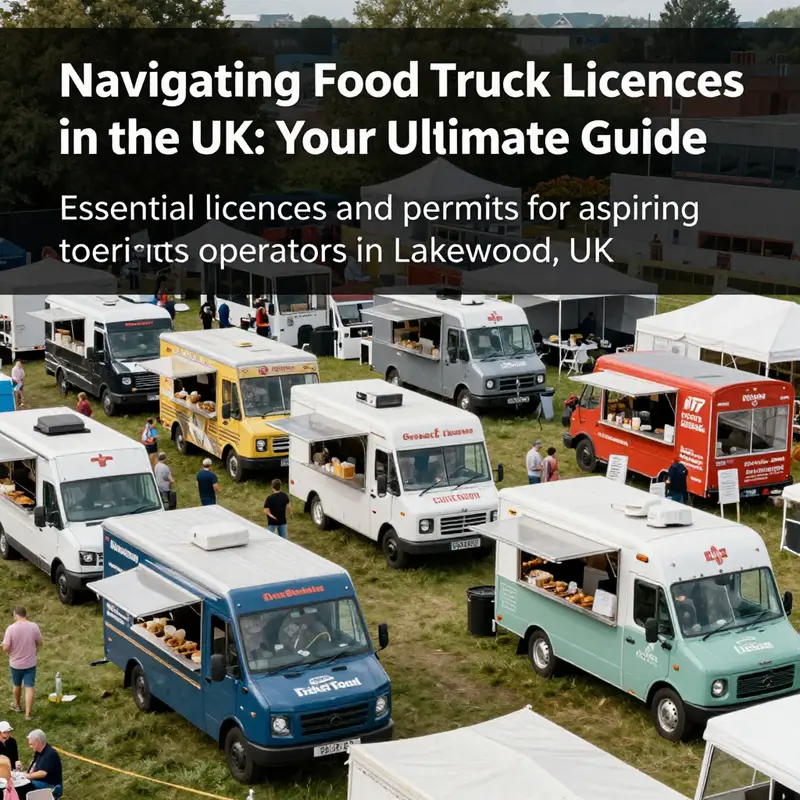
Launching a food truck can be an exciting adventure, especially in vibrant communities like Lakewood. However, the journey to serving mouthwatering dishes from your mobile kitchen involves understanding several key licences and permits that ensure you operate legally and safely. Whether you’re a hopeful entrepreneur or a curious tourist, it’s vital to grasp what is needed to keep the wheels of your food truck turning smoothly. From food hygiene to trading standards, VAT registration, and necessary insurance, this guide will break down everything you need into digestible pieces, so you can hit the streets of Lakewood with confidence and compliance.
From Registration to Rating: Navigating the UK Food Hygiene Landscape for Mobile Kitchens

Launching a food truck in the United Kingdom is as much a logistical expedition as a culinary one. The streets and markets you want to call your stage are governed by a framework designed to protect public health, ensure fair competition, and provide clear signals to customers about safety and reliability. Rather than a single hurdle, the licensing landscape for mobile food vending is a cascade of steps that interlock. This journey begins with a formal registration and ends, in practice, with the public-facing proof of your hygiene commitment—the Food Hygiene Rating that accompanies your registration. Along the way, you will encounter vehicle standards, staff training, various permits, and insurance requirements that together map out the responsibilities of a mobile operator. Understanding how these pieces fit helps you design a compliant, resilient business from the start and avoids the common pitfall of rushing to a stall without the underpinning checks that keep customers safe and authorities satisfied.
The first milestone is the act that many first-timers underestimate in its breadth: Food Business Registration. This is not a one-off form; it is a formal declaration of your intention to operate a food-related service. You register with your local council’s environmental health department, sharing essential details about what you will prepare, where you plan to operate, and the hygiene practices you will implement. The council uses this information to determine whether your operation aligns with local policy and national best practice. Importantly, registration triggers the Food Hygiene Rating scheme. After an inspection, your business is assigned a rating that is publicly available and easy for customers to see. The rating is not merely a badge; it reflects your day-to-day discipline in cleaning, cross-contamination controls, temperature management, and staff conduct. It creates immediate credibility with customers who are choosing between vendors, and it incentivizes operators to maintain, or elevate, their hygiene standards over time.
The inspection that determines your Food Hygiene Rating is conducted by environmental health officers, professionals trained to assess not just the kitchen setup but the routines behind every tray, pan, and preparation step. The rating framework is practical and transparent: it rewards consistency and diligence in areas like preventing cross-contact between raw and cooked foods, ensuring adequate handwashing facilities are available and functional, and maintaining clean, well-organized storage that minimizes the risk of contamination. For anyone stepping into the mobile food space, the takeaway is simple: you perform better when you plan for the inspection well before it happens. Start with a robust hygiene plan, train your staff to a standard level, and keep records of temperature checks, cleaning schedules, and pest-control measures ready for review.
A crucial element of that plan is staff training. Every person handling food should possess a valid Food Hygiene Certificate, typically at Level 2 or an equivalent qualification recognized in the sector. The certificate signals that the holder understands safe food handling procedures, contamination risks, and the correct responses to potential incidents. In practice, this means your team can confidently manage raw ingredients, thaw frozen products safely, avoid cross-contamination, and maintain correct personal hygiene during busy service periods. In a mobile setup, where space is at a premium and the pace is often brisk, having staff with a shared baseline knowledge reduces the likelihood of avoidable mistakes and speeds up your ability to respond when things don’t go to plan.
The vehicle itself is part of the safety equation. Your food truck must be designed, equipped, and maintained to minimize the chance of contamination. The context here is practical: a handwashing facility must be accessible to staff, ideally near the service counter and well away from any food prep areas that could be compromised by splashes or steam. You must implement a clean-as-you-go routine, with clear boundaries between raw and cooked products, and you should have a rational waste management plan that ensures disposal is managed in line with local rules. The physical layout of your kitchen matters as much as the recipes you intend to serve. For many operators, this means choosing a layout that reduces movement waste and eliminates unnecessary transfer of ingredients between zones. The goal is to create a workspace that not only looks professional but behaves safely under pressure, especially during peak service windows.
Beyond the kitchen, there are additional permits that can shape where and when you can operate. If you want to park at a fixed site or in a location that becomes a regular stop—such as a market site, a festival pitch, or a designated street corner—you may need planning permission from your local council. Planning is not about food safety by itself; it concerns land use, traffic implications, and the long-term viability of your chosen site. In some cases, you may be able to operate under a temporary permit for specific events or markets without a permanent planning adjustment, but the rules vary by borough and event organizer. Local authorities also regulate street trading licenses and other permissions designed to manage public space use. The practical upshot is that your site strategy should evolve in parallel with your licensing work. If you anticipate moving between locations, plan for the possibility of multiple street trading licenses and event permits rather than assuming a single, universal approval will cover all venues.
Tax, insurance, and financial compliance add a further layer that can easily be overlooked in the excitement of tasting menus and new grills. VAT registration becomes a consideration if your annual turnover crosses the threshold—often cited at £90,000, though thresholds can shift with policy updates. Even if your turnover remains below the threshold, voluntary VAT registration can be advantageous. It allows you to reclaim VAT on business expenses, which is particularly meaningful in a business with substantial start-up costs and recurring capital expenditure on a vehicle, equipment, and stock. Separately, employer’s liability insurance becomes legally required if you take on staff. This coverage protects the business if an employee is injured or becomes ill due to work, and it provides reassurance to workers that their welfare is a priority. Public liability insurance, while not a legal necessity, is strongly recommended. It covers claims arising from injuries or property damage experienced by customers or members of the public and can be the difference between a minor incident and a financial setback that would jeopardize your operation’s continuity.
Vehicle licensing and MOT are a core part of keeping a food truck roadworthy and compliant with the law. Your vehicle must be properly registered with the appropriate authorities and be subject to MOT testing if it is over three years old. Road tax applies, and you should ensure that the DVLA record accurately reflects your vehicle’s status and any modifications that might affect its classification or roadworthiness. In practice, this means building a maintenance plan that accounts for the lifecycle of the truck—checklists for brakes, lights, tires, electrical systems, and gas or LPG installations as applicable. A well-documented vehicle history can also reduce friction when you are moving between sites that require vehicle checks or spot inspections by authorities.
For operators with fixed venture points or permanent fixtures, planning permission acquires heightened importance. Councils assess the compatibility of the site with surrounding land use, traffic, and environmental considerations. If the site is in a shopping precinct, near schools, or within a residential area, there may be heightened scrutiny or additional conditions designed to minimize nuisance or disruption. This is not a barrier to success but a reminder that your business does not exist in isolation. It must coexist with its neighbours, and that coexistence begins with proactive engagement with planning officers and local residents. If your business model involves temporary events, you will often need event permits that allow you to operate during specific periods, at particular venues, and within defined time windows. The complexity of these permissions emphasizes the need for a holistic approach to compliance: it is not enough to tick the registration box; you must be prepared to demonstrate ongoing adherence across a spectrum of regulatory areas.
In practice, how does all this come together in a coherent way? For many operators, it starts with a readiness checklist that translates regulatory requirements into everyday operational habits. You might begin with a clean, clearly labeled SOP (standard operating procedure) for every task—handwashing, food storage, cross-contamination controls, and cleaning schedules. You document proof of staff training, such as certificate copies and renewal dates, and you keep a calendar of inspection dates and grant conditions. Your inventory management should separate raw ingredients from ready-to-serve components, with color-coded containers and clearly marked storage zones. Temperature logs for refrigerators and hot holding units should be entered daily, not only for compliance but to support your ongoing commitment to food safety. The more you approach your business with this disciplined mindset, the more the licensing process feels like a series of natural enhancements rather than a maze of obstacles.
To bring a practical thread through these considerations, many operators look to complementary resources that address the practical realities of running a mobile kitchen. For example, when you are shaping your vehicle’s layout and choosing equipment, you could consult resources on the best-fit models for a startup. This is about balancing space, workflow, and regulatory readiness in a single purchase decision—something that can affect your ability to maintain clean zones and separate storage. You can explore perspectives on mobile kitchen configurations through practical guides that examine layouts, ventilation, and work flow, which are all relevant to maintaining high hygiene standards while keeping service efficient. See for instance the discussion on best-food-truck-models-for-lakewood-startups. This resource can help you think through the physical constraints you’ll face on the road and how a well-planned setup supports compliance, not just performance.
All these threads converge in the Government’s guidance on licensing for food trucks. The official portal outlines the registration process, the roles of environmental health teams, and the expectations around hygiene ratings. It also clarifies where and when you might need additional permissions, such as street trading licenses and temporary event permits, and provides the definitive statements on VAT, insurance, and vehicle compliance. When you read the policy with your day-to-day operation in mind, the path from registration to rating becomes a practical roadmap rather than a theoretical checklist. You’ll see how each element reinforces the others: the rating reflects your ongoing practices; the practical layout supports clean handling and waste management; the planning permissions shape your long-term footprint; and the insurance and taxes sustain financial resilience when unpredictable events occur. The aim is to create a stable platform for growth that operates within the law while delivering reliable, safe, and appetizing experiences to customers.
For operators who want direct access to official guidance, the government site provides specific pages focused on food hygiene licensing for food trucks. Reading this material alongside your practical planning helps ensure you do not miss a critical regulatory requirement as you move from concept to street corner. The regulatory environment can feel dense, but it rewards preparation, transparency, and consistent practice. If you want to deepen your understanding, you can begin with the official guidance on food hygiene licensing for food trucks and follow the links to registration workflows, inspection criteria, and the appeals process if your rating is challenged. In the end, your success will hinge less on formal approvals and more on the daily discipline of maintaining a clean kitchen, safeguarding your customers, and operating in a way that respects the communities you serve.
External resource for further reading: https://www.gov.uk/guidance/food-hygiene-licensing-for-food-trucks
Trading Standards and Permits: Charting the Path for UK Food Trucks
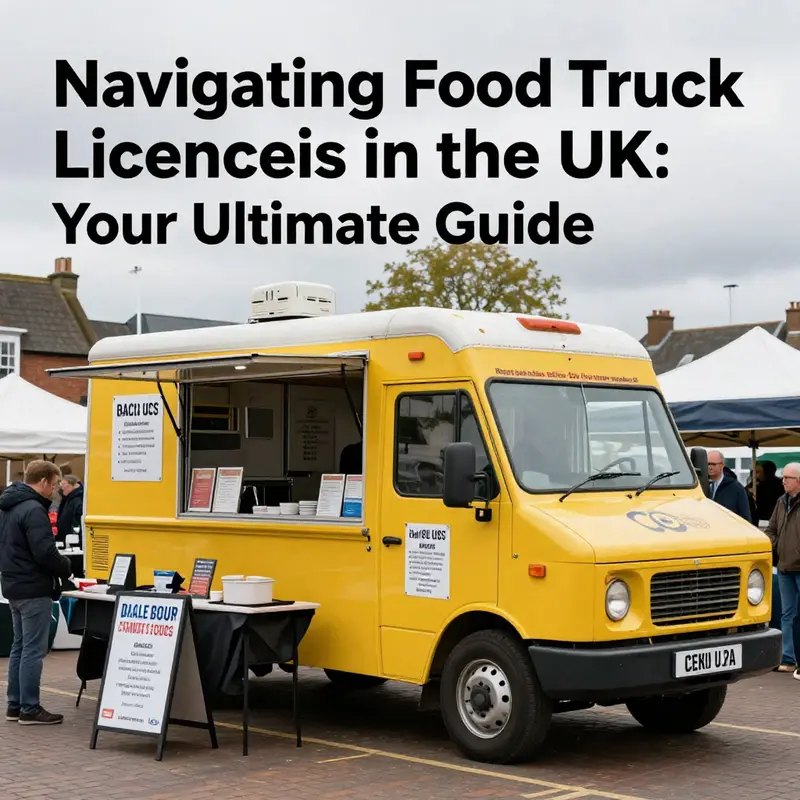
In the United Kingdom, the path from concept to a functioning food truck on the street is governed by a careful design of local authority rules. Trading standards teams are responsible for upholding food safety, fair trading, and the welfare of the public. The aim is not to hinder enterprise but to provide a credible, safe street food experience that customers can trust. The journey begins long before the first fry pan heats up, with planning, registration, and a clear understanding of who regulates what.\n\nAt the heart of any mobile food business is registration with the local council. You must register your food business with the environmental health department of your local authority. This is a standard step for every food operation, including mobile kitchens. Registration triggers an initial assessment of the operation, the food types you plan to handle, and the hygiene and training practices you intend to follow. After registration, many councils publish a Food Hygiene Rating, which is intended to be visible at the site or on social channels so customers can assess standards at a glance.\n\nThe hygiene inspection is more than a formality. Environmental health officers observe how food is stored, prepared, and served. They check the facilities for handwashing, temperature control, pest prevention, and cleanliness. They review food handling practices and the mechanisms you have in place to prevent cross contamination and allergen exposure. They look at traceability, supplier approvals, and the record keeping you maintain for cooking temperatures, cleaning schedules, and waste disposal. A good rating reflects your commitment to consistent practice as much as to one off events.\n\nIn addition to hygiene compliance, street trading licensing plays a pivotal role for any operator who wants to park and sell in public spaces. A street trading licence is typically issued by the licensing section of the local council. This permit governs where you can operate, at what times, and under what conditions the vehicle can be stationed or moved. Councils often layer restrictions to protect residential amenity and traffic flow, and they may require you to operate within defined permitted pitches or zones. Applications may also be scrutinized if you plan to operate near schools, hospitals, or other sensitive locations, with the aim of balancing commerce and community safety.\n\nSome operations are more complex still, because you may need planning permission if you intend to park in a fixed site for long periods or at recurring stands. Planning is handled by the local planning authority and is distinct from the street trading licence, safety checks, and hygiene registrations. The two processes can run in parallel, but delays in one can hold up your opening. Understanding whether a site is designated as a temporary event space or a permanent pitch is essential, as it determines the level of scrutiny and the expectations around operating hours, signage, and parking.\n\nBeyond regulatory approvals, practical finance and risk management lurk in the wings. VAT registration becomes relevant if your turnover crosses a threshold. Even if you stay below the threshold, many operators choose to register voluntarily to reclaim VAT on business expenses. This decision can influence cash flow and supplier agreements. Insurance forms the safety net that protects your business, staff, and customers. Employers liability insurance is legally required if you have staff. Public liability insurance, while not always mandatory, is strongly advised to cover claims for injuries or property damage that might arise during service or parking incidents.\n\nVehicle compliance cannot be overlooked. Your food truck must be roadworthy and meet the standards set by road traffic rules. An MOT test may be required if your vehicle is over three years old. The vehicle must be properly registered with the DVLA and taxed. Regular maintenance is prudent to prevent breakdowns that could jeopardize food safety by compromising temperature control or hygiene facilities. If the truck carries gas, electrical, or cooking equipment, you will need to ensure compliance with relevant safety regulations. The permits and the day to day operations are connected by the common thread of safety, and that thread must be visible to customers.\n\nThe regulatory landscape is not a single form to fill in and forget. It is an ongoing program of compliance, review, and adaptation. To succeed, operators should develop a simple, living plan that aligns with how they intend to operate. Temperature logs, cleaning schedules, supplier approvals, and allergen information are not add ons but core components of daily practice. Staff training and ongoing supervision are essential, especially in high turnover businesses where consistency of practice matters as much as any recipe. A well designed compliance routine reduces the risk of fines and protects your reputation, which is the most valuable asset you have when you are selling food from a vehicle on the street.\n\nFor someone starting out, a practical sequence helps avoid backtracking. Begin with registration and an early hygiene assessment, then plan the street trading route and the expected pitch locations with your local authority. Map out a calendar that includes inspection visits, licencing renewals, and any required planning considerations. Prepare your waste disposal arrangements and ensure access to appropriate toilet facilities at transient sites. Keep a simple budget that accounts for licensing costs, insurance premiums, and any site fees. The pattern of success here is not glamorous, but it is predictable and repeatable: do the basics well, and the rest follows.\n\nTo bring together the practical and the regulatory, consider the broader picture of how a local council shapes opportunities for mobile food businesses. Each council has its own mix of rules and sometimes a degree of discretion. That means a proactive operator will learn not only the letter of the law but the spirit of local policy: how the council balances commerce, streetscape quality, and public safety. A thoughtful approach also helps you build stronger relationships with licensing officers and environmental health teams, which can smooth future licence renewals and site approvals. You may find value in looking at equipment and startup considerations as you plan your fleet. For equipment ideas and startup considerations, read Best food truck models for Lakewood startups.\n\nFinally, keep track of official guidance as rules evolve. Local authorities periodically update their policies to reflect changing food safety science and urban planning needs. Stay in touch with the council through business networks and public notices. There is no single moment when compliance becomes effortless, but a steady, evidence based routine makes the difference between a food truck that earns trust and one that raises concerns. For official guidance on applying for a street trading licence, consult the government page on street trading permissions: https://www.gov.uk/apply-for-a-street-trading-licence
Counting Every Pound: VAT, Cash Flow, and the Hidden Costs of Running a Mobile Kitchen on UK Wheels
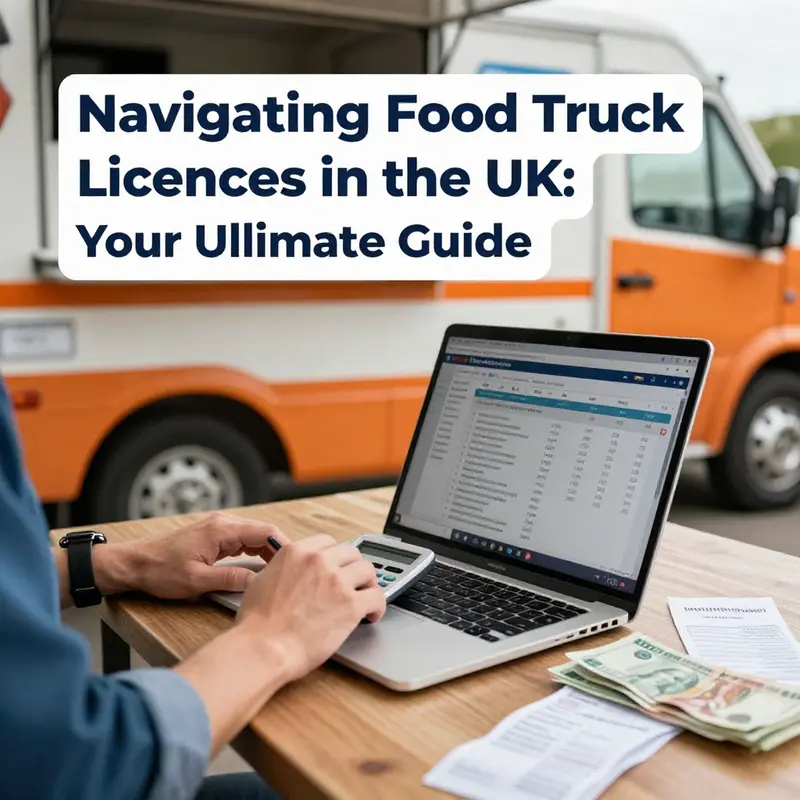
Operating a food truck in the UK demands more than cooking chops. It requires disciplined money management, regulatory awareness, and a clear view of how VAT affects pricing, margins, and cash flow.
The VAT threshold currently sits at £90,000 of taxable turnover per year. If your forecast turnover exceeds this limit, registration is mandatory. Even below the threshold, voluntary VAT registration can be advantageous because you can reclaim VAT on purchases such as ingredients, fuel, equipment, and insurance. This reclaim can improve cash flow in the early stages when you are reinvesting in the business.
Whether you register or not, robust bookkeeping is essential. Track daily sales, supplier invoices, vehicle costs, and insurance, and link each item to the VAT treatment. A centralized system helps when you operate multiple vans or pop-up sites and reduces the risk of misallocations.
Pricing decisions under VAT require care. VAT charged on sales must be accounted for as a liability until payment is remitted, while the VAT paid on inputs is reclaimable as an asset. Model different scenarios to understand how VAT could affect margins as you grow, particularly if you decide to register at a later date.
Separate business banking helps keep personal money out of the mix, simplifies VAT reporting, and supports clean cash-flow management. Accounting software that produces VAT-ready reports, P&L, and cash-flow projections is a valuable ally when communicating with lenders, partners, or investors.
Beyond VAT, consider insurance, licensing, and fuel costs as part of your cost base. These items influence pricing and margins and warrant regular review. For long-term viability, plan for capital expenditure on equipment and cooling, factoring in VAT treatment and depreciation as part of your financial model.
In short, VAT is not merely a tax obligation; it is a financial signal about scale, pricing discipline, and governance. A thoughtful approach to registration, bookkeeping, and cost control helps a mobile kitchen stay competitive, cash-flow positive, and compliant across seasons and locations.
Steering Toward Compliance: Insurance, Liability, and the Licences That Make a UK Food Truck Legal
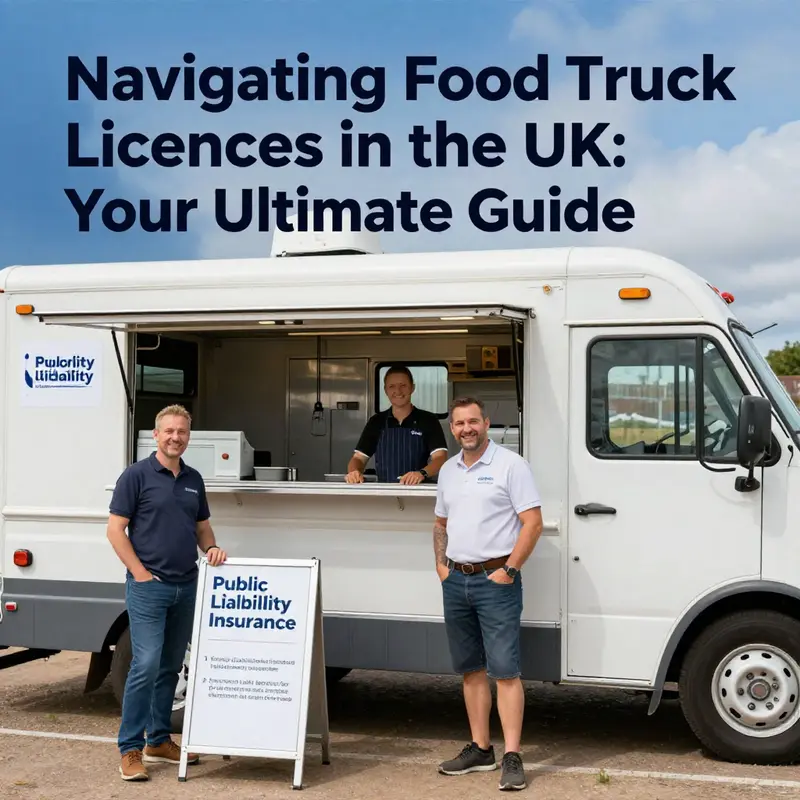
Operating a mobile kitchen in the United Kingdom means navigating a structured mix of licences, registrations, and insurance. This framework exists to protect customers, staff, and the business while allowing traders to participate in markets, street fairs, and fixed sites. The chapter explains how licences and insurance fit together to create a resilient, compliant food truck operation. It emphasizes practical steps, such as registering with the local authority and understanding the Food Hygiene Rating, alongside selecting an insurance package that matches the business model.
Registration and hygiene form the foundation. A Food Business Registration with the local council’s environmental health team sets out what you prepare, how you store it, and where you operate. This process also interfaces with the public Food Hygiene Rating, which can influence footfall and customer confidence. A high rating signals consistency; a poor rating can constrain opportunities. The exercise forces you to document kitchen layout, storage, temperature controls, waste management, and staff hygiene—especially important for a mobile operation where equipment moves and teams rotate.
Beyond hygiene, the local authority’s Trading Standards function imposes vehicle safety, waste disposal, and operating hours aligned to the community. Rules vary by council, so a menu that travels between boroughs may need tailoring to different limits and restrictions. Planning permission may be required for a fixed site; the planning layer complements hygiene and trading standards and helps define where the truck can operate.
VAT and payroll add complexity. If turnover crosses the VAT threshold, registration is mandatory; even below it, registration can be beneficial for reclaiming VAT on expenses. Insurance pricing often hinges on turnover, linking revenue to risk exposure. When you apply for licences, you signal your scale and rhythms to insurers, which helps tailor the right protection.
Insurance architecture for a food truck matches the mobility and exposure of the business. Commercial vehicle insurance sits at the core because the truck itself carries liability and equipment. A motor policy tailored for mobile vendors covers the vehicle, installed equipment, and the liability arising from business activities conducted from the vehicle. Public liability insurance protects against everyday hazards, while product liability covers illness or contamination claims tied to the food itself. Employers’ liability becomes mandatory when staff are employed, and it protects against injuries or illnesses sustained by workers.
These coverages are not static; many operators add contents, equipment breakdown, business interruption, theft, and cyber risk where appropriate. For mobile businesses, it is worth ensuring coverage extends to transit between sites, live events, and setup and teardown. A broader policy can protect cash flow and continuity after a setback. Insurers respond to the operating profile, so documenting routes, seasonality, and compliance history helps secure fair terms.
A core idea is that licensing and insurance reinforce trust. Councils and event organizers increasingly require proof of coverage to issue permits or grant access. A robust portfolio signals that risk management is integrated into operations, protecting customers and staff while enabling access to higher-value markets. The relationship between licensing and insurance is dynamic: licenses establish safe practice and predictable site access; insurance converts that safety into financial resilience and opportunity.
Practical next steps are straightforward. Start with solid registration and an accurate Food Hygiene Rating. Maintain evidence of required and recommended coverages, and revisit licences and insurance whenever plans change—adding a site, extending hours, or upgrading equipment. In practice, this reduces the chance of a single incident derailing a plan and can smooth entry into sought-after markets. Collaborating with an experienced insurance professional who understands mobile food businesses helps align policy terms with actual operations and risk.
For more guidance, many government resources outline the hygiene and safety obligations that underpin risk management for food businesses, including mobile operations. See the government overview of food hygiene and safety responsibilities for a practical reference that connects policy with day-to-day practice.
In summary, licences and insurance work together to protect people and the business. Licences enable safe practice and site access; the right insurance converts that safety into financial protection. Used together, they support reliable, compliant growth for a UK food truck.
Final thoughts
Understanding the necessary licences and permits to operate a food truck in the UK is crucial for anyone looking to serve delicious food from their mobile kitchens. The food hygiene licence ensures you maintain the highest health standards, while local authority trading standards guarantee safe and compliant operations. Financial responsibilities, such as VAT registration, keep your business running smoothly, and having the right insurance provides peace of mind. With this knowledge, aspiring food truck operators can step into their culinary dreams in Lakewood and beyond, ready to delight their customers and thrive in this vibrant food scene.