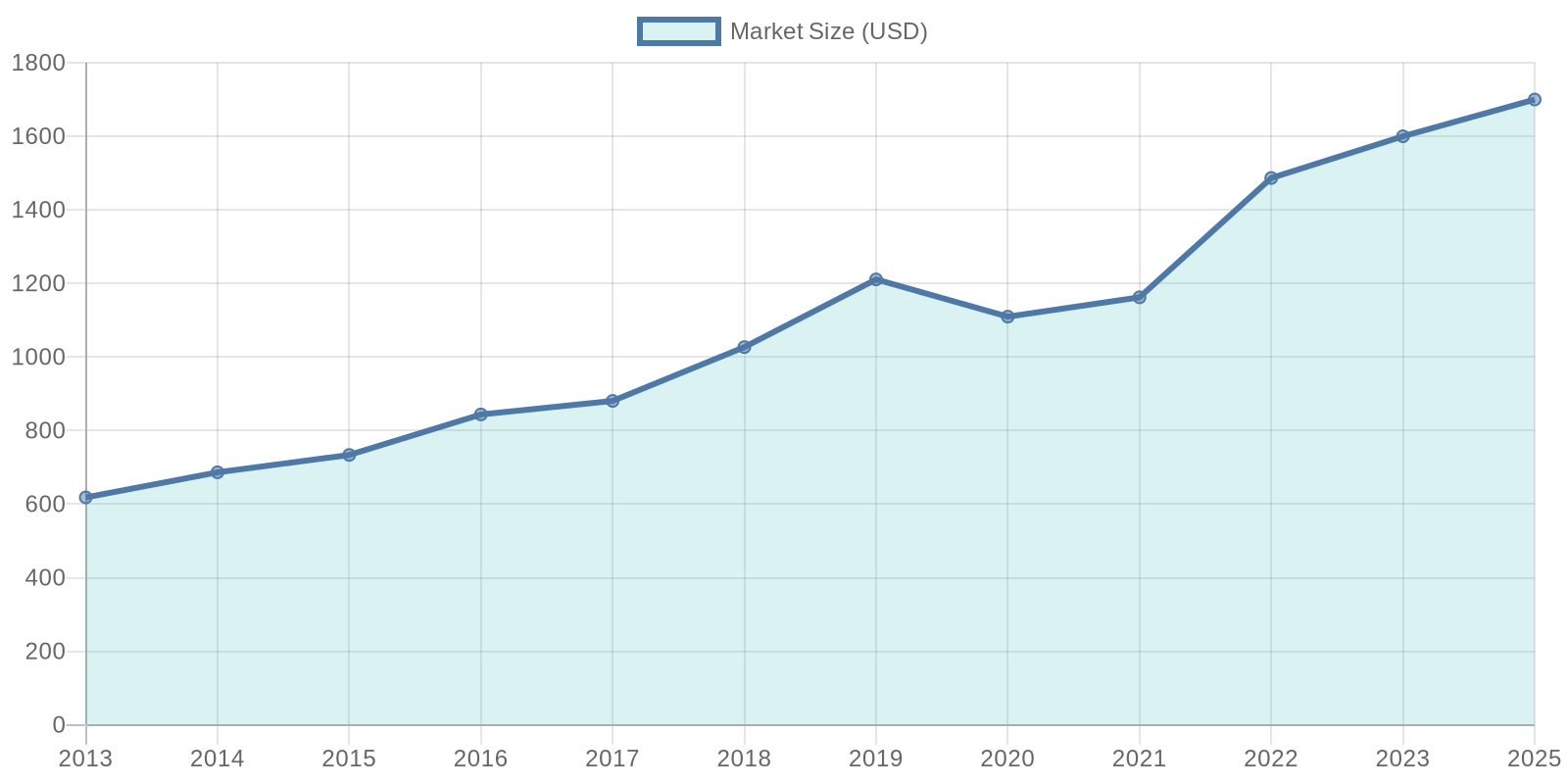
In recent years, food trucks have surged in popularity, transforming the culinary landscape of Lakewood and beyond. With approximately 36,000 food trucks currently in operation across the United States as of 2023, this innovative dining option offers unprecedented accessibility and variety. Each new vendor that sets up shop not only adds to the vibrant tapestry of local cuisine but also brings with it an aura of excitement and community interaction.
As enthusiasts eagerly anticipate the latest food truck launches, it becomes essential to explore the key lessons learned within this dynamic industry. From understanding customer preferences to navigating the logistics of running a mobile kitchen, the experiences of these vendors can provide invaluable insights for those looking to embark on their own food truck journey.
Join us as we delve into the exhilarating world of food trucks in Lakewood, sharing the triumphs and challenges that come with each new culinary venture.

Key Lessons for New Food Truck Vendors
Starting a food truck business is an exciting yet challenging venture. New vendors can greatly benefit from the experiences and insights of established food truck operators. Here are five essential lessons that can guide your journey to culinary success:
-
Your Menu Determines Your Equipment
One of the first lessons for aspiring food truck vendors is to remember that “Your menu determines the equipment you’ll have to have, as well as how much space you need for food prep and storage.” This quote encapsulates the critical relationship between your food offerings and the operational requirements of your truck. For example, if you plan to serve a diverse menu that includes barbecue and fried items, you will require equipment like a deep fryer and hood systems. In contrast, a straightforward menu may allow for more compact and cost-effective setups, leading to further savings during your startup.
-
Invest in the Right Vehicle
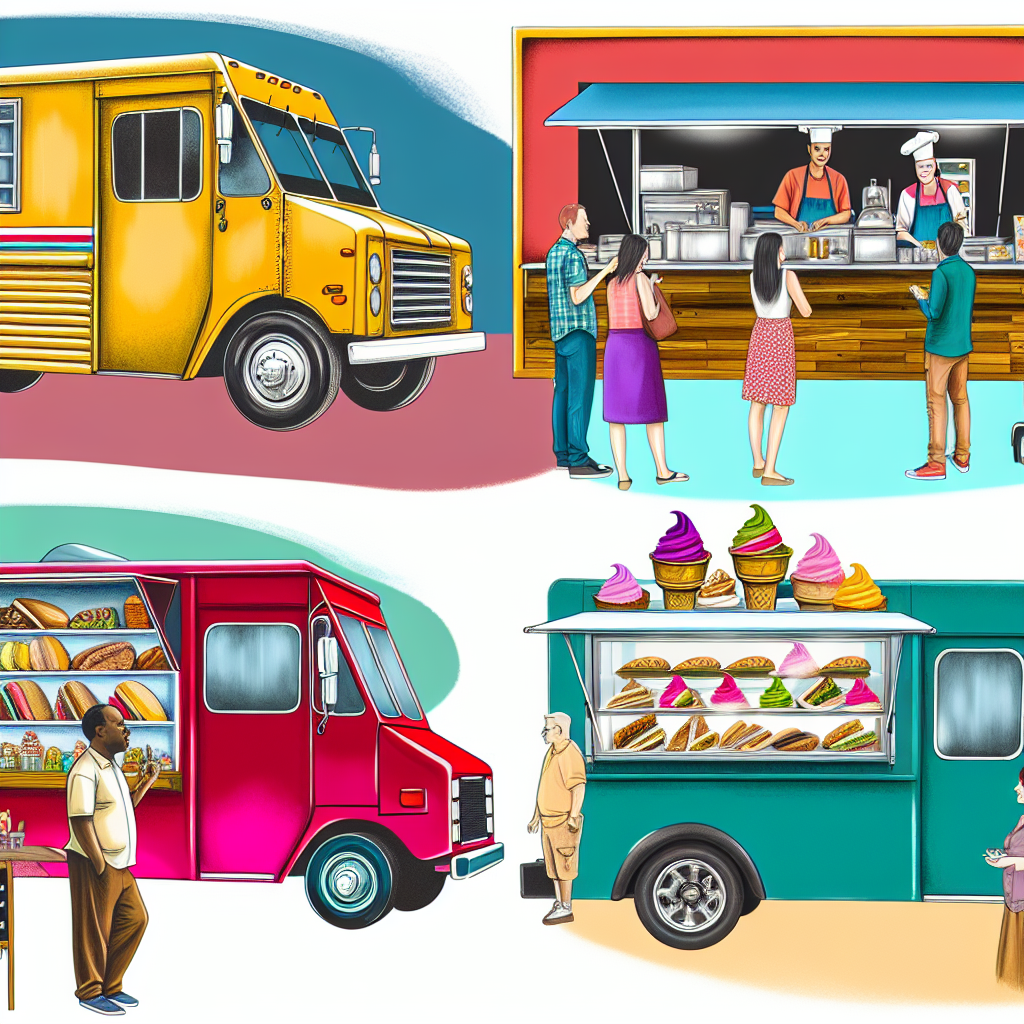
New vendors often struggle with vehicle selection. Evaluate your menu and equipment needs to choose the best vehicle type. For example, if you plan to operate with extensive kitchen equipment, consider vehicles like step vans or larger trailers that provide enough space for your gear. Conversely, if your offerings are simple, more economical choices like cargo vans may suffice, allowing you to allocate funds to marketing or menu development instead.
-
Location is Key
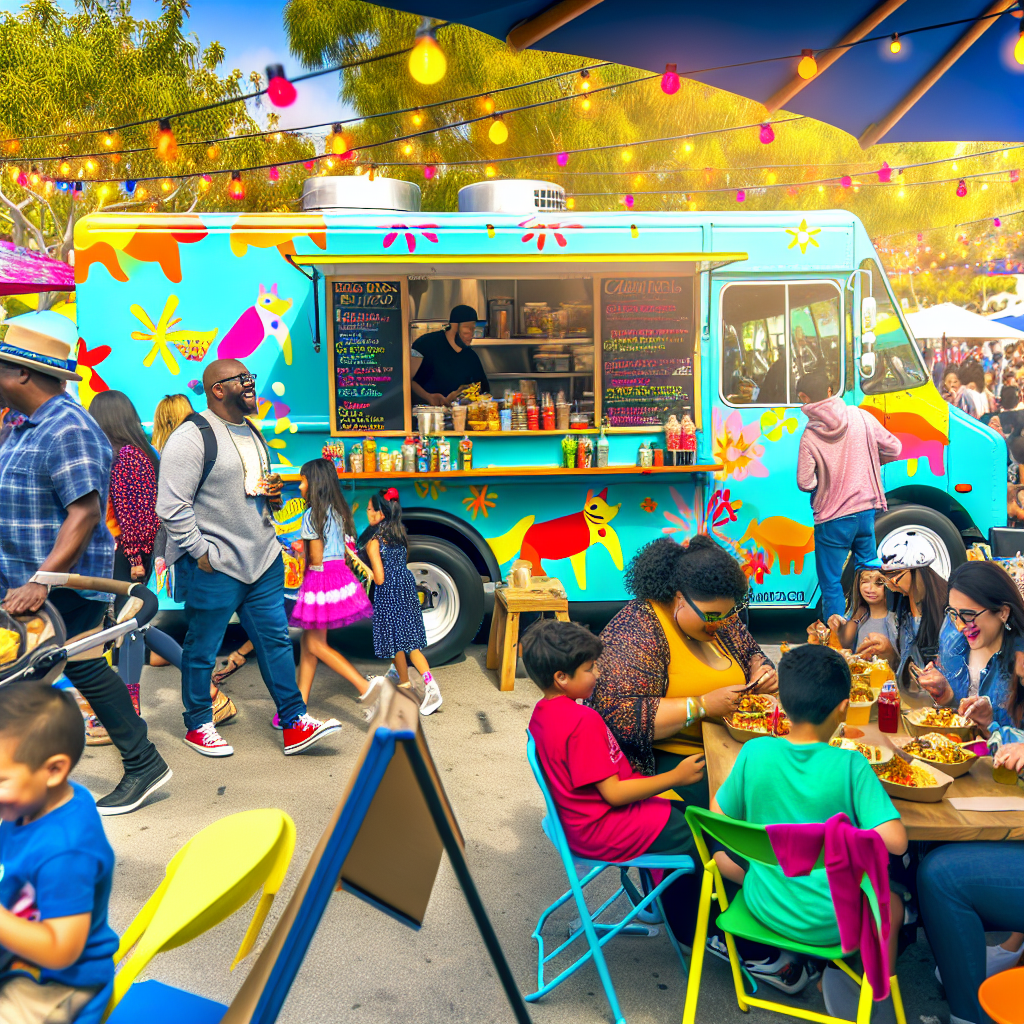
The success of your food truck can heavily rely on its location. High-traffic areas can significantly boost sales, and participating in local events allows for increased exposure. Engaging in marketing strategies that include social media can also enhance visibility. Share your locations and services frequently on platforms like Instagram or Facebook to keep your audience informed and excited about your offerings.
-
Build a Strong Brand Identity
Stand out in the competitive food truck scene by creating a compelling brand identity. This can include cohesive truck design, logos, and a defined brand voice. A strong brand not only attracts customers but fosters a sense of loyalty and community around your food truck. Make sure your branding reflects your unique selling points, whether that’s your culinary style or the story behind your truck.
-
Plan Finances Diligently
Financial management is crucial from the outset. Maintain a detailed budget covering all expenses like permits, equipment, supplies, and insurance. Understand your pricing strategy to ensure that you can cover all costs while still making a profit. Regularly reviewing your financials will assist in adapting to market demands and changing circumstances over time without risking your business’s viability.
These steps, inspired by seasoned vendors, provide a roadmap for new food truck entrepreneurs. Taking this advice to heart can increase your chances of launching a successful food truck business and create a memorable culinary experience for your community.
| Food Truck Model | Price Range | Size (Length/Height) | Special Features/Considerations |
|---|---|---|---|
| Chevy P30 | $30,000 – $50,000 | 20 feet / 6.5-8 feet | Great for customization; not produced since 1999 |
| Ford Transit | ~$46,000 | 19.5 feet / 7.5 feet | Versatile; good fuel economy |
| RAM Promaster | ~$44,000 | 20 feet / 6.5 feet | High roof option; spacious interior |
| Mercedes Sprinter | ~$55,000 | 19.5 feet / 7-8 feet | High-quality build; reputation for durability |
| Freightliner MT45 | $100,000+ | 24 feet / 8 feet | Commercial-grade; ideal for larger operations |
| Workhorse W62 | ~$60,000 | 24 feet / 8 feet | Electric options available; great maneuverability |
Evidence-Based Statistics on Food Truck Costs and Preferences
The food truck industry in 2023 provides a dynamic landscape for prospective vendors. Understanding the financial implications and consumer preferences is essential to making informed decisions. Here are some valuable insights:
Cost Ranges for Food Trucks:
- New Food Trucks: Generally range from $75,000 to $200,000 based on factors like size, equipment, and customization needs. Source
- Used Food Trucks: Available for approximately $15,000 to $100,000, depending on age and condition. Source
Startup and Operating Costs:
- Initiating a food truck business requires an investment estimated at $100,000 to $250,000 which includes the vehicle, permits, and initial inventory. Source
- Operating Expenses: Monthly expenses can include fuel costs of $250–$500, insurance at $2,500–$4,500 annually, and possible parking fees ranging from $300 to $1,000. Source
Projected Revenues:
- The food truck average annual revenue is around $346,000, with daily sales figures typically between $500 and $2,000, influenced heavily by location and menu offerings. Source
- The average net profit margin is about 7%, with successful trucks sometimes achieving margins of 10% to 15%. Source
Consumer Preferences:
- Cuisine trends indicate American food is the most popular among food trucks at 31%, followed by Mexican at 22% and Asian at 16%. Source
- Millennials represent the largest customer demographic, making up 58% of food truck patrons. Source
- Utilizing social media has proven beneficial, with 70% of food truck operators reporting increased revenue due to effective digital engagement. Source
Specific Model Prices:
- Ford Transit: Starting at around $38,000, depending on customization features. Source
- RAM ProMaster: MSRP of approximately $46,165, with some market averages around $38,797. Source
- Chevy P30: Used models can range from $20,000 to $50,000, still popular for their spacious interiors. Source
- Freightliner MT45: New versions start over $100,000, while used can be found from $35,000 to $70,000. Source
These aggregated statistics and insights serve to guide emerging food truck vendors in making informed decisions about their investments and market strategies.
Conclusion
Launching a food truck in Lakewood opens up a world of culinary possibilities and community connection. As we have discussed throughout this article, several key insights emerge that can guide new vendors in this exciting venture. From choosing the right model to planning operations meticulously, each lesson learned paves the way for potential success.
The importance of model selection cannot be overstated. Understanding your menu and its unique requirements dictates the appropriate vehicle choice, whether it’s a spacious step van or a versatile cargo van. Additionally, operational planning plays a significant role in determining the trajectory of your food truck business, ensuring that you’re not only prepared for the daily hustle but also equipped to adapt to market demands and consumer preferences.
As you contemplate the exciting journey of starting your own food truck, remember to take to heart the lessons shared by experienced vendors. Embrace the challenges and triumphs, and aim to create a memorable culinary experience for your community. Every successful food truck tells a story, and now it’s your turn to write yours in the vibrant food truck scene of Lakewood.
Let’s roll out the grills, fire up the stoves, and get ready for an adventure that is as rewarding as it is delicious!
-
“Food trucks are like the jazz musicians of the food world. They improvise, they riff, they play off the energy of the crowd. There’s an authenticity and a spontaneity to it that’s hard to find anywhere else.” — Matt Geller, Founder of Southern California Mobile Food Vendors Association.
- B. L. Johnson
Expert Insights and Testimonials from Food Truck Vendors
To enhance the lessons outlined in this article, it is crucial to include insights and testimonials from experienced food truck vendors and industry experts. Their experiences can provide invaluable advice on navigating the challenges associated with starting and operating a food truck business.
-
Vehicle Selection and Build Quality:
One seasoned operator, who has built food trucks for over a decade, emphasizes the importance of purchasing from a reputable builder. He stated, “A professional builder ensures everything meets code and regulations, which can save months of time and hassle.” This advice speaks to the significance of investing in a quality build to avoid future complications.
Overhill Concessions -
Menu Simplification:
Additionally, he pointed out that a limited menu can prevent customer confusion and reduce waste, highlighting, “Simplicity is key in food truck operations to enhance efficiency and customer satisfaction.” This lesson is particularly vital for new vendors who may be tempted to overextend their offerings. -
Dynamic Location Strategy:
In terms of location, he stated, “You have to keep moving your truck to different spots because repeat customers are less common compared to traditional restaurants.” This approach underscores the ever-changing landscape of food truck operations. -
Embracing Technology for Convenience:
Maxine Thompson, owner of Sweet Lou’s Food Truck, shared her experience regarding operational improvements: “Implementing a QR-based ordering system has increased our efficiency during peak lunch hours, allowing us to serve more customers without compromising quality.” This highlights how technology can streamline operations and enhance customer service. -
Comprehensive Maintenance Considerations:
Several vendors have expressed the importance of regular maintenance. In their words, “Maintaining both the engine and kitchen equipment is crucial; mechanical issues can halt your business instantly.” This insight emphasizes the dual responsibility vendors have to ensure both vehicle and kitchen health.
These quotes and testimonials from established food truck operators reinforce the lessons discussed earlier, stressing the need for strategic planning, effective operational strategies, and solid equipment selection as fundamentals for launching a successful food truck business.
Related Keywords for SEO Optimization in the Food Truck Niche
To enhance visibility and reach within the food truck industry, it is crucial to utilize strategic keywords in your online content. Below is a curated list of related keywords organized into categories, making it easier for food truck vendors to implement them for SEO optimization:
- Used Food Trucks
- used food trucks for sale
- pre-owned food trucks
- second-hand food trucks
- affordable food trucks
- buy used food truck
- Food Truck Models
- custom food truck builders
- food truck designs
- food truck layouts
- best food truck models
- food truck customization
- Food Truck Equipment
- food truck equipment
- food truck generators
- food truck refrigeration systems
- food truck cooking appliances
- food truck exhaust hoods
- Starting a Food Truck Business
- how to start a food truck
- food truck business plan
- food truck startup costs
- food truck financing options
- food truck licensing requirements
- Food Truck Regulations
- food truck permits
- food truck health codes
- food truck zoning laws
- food truck insurance requirements
- food truck operating regulations
- Food Truck Marketing Strategies
- food truck marketing ideas
- food truck social media marketing
- food truck SEO strategies
- food truck branding tips
- food truck event promotions
- Mobile Food Vendors
- mobile food vendors
- street food vendors
- mobile catering services
- food carts
- mobile food businesses
- Customer Engagement in the Food Truck Industry
- food truck customer engagement
- building a loyal food truck following
- food truck customer loyalty programs
- food truck customer feedback
- enhancing food truck customer experience
Incorporating these keywords into various aspects of your digital presence, including website content and blog articles, can significantly increase your search engine visibility. By targeting potential food truck vendors and customers effectively, you can engage your audience, boost traffic, and contribute positively to your business’s growth.
Revised Article with SEO Optimization
In recent years, food trucks have surged in popularity, transforming the culinary landscape of Lakewood and beyond. With approximately 36,000 food trucks currently in operation across the United States as of 2023, this innovative dining option offers unprecedented accessibility and variety. Each new vendor that sets up shop not only adds to the vibrant tapestry of local cuisine but also brings with it an aura of excitement and community interaction. As enthusiasts eagerly anticipate the latest food truck launches, it becomes essential to explore the key lessons learned within this dynamic industry. From understanding customer preferences to navigating the logistics of running a mobile kitchen, the experiences of these vendors can provide invaluable insights for those looking to embark on their own food truck journey.
Key Lessons for New Food Truck Vendors
Starting a food truck business is a thrilling yet challenging journey. Aspiring street food vendors can greatly benefit from the experiences of established food truck operators. Here are five essential lessons for successful food truck financing options and operations:
- Your Menu Determines Your Equipment
Your menu dictates the equipment you’ll need and the space required for food preparation and storage. As one vendor noted, “Your menu determines the equipment you’ll have to have, as well as how much space you need for food prep and storage.” For a diverse menu, extra equipment such as deep fryers and hood systems might be necessary, whereas a simpler menu allows for more compact setups and cost savings. - Invest in the Right Vehicle
Choosing the right vehicle can be daunting. Evaluate your menu and equipment requirements to select the best vehicle type. For extensive kitchen setups, consider step vans or larger trailers that offer ample space. Conversely, if your offerings are simpler, cargo vans may suffice, enabling you to invest more in marketing or menu development. - Location is Key
The success of your food truck greatly depends on its location. High-traffic areas boost sales, while engaging in local events enhances visibility and provides opportunities for effective food truck marketing strategies. Use social media platforms like Instagram or Facebook to regularly inform your audience about your locations and offerings, keeping excitement alive. - Build a Strong Brand Identity
Creating a compelling brand identity is crucial in a competitive market. This includes cohesive truck designs, logos, and a distinct brand voice. A strong brand attracts customers and fosters loyalty within the community. Reflect on your unique selling points, whether they include your culinary style or the story behind your truck. - Plan Finances Diligently
Effective financial management is vital from the start. Establish a budget that covers all expenses, including permits, equipment, supplies, and insurance. Understanding food truck financing options can ease the pressure of startup costs, as well as help ensure your pricing strategy supports both costs and desired profits. Regular financial reviews assist in adapting to market demands and safeguarding your business’s viability.
Food Truck Model Comparison
To aid in your decisions, here’s a comparison of popular food truck models:
| Food Truck Model | Price Range | Size (Length/Height) | Special Features/Considerations |
|---|---|---|---|
| Chevy P30 | $30,000 – $50,000 | 20 feet / 6.5-8 feet | Ideal for customization; discontinued since 1999 |
| Ford Transit | ~$46,000 | 19.5 feet / 7.5 feet | Versatile; good fuel economy |
| RAM Promaster | ~$44,000 | 20 feet / 6.5 feet | Spacious with a high roof option; good interior space |
| Mercedes Sprinter | ~$55,000 | 19.5 feet / 7-8 feet | Durable construction; known for quality |
| Freightliner MT45 | $100,000+ | 24 feet / 8 feet | Commercial-grade; suited for larger operations |
| Workhorse W62 | ~$60,000 | 24 feet / 8 feet | Electric options available; excellent maneuverability |
Evidence-Based Statistics on Food Truck Costs and Preferences
Understanding the food truck industry’s financial aspects and consumer preferences is key for prospective vendors. Here are enlightening insights linked to trends in food truck marketing strategies:
- Cost Ranges for Food Trucks:
- New Food Trucks: Generally range from $75,000 to $200,000, depending on factors such as size and customization needs.
- Used Food Trucks: Available for approximately $15,000 to $100,000, depending on age and condition.
- Startup and Operating Costs:
- Starting a food truck may require an investment of $100,000 to $250,000 covering vehicle, permits, and initial inventory.
- Monthly expenses can include fuel costs of $250–$500, insurance at $2,500–$4,500 annually, and parking fees ranging from $300 to $1,000.
- Projected Revenues:
- The average annual revenue for food trucks is around $346,000, with daily sales typically ranging between $500 and $2,000.
- The average net profit margin sits at approximately 7%, while successful trucks may see margins of 10% to 15%.
- Consumer Preferences:
- Cuisine trends indicate American food remains the most popular among food trucks at 31%, followed closely by Mexican at 22% and Asian at 16%.
- Millennials represent the largest customer demographic, comprising 58% of food truck patrons.
- Utilizing social media has proven beneficial, with 70% of food truck operators reporting increased revenue due to effective digital engagement.
Conclusion
Launching a food truck in Lakewood opens a world of culinary possibilities and community connections. Essential insights shared throughout this article guide new vendors in this exhilarating venture. From model selection to meticulous operational planning, each lesson learned paves the way for potential success.
The significance of model selection cannot be overstated. Understanding your menu and its unique requirements dictates the appropriate vehicle choice, whether it’s a spacious step van or a versatile cargo van. Additionally, operational planning plays a significant role in determining the trajectory of your food truck business, ensuring that you are not only prepared for the daily hustle but also equipped to adapt to market demands and consumer preferences.
As you contemplate the exciting journey of starting your own food truck, remember to take to heart the lessons shared by experienced vendors. Embrace the challenges and triumphs, and aim to create a memorable culinary experience for your community. Every successful food truck tells a story, and now it’s your turn to write yours in the vibrant food truck scene of Lakewood.
Let’s roll out the grills, fire up the stoves, and get ready for an adventure that is as rewarding as it is delicious!
– B. L. Johnson
Key Lessons for New Food Truck Vendors
Starting a food truck business is a thrilling yet challenging journey. New vendors can greatly benefit from the experiences of established food truck operators. Here are five essential lessons that can help guide your path to culinary success:
-
Your Menu Determines Your Equipment
Your menu dictates the equipment you’ll need and the space required for food preparation and storage. As one vendor noted, “Your menu determines the equipment you’ll have to have, as well as how much space you need for food prep and storage.”
For a diverse menu, extra equipment such as deep fryers and hood systems might be necessary.
Conversely, a simpler menu allows for more compact setups and cost savings. -
Invest in the Right Vehicle
Choosing the right vehicle can be daunting. Evaluate your menu and equipment requirements to select the best vehicle type. For extensive kitchen setups, consider step vans or larger trailers for ample space.
If your offerings are simpler, cargo vans might suffice, enabling you to invest more in marketing or menu development. -
Location is Key
The success of your food truck greatly depends on its location. High-traffic areas boost sales, while engaging in local events enhances visibility.
Utilize social media platforms like Instagram or Facebook to regularly inform your audience about your locations and offerings, keeping excitement alive. -
Build a Strong Brand Identity
Creating a compelling brand identity is crucial in a competitive market. This includes cohesive truck designs, logos, and a distinct brand voice.
A strong brand attracts customers and fosters loyalty within the community. Reflect on your unique selling points, whether they encompass culinary style or the story behind your truck. -
Plan Finances Diligently
Effective financial management is vital from the start. Establish a budget that covers all expenses, including permits, equipment, supplies, and insurance.
Understand your pricing strategy to ensure profit while covering costs. Regular financial reviews help adapt to market demands and protect your business’s viability.