
The allure of food trucks in Lakewood goes beyond just the delicious cuisine they serve. It encompasses a vibrant community spirit, inspired business ventures, and a unique culinary adventure for tourists and residents alike. As aspiring food truck operators embark on this exciting journey, understanding the key factors that contribute to success is vital. From pinpointing the best locations to creating enticing menus and ensuring operational efficiency, each element plays a crucial role in the food truck experience. This guide will take you through the essential aspects of running a profitable food truck, helping you make informed decisions and crafting memorable dishes that resonate with your community. Whether you’re a newcomer to food entrepreneurship or a seasoned chef, this exploration promises valuable insights into thriving in Lakewood’s bustling food truck industry.
Paths to Momentum: Location, Craft, and Brand for Food Truck Success
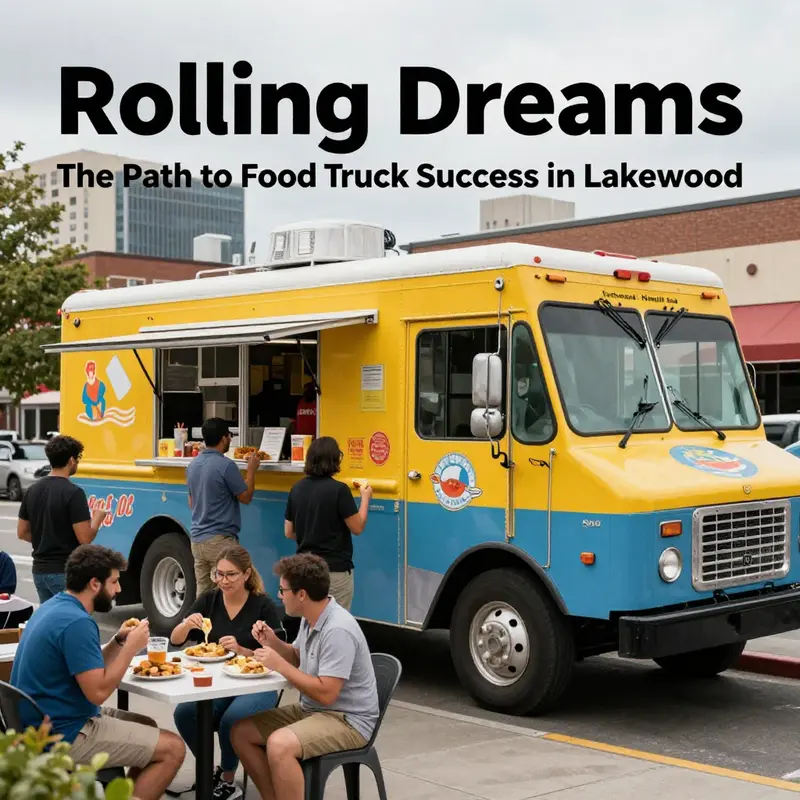
A food truck succeeds not by luck alone but by a deliberate sequence of decisions that align location, menu, and brand. The moving platform of a food truck must meet the rhythms of daily life while staying nimble enough to test new ideas. The core idea is to align where you show up, what you offer, and how you present it. Start with location: this is where demand first arrives and where a customer map forms. Pedestrian flow, nearby offices, gyms, theaters, and residences shape when and how many people you can reach. Being near event venues or busy corridors creates peak hour opportunities. A thoughtful location strategy also includes licensing realities, parking constraints, and the local climate. Medium sized trucks offer a balance of visibility, maneuverability, and efficiency. They can handle a diverse menu while navigating streets and parking with relative ease. The menu should be compact but capable of delivering variety. A few core items with make to order elements can satisfy demand while keeping prep lean. The workflow inside the truck matters as much as the exterior design. Equipment should support speed, consistency, and food safety. A well designed line, smart refrigeration, and reliable cooking equipment help keep meals hot and fresh and reduce wait times. Branding then ties the experience together. The truck should convey a clear promise of quality and speed from a distance. Real time location updates and a strong online presence turn casual passersby into returning customers and help manage expectations when weather or events shift plans. Consistency in taste and presentation builds trust and drives repeat business. The five pillars of a sustainable mobile brand are location discipline, menu efficiency, dependable operations, branding clarity, and data driven adaptation. Testing plays a crucial role: treat each location as a learning opportunity and each service window as a chance to refine processes. A rotating menu, seasonal specials, and event driven offerings can be piloted on a medium sized platform before committing to a larger rollout. For operators expanding beyond a single truck, the right configuration continues to matter: scalable layouts, predictable supply chains, and a culture of continuous improvement. In the broader research on food trucks, external studies emphasize how location, capability, and customer expectations interact to determine outcomes. This chapter provides a practical framework you can translate into real world setups and schedules.
Finding the Right Street Seat: Location and Market Demand as Twin Engines of Food Truck Profitability
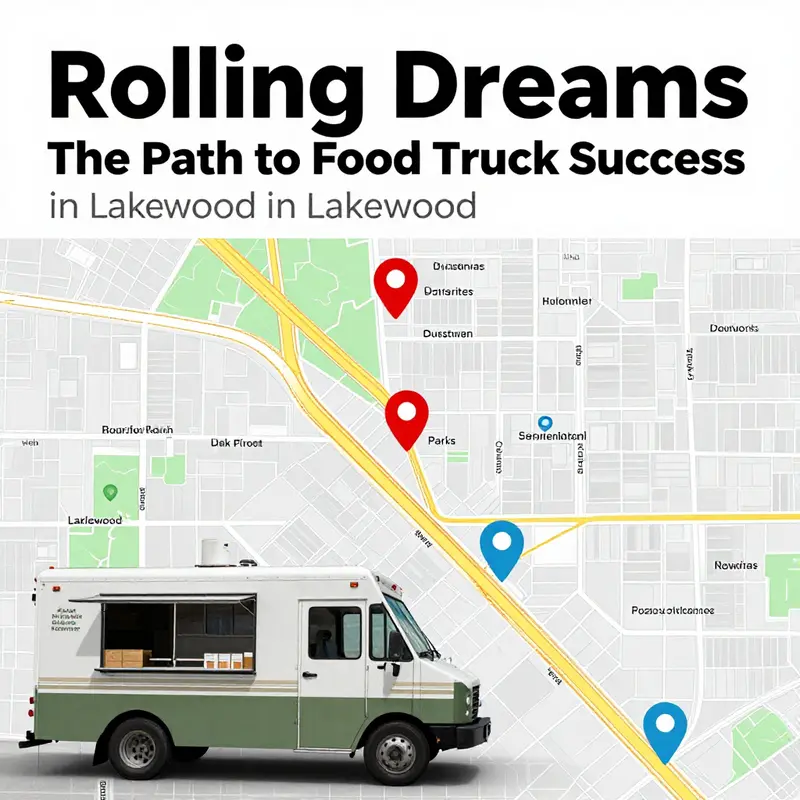
Profitability for a food truck comes from two linked forces: location and market demand. Location sets headcount potential and the rhythm of daily traffic, while demand translates that traffic into repeat customers by offering the right foods at the right price and speed. When these move in sync, a mobile kitchen can grow from a hopeful start into a durable business.
Begin with smart site selection. High traffic areas like business districts, campuses, and event venues bring many eyes, but they also bring rules, costs, and competition. A good spot aligns with your concept, permits, and hours of operation. Medium size trucks often provide the right balance of kitchen capacity, mobility, and access to multiple sites, enabling you to chase demand without overcommitting capital.
Understanding demand means listening beyond the menu. Demographics, seasonality, and local routines shape what customers want and when. In wellness-focused markets, guests may value transparency and freshness; in student-heavy areas, speed and affordability can win. A strong concept will adjust to local tastes, test new items, and adapt pricing and portions as needed.
The practical move is to map core zones and seek flexible spots that spike during events or evenings. A recurring plan to rotate sites while maintaining core operations helps stabilize revenue. Feed this with a menu and a service model that can scale up or down quickly, keeping quality and speed at the center.
Feedback matters. Direct customer conversations, social chatter, and simple experiments with limited-time items reveal what resonates and where price sensitivity lies. Use the insights to refine your menu, labor, and equipment so every site contributes to a coherent brand and predictable profits.
In short, location is the stage and demand is the engine. The most successful operators tune their footprint to catch the right crowds, then shape offerings to match what those crowds are ready to order, when they want it, and at a price they feel good paying. That alignment turns street corners into reliable revenue and sets the foundation for growth across a small network of sites.
On Wheels, On Time: How Operational Rhythm and Equipment Standards Drive Food Truck Success
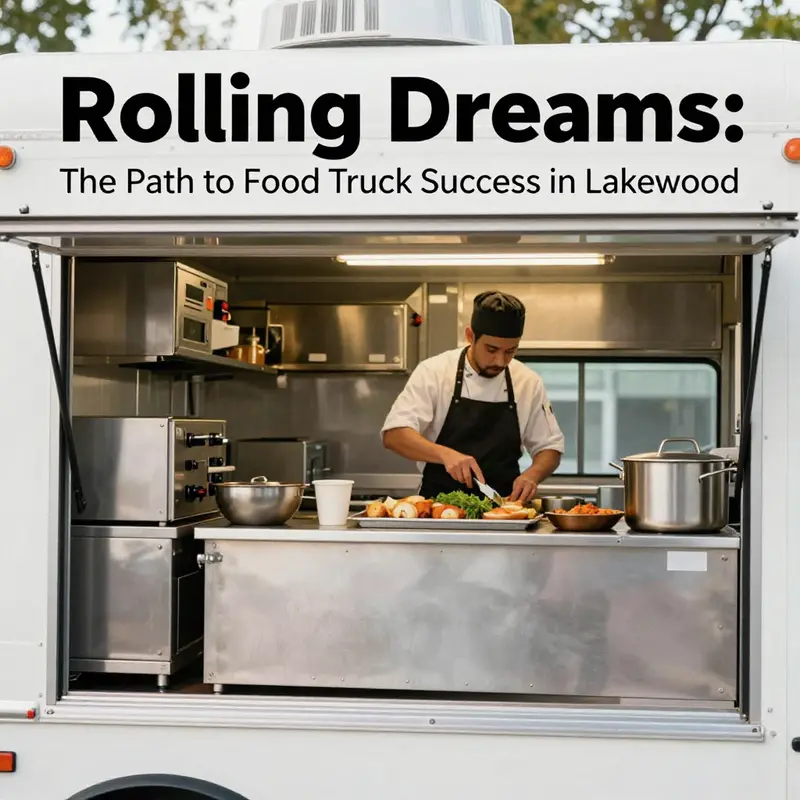
Efficiency on wheels begins with an honest map of expectations. A food truck is not just a kitchen on four wheels; it is a compact operation whose pace, quality, and reliability depend on the choreography of space, power, and process. The most successful operators design every facet to squeeze speed without sacrificing safety, flavor, or compliance. In this chapter we explore how operational efficiency and equipment standards become the quiet engine behind profitability, especially for mid-size trucks that balance appetite and agility. The aim is not spectacle but steady growth—more meals served per hour, fewer errors, and a brand that customers come back to because they trust the rhythm of the service as much as the taste of the food.
Truck type matters for efficiency. A standard delivery or panel van chassis offers a nimble footprint for straightforward menus—wraps, grain bowls, blended soups. Its size makes it easier to pilot through tight city streets, and its lower fuel burn translates into lower daily costs. The interior can be laid out to streamline one-pass prep, plate, and serve, with stations placed to minimize movement and time between steps. For entrepreneurs testing a concept or serving high-turnover lunch crowds, this layout often yields faster service and steadier cash flow. In practice, these setups can typically sustain a throughput in the range of 50–150 guests per hour, a benchmark that helps operators size the kitchen, plan inventory, and project revenue without speculative overbuilding. The lower regulatory hurdle and easier insurance posture that come with smaller vehicles further reinforce their appeal for growing brands that seek quick iterations and rapid market feedback.
Catering trucks, designed for large events, push capacity and performance. They enable premium pricing by delivering scale and speed to big guest lists, but the trade-off is longer prep cycles, more complex logistics, and a heavier financial commitment. The kitchen layout favors high-output burners, robust refrigeration, and efficient staging, yet it also demands meticulous scheduling and on-site coordination. The operational heartbeat shifts from speed alone to reliability under stress: weather delays, space constraints at an event site, and the challenge of keeping a large crew aligned without sacrificing consistency. For operators who can plan around a calendar of weddings, conferences, and festivals, catering trucks become a versatile instrument—able to command top-tier pricing and deliver a memorable experience at scale. The risk, of course, is the need for more stringent maintenance, transportation coordination, and contingency budgeting, all of which must be factored into the business model from day one.
Full-service mobile restaurants represent the opposite end of the spectrum, with diverse menus and robust equipment towers. They require careful zoning of equipment to support multiple cooking styles, cold and hot storage, and waste streams. The payoff is menu richness and the ability to attract a broader audience, yet the higher capital and ongoing overhead mean that every operational decision must protect margin, not just wattage and flame. In these configurations, efficiency hinges on disciplined layout discipline, precise inventory control, and a staffing plan that avoids bottlenecks during peak service windows. When well-executed, full-service units become anchors for brand presence in a neighborhood or event circuit, drawing recurring customers who value variety and reliability as much as speed.
Cart trucks offer a low-risk entry point for experimentation. They keep upfront costs modest and simplify regulatory hurdles, but their smaller footprint constrains what they can cook and how much inventory they can hold. The resulting efficiency challenge becomes how to maximize throughput with limited space—often by modular layouts, cross-trained staff, and tight supply chains that reduce downtime between tasks. The operational magic here lies in rapid menu updates and a streamlined prep flow that lets a single crew handle multiple roles without stepping over one another. For many first-time operators, a cart-based concept is a valuable proving ground that teaches how to balance demand, quality, and speed before scaling to a larger chassis.
Across these formats, the core standard is that equipment and layout must support safe, quick, and consistent service. Health codes set the floor for every kitchen decision, and they demand dedicated cold storage, reliable ventilation, and clearly defined clean and waste zones. The equipment stack should be commercial-grade and sized to the menu. A dependable walk-in or reach-in refrigeration, a compact but capable stovetop or griddle, and a ventilation system that handles the heat while keeping the crew comfortable are non-negotiables. Materials matter too: corrosion-resistant surfaces, sealed gaps, and rugged wiring that can endure variable climates and daily wear. In practice, this means designing around the menu, not retrofitting after the fact. The right equipment not only preserves food safety and flavor but also reduces the cognitive load on staff, meaning fewer mistakes under pressure and more consistent plates at the pass.
Energy and water efficiency are not luxuries but strategic levers. Power choices—generator versus shore power, standby refrigeration, energy-efficient fans—shape reliability and service window predictability. The operational plan should articulate when to run full appliances, how to stage meals to minimize energy use, and how to manage water and waste without compromising speed. Waste separation, cleaning cycles, and sanitation checks need to be deployed as part of the daily routine, not as a quarterly afterthought. A well-planned truck feels like a compact kitchen that breathes—where every appliance has a defined task and a known turnover rate. When layout and equipment are aligned with the menu, staff can execute with fewer steps, fewer mistakes, and less stress during peak hours, turning a potential bottleneck into a steady flow of orders.
Strategic alignment is the quiet driver of efficiency. The chosen truck type can support a limited or a sweeping menu, and menu complexity should dictate the breadth of equipment. A compact menu of bowls, wraps, and soups can ride on a lean, well-tuned chassis with a streamlined prep zone. A richer menu may justify a larger footprint and more specialized gear, but it also demands disciplined inventory and a tighter service rhythm. The business model—whether the truck stands as a mobile cafe, a lunch-on-demand unit for office campuses, or a pop-up partner for events—frames every decision about layout, staffing, and maintenance. The goal is not to chase features but to balance capacity, speed, and quality in a way that scales. In practice, this means measuring throughput, tracking waste, and refining every step of the operate-to-serve cycle until it becomes predictable. The mid-sized truck often emerges as the pragmatic sweet spot: enough kitchen space to support a reasonable range of made-to-order items, yet nimble enough to redeploy for different markets. Office districts, transit-adjacent clusters, and small private events reward the ability to deliver quickly without a costly, labor-heavy build-out.
This is why many operators gravitate toward trucks that balance work surface, cooking capacity, and licenseability. They can tackle multiple revenue streams—lunch service during weekdays, a weekend food tour, or an adaptable concept in a compact footprint—without surrendering speed or safety. And when speed and precision become expectations rather than exceptions, the customer experience strengthens, and repeat business follows. For those evaluating which truck model best fits a given concept, exploring real-world examples can clarify what works in practice. See Best Food Truck Models for Lakewood Startups for a concise guide to layouts, capacities, and trade-offs that affect throughput.
Beyond the vehicle and its guts, disciplined operations tie it all together. A simple, repeatable routine—mise en place, station rotation, order assembly, and targeted communication—reduces cognitive load during busy moments. Clear standard operating procedures for sanitation, line checks, and emergency contingencies keep service steady when distractions rise. Training becomes less about memorizing a menu and more about mastering a workflow that keeps the line moving. In a busy service window, a well-rehearsed crew can switch tasks, adapt to equipment quirks, and respond to the crowd with consistent flavor, temperature, and plating.
Maintenance and preventive care are not afterthoughts but ongoing investments. Regular equipment inspections, timely replacements, and a vendor network that can deliver essential parts quickly prevent minor glitches from becoming service interruptions. This is where the economics of efficiency show themselves: downtime is money lost, and every minute gained in the kitchen translates into more meals served and more satisfied customers. A truck that runs smoothly under heat, rain, or crowded street conditions leaves a stronger impression and creates a durable foundation for brand growth. When operations are dependable, a business can lean into opportunities—seasonal menus, private events, and partnerships—without sacrificing reliability. Taken together, operational efficiency and equipment standards do more than support day-to-day service. They unlock predictability, which in turn underpins planning, financing, and expansion. A mid-sized unit, thoughtfully equipped and thoughtfully managed, can become a scalable platform for a growing brand rather than a one-off act that must chase every new event. The work of perfecting layout, training, and maintenance pays off in higher average ticket, faster turn, and fewer headaches for regulators and customers alike. As cities revise street-use rules and as consumer tastes shift toward flexible, customizable meals, the operators who treat the kitchen on wheels as a system—one designed for speed, safety, and superb quality—will maintain ownership of their niche without surrendering margin.
For a broader perspective on standards, types, and industry performance, see this external guide: https://www.mauritiusfoodtrucks.com/2025/12/28/food-truck-for-sale-mauritius-complete-analysis-of-standards-types-and-industry-performance/
Flavor on Wheels: Crafting Menus That Align with Market Pulse and Drive Food Truck Success
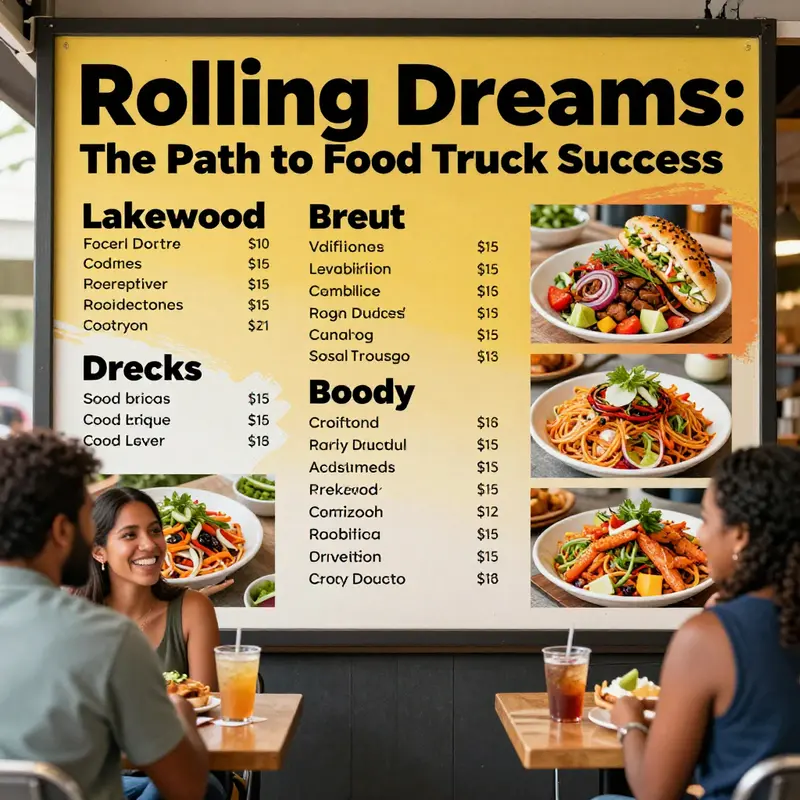
The modern food truck sits at a dynamic crossroads where location, concept, execution, and market demand collide to shape outcomes. It is not enough to offer tasty fare; success hinges on a deliberate menu strategy that mirrors how people eat on the go today. Medium-sized trucks, with their balanced workspace, capacity, and maneuverability, have emerged as particularly effective platforms for growing brands. They can house multiple cooking appliances, support a menu that remains both diverse and manageable, and still stay within licensing and insurance frameworks that are more forgiving than those required for larger units. This combination makes them well suited to a testing ground for new concepts, to serving office lunches, to catering small private events, and to riding the momentum of food tours that increasingly define urban gastronomy. The journey toward profitability, then, begins with what appears to be a simple decision—what to cook—and unfolds into a broader, more intricate process of menu development shaped by evolving consumer preferences and the practical realities of mobile service.
The food truck sector has experienced meaningful growth as diners chase convenience without sacrificing flavor. A core driver is the rise of fast, street-food-inspired meals that feel fresh, customizable, and affordable. Alongside this trend, there is a notable shift toward low-capex franchising models. Entrepreneurs are seeking entry points that minimize upfront risk while maximizing the chance to learn, iterate, and expand. In this ecosystem, the menu becomes both a statement of identity and a flexible instrument for capturing different customer segments, testing new concepts, and responding to real-time demand. The strategic logic of menu development in this environment is less about sticking to a fixed, traditional repertoire and more about designing a menu system that can fluidly adapt to changing tastes and contexts while preserving efficiency and quality across a busy service schedule.
At the heart of this strategy lies a nuanced understanding of consumer decision attributes. Research identifies four primary groups that guide how people choose what to eat from a food truck, each driven by different priorities. Health-conscious customers seek nutritious, wholesome ingredients and increasingly favor plant-based options that feel satisfying rather than restrictive. Price-oriented customers scan for value, looking for budget-friendly meals, combos, or cost-per-meal savings without compromising a reasonable level of quality. Taste-oriented customers are drawn to bold flavors, gourmet touches, and distinctive preparations that offer a memorable sensory experience. Convenience-oriented customers prioritize speed, simplicity, and portability, favoring formats that fit into a busy day with minimal friction. Recognizing and designing for these segments lets operators craft menus that attract a broad audience while also providing depth for repeat customers who value specific attributes.
The challenge is to translate these segments into a coherent menu that remains executable on a mobile platform. A truck’s kitchen layout, equipment, and staffing constraints demand that operators balance breadth with throughput. The medium-sized truck, in particular, invites creativity: enough cooking capacity to offer made-to-order meals, yet nimble enough to rotate dishes in and out without disruptive downtime. Made-to-order meals—such as grain bowls, wraps, and soups—align with contemporary preferences for health, customization, and speed. They also open opportunities for ever-shifting signatures that can be tailored to seasonal produce, local tastes, or collaborative events. The strategic logic is to design a core menu around easily scalable platforms—the grains, greens, proteins, sauces, and toppings—that can be mixed and matched. Each component should be straightforward to prepare, audit for quality, and visually appealing when plated and photographed.
Significance comes from both the concept and the craft. A menu built around modular components supports multiple consumer archetypes with minimal complexity. Health-minded guests can assemble bowls with leafy bases, protein-rich add-ins, and vibrant vegetables. Price-conscious diners can explore bundled options that maximize value, such as starter bowls or compact combos that pair a main with a simple side. Flavor lovers can chase bold profiles—smoked peppers, tangy dressings, herbal finishes—without sacrificing speed on a busy line. Convenience seekers benefit from a straightforward ordering process, with a limited number of steps from queue to bite. And because social media has become a powerful arbiter of what “works,” these components also serve as the canvas for photogenic dishes that translate well to online menus and shareable content. A well-designed menu anticipates what customers want to post about, not just what they want to eat.
Social media’s influence on menu development cannot be overstated. Platforms such as Instagram and short-form video channels drive discovery and shape consumer expectations in real time. A visually striking dish can become a signature for a truck, drawing foot traffic even before the line forms. This dynamic invites operators to think beyond taste and texture; they must consider color balance, plating, and the overall sensory experience that translates into shares, comments, and saved posts. Menu innovation becomes a social activity, with trends feeding back into the kitchen in near real time. In practice, this means testing limited-time offerings, rotating daily specials, and using seasonal ingredients to maintain relevance and generate buzz. The most successful menus become living documents, updated in response to what customers are posting, what words they use in captions, and what questions they ask in comments.
To stay grounded in operational realities, operators frequently consult practical guides and case studies that illuminate how size, layout, and equipment influence menu execution. A thoughtful resource on truck rent and equipment standards underscores that a balanced, mid-sized platform can support multiple cooking appliances while keeping licensing and insurance considerations manageable. That balance matters because it keeps the business flexible enough to experiment with new items while preserving the reliability needed to sustain day-to-day operations. The result is a menu that not only meets current preferences but also can scale as the concept proves itself in the market. For operators seeking to refine their vehicle and layout choices in tandem with menu strategy, practical guidance on truck models and configurations can be invaluable in aligning kitchen flow with the anticipated dish mix and service pace.
In shaping the menu, industry observers emphasize testing and iteration. Micro-launches, crowd-testing a handful of items, and carefully tracking sales mix allow operators to learn which dishes truly resonate with their audience. This approach helps avoid overloading the truck with dishes that look appealing on a board but falter in service due to prep intensity, cooking times, or waste. A disciplined approach to menu development also supports pricing strategy. The combination of value and perceived quality matters for price-oriented customers, while the allure of premium ingredients and creative technique can justify higher price points for flavor-oriented diners. Meanwhile, health-conscious and convenience-oriented segments respond to a well-curated menu that emphasizes freshness, simplicity, and speed. The objective remains to offer a menu that is diverse enough to attract multiple segments but streamlined enough to deliver consistently, quickly, and profitably on the sidewalk.
The practical takeaway for operators is that a successful food truck menu blends three core pillars: relevance, feasibility, and repeatability. Relevance comes from aligning offerings with what customers want now—healthful options, layered flavors, and fast service. Feasibility arises from the kitchen’s realities—equipment, space, and staffing—and the need to keep prep time and waste in check. Repeatability ensures that customers can rely on consistent quality across shifts and locations, a critical factor for building trust and a loyal following. When these pillars are in balance, a truck can sustain robust foot traffic and dependable margins, while staying agile enough to test new concepts or capitalize on a trending flavor profile.
For operators who want practical guidance on how to balance concept with form, resources that discuss truck size, layout, and operational standards can be formative. These insights extend beyond the kitchen, shaping how a concept is presented to customers, how menus are priced, and how the brand communicates its value proposition. As part of a broader approach, many operators also turn to industry benchmarking and peer networks to compare menu performance, pricing strategies, and promotional calendars. The goal is not to imitate others but to understand what works in the current market and to adapt those lessons to one’s own brand story, kitchen capabilities, and community context. The feedback loop is continuous: observe, hypothesize, test, and refine, with the menu evolving in step with customer preferences, social media signals, and the realities of mobile service.
Beyond the immediate menu, the broader ecosystem rewards operators who think strategically about concept validation and growth trajectories. A medium-sized truck, paired with a modular, made-to-order menu, offers the flexibility to operate efficiently in office districts, at private events, or as part of a touring food program. It also provides a platform for signature dishes that become recognizable markers of the brand—a critical asset in the crowded street-food landscape. In this sense, the menu is not just a list of dishes; it is the engine that drives customer engagement, repeat business, and scalable growth. For startups and fledgling concepts, the right menu design can be a proof of viability, a tool for storytelling, and a driver of social media traction that translates into sustained revenue.
For readers seeking a concrete point of departure on menu strategies aligned with vehicle and concept, consider exploring resources that discuss the practicalities of truck models and layout as they relate to kitchen workflows and service pace. Best Food Truck Models for Lakewood Startups offers a grounded look at how vehicle design supports menu execution and operational efficiency, reinforcing the idea that form and function must co-evolve with a compelling culinary proposition. As you build or refine your concept, keep a close eye on how your menu choices will behave on the street: can you deliver a fresh, made-to-order meal as quickly as your competitors, while also providing enough variety to keep customers coming back? The interplay between menu development and operational throughput is where many food trucks unlock sustainable profitability and meaningful brand growth.
The study Understanding food truck customers: Selection attributes by H. Choi (2020) provides empirical foundations for these insights. It highlights the multidimensional nature of customer choice and reinforces the idea that a well-designed menu speaks to multiple values at once. For a deeper empirical perspective, see https://www.sciencedirect.com/science/article/abs/pii/S0963868719305443
Profit in Motion: Financial Foundations That Sustain a Successful Food Truck
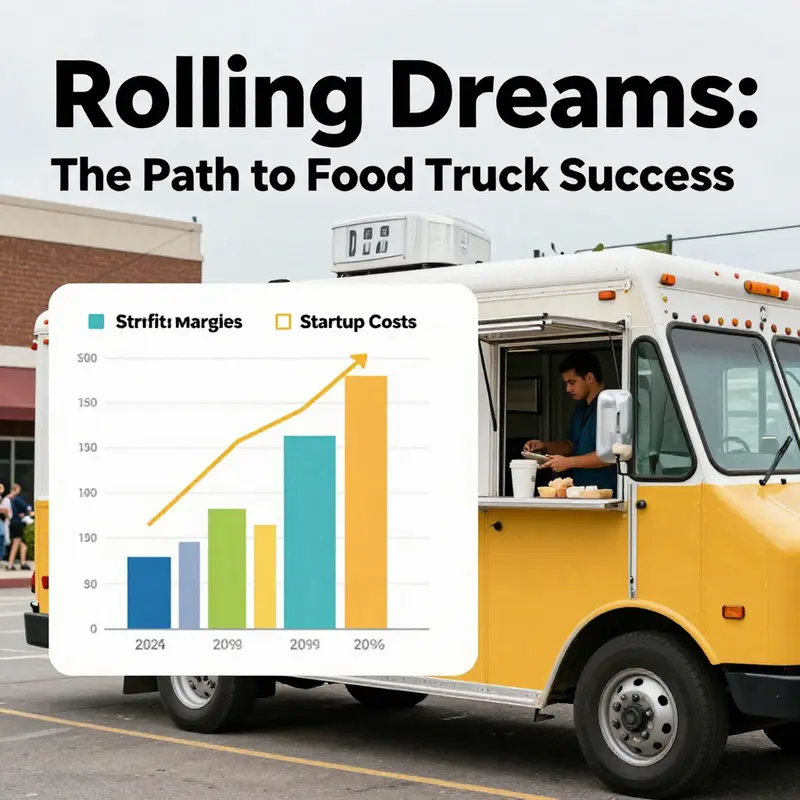
Profit in Motion: Financial Foundations That Sustain a Successful Food Truck
A food truck’s success is rarely built on flavor alone. It rests as much on the discipline of money as on the skill of cooking. Revenue may spike on busy days, but profitability is the measure that determines whether a truck becomes a durable brand or a passing trend. In practice, success comes from a continuous cycle: plan carefully, execute with precision, monitor results, and adapt quickly. The best operators treat finances as a core product, not an afterthought, because every decision—menu mix, location, staff scheduling, or equipment upgrade—carries a price tag and a potential return. When these choices align with a realistic plan, the business can weather volatility, capture growth opportunities, and fund reinvestment for the next phase of expansion.
The backbone of that discipline is comprehensive financial planning. A robust budget acts as a map through a constantly shifting landscape. It should capture every foreseeable expense—from the obvious costs of ingredients and fuel to the less visible but equally critical line items like permits, licensing renewals, utility hookups, and routine maintenance. A thoughtful budget also allocates funds for depreciation of equipment, dusts off maintenance schedules, and accounts for insurance costs that protect the business from unexpected disruptions. Beyond listing costs, a budget sets guardrails. It creates thresholds for spending on marketing, equipment upgrades, or new menu boards and establishes expectations for revenue-generating activities. In parallel, a revenue forecast anchors the plan to reality. Local events, holidays, and seasonal demand patterns can dramatically alter daily sales, and weather conditions can amplify or dampen foot traffic. The most effective forecasts blend historical data with forward-looking calendars, producing a range of scenarios—from best case to conservative—to guide day-to-day decisions and longer-term investments.
The financial plan’s usefulness hinges on disciplined cost control. Far too many races are run on optimism about margins without a rigorous accounting framework. The essential practice is meticulous tracking of every income and expense, paired with frequent reviews. This discipline shines in a few practical areas. First, it clarifies which items drive profitability. A well-tuned menu may emphasize made-to-order offerings that leverage fresh ingredients and customization, but it must also protect margins by balancing pricing with portion control, waste reduction, and yield management. Second, it exposes which costs can be managed more aggressively. For example, renegotiating supplier terms, consolidating purchases to reduce transport costs, or scheduling staff based on demand patterns can yield meaningful savings without sacrificing quality or service speed. A key tactic is to negotiate payment terms with suppliers, aiming for net-30 or net-60 where possible. Extended terms improve cash flow by aligning outflows with inflows, preventing a short-term squeeze when sales dip or when a large replenishment is necessary.
Cash flow management emerges as a separate but inseparable concern from the budget. A profitable day in the ledger still leaves a cash shortfall if cash inflows do not meet the timing of outflows. Therefore, operators should build an emergency fund and maintain reserve liquidity for vehicle repairs, sudden maintenance needs, or a temporary drop in sales due to weather or events. The discipline of cash flow forecasting means projecting daily cash balances, not just monthly totals. It requires looking ahead to seasonal slowdowns and ensuring there is a cushion that prevents reactive scrambling for funds when bills come due. The practical benefit is stability: staff can be paid on time, critical repairs are funded promptly, and the truck remains roadworthy rather than temporarily sidelined by financial strain.
Supplier relationships play a central role in sustaining liquidity and margins. Strong, reliable partnerships can unlock favorable terms that ripple through the business. When suppliers recognize a dependable customer, they may offer favorable payment conditions, timely deliveries, or flexible order schedules that reduce waste and stockouts. Building trust takes commitment: consistent ordering, transparent communication, and fair dispute resolution reinforce reliability. In turn, that reliability translates into smoother operations, fewer last-minute substitutions, and better planning accuracy. For the operator, these relationships should be viewed as an asset—part of the operational infrastructure that supports scale. A disciplined supplier strategy complements a disciplined budgeting process; together they create a buffer against price volatility and supply interruptions.
The story of profitability also hinges on a practical understanding of the truck itself as a financial instrument. A medium-sized unit often strikes the best balance for growing brands because it provides sufficient cooking capacity and storage while remaining maneuverable and modest to license and insure compared with larger rigs. A well-chosen vehicle supports a menu that can be rotated or expanded as demand dictates, enabling a business to test concepts without overcommitting capital. Equipment selection should follow a clear logic: different tasks require compatible appliances, but the overall footprint must support efficient workflows and quick cleanups. When operations are designed around a sensible layout and dependable gear, labor becomes more productive, service times tighten, and waste declines—all of which improve the bottom line. In practice, this means investing in equipment that matches the menu’s core offerings and ensuring it is installed in a manner that minimizes downtime and maintenance headaches. For operators considering scalable chassis options, there is value in reviewing models designed for growing startups; a well-chosen chassis can sustain expansion while preserving nimbleness.
This approach to financial planning interacts closely with location strategy and concept execution. A truck’s profitability does not exist in a vacuum; it is magnified or diminished by where it operates, how well the concept resonates with the audience, and how reliably the team executes service tasks. Office lunch corridors, small private events, food tours, and early-stage concepts testing a new idea each demand different operational rhythms and price points. Location decisions should be informed by historical foot traffic, proximity to office parks or busy neighborhoods, and the capital required to sustain a presence in those spots. Yet even with favorable locations, profits hinge on controlling costs and delivering a dependable customer experience—quick ordering, fresh-made meals, and consistent taste across days, weather, and crowds. The more consistent the experience, the easier it becomes to project demand, staff appropriately, and maintain margins under pressure.
From a strategic perspective, the seasonality of demand is not merely a challenge but an opportunity. In shoulder seasons, operators can adjust menus to emphasize high-margin items, optimize inventory to reduce waste, and pare back hours to align with market demand. In peak seasons or during big events, the same operator can leverage higher volumes to negotiate better terms with suppliers, invest in marketing, or upgrade essential equipment to improve throughput. A sound financial framework treats these shifts as leverage rather than risk, guiding proactive actions rather than reactive responses. It encourages a culture of continuous improvement, where regular financial reviews inform menu adjustments, pricing strategy, and staffing plans. The aim is not simply to survive busy times but to harvest their profitability while protecting margins during slower periods.
In practice, the financial story of a food truck also benefits from resources that translate complex numbers into actionable decisions. Technology can be a force multiplier for inventory management and sales tracking, enabling owners to see waste patterns, track menu item profitability, and forecast demand with greater accuracy. This data-driven approach reduces guesswork and keeps the operation resilient in the face of unpredictability. It also supports smarter pricing strategies, where value is aligned with cost and customer willingness to pay. With proper discipline, the numbers become riding partners: they point the way to where investment yields the best returns and where cuts will safeguard stability. A balanced portfolio approach—maintaining core offerings while allowing occasional experimental items—can diversify revenue streams and strengthen overall profitability.
There is also an ethical and practical dimension to profitability. Living within a margin-centric framework does not mean cutting corners on quality or customer service. The most enduring success comes from delivering consistent value: reliable food, clean presentation, transparent communication, and fair pricing. When a truck earns a solid reputation for reliability, it does not rely on dramatic price increases to stay profitable; it earns repeat business through trust, which lowers marketing costs and stabilizes cash flow. In that sense, profitability is not a single target but a byproduct of disciplined operations, smart capital choices, and a culture that treats every metric as a signal for improvement.
For operators who want to explore scalable chassis options and start planning around growth, consider reviewing the discussion on truck models for startups that balance size, capabilities, and cost. It provides practical guidance on how a truck choice affects workflow, permits, insurance, and service efficiency, helping align capital outlay with expected returns. You can read more about those options here: Best Food Truck Models for Lakewood Startups. In parallel, those aiming for deeper financial mastery will find value in formal guidance on budgeting, forecasting, and cash management. A reliable external resource that breaks down financial planning for food truck ventures offers a structured approach to accounting, tax preparation, and forecasting tailored to this unique type of business, including steps to create a coherent financial plan and practical templates to calibrate margins and cash flow. For a deeper dive, see The Balance Small Business’s guide to building a food truck financial plan: https://www.thebalancesmb.com/food-truck-financial-plan-4159287.
Final thoughts
Embarking on a food truck journey in Lakewood presents an exciting blend of culinary creativity and entrepreneurial spirit. By analyzing factors of success, understanding location dynamics, ensuring operational efficiency, crafting appealing menus, and managing finances wisely, aspiring food truck operators can pave their path to success. The food truck community is rich with opportunities, allowing newcomers and experts alike to thrive. As you gear up for this venture, remember that every delicious bite not only fills hungry stomachs but also brings the community closer together.