
For aspiring food truck operators entertaining dreams of delighting Lakewood’s food lovers, understanding event participation fees is crucial. As you navigate the vibrant local food scene, you might wonder, do food trucks have to pay to participate at events? It’s a valid question, drawing a complex picture of fee structures, varying costs by location and event type, and the broader economic impact. In our exploration, we’ll break down these charges, consider the regional nuances of event participation, evaluate the economic implications of food trucks in the community, and outline essential regulatory requirements. Each chapter aims to empower you with knowledge that’s as palatable and diverse as Lakewood’s food offerings.
ROI on the Road: The Economics of Mobile Curbside Vendoring
The street is the stage for a mobile kitchen and every event is a balance of appetite and cost. Participating means more than turning up; it is an investment decision with a daily price tag and a forecast of traffic and sales. The fee you pay for a spot includes permits, utilities, cleanup, and the promise of crowds. The value is not only a sign on a banner but access to a predictable workflow, a safe space for setup, and the chance to reach new customers. Vendors must translate that day into a forecast of revenue after costs. A simple formula can help: net income equals expected sales times gross margin minus the day fees and any service charges. If the number is positive, the day may be worth pursuing; if negative, the schedule may need revision or a change in venue. The decision framework should account for price level, structure, and risk. Flat fees offer budgeting certainty but little payoff when sales rise. Percentage based fees align payment with performance but introduce variability. Hybrid structures aim to balance risk and reward. In practice, the right choice depends on traffic, menu speed, and how well the kitchen scales. For equipment and layout, speed and reliability matter just as much as price. A faster setup that serves more meals can justify higher fees, while a slower truck on a crowded day may struggle to cover the cost. Operators who plan a calendar around reliable venues, negotiate favorable terms, and bundle services with partners tend to build steadier margins. Tracking daily performance with a simple ROI drill helps identify which events to repeat, which to skip, and where to invest in capacity or menu engineering. The core insight is that fees are a tool, not a trap. When designed with clarity and tested against real run rates, they steer both vendors and organizers toward events that deliver sustained value.
The Price of Participation: Decoding Event Fees for Food Trucks Across Locations and Event Types
Do food trucks have to pay to participate at events? The short answer is yes in most places, but the picture is nuanced. Fees are not arbitrary charges; they are part of a larger system that coordinates safety, sanitation, marketing, and crowd flow. For vendors, understanding the why behind these charges is essential to pricing their menus, planning routes, and choosing which events to target. The question is not only about what the price is, but what it buys—exclusive access to foot traffic, curated spaces, and the informal economic ecosystem that makes events possible. The balance between revenue for organizers and viability for vendors defines much of the modern street-vending landscape.
Fees generally cover a bundle of services and obligations. A participation fee often acts as a permit or vendor fee required to operate at public gatherings. It helps fund event coordination, health and sanitation oversight, parking management, and emergency planning. It also contributes to insurance considerations and site maintenance, such as waste disposal and on-site signage. In practice, the fee is not just a line item in a budget; it is part of a formal arrangement that signals the level of service the organizer promises: a defined footprint, a safe space to operate, reliable utilities, and a predictable customer experience.
Across regions, the price tag varies with the scale and type of event. In big cities, food trucks routinely incur hundreds or even thousands of dollars for a single day. A prominent festival district or a notable street fair might command premium spaces that come with better foot traffic but higher costs. In contrast, smaller community markets or school fundraisers may offer discounted terms or even free spots, often as part of a strategy to nurture local entrepreneurs, test new concepts, or support charitable initiatives. Some events organize a tier system, where one tier includes basic rights to operate while higher tiers guarantee priority placement near main entrances, the beverage zone, or food courts. These structures reflect how organizers bargain for visibility, while vendors weigh the value of the surrounding audience against the price of admission.
Beyond the base fee, there is often a menu of add-ons that can quickly tilt the daily cost. Electrical hookups, water access, and waste management can become substantial line items if the event location lacks infrastructure or if the footprint is large. Some sites require portable power or be prepared to source energy on site, and that choice carries additional charges for fuel, maintenance, and emissions. Security personnel may be contracted in larger crowds, and tents or canopies, lighting, and branding materials can fall under separate charges. Insurance requirements, sometimes mandated by the city or the venue, add another recurring consideration for every operator. All of these costs, when aggregated, can affect whether a vendor still makes sense for a given event.
Geography matters as much as event type. In many parts of the world, the regulatory framework sits at the intersection of health regulations, municipal permitting, and private event contracting. In some places, the health department issues temporary licenses or operates a system of checks that the vendor must meet. In others, the city itself negotiates a blanket agreement with event organizers, pooling the permitting process so vendors do not juggle multiple approvals. The common thread is accountability: someone must ensure that the food is prepared safely, that waste is handled properly, and that the site remains accessible and orderly. Vendors, therefore, should not treat the fee as a mere ticket; it is part of a formal arrangement that binds safety, service quality, and continuity of the event calendar.
International comparisons illustrate the universality of the model, even when the numbers change. In some African markets, for example, operators report daily charges that range from a few hundred to several thousand local currency units for busy events. The exact amount is influenced by the prestige, foot traffic, and the selling environment of the venue. While the currency and scale differ, the logic remains: organizers seek revenue to offset their costs and to fund the experience, while vendors seek to maximize their return on investment through sales volume and brand exposure. This dynamic helps explain why many food trucks view events not as optional marketing exercises but as critical revenue channels, especially during peak tourist seasons or festival periods.
Amid these patterns, there are also mechanisms to support new entrants or to encourage charitable or community-driven initiatives. Some organizers reserve a portion of spots for up-and-coming vendors or for nonprofits, and others offer introductory terms to reduce risk for first-time participants. The result is a spectrum: free or low-cost spaces at one end, with highly curated, premium locations at the other. For vendors, recognizing where a particular event sits on that spectrum helps in forecasting profitability and negotiating terms. The possibility of perks—like marketing inclusion in event programs, social media shout-outs, or inclusion in press materials—can dilute the effect of high base fees, especially when the event’s audience aligns with a vendor’s target customers.
Establishing expectations also means understanding the entities that set the rules. Local health departments, city governments, and the organizers themselves shape what is required. For vendors, the first step is a practical checklist: verify whether a permit is needed for the jurisdiction, confirm whether the event’s fee includes sanitation and waste disposal, and determine what utilities the site provides. Some regions require proof of liability insurance or food-safety certifications; others assume a vendor will carry insurance as part of an enterprise standard. It is often the interplay of these obligations, rather than a single charge, that determines total cost. The careful planner will map out all potential charges in advance and seek clarifications in writing to avoid surprises as dependence on one event grows.
To ground these considerations in real-world terms, a recurring thread in vendor discussions is the balance of foot traffic and price. A space closer to the main entrance or near the central food court will usually command higher fees because it promises greater exposure. Yet the same headline location also amplifies the costs of utilities, crowd management, and waste handling. The math then becomes a function of predicted sales: how many customers might stop by, how many will purchase, and what the average check size could be. Vendors who rely on a narrow menu or who sell low-margin items may find that even modest participation fees erode profitability if a high-cost location does not deliver the expected volume. Conversely, a well-positioned stall at a community event with modest fees can deliver excellent margins if the crowd aligns with the product and the day’s weather cooperates. The landscape of these arrangements is explored in 2026’s best food truck rallies in Lakewood.
From a strategic perspective, vendors should view the participation decision as part of a broader growth plan rather than a one-off expense. Early research pays off: reach out to organizers to understand the application process, the typical yield of an event, and the range of available spaces. Negotiation can be limited but meaningful; some organizers rehearse tiered pricing, or may offer a reduced site fee for first-time participants who commit to multiple events in a season. In some regions, sponsorship deals can be explored in partnership with local businesses or nonprofit groups, turning the event into a platform for cross-promotion. When possible, joining forces with other concepts—for example, a two- or three-truck collaboration—to share a single kitchen space, waste management, or a shared pickup area can reduce overhead and enhance overall visibility.
As the narrative of participation costs unfolds, the non-monetary value of an event begins to surface. Exposure to a large, curated audience can influence long-term sales more than a single day’s revenue. The opportunity to showcase new menu items, build a local following, and collect customer data for future marketing is often worth the day’s cost if the event’s audience matches the operator’s target customers. Brand-building, customer engagement, and market testing become part of the calculus. In this sense, the price tag is not just a price but an investment in a regional footprint. This is why many operators treat event calendars as strategic assets rather than mere calendars of revenue days.
Moreover, the environmental and community impact of food trucks at events is increasingly a factor in pricing dynamics. Organizers are becoming more deliberate about waste reduction, recycling, and sustainable practices, and they sometimes bundle these expectations into the terms of participation. A vendor paying for a spot may also be required to meet specific waste-management commitments or to participate in collective disposal programs. In some places, the push toward cleaner events has led to the creation of dedicated areas for recycling and compostable waste, as well as the provision of equipment-sharing services to reduce overall costs. Vendors who align with these values often receive softer terms or added value, such as access to premium recycling bins or on-site composting services. The result is a more efficient and responsible event ecosystem that benefits exhibitors and attendees alike.
Finally, individual stories from operators illustrate a broad truth: the cost of entry into events is not a fixed barrier but a negotiating position within a living marketplace. A veteran vendor who understands the rhythm of the event circuit may be able to forecast demand, negotiate earlier, or secure preferred spaces over a longer season. A newcomer may benefit from mentoring opportunities, a lower introductory fee, or a staged ramp-up to full participation. In every case, the tenant of the space—whether food, beverage, or other quick-service items—relies on a stable, predictable pattern of access to customers. The ethics of participation are also part of the conversation; fair access for smaller players and thoughtful consideration of community benefits remain central to the evolving landscape.
Ultimately, the question remains: do food trucks have to pay to participate? The answer is nuanced and location-dependent. In most markets, yes, a base participation or vendor fee is standard practice, accompanied by optional add-ons and regulatory requirements. But the precise cost is a conversation among organizers, health authorities, and vendors, framed by what the event promises in terms of exposure, services, and audience fit. For a vendor weighing multiple opportunities, this is less about a single price and more about a portfolio decision. It is about choosing events that align with the brand and the bottom line, while recognizing that the fee is a structural element that makes the broader ecosystem possible. The dynamic remains vibrant precisely because it blends commerce, culture, and community into a shared street-stage where people come to eat, discover, and connect.
Pay to Play: How Event Fees Shape Profits, Opportunities, and the Flavor Economy of Food Trucks
The question of whether food trucks have to pay to participate at events sits at the intersection of entrepreneurial risk and the culinary vibrancy that events aim to cultivate. It is a question that, on the surface, seems straightforward—yes, vendors often pay to secure a space. But the deeper current running through that payment is the calculated balance between cost and consequence: the price tags attached to a city block of savory possibilities, the footprint a truck leaves on a festival map, and the potential to convert a crowd of curious tasters into repeat patrons long after the last dish has cooled. In this sense, participation fees are not merely line items on a budget; they are the gatekeepers of what kinds of flavors a community can access, how diverse the palate can become, and how responsibly a vendor must plan for the risks and rewards that come with exposure, traffic, and brand development.
Event organizers typically structure vendor fees to cover a spectrum of essential needs. The fees themselves are not arbitrary; they reflect the economic realities of running a dynamic, temporary market in a controlled environment. Location matters: a bustling urban center on a peak weekend can command higher space costs than a small rural fair midweek. The type of event matters as well. A large multi-venue festival with established sponsorships and extensive marketing machinery presents a different financial proposition than a neighborhood market that relies on volunteer energy and community goodwill. And every organizer has its own policy framework—some prioritize a quick, predictable revenue stream, while others aim to balance entry costs with the promise of broader culinary representation and experience for attendees.
Broader economic forces also shape these fee structures. At the core, participation fees fund logistics that the event itself relies on to function smoothly. Venue rental is a predictable headline expense, but utilities—electricity for kitchen equipment, water for cleaning and safety, waste removal and recycling—quickly accumulate into meaningful daily outlays. Security, street maintenance, and crowd management are not incidental costs; they are the infrastructure that keeps vendors and guests safe and the event experience coherent. Marketing, too, plays a role, both for the event and for the individual vendors seeking to benefit from the collective draw. In many markets, including some in Africa where the food-truck economy is rapidly expanding, daily fees can range from a few hundred to several thousand local shillings, depending on prestige, foot traffic, and the overall scale of the affair. The variability underscores a simple truth: fees are tuned to local conditions and the organizer’s ambition for the gathering.
For large festivals or city-sponsored events, the numbers can be clearly visible in banner ads and the event program. Typical daily charges tend to fall in a broad band—from roughly a low four-figure amount in local currencies to a more substantial figure for marquee venues that promise tens of thousands of attendees. These figures are not just about the vendor’s profitability; they are about the event’s ability to deliver a reliable experience for the audience, which translates into sustained interest from sponsors, media, and a broad cross-section of the public. In smaller community gatherings, the fee can be more modest, and in some cases a space may be offered at little or no cost to encourage local entrepreneurship and preserve a sense of neighborhood vitality. The diversity of pricing models mirrors the diversity of communities themselves, and it speaks to a broader pattern: events that manage risk, logistics, and quality well can attract a wider array of vendors, which in turn enriches the consumer experience and broadens the market for all players involved.
The costs that a vendor must cover extend beyond the core space fee. A vendor may need insurance coverage to satisfy organizer requirements and protect both the vendor and the event from unexpected incidents. Health permits and compliance with local health regulations are often non-negotiable parts of the equation, ensuring that food safety standards meet the expectations of the audience and the authorities. Some events require electrical hookups, which introduces another layer of cost tied to power capacity and the reliability of equipment. Waste management, including on-site trash receptacles and post-event cleanup, becomes a vendor responsibility in many cases, often with guidelines about how to dispose of packaging or cooking byproducts. These additional costs—though sometimes optional or negotiable on a case-by-case basis—collectively shape the total cash outlay a vendor carries in exchange for access to an event’s audience.
All these layers of expense feed into a broader economic reality: participation fees create a funnel through which costs are recouped, but they can also become a barrier for smaller operators. The impact is not neutral. For independent, small-budget vendors, the friction of a higher ticket price can squeeze margins or deter entry into higher-footfall events that would otherwise offer compelling exposure. Conversely, a carefully chosen, well-managed event can deliver outsized returns in terms of new customers, brand recognition, and the opportunity to build a loyal following that translates into steady sales across the calendar year. The question, then, becomes not simply whether a vendor should participate, but how to assess the potential ROI in advance and what strategies can tilt the odds toward profitability.
The economic implications extend beyond the individual operator to the flavor ecology of the event itself. Higher fees at the gate can restrain new entrants, reducing the diversity of cuisine on offer. This can dull the very appeal that draws crowds to food-truck gatherings—the anticipation of discovering a new flavor profile or a novel spin on a familiar dish. A richer mix of kitchens—spanning different cuisines, cooking styles, and price points—tends to attract a wider audience, sustain longer lines, and create a more inclusive sense of discovery. In this sense, participation fees function as a social choice: they influence the balance between sustainability for organizers and the openness of the marketplace for budding vendors. The tension between revenue stability and culinary diversity is not easily resolved by a single price point; it requires ongoing dialogue among organizers, vendors, and attendees about what constitutes a healthy ecosystem.
The upside, however, is meaningful. When events are well structured and professionally managed, the benefits for food trucks can be substantial. Exposure matters as a currency in itself. A high-traffic event provides a stage for word-of-mouth to travel rapidly, social media buzz to spike, and the possibility of drawing in new customers who become repeat guests after the event ends. The cadence of a successful festival can be a catalyst for a vendor’s brand-building—how the truck is perceived, the quality of the product, and the consistency of service all feed into a narrative that can extend far beyond a single weekend. In such cases, the fee is not merely a debit on the balance sheet; it is an investment in audience development and the long-term health of a business that thrives on repeat customers and the perceived value of a reliable, tasty, and timely experience.
To navigate this landscape, vendors frequently pursue several practical strategies to minimize costs without sacrificing the opportunity at stake. Government subsidies and nonprofit programs can defray a portion of participation fees, especially for new or community-driven initiatives that aim to promote local entrepreneurship, culinary education, or charity outcomes. For operators testing the waters, low-cost pop-up events or community markets can offer a risk-attenuated path to market feedback and brand visibility. Sharing booth space is another tactic, enabling vendors to split the cost of a larger footprint with peers who complement rather than compete for the same audience. This approach not only reduces per-vendor expense but also creates a cross-pollination of customer bases, as attendees discover multiple offerings in a single visit. Some vendors optimize scheduling by targeting a mix of high-traffic, higher-fee events and more affordable, grassroots gatherings, constructing a portfolio that balances risk and reward across the year.
Negotiation with organizers also plays a crucial role. A well-prepared vendor can articulate expected foot traffic, average transaction values, and a projected customer conversion rate, offering a data-informed case for reduced fees, longer-term partnerships, or bundled services that enhance the overall value proposition of the stall. In this sense, participating in events becomes less a one-off payment and more a strategic engagement that aligns with a business’s growth trajectory. A vendor cooperative, too, can leverage collective bargaining power, negotiating for better terms, shared marketing, or greater consistency in space quality across multiple events. The cumulative effect of these approaches is often a more predictable cost structure and a clearer sense of the return on investment, which helps operators decide where to allocate scarce resources.
To illustrate how these dynamics unfold in practice, consider the balance between the opportunities and the costs that a vendor weighs when choosing whether to participate. A well-organized event with strong management, coherent branding, and targeted marketing promises more reliable attendee flow, which translates into higher potential sales per shift. If a rider of this equation—the vendor’s average check and the number of customers served per hour—meets or exceeds the break-even threshold implied by the space fee and supplementary costs, participation becomes a rational business decision. If not, the same event can still offer intangible benefits—brand exposure, community engagement, and the experience of refining a menu under real-market pressure—that might justify participation in a more conservative budget. In short, the calculus is nuanced: it rests on a clear understanding of the event’s audience, the vendor’s own product-market fit, and the strength of the operational plan to deliver consistent quality under pressure.
For operators evaluating their options, it helps to anchor decisions in a simple framework: total expected revenue from the event, the sum of all costs (including the base space fee, utilities, permits, insurance, transport, and staff wages), and the non-cash benefits such as media exposure, customer data, and repeat visits. When projected revenue minus these costs yields a positive figure that aligns with the operator’s financial goals, the event earns consideration. When the forecast is uncertain or negative, the vendor can recalibrate by negotiating terms, choosing alternative events, or adjusting the menu mix to appeal to a broader audience—perhaps by offering signature items at different price points to broaden the potential customer base. The key is not simply the sticker price of admission but the broader portfolio of benefits and constraints that come with each opportunity.
For readers seeking a concrete touchstone, consider how a vendor might approach a calendar of events with a mix of high-visibility festivals and more intimate community markets. The high-visibility events promise reach and momentum, but they come with steeper price tags and tighter competition for space. The community markets offer affordable access and the chance to build a loyal neighborhood following, but with a need to manage variable foot traffic and potentially lower impulse purchase rates. A balanced portfolio makes sense: one high-caliber event to anchor brand visibility, several lower-cost venues to sustain cash flow, and strategic collaborations that extend the vendor’s reach without sacrificing margins. In practice, this balancing act often involves careful forecasting, a disciplined inventory plan, and a flexible staffing model that can scale up or down with demand.
The practical implications of these decisions extend to the overall ecosystem of events and the neighborhoods they serve. When organizers price spaces to reflect the true cost of delivering a quality experience, they are signaling a commitment to a stable, professional vendor ecosystem. This, in turn, helps attract culinary operators who understand the discipline of set-up, service speed, and sanitation, which can raise the bar for the entire event. Yet if fees become a barrier to entry for new and diverse vendors, communities risk losing the freshness that comes from a rotating cast of cooks and ideas. The tension invites ongoing collaboration: organizers refining fee structures to balance revenue with accessibility, vendors developing value propositions that maximize ROI, and attendees enjoying a wider, richer array of flavors and experiences.
For those who want a tangible anchor in this conversation, a recent look at festival and event participation demonstrates how the trade-off plays out in real life. The broader literature and industry practice describe participation fees as a visible, tangible part of event economics, but they also emphasize the non-monetary returns—live experience, community connection, and food culture—that can accompany a successful festival weekend. As you plan to participate, it helps to study the recent compilations of events and their pricing strategies, while also balancing your own brand story and operational capabilities. When you do, you are not simply paying for a spot on a map; you are choosing a venue in which your food, your team, and your business goals can align with a larger audience’s appetite for discovery and joy. The choice becomes a narrative about growth, resilience, and adaptability in a marketplace that constantly evolves around tastes, trends, and the impulse to linger over a shared meal.
If you want to see a broader discussion of how fee structures are constructed and what they imply for vendors, you can explore resources that examine the economics behind festival participation. For a broader perspective on fee ranges and what organizers typically cover, see a detailed external resource that outlines participation fees and their rationale. Meanwhile, for readers who want a localized sense of how event organizers in a regional market present opportunities and what vendors say about the experience, a forthcoming exploration of market calendars and vendor partnerships may offer practical insights into how a one-page price point translates into an entire event strategy. 2026s-best-food-truck-rallies-what-lakewood-has-in-store
For those seeking a concise example of how these dynamics play out in a real-world setting, consider a hypothetical but plausible shopper journey: a family walking through a festival corridor, deciding where to eat based on a handful of visible traits—the queue length, the aroma wafting from a single cart, and the perceived value of the menu in relation to the price of admission to the event itself. In this context, the participation fee serves as a signal: the event is serious about quality, safety, and experience. The vendor responds with a commensurate product—well-timed service, consistent taste, clean presentation, and a menu that can withstand the pace of a crowd. The result is not simply a sale; it is a moment of connection, a memory of flavor, and a spark of loyalty that can translate into returns in a future season. It is this potential, rather than the sticker price alone, that renders event participation a strategic decision rather than a mere checkbox on a budget.
In closing, the question of whether food trucks have to pay to participate in events does not admit a single, universal answer. It is a nuanced calculation that hinges on market conditions, the event’s scale and organization, and the operator’s goals and capabilities. When managed thoughtfully, participation fees can finance the infrastructure that makes a festival possible while also enabling operators to reach new customers, sharpen their brand, and build a sustainable business model. When managed carelessly, they can stifle innovation and narrow the culinary landscape that events strive to celebrate. The healthiest approach for vendors, organizers, and communities alike is to view fees as part of a collaborative framework—one in which costs are aligned with high-quality delivery, opportunities for growth are clear, and the door remains open for new voices to join the conversation over a shared meal. And as the chapter on this topic progresses, the conversation will move toward how these dynamics differ across regions, how they evolve with changing consumer expectations, and how a vendor can adapt to maximize both profitability and cultural richness in the vibrant world of food-truck events.
External resource for further reading: Food Trucks – Festivals and Events Participation Fees
Fees, Compliance, and the Open Road: How Food Trucks Pay to Play at Events
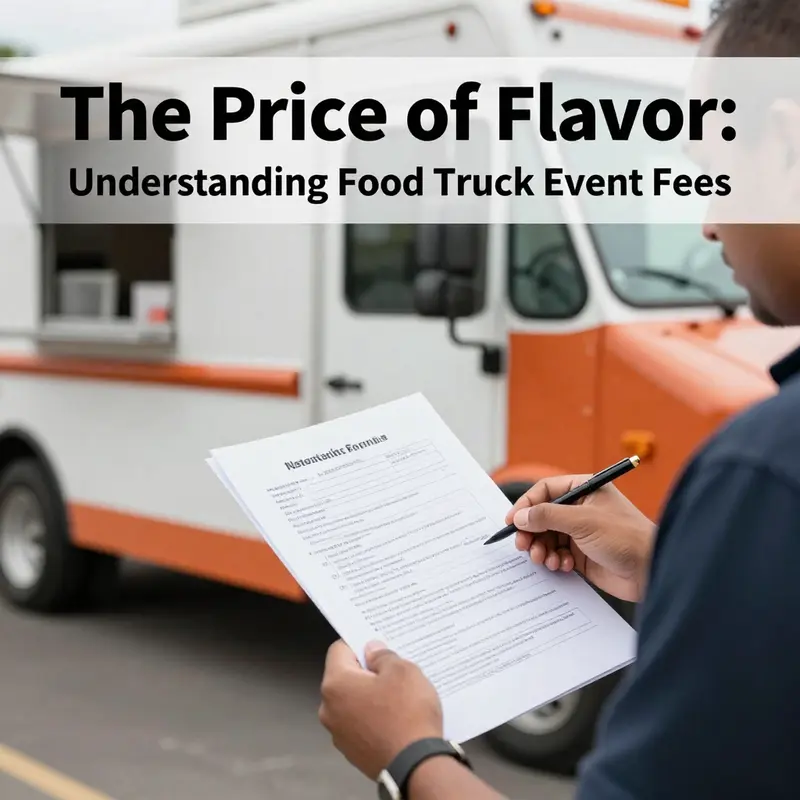
If you stand at the curb of a busy festival or a bustling street market and listen to the sizzle of grills, you’ll hear more than just flavor. You’ll hear the arithmetic of participation. Food trucks operate in a space where appetite, opportunity, and overhead intersect, and the decision to participate in any given event is a finely balanced calculation. Fees to secure a spot are not arbitrary charges but a bundle that reflects a complex logistics system. Event organizers must cover concrete costs—venue rental, security, utilities, sanitation, and the back-end infrastructure that keeps a fleet of grills, freezers, and blenders humming through a crowded afternoon. For operators, the price of admission varies with the scale and pedigree of the gathering, and the best decisions come from reading the indicators: the event’s footprint, its audience, and the level of competition on site. Across continents and markets, the pattern holds. In the UK, as the research shows, the standard model assigns a participation fee that aligns with size, duration, and expected turnout. In other regions—be it coastal markets or regional festivals in Africa—the same logic applies, though the numbers shift with local economies and the prestige attached to certain venues. The core point is simple: paying to participate is part of a broader system designed to ensure a safe, efficient, and visible platform for culinary entrepreneurship.
Fees are not merely tolls paid for a square of asphalt. They are embedded in a calculation of value. A large urban event might command a premium because it promises higher foot traffic, better media reach, and more robust vendor support. A smaller rural market may offer a lower price point but compensation in the form of a more intimate audience and easier navigation for attendees seeking a particular flavor profile. The overarching logic is that every element of the event—the site, the attendees, the hours of operation, and the support services—has a price tag integrated into the vendor package. The fee often includes access to a permitted location, a defined stall space, and consumables like electricity, water access, and waste disposal—each element curated to ensure that the operation runs smoothly, that health and safety standards are met, and that the visitor experience remains coherent and positive.
Beyond the gate fee, there are often line-item costs that can surprise even seasoned operators. Electrical hookups, for instance, are frequently priced separately, especially at grounds where power supplies must be specifically allocated to prevent overloading or outages. Waste management is another area where the tally can grow—not just for the disposal of trash, but for the safe handling of organics, oils, and packaging that could affect the event’s environmental footprint. In some cases, there are extra charges for add-ons such as water access or enhanced site services, including enhanced security or on-site management support. The multiplicity of charges makes the budgeting exercise essential, and it’s not unusual for vendors to negotiate bundled deals or discount structures, especially for first-time participants or for initiatives tied to charity or local community support. The landscape is dynamic, and the growing appetite for street-food culture has nurtured a marketplace where events compete on the strength of their package—location, ambiance, audience, and ancillary opportunities such as live entertainment or cooking demonstrations that can lift a vendor’s visibility.
To speak in practical terms about a typical vendor’s financial framework, the participation fee sits at the core, but it is only the anchor. A vendor must consider licensing and compliance as a separate stream of expense that sits alongside the event’s direct cost. The regulatory surface has many layers. Food trucks operate under a patchwork of local and national rules, and the specifics can vary markedly from one jurisdiction to another. Yet the underlying requirements tend to converge around the same essentials: a valid food hygiene rating, a legitimate business license, and staff trained in food safety standards. In the UK context, the presence of a Food Hygiene Rating from the local authority is not merely a recommended credential but a practical prerequisite that signals to event organizers and customers alike that the operation adheres to recognized safety benchmarks. The maintenance of these standards becomes a recurring discipline, not a one-off hurdle, and it interacts with the experience of the staff on the ground—the way pots simmer, the way cold storage is managed, and the vigilance with which surfaces are cleaned and sanitized between orders.
Another set of regulatory constraints surfaces at the level of the local council. Registration of operations, compliance with noise ordinances, waste disposal responsibilities, and parking arrangements all enter the cost-benefit analysis. The obligation to keep noise within acceptable levels, particularly in areas with mixed residential and commercial use, adds a dimension to the event’s perimeter that must be respected by every cook on the curb. The waste-handling protocol, meanwhile, is not just about what ends up in a bin; it’s about how the vendor participates in the event’s environmental program. These rules are not mere formalities but practical guardrails designed to ensure that the culinary spectacle does not become a nuisance or a health hazard. The penalty for noncompliance can extend beyond fines; it can include being barred from future events, which, in turn, can sever access to networks, customer bases, and the recurring revenue that make street cuisine viable.
The cost structure and regulatory requirements translate into a broader strategic question for operators: where should a truck commit scarce resources to maximize return? The answer is not universal. A seasoned operator assesses an event’s size, geographic location, and duration alongside the audience’s appetite for a particular culinary genre. A sprawling festival in an urban center might offer the largest audience but also the most intense competition, which means higher fees and stiffer expectations on performance and presentation. A boutique market with a curated lineup might deliver a more intimate, brand-friendly environment, but the audience size will be smaller. In either case, the operator weighs the opportunity to build long-term customer relationships—appealing to festival-goers who discover a favorite truck and become repeat visitors—against the upfront cost and the ongoing obligations that such exposure entails.
The Kenyan experience shared in the research materials illustrates a parallel truth: the daily fee for operation at events can span from hundreds to thousands of local shillings, heavily influenced by the event’s prestige and foot traffic. That real-world variability underscores the principle that the cost of entry is not arbitrary; it is a function of demand, venue characteristics, and the perceived value a particular audience offers. When you juxtapose this with the UK framework, the common thread emerges: events prize well-run operations with clear compliance and robust infrastructure, and they monetize that value through a structured pricing model. But while the arithmetic may be similar, the details—the currency, the permits, the precise hygiene standards—change with locale. This is, in effect, the operating manual that a vendor internalizes before stepping onto a site: know the fee, know the permit, know the rules, and be prepared to articulate how your presence will contribute to the event’s overall success.
Within this framework, there is also room for nuance regarding discounts and entry strategies. Some events may offer reduced or even waived spots for new vendors, charitable initiatives, or partnerships that align with the organizer’s mission or community goals. A vendor’s entry strategy might emphasize not only the product but the story—how a truck operates within the festival ecosystem, how it contributes to a diverse and appealing lineup, and how it engages attendees with interactive or educational elements that heighten the overall experience. These considerations matter because the true value of participation often extends beyond the dollars paid at the gate. A popular, well-executed presence can drive word-of-mouth, social media engagement, and repeat attendance in future editions of the event, creating a longer tail of benefits that might offset higher initial costs.
It is also useful to consider the logistics of planning for participation across multiple events. A vendor who anticipates recurring engagement can design a repeatable setup, standardize compliance documentation, and maintain a consistent quality of service that preserves brand integrity. The process becomes a rhythm: secure the site, confirm permits, arrange utilities and waste management, train staff, and prepare a menu that travels well in a fast-paced environment. In this cadence, the internal coordination among operations, safety, and customer service becomes as important as the cooking itself. The event’s layout, the queuing dynamics, and the pace of service—each component affects how efficiently a truck can convert foot traffic into orders and, ultimately, into sustained profitability.
For readers weighing the costs and benefits, the practical takeaway is that participation is a calculated risk, not a leap of faith. The decision hinges on a clear understanding of the event’s profile: its audience, its safety and regulatory expectations, and the level of support the organizer provides for setup and operations. It also relies on a realistic forecast of revenue opportunities—average spend, ticketed crowd dynamics, and the likelihood of converting casual passersby into repeat customers. A well-prepared vendor will have a budget that captures not just the line-item fees but the full spectrum of costs that accompany a day on site, including insurance, licensing renewals, staff wages, and contingency funds for weather or equipment failure. The goal is to arrive at a break-even point that seems comfortable given the event’s scale and the operator’s growth trajectory.
In this landscape, the narrative of compliance and fees is inseparable from the story of opportunity. The regulatory scaffolding protects public health and ensures fair competition among vendors, while the participation fees fund the infrastructure that makes outdoor culinary markets viable. The synergy between these elements is what enables food trucks to transcend mere street vending and become legitimate, repeatable brands within a city’s culinary ecosystem. The best operators treat compliance not as a barrier but as a baseline standard that clarifies expectations and elevates the experience for both vendors and attendees. When a truck demonstrates consistent hygiene practices, reliable service, and respectful engagement with the crowd, it not only meets regulatory requirements but earns trust with organizers, sponsors, and customers alike.
To glimpse how this ecosystem looks in practice, consider the broader ecosystem of events that attract food trucks. The most successful collaborations often hinge on organizers offering a compelling, well-managed platform. A strong site plan, visible safety measures, clear rules about waste disposal, and dependable utilities are the backbone of a positive on-site experience. The vendors who thrive are those who align with these operational realities while delivering high-quality, consistent food that travels well and performs reliably under pressure. The credit here goes to a disciplined approach to planning, a willingness to engage with regulatory cues, and a readiness to invest in the kind of infrastructure that makes a crowded event feel effortless for attendees. For readers curious about current and upcoming rally-style gatherings, a practical reference point can be found in a comprehensive overview of 2026’s best food-truck rallies and what Lakewood has in store. This online resource offers a lens into scale, audience expectations, and the kinds of logistical realities that shape a vendor’s calendar and cash flow: 2026s-best-food-truck-rallies-what-lakewood-has-in-store.
As the chapter advances, the narrative will continue to unfold around how vendors negotiate margins, build reputations, and translate regulatory compliance into competitive advantage. The interplay of fees, permits, and performance creates a dynamic field where opportunity is always paired with obligation. For those who approach participation with a clear plan—rooted in safety, efficiency, and a customer-centered service model—the path to sustainable growth in the event market becomes navigable rather than opaque. The next layer of discussion will explore how operators translate this framework into practical actions: how to assemble a compliant, cost-conscious, and scalable operation that can adapt to the ebb and flow of events, seasons, and regional differences.
For readers seeking regulatory substance beyond the overview, the Food Standards Agency provides official guidance on food hygiene, licensing, and related compliance matters. This external resource adds depth to the practical considerations described here and serves as a reliable anchor for operators who want to verify their responsibilities across jurisdictions: Food Standards Agency.
Final thoughts
Navigating the world of food truck event participation may seem daunting, especially with the myriad of costs involved. However, understanding the fee structures, regional variations, economic implications, and regulatory responsibilities is vital for any aspiring food truck operator in Lakewood. As you absorb these insights, remember that each fee contributes to the unique fabric of your local food culture, supporting not only your business but also the community’s overall dining experience. Your food truck journey begins with knowledge, and you’re now equipped to make informed decisions!