
The Rise of Food Trucks: A Culinary Revolution
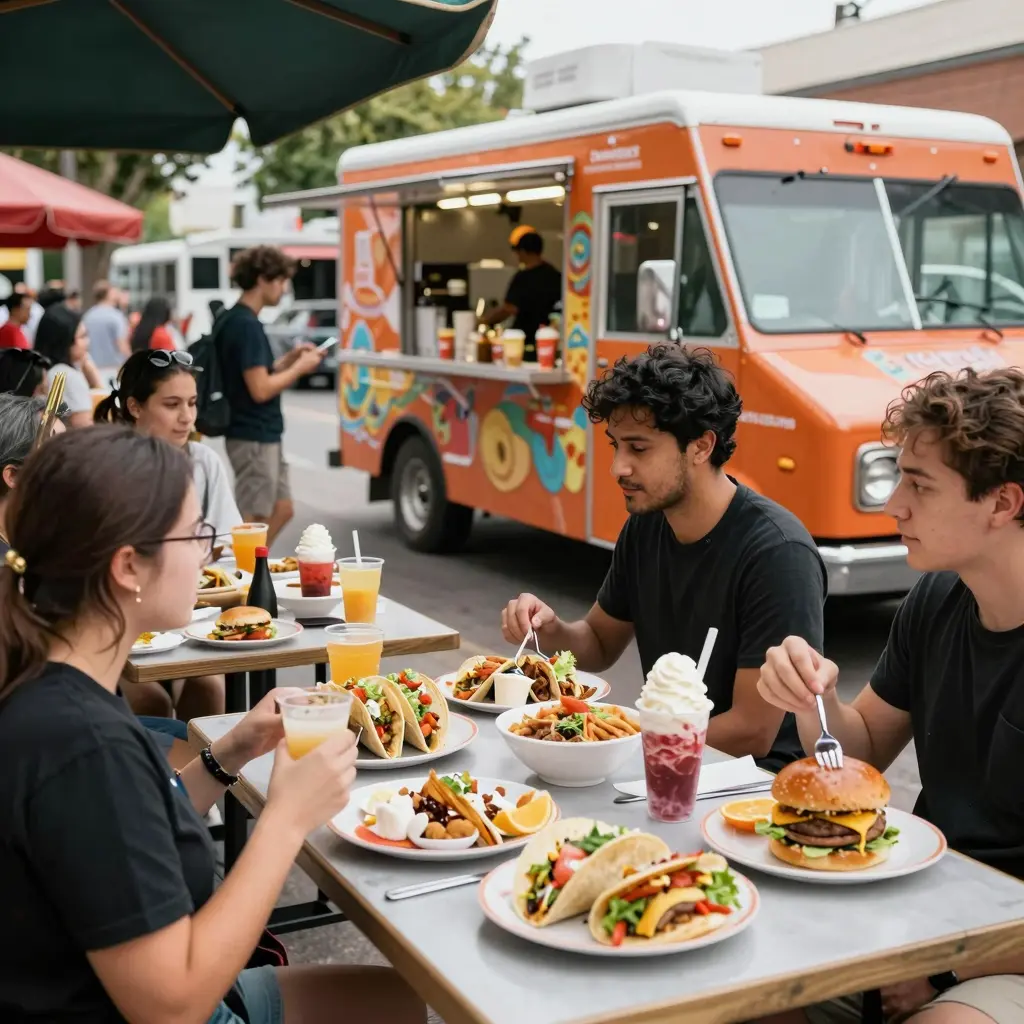
Imagine a bustling city street corner, where the air is filled with the tantalizing aromas of sizzling tacos, gourmet burgers, and artisanal ice cream. This vibrant scene, complete with a diverse crowd of hungry patrons, is a hallmark of the food truck renaissance that has swept across urban landscapes in recent years. Originating from humble beginnings as mobile lunch wagons in the late 1800s, food trucks have transformed into culinary hotspots, offering unique and accessible dining experiences. As aspiring food truck operators consider joining this thrilling trend, they find solace in the lower startup costs compared to traditional restaurants and the flexibility to explore various neighborhoods and festivals with their diverse menus[^1^] [^2^]. For tourists, discovering hidden culinary gems from food trucks not only satisfies their hunger but also immerses them in local culture and community, embracing flavors that mirror the diversity of the crowd around them. Whether you’re an eager entrepreneur wanting to set up shop or a traveler on a quest for the perfect bite, food trucks symbolize innovation, passion, and a love for food that is meant to be shared.
[^1^]: The Edge Malaysia
[^2^]: Empire Eats
The Evolution of Food Trucks: A Historical Timeline
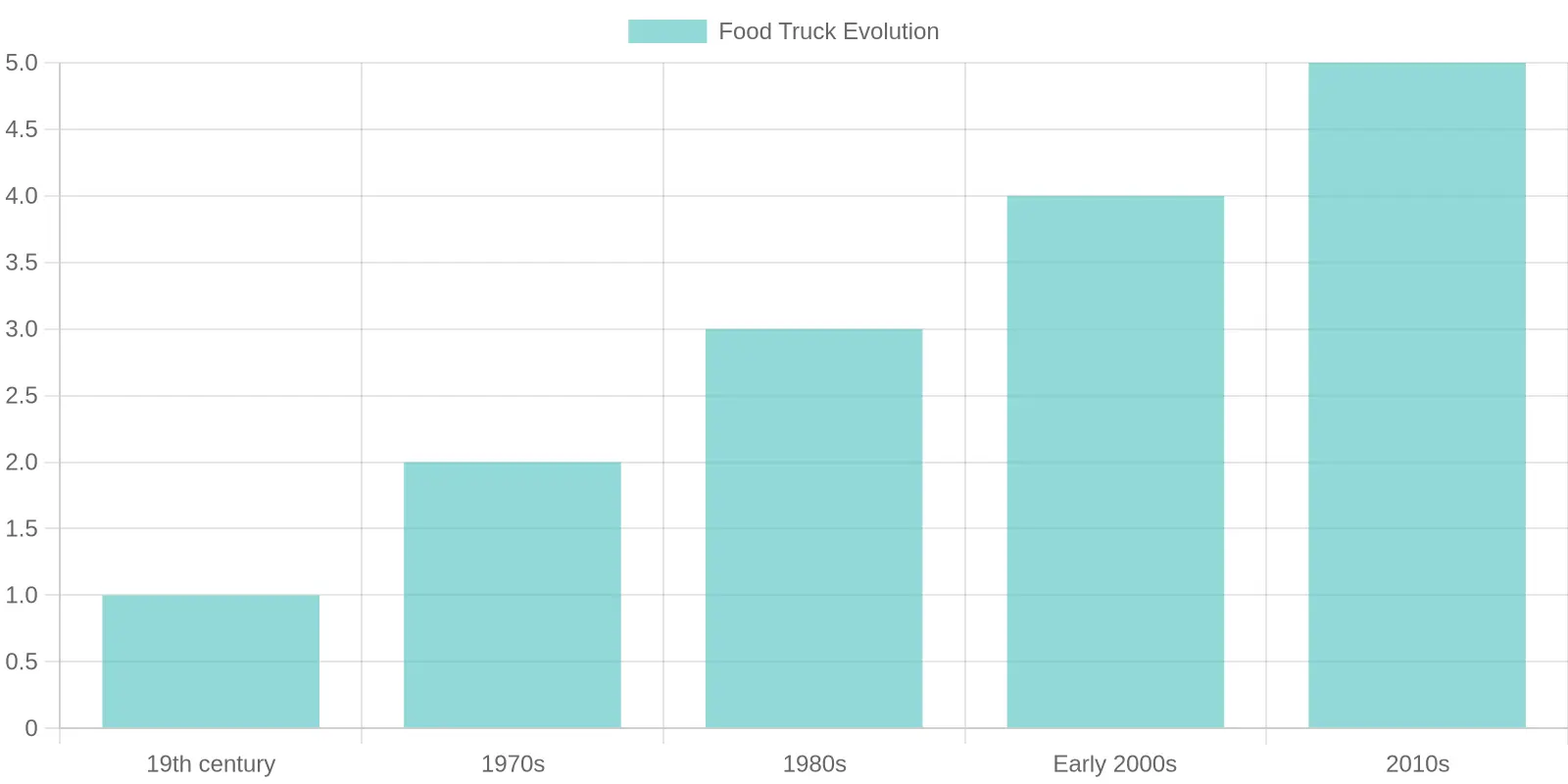
Food trucks have come a long way from simple lunch wagons to pop-up dining experiences that showcase culinary diversity and creativity. Here’s a friendly look at some key milestones that marked this delicious journey in the U.S.
19th Century: The Birth of Food Carts
In the late 1800s, the idea of mobile food became a reality with vendors selling meals from horse-drawn carts. This initial form laid the foundation for what would become a thriving food truck industry.
1970s: The Taco Truck Revolution
The 1970s saw the launch of the first taco trucks in Los Angeles. These culinary gems brought authentic Mexican food to urban streets, significantly impacting the food landscape and setting the stage for the food truck phenomenon.
1980s: Gourmet Food Trucks Begin to Emerge
The 1980s marked the emergence of gourmet food trucks on the West Coast, offering high-quality, fresh, and innovative takes on classic dishes. This shift began to attract a more discerning clientele seeking something more than just standard street food.
Early 2000s: The Gourmet Food Truck Trend
As food culture began to explode, the early 2000s saw significant momentum in the gourmet food truck trend. Creative chefs and food enthusiasts launched trucks serving unique menus, fully embracing the mobile dining experience and catering to the growing foodie movement.
2010s: Festivals and Social Media Magnify Popularity
With the advent of food truck festivals and the influence of social media, food trucks gained an even larger audience. These gatherings transformed meals into social experiences, fostering community and highlighting diverse culinary offerings.
Conclusion
Food trucks continue to evolve and adapt, reflecting trends in cuisine and consumer preferences. For those in Lakewood and aspiring food truck operators, this evolution is an exciting opportunity to join a growing and vibrant community of food lovers. If you’re interested in hosting or visiting food truck rallies, check out what Lakewood has in store.
Want to know more about food truck models for startups? Discover the best options here.
This image showcases a classic food truck set in a vibrant outdoor environment. It illustrates the evolution from traditional to modern food trucks, highlighting the lively atmosphere that these mobile eateries bring to the community.
The Cultural Influence Behind Food Truck Culture
The food truck culture is an ever-evolving phenomenon, shaped by a tapestry of communities, cuisines, and culinary trends. In Lakewood, the vibrant food truck scene showcases how various cultural influences come together, offering diverse culinary experiences that resonate with both locals and tourists.
Food trucks have become a canvas for culinary storytelling, allowing vendors to share their heritage through food. For example, ‘La Isla Bonita’ serves authentic Iraqi specialties, bringing a taste of Baghdad to Lakewood. This commitment to cultural representation enriches the local dining landscape and provides customers with an avenue for exploration beyond their everyday meals.
Lakewood’s food truck offerings are not just about convenience; they represent a potpourri of international cuisines that cater to varying tastes. Here are just a few types of cuisine showcased by local food trucks:
| Cuisine | Food Truck Name | Community Influence | Origins | Appeal to Local Demographics | Appeal to Tourists |
|---|---|---|---|---|---|
| Filipino | Captain Adobo | Filipino community | Philippines | Popular among locals | Authentic experience |
| American comfort food | Mac ‘N Noodles | Nostalgic for adults | USA | Appeals to families | Youth-friendly |
| Various cuisines | Lakewood Food Truck Park | Diverse cultural representation | Various | Attracts diverse populations | Unique food culture |
| Indigenous cuisine | NAICCO Cuisine | Indigenous communities | North America | Cultural significance | Educational experience |
| Fusion food | Truck Yard | Trendy and modern | Various | Appeals to foodies | Unique offerings |
Each food truck tells a story and builds a sense of community, making Lakewood a hotspot for culinary tourism. This melting pot of flavors attracts visitors looking for authentic and unique dining experiences, showcasing the food truck model as a vibrant platform for cultural exchange.
Lakewood hosts events that draw food enthusiasts from various backgrounds, reinforcing the area’s position as a culinary destination. Join the excitement at Lakewood’s food truck gatherings to experience this diverse food culture firsthand!
| State | Business License Required | Food Truck Permit | Health Department Permit | Fire Safety Inspection | Commercial Kitchen Requirement | Notes |
|---|---|---|---|---|---|---|
| California | Yes | Yes | Yes | Yes | Often required | Strict health and fire codes; popular food truck scene |
| Texas | Yes | Yes | Yes | Yes | Often required | Regulations vary by city; permits can be city-specific |
| Florida | Yes | Yes | Yes | Yes | Required | Emphasis on food safety and mobile vending laws |
| New York | Yes | Yes | Yes | Yes | Often required | Requires compliance with state and city health codes |
| Washington | Yes | Yes | Yes | Yes | Required | Follow Washington State Retail Food Code regulations |
| Illinois | Yes | Yes | Yes | Yes | Required | Chicago has specific ordinance for food trucks |
Tips for Aspiring Food Truck Owners
Starting your own food truck can be an exciting and fulfilling venture. Here are some practical tips to help you hit the ground rolling:
-
Identify Your Niche: Knowing what type of cuisine or food offerings you want to present is crucial. Find a concept that excites you and is unique to your area. It could be gourmet sandwiches, ethnic foods, or even vegan options! Learn more about successful food truck niches.
-
Know Your Costs: Be aware that starting a food truck comes with a mix of expenses, including the truck itself, permits, equipment, and supplies. Typical start-up costs range between $20,000 to $200,000, depending on your setup. Ensure your budgeting reflects these figures. For a detailed breakdown, check this guide.
-
Get the Right Licenses and Permits: Research the regulations in your local area. Compliance is key in the food industry, and the requirements can vary significantly from one location to another.
-
Find Your Location: Evaluate where your target audience frequents. Be strategic about your locations-busy spots near parks, events, and busy streets can draw in more customers.
-
Embrace Social Media: Marketing your food truck effectively is vital. Use social media to promote your location, menu, and special events. Building a community online can help draw in loyal customers.
-
Test Your Menu: Before launching, conduct taste tests to see how your food resonates with potential customers. Feedback is invaluable!
-
Build a Reliable Team: If your truck grows, you may need a team to help. Hire people who share your passion for food and service, as this can significantly influence customer satisfaction.
-
Learn from Each Event: After each outing, reflect on what worked and what didn’t. Constantly evolving and adapting based on feedback can elevate your business.
-
Network with Other Food Truck Owners: Engage with other food truck owners in your area. Their experiences can provide invaluable advice and possibly collaboration opportunities.
-
Stay Updated with Trends: The food truck industry is ever-evolving. Stay informed about new trends and innovations that can keep your menu and services fresh. For recent trends, follow updates from industry leaders like The Lime Truck.
Starting a food truck is more than just serving food; it’s about crafting an experience. With the right preparation and attitude, you can create something truly special in your community!
When Did Food Trucks Become Popular?
The food truck industry has seen a remarkable surge in popularity, especially in the last decade. Initially emerging from the grassroots of street food culture, food trucks have evolved into a vibrant piece of the culinary landscape in the U.S. But what catalyzed this growth?
Current Statistics on Food Truck Growth
As of 2023, the food truck market in the U.S. has expanded significantly, marking over 36,324 operational food trucks across the nation, reflecting a 10% increase from the previous year. Notably, California leads in food truck operations, followed by Texas and Florida.
The industry’s overall revenue hit $1.5 billion this year, with an annual growth rate of 4.8% over the last five years. This growth is driven largely by a consumer base younger than 45 years, who are increasingly inclined to seek out mobile dining options. Additionally, new trailer orders surged by 6.7%, indicating a bright future for aspiring food truck operators.
“The food truck business primarily thrives due to its low startup costs, ranging between $50,000 to $100,000, and expected annual revenues can soar between $250,000 to $500,000,” according to Lakewood Food Trucks.
For those touring places like Lakewood, you’ll find various food truck gatherings that exemplify this thriving culture, with unique culinary offerings from local entrepreneurs. Check out what’s in store for the food truck rallies in Lakewood.
This flourishing environment suggests that food trucks are not just a passing trend but rather a staple in the American food scene, catering to diverse tastes and promoting community engagement. Whether you’re an aspiring food truck operator or a visitor in Lakewood, the food truck experience remains an exciting and vibrant culinary adventure.
Closing Thoughts
As we have explored, the food truck industry has blossomed into a vibrant sector with a staggering market value of approximately $2.7 billion in 2023. This growth is not merely about numbers; it’s also a reflection of the innovative spirit of food truck owners who are capturing the essence of culinary creativity on wheels. With predictions estimating around 92,257 food trucks operating in the U.S. by 2025, the opportunity for aspiring operators has never been more promising.
Trends such as innovative catering strategies, diverse culinary offerings, and sustainable practices showcase how food trucks continue to adapt to customer preferences. These trends indicate a thriving community where food truck operators are not just vendors but ambassadors of local flavors and experiences.
So, if you’re contemplating entering this exciting world of mobile cuisine, now is the perfect time to take that leap! Remember to check out our resources, especially our article on choosing your first food truck to guide your journey.
And don’t forget, when you’re ready to hit the road with your culinary creations, Summit Fairings is here to provide the best food truck solutions tailored to your dreams. Let’s make your food truck vision a reality together! Embrace the journey, discover the flavors, and become part of the growing food truck community in Lakewood!
Growth Trends in the Food Truck Industry
The food truck industry has seen impressive growth over the past decade. With an annual growth rate of 7.9%, it significantly outpaces the traditional restaurant sector, which averages only 2% growth per year. This trend reflects a shift in consumer preferences towards mobile food services, driven by low entry costs and diverse cuisine offerings.
Industry Growth Rates (2014-2023)
Below is a bar chart that visually represents these growth trends in the food truck industry compared to the traditional restaurant industry.
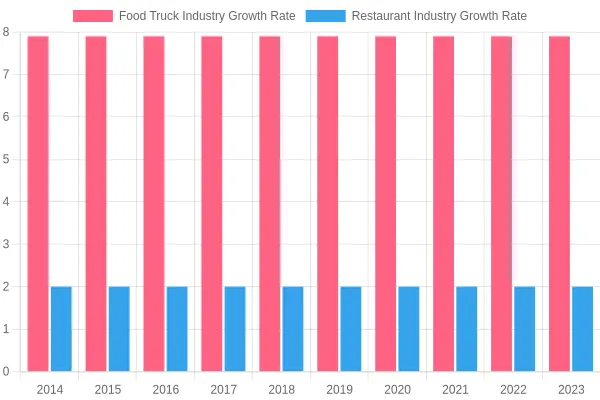
The food truck industry has maintained its growth at a consistent rate over the years, demonstrating its resilience and popularity.
For aspiring food truck operators, this growth signifies a promising market. If you want to know more about food truck events in Lakewood, check out our 2026’s best food truck rallies.
Additionally, to explore various food truck models suitable for your business, you can learn more about the best food truck models for Lakewood startups!