
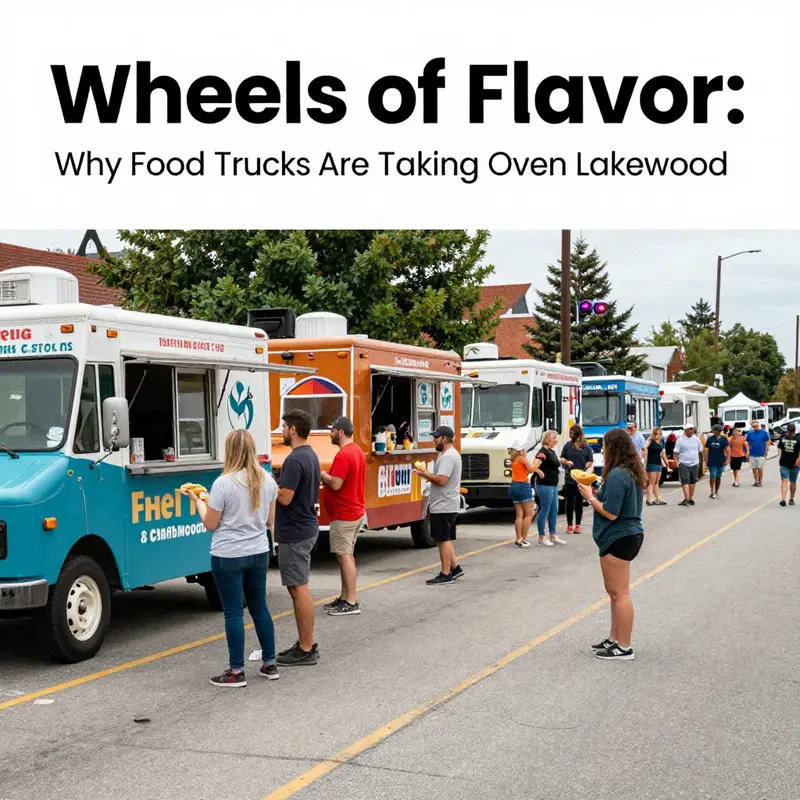
Food trucks have rapidly become a beloved staple in Lakewood’s food scene, providing diverse cuisine with a dash of entrepreneurial spirit. Aspiring food truck operators find unique opportunities in this growing market, while locals and tourists alike eagerly seek out the flavors rolling through the streets. This article explores three key reasons behind the surge in food truck demand: the accessibility for new food entrepreneurs, the freedom and flexibility that food trucks offer, and the way they cater to contemporary consumer preferences for variety and convenience.
Lower Hurdles, Greater Appetite: How the Low Barrier to Entry Fuels the Food Truck Boom
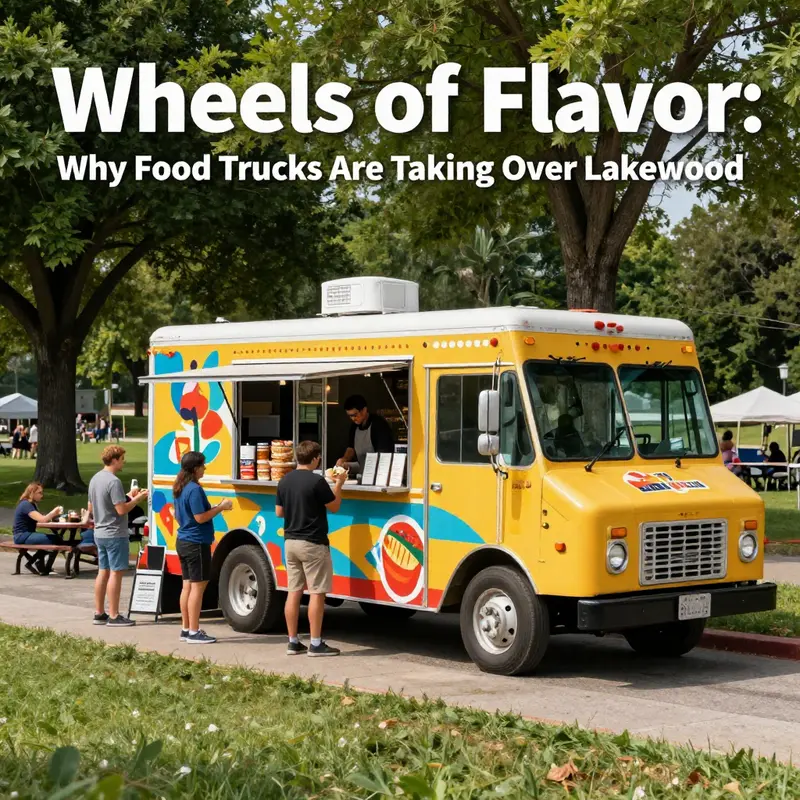
Every new culinary venture begins with a question about risk. In the world of food service, the traditional path often looks like a long runway: find a brick-and-mortar location, secure a lease, navigate permits, finance a build-out, and endure months or years of pre-opening costs. But a different runway has emerged in recent years, and it is shorter, more flexible, and radically changes who can participate in the market. The low barrier to entry for food trucks—manifested as lower upfront investment, lighter ongoing costs, and a nimble operational footprint—has become a key engine behind the rising demand for these mobile eateries. This aren’t mere shifts in taste or trendiness; they are structural changes in how people imagine starting a food business, how risk is managed, and how quickly a kitchen can respond to the pulse of urban life. The result is a culinary economy where experimentation is more accessible, and the potential for scale is less bounded by capital and lease terms than by appetite and ingenuity.
To understand why entry costs matter so much, it helps to unpack what those costs typically entail. A traditional storefront demands real estate, a comprehensive interior fit-out, compliance with a labyrinth of municipal codes, utilities, and the risk that a fixed address could become a liability in a rapidly changing neighborhood. Food trucks invert that logic. A truck or trailer, especially when paired with off-grid or modular systems, can be deployed in a matter of weeks rather than months or years. The upfront investment tends to be a fraction of a brick-and-mortar restaurant, and it scales with the operator’s ambitions. This is not merely about saving money; it is about lowering the psychological and financial thresholds that hold aspiring foodpreneurs back. People who might have waited on the sidelines now see a viable path to test a concept, refine a menu, and learn the discipline of running a service operation without the heavy fixed costs that can crush early-stage momentum.
The accessibility of capital and space translates into a more diverse and dynamic entrant pool. The practical doors that open range from small, independent operators who want a side hustle to first-time founders testing ambitious culinary ideas. This democratization of entry reshapes local food ecosystems by increasing the cadence of new ideas and allowing niche flavors to gain a foothold. It also reduces the risk of market saturation for any single concept by enabling a wider spectrum of offerings to co-exist in the same urban environment. When a market is abundant with varied mobile concepts, customers gain a richer sampling of cuisine, and operators gain a platform to iterate rapidly. The effect is a virtuous cycle: easier entry lowers barriers to experimentation, which in turn fuels demand as people seek novelty, quality, and consistency in convenient forms.
A thread running through the evidence is not simply about money but about the strategic use of assets that people already possess. A truck is not just a vehicle; it is a portable kitchen, a platform, and a mobile foundation for a business model that can adapt. In many cases, aspiring owners leverage the truck itself as the primary asset for entry. They may acquire a used vehicle, outfit it with compact, modular cooking stations, and begin trading in a neighborhood or at events with minimal downtime. This approach speaks to a broader shift in how operations are valued. It is no longer solely about the size of a storefront or the breadth of a menu; it is about the efficiency of a small footprint that can move, adapt, and endure. When capital is scarce, the ability to deploy, reconfigure, and relocate becomes the currency of resilience.
Consider the counterintuitive but increasingly common pivot from transport to sale. A notable trend in the field has seen truck drivers repurposing their vehicles into mobile food vendors. This transformation leverages existing assets and skills—logistics discipline, routing know-how, and strong customer service instincts—into an alternate income stream that can be both resilient and scalable. The rationale is straightforward: freight markets can experience volatility, and the costs of maintaining a dedicated transportation business can outpace the returns when freight rates dip. By converting a vehicle into a profit-generating kitchen, drivers convert risk into opportunity, turning a stranded asset into a platform for direct customer interaction and immediate revenue. The story of Jia Ge, a driver from Shandong Province, illustrates this shift vividly. After transporting oranges to her hometown, she found a way to sell 22,000 pounds of fruit directly to consumers, bypassing layers of intermediaries and capturing a larger portion of the profit margin. Her experience embodies a broader principle: the value of mobility extends beyond moving goods; it includes the ability to move value—fast, efficiently, and with a direct line to the end customer.
This logic is reinforced by the practical advantages of mobility. A truck-based model can relocate to where demand spikes, whether that is a corporate campus at noon, a university district during lectures, a design district at night, or a festival that turns a street corner into a concentrated should-be line. The same asset can operate in different configurations—a breakfast window optimized for morning commuters, a lunch setup tailored to the fast-paced office crowd, or a dinner concept designed to attract evening foot traffic. The modular design of many modern food trucks supports this fluidity. Interiors can be reworked without a complete rebuild, allowing operators to rotate menus with seasons and trends. This flexibility not only broadens market opportunities but also blunts seasonality by offering a chain of experiences that can be stacked but kept lean.
Another dimension of the low-barrier dynamic is the way it intersects with consumer expectations. Today’s diners increasingly demand convenience, speed, and variety—often within a context that feels intimate and curated rather than generic. Food trucks deliver on all three by combining the speed of quick-service with the specificity of a chef-driven concept. A single footprint can host a spectrum of cuisines, from humble comfort to inventive gastronomy, satisfying both the need for rapid service and the desire for novelty. In practice, operators pair a lean core menu with the flexibility to swap in daily specials or rotating concepts, producing a sense of event whenever a truck parks in a new neighborhood. This keeps the product fresh, the crowds curious, and the brand narrative alive without the heavy costs of multiple permanent locations. The result is a consumer experience that feels personal and responsive, a critical driver of repeat visits and word-of-mouth referrals in dense urban landscapes.
The broader urban and economic context amplifies the appeal of low-barrier models. Cities around the world have embraced mobile food markets as part of urban revitalization and cultural branding. These markets activate underutilized public spaces, transform parking lots or riverfronts into lively food hubs, and bring new foot traffic to nearby businesses. The mobility of trucks makes them especially valuable in places where land use and zoning are in flux or where fixed-space solutions are scarce or expensive. Operators can test neighborhoods, gather feedback, and refine their concept with a fraction of the risk associated with a traditional restaurant. The adaptability of the model feeds into sustainability in at least two important ways. First, the lower upfront and operating costs reduce the per-capita environmental impact of trial-and-error experimentation—a factor that resonates with both operators and customers who value responsible business practices. Second, modular and electric designs, when adopted, minimize fuel costs and emissions in comparison to larger, stationary kitchens. While not every truck is electric, the trend toward more efficient and modular layouts helps align the business model with evolving regulations and consumer values.
A practical outcome of these dynamics is not simply more trucks on the street but a smarter distribution of culinary energy. The low barrier to entry lowers the social and economic thresholds that previously limited participation in the food economy. It invites a more diverse set of players, including recent immigrants building on family recipes, students testing entrepreneurial impulses, and professionals exploring a second act. This convergence of backgrounds nourishes a richer menu landscape and a faster cycle of innovation. It also means that communities may experience a broader array of flavors and experiences in a compact geographic footprint, as trucks converge on markets, campuses, and neighborhoods that were once underserved or overlooked by fixed-location dining options.
The narrative of entry cost, therefore, is not simply a financial ledger; it is a cultural and experiential one. It reframes what counts as a successful business in the food sector. A heavy, capital-intensive investment can still be a successful path, but the rise of the mobile model demonstrates that resilience and momentum can emerge from smaller, smarter bets. In practice, new entrants learn to balance the economics of a lean operation with the art of cooking at scale. They discover how to design menus that travel well, how to source ingredients without creating waste, and how to build a local following that translates into repeat customers and event bookings. The success stories are not just about profits; they are about the confidence that comes from testing ideas quickly, learning from each shift, and expanding in ways that align with real-world demand rather than theoretical forecasts.
A final layer of the argument hinges on access to information and guidance. For those considering entry or expansion, practical resources can shorten the learning curve and reduce missteps. One such resource is a practical guide that examines the best food-truck models for Lakewood startups. These kinds of guides synthesize experience, hardware options, and regulatory considerations into actionable playbooks. They help new operators evaluate form factors, retrofit options, and the balance between cost, capacity, and mobility. By offering a framework for choosing the right vehicle and setup, such resources empower more people to approach the market with a clear plan rather than a leap of faith. best food-truck models for Lakewood startups is one example of how knowledge economies around food trucks are evolving to support a broader and more diverse base of entrants.
Of course, there are caveats. The low barrier to entry does not eliminate risk; it merely reframes it. Operators still must master food safety, customer service, scheduling, and supply chain contingencies. They must navigate local regulations, permits, and insurance. They must build a brand that travels with them and stands out in a crowded mobile landscape. They must create a culinary offer that travels well, appeals to local tastes, and remains financially viable as competition intensifies. The point is not that entry is effortless, but that entry is more accessible and adaptable. In the hands of capable operators, this combination yields a marketplace where the speed of iteration and the courage to experiment become as valuable as the menu itself.
Viewed through this lens, the low barrier to entry emerges as a foundational force shaping the demand for food trucks. It expands who can participate, where they can operate, and how they can scale. It invites experimentation, accelerates learning, and allows communities to inject new flavors into daily life with a degree of agility that fixed restaurants often cannot match. The resulting ecosystem is more dynamic, more responsive to shifting consumer preferences, and more capable of turning an ambitious idea into a legitimate enterprise. For anyone watching the urban culinary landscape, the lesson is not just that people want convenient food on the go. It is that the economics of entry have changed what is possible, what audiences expect, and how quickly a new dining concept can become a staple in a city’s street-food fabric.
External resource for further context on how drivers repurpose assets in changing freight markets and the corresponding opportunities for mobile food ventures: https://www.newsweek.com/truck-drivers-turn-mobile-fruit-vendors-transporting-selling-can-truckers-break-low-freight-rate-trap-2026-1-4
Moving With Market Winds: How Operational Flexibility Fuels the Demand for Food Trucks
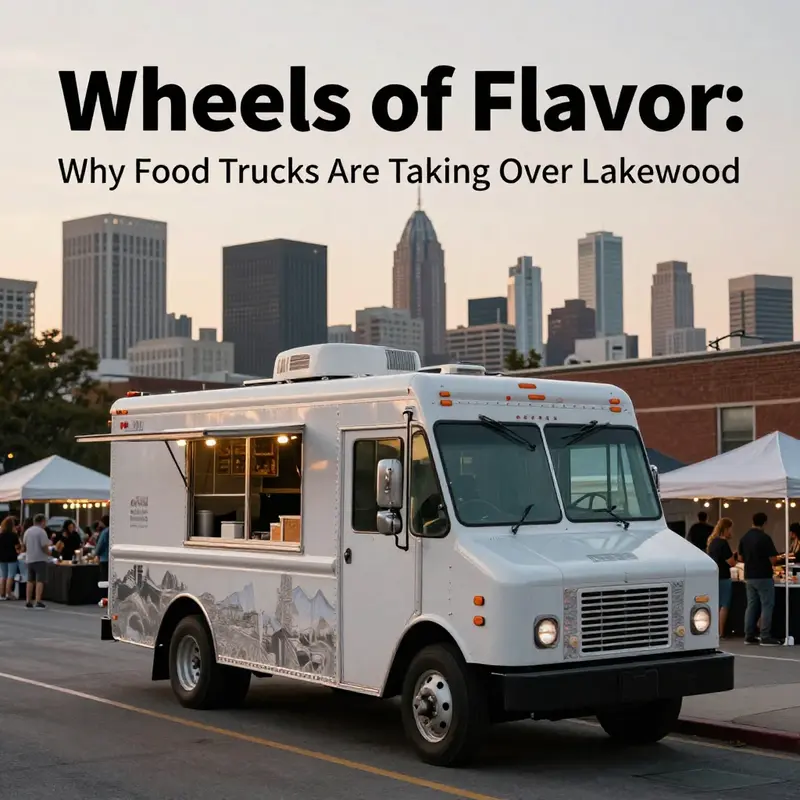
Operational flexibility is more than a business preference; it is a strategic core that shapes where food comes from, how quickly it appears, and how well it travels with the rhythms of daily life. In exploring why food trucks are in such high demand, the most convincing argument often appears not in a single feature but in the way mobility stitches together economics, consumer behavior, and urban spaces. The idea that a well-equipped truck can chase foot traffic, events, and seasonal surges reframes a restaurant’s limits into a living set of possibilities. When the market shifts—from a crowded office lunch hour to a festival crowd eager for something novel—a mobile unit is poised to respond with minimal friction. This is the essence of flexibility: not merely the ability to move, but the capacity to move with intent, to adapt menus, to reallocate capital, and to convert opportunity into sales with astonishing speed.
The first thread of this story is location, the age-old determinant of restaurant success. A fixed storefront is bound to a single catchment area, its revenue constrained by the street it sits on. A food truck, by contrast, can physically follow people wherever they gather: business districts at midday, campuses and transit hubs during peak hours, neighborhoods during weekends, and after-hours clusters at events. This capability is not mere novelty; it translates into a measurable advantage in exposure and turnover. Operators can plan a route that aligns with employer-led lunch programs, shift to a campus windfall during finals week, and then pivot to a nightlife corridor where diners chase late-hour bites. The result is a dynamic calendar of locations that a single business can optimize in real time, rather than wait for the right tenant to arrive in a lease cycle.
This mobility also mitigates risk, a feature increasingly valuable in uncertain economic climates. When demand contracts in one zone due to a downturn or new regulations, the same truck can relocate to another zone where it finds demand. Managers describe their fleets as “light assets with fast turnover”—a phrase that captures the advantage of a business model built around variable occupancy rather than fixed occupancy. The cost structure reinforces this point. Lower initial capital costs relative to a bricks-and-mortar restaurant mean more operators can experiment with markets, cuisines, and formats. The faster cycle from idea to revenue is not simply appealing; it is a practical path to learning what works in a local context without tying up capital in a long-term lease or an expensive build-out. This financial flexibility is, in itself, a form of risk management that complements the operational agility.
A second thread follows customer expectations for convenience and variety. Modern diners increasingly crave speed, novelty, and quality combined in a way that feels personal. A food truck that can serve a compelling, chef-driven menu at a high-traffic location offers a distinctly accessible version of fine dining. The implication is not just quick service; it is a tailored experience that can respond to local tastes and seasonal ingredients. The ability to refresh menus with minimal downtime—from a breakfast setup to a dinner concept—keeps the business aligned with shifting consumer moods and dietary trends. In many urban centers, trucks have become part of the fabric of the city’s food culture, hosting diverse cuisines that would be hard to sustain in a single fixed location. The mobile format invites experimentation, which in turn attracts curious visitors and repeat customers who appreciate novelty without sacrificing quality.
This adaptive menu strategy hinges on modular design and smart operations. A well-planned interior layout can support multiple cuisines by reconfiguring equipment, storage, and workflow to minimize downtime between shifts. The same truck can roll into a park for a casual lunch using one configuration and, within hours, switch to a more expansive setup for a weekend market or festival. The modularity brings not just culinary flexibility but efficiency. Operators can standardize core processes—food prep, service, and waste management—while reconfiguring the kitchen to meet a new menu. The result is a business that does not require a complete rebuild when demand evolves. Instead, it evolves with internal rearrangements and adaptive staffing, allowing the enterprise to scale gradually and responsively.
The third thread connects mobility with urban economies and cultural dynamics. Food trucks do more than feed; they activate spaces, reinvigorate underused parcels, and contribute to a city’s storytelling. Parks, riverfronts, and vacant lots become vibrant nodes when trucks set up shop, drawing crowds that spill into adjacent establishments, fill nearby parking and transit corridors, and extend the life of events with reliable food access. This catalytic effect matters for local governments and private developers who seek to convert public or underutilized space into thriving social spaces. The resulting economic spillover—additional foot traffic for nearby retailers, longer dwell times, and more vibrant street life—creates a virtuous circle where mobility and urban vitality feed each other.
Seasonality—an oft-cited challenge for food vendors—becomes a different kind of opportunity for flexible operators. In a market with tourism-driven peaks, like many island or coastal towns, trucks can align itineraries with seasonal flows. The seasonal calendar does not merely demand more hours of operation; it invites a shift in concept, experience, and storytelling. A truck that can lean into cultural heritage or regional flavors during peak seasons provides a platform for authentic engagement that is difficult to replicate in a stationary restaurant. It is not only a business model adapting to weather; it is a model that lets taste and tradition travel, inviting locals and visitors alike to experience a place through its evolving mobile eateries.
From an investor’s perspective, the appeal lies in the combination of agility and profitability. The mobility of food trucks enables closer proximity to target markets and faster service cycles, which translates into higher table turnover, faster inventory turns, and reduced risk of spoilage. The speed of deployment—getting a reputable concept to market in weeks rather than months—improves cash flow and reduces the waiting period for returns on investment. Digital-ordering tools and the increasing integration of contactless payments further magnify these advantages by expanding reach and shortening transaction times. When a truck can be deployed for a large-scale event, it benefits from concentrated crowds and cresting demand, translating into outsized revenue opportunities in a short window. The same truck can later migrate to a steady, low-friction location for lunch services, balancing a portfolio of growth and stability.
The potential for resilience grows when operations embrace sustainability and efficiency. Advances in design and power management allow for more eco-friendly configurations, including battery-powered operation and modular interiors that conserve energy and space. In cases where the local environment or regulations encourage greener fleets, trucks can be retooled to minimize fuel use and emissions without sacrificing throughput. The safety and regulatory dimension also benefits from this flexibility. Modular interiors can be designed with fire suppression, easy-clean surfaces, and compliant layouts that streamline health inspections. In environments with strict park curfews or vending hours, the ability to adjust operating times and energy usage—switching between battery and grid power as needed—becomes a practical competitive edge. The combination of environmental responsibility, cost savings, and compliant, efficient operations deepens the appeal of mobility as a strategic advantage rather than a mere selling point.
The narrative would be incomplete without acknowledging the social and cultural texture that flexibility supports. Food trucks often become more than places to eat; they become gathering spots that reflect a neighborhood’s desires, aspirations, and stories. A city’s appetite for culinary experimentation is often most visible in its mobile corners where chefs test ideas and audiences respond with immediacy. In such spaces, the flow of customers and the speed at which a concept can adapt to feedback are not incidental—they are central to the brand’s lifecycle. A business that can listen to a crowd and pivot—adjusting spice levels, portion sizes, or even the core concept within a few days—has a distinct advantage over slower, fixed competitors. The result is a more dynamic culinary ecosystem where experimentation is not a luxury but a core capability.
This chapter’s thread of practical adaptability is echoed in the broader market discourse. Analysts describe the food-truck model as a flexible platform that combines low barriers to entry with the capacity for rapid, scalable growth. The same model supports a spectrum of operators—from first-time entrepreneurs testing a concept to established brands extending into mobile formats. The infrastructure behind these businesses—efficient procurement, reliable supplier relationships, and streamlined logistics—relies on a central premise: speed and adaptability compound value. When a truck can cut down service times, reconfigure a kitchen overnight, and reposition to a new crowd in minutes, it delivers a customer experience that is both reliable and exhilarating. The audience experiences convenience while encountering something novel, a balance that fuels word-of-mouth and repeat visits.
For readers seeking a practical compass, consider how a fleet’s flexibility translates into daily operations. Planning becomes a continuum rather than a series of fixed steps. It begins with a flexible procurement approach, sourcing ingredients that work across menus and require minimal, location-appropriate adjustments. It continues with a scheduling framework that anticipates peak times in multiple locales and uses data-driven insights to allocate street presence. It ends with a service model that reduces wait times and boosts throughput by aligning crew shifts with the realities of each site. The narrative of mobility is thus not a travelogue of where trucks go; it is a blueprint for how a business can stay productive, relevant, and financially healthy across changing conditions.
As you map the landscape of opportunities, you may find it helpful to explore how other operators optimize their fleets. For operators evaluating how to tailor a truck to various markets and menus, consider the practical guidance embedded in industry conversations about modular fleet designs and adaptable interiors. For readers curious about fleet models tailored to Lakewood startups, the topic is well illustrated by the discussion of versatile, modular approaches to truck layouts in the linked resource. You can explore this theme here: best-food-truck-models-for-lakewood-startups. The real power of operational flexibility emerges when theory meets the realities of street-level execution—when a concept travels with a team that understands how weather, crowd dynamics, and local tastes shift from hour to hour, block to block.
Ultimately, the core insight is simple and enduring: demand follows mobility when mobility is intelligent. Operators who design with flexibility at the center—choosing modular interiors, planning for rapid menu adaptation, and embracing event-driven schedules—unlock a virtuous cycle of faster service, better customer fit, and stronger financial performance. This is why food trucks command attention in contemporary foodservice markets. They are not merely portable kitchens; they are agile platforms that translate opportunity into reliable, repeatable revenue. In a world where tastes diverge and markets swing with the weather, a fleet that can pivot rapidly and operate efficiently becomes a strategic asset that changes the calculus of success for entrepreneurs, investors, and communities alike.
Flavors in Motion: Why Consumers Seek Variety and Convenience in Food Trucks
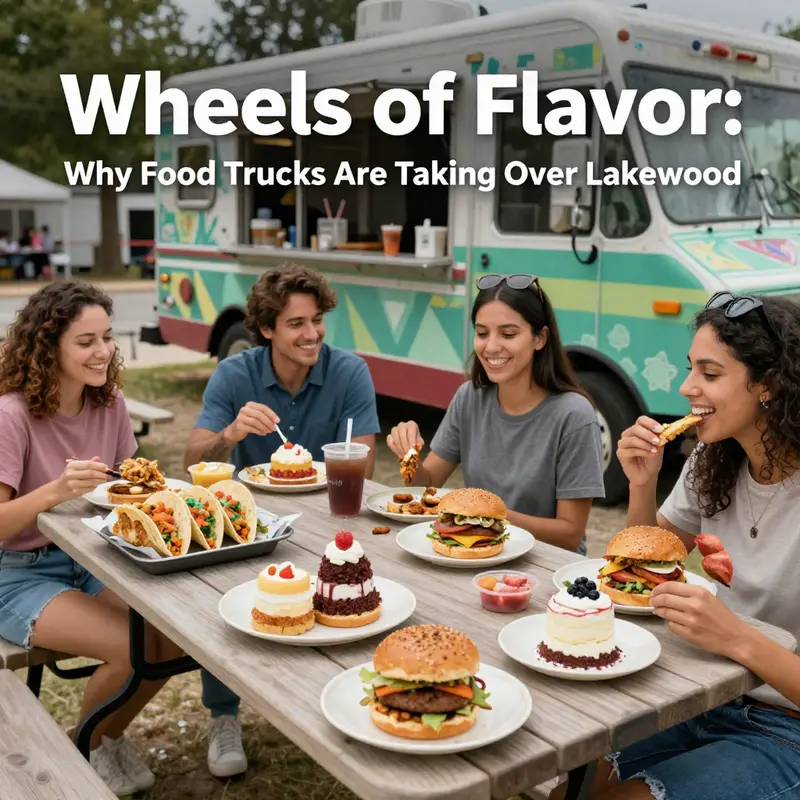
Consumers are drawn to food trucks for mobility, artistry, and value. The street dining scene blends fast service with culinary curiosity, turning trucks from novelty into a durable city feature. The market today sits in the multi-billion range and follows trends in where and how people eat, and how they value experience alongside sustenance. The appeal is a constellation of preferences: speed, distinctive taste, and portability, with trucks serving as an elegant and efficient intersection of those desires.
What makes trucks well suited to today’s preferences is their ability to combine fast service with evolving menus without the time or cost of a full service restaurant. Low startup barriers widen participation, enabling chefs and operators to test ideas, refine flavors, and respond quickly to feedback. A menu ecosystem can evolve rapidly as cooks add regional or seasonal items and new techniques to reflect currents in cuisine and culture. When paired with mobile logistics, the value proposition is practical: fast service, adaptable menus, and a sense of discovery in a compact unit.
A key driver is the demand to experience a wide spectrum of flavors in a single urban day. Trucks act as micro-kitchens of global cuisine, from comforting classics to experimental mashups that still feel accessible. This diversity helps budget-conscious city dwellers and visitors who want variety without committing to a sit-down meal. Neighborhoods become living galleries of taste as people sample Greek gyros, Indian curries, Korean BBQ, and Mexican tacos in quick succession.
Alongside variety is a strong appetite for convenience. The modern consumer values speed and predictability. Trucks remove the need for reservations and minimize wait times, while maintaining quality through disciplined operations. The payoff is clear: easy ordering, hot meals, and the freedom to move on with the day. Convenience is a defining condition that shapes how people plan meals around work and leisure and how social rituals become efficient, shared experiences.
Segmentation studies show four patron profiles that help operators tailor offerings: health-conscious, price-oriented, taste-oriented, and convenience-oriented. Each mindset is not a rigid box but a lens on value. A bowl loaded with vegetables and plant proteins appeals to health-conscious diners; generous portions at approachable prices attract price-oriented eaters; bold flavor profiles satisfy taste seekers; quick, no-friction ordering satisfies convenience-focused guests. Operators often adjust menus to emphasize one or more motives at different times and places.
Beyond segmentation, trucks serve as cultural ambassadors of local cuisine. They translate a city’s culinary character into portable experiences that travelers and residents can enjoy without committing to a neighborhood or restaurant. Authenticity paired with accessibility creates social value, strengthens community assets, and contributes to urban memory. The visual and sensory cues – the truck design, the queue, the aroma – also matter, turning simple purchases into social moments that are shared online and in person.
Design and sustainability are increasingly central. Efficient operation, safe, modular interiors, and electric power support longer hours and flexible configuration for different cuisines. These choices pair with safety and local regulations to shape where and when trucks operate. The result is a portable, curated dining experience that travels well and leaves a positive impression, while reducing waste and emissions where possible.
Finally, the social and experiential aspect matters. People want to participate in a moment of taste discovery and social connection. Food trucks offer a walk-up, no-reservation format that can surprise with new flavors and stories, while serving as a convenient anchor in urban life. As cities embrace mobile dining, trucks remain a core component of the street-food ecosystem.
For operators, the takeaway is to build for speed, curate for variety, and design for adaptability, staying true to a sense of place that resonates with communities and visitors alike.
Final thoughts
As we wrap up our journey through the world of food trucks, it’s clear that their demand in Lakewood is driven by their affordable entry point for budding culinary entrepreneurs, operational flexibility that adapts to the needs of the community, and the delicious variety they bring to food lovers. These mobile kitchens are not just vehicles for food; they are part of the fabric of our community, where friends and family come together to explore different flavors and experiences. Embrace the culinary adventure, and maybe even consider joining this dynamic scene yourself!