
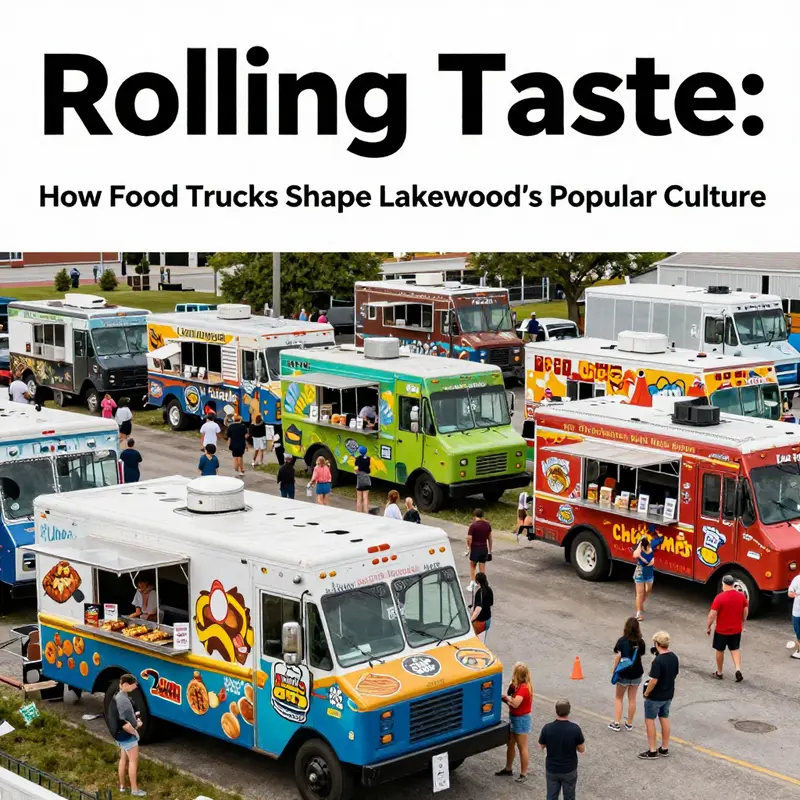
Food trucks have morphed into vibrant symbols of urban culture, offering a unique blend of convenience, affordability, and culinary adventure. Aspiring food truck operators, as well as tourists visiting Lakewood, can truly appreciate how these mobile eateries are more than just food on wheels. In Lakewood, food trucks don’t just provide meals; they foster community engagement and creativity. In the chapters ahead, we’ll explore how food trucks reflect urban lifestyles, inspire culinary innovation, impact local economies, and serve as platforms for cultural expression, making them a vital part of Lakewood’s identity.
Mobile Mosaics: Food Trucks as Mirrors and Makers of Urban Culture
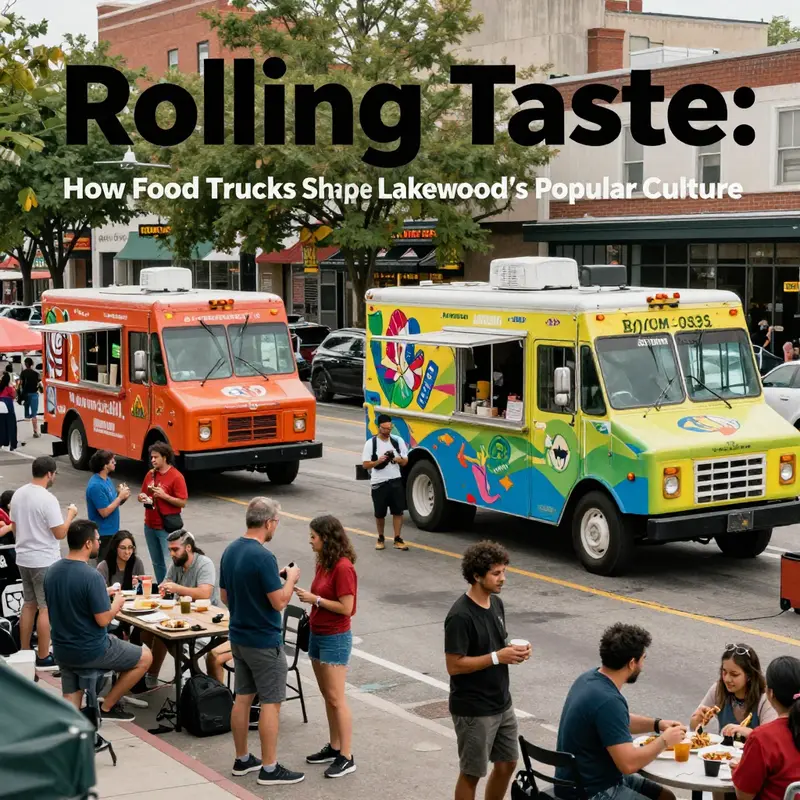
Across city boulevards and dusk-lit plazas, food trucks operate not merely as eateries but as mobile cultural artifacts. They hitch themselves to the tempo of the street, where the hum of traffic blends with the sizzle of pans and the chatter of neighbors. Their temporary kitchens turn urban terrain into a laboratory of taste, style, and social interaction. In this sense, they are not only feeding bodies but also feeding a shared sense of place, memory, and possibility. The aroma of grilling meat, the scent of fried pastry, and the bright signage of these fleets become a visual and sensory map of the city itself, tracing routes not on a street grid alone but through experiences people carry with them long after the plates are emptied. For many urban residents, a single truck stop can feel like a waypoint in a larger cultural journey, where identity, appetite, and community intersect in real time.
In Houston, as in many major cities, the culinary map unfurls through a tapestry of global flavors. From Tex-Mex-inspired breakfast tacos to Korean BBQ mashups and Gulf Coast seafood, a single block can present a microcosm of the city’s multicultural identity. This is not an exception but an illustration of a broader urban trend: food trucks translate the city’s diversity into edible form, making the cosmopolitan visible in a format that feels accessible, personal, and immediate. The aesthetics of the trucks—bright colors, open grills, graffiti-inspired signage—become part of the city’s visual vocabulary, influencing how residents perceive their surroundings and themselves. When a passerby tastes a dish and sees a chef smile while explaining a technique, the exchange becomes a small cultural education, a prompt to rethink what “local” means in a place where borders blur with each generous plate.
The historical echo behind today’s glossy fleets is long. The United States’ lunch wagon and cowboy chuckwagon traditions date back to the late nineteenth century. Those early curbside kitchens were practical solutions for workers, delivering nourishment at scale and with speed. They also cultivated a culture of improvisation. The modern gourmet movement that surged after the 2008 economic crisis did more than elevate taste; it reframed what a food business could look like. Without the heft of brick-and-mortar overhead, culinary experimentation moved into the street, inviting risk, collaboration, and a direct line of communication with customers. The transition from necessity to novelty is essential here: the trucks survived by being adaptable, transparent, and relentlessly attentive to what people wanted, which is a core dynamic that underpins popular culture at large. In this way, street kitchens became social laboratories where chefs tested ideas with real diners, a process that mirrors the broader experimental spirit seen in contemporary arts and media.
Open-concept layouts became a signature feature of the movement. When you watch a truck crew assemble plates in view of passersby, you witness a theatre of skill and speed. The act of cooking is no longer hidden behind a door; it is a performance that adds to the dining experience. The transparency builds trust, and the trust fuels appetite for experimentation. Customers see bold spice blends, fresh ingredients, and a chef’s sense of timing, and they respond with willingness to try something new. The openness also invites feedback in real time, shaping menus in ways that are not possible in more traditional formats. This immediacy aligns with modern urban life, where attention spans are short, but experiences that feel personal and shareable can spread quickly. The social payoff is not merely a meal; it is a moment of connection in a city that often feels crowded and impersonal. People begin to associate the truck with a specific memory—an interview with a cook, the crackle of a grill, the moment a group of friends decide to try a new dish—and those memories become part of the city’s shared culture.
Events and parks become gathering spaces rather than stops on a map. Food truck clusters can evolve into social ecosystems, offering live music, sidewalk seating, and impromptu performances that echo at a neighborhood festival or a college campus. Customers arrive not just for a bite but for the ambience—the longer the vibe lasts, the more likely they are to linger, discuss, and return. In such environments, the food becomes a catalyst for conversations about identity, taste, and community. The trucks become ambassadors of taste, carrying the city’s stories outward as they travel from neighborhood to neighborhood. The openness and mobility of mobile kitchens mirror a culture that prizes itinerancy, spontaneity, and the ability to turn a corner into a cultural event. This social architecture turns meals into events that strangers remember and later recount with enthusiasm, reinforcing the idea that urban culture is as much about shared moments as shared meals.
Technology has accelerated this cultural role without commodifying it. Even without naming particular platforms, the capacity to order ahead, to customize in real time, and to receive instant feedback turns a meal into a small, responsive project. Customers can tailor tortillas, adjust heat levels, or swap proteins while watching the cook at work. The resulting dish embodies a dialogue between consumer and maker that is both intimate and efficient. The data traces left by these interactions offer entrepreneurs clues about what urban populations crave, where tastes converge, and how to adjust the pace of service for a crowded Saturday evening. The fusion trend, once a niche experiment, now circulates through many regional markets, producing hybrid combinations that feel both new and rooted in tradition. This adaptability keeps food trucks at the leading edge of urban cuisine, a position that popular culture frequently assigns to the most dynamic forms of eatery. As cities become more fiscally testy and consumer tastes more volatile, the agility of the mobile kitchen becomes not a gimmick but a narrative about resilience and ingenuity in the urban economy.
Beyond the plate, the trucks contribute to a broader urban culture of accessibility and experimentation. They democratize access to diverse flavors, presenting a menu that can reflect immigrant diasporas and regional specialties with equal ease. The aesthetics of the trucks—color, branding, typography—become a form of street-level storytelling, communicating values of entrepreneurship, resilience, and community. In this sense, food trucks participate in the ongoing dialogue about who makes urban culture and how. They hand the microphone to cooks who might otherwise have limited access to upscale dining spaces, inviting them to curate experiences for a broad audience. The social fabric around trucks—coffee counters, small-venue stages, and pop-up markets—helps sustain local economies and nourishes a sense of belonging in dense urban landscapes. When a city designs its public spaces with these micro-cultures in mind, it creates an urban environment that feels less like a maze and more like a tapestry, where each thread adds color and texture to the whole.
The cultural currency of this phenomenon is high. People are drawn to the idea of a meal that is quick, delicious, and expressive. The value proposition extends beyond the food to the entire moment: the sense of discovery, the tactile pleasure of seeing ingredients prepared, and the social validation of sharing a vibrant, photogenic experience. In a world of algorithmically curated feeds, the human touch—an unexpected garnish, a friendly exchange, a story about how a recipe came to be—carries weight. Food trucks cultivate micro-communities around their itineraries, offering places where neighbors can gather to celebrate, reminisce, and imagine new futures. In this ritual of gathering, food becomes a language, and the truck, a portable stage for conversations about identity, creativity, and the city’s evolving rhythm. The result is a dynamic urban culture in which meals are not isolated acts but interconnected experiences that bind people to places and to one another.
One can see this cultural gravitas reflected in the way food trucks influence planning and public space. Municipalities increasingly recognize them as catalysts for nighttime economies and for activating underused corners of the urban fabric. They become catalysts for pedestrian-friendly design, encouraging a cadence that blends walking, dining, and socializing. The result is a city that feels more navigable, more inclusive, and more tuned to the pace of its residents. In such environments, the culture produced is not merely about what is eaten but about how the act of eating shapes time and space. The street itself becomes a platform for expression, where every stop is a potential encounter with a new story, a new flavor, and a new friend. This is precisely the cultural value that popular culture tends to celebrate: mobility as a catalyst for connection and ideas.
For those studying the trajectory of popular culture, food trucks offer a compelling case study in how art, labor, and mobility intersect in everyday life. They show that culture can be produced not only in studios or galleries but in street corners, schools, and park edges. They reveal how urban dwellers negotiate time, appetite, and affordability while remaining loyal to the pleasures of novelty. The related shifts—streamlined operations, the rise of collaborative menus, and community-oriented events—reflect a broader shift toward experiences as a primary product in modern consumer culture. These shifts also hint at a broader social project: making urban life more participatory, more inclusive, and more responsive to citizens’ diverse tastes. In this sense, food trucks are not anomalies but indicators of how popular culture continually redefines what it means to eat well, how meals are produced, and where meals occur.
To tie the narrative back to practical implications, consider the way a city might leverage the cultural power of trucks to enliven neighborhoods while supporting local entrepreneurs. Space design, siting, and hours of operation can shape how a truck culture fits with daily life. Community events can turn a chance encounter with a taco or a fry bread into a lasting memory that reinforces neighborhood identity. The open kitchens encourage cross-cultural exchange, inviting neighbors to ask questions, learn about ingredients, and witness culinary craft up close. When this dynamic functions well, it creates a feedback loop: a thriving local food scene feeds the city’s pop culture identity, and a flourishing pop culture enhances the appeal of the food scene. The cycle becomes self-reinforcing, a living test case for urban vitality. The city thus becomes not merely a backdrop but an active co-creator of culture, with trucks acting as one of its most versatile instruments.
As a final reflection, the urban food truck phenomenon brings into focus the idea that culture travels with people and with wheels. It is both a market and a stage, a place for quick sustenance and for moments of shared meaning. It is a reminder that popular culture is not a fixed monument but a living, evolving process that moves with the streets and the people who inhabit them. And it is a testament to how cities can cultivate spaces where food, craft, and community converge, weaving a narrative that makes the urban landscape feel legible, welcoming, and endlessly improvable. The conversation about whether food trucks belong to popular culture is settled in practice: they are not merely part of the city’s dining scene but central threads in the fabric of urban life, continually weaving taste, memory, and social imagination into the everyday.
As one concrete illustration of how these ideas translate into practice, consider the link between design, logistics, and taste in a successful mobile kitchen model: best food truck models for Lakewood startups. This example showcases how mobile kitchens can be scaled while preserving the hands-on, participatory spirit that makes trucks so culturally potent. The broader lesson speaks to urban culture itself: when culinary craft meets mobility, it becomes a medium for community building, experimentation, and shared celebration. The result is not merely a menu but a living, evolving culture that travels with the wind and lands at the corner of a street with a welcome, a story, and a taste.
External resource: How Food Trucks Are Redefining Urban Food Culture
Rolling Laboratories on the Street: How Food Trucks Drive Culinary Innovation Across Cultures
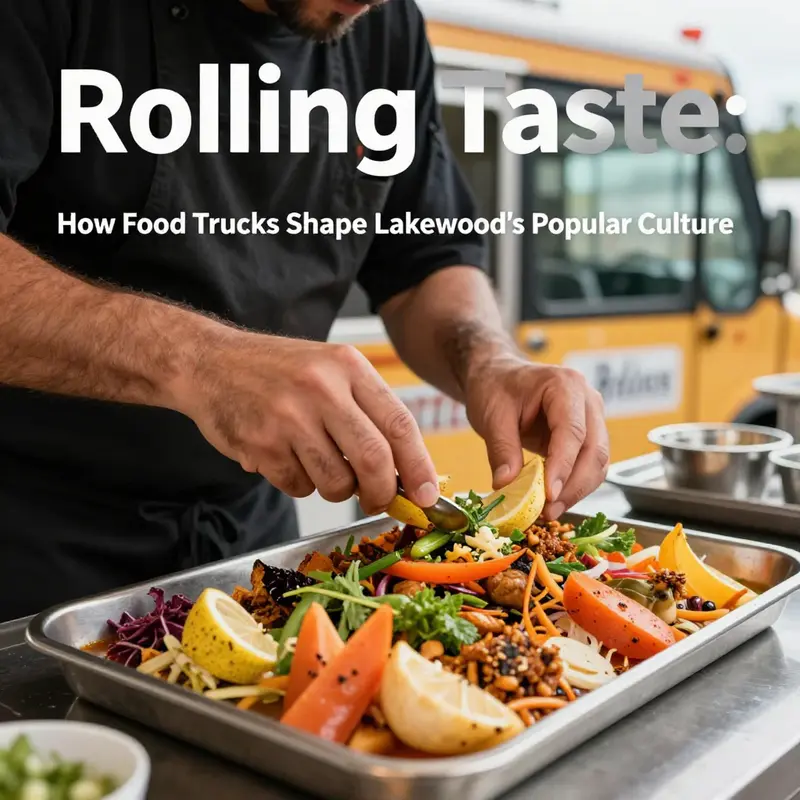
The street is a laboratory, and a food truck is its portable bench. In the best cases, these mobile kitchens do more than serve a quick meal; they act as compact arenas where culinary risk-taking becomes practical experimentation. The beauty of this arrangement lies in its simplicity. A chef can spec a menu for a niche audience, test a seasonal idea, or push a fusion concept without the heavy commitments that tether traditional restaurants to fixed addresses. The constraints—limited space, a tight crew, and a focused, often event-driven clientele—create a fertile pressure that breeds creativity. With overhead costs lower than those of brick-and-mortar operations, food trucks invite chefs to prototype flavors, techniques, and presentations that otherwise might never reach the light of day. They become rolling studios where ideas can be born, edited, and, when warranted, discarded without the drag of long-term leases or sunk investments. In this sense, the street itself becomes a stage for culinary invention, a moving workshop where experimentation is not only accepted but expected by a curious and hungry public.
This experimental ethos takes on shape most clearly when chefs lean into the freedom to mix boundaries. Fusion cuisine has found a particularly dynamic home in the truck format, where cooks can pair techniques and ingredients from disparate traditions with a nimbleness that is nearly impossible in a fixed restaurant setting. The pattern is not random. It is a deliberate mobilization of cultural exchange, where a cook can borrow the precision of one culinary lineage and fuse it with the heat and speed demanded by street service. The result is not simply a novel dish; it is a narrative told in a bite, a portable vignette that hints at a larger story about migration, adaptation, and shared appetite across communities. In practice, this means menus shift with the seasons, ingredients are sourced locally, and the concept evolves as quickly as customer feedback travels through social channels and word of mouth.
If we track the arc of recent culinary innovation, fusion trucks that blend various cultural repertoires join a broader movement toward cross-cultural expression. They mirror a global palate that no longer prioritizes purity over curiosity. Instead, chefs embrace hybrid forms, where a technique rooted in one tradition becomes the vehicle for another’s flavors. The street becomes a classroom where seasoned cooks and emerging talents alike test how far a single idea can travel when it’s mounted on a chassis and rolled into a festival, a park, or a neighborhood square. The flexibility of the mobile format—its ability to pivot from a lunch rush at a business district to a late-night crowd at a music event—allows experimentation to outpace hesitation. When a chef notices that a particular combination resonates, the concept can be amplified at more venues, with further refinements based on broader reception.
The appeal extends beyond flavor alone. Food trucks also offer a dramatic, sensory-rich experience that deepens diners’ engagement with cuisine as culture. The choreography of live cooking, sizzling pans, and the aroma that travels through a crowd turns eating into an event. The small footprint of the truck paradoxically magnifies the impact of its presentation. A striking menu board, a distinctive color scheme, or a signature sound or flame from the cooking surface can become a recognizable brand in a crowded urban landscape. For many customers, the encounter is as much about the atmosphere as it is about the food. Live ambiance—music, performances, a playful aesthetic—becomes part of the dining experience. In this sense, food trucks double as social spaces where people gather, chat, and linger between bites. The effect is especially strong in urban planning contexts where temporary food districts, pop-up parks, and festival zones rely on the communal energy these mobile units unleash.
Digital platforms have turbocharged this ecosystem, turning a talented cook’s trial menu into data-driven growth. Online ordering and social media feedback loop the appetite of a city directly to the truck’s grill. Customers place orders, share photos, and caption their experiences, shaping demand in real time. This interaction matters because it reduces some of the ambiguity that long-term culinary experimentation faces in brick-and-mortar settings. The feedback is immediate, and the chef can respond with speed—adjust a spice level, swap a sauce, or rotate in a new dish that aligns with what people are curious about today. The symbiosis between mobility, gastronomy, and technology culminates in a delivery of both convenience and discovery. Even the way a menu is curated is influenced by this triad: a limited, refreshing set of options can be tested to measure appeal across different neighborhoods, events, and times of day. In such a system, data becomes a companion to artistry rather than a mere constraint.
The cultural resonance of food trucks is not limited to a single city or genre. They have become a lens through which urban communities express identity, mobility, and innovation. In many places, dedicated truck parks have evolved into social hubs where meals sit alongside live entertainment, market stalls, and communal seating. Here, cuisine is not isolated from the surrounding culture; it is interwoven with it. People come to taste flavors, yes, but also to participate in a shared moment—an exchange that occurs at the margins of daily life. The culinary experiment on wheels, in these contexts, becomes a form of cultural dialogue. It might feature a menu that nods to local heritage while referencing distant culinary lineages, or it might foreground seasonal produce from nearby farms, inviting a direct dialogue between land and street. Such setups transform a simple meal into a catalyst for community, conversation, and connection.
The strategic design of the truck experience is telling in this regard. A chef’s decision about how the kitchen is organized, how orders are communicated, and how a dish is plated becomes part of the story told to passersby. The act of watching a dish come together—flame, oil, steam, the quick toss of a wok—becomes a performance, a form of edible theater that lingers in memory. The performance element also invites audiences to become co-creators in their own way; customers influence the unfolding menu through their choices, notes, and even the pace at which they linger. In this sense, the mobile kitchen is not simply about selling food. It is about cultivating a microcosm of culinary culture, where curiosity is celebrated, boundaries are tested, and the dialogue between cultures is visible in real time.
In regions where urban life is dense and diverse, the role of food trucks extends into the social fabric as a flexible incubator for ideas that eventually reach other formats. The most successful projects often begin as niche experiments and, through repeated exposure and refinement, influence broader culinary discourse. A chef who once tested a regional twist on a street staple may later translate that idea into a more formal setting, or, conversely, may return to the street with a sharper concept grounded in experience. The loop—test, observe, refine, re-enter the street—keeps the culinary landscape dynamic. It also creates pathways for a wide range of participants: culinary students, aspiring entrepreneurs, and veteran cooks who want to reconnect with the immediacy and immediacy’s feedback of street service. The street, in short, remains a living classroom for culinary innovation, and the truck is the most accessible vehicle for participation in the ongoing experiment.
Cultural innovation does not happen in isolation. The mobility of food trucks makes them inherently collaborative. They cross-pollinate with farmers markets, music festivals, and neighborhood celebrations, weaving a network of short-term communities where ideas travel as quickly as the food does. The result is a more porous culinary culture, one that invites cross-pollination between cooks who might never share a kitchen and diners who would not otherwise seek out certain flavor profiles. This openness fosters a shared vocabulary of techniques, textures, and textures that transcend borders. A lime-touched glaze here, a charred-sesame finish there, a noodle technique borrowed from a distant tradition—each choice communicates a story about contact and exchange. Over time, these exchanges accumulate into a broader, more resilient urban food culture, one that values adaptability, play, and a willingness to explore the edges of taste.
The practical magic of the mobile model—the combination of low fixed costs, flexible menus, and direct customer feedback—also helps explain its enduring appeal. It answers a contemporary desire for affordability, variety, and immediacy without sacrificing curiosity. In listening to what crowds crave, chefs refine a concept so that it remains both accessible and aspirational. This tension—between everyday practicality and culinary ambition—is what keeps food trucks at the heart of popular culture. They offer a shorthand for the modern dining experience: fast, flavorful, diverse, and intensely local while remaining globally aware. The truck thus becomes a compact ambassador for a broader culinary conversation that embraces both tradition and invention, comfort and novelty, familiarity and surprise.
For scholars and industry watchers, the trend is clear. Food trucks are not merely a convenience or a trendy transport of meals on wheels. They are surplus value: a decentralized, scalable mode of culinary production that democratizes gastronomic experimentation. They empower a wider range of individuals—chefs from varied backgrounds, students, parents balancing budgets, night-shift workers, and festival-goers—to participate in the ongoing evolution of what is considered desirable cuisine. In that sense, the street’s improvisational energy mirrors the larger shifts in popular culture toward immediacy, personalization, and shared experience. The mobile kitchen, with its ability to shift form and flavor at the speed of culture itself, embodies a contemporary mode of creative consumption that is as much about how food is experienced as about what is eaten.
To anchor these observations in ongoing discourse, consider how the broader urban food culture is being described and studied. The Street to Scene perspective, which examines how food trucks redefine urban food culture, emphasizes the same themes: mobility enabling experimentation, culture shaping through cross-cultural exchange, and the merging of gastronomy with performance and community life. In this view, the truck is not an accessory to a city’s dining scene; it is a contender, an active contributor to how people imagine food, space, and social gathering in the twenty-first century. As the city grows more complex and its residents more selective about where, when, and how they eat, the street remains a proving ground where ideas are tested, refined, and reimagined for wider audiences. The enduring appeal lies in the immediacy of choice, the thrill of tasting something new, and the shared joy of discovering a flavor that travels across borders while remaining rooted in place.
For readers who want a deeper dive into how food trucks are reshaping urban dining culture, a thorough look at this movement’s trajectory and its implications for cities and communities can be found in Street to Scene: How Food Trucks Are Redefining Urban Food Culture. External resource: https://www.foodandwine.com/food-trucks-innovation-urban-culture
Internal link note: to explore a practical, business-oriented angle on truck-based culinary innovation, you can explore the discussion about scalable mobile models here: best food truck models for Lakewood startups. This reference foregrounds how operators balance concept with capacity, cost, and community appeal, offering a concrete complement to the broader cultural analysis presented above.
Rolling Carts, Local Fortunes: The Economic Pulse of Food Trucks in Communities
Across city blocks and park rims, food trucks have become more than mobile eateries. They function as micro-ecosystems that feed local economies while feeding people. The chapter you’re about to read follows a simple premise: when a truck wheels into a high-traffic corner, it does more than serve a meal. It triggers a sequence of economic and social effects that ripple through nearby streets, storefronts, and neighborhoods. In many urban cores, this ripple turns into a consistent hum that sustains livelihoods, diversifies opportunity, and animates spaces that might otherwise lay dormant after hours or on days when foot traffic dips. The broader point is not just about the dollars spent in a single bite but about how mobility, entrepreneurship, and community identity converge to shape resilient, inclusive economies.
The story begins with the mechanics of entry. Food trucks are, by design, low-overhead enterprises relative to brick-and-mortar restaurants. This simple reality lowers a long-standing barrier to entry for aspiring cooks, chefs, and culinary innovators who might lack the capital for a traditional restaurant build-out. The door to entrepreneurship swings wider for people from underrepresented backgrounds, enabling them to translate ideas into livelihoods without the risk of a full-scale restaurant lease. The consequences extend beyond individual ambition; they introduce a broader spectrum of food culture into the urban milieu. Each truck is not only a kitchen on wheels but also a storefront that signals possibility in a neighborhood that may have seen corporate franchises and chain menus crowd out diverse culinary voices. The result is a cityscape that tastes more like its residents. And in these urban textures, the economy gains a level of texture and color that conventional analysis can easily overlook.
The economic logic of street food moves in layers. When a truck parks near a busy office district or a bustling park, it creates an immediate foot-traffic magnet. People who would otherwise pass by on their way to a lunch spot now pause, as curiosity about a new dish or a unique fusion concept competes with a routine coffee run. That pause rarely ends at the truck window. A portion converts into purchases that occur not only at the cart but at nearby cafes, bakeries, and snack shops that share the corridor. The consequence is a local multiplier effect: every dollar spent on the truck becomes a portion of several revenue streams in immediate proximity. The neighborhood increments its commercial vitality, and small businesses nearby feel the lift in potential customers. It’s a dynamic that urban planners and economists often describe as a cluster effect—where proximity reinforces demand and adds to the magnetism of the place itself. The effect is not fictional. It’s observable in districts where food trucks consistently anchor lunchtime rituals, weekend gatherings, and festival economies that fuel seasonal employment, temporary staffing, and gig-based opportunities.
The practical implications are clear for anyone watching a city’s economic pulse. The trucks’ lean operating model lowers fixed costs and increases agility. This adaptability enables operators to adjust menus to seasonal produce, local tastes, or shifting demographics without risking a large inventory or a fixed lease. The flexibility invites experimentation with local suppliers and seasonal ingredients, which, in turn, strengthens regional agrifood networks. When a truck opts to source locally, the money circulates more quickly through the local economy. Farmers, bakers, and specialty producers gain a reliable demand channel, and small-scale producers are able to maintain output and invest in quality controls that benefit the entire supply chain. The near-term benefits—fresh ingredients, fresher dishes, and a responsive product—feed longer-term gains, as producers invest in relationships with truck operators and refine logistics to meet demand curves shaped by events, markets, and community celebrations.
This is where the broader cultural economy intersects with the local economy. Food trucks leverage digital tools to cultivate customer relationships and optimize operations. Mobile ordering, digital payments, and real-time feedback mechanisms allow operators to tailor offerings to neighborhood tastes and to forecast demand with a level of precision that would have surprised earlier generations of street vendors. The data generated from these interactions becomes a form of localized intelligence, guiding decisions about what to cook, when to be open, and where to assemble a following. In turn, a loyal customer base becomes a resilient asset, capable of sustaining a truck through lean months or unexpected disruptions. The capacity to collect, interpret, and act on consumer data translates into stronger business plans, better retention rates, and more efficient use of resources. It isn’t just a matter of having a popular menu; it’s about embedding a micro-business into the rhythms of a city so that it feels both essential and responsive to the people who sustain it.
This is not merely a story of individual success. It’s a narrative about community formation and urban renewal. Food truck events and dedicated parks transform public spaces into social and economic centers. People gather for meals, music, or demonstrations of culinary technique, turning a curb into a stage for shared experience. In this setting, social capital grows hand in hand with economic activity. Local residents connect with nearby vendors, crowds form around live demonstrations, and newcomers discover the neighborhood’s complexity through taste, conversation, and atmosphere. The social dimension of these markets reinforces civic pride and fosters a sense of belonging, which has its own economic value. When people feel invested in a place, they’re more likely to support it with time and money. The parks and events become incubators for not just culinary innovation but community leadership, volunteerism, and local entrepreneurship that extends beyond food.
The symbiosis between food trucks and local suppliers is perhaps the most tangible expression of economic interdependence in this chapter. A truck’s decision to source locally is a vote for regional farmers, bakers, and producers who keep money circulating within the community. That practice helps stabilize small farms and crafts-based businesses that might otherwise struggle against the pressures of national supply chains. When a truck works with a nearby dairy, a local bakery, or a small-scale spice producer, it strengthens the region’s economic network. It also encourages quality and traceability, because the closer the link in the supply chain, the easier it is to monitor harvesting, processing, and handling. The outcome is a more resilient local economy, one that can weather shifts in global markets by relying on trusted relationships, transparent sourcing, and community-driven demand. This is not merely about sustainability as an environmental goal; it’s about a robust economic model in which local production and local consumption reinforce one another.
The chapter’s argument would be incomplete without acknowledging the role of technology in extending these economic benefits beyond the immediate neighborhood. Mobile ordering apps, contactless payments, loyalty programs, and social media marketing open doors to wider audiences and longer business hours. A truck can attract customers not just because of a compelling dish but because it is visible, available, and easily reachable through a digital channel. This confluence of mobility, culinary skill, and technology creates a loop: better tools attract more customers; more customers generate more data; more data refine the product and the service. The end result is sustainability coupled with growth, a combination that supports steady employment, ongoing supplier relationships, and continued urban activity in places that might otherwise experience monotony or decline. The same digital logic that curates a local following can also reach visitors and new residents, extending the economic footprint of a single truck into the broader city.
The broader social value of food trucks is also a practical matter of urban resilience. In communities facing economic downturns or long-term disinvestment, street-centered commerce creates visible, accessible entry points to enterprise. For young people, immigrants, and others seeking a foothold in the local economy, the truck ecosystem can be a starting point for mentorship, skill-building, and career progression. The low barriers to entry invite experimentation—culinary, managerial, and logistical—while the shared spaces of trucks and parks provide informal classrooms where new entrepreneurs learn about budgeting, supplier relationships, and customer service in real time. When local economies diversify and become more inclusive, they tend to innovate more quickly. A street-level ecosystem that welcomes different culinary voices inevitably contributes to a richer, more dynamic local culture. This cultural diversity, in turn, fuels demand, curiosity, and tourism—further extending the economic loop in ways that benefit neighborhoods as a whole.
Even as we celebrate the economic energy embedded in food trucks, it is important to recall that the vitality of these ecosystems depends on thoughtful governance, clear safety standards, and transparent business practices. Regulatory environments influence how and where trucks operate, which in turn shapes the rhythm of street commerce. Strategic partnerships with city agencies, educational institutions, and community organizations can amplify positive outcomes. When authorities and communities align on issues like sanitation, parking, and event permitting, the street economy can flourish with confidence. The result is not a kaleidoscope of chaos but a coordinated urban tapestry in which mobility and market activity reinforce one another.
To illustrate the texture of these conversations, consider a long-standing local enterprise that embodies the same ethic of durable community service, a story like the Kenworth Truck Centres’ 45-year family business. Its resilience demonstrates how a network of local commerce contributes to a larger ecosystem of opportunity and continuity. The link to that narrative serves as a reminder that the urban economy is not built solely on short-lived trends but also on enduring commitments to place, family, and service. Kenworth Truck Centres’ 45-year family business offers a counterpoint to street-level economics by showing how a family business can anchor a neighborhood’s economic identity while supporting nearby ventures in the same geography. The chapter thus moves from the microeconomics of a single cart to the macroeconomic narrative of a city that grows through networks, people, and shared spaces.
In shaping policy, planning, and community investment, the message is clear: food trucks are not merely a culinary novelty but a productive engine for local economies. They help balance opportunity, diversify employment, and strengthen the links between producers and consumers. They inject vitality into aging commercial corridors, help sustain small-scale producers, and create a continuous cycle of innovation that communities can build upon. When cities and neighborhoods recognize the value of this ecosystem, they can design subsidies, events, and public spaces that nurture a thriving street-food culture while maintaining high standards for safety, accessibility, and inclusivity. The economic blueprint, then, is both practical and aspirational: embrace the mobility and flexibility of trucks, support local suppliers and workforce development, and invest in public spaces where food, culture, and commerce can mingle freely. The payoff is a local economy that feels more complete, more connected, and more capable of weathering tomorrow’s uncertainties.
For readers looking for a broader perspective on the scale of these dynamics, the U.S. Department of Agriculture’s comprehensive overview of food-truck economic impact offers valuable context about how mobile culinary ventures contribute to agricultural markets, local procurement, and community resilience. This external resource provides data-driven insight into how street food intersects with regional food systems and public policy, complementing the qualitative picture painted here: https://www.usda.gov/food-truck-economic-impact
On the Move: Food Trucks as Public Art and Cultural Expression
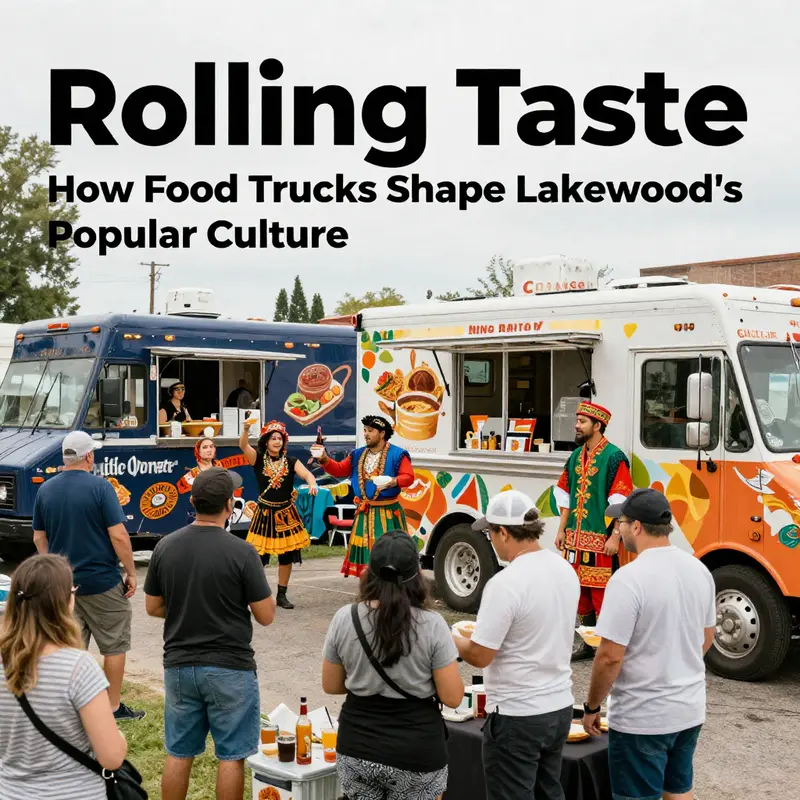
A food truck is more than a kitchen on wheels. It becomes a portable stage where food, memory, and place meet. It travels through the street, turning corners into spaces of encounter and turning cuisine into a form of cultural expression that travels with the city. This is not only about what people eat; it is about how they eat, why they gather in public spaces, and how a city narrates its evolving identity through a rotating menu and a live, improvisational atmosphere. Food trucks are less a collection of vendors and more a living archive of contemporary life, translating migration, labor, innovation, and taste into shared experience. They show that cuisine can be intimate and public, personal and collective, local and globally aware at once. The defining strength of food trucks lies in fusing affordability, convenience, variety, and a performative sense of hospitality. In busy city centers they invite customers to linger, offering the thrill of quick discovery and the social energy of a queue and curbside conversation. This blend of fast access to diverse cuisines and direct interaction with cooks has made street food a gateway to culture rather than a fallback option. Across cities, policy and design shape how this cultural exchange unfolds. In Portland, relaxed permitting and designated spaces give street food legitimacy as a component of local culture, a public square on wheels where residents recognize familiar faces during rotating events. In other places, like Los Angeles and New York, health codes and zoning can create barriers that marginalize mobile vendors, revealing inequalities that shape who can participate in food entrepreneurship. The food truck thus becomes a site where questions of inclusion, opportunity, and justice play out in real time. Beyond the domestic frame, food trucks function as cultural currency in multicultural hubs around the world. Montreal uses street food to mirror and broadcast its diverse heritage, while Vancouver links culinary innovation to sustainability and community engagement. In these contexts the truck is a portable extension of the city’s cultural agenda, a moving billboard for how a place wants to be seen. Locals contribute flavors and labor while trucks expose broader audiences to new sensibilities, enabling a shared, hybrid sense of belonging that echoes the city’s global connections. This cultural exchange is reinforced by shifts in consumer values toward authentic, experiential dining that feels meaningful. Food trucks offer gastronomy that is intimate and contemporary, where chefs narrate their cuisine in real time and the on-site atmosphere matters—encouraging a mood of conversation rather than pure transaction. Technology plays a crucial role at scale: online ordering, real-time updates, and location-based notices help trucks reach broad audiences while preserving personal contact. The street becomes a venue where conversations about identity, memory, and belonging unfold around a plate. The narrative of the street food movement is a story of storytelling. Each truck carries histories of family kitchens, migrations, and community ties, and rotating menus become a dialogue with a community about what to eat next. In this sense, street cuisine acts as a social barometer, inviting the public to co-create flavor, concept, naming, and presentation. Food trucks also serve as a form of cultural entrepreneurship, offering access to opportunity where traditional pathways are costly or restricted. Yet inequalities persist: some cities celebrate street food while others police space, highlighting how urban culture negotiates space, power, and memory. The street becomes a workshop for cultural expression that evolving around who gets to participate. As a global phenomenon, mobile cuisine challenges conventional restaurant ideas, showing that dining can be portable, ephemeral, and deeply rooted in community practice. The public’s appetite for this mobility is reinforced by broader social and technological shifts, turning the street into a canvas where authenticity, diversity, and creativity are everyday currency. People eat not only to satisfy hunger but also to participate in a broader cultural exchange that includes soundtracks, visuals, and conversations. In this sense, food trucks contribute to popular culture as central players in how cities communicate who they are and who they aspire to be. The literature on this topic suggests the popularity of food trucks marks a shift toward affordable, meaningful experiences, a modular and participatory form of culture that prioritizes accessibility, narrative, and community. Food trucks become stages for cultural expression where food, place, and people fuse into a living story of urban modernity. And as the public continues to respond—with enthusiasm, critique, and curiosity—the street remains a dynamic theater of culture. For readers seeking a cross-border glimpse, Pew Research’s short read on the rise of mobile cuisine in American cities situates the street food movement within a wider social and economic context, anchoring local experiences to national conversations about mobility, entrepreneurship, and cultural exchange.
Final thoughts
Food trucks have undoubtedly carved out a significant niche within the cultural fabric of Lakewood, reflecting not only the culinary preferences of its residents but also serving as a canvas for creativity and community engagement. As you explore the food truck scene—whether as a potential operator or a curious visitor—take in the dynamic ways these mobile kitchens enrich urban life and foster a sense of belonging. Their evolving role in popular culture signifies much more than just food; it’s about connection, innovation, and the celebration of community through shared culinary experiences.