
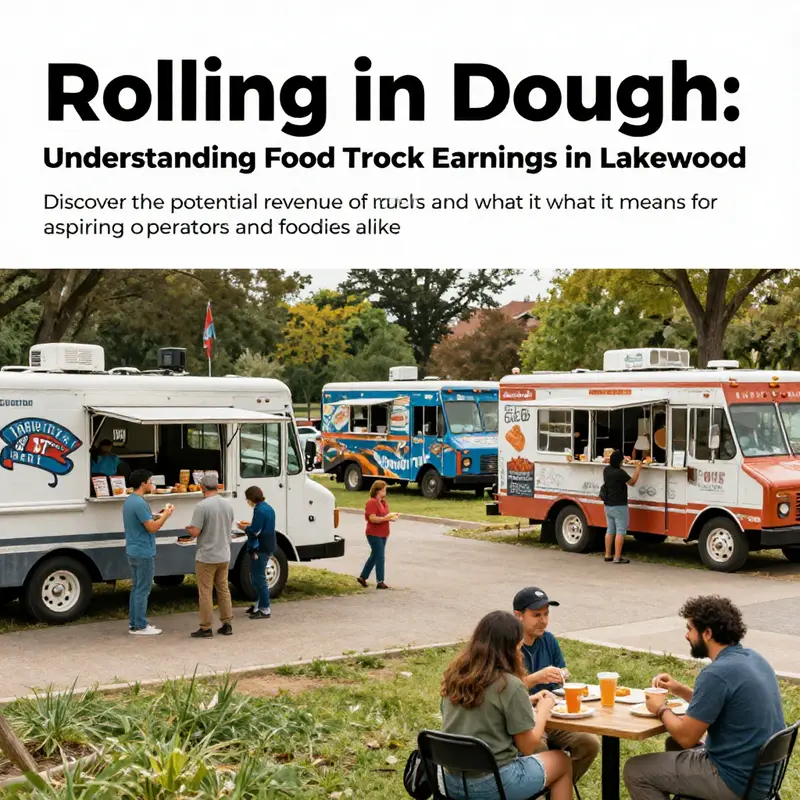
Lakewood’s vibrant food scene, marked by its diverse food trucks, evokes curiosity among aspiring food truck operators and tourists seeking unique culinary experiences. Ever wondered how much these mobile delights actually earn? This exploration will unveil the truth behind food truck revenues—setting realistic expectations if you’re considering jumping into the business or simply indulging in the offerings of Lakewood’s best. We’ll dissect the annual earnings of food trucks, dissecting key factors influencing these earnings, regional variations, the thrilling role of different cuisines, and insights into the future of this dynamic industry. Each chapter will equip you with a clearer picture of food truck economics, whether you’re planning to launch your own or simply enjoy the tasty bites on the streets.
Rolling Revenue: A Realistic Look at How Much Food Trucks Make in a Year
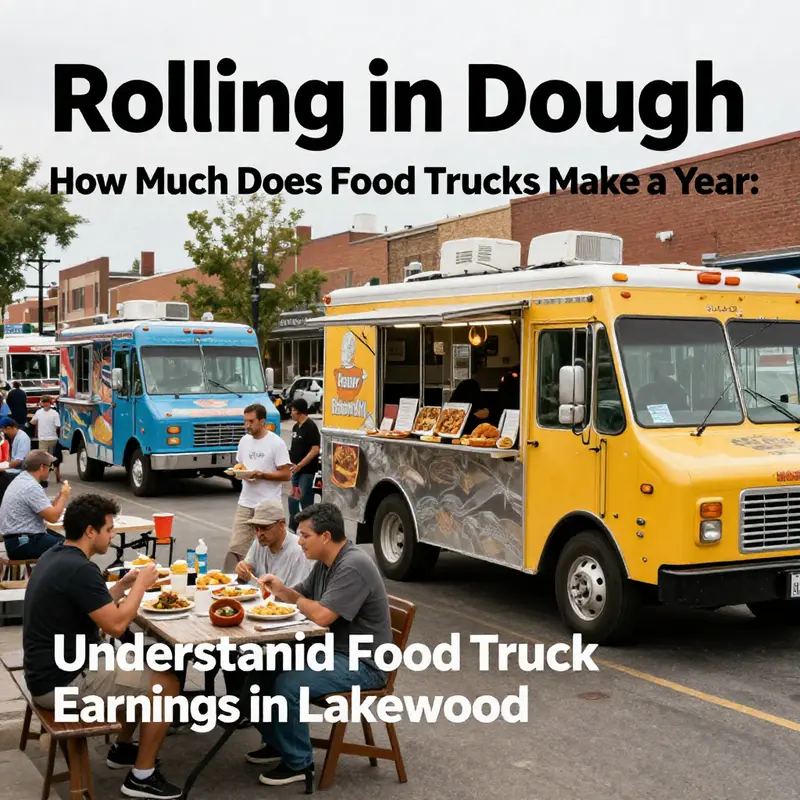
The economics of food trucks are a blend of hustle and math, a narrative that plays out differently in every city, every street corner, and every niche menu. A reader may expect a simple answer—truck X makes Y dollars—and yet the truth is far more subtle. Earnings hinge on where you operate, what you serve, how you price, and how tightly you control costs. Taken together, the best way to understand annual revenue for a food truck is to anchor expectations to a broad market picture while recognizing the micro-dynamics that push some operators from solid, steady income into high-growth lanes. In the United States, the market for mobile food has grown into a sizable, durable segment of urban dining. Market data projects the sector expanding from about $1.16 billion in 2026 to roughly $1.59 billion by 2031, a compound annual growth rate of about 6.5 percent. That growth isn’t uniform for every operator, and the total market value distributes across thousands of players with wildly different scales, locations, and models. The takeaway isn’t buoyed by one truck’s triumph; it’s the long arc of a market that increasingly rewards convenience, variety, and digital ordering adoption. The same dynamic shapes what a single truck can earn in a year.
For a practical sense of what a truck might bring in, it helps to separate gross revenue from profitability. Across the country, industry benchmarks typically place average gross revenue for a food truck in the range of about $150,000 to $250,000 annually. In high-traffic urban cores, in festivals, or with a strong catering component, top performers routinely exceed $350,000 per year. In some major metropolitan contexts, and especially for niche concepts such as plant-based menus or premium, customized offerings, revenue can push past $500,000. Yet these are the upper tails. The prevailing, realistic picture for many operators sits closer to the middle of the spectrum, with earnings driven as much by cost discipline as by volume.
When translated into what remains after the bills are paid, net profit margins tend to be modest. Industry data from 2024 suggest that after accounting for all ongoing costs—fuel, maintenance, insurance, permits, vehicle depreciation, staff wages, ingredients, and incidentals—net profits typically run in the neighborhood of 10 to 20 percent of total revenue. Put plainly, a truck pulling in $250,000 in gross revenue might net somewhere between $25,000 and $50,000 a year. Those numbers aren’t failures; they reflect the structural costs of a mobile, highly regulated, labor-intensive business that must compete on price, speed, and consistency as much as on flavor. The point is not to dampen ambition but to arm operators with an honest operating picture so plans aren’t built on wishful arithmetic.
Diving deeper into the factors that tilt revenue up or down helps illuminate why some days feel like a windfall and others feel like a grind. Location is the most obvious lever. Trucks parked in downtown districts, by office clusters, or near event venues consistently see higher sales volumes than those in less trafficked areas. But even within a single city, the revenue story can diverge based on the day’s rhythm: lunch crowds, afternoon commuters, and evening festival foot traffic all contribute differently. A simple price strategy—offering crowd-pleasing items under a modest price point, say under ten dollars—can drive higher throughput and encourage repeat visits, especially when paired with dependable speed and reliable quality. The value perception matters as much as the value delivered; customers will choose a fast, affordable option if it keeps them moving through a busy day.
Another layer is the business model itself. Some operators lean into fixed, walk-up window sales; others blend in scheduled event participation and catering gigs, expanding revenue streams beyond daily street sales. Digital ordering and pre-payment reduce on-site friction, helping a truck serve more customers per hour and squeeze more volume into peak windows. Yet technology also raises costs, and the balance between upfront investments and ongoing platform fees is a critical calculation for profitability. The ghost kitchen model, though not a direct competitor in the street, represents the broader competition for meals in the same price bracket and quality tier. It’s a reminder that the market’s expansion is matched by competition for attention, which translates into marketing pressure and the need for a crisp, repeatable brand experience.
From a cost standpoint, the most volatile slice of the P&L is ingredients and fuel. Prices for core proteins and produces swing with seasons, supply chains, and regional shocks. A lean, well-priced menu that maintains a broad appeal can help mitigate these swings, but it doesn’t eliminate them. In practice, many operators optimize by pairing popular, affordable staples with occasional premium items that can command higher margins during peak periods or special events. The pricing game is as much about value perception as it is about numbers; menus priced too aggressively risk eroding perceived quality, while an overinflated menu can chase away the casual diner before the line even forms.
Anchoring the discussion in a city example helps ground these dynamics. In a major market like Houston, a food truck offering affordable, crowd-pleasing dishes such as tacos or gourmet burgers can find a reliable rhythm by aligning with lunchtime commuters and weekend festival goers. Consistency, quality, and visibility are the triad that sustains growth here: the more dependable the product and the more obvious the truck’s presence, the more foot traffic turns into repeat customers. In such environments, the high-volume strategy tends to win, provided the operator can keep costs in check and manage the supply chain effectively. The Houston example underscores a broader lesson: in dense urban markets, location and speed amplify revenue potential, but they must be matched with disciplined operating costs.
The strategic choices behind pricing and market entry also intersect with regulatory realities. Regions with more permissive environments, particularly in southern states, can support higher volumes by reducing some administrative friction and enabling longer operating hours. Conversely, states with heavy compliance demands, notably California’s eco-friendly and tech-enabled ecosystem, may impose higher upfront and ongoing costs even as they reward efficiency and innovation. For operators, the calculus is not only about how much money comes in but how much of it remains after taxes, insurance, permits, and compliance-related expenses are accounted for.
Seasonality and events also carve out predictable revenue arcs. Seasonal markets, recurring neighborhood events, and university or corporate gatherings can generate spikes that offset slower periods. Smart operators plan around these cycles, aligning menu rotations with what’s happening on local calendars and marketing to align with community rhythms. In practice, that means maintaining a core lineup that sells well year-round while reserving space for limited-time offerings that can draw attention without destabilizing the supply chain. The most successful trucks build a steady core income while using events to push margins higher, not to rely on them as the sole engine of revenue.
For readers seeking practical illustrations of how these levers play out in real-world terms, consider how an equipment-focused perspective can affect not just the initial setup but ongoing profitability. The choice of truck model, storage solutions, and kitchen layout influences not only efficiency but also maintenance costs and downtime. A well-chosen setup can reduce fuel burn, speed up turn times, and lower repair frequency, all of which contribute indirectly to net income. A concise guide on the best food truck models for Lakewood startups offers a useful framework for evaluating equipment decisions with an eye toward scalability and reliability. best food truck models for Lakewood startups.
In sum, the financial story of a food truck rests on the balance between revenue opportunities and cost management. The average operator often lands in the broad band of $150,000 to $250,000 in gross annual revenue, with top performers in the right places and with the right approach pushing well beyond that. Net profit, typically in the 10–20 percent range, reflects a world where tight control of fuel, labor, and ingredient costs matters every single day. Those who blend a reliable location strategy with a diversified revenue mix—daily sales, event catering, and a growing digital ordering footprint—stand the best chance of moving from a modest profit to a stronger, more sustainable income. For prospective operators, the math isn’t mysterious; it’s a matter of mapping your market, shaping your menu, and investing in the infrastructure that makes your truck a fast, dependable machine rather than a perpetual work in progress. External resources, such as regional guides and market studies, can provide helpful benchmarks and fresh perspectives as you plan. For ongoing reading, see the Houston Chronicle’s coverage of Houston’s food-truck scene, which documents real-world earnings and pricing dynamics in one of the country’s most active metropolitan markets: https://www.houstonchronicle.com/food-trucks/article/houston-food-truck-guide-budget-wise-picks-and-crowd-pleasers-19876543.php.
Revenue in Motion: What Drives a Food Truck’s Yearly Earnings and How Much It Really Adds Up
The curbside economy has become a living ledger for many entrepreneurs, and food trucks sit at the heart of that ledger. They’re nimble, visible, and increasingly tech-enabled, which helps them convert foot traffic, campus crowds, and event lineups into measurable revenue. Yet the numbers behind a year of rolling kitchens vary as widely as the menus they serve. Across the United States, an average food truck operator might report annual sales in the broad range of $100,000 to $200,000. That spread reflects a tapestry of choices—truck size, cuisine type, hours of operation, and the ability to tap into dining moments when crowds are most responsive. In practice, top performers in high-traffic zones or with strong catering arms can push well beyond that, sometimes surpassing $300,000 in annual revenue, and a minority of highly specialized operations in major metros, especially those leveraging digital ordering and niche concepts, may exceed $500,000 in a year. It’s essential to distinguish revenue from profit: while many trucks clear substantial gross sales, net income is tempered by costs that scale with the business.
The larger market backdrop helps explain why these earnings figures matter. The U.S. food truck sector is on a growth trajectory, projected to rise from roughly $1.16 billion in market value in 2026 to about $1.59 billion by 2031, a compound annual growth rate (CAGR) in the neighborhood of 6.5 percent. This expansion signals rising demand for mobile dining, especially in urban centers where people crave quick, flavorful options that fit into busy schedules. It also reflects broader shifts toward experiential street cuisine, convenience, and the increasing comfort with digital ordering, contactless payments, and off-site catering that can turn a truck into a flexible event partner. Yet that same growth distributes revenue across thousands of operators, so one truck’s strong year isn’t necessarily a universal benchmark. The average truck’s story remains one of careful management of volume, costs, and audience.
A useful shorthand for readers is that earnings are highly contextual. A small operator running a trailer or a compact van in a mid-size city may press toward the lower end of the revenue spectrum but can still build a sustainable business with tight cost controls and a loyal local following. A well-established, premium-customized truck operating in a downtown corridor, a university campus, or a concert venue can sustain higher revenue without necessarily translating that into proportionally higher profits. And in the most competitive and decorative niche markets—think plant-based or fusion concepts in big metro areas—a combination of strong branding, partnerships, and efficiency can push yearly revenue toward the upper echelons of the range, and occasionally beyond.
To understand what makes the numbers move, it helps to look at the factors that consistently influence outcomes. Local demographics play a pivotal role. Urban cores with younger, higher-income populations tend to fuel higher average spend per transaction and more frequent visits, especially when the menu resonates with tastes popular in tech hubs or college towns. The cultural and culinary tastes of a community—whether it leans traditional, eclectic, or experimental—also determine where a truck fits best. A concept that thrives on fusion flavors might excel in a diverse metropolis but struggle in markets with more homogeneous preferences. The price-point strategy matters too: some operators rely on volume for growth, while others pursue a premium model with higher check averages per customer.
Location remains a decisive lever. A well-chosen spot near office clusters, event venues, or transit hubs can dramatically lift foot traffic and repeat visits. The ability to secure reliable curbside access, parking, and permitted operating hours translates directly into a steadier flow of customers. In some regions, supportive regulatory environments—like streamlined permitting, simplified vendor licensing, or access to public parking spaces—can further boost throughput. Conversely, operators in markets with heavy permitting burdens or limited street-access opportunities may face hidden costs that erode margin, even when sales appear strong. The landscape of local rules is not uniform, and understanding the regulatory climate is part of the job for any operator aiming to scale.
Beyond the street, cultural infrastructure matters. Food truck parks, weekly markets, and recurring festival lineups create predictable channels for revenue and brand visibility. When a truck is part of a park or a rotating food court, it can benefit from shared foot traffic, cross-promotions, and synchronized events, which help smooth revenue fluctuations across seasons. This is where the business model matters as much as the dish. Some operators lean into off-site catering or private events, which can add a meaningful revenue stream and help stabilize cash flow during slower periods. The most resilient trucks blend on-site sales with events, partnerships, and digital ordering, weaving a broader ecosystem around their core operation.
The cost structure shapes what earnings translate to in practice. Fuel, maintenance, insurance, and the depreciation of equipment are ongoing line items that scale with mileage and usage. Labor costs—whether managing a small crew at peak hours or handling one-person operations with strong multitasking—significantly affect net income, as do costs of goods sold, particularly when ingredients experience price volatility. In recent years, rising input costs and competition from other mobile and casual dining formats have kept margins under pressure, underscoring the point that revenue alone is not the whole story. Profitability often hinges on operational discipline: optimizing routes and hours, minimizing waste, negotiating favorable supplier terms, and building a business model that employs cross-sell opportunities, catering, and events to fill in gaps when street traffic softens.
Another factor shaping earnings is the choice of business model. Some operators run straightforward street vending with fixed schedules; others blend mobile sales with a catering arm that serves corporate lunches, private celebrations, or festivals. The latter can offer higher per-event revenue, but they also require more complex logistics, staffing, and communications strategies. Digital ordering and payment systems have become almost a baseline expectation in many markets, enabling faster service, higher throughput, and the ability to capture data for repeat business. When a truck pairs high-quality branding with efficient service and online ordering, it can convert a busy lunch hour into a reliable revenue spike rather than a one-off rush.
Given this complexity, aspiring operators often evaluate how to estimate potential earnings before buying a truck. A practical approach starts with market assessment: identifying where demand is concentrated, who the customers are, and what competition exists within a few blocks or a few miles. Then comes revenue forecasting based on realistic service hours, projected daily customers, and average check size. From there, operators must sketch a transparent cost picture, including the fixed costs of licensing and insurance that don’t vary with daily sales, versus the variable costs that rise and fall with volume—ingredients, fuel, and labor. Seasonality is a real factor in many markets, so cash flow planning should anticipate lulls and busy periods alike. The goal is not to chase the highest possible revenue in a single month but to sustain solid, repeatable earnings over the year by balancing throughput with cost discipline.
For readers curious about equipment choices and how they tie back to earnings, a practical resource worth consulting is guidance on the best food truck models for Lakewood startups. It offers a grounded look at how chassis, kitchen layout, and power needs influence efficiency, capacity, and operating costs. You can explore that practical guide here: best food truck models for Lakewood startups. The equipment decision affects not just upfront investment but ongoing performance, from fuel efficiency to the speed of service and the ability to expand into catering or events without overburdening operations.
In the final accounting, earnings are not a fixed target but a moving result shaped by where you operate, what you serve, and how well you execute. The optimistic stories of trucks that scale into substantial annual revenues sit alongside quieter realities of operators who build sustainable, steady income through careful market fit, disciplined cost management, and a willingness to adapt to changing tastes and regulations. The more global takeaway is that the year-by-year sum is a product of many moving parts: audience, location, concept, operations, and the readiness to blend on-street revenue with off-street opportunities, all while navigating the evolving rules that govern street food in every city.
External resources can provide a broader frame for these decisions. For a structured overview of how market research informs small business planning, consider consulting industry guidance and regulatory resources from established economic development sources. A reliable external reference is available at https://www.sba.gov/business-guide/plan-your-business/market-research, which offers practical steps to assess demand, competitors, and feasibility when starting or growing a food truck operation.
Profit on the Move: How Regional Conditions Shape Yearly Food Truck Earnings
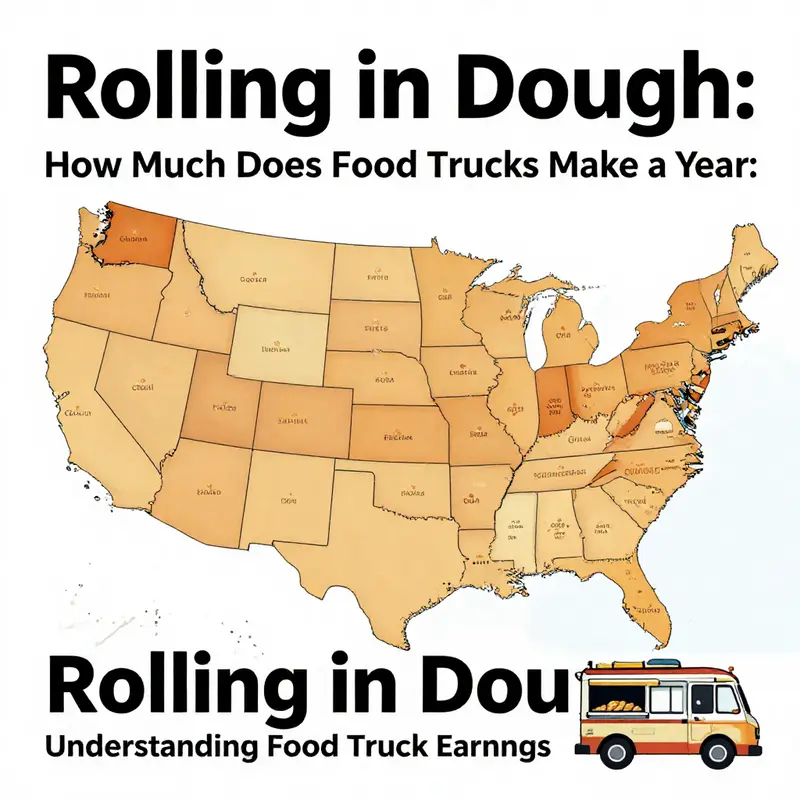
Across the United States, the annual take of a food truck is not a single fixed number. The industry is growing—billions in revenue with projections rising toward 2031—yet the dollars a single truck earns hinge on where it operates, what it serves, and how efficiently it runs. The lure is obvious: mobile dining that offers variety, speed, and the performative vibe of street cuisine. For many operators, revenue ranges are wide. Small independents running trailers or vans can pull in $100,000 to $200,000 dollars annually. Well-established or premium trucks in high-traffic districts can exceed $300,000. In major metros that cater to niche markets—vegan or plant-based, for example—the top line can surpass $500,000. But high sales don’t automatically equal high net profit; costs rise in lockstep with volume, and competition squeezes margins.
Regional differences carve the profitability map into distinct shapes. Location matters as much as cuisine. In Houston, the earning potential is notably strong. Data from 2026 show annual earnings from around $150,000 to $300,000, with some vendors crossing $400,000 when siting, timing, and menu hit the right chords. This spread reflects a dense, diverse population, a bustling event calendar, and a street-food culture that welcomes a broad spectrum of flavors. The lesson is clear: being in the right place at the right time—the downtown core, a business park, or a campus cluster—can tilt the odds toward higher-volume days and more repeat customers. The city’s climate and festival calendar contribute to that variability, making siting decisions crucial to profitability.
Profit margins are the lens through which revenue becomes profitability. Net margins for most food trucks tend to sit between 30% and 50%, but regional overheads shift that range. In expensive metros like New York City or San Francisco, higher permit fees, parking costs, and labor outlays compress margins even when sales look strong. In more affordable regions, such as several Midwestern and Southern markets, lower fixed costs can translate into sturdier net profits, even if revenue isn’t the same scale as in the biggest cities. The goal is to align pricing, menu design, and labor practices with the local cost environment so the volume delivered by the truck translates into meaningful margins.
Seasonality is another regional lever. Regions with milder climates allow longer operating seasons, smoothing revenue across the year. The extended window to serve customers supports steadier cash flow and helps absorb fixed costs. Beyond weather, a region’s palate shapes demand. Areas with a strong appetite for local twists—like fusion that nods to regional favorites—reward trucks that adapt their menus to local tastes without losing brand coherence. A well-timed calendar of events—lunch crowds in business districts, weekend markets, or festival weekends—can turn slower days into reliable sales. The most successful operators read the rhythm of their city and tailor their schedules, menus, and promotions accordingly, balancing speed, quality, and cost to maintain consistent throughput.
Adaptation to local tastes often separates the merely competent from the consistently profitable. In a diverse city like Houston, a broad menu can attract a wide crowd, but price discipline matters too. Budget-friendly options under ten dollars can drive large volumes, while more premium items capture higher margins. The trick is to blend a reachable price point with high-value offerings and seasonal specials. Local collaborations—pop-ups, farmers markets, or campus events—provide opportunities to test new items and build brand affinity. In markets with dense student or office populations, timing is crucial: lunch windows near campuses or business hubs and late shifts near entertainment districts can convert a steady trickle of customers into a reliable stream of daily sales. The ability to adapt the menu while maintaining a recognizable brand is a practical art that directly feeds the bottom line.
Cost discipline and regulatory realities shape profitability as much as taste. Fuel, maintenance, insurance, and ingredient costs fluctuate, and labor remains a substantial line item. Markets with higher wages or stricter labor rules can push costs upward, but they may also justify higher menu prices and improved service. Permits, parking fees, and health inspections add predictable monthly burdens, and the variance from city to city can be dramatic. Some regions have streamlined processes; others pile on annual costs that erode margins before the first fryer sizzles. Operators must optimize procurement, minimize waste, and maintain reliability in equipment to protect margins against price shocks and downtime. A lean operation—efficient sourcing, waste reduction, and preventive maintenance—pays dividends in both revenue stability and customer experience.
Locating the business at the intersection of demand and efficiency is the practical route to stronger profitability. Location strategy still matters as much as the recipe. In high-foot-traffic cities, visibility and proximity to lunch crowds can yield more daily sales than a tucked-away spot. Scheduling around peak activity—midday in office corridors, or evenings near entertainment venues—maximizes volumes during the hours customers are ready to buy. Menu engineering supports profitability: a concise core menu with a handful of high-margin items can outperform a sprawling list with many low-margin dishes. Operational efficiency translates into faster service, lower labor cost per sale, and less waste. Upgrades to the vehicle, dependable power, and energy-efficient equipment reduce downtime and repair costs, preserving revenue and reputation. Building relationships with event organizers and local businesses, and cultivating a recognizable neighborhood brand, can stabilize cash flow across the year.
Finally, the choice of truck platform and setup remains a strategic lever. Upfront cost, payload, fuel economy, and reliability influence when you break even and how quickly you can scale. Regions with higher rents or stricter enforcement reward operators who select a vehicle aligned with their routes and expected volume. For readers exploring how hardware choices translate into regional goals, a practical discussion of truck configurations is available in the article Best Food Truck Models for Lakewood Startups. By starting with a vehicle that fits the intended geography, you limit costly adjustments later and improve your odds of expanding to new venues as demand grows in the region.
Ultimately, regional variation is not a nuisance; it is a map of opportunity that invites operators to tune their approach to the places where customers are most hungry.
External resource: https://www.houstonchronicle.com/food/dining/article/Best-food-trucks-in-Houston-budget-wise-picks-and-8745678.php
Cuisine as the Compass: How Menu Type Directs a Food Truck’s Yearly Revenue
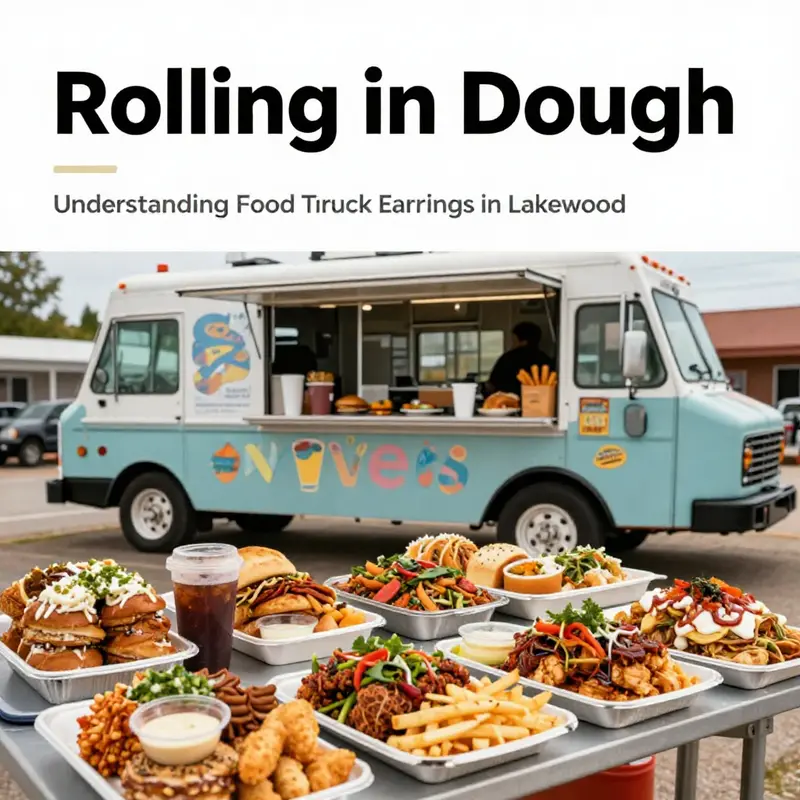
Across the United States, the economics of operating a food truck swing widely. Location, size, cuisine, and model all shape annual revenue. But among the levers, the menu—what you cook and how you cook it—often acts as the strongest predictor of yearly sales. This chapter explores the role of cuisine types in determining what a food truck can earn in a year, weaving together market data, cost realities, and consumer trends into a practical narrative you can apply when planning a route, a menu, or a brand.
High-demand cuisines tend to pull stronger crowds and command premium prices, especially in dense urban corridors and hot tourist hubs. Gourmet burgers, specialty tacos, and artisanal coffee have shown to attract larger customer volumes than basic fare in many markets. An operator serving premium fusion tacos in a bustling city center might see annual revenue in the range of $200,000 to $300,000, assuming steady foot traffic, favorable pricing, and efficient service. Contrast that with a truck offering standard hot dogs in a mid-size market where competition is fierce and footfall is moderate; annual revenue could hover around $60,000 to $100,000. Those numbers illustrate a broad spectrum, but they also reveal a simple principle: small changes in menu complexity, pricing strategies, and throughput can shift outcomes significantly.
Cuisine type does not exist in isolation from costs. The same high-demand menu that supports higher price points can demand higher ingredient costs, specialized equipment, and more complex prep workflows. Specialty kitchens may require import items, premium spices, or house-made components that push overhead up. Yet the payoff is not simply higher unit prices; it is the ability to sustain a higher margin on the volume of sales generated. Conversely, basic fare benefits from speed and consistency—dishes that can be prepped quickly, served rapidly, and rotated through lines to maximize the lunch-hour rush. In practical terms, a menu built around rapid, simple items can boost daily throughput, which translates into more transactions across peak hours and, ultimately, larger weekly totals. The same truck could still operate with lean costs if it leans on tried-and-true staples, predictable spoilage, and disciplined inventory.
Market demand adds another layer of nuance. Consumer interest in plant-based meals, sustainable fast food, and global street food has created a dynamic where the profitability of a cuisine often tracks social visibility as much as culinary appeal. Cuisines that generate memorable social media moments, secure positive word-of-mouth, and align with trending dietary preferences tend to attract not just more customers but more repeat customers. A kaleidoscope of nuance exists in this space: plant-based and international street foods are currently expanding profitability in many markets, because they capture both novelty and value. They can command good volumes when placed in highly watched venues, provided the operations are reliable, the menu is clear, and the branding resonates with local sensibilities.
The geography and regulatory environment cannot be ignored. In warmer climates with year-round foot traffic, operators may squeeze more days out of the calendar, which helps all menus, especially those optimized for lunch crowds and quick turns. Southern markets historically display more permissive operating conditions for mobile units, enabling a higher volume of operators. In contrast, states with stringent health codes, dense zoning restrictions, or high permitting costs—like certain coastal or highly regulated regions—can compress the number of operating days or raise the cost of compliance. These factors shape margins as much as they shape revenue. And as the food truck ecosystem matures, new business models emerge that blend mobility with technology: digital ordering, delivery partnerships, and on-site catering for events. Each of these can amplify the earning potential of a given cuisine type, but they also compound the costs and logistics that operators must manage.
One dimension that often signals where a given cuisine can go is the venue strategy. Downtown districts, university campuses, stadiums, nightlife districts, and festival corridors can be magnets for specific menu types. A high-energy urban center may favor premium street foods that energize long lines and high-ticket purchases, while a campus environment might reward affordability and quick, reliable service. In such contexts, a carefully curated mix of daily specials and rotating themes keeps the brand fresh while stabilizing cash flow. The same concept applies to how one markets the truck online. The visual identity, the story of the menu, and the social proof generated by satisfied customers interact to push a cuisine type from merely viable to consistently lucrative.
Choosing a niche aligned with current market demand often yields outsized benefits. For operators weighing risk against reward, prioritizing a cuisine that can sustain higher price points without sacrificing throughput can be a powerful approach. It is not only about the palate of the local clientele but also about how a menu interacts with the operational rhythm of a working truck. In this sense, the decision to offer a specialized cuisine can be as strategic as the choice of vehicle, routes, and hours. For those starting up or seeking to optimize, looking at resources that compare the performance of different configurations and menus presents value. For instance, many operators find it helpful to study practical models and operational patterns, such as those highlighted in industry guides that chart the relationship between menu type and throughput. See the discussion on vehicle choices and startup strategies in the article about the best food truck models for lakewood startups, which offers a lens into how equipment decisions interface with menu goals to influence yearly revenue.
The broad picture remains that the average food truck earns somewhere in the middle of the market spectrum. Across the United States, the typical top-line revenue for many operators rests roughly between $150,000 and $250,000 per year. It is important to emphasize that this is revenue, not profit. Net margins are constrained by factors that scale with any food business: fuel, maintenance, insurance, labor, and the volatility of ingredient costs. A thriving operation that pushes well beyond the average often does so by combining a high-demand cuisine with a prime location, robust marketing, and a diversified revenue stream—such as catering or event service. The ability to turn more customers into more dollars depends on speed, consistency, and the sustainability of supply chains for the core ingredients. As margins tighten in a crowded market, clever cost management and a disciplined approach to scheduling and inventory can be the difference between a comfortable income and a tight shave.
For readers seeking more granular comparisons by cuisine type, a deeper dataset shows that high-demand specialties may pull in $200,000 to $300,000 in revenue for top-tier sites, while more basic offerings can struggle to exceed $60,000 to $100,000 in similar conditions. The contrast illustrates not a talent gap but an informational one: the right menu for the right venue can elevate a truck from a decent year to a standout year. It is not a guarantee, but it is a directional compass. The takeaway is that cuisine type is a powerful modifier of revenue potential, but it does not live alone. It interacts with location, branding, and execution. The more operators align these pieces, the more their revenue picture will align with the ambitions they have for their business.
If you want expansive data on how cuisine types translate into earnings across varied markets, the known working literature reveals a clear trend: niche cuisines and plant-forward options are increasingly profitable as consumer awareness grows and competition shifts toward quality and speed. While the numbers can fluctuate by city and month, the structural relationship holds. A high-demand cuisine paired with a downtown route and an optimized service design can push revenue toward the upper end of the spectrum, particularly when the operator taps into digital ordering and efficient catering opportunities. Conversely, a basic fare delivered with a strong price-value proposition can still perform well in markets with high traffic and predictable demand, provided the operator keeps costs under control and sustains a reliable pace.
The conversation around cuisine types and annual earnings thus boils down to a straightforward but sometimes overlooked truth: the menu is not just what you cook; it is how you structure your business around the food, the people, and the place. It frames pricing, drives traffic, and dictates the energy of service. It informs which hours to staff, which events to target, and how to build a brand that travelers and locals recognize. It also shapes the risk profile of the venture—some cuisines demand more complexity and more frequent restocking; others reward simplicity and speed. The best outcomes come from testing, learning, and adapting, with careful attention to market signals and customer feedback.
To gain a fuller picture, many operators pair menu strategy with real-world benchmarks that examine earnings by cuisine type across different urban contexts. A useful external resource consolidates such data and presents nuanced comparisons across cuisines, offering a broader lens on how people eat from a mobile kitchen. For deeper numbers by cuisine type, see https://www.foodtrucks.com/earnings-by-cuisine-2026.
As you plan or refine a route, keep in view not only what tastes people crave but how those tastes fit into a sustainable business model. The cuisine you choose will guide your pricing structure, the speed you need at the window, and the marketing narrative that surrounds your truck. It anchors the mental model of what a year could look like, while leaving space for experiments that can shift the numbers in meaningful ways. The chapters that follow will return to the broader question of profitability, addressing labor dynamics, regulatory costs, and the role of community events in maximizing return, while continually tying back to the core insight that cuisine type is a powerful, sometimes decisive, variable in the arithmetic of a food truck’s annual revenue.
In this sense, cuisine is not merely what you serve—it is a compass that points toward the most promising revenue horizons, provided the operator uses it in concert with smart location choice, cost discipline, and a willingness to adapt to changing tastes and seasonal rhythms. The year ahead for food trucks will look different depending on whether the menu lean toward premium, performance-driven formats or lean, fast-service fare. In either case, the path to a strong annual figure remains rooted in execution as much as ambition: clarity of menu, consistency of service, and the ability to meet the moment wherever the truck rolls.
null
null
Final thoughts
Understanding the economics behind food trucks can transform your perspective as a visitor or potential operator in Lakewood. The earnings can vary widely but promise a thriving business for those who navigate the landscape wisely. From knowing what influences those numbers to grasping the uniqueness offered by various cuisines, we’re excited to see how this industry continues to evolve. So whether you plan to step behind the wheel or savor the delicious meals served by our culinary entrepreneurs, you can now appreciate the hustle behind the wheels.