
The Heartbeat of Lakewood’s Food Scene: Inventory Delivery for Food Trucks
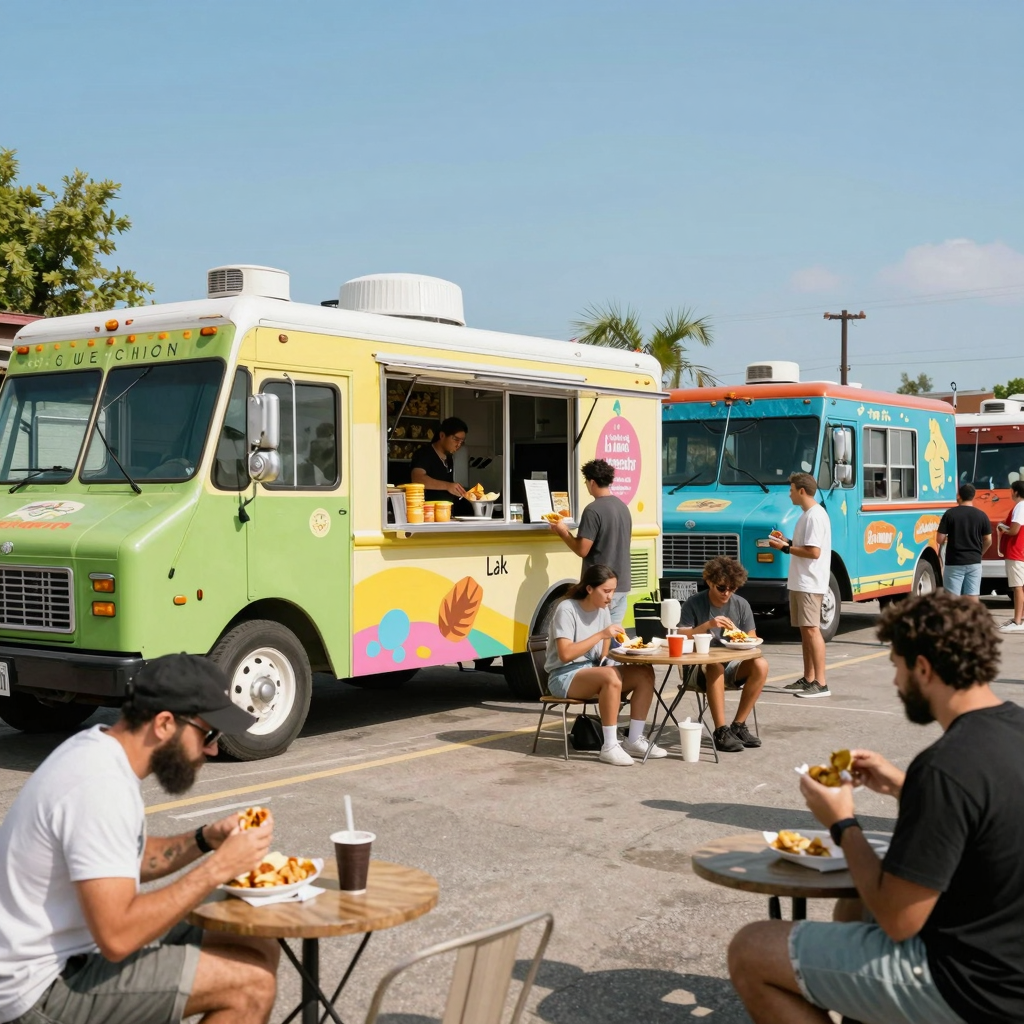
Picture this: a sun-soaked day in Lakewood, with the tantalizing aromas of street food filling the air and colorful food trucks lining the streets. From gourmet tacos to artisanal ice cream, Lakewood boasts a dynamic food scene that attracts locals and tourists alike. The excitement of food trucks isn’t just in their delicious offerings; it’s in the vibrant community and culinary adventure they bring to our neighborhoods. But behind the scenes, maintaining this lively atmosphere depends heavily on a well-timed and efficient inventory delivery system.
As aspiring food truck operators gear up to serve the crowds, understanding how often inventory is delivered can be the secret ingredient to success. After all, consistent supply translates to happy customers and staying true to that unique flavor profile that makes each truck special. Whether you’re a local looking to satisfy your cravings or a visitor seeking to explore Lakewood’s hidden culinary gems, knowing the rhythm of inventory arrivals adds to the thrill of indulging in this mobile food paradise. Let’s dive into how often these deliveries happen and what they mean for the heart of our food truck community! Learn more about Lakewood’s exciting food truck rallies!
Inventory Needs for Food Trucks
Starting a food truck business is an exciting venture, but one critical aspect that aspiring food truck operators need to carefully consider is inventory management. Properly managing your inventory ensures that you can serve your delicious meals without interruption and keep your customers coming back for more!
Types of Inventory to Consider
The inventory of a food truck can be broadly categorized into three main types:
- Ingredients: The backbone of your food truck is the ingredients you use. This includes:
-
Proteins: Fresh meat, seafood, and plant-based proteins.
-
Fruits and Vegetables: Seasonal produce to create fresh dishes.
-
Grains and Carbs: Bread, rice, and pasta for your menu items.
-
Dairy: Cheese, milk, and yogurt for those creamy touches.
For example, if you’re running a taco truck, your essentials might include corn tortillas, avocados, various meats, and fresh salsas to keep your offerings vibrant and appealing.
- Beverages: Drinks can significantly enhance your menu. Common beverage items include:
-
Sodas and Juice: Popular choices to complement meals.
-
Coffee and Tea: Perfect for morning customers or afternoon pick-me-ups.
-
Water: Always a necessity for hydration and customer service.
Offering a variety of beverages can attract diverse customers and increase sales. Remember, quality is key! Source fresh ingredients for smoothies or specialty iced teas to stand out from the competition.
- Supplies: Beyond food, you need various supplies to run your food truck. These include:
- Packaging Materials: Baskets, containers, and napkins that are eco-friendly can boost your brand’s image.
- Cooking Equipment: Essential tools like grills, fryers, and utensils.
- Cleaning Supplies: Ensure your truck stays clean and safe with sanitizers, soaps, and wipes.
Best Practices for Inventory Management
- Track Inventory Regularly: Use digital inventory management tools to keep an eye on stock levels in real-time. This helps prevent shortages and overstock situations.
- Establish Relationships with Local Suppliers: Regular deliveries from local suppliers can reduce transportation costs and help in maintaining freshness.
- Prep in Advance: To save time during service hours, prepare as many ingredients as possible beforehand to streamline your operations.
In conclusion, managing your food truck inventory effectively is key to ensuring a smooth operation and satisfied customers. Always keep an eye on trends and preferences to adapt your inventory accordingly. This way, you can build a loyal customer base eager to enjoy your culinary creations.
For more insight into creating successful food truck experiences, check out this guide on food truck rallies or explore best food truck models that cater to varying menus and budgets.
Delivery Frequency for Food Truck Suppliers
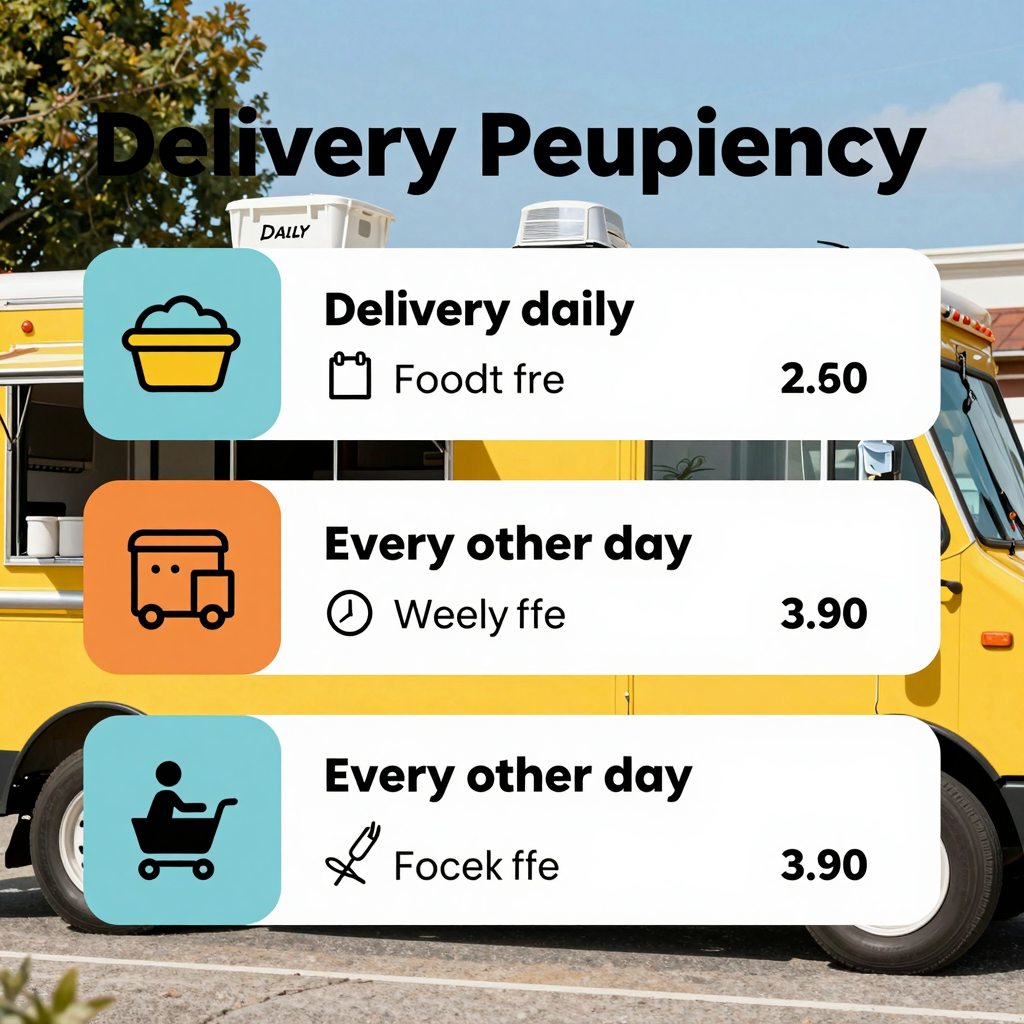
When it comes to keeping your food truck stocked, understanding the delivery frequency of suppliers is critical. For aspiring food truck operators, choosing the right supplier can mean the difference between fresh ingredients and long wait times. Here’s a breakdown of average delivery frequencies from various suppliers, focusing on both local and national options:
| Supplier | Delivery Frequency | Type |
|---|---|---|
| Local Fresh Produce Co. | Daily | Local |
| National Food Supply Inc. | Every Other Day | National |
| FreshDirect | Weekly | National |
As you can see,
- Local Fresh Produce Co. offers daily deliveries, making it a great choice for those who want to ensure their ingredients are as fresh as possible.
- National Food Supply Inc. provides reliable deliveries every other day, striking a balance between freshness and logistics.
- FreshDirect is a solid option for those who plan ahead, with weekly deliveries that may suit lower-volume operations better.
Choosing suppliers with the right delivery schedules can keep your food truck running smoothly and your customers satisfied. Want to learn more about what to expect from food truck suppliers? Check out these tips here!
By planning your supply chain effectively, you can ensure that fresh ingredients are always on hand, ready to delight your customers!
Factors Influencing Delivery Frequency of Food Trucks
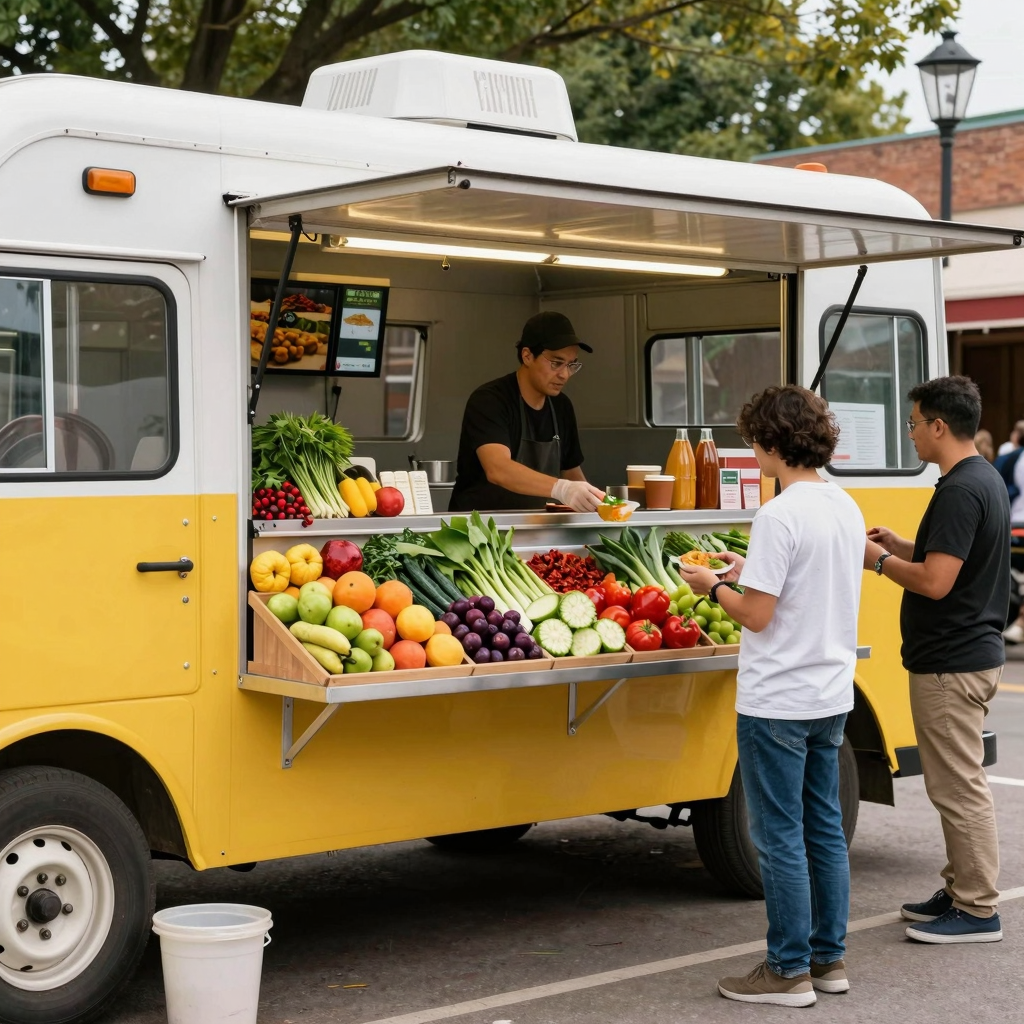
Running a food truck can be an exciting and rewarding venture, but it also comes with its own set of challenges, especially when it comes to inventory delivery. Understanding the factors that influence how often food trucks receive their stock can make a big difference in management and planning.
Distance from Suppliers
One of the most significant factors affecting delivery frequency is the distance from suppliers. If a food truck is located far from its suppliers, it may face longer wait times for inventory, leading to irregular delivery schedules. A study indicated that increased travel distance can elevate operational costs, making deliveries less frequent. This is particularly crucial for perishable items which require timely restocking to ensure quality and freshness (Business News Daily).
Demand Variations
The demand for the food truck’s offerings significantly affects how often inventory is delivered. During peak seasons or events, a truck may require more frequent deliveries to meet customer expectations. Food trucks that participate in local events or festivals often see spikes in demand, necessitating quicker restock times. Conversely, during quieter seasons, trucks might opt to order supplies less frequently to minimize costs. Keeping tabs on customer preferences and seasonal shifts is essential. You can check out how food trucks adapt to changing seasons in Lakewood here.
Seasonal Variations
Seasons can dictate not only what ingredients are available but also how often trucks need to restock. For instance, summer might bring a demand for fresh fruits and salads, while winter could shift focus to heartier, warm dishes. These fluctuations influence the delivery schedule, often requiring operators to adjust their inventory strategies accordingly. Adapting your menu to the season is a smart move, and you can explore some creative ideas here.
Storage Capacity
Another aspect to consider is the storage capacity of the food truck itself. Limited storage space can restrict how much inventory can be kept on hand at any one time, prompting more frequent deliveries. Food truck operators need to balance their supply needs with available storage to maintain efficiency and avoid spoilage.
Conclusion
In conclusion, the frequency of inventory deliveries to food trucks is influenced by several interconnected factors, including distance to suppliers, demand fluctuations, seasonal changes, and storage capacity. By understanding and managing these elements, food truck operators can ensure that their businesses remain adaptable and responsive to customer needs.
Best Practices for Managing Food Truck Inventory
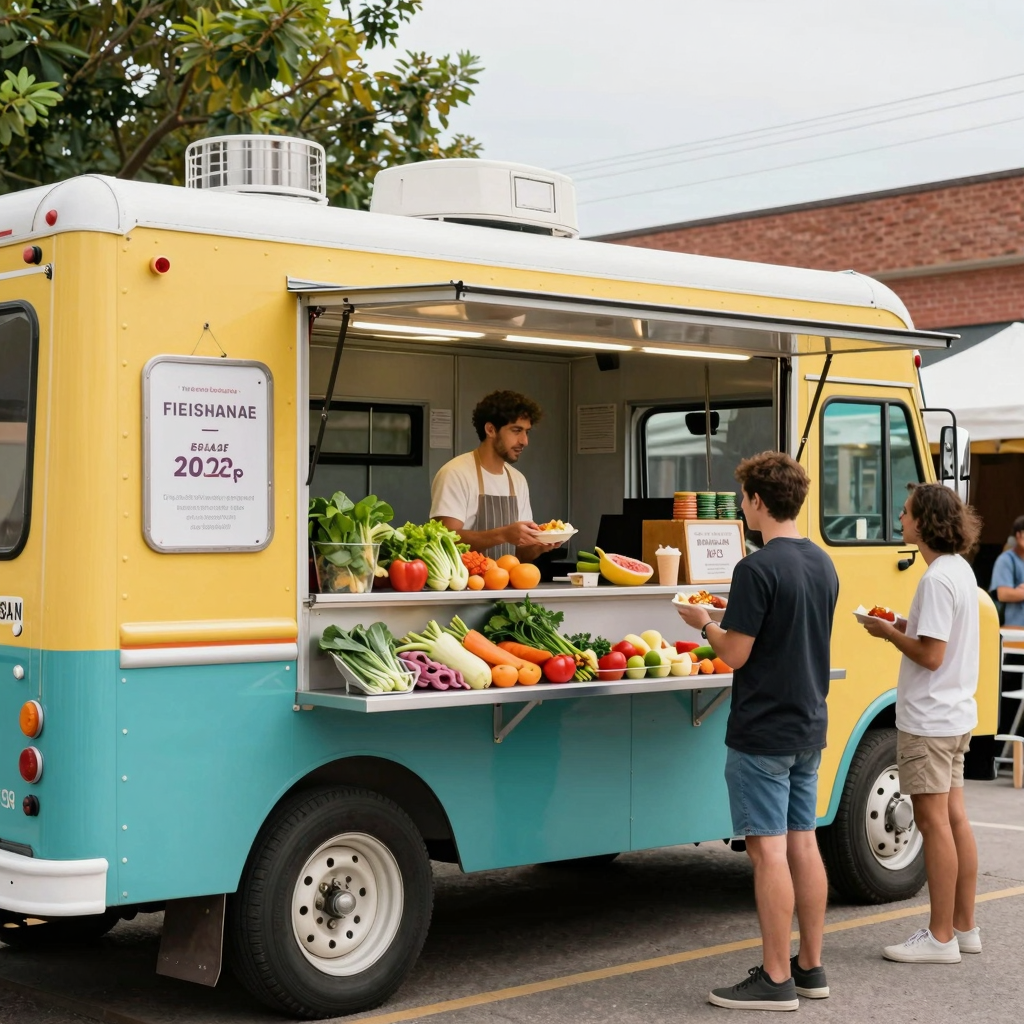
Effectively managing inventory is crucial for food truck operators, especially for ensuring freshness and minimizing waste. Here are some best practices to keep in mind:
-
Implement FIFO (First In, First Out): Always use the oldest ingredients first. This approach helps prevent spoilage and waste, ensuring you serve only the freshest food to your customers.
-
Monitor Temperature Regularly: Keep track of the temperature of refrigerated items daily to ensure they stay within safe limits. This practice helps maintain the quality and safety of your food.
-
Utilize Digital Inventory Management Tools: Use technology to streamline tracking. Digital apps can help monitor stock levels, send automatic alerts for low inventory, and even analyze waste data to make informed decisions about future orders.
-
Prep Ingredients in Small Batches: Cook in smaller quantities based on predicted demand. This technique minimizes the chance of ingredients going bad.
-
Create a Waste Log: Maintain a record of what items are commonly wasted. Analyzing this data can reveal patterns to reduce waste by adjusting purchasing and menu planning strategies accordingly.
-
Stay Flexible with Your Menu: Adjust your menu seasonally to take advantage of available fresh produce and reduce reliance on overstocked items. For example, if certain ingredients are running low, consider substituting with seasonal options instead.
-
Train Your Staff: Educate your staff on proper storage techniques, portion control, and how to handle ingredients to maximize freshness while minimizing waste.
-
Schedule Regular Inventories: Perform regular audits of your inventory to track usage trends and adjust orders based on actual sales data, rather than predictions alone.
By following these strategies, food truck operators can effectively manage their inventory, ensuring freshness and reducing waste. For more tips, check out the best practices recommended by the National Restaurant Association.
The Importance of Timely Inventory Delivery in Food Trucks
One of the keys to running a successful food truck operation is ensuring that your inventory is delivered on time. As Maria Chen, the founder of “TasteWagon” food truck in Austin, TX, puts it:
“Our success hinges on getting fresh ingredients delivered just before we need them-no more, no less. We’ve cut our food waste by nearly half and improved customer satisfaction because we never run out of our signature items. It’s not just about saving money; it’s about building trust with our customers.”
This sentiment underscores the magic of timely inventory management for food trucks. It’s evident that effective inventory delivery not only helps in reducing food waste but also enhances customer satisfaction, which is pivotal for profitability and growth.
If you’re an aspiring food truck operator, learn more about how to optimize inventory delivery to set your business up for success!
Operating a food truck in Lakewood not only allows you to share your culinary passion but also gives you the opportunity to embrace community spirit by sourcing ingredients locally. There are several fantastic suppliers in the area that can help you create delicious, fresh menu items, while also fostering a stronger sense of community.
One of the best places to start is the Lakewood Ranch Farmers’ Market. Nestled at Waterside Place, this market features over 100 curated local vendors. It’s an ideal spot for food truck operators looking for high-quality, locally-sourced ingredients. From organic vegetables and farm-fresh eggs to handmade cheeses and seasonal fruits, you’ll find an abundance of fresh produce perfect for creating vibrant dishes. The weekly market supports regional farmers and small producers, helping to cultivate a sustainable food economy.
Why Source Locally?
Sourcing ingredients locally not only ensures freshness but also reduces your carbon footprint and supports the local economy. One great partner in Lakewood is the Shamrock Foodservice Warehouse. This warehouse is a top-rated bulk food supplier offering a variety of ingredients including meats, dairy, and pantry staples at wholesale prices. With a stellar reputation for quality and reliability, Shamrock is a go-to for food truck operators looking to streamline their supply chain.
Furthermore, initiatives like Lakewood Local connect food truck owners with trusted local farms, butchers, and bakers. This network features family-run dairies, organic vegetable growers, and craft meat purveyors, allowing you to build a food truck brand that resonates with community values and promotes responsible sourcing.
By supporting local suppliers, food truck operators can not only craft unique culinary experiences but also encourage community support. Customers love knowing that their food is sourced from nearby producers, enhancing their loyalty and deepening their connection to the Lakewood area.
Engaging with local suppliers isn’t just about the food; it’s a celebration of our community. Let’s nurture this ecosystem together!
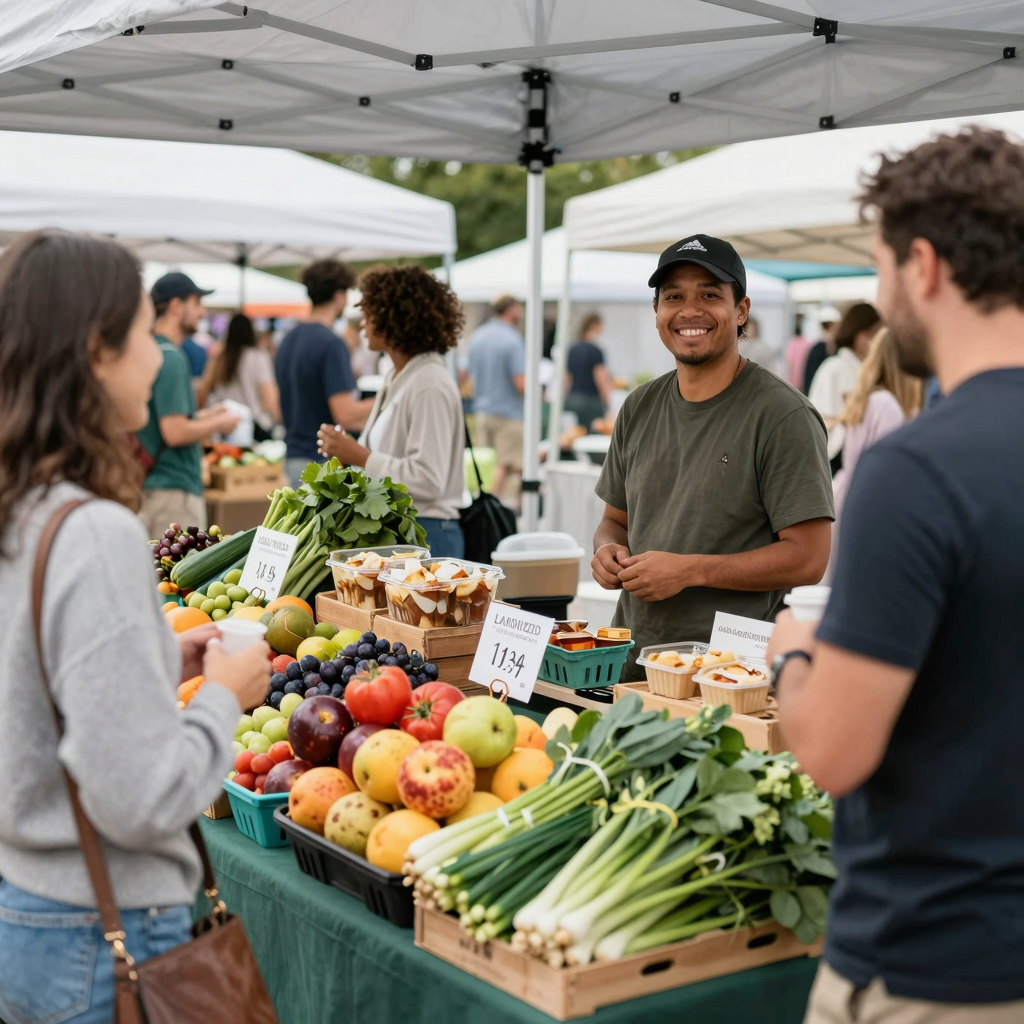
By embracing local sourcing, you can elevate your food truck’s offerings while forming lasting partnerships that benefit both your business and the community. For more inspiration on how to forge these local contacts, check out our article on food truck gatherings in Lakewood.
User Experiences on Food Truck Inventory Delivery: Insights from the Community
When it comes to inventory delivery for food trucks, user experiences highlight some key themes around freshness, delivery timing, and service reliability. Many operators and customers share their insights about how often inventory is restocked and what makes for smooth delivery processes.
Freshness and Timing Are Top Priorities
A common thread in user reviews is the importance of receiving fresh ingredients. Food truck operators emphasize scheduling deliveries frequently enough – sometimes daily or every other day – to ensure the highest quality produce and supplies. Customers notice when trucks maintain fresh inventory, which influences their satisfaction and repeat visits.
One food truck owner mentioned that frequent inventory deliveries, aligned with their busy schedules, help avoid overstocking and waste. Quick turnaround on deliveries, often before the lunch rush, is crucial to keep the truck fully stocked and prepared.
Delivery Flexibility and Real-Time Updates
Platforms and apps that support food trucks with inventory management and ordering have become crucial. Users appreciate services that offer real-time tracking and notifications about delivery status. This transparency reduces stress for operators and ensures timely replenishment.
Community-focused platforms such as FooodDude provide features like real-time order tracking, reviews from other users, and options for quick delivery or pick-up. These features have been praised in testimonials for helping operators stay agile and responsive to daily demand fluctuations.
Challenges and Community Solutions
Some challenges reported include occasional delays due to traffic or supplier shortages. However, the food truck community often shares tips and resources to manage these issues collaboratively, from recommending reliable suppliers to sharing delivery schedules.
Summary
Overall, the community values frequent, timely delivery that maintains product freshness and supports operational flow. Integrating technology for order and delivery management enhances the experience for both food truck operators and their customers.
For aspiring food truck operators interested in local insights and successful practices, exploring Lakewood’s Food Truck Success Stories provides valuable inspiration and practical tips. Also, attending Lakewood’s Food Truck Rallies is a great way to connect with the community and learn firsthand about effective inventory management techniques.
This understanding helps aspiring operators plan their inventory deliveries strategically to serve delicious food fresh and on time, fostering customer loyalty and business growth.
Conclusion: Join the Food Truck Community!
As you embark on your exciting journey as a food truck operator, remember that engaging with your local community can be your strongest asset. Building relationships with your neighbors, fellow businesses, and customers not only enhances your food truck’s visibility but also creates a sense of belonging and loyalty. By showcasing your unique offerings at local events, collaborating with other food trucks, and supporting community causes, you can enrich the culinary landscape of Lakewood.
Engaging with the community doesn’t just mean selling delicious food; it means being part of a vibrant network that feeds off creativity and shared experiences. Embrace opportunities to interact with your customers through social media, local gatherings, and partnerships. For more strategies on how to build these critical community ties, check out 10 Best Practices for Food Truck Community Engagement.
We invite you to be part of this dynamic food truck culture! Share your journey, connect with other food truck enthusiasts, and leverage the fantastic resources available at Summit Fairings to get started on customizing your food truck to fit your vision. Together, we can make Lakewood’s food truck scene more delicious and vibrant. Happy trucking!