
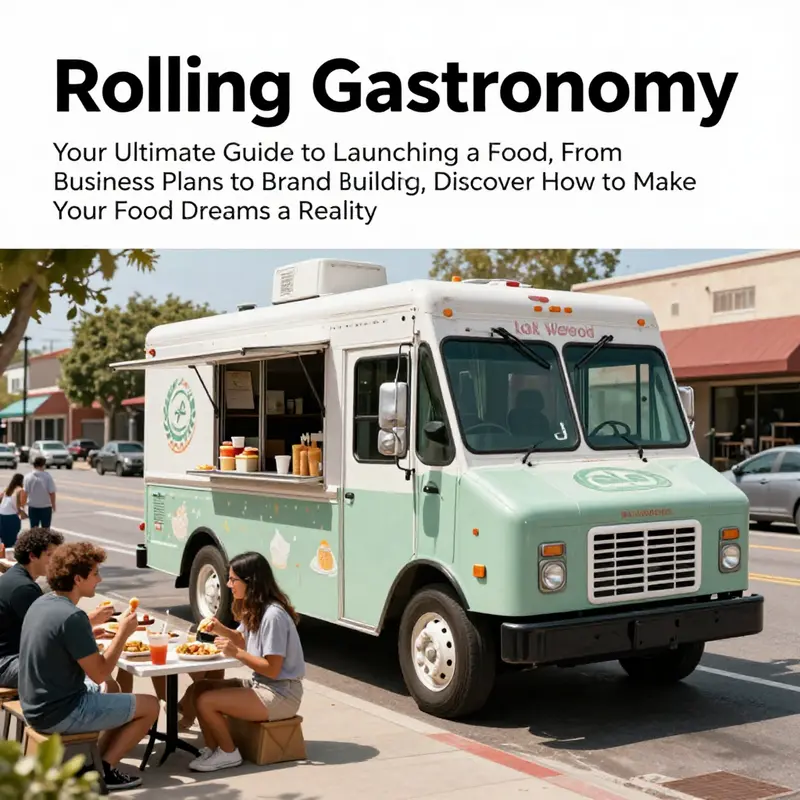
Lakewood is a thriving hub for food lovers, and what better way to partake in this culinary adventure than starting your very own food truck? This guide will walk you through the steps of creating a successful food truck business, catering to eager customers and hungry tourists alike. We will explore how to develop a solid business plan and budget, navigate the necessary licenses and permits, select the ideal location, enhance your brand, engage through social media, and ensure safety compliance. By the end of this journey, you’ll be equipped with the knowledge and confidence to bring your unique flavors to this vibrant community.
Blueprints on Wheels: Designing a Robust Business Plan and Realistic Budget for Your Food Truck
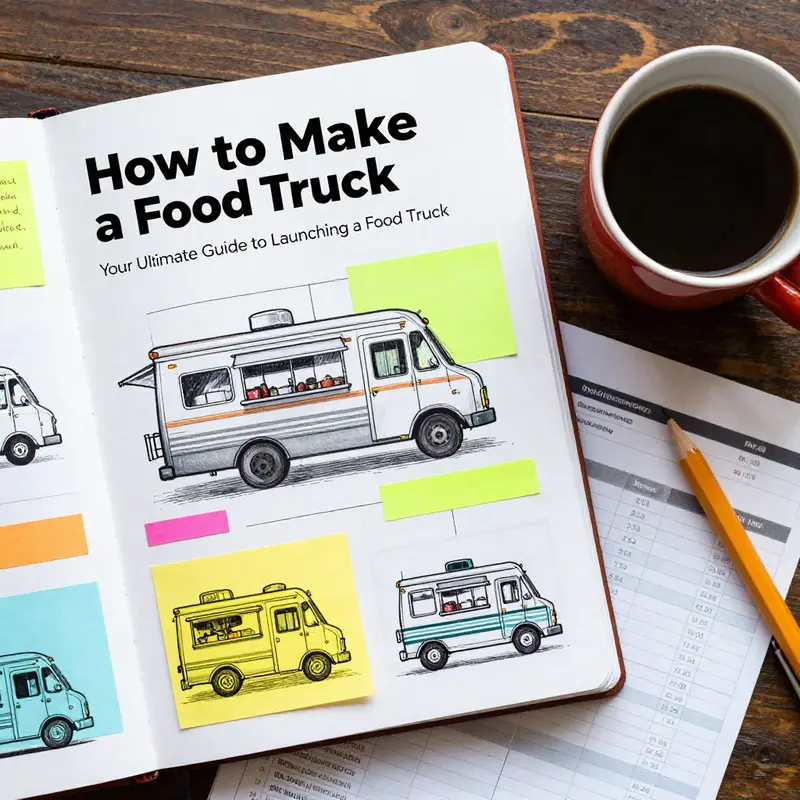
Launching a food truck begins with a map, not a map of streets, but a map of finances and operations. A robust business plan anchors every decision, from the concept and menu to the choice of equipment and the routes you will chase. It acts as a living document that guides your day-to-day choices and communicates value to lenders or partners. The plan splits into several integrated layers, each reinforcing the others, so your concept remains coherent as you move from idea to street.
The executive summary, though concise, sets the tone. It should crystallize your concept, location approach, the type of cuisine, and a snapshot of the market you intend to serve. It’s the section a lender or investor will skim first, so clarity matters more than jargon. Then the company overview translates that concept into a brand story—your mission, why your truck exists, and how your service will stand apart in a crowded landscape. The service model matters here: will you offer a rotating menu, a signature street-food staple, or a fusion concept? Your answer shapes every operational choice that follows.
Market analysis is where you test ideas against reality. You map who buys your food, where they live or work, and how much they typically spend. You chart the competition, not merely to imitate, but to identify gaps you can fill. This is where location strategy begins to crystallize. The market picture should drive your menu decisions, your pricing, and the marketing angles you use to reach customers. It should also reveal seasonal patterns, event-driven traffic, and potential partnerships with local venues or organizers.
Marketing strategy then translates insight into action. In a mobile business, visibility is half the battle, so you plan how to be found, when to be where, and what messages resonate. The plan should define your brand voice, your social presence, and your outreach calendar. It should cover promotions that align with events, collaborations with nearby businesses, and content ideas that humanize your truck—behind-the-scenes looks, customer stories, and features on where your ingredients come from. A practical budget keeps the plan honest; it anchors your ambitions to what investors and lenders expect to see in return.
Operational planning translates theory into practice. Your day-to-day workflow must handle peak moments with grace. You lay out the service model: how many staff you’ll need, how you will train them, how you will schedule shifts, and how you will rotate your menu between days, markets, and festivals. You choose vendor relationships and food sourcing strategies that balance freshness, reliability, and cost. Equipment decisions become more than gadgets; they are workhorses that set your kitchen’s capacity and safety standards. Your plan should also consider compliance and safety, since a food truck sits between a restaurant and a vehicle, governed by both food-safety rules and vehicle codes. The goal is to build a system where a regular day runs smoothly and a big event doesn’t overwhelm the team.
Financial projections anchor everything in reality. They’re not a forecast that exists in a vacuum but a map of how your concept converts curiosity into sales and sales into sustainable profits. Start with revenue assumptions informed by market analysis and marketing plans. Then estimate gross margins, knowing that food costs commonly sit as a significant portion of revenue. You’ll need to test scenarios—best, typical, and worst—to understand what a misstep could mean for cash flow. A well-structured projection shows not just profitability but cash flow to cover all costs, including debt service if you finance the truck or equipment. It includes a break-even analysis that demonstrates the sales volume needed to cover fixed costs. This is the practical heart of the financials.
With structure in place, the budget becomes a living tool that tracks the path from planning to piloting. Startup costs form a one-time foundation, while ongoing expenses sustain the operation. Understanding the spectrum of startup costs helps you decide how aggressive or lean your launch should be. A food truck’s upfront price tag is influenced by the truck’s condition and the required modifications; estimates range from modest to substantial, reflecting the scale of your concept. Alongside the truck, kitchen equipment must align with your menu and service model. A compact menu may require fewer or simpler appliances, while a more elaborate or higher-volume concept needs a broader array of equipment.
Permits and licenses are a critical and often overlooked line item. They invest not only money but time, because regulatory processes vary widely by city and state. Some locales require multiple licenses, and you may need a health permit, a mobile food service permit, and a vendor’s license at minimum. Regulations can also shape how you operate day-to-day, including where you can park and for how long at a given site. The budget should reserve both funds and time for permits, as compliance is a prerequisite to launching and sustaining operations. Initial inventory sets the stage for your opening days, and you’ll want enough stock to run efficiently through a few service cycles before reordering. Insurance provides protection on several fronts—liability, property, and, if you finance the truck, collateral coverage. It’s often a recurring line item, billed annually, and it can influence your loan terms.
Marketing investment in the start-up phase helps establish your identity and attract your first customers. This includes branding, signage, and initial campaigns to introduce the truck to your target neighborhoods. It’s easy to underestimate how much early marketing can matter, because a strong first impression often translates into repeat business and word of mouth that compounds quickly once you’re on the road.
When looking at ongoing costs, fuel becomes a predictable variable, tied to routes and operating hours. Maintenance—an annual range exists, depending on usage and the age of the equipment—must be accounted for; neglecting this can derail a planned cash flow. Staffing costs depend on your service model; you’ll need to account wages, benefits, payroll taxes, and potential overtime during busy periods. Ingredient sourcing typically consumes a major share of revenue, often estimated around 30 to 35 percent, depending on menu mix, supplier relationships, and negotiation power. The remaining portion covers overheads like utilities, insurance renewals, and credit card processing if you accept payments on the go.
The financial logic of a truck-based business also involves capital structure. If you’re financing the vehicle, your debt terms will shape monthly obligations and interest costs. If you’re buying outright, your cash burn rate will be different, but you still must protect liquidity for unexpected repairs, weather-related slowdowns, or evolving consumer tastes. This is why the break-even analysis matters so much. It forces you to translate every assumption into a concrete requirement—how many service days, what average ticket, and what volume you must achieve to cover all fixed and variable costs. The line between lean operation and risky overshoot is precarious, so you want a buffer. A prudent plan includes a contingency line in the budget, a reminder that the street is unpredictable and that flexibility is essential.
The process of building this plan is iterative. You don’t create a perfect document and then freeze it; you develop a living tool that you adjust as you test the water in markets, wait times at events, and customer feedback. A strong plan ties your menu, your location strategy, and your marketing to the economics you’ve modeled. It remains aligned with your brand narrative because the plan’s core is a clear understanding of who you are serving, where, and why your food matters in that space. The more you test, the more precise your pricing and procurement become. You may discover that your initial menu assumptions need refinement as you observe the sale patterns, peak times, and seasonality of your chosen routes. Your budget should reflect the adjustments you make as a result of real-world testing.
One practical approach is to start with a baseline forecast that you refine weekly or monthly as data comes in. Track actual revenue against forecast, actual food costs against procurement estimates, and actual labor costs against staffing plans. If a festival weekend pushes revenue above expectations, you can reallocate resources toward high-margin items or add a temporary staff boost to maintain service pace. If a slow week exposes a gap in turnout, you can adjust your route strategy, switch up the menu for appeal, or develop a targeted promotion to bring customers back. The goal is not just to survive your first six to twelve months but to build a resilient model that can adapt to changing conditions, aging equipment, or evolving consumer tastes. Your plan should anticipate these cycles and guide you toward a staged path to profitability.
Deliberate budgeting also helps you maintain quality while staying competitive. A lean, well-fitted truck that still delivers on speed and reliability can outperform a larger but slower operation. The budget process clarifies what equipment must be reliable, what can be scaled back, and how you balance speed with freshness. It helps you decide when to invest in upgrades—such as a more energy-efficient generator, better ventilation, or modern point-of-sale systems—and when to hold off. It guides your brand investments, ensuring that every dollar spent strengthens your identity and supports a consistent customer experience. The end goal is to enter the market with confidence, with a plan that explains not only how you will feed people but how you will stay financially healthy as you grow.
As you finalize your plan, remember that your budget is not a static barrier but a living instrument that reflects your learning. It should be revisited whenever you secure financing, expand your route network, or pivot your menu to seize new opportunities. And it should be written with clarity so that potential partners or lenders can quickly grasp how your business will reach profitability. A clear, credible plan reduces risk by showing stakeholders that you’ve thought through every crucial dimension—from kitchen design and health compliance to route planning and cash flow. The result is a confident launch, built on a strong alliance between concept and cost, flavor and finance.
As you prepare for the next steps—the license check, the route planning, and the branding push—keep the momentum of your plan alive. Let the numbers guide and discipline your ambitions, and let the stories of your target customers shape your menu and your brand voice. The road from concept to service is a blend of art and arithmetic, of flavor and forecast. When the plan is coherent, the road ahead becomes not a threat but a framework of possibilities.
To explore practical options for equipment and truck models that fit your early budget and long-term goals, refer to the guide on the best food truck models for Lakewood startups. This resource helps you imagine how your kitchen will fit inside the vehicle you choose, aligning your budget with feasible configurations and real-world space constraints. For additional reading that broadens your planning toolkit, consider the external resource linked at the end of this section, which offers a template and examples to structure your plan for maximum clarity and impact. The task now is to align your concept with the market, and to ensure that money, people, and processes are synchronized to support a sustainable, delicious venture on wheels.
In sum, a solid business plan and a carefully crafted budget are the quiet engines that power the front-of-house spark and the back-of-house logistics of a food truck. They anchor every decision, from concept to customer to cash flow, and they give you a framework to test, adjust, and grow. They also shape the narrative you present to lenders or partners, because when your numbers tell a credible story about demand, margins, and risk, the path from dream to street becomes navigable rather than speculative. You’ll know when to push your concept to the next level, when to invest in efficiency, and when to pause and listen to what your customers are telling you with their plates and their responses. With the plan in hand, you are not merely starting a business; you are starting a carefully engineered venture designed to thrive in the demanding but rewarding world of mobile food service.
External resource: How To Write a Food Truck Business Plan: Template & Examples
Licensing the Dream: Navigating Permits and Paperwork to Legally Launch Your Food Truck
Securing a food truck that can legally roll onto the street begins long before the grill heats up. It starts with securing the right licenses and permits, the formal acknowledgment that your operation meets health, safety, and business standards. In many places, a food truck operates as both a vehicle and a restaurant, which means a layered set of requirements—one that can feel heavy at first glance but becomes a clear map once you understand the logic behind it. The core idea is simple: you prove that your mobile kitchen is clean, well organized, properly powered, and conducted by people who understand safe food handling. When you approach licensing with that mindset, the process becomes less about hoops to jump through and more about building a credible, trustworthy business from the ground up.
The journey begins with the four core licenses that most jurisdictions recognize as the essential foundation for a street-facing food operation. First is the Food Service Permit, sometimes called a food business license. This permit is not merely a stamp of approval; it is a detailed statement about your kitchen’s layout, equipment, and the procedures you use to prevent contamination. To obtain it, you typically apply through your local health department or city food safety authority. The application asks for a menu, the type of food you’ll prepare, and a description of your food handling procedures. You will be asked to demonstrate a clean, properly equipped kitchen space inside the vehicle, and you’ll need to show that all employees involved in food preparation hold valid health certificates. An in-person health inspection of the truck’s interior and its equipment is standard before the permit is issued. This inspection checks routine but critical items: handwashing stations, cold and hot holding temperatures, safe sanitation practices, storage separation between raw and ready-to-eat foods, and the proper placement of a fire suppression system. The inspection is not adversarial; it is a chance to document that your daily routines genuinely protect customers.
Next comes the Business License. This is the municipal acknowledgment that your venture exists as a registered business within a given city or county. It confirms that you’ve taken formal steps to be compliant and to meet local business standards. The process typically involves providing your business name, the legal structure of the enterprise (whether you’re a sole proprietor, an LLC, or another entity), and a physical or mailing address for the business. While the paperwork is straightforward, the timing varies. Some jurisdictions issue the license quickly if you’ve already got the right health permit in place; others require additional checks or a review of your business plan. The Business License does more than validate you on paper. It creates a framework for everything from taxes to permissible locations and hours of operation.
A Sales Tax Permit is the third essential piece. If you plan to collect sales tax from customers, you’ll need to register with your state’s revenue department. The permit authorizes you to collect and remit sales tax on the goods you sell from the truck. The application is usually digital, and the process is a reminder that your business operates within a broader tax ecosystem. Even if you think you won’t owe substantial sales tax, a permit ensures you’re compliant from day one and avoids costly retroactive filings. In many regions, you’ll also need to file regular tax returns and keep meticulous records of income and expenses to simplify audits and reporting as you scale.
The fourth core permit is the Mobile Vendor License, sometimes called a Mobile Food Vending License. This is the permit that specifically governs the fact that your operation travels and sets up in different spots. In larger cities, this license is separate from the general business license and food service permit, reflecting the specialized nature of mobile food operations. A typical path for this permit includes applying through the city’s licensing office, and in some places you may need to complete a separate application before you can apply for the other permits. The Mobile Vendor License acknowledges that your business will interact with street regulations, parking rules, and zones designated for mobile food vendors. It’s the permit that keeps you aligned with the rhythms of the city—where you can operate, when you can operate, and under what constraints your vehicle must function.
Beyond these four core licenses, many jurisdictions layer in additional permits and inspections that are easy to overlook but equally critical. Vehicle and transportation permits can appear if your operation involves transporting large quantities of ingredients or if your vehicle doubles as a mobile kitchen that relies on heavy electrical or propane systems. Fire safety accounts for a significant portion of the setup: you’ll typically need a compliant hood system, a properly rated fire extinguisher, and clear pathways for workers to evacuate in an emergency. Some regions require ventilation and fire suppression systems to be certified by recognized authorities. In other words, the truck’s engine, its kitchen equipment, and its exhaust all come under scrutiny to ensure that common kitchens at scale do not become a safety hazard on the street.
The licensing landscape is not uniform. Regulations differ by city and state, and a rule that exists in one place may be absent in another. The guardrails are consistent in intent: protect public health, ensure consumer safety, and create a predictable framework for operating on public streets or at events. Because of this variation, it is essential to begin with a local check—contact the health department, the city’s finance or licensing office, and any relevant state agencies early in the planning phase. A single permit can take weeks, while a bundle of licenses may stretch across several months if you encounter backlogs or if you must address a few compliance gaps in your kitchen design. The time invested up front is almost always repaid in smoother operations later, because once your licenses are in place, you can concentrate on menus, marketing, and day-to-day service with fewer interruptions.
As you navigate the process, you will also learn to assemble a robust compliance calendar. Create a master folder—digital and physical—that contains copies of all permits, renewals, inspection reports, and correspondence with the licensing bodies. Build in renewal reminders so nothing lapses and your street license remains active as you grow. Keep a notebook of the steps you took: dates of inspections, notes from the health inspector, and any corrective actions you were required to implement. These records are not only a personal navigator; they become a valuable resource when you scale, start hiring staff, or broaden the range of events where you set up shop.
A practical approach to licensing is to view it through the lens of risk management rather than as a bureaucratic obstacle. The cost of failing to obtain or renew a permit can be steep: fines, temporary shutdowns, or, in worst cases, permanent revocation of the right to operate in certain zones. But the upside is equally tangible. A fully licensed operation signals reliability to event organizers, landlords, and customers. It opens doors to more lucrative locations, longer-term contracts with festivals, and access to business networks that reward established compliance. It also ensures that your insurance plans align with the actual risk profile of your operation. When your licenses are in place, you can negotiate coverage with greater confidence and clarity, knowing the exact scope of your legal exposure and the steps you’ve taken to mitigate it.
One recurring theme in licensing conversations is the value of local mentorship and guidance. Local restaurant associations, economic development offices, and small business development centers are not just sources of forms; they are lighthouses with a detailed understanding of local requirements, common pitfalls, and practical shortcuts that abide by the spirit of the law. These organizations can help you map out a realistic timeline, identify required documents you didn’t anticipate, and connect you with professionals who specialize in mobile vending compliance. In many communities, they also provide cost-saving resources or workshops that demystify the licensing landscape. Partnering with these entities early in the process often reduces the friction—and the overall cost—of starting and growing a food truck operation. This is not about cutting corners; it’s about leveraging legitimate expertise to ensure your concept can travel as far as your ambition.
As you finalize your strategy and move toward a launch date, remember that licensing is the backbone of your brand’s credibility. A genuine, compliant operation is easier to market. It reassures customers who see the license numbers, the health certificates, and the official seals as proof that your truck is a safe, trustworthy choice in a crowded food landscape. This is why the licensing phase deserves the same attention as recipe development or truck customization. The paperwork doesn’t just formalize permission to serve food; it frames the expectations your future customers will have about safety, consistency, and accountability. The better you understand and manage that frame, the more energy you can devote to the creative and operational elements that will drive your day-to-day success: a thoughtfully designed menu, a consistent service rhythm, and a location strategy that makes sense for your concept.
In practice, this means building a disciplined process from the outset. Allocate specific days to gather documents, schedule inspections, and prepare for renewals. Maintain a clear budget that accounts for application fees, inspection costs, and the potential expense of any required equipment upgrades to meet health and safety standards. If your kitchen layout is still evolving, plan for a design that aligns with the criteria inspectors will expect—proper separation between raw and ready-to-eat foods, adequate space for sanitization, and a layout that minimizes cross-contamination risks. The long view matters here: a well-designed kitchen that satisfies inspections today may save you time and money as you scale to multiple trucks or expand to new locales.
To bring this path into sharper focus, consider a concrete starting point that many families of licensing know well. For example, a city health department’s mobile food permitting page often outlines the exact sequence you must follow: preliminary application, submission of menu and equipment details, scheduling of an interior inspection, and the issuance of the Food Service Permit once all conditions are met. From there, you align your business and sales tax registrations, apply for a Mobile Vendor License if required, and prepare for any vehicle-specific permits that may apply to your particular truck design. The overlap between these steps is where the real work happens, and where careful planning yields the smoothest possible route to opening day.
External resource: https://nyc.gov/health/mobilefood
Finding the Right Footprint: Location Strategy and Brand Craft for a Thriving Food Truck
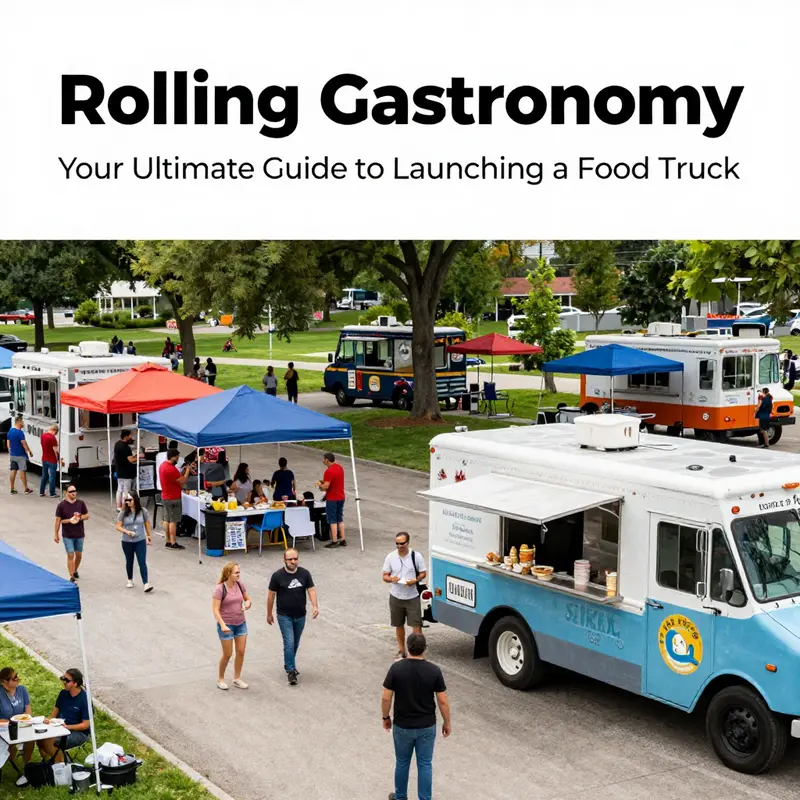
A food truck is more than a kitchen on wheels; it is a moving stage where every corner of the city becomes a potential audience. The magic happens when location and brand move in tandem, when the spot you choose speaks the language of your menu and your packaging tells the same story that the driver’s seat exudes. In this sense, choosing a place to park is not merely a logistical decision; it is a strategic act that shapes who will notice you, how you are perceived, and how often customers return. The best operators treat a location not as a backdrop, but as a partner that amplifies their concept through cadence, proximity, and personality. The turn of a lunch hour in a dense office district can be a canvas for fast, satisfying meals; a Friday night near a concert venue becomes a scene for social sharing; a weekend at a farmers market offers a chance to tell a story about seasonality and freshness. Understanding how to read a location means looking beyond the surface value of foot traffic and toward the texture of the crowd, the duration of the line, and the conversation that happens as people queue up. It also means recognizing that the same truck can perform differently in different neighborhoods, and that the right branding helps each audience see themselves in your offering even before they taste it. In short, location and branding are two threads of the same cloth, woven together to create a recognizable pattern that customers come back to again and again.
To begin weaving those threads, start with a clear sense of who you are serving and what promise you are making to them. Your concept will thrive in places where the daily rhythm of life aligns with your menu and your price point. A busy business district at the heart of a city demands speed, consistency, and a touch of playfulness in design; a college campus offers energy and novelty, with an appetite for something fresh and Instagrammable; a neighborhood with a growing food scene rewards reliability and a distinct taste profile that people want to tell their friends about. The most profitable spots are not simply the places with the most people; they are the places where your particular flavor meets a real need at the right moment. In that sense, your location strategy should begin with a map drawn not from generic charts but from a lived sense of flow. Where do people go during lunch that does not require a long walk? Where do students drift after classes, already hungry but in a mood for something specific, whether that be zesty, comforting, or indulgent? Where do festivalgoers need to switch from a long line for a full dining experience to a satisfying bite that travels with them? These questions guide a practical approach to placement, which balances sheer visibility with the sustainability of daily revenue.
Yet location is only half the equation. The other half, equally powerful, is branding. A strong brand does not shout louder than the crowd; it carves a path through it. It provides a mental shortcut that makes a customer pause, recognize, and smile, even before they know the exact menu item they will order. Branding starts with a clear point of view: your mission, your values, and the sensation you want people to feel when they see your truck. The design of the wrap, the typography of the menu, the color palette you choose for packaging, and the tone of your social media posts should all echo the same narrative. When a truck pulls up in a location that aligns with your brand story, the effect compounds. A well branded cart in a bustling tech campus, a clean and vibrant wrap at a family-friendly fair, or a minimalist, artisanal look at a boutique market — each setting amplifies the message and makes the decision to buy easier for the customer.
Brand consistency looks deceptively simple but requires discipline. It is not enough to have a striking logo or a clever menu name; every touchpoint must reinforce the same identity. Packaging should mirror the tone of the storefront, and staff interactions should feel like a natural extension of the brand voice. The first interaction a customer has with your brand often happens through visuals: the color of the truck, the shape of the sign, and the texture of the menu board. Those details cue expectations about quality and flavor. If the menu highlights comfort and warmth, the environment should feel welcoming and familiar. If the concept is bold and modern, the signage and music should be crisp, with an elevated sense of design. A strong brand becomes a memory anchor. People may not remember every ingredient you cook, but they remember the mood, the aroma, and the story you told as they stood in line.
As you craft both location and branding, keep a single, guiding principle in view: your truck should be easy to find and easy to love. That means choosing zones where your concept has a natural resonance with the surrounding community. If you sell spicy street food, you might seek hubs with adventurous eaters and a culture that embraces bold flavors. If you specialize in wholesome bowls, look for areas where the lunch crowd values quick, healthy options. If dessert or specialty coffee is your lane, campus crowds, shopping districts, and nightlife strips become fertile ground. The physical space you choose is a stage, and your brand is the script. A script that reflects a consistent mood and message helps actors in the audience recognize themselves in your brand and decide to participate in the story by ordering and sharing it with others.
An important practical step is to study local patterns of movement and event calendars, not just the obvious high traffic corridors. Festivals, farmer markets, and pop up nights at community centers reveal seasonal spikes and audience types that you may never encounter on a typical weekday. The value of these events is not merely the additional revenue; it is the exposure and social proof that come from appearing where people gather for shared experiences. If you leave a strong impression at these gatherings, you gain a perpetual advantage on future days when you choose similar locations. This is how a brand grows legs: it becomes a habit people crave and a resource they trust in their own routines. To illustrate the point, imagine how your brand would feel in a neighborhood that is gradually discovering it after multiple appearances at events or popular corners. The consistency of your branding means new customers do not have to relearn you with each visit; they simply recognize the visuals, the flavor profile, and the energy. That recognition triggers the impulse to try, and then to return, again and again.
In practice, integrating location and brand means aligning your operations with the places you serve. Your truck design should instantly communicate your concept from a distance, enabling impulse purchases as pedestrians catch a quick glance. The menu board should be legible from the curb, with a layout that mirrors your kitchen workflow. If your concept leans toward speed and reliability, design the service window to support rapid transactions, predictable portion sizes, and a friendly, efficient cadence from the team. If your brand emphasizes craft and care, you may invest in a tactile experience: slower, more thoughtful service, richer packaging, and a willingness to explain the provenance of ingredients. The same idea extends to social media. Location-based posts should reflect the character of the place and invite the local audience to participate in the brand story. A caption that ties a dish to the neighborhood, a behind the scenes moment at a festival, or a spotlight on a local partnership can transform a simple update into a shared experience that travels with the truck in anticipation of the next stop.
There is also a strategic vein to explore within the idea of a brand in motion. Your concept gains momentum when it can be carried from one location to another with the same energy. That means developing assets that survive distance and time: a wrapped truck that is instantly recognizable in a sea of vehicles, a signature scent or aroma that travels as customers move, and a menu that remains coherent as you rotate locations. The value of this approach compounds with repeat visits and word of mouth. People may not always be able to return to your exact spot, but they will know where to find you and what to expect when they arrive. A predictable yet flexible rhythm helps you manage inventory, staff scheduling, and supplier relationships, while still allowing you to pursue new locales and seasonal menus. The flow between location and brand then becomes a strategic cycle: scout potential spots, refine the branding, test in new contexts, measure response, and repeat. When the cycle works well, you build a resilient business that thrives on both consistency and adaptability.
As part of maintaining momentum, consider how you will communicate location choices and branding changes to your audience. A well-timed announcement about a new regular spot or a seasonal pop up can generate curiosity and anticipation. Your announcements should be concise, visually aligned with your brand, and delivered across channels your customers already use. The most effective communications feel like invitations rather than advertisements. They invite the audience to participate, to come taste, and to share their own experiences. A key element in this is listening. Each location carries a different audience with distinct tastes and rhythms. Your customers can reveal preferences and gaps through their feedback, social comments, and even the patterns of what items sell fastest at certain times. Listening does not mean chasing every trend; it means refining what matters most to the people who keep you in business. In a world where attention is scarce, a brand that consistently delivers clarity and reliability across locations earns trust quickly and compounds that trust into loyalty.
To bring these ideas to life in a practical, actionable way, many operators map a few core locations in a week and pair each with a branding discipline. For a high foot traffic street corner, the brand might emphasize bold color and quick visuals that read from a distance. For a corporate campus, the approach could lean toward clean lines, a calm color family, and a menu that highlights healthy options and value. For a weekend festival, a playful energy with dynamic signage, interactive packaging, and a social moment that invites photos becomes central. The aim is to ensure that wherever you park, the same story is told in the same voice. That is how a mobile kitchen earns the trust of a community and becomes a familiar, friendly option rather than a fleeting novelty.
If you are unsure where to begin, start with a simple, repeatable framework. Identify three anchor locations that represent your ideal customer and note what makes them tick. Pair each anchor with a branding prompt that answers who you are, what you stand for, and what customers feel when they order. Use those prompts to guide every decision from the truck wrap to the daily social media post. Then, test these anchors in real life by visiting them across several weeks, adjusting the approach as you observe what resonates. The goal is not to be everywhere at once, but to establish a credible presence in places where your brand can flourish. When your location and branding align in a consistent, scalable way, you create a narrative that customers can follow with ease. And as that narrative grows, so does your capacity to serve more people with confidence, accuracy, and a touch of personality that makes your truck memorable amid the bustling streets.
For readers who want to explore how communities are embracing mobile food culture and to see examples of location driven branding in action, consider exploring the latest rounds of local rally events and venues where trucks converge. 2026s best food truck rallies in Lakewood offers a window into how venues and customers interact when branding and location align across a season. These cases highlight how a truck can become a staple on a campus lawn, a downtown promenade, or a festival field, all while maintaining a coherent brand that people recognize and expect. By paying attention to these patterns, you can design a strategy that feels organic rather than opportunistic, sustainable rather than speculative, and human rather than generic.
As you finalize your approach, remember that a well chosen location and a strong brand do not just attract customers for one day. They seed relationships that last, turning casual passersby into regulars and occasional attendees into advocates. The art is in balancing bold presence with reliable experience, so that every stop on your route feels like a natural continuation of the story you started when you first rolled into town. The city becomes your stage, your branding becomes the script, and your customers become the chorus that keeps your wheels turning. When you pull up to a curb with confidence, and your truck speaks with a voice that feels familiar and true, you will see the results not only in daily sales but in the long arc of a brand that travels, grows, and endures.
From Griddle to Grid: Crafting a Magnetic Brand and Social Marketing Engine for Your Food Truck
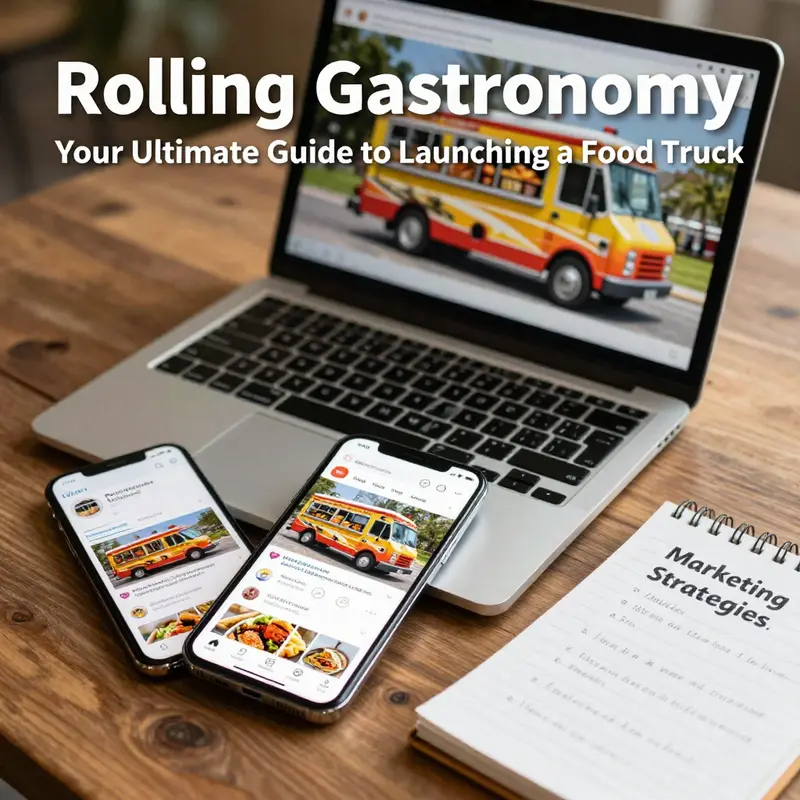
A food truck is more than a mobile kitchen. It is a moving stage where your culinary personality meets the public sphere. In a crowded street, your bellies-first promise must travel as far as your aromas, and that journey depends as much on social strategy as on the sizzling of your grill. Marketing is not an afterthought or a storefront overlay; it is woven into the concept, the menu, and the manners with which you show up in the world. To make a truck that thrives, you must treat branding and digital storytelling as core components of your opening act, not as separate marketing chores once the wheels are on the road. The road itself becomes a channel, and your audience grows as you invite them into the process of creation, not merely the tasting of finished plates. In this sense, the process of building your truck and the process of building your audience are parallel tracks that converge at the moment you pull up to a curb and press go on your first service window.
Brand identity starts long before the first service. It begins with a clear concept—what your truck stands for, who it serves, and what story you want to tell. A strong brand draws people in with a consistent visual language: a memorable name, a color palette that reads from a distance, and a logo that translates onto a truck wrap, a storefront sign, and the smallest menu card. The package you design—takeout cups, napkins, utensils, and packaging—extends that brand. When customers hold your bag or see your sticker, they should sense the same mood and promise they felt when they first heard your concept described in a post or a short video. That coherence, repeated across real-world encounters and online touchpoints, reduces hesitation and builds trust the moment someone encounters you, whether they are deciding where to eat after work or browsing a festival map.
With branding established, the digital plan follows. Social media is less a billboard and more a conversation starter, a living portfolio of your day-to-day realities and your evolving menu. Platforms such as Instagram, Facebook, and TikTok offer different lenses through which to present your food, your people, and your process. Instagram rewards high-impact visuals and the rhythm of posts that stitch together a cohesive narrative. Facebook serves as a hub for events, local groups, and longer captions that share your mission and updates. TikTok thrives on quick, playful, and sometimes surprising content that can reach audiences far beyond your immediate neighborhood. The best approach is not to abandon one platform for another but to tailor content to the strengths of each, while maintaining a consistent brand voice across all channels. This is how you build a loyal following even before your first service window—people who know what you stand for and are curious to taste it when you finally arrive.
The pre-launch phase is a critical window to cultivate anticipation and credibility. Before you ever flip your first burger or plate your first taco, your social channels should feel alive with your concept’s heartbeat. Post behind-the-scenes glimpses of recipe development, the sourcing of ingredients, or a rough sketch of the truck’s exterior in the shop. Share short clips of the team testing a dish, or a timelapse of the truck being wrapped with your branding. Invite followers to vote on elements of the menu, such as a choice between two signature toppings or a daily special. This kind of participatory content does more than entertain; it creates a sense of ownership and community that translates into foot traffic when you launch. As you accumulate posts, build a cadence that feels deliberate and sustainable. You might begin with three posts a week and adjust as you learn which formats perform best and which stories resonate most with your audience.
Your content should rest on a few solid pillars: the menu as a spectacle, the people behind the food, and the community around you. Visual content matters; bright, well-composed images or short, dynamic videos that showcase textures, steam, and the moment of service will attract attention more quickly than a plain photo. But even more powerful is storytelling that reveals the why behind your food. What inspired your concept? How do your ingredients travel from farm to truck? Why do you cook this way, and who benefits from your approach? Sharing these narratives fosters emotional ties that command more than fleeting curiosity. Combine this storytelling with practical value—updates about location, hours, and events—to keep your audience informed and invested.
Location updates are a practical bridge between online engagement and real-world foot traffic. People follow your current spot because they want to know when and where you will be next. Geotags, live updates, and map-based features help convert online interest into actual visits. When you post about your location, pair it with an eye-catching image of a dish that will be available that day and a brief invitation to come hungry. If you are at a festival or farmers’ market, highlight the crowd energy and the unique items you offer for that venue. The more your content communicates a sense of place, the more likely it is to prompt spontaneous decisions by nearby diners. The aim is to make your truck feel like a familiar, friendly presence in a city’s rhythm, not a sporadic pop-up that only exists in a feed.
Incorporating a touch of engagement through interactive features can amplify reach and deepen loyalty. Polls and question-and-answer sessions invite followers to participate in decisions about your menu, your hours, or even your branding arc. Live streams from the truck during service offer a window into the craft and pace of a busy kitchen, while also neutralizing the distance between chef and customer. You can invite viewers to suggest a daily special or to vote on a new side dish. User-generated content becomes a powerful multiplier when you offer small incentives for tagged posts or shares. A simple discount for a customer who posts a photo with your location tag can turn a single meal into a social moment that travels beyond your own channels. The more you encourage your audience to participate, the more your brand feels alive, as if a community is growing around your food rather than around a marketing plan.
A small but smart investment in advertising can accelerate growth and help you reach the right audiences at the right times. Targeted ads on social media can promote seasonal menus, special events, or limited-time offers to people who live or work near your current or anticipated locations. The beauty of digital advertising for a mobile business lies in its flexibility: you can adjust budgets, locations, and messages quickly in response to events, weather, or traffic patterns. Pair ads with organic content to create a coherent experience that feels authentic rather than pushy. The objective isn’t to shout louder than everyone else but to invite people into your world with clear value and a sense of personality. In practice, that means testing different creative angles—close-ups of sizzling ingredients, candid team moments, or a bold color treatment for a menu board—and tracking how each variant performs. Analytics become your compass: you run experiments, read the data, and refine your approach so that your posts, stories, and ads increasingly align with what your audience wants to see.
Consistency is the quiet engine of digital success. When your brand visuals are steady—your color tones, typography, and food photography style—followers recognize your posts in a crowded feed. Invest in quality but stay true to your identity; you don’t need every post to be a masterpiece, but every post should reflect who you are and why someone would want to join your table. This means thoughtful planning: a content calendar that maps out when to reveal the next menu item, when to showcase sourcing, when to share a crew moment, and when to announce a new location or event. A calm, predictable rhythm often wins over an erratic burst of activity. It reassures potential customers that you are reliable, which matters as much as creativity in the eyes of hungry walkers-by who might turn into long-time fans.
Engagement is not merely about broadcasting. It is about listening. Reply promptly to comments and questions, and handle any missteps with grace. A quick, friendly reply builds trust, while a curious or defensive tone can erode goodwill in seconds. When complaints arrive, address them publicly with a concise, respectful response and offer to fix the situation privately. People watch how you respond as closely as they watch what you cook. This practice reinforces your brand’s commitment to the community and helps you convert a potentially negative encounter into a story of accountability and care. And as you respond, you naturally gather feedback that informs menu tweaks, service hours, and location choices. Insights gathered from conversations are often more actionable than analytics alone.
The internal network you build with your branding extends beyond customers. Consider linking your online presence with practical resources that support your business’s growth and learning. For instance, a careful study of how hardware and layout choices interact with branding can be valuable. If you are exploring truck models and configurations, you may find useful comparative ideas at best-food-truck-models-for-lakewood-startups. This kind of reference can help you align your physical setup with your narrative, reinforcing a cohesive experience from the moment a customer sees your truck in person to the moment they share a photo of their meal online.
As you build toward your first day on the road, remember that marketing is a continuous, evolving discipline. The moment you start, you begin collecting data—about which dishes draw the most attention, which formats yield the highest engagement, and which locations drive the strongest footfall. Your analytics should not be a distant, abstract metric; they should inform decisions as concrete as where to park, when to post, and how to present your most beloved plates. A data-informed approach invites experimentation with bold ideas while maintaining the trust that your audience has placed in your brand. The result is a feedback loop that strengthens both your kitchen and your community, turning a mobile eatery into a recognizable, profitable destination.
External reading can broaden your perspective and provide practical tactics that complement your in-house learnings. For a structured view on social media marketing and its impact on a food truck business, you may consult industry-focused analyses such as the Forbes article on strategic social storytelling and growth, which offers frameworks you can adapt to your own context. https://www.forbes.com/sites/forbestechcouncil/2023/12/18/how-to-use-social-media-marketing-to-grow-your-food-truck-business/
Safety, Permits, and Compliance for Your Food Truck: A Practical Path to Launch
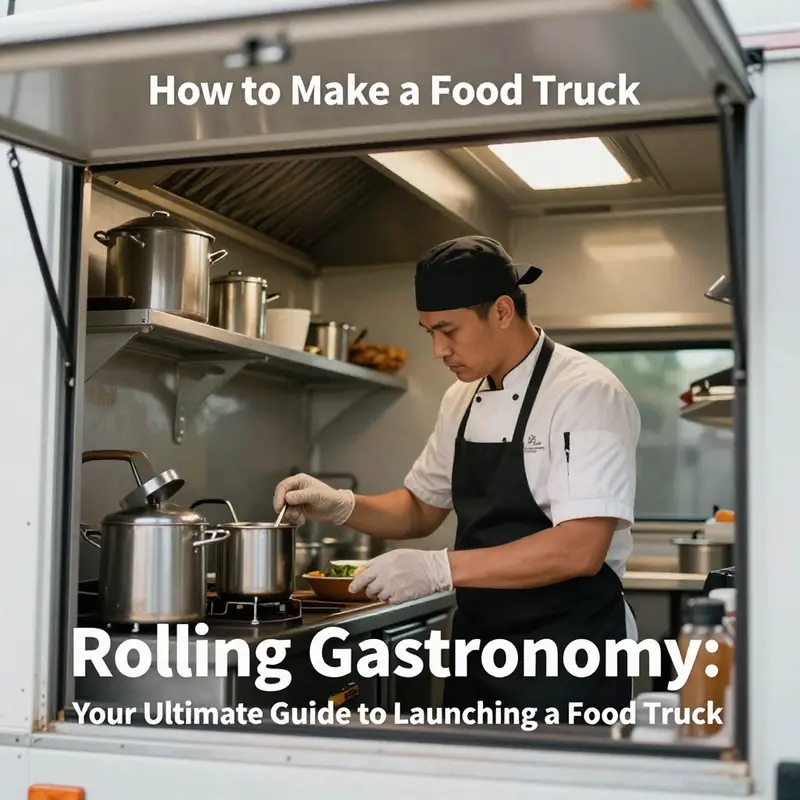
Every successful food truck starts with safety and compliance. The goal is to serve great food from a mobile kitchen while meeting local rules and standards. When you plan around permits, ventilation, fire safety, and ongoing compliance, you protect crew, customers, and your bottom line. A clear regulatory map helps you move from concept to operation with fewer surprises.
Licensing and permits form the first hurdle. The landscape varies by city and state; often you will need a vendor license, a health permit, and a mobile food service permit. Each serves a different purpose: vendor licenses authorize sales in a jurisdiction, health permits cover sanitation, and mobile permits authorize operation in designated zones. Beyond these, there can be zoning rules, distance requirements from sensitive sites, and parking rules. The best approach is to identify all requirements early, consult your local chamber of commerce, and look for pilot programs that may apply. The aim is to align your concept with rules so inspections and renewals become routine rather than alarming events.
Ventilation and hood safety are central to day-to-day safety. A commercial kitchen hood removes heat, smoke, and grease from the cooking area and must be properly sized and maintained. Good ventilation supports fire suppression and smoke-free air for staff, which also helps with compliance. Electrical safety runs alongside: many trucks rely on generators and battery systems, with inverters to power appliances. Plan headroom for loads, protect circuits with correct breakers, and ensure proper grounding. Clear labels and redundant protections reduce the chance of outages during service and support inspections.
Training and hygiene matter as much as equipment. A culture of safety includes safe food handling, personal protective equipment, and routine cleaning and sanitizing. Simple routines such as color-coded cutting boards, defined cleaning schedules, and a daily pre-shift check help prevent incidents and simplify audits. Keeping records of training and maintenance demonstrates a proactive safety program and builds trust with customers and inspectors.
Insurance complements safety governance. General liability and property coverage protect against common risks, while riders for equipment upgrades or a future brick-and-mortar site align with growth plans. When presenting your risk management story to lenders or agents, describe installed safety features, training programs, and maintenance plans. A strong narrative can improve terms and confidence in your operation.
Finally, design your truck as a learning system. Plan layouts that support logical workflow, separate raw and cooked areas, and easy cleaning. Ensure utilities provide adequate power, clean water, and proper waste management. As you test routes and sites, update your regulatory files and training to reflect real-world experiences. The result is a mobile kitchen that is safe, compliant, and scalable, capable of delivering great food while minimizing regulatory friction.
For further guidance, you can consult reputable sources such as the U.S. Small Business Administration’s food truck guide and your local regulatory agencies. Building relationships with regulators and industry associations can provide practical, up-to-date insights tailored to your location.
Final thoughts
Starting a food truck in Lakewood can be an incredible journey filled with delicious food and vibrant community connections. By developing a thorough business plan, securing the necessary permits, selecting ideal locations, crafting a memorable brand, utilizing social media to engage your audience, and adhering to safety standards, you are well on your way to culinary success. Dive into this exciting venture, and who knows? Your food truck could be the next big hit in town!