
Introduction
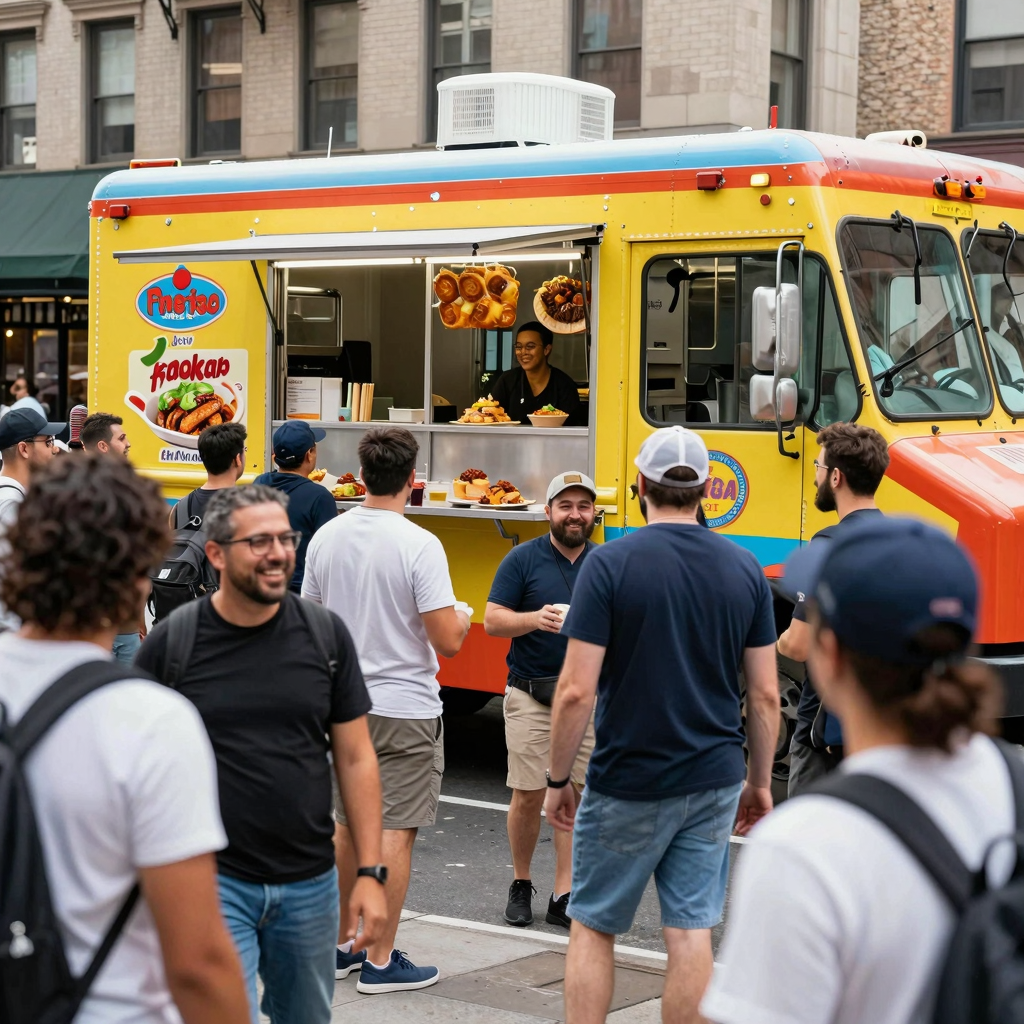
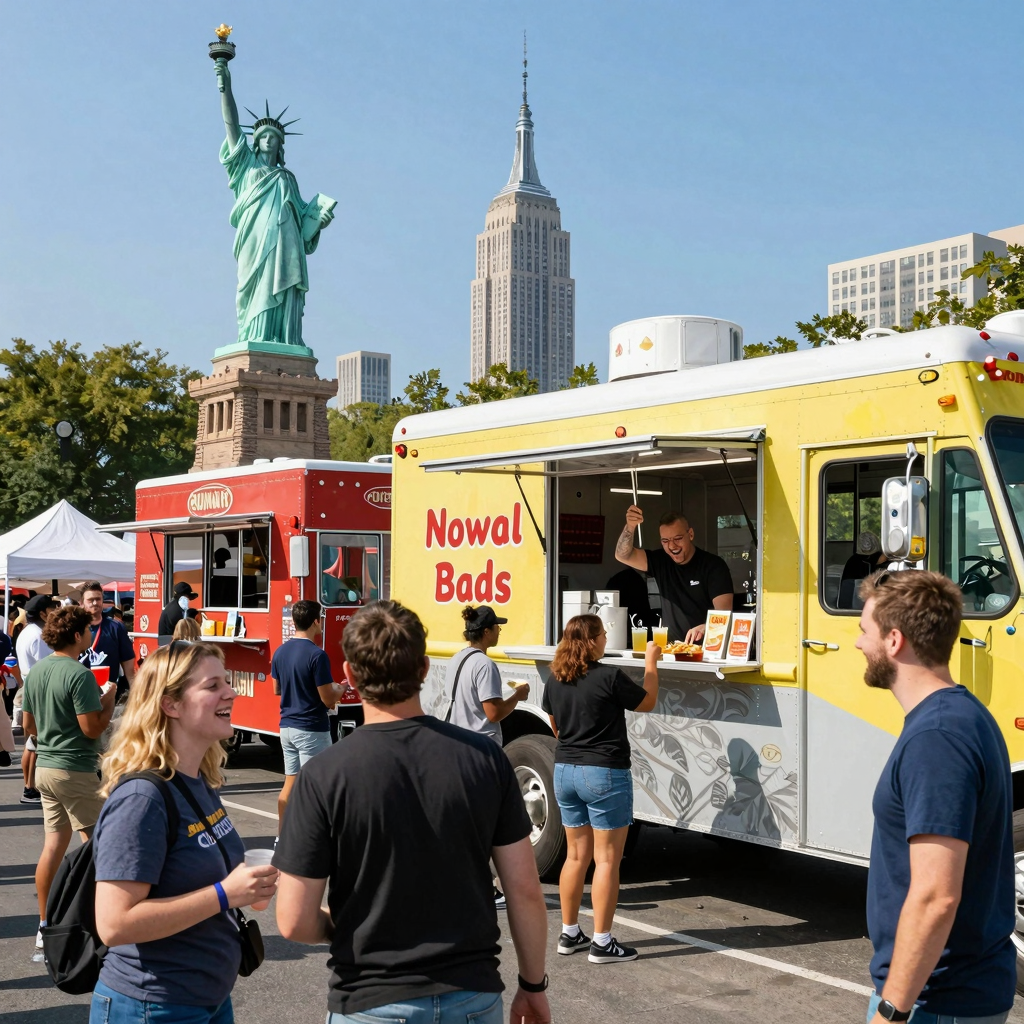
Are you ready to roll into the bustling streets of New York and embark on an exciting culinary adventure? Starting your own mobile food truck in NY is not just about serving tasty bites; it’s about joining a vibrant community of food lovers and fellow entrepreneurs. As the city that never sleeps buzzes with life, your food truck can become a beloved staple, delighting hungry pedestrians and foodies alike with every gourmet dish you serve. Picture it: the aroma of freshly prepared tacos wafts through the air, while laughter and chatter fill the sidewalk as friends gather around your truck, ready to share a meal.
But how do you get started? From brainstorming your menu to understanding the nitty-gritty of permits, opening a mobile food truck involves several exciting steps. Lucky for you, we’re here to guide you through the process with flavorful tips and insights. Let’s dive into the world where your culinary skills meet the vibrant streets of New York. Whether you’re an aspiring food truck operator or a tourist curious about the scene, you’re in the right place to discover how to open a mobile food truck in NY and make your mark in this dynamic food landscape. Learn more about food truck gatherings and get inspired!
Essential Steps to Open a Mobile Food Truck in New York
Starting a mobile food truck in New York can be a fun and profitable endeavor! Here are some essential steps to guide you along the way:
- Conduct Market Research: Understand your target audience and competition in Lakewood. Research what local food trucks offer and find a niche that sets you apart.
- Develop a Business Plan: Outline your business model, including startup costs, menu items, target customers, and marketing strategies. A solid plan will help you stay on track and secure funding if needed.
- Navigate Licensing Requirements: Apply for necessary permits, including a Mobile Food Vending License, food handler’s permit, and health department certification. Ensure you stay compliant with local regulations.
- Create Your Menu: Design a menu that reflects your culinary style and appeals to food enthusiasts in Lakewood. Test recipes and consider seasonal ingredients to keep your offerings fresh.
- Invest in Your Food Truck: Purchase or lease a food truck that meets both personal and legal requirements. Ensure it is equipped with necessary appliances and meets health codes.
Following these steps will put you on the right path to running a successful mobile food truck business! For more tips on starting your food truck journey, check out this detailed guide.
Market research is a crucial step for aspiring food truck operators, especially in vibrant culinary communities like Lakewood. Understanding the local food scene is vital because it informs operators about current trends, customer preferences, and dietary habits. For instance, consumers in Lakewood may show a growing interest in farm-to-table offerings or international cuisines, reflecting the area’s diverse population. By identifying these trends, operators can craft a menu that resonates with the local palate, ensuring that they meet customer expectations and differentiate themselves from the competition.
Moreover, analyzing the competition is an essential part of this research process. Lakewood hosts a variety of food trucks, each bringing unique flavors and concepts to the table. By evaluating their offerings-whether it’s gourmet tacos, vegan bites, or artisanal desserts-new operators can discover gaps in the market that they could fill with their unique twist or specialty dish. Understanding who the competitors are, what they serve, and how they attract customers can provide insights into how to position their food truck effectively.
Additionally, engaging with the community can be beneficial. Local events and food truck rallies, such as Lakewood’s food truck gatherings, offer aspiring operators a chance to not only showcase their offerings but also gather firsthand feedback from potential customers. This direct interaction can help refine their menu and marketing strategies, aligning more closely with local tastes. Overall, comprehensive market research is not just about gathering data; it’s about creating a culinary experience tailored to the community’s preferences that can significantly enhance the chances of success in the competitive food truck landscape.
Starting a food truck in New York can feel like an exhilarating dream intertwined with many challenges. Current food truck operators reveal a tapestry of experiences that illustrate both the hurdles and the victories encountered in the bustling streets of NYC. Let’s explore these stories that echo the aspirations of aspiring food truck entrepreneurs.
Challenges Faced by Operators
One significant challenge that frequently arises is navigating permits and regulations. According to a Spectrum News article, food truck operators in New York City struggle with the complexity of obtaining necessary permits. With only about 5,100 mobile food vending permits available, competition is fierce, as highlighted in the article from The Science Survey. This scarcity creates daunting barriers to entry, forcing many hopeful entrepreneurs to reconsider their paths.
Moreover, compliance with local laws is a constant battle. Operators often face increased enforcement actions, as discussed in a report from The New York Times. For many, this deterioration in operating conditions leads to mounting frustrations and, ultimately, a declining vendor population. Even legislative reforms meant to aid food trucks sometimes exacerbate the situation, creating unforeseen obstacles, particularly for vendors from marginalized backgrounds, as shared in a post on social media.
Triumphs Amidst Challenges
Despite these challenges, many food truck operators find joy and triumph in their journeys. The freedom of mobility, the joy of serving delicious food, and the thrill of connecting with diverse customers can be powerful motivators. Operators often speak of the sense of community they build among their clients and fellow vendors.
One operator shared, “Seeing a familiar face in line makes my day. It’s more than just food; it’s about bringing joy to people.” Many food truck owners make it a point to engage with their customers, creating a brand that feels personal and inviting. This emotional connection not only fosters loyalty but can also lead to word-of-mouth publicity, which is invaluable in a crowded marketplace.
Conclusion
In summation, aspiring food truck operators must prepare for a landscape filled with tough hurdles-regulatory challenges, fierce competition, and community engagement complexities. However, tales from current operators resonate with optimism and passion. With dedication and understanding of the industry, the dream of running a successful food truck can transform from a vision into reality. Whether you’re looking to serve tacos at a busy intersection or organic juices at a park, the journey may be challenging, but the rewards can be immensely fulfilling.
For further insights into how the food truck scene is thriving in Lakewood, check out the best food truck models for Lakewood startups and become part of this vibrant community that brings flavors to life.
Local Permits and Licenses Required to Operate a Food Truck in New York
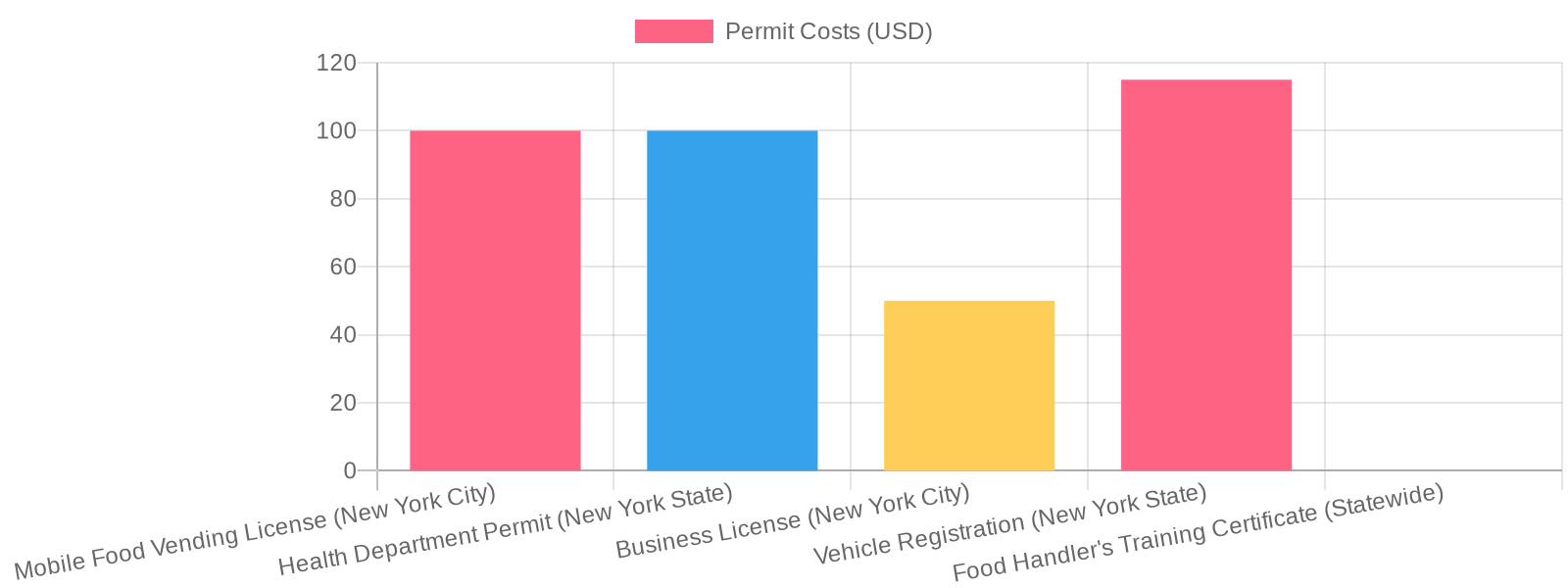
When setting up your food truck in New York, it’s essential to have the right permits and licenses in place. Below is a table outlining some of the key permits, including descriptions of their costs and durations:
| Permit Name | Cost (USD) | Duration | Source |
|---|---|---|---|
| Mobile Food Vending License (New York City) | $100 (initial), $50 renewal annually | 1 year | NYC Department of Finance – Mobile Food Vending |
| Health Department Permit (New York State) | $100 (initial), $50 renewal annually | 1 year | New York State Department of Agriculture and Markets – Food Processing License |
| Business License (New York City) | $50 (initial), $50 renewal annually | 1 year | NYC Business Express – Business License |
| Vehicle Registration (New York State) | $30-$200 (varies by vehicle type) | 1 year | New York State DMV – Vehicle Registration |
| Food Handler’s Training Certificate (Statewide) | Free (from approved providers) | Indefinite | NYC Health – Food Handler Training |
Note: Costs and durations may vary slightly based on location within New York State (e.g., NYC vs. upstate counties). Always confirm with local authorities before operating.
In addition to the above licenses, it’s essential to be aware of any specific regulations that may apply in various neighborhoods or at local events, especially as you consider participating in activities such as Lakewood’s food truck gatherings.
For further insights into the food truck scene, you may also want to check out the best food truck rallies in Lakewood.
Budget Breakdown for Starting a Food Truck
Starting a food truck can be an exciting venture filled with delicious possibilities! However, understanding the financial landscape before hitting the road is crucial. Below is a detailed budget breakdown to help you navigate the costs associated with launching your own food truck in Lakewood.
Initial Setup Costs
- Food Truck Purchase:
Expect to invest between $30,000 and $150,000 for a good-quality food truck. Custom builds can exceed $200,000. Buying a used truck can be a more budget-friendly option. - Permits and Licenses:
Costs vary based on local regulations, ranging from $1,500 to $28,276. Make sure to check Lakewood’s specific requirements here. - Equipment:
Kitchen equipment such as grills, fryers, and refrigerators can cost anywhere from $10,000 to $50,000 depending on your menu and setup. - Initial Inventory:
You should budget around $2,000 to $3,000 for initial food and beverage stock. - Insurance:
Insurance fees typically range from $2,000 to $5,000 per year.
Ongoing Costs
- Maintenance and Repairs:
Allocate approximately $500 to $1,000 per month for routine maintenance and emergency repairs. - Fuel and Supplies:
Monthly fuel costs could range from $200 to $400, depending on your operations and routes. Don’t forget about daily supplies like food and utensils. - Staffing Costs:
If you plan to hire employees, consider payroll costs along with your insurance and worker’s compensation. - Marketing and Promotions:
A budget of $200 to $500 per month can help you establish a strong social media presence and attract customers.
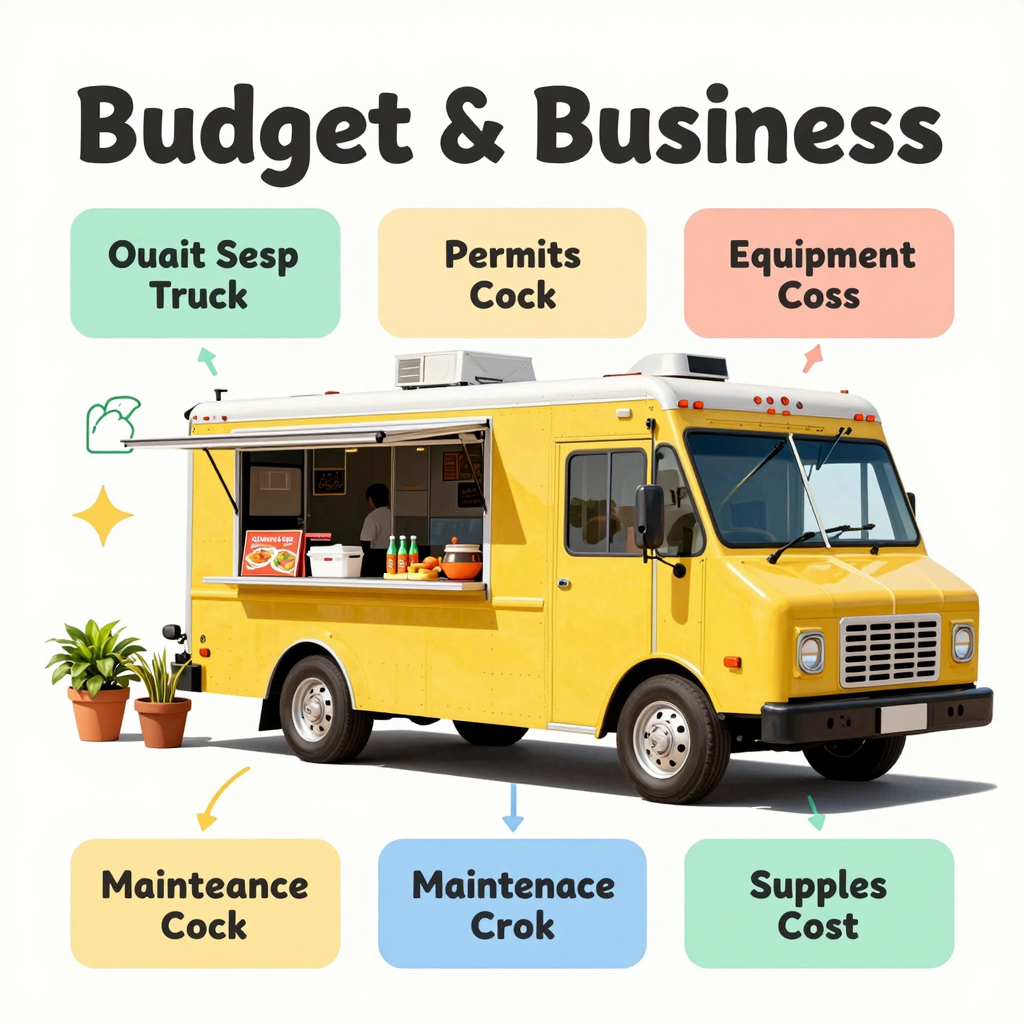
Remember, while the initial costs can be significant, proper budgeting will set you up for long-term success. Stick to your budget, monitor your expenses, and watch your food truck dreams roll into reality!
“If you can’t fly, then run, if you can’t run, then walk, if you can’t walk, then crawl, but whatever you do, you have to keep moving forward.”
- Unknown, as quoted in Prestige Food Trucks
Conclusion and Call to Action
Starting a food truck in New York City is not just a business venture; it’s an exciting journey filled with community engagement, culinary exploration, and entrepreneurial potential. The food truck industry has become an integral part of the NYC landscape, reflecting the city’s diversity and creativity. With a projected market growth estimated to reach $7 billion by 2032, now is the perfect time to join this booming sector and share your unique flavors with hungry New Yorkers and tourists alike.
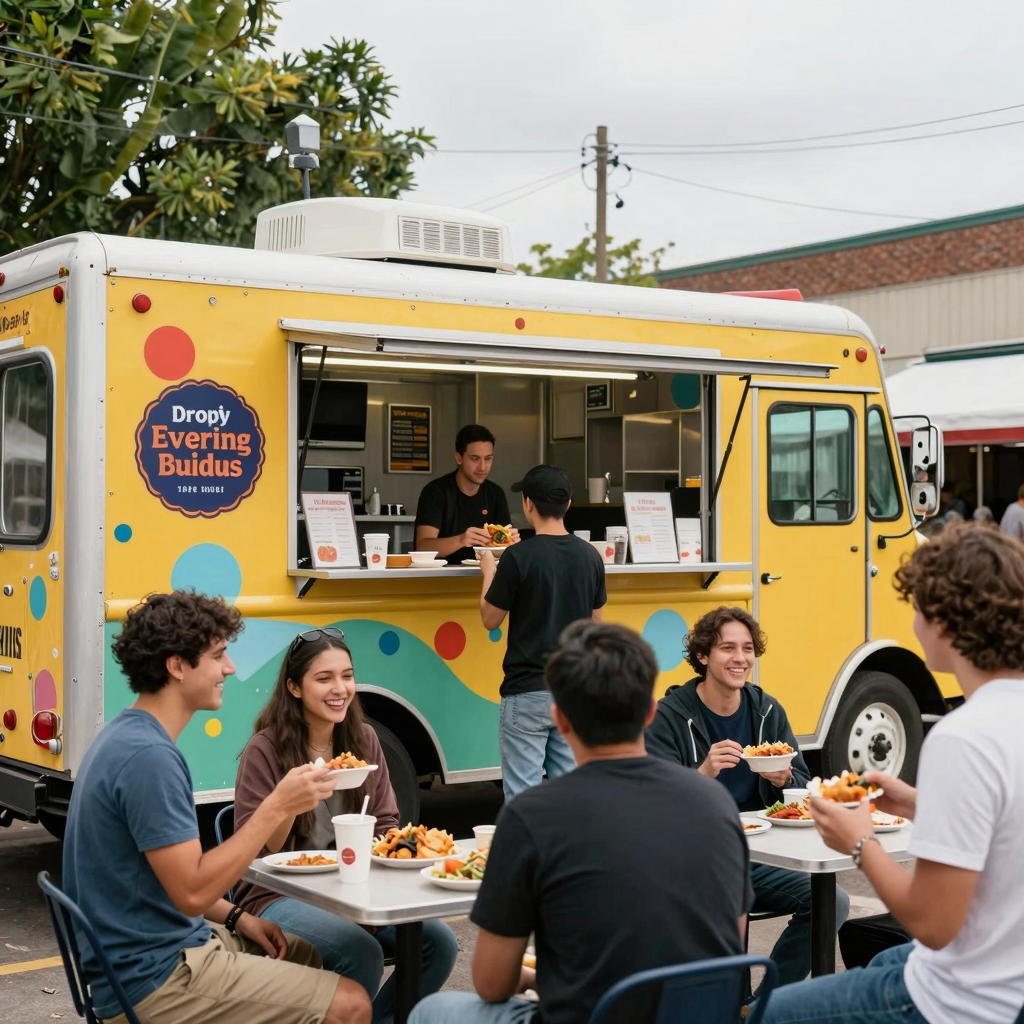
As you embark on your food truck adventure, remember that community is at the heart of this industry. Food trucks provide more than just meals; they offer a chance to mingle, celebrate cultures, and create lasting memories alongside fellow food lovers. From street fairs to local gatherings, your food truck can become a cherished part of NYC’s vibrant tapestry.
We at Lakewood Food Trucks are here to support you every step of the way. Whether you’re looking for guidance in selecting the right food truck model or insights on how to build customer loyalty, our resources are designed with your success in mind. Discover the best food truck models for Lakewood startups.
Your culinary dreams are within reach! Take the leap today and unleash your culinary creativity on wheels. Let’s bring your delicious food to the streets of New York!
Effective Marketing Strategies for Aspiring Food Truck Operators
Starting a food truck can be an exciting venture, but attracting customers requires smart marketing strategies. Here are some effective ideas to get your food truck buzzing with activity:
Harness the Power of Social Media
Social media platforms are great for food trucks to showcase their unique offerings. Here’s how to make the most of it:
- Engaging Content: Share high-quality photos and videos of your food, along with behind-the-scenes looks at your food truck experience. This not only attracts foodies but also builds a personal connection with your audience.
- Use Local Hashtags: Make sure to include hashtags that relate to Lakewood and nearby events to reach potential customers looking for local eats.
- Interactive Posts: Run polls about new menu items or create contests where customers can win free meals. Interaction is key to building loyalty.
Get Involved with Local Events
Participating in community events is a fantastic way to gain exposure. Consider:
- Food Festivals: Set up your truck at local food festivals, fairs, or farmers’ markets where you can reach large crowds.
- Collaboration with Local Events: Consider partnering with local businesses or events. For example, join forces with Lakewood’s local festivals to create a memorable food truck experience. You can learn more about upcoming food truck rallies that may align with your business goals.
Build Partnerships with Local Businesses
Establish relationships with local businesses to widen your reach:
- Cross-Promotions: Collaborate with nearby stores or event venues for cross-promotional opportunities. This can help tap into their customer bases as well. You could station your truck outside a popular venue or offer themed food for specific events to attract customers.
- Corporate Events: Offer catering for local businesses or events. This not only promotes your food but can also boost sales significantly.
By using these strategies, aspiring food truck operators can create a buzz around their brand, attract a loyal customer base, and ultimately serve up success!