
Introduction
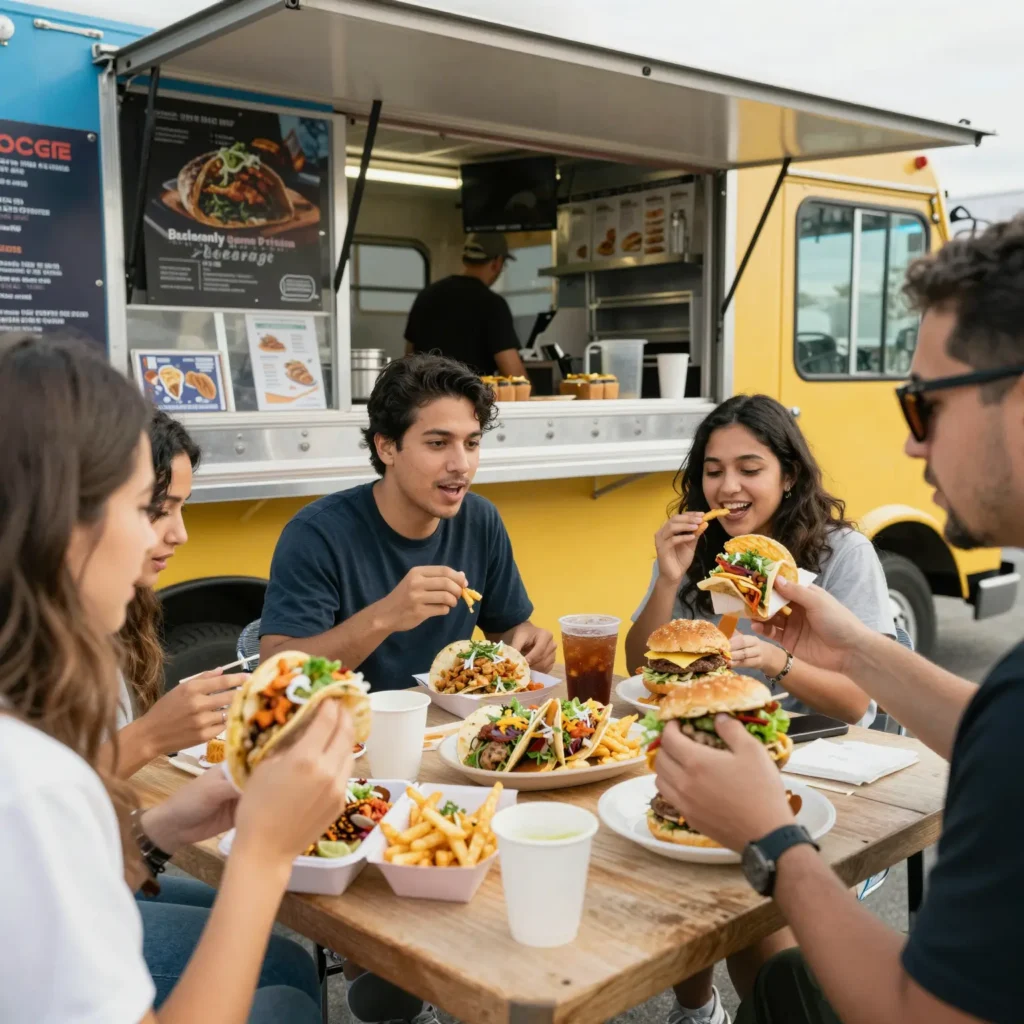
Owning a food truck in California is more than just a business; it’s an exhilarating adventure into the heart of vibrant culinary creativity! California, with its melting pot of flavors and cultures, offers a unique platform for aspiring chefs and entrepreneurs eager to showcase their culinary talents. In Lakewood, specifically, the food scene pulses with excitement and community spirit. Imagine the aroma of tantalizing tacos wafting through the air at local events, the joy of serving happy customers, and the satisfaction of building a loyal following. The charm of Lakewood lies not only in its delicious food options but also in the community connections fostered at food truck rallies and gatherings. Whether you’re dreaming of gourmet burgers or a fresh twist on traditional cuisines, owning a food truck allows you to bring your passion for food directly to the people. Join the ranks of successful food truck owners who enrich our community with innovative dishes and heartfelt service; the journey of how to own a food truck in California begins here!
Check out Lakewood’s best food truck rallies to see the excitement in action!
Moreover, if you’re considering which food truck models suit you best, you can find valuable insights by exploring this guide on choosing food truck models for Lakewood.
Licenses and Permits for Operating a Food Truck in California
Starting your food truck journey in California can be exciting, but navigating through the legal requirements is crucial. Here’s a comprehensive list of licenses and permits needed for food trucks, focusing on local Lakewood regulations as well as state requirements:
Required Licenses and Permits:
- Mobile Food Facility Permit (MFEP): Required for all food trucks operating in California. This permit must be obtained from the local county health department and ensures compliance with health standards.
- Business License: Essential for operating any business in Lakewood. This must be applied for at the City of Lakewood’s business licensing office.
- Seller’s Permit: Issued by the California Department of Tax and Fee Administration (CDTFA), this permit is mandatory to collect sales tax on sold items.
- Health Department Permit: Food truck operators must pass a health safety inspection by the Los Angeles County Department of Public Health before receiving their Mobile Food Facility Permit.
- Liability Insurance: Proof of insurance is typically required to protect against potential claims.
- Parking and Zoning Permits: Depending on where you plan to operate, you may need additional permits specific to parking locations and events.
For further detailed guidance on this topic, you can learn more here or explore Lakewood’s business licensing requirements.
Selecting the Right Food Truck
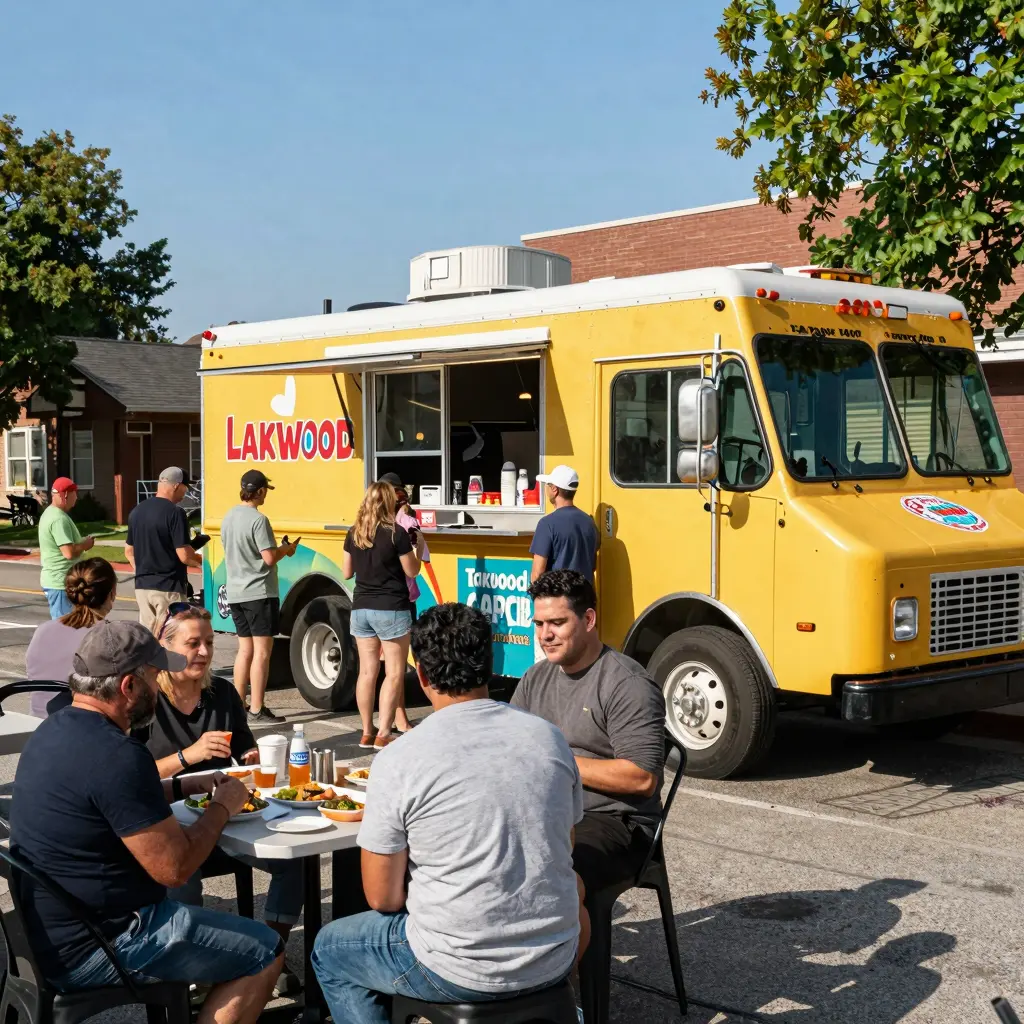
Choosing the right food truck is a crucial step for anyone looking to own a food truck in California. The perfect truck will align with your culinary passions, business model, and budget. Here’s how to navigate the selection process:
Cuisine Considerations
Your choice of cuisine will greatly influence the type of truck you need. Different foods require specific setups and equipment:
- Grill and Fryer: Essential for BBQ and fried foods like tacos and doughnuts.
- Oven: Necessary for baking dishes like pizzas or pastries.
- Preparation Space: Make sure the layout allows for efficient workflow.
Size Matters
The size of your food truck should correlate with your menu and service area. Typical lengths range from 12 to 24 feet:
- Small Trucks (<14 ft): Ideal for simple menus and lower traffic locations.
- Medium Trucks (15-20 ft): A versatile option for small to medium services.
- Large Trucks (21-24 ft): Suitable for elaborate menus where more cooking space is crucial.
See the cost comparison below for insight into different sizes:
| Category | Subcategory | Buying (New) | Buying (Used) | Leasing |
|---|---|---|---|---|
| Food Truck Size | Small Trucks (<14 ft) | $50,000 – $75,000 | $30,000 – $50,000 | $600 – $1,200 per month |
| Medium Trucks (15-20 ft) | $75,000 – $120,000 | $50,000 – $80,000 | $1,200 – $2,000 per month | |
| Large Trucks (21-24 ft) | $120,000 – $200,000+ | $80,000 – $120,000 | $2,000 – $3,500 per month |
Budget Wisely
Understanding your budget is vital. New trucks might start around $50,000, while used ones can range from $30,000 to $80,000. Leasing may also be an option for those with tighter budgets, available from approximately $600 to $3,500 monthly depending on the size.
Where to Buy or Lease
You can purchase or lease food trucks through specialized dealerships or online marketplaces. Ensure to check for customization options that suit your brand’s needs.
Customization is not just about aesthetics but also about ensuring the equipment aligns with your operational requirements.
By taking the time to consider these factors, you can confidently choose the right food truck to succeed in the vibrant food scene of California!
Check out more about best food truck models for Lakewood startups for specific recommendations!
Comparison of Popular Food Truck Locations in Lakewood
When it comes to choosing the best location for your food truck, it’s essential to consider foot traffic, accessibility, and local events that can boost your business. Below is a comparison of some well-known food truck locations in Lakewood that are popular among locals and visitors alike.
| Location | Foot Traffic | Accessibility | Local Events |
|---|---|---|---|
| Pancho’s Birrias Y Mas | High | Very Accessible | Participates in community events |
| Muy Loco Tacos | High | Accessible | Participates in ‘Food Truck Fridays’ |
| True Love Tacos | Medium | Accessible | Participates in local music festivals |
| Jose’s Street Tacos | Medium | Accessible | Participates in city celebrations |
Insights
- Pancho’s Birrias Y Mas and Muy Loco Tacos lead in foot traffic, making them excellent choices for hitting high customer volumes.
- All locations mentioned have good accessibility, which is crucial for drawing in more customers.
- Participating in local events significantly enhances visibility and can provide steady customer flow, particularly during weekends.
This comparison can guide aspiring food truck operators on selecting ideal locations in Lakewood. For more detailed insights on events that can boost foot traffic, check out Lakewood’s Food Truck Gatherings.

Sourcing Ingredients and Suppliers for Your Food Truck
Sourcing local ingredients and establishing strong relationships with suppliers are pivotal strategies for running a successful food truck in California. By prioritizing local produce, you not only enhance the quality and freshness of your menu but also play a vital role in your community.
Benefits of Using Local Produce
Choosing local ingredients offers numerous advantages:
- Freshness and Flavor: Local ingredients are often harvested at their peak, resulting in superior taste and quality. When you partner with nearby farms, you have access to fresher vegetables, meats, and dairy products, which can significantly boost customer satisfaction.
- Environmental Impact: Sourcing locally reduces transportation emissions, supporting sustainability. Fewer long-distance shipments mean less carbon footprint and less packaging waste, aligning with eco-friendly practices that consumers increasingly value.
- Community Support: Utilizing local products helps to fortify the local economy by supporting farmers and food artisans. This community-oriented business model creates a loyal customer base, as patrons appreciate knowing their food dollars are circulating within their own neighborhoods (learn more about food truck gatherings).
Building Relationships with Suppliers
To effectively source local ingredients, consider the following strategies for building strong relationships with food truck suppliers:
- Clear Communication: Establish transparent communication from the start, discussing your needs and expectations openly. This builds trust and ensures that both parties can work towards common goals.
- Long-Term Partnerships: Invest in your suppliers’ capabilities and foster mutual growth. Providing consistent orders can encourage suppliers to prioritize your needs, enhancing reliability. Consider co-developing seasonal menus together, which can create excitement among your customers and showcase the best of local produce (discover food truck models for startups).
- Performance Metrics: Regularly assess and share feedback on the relationship. Use performance metrics to ensure quality and improve collaboration over time.
By embracing these strategies, you’ll not only improve your food truck’s offerings but also create and strengthen community ties that can lead to long-term success.
Inspiration from Food Truck Owners
Reflecting on the challenges and rewards of owning a food truck, Maria Lopez, owner of ‘Taco Loco’ in San Diego, said:
“The biggest challenge? It’s the constant battle with permits and regulations. Every city has its own rules, and the cost of licenses can eat up 20% of your monthly revenue. But the reward? Seeing customers line up for your food, hearing their genuine appreciation – that’s priceless. You build real community connections, and when you’re successful, it feels like you’ve truly earned it.”
For more insights on thriving in the food truck business, check out our article on Lakewood’s food truck gatherings and how to choose the right food truck model!
Creative Marketing Strategies for Your Food Truck in California
Owning a food truck in California is an exciting venture, but with such vibrant competition, how can you make your food truck stand out? Here are some effective marketing strategies that can spark your creativity and connect with customers.
Embrace Social Media
Social media is your best friend! Utilize platforms like Instagram and Facebook to share mouth-watering photos of your dishes. Post real-time updates about your location, specials, and events. Engaging content like behind-the-scenes videos or customer testimonials can help create a community around your brand. Don’t forget to use location-based hashtags and geotags to attract nearby customers! According to Hootsuite Blog, many food truck operators see increased foot traffic through consistent and creative social media engagement.
Engage with Your Community
Building a local presence is vital. Participate in community events, sponsor local sports teams, or host pop-up shops in parks. These activities foster goodwill and create meaningful connections with your audience. Consider hosting collaborative events with local businesses, such as a brewery or coffee shop. These partnerships can create cross-promotional opportunities that introduce your food truck to new customer bases. This approach is highlighted in an article from Inc. Magazine.
Collaborate with Local Businesses
Partnering with local businesses can significantly boost your visibility. Think outside the box: collaborate on events, share customer databases for promotions, or even create combo deals that encourage customers to sample offerings from both businesses. These partnerships not only enhance your brand but also build community ties that keep customers returning.
Create Unique Experiences
Consider turning your food truck into a destination rather than just a service. Host themed nights, music events, or pop-up culinary experiences that can attract various demographics and appeal to their desire for shared experiences. Innovative approaches can transform the traditional food truck offer into something more memorable and shareable on social media.
In summary, think creatively about your marketing strategies. Engage on social media, connect with your local community, and explore partnerships to enhance your presence. By utilizing these strategies, you’ll be well on your way to making your mark on the bustling California food truck scene!
FAQ: Owning a Food Truck in California
1. What are the typical startup costs for a food truck?
- Costs can range between:
- $70,000 to $150,000 for a new truck or customization
- Equipment costs for kitchen items like grills, refrigerators, etc. can be about $15,000 to $30,000
- Permits and licenses typically cost around $1,500 to $5,000
- Tip: Make sure to budget for insurance and initial inventory as well. Learn more about startup costs
2. What challenges do food truck owners face?
- Obtaining permits: This includes the Mobile Food Facility Permit and varying local health licenses
- Competition: The market in California can be harsh, with numerous food trucks vying for the same crowd
- Weather fluctuations: These can affect foot traffic significantly
- Tip: Build a solid online presence with social media to connect with your customers. Find tips for success
3. How many hours should I operate?
- Standard hours: Many food trucks operate 4 to 12 hours a day, depending on location and events
- Peak times: Consider being available during lunch hours and local events to maximize your customer base
- Flexibility: Adjust hours based on demand and special events nearby
4. What are some best practices for running a food truck?
- Health and safety compliance: Keep your food safety practices strict to avoid fines
- Record-keeping: Maintain detailed records of food temperatures and preparation times
- Menu selection: Offer unique and locally inspired dishes to stand out. It’s bound to attract food enthusiasts!
5. Where should I park my food truck?
- Popular locations: Consider places like office parks, festivals, and busy shopping areas
- Parking permits: Always ensure you have the necessary permissions for your chosen locations to avoid fines
Owning a food truck not only provides a chance to share your culinary creations but also to connect with your community. For more insights into the food truck scene in Lakewood, explore local food truck gatherings.
Conclusion and Call to Action
Owning a food truck in California is an exhilarating experience, offering flexibility, mobility, and a vibrant community to connect with. As we discussed, starting out requires a solid understanding of the necessary permits and regulations, choosing the right truck model to match your culinary vision, and implementing effective branding and marketing strategies to stand out. The ability to customize your food truck not only enhances your operational efficiency but also allows you to express your unique brand identity, which is essential in a thriving food scene like California’s.
If you’re ready to take the plunge into food truck ownership, consider partnering with Summit Fairings for your customization needs. Their commitment to quality ensures your mobile kitchen meets all safety standards while reflecting your personal touch. With a range of designs, features, and customization options, they’ll help you create a truck that’s not only functional but also visually appealing.
Start your culinary adventure today and make your food truck dreams a reality with the right tools and partnerships! Let’s create delicious memories on wheels!