
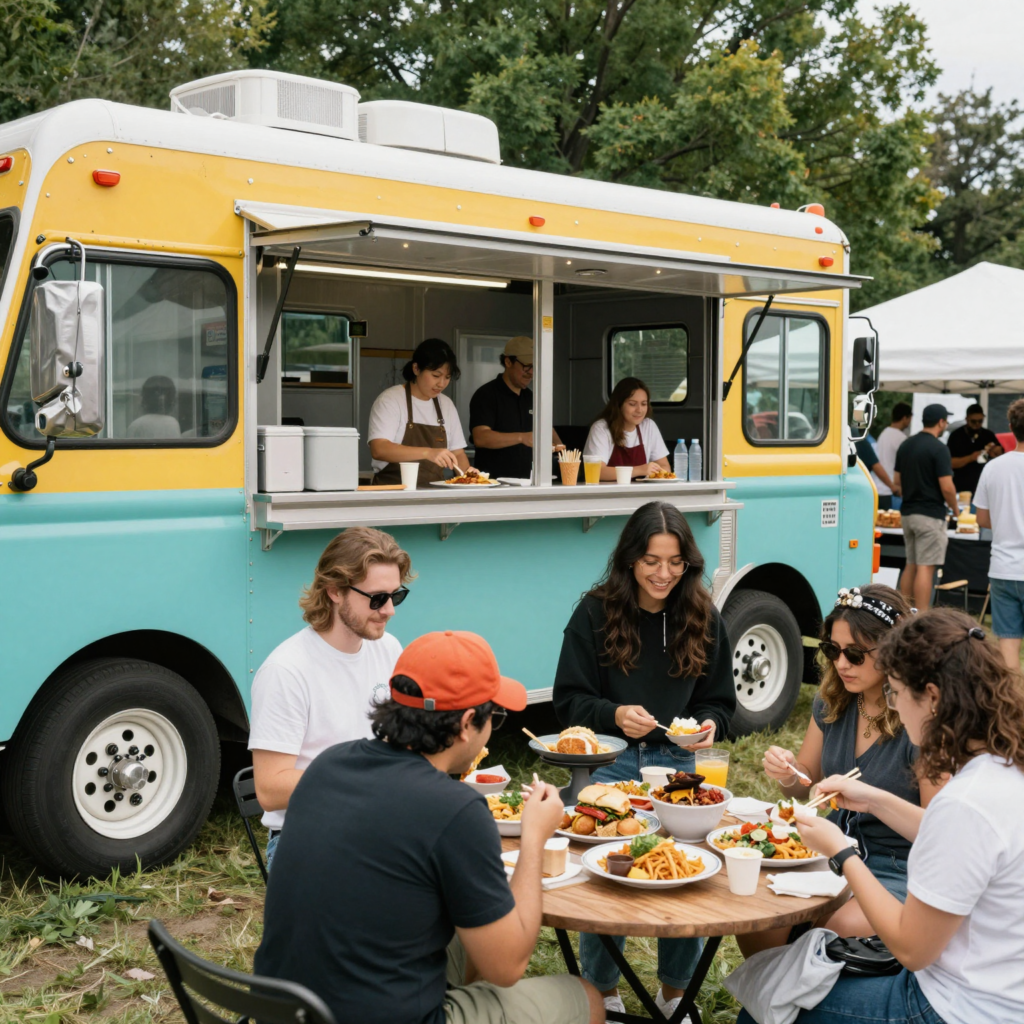
Welcome to the Food Truck Life in Missouri!
Have you ever dreamed of serving delicious food from a vibrant, mobile kitchen? Starting a food truck in Missouri might just be your ticket to both culinary creativity and community connection! Picture this: you’re parked in Lakewood, a hub buzzing with locals and tourists alike, eager to explore tasty offerings from innovative food trucks. The excitement is palpable as you prepare to share your unique flavors with a diverse crowd-from families enjoying a weekend outing to adventurous foodies passing through town.
In Lakewood, food trucks are not just about the fantastic meals; they’re about creating a sense of community. With regular food truck rallies and events, you’ll find a dedicated audience ready to cheer on your culinary skills. This is a place where sharing a meal can connect neighbors, spark conversations, and even forge friendships. Whether you’re serving savory BBQ or delicious vegan options, you’ll notice that every dish brings people together, creating a welcoming atmosphere that defines the heart of Lakewood.
So, gather your ideas and let’s dive into how you can kickstart your food truck adventure in this bustling community. Discover the food truck rallies in Lakewood and learn how to make your mark in this exciting culinary journey!
Now, let’s explore the steps you need to take to get your food truck rolling!
Legal Requirements for Starting a Food Truck in Missouri
Starting a food truck in Missouri is an exciting venture, but it comes with its fair share of legal requirements. Obtaining the necessary permits and licenses is crucial not just for compliance, but also for ensuring community health and safety. Here’s a breakdown of what you’ll need:
Required Permits and Licenses
-
Mobile Food Establishment License: This license is issued by the Missouri Department of Health and Senior Services (DHSS) and allows you to operate a food truck legally. According to the Missouri DHSS, you must submit a complete application form, pay required fees, and pass inspections to ensure that your food truck adheres to safety and sanitation standards.
-
Health Department Permit: You’ll need to communicate with your local health department to obtain a food service establishment permit. This permit is typically issued after passing a thorough inspection that assesses your food handling methods, equipment, and cleanliness.
-
Sales Tax Registration: Food trucks need to register for a sales tax permit with the Missouri Department of Revenue. This enables you to collect sales tax from customers.
-
Business License: Depending on your city or county, a general business license may be required. Check with local authorities for specifics.
-
Food Safety Certification: Missouri requires that at least one employee, often the owner or manager, complete a food safety certification course. This training ensures that food handlers understand safe food preparation and practices.
Contributing to Community Health and Safety
Adhering to these legal requirements not only keeps your business compliant but also enhances the well-being of the community. Here’s how:
- Preventing Foodborne Illness: Regular inspections by health departments ensure that food trucks maintain high standards of cleanliness, thereby reducing the risk of foodborne illnesses. A report from the Missouri Audit Office highlighted that over 90% of inspected establishments met state safety standards, contributing to a 22% decrease in reported foodborne illness outbreaks since 2020.
- Education for Food Handlers: Training in food safety equips food handlers with the knowledge to prevent contamination, which directly benefits public health. Local health departments often provide resources and workshops to educate business owners and their employees.
- Community Trust: Compliance with food safety regulations builds trust within the community. Customers are more likely to purchase from food trucks that demonstrate a commitment to health and safety, as this reflects a responsible and caring business ethos.
By staying informed and following the required protocols, aspiring food truck operators can not only start their business successfully but also play a vital role in promoting health and safety within their communities. If you’re interested in learning about food truck events in Lakewood, check out the best food truck rallies occurring this year!
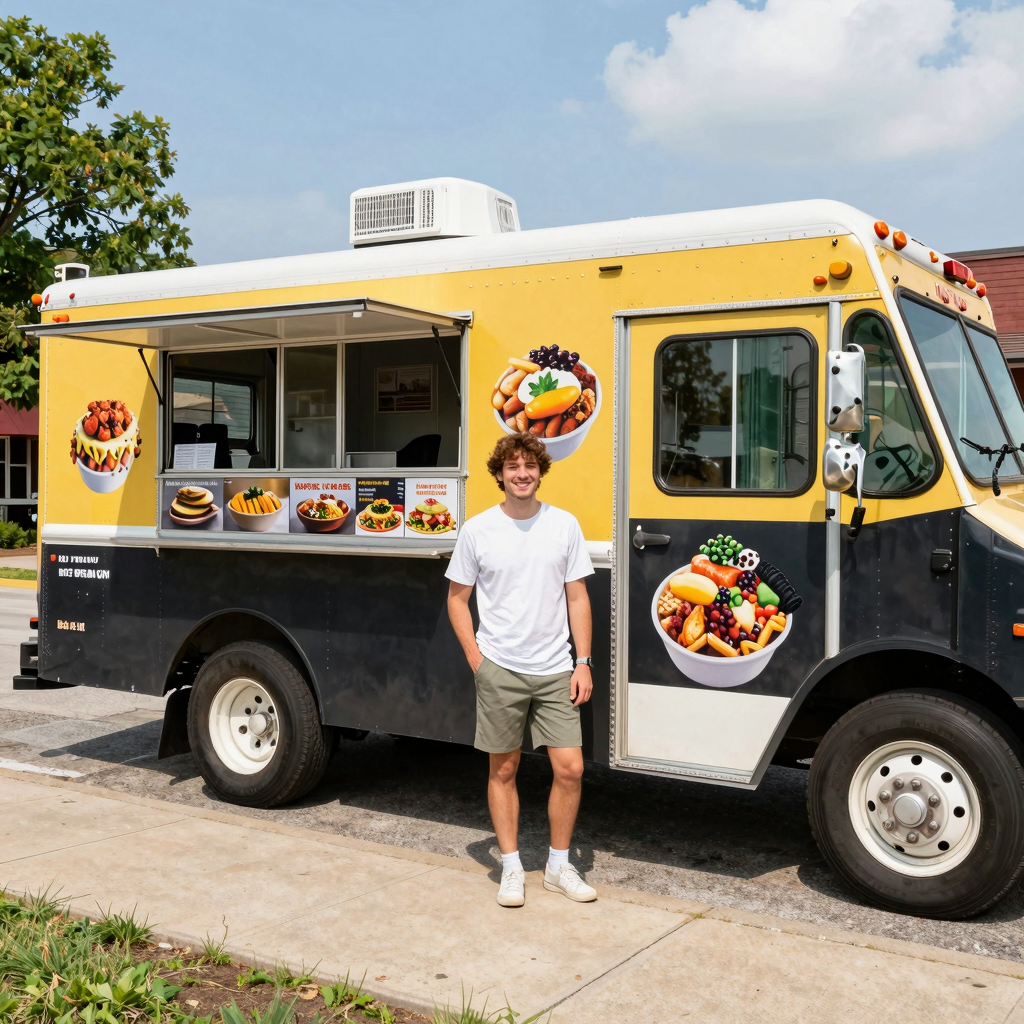

Overall, understanding and fulfilling these legal requirements can make the path to launching your food truck smoother and more successful while ensuring the health of your community.
Comparing Food Truck Regulations in Missouri Cities
Starting a food truck in Missouri requires navigating various local regulations that can differ significantly from one city to another. Below is a comparison of food truck regulations in Lakewood, St. Louis, and Kansas City.
| City | Permit Requirement | Zoning Restrictions | Health Regulations | Operating Hours |
|---|---|---|---|---|
| Lakewood | Food Truck Business Permit (renew annually) | Must be 200 feet away from existing restaurants | Must comply with health standards set by St. Louis County Health Department | No specific restrictions stated |
| St. Louis | Mobile Food Vendor Permit (proof of liability insurance required) | Minimum distance of 100 feet from schools, parks, and playgrounds | Must maintain a minimum distance from certain areas and have a handwashing station | Generally limited to 9 AM – 9 PM |
| Kansas City | Street Vendor License (includes background check, annual renewal) | No operation within 100 feet of permanent food service establishments; no-vendor zones | Must adhere to state food safety laws and regulations | Limited operating hours; specific no-vendor zones exist |
Summary of Key Regulations:
-
Lakewood: Food truck operators must secure a Food Truck Business Permit and adhere to specific zoning regulations. This includes restrictions on operating near other restaurants. They also have to follow health department standards for safe food handling and inspections. For more great events, check out Lakewood’s Food Truck Gatherings.
-
St. Louis: Vendors must apply for the Mobile Food Vendor Permit, which requires extensive documentation. Additional health and safety standards must be maintained, including distance requirements from schools and parks. For a complete guide on the health department’s regulations, visit St. Louis County Mobile Food Vendor Guidelines.
-
Kansas City: Food trucks are regulated by a Street Vendor License. This includes distance restrictions and noise ordinances. They are also required to comply with the broader food safety regulations enforced at the state level. For detailed information, refer to the Kansas City Code of Ordinances.
Understanding these regulations will help aspiring food truck operators successfully navigate their local requirements and set up their business.
Selecting the Right Location for Your Food Truck
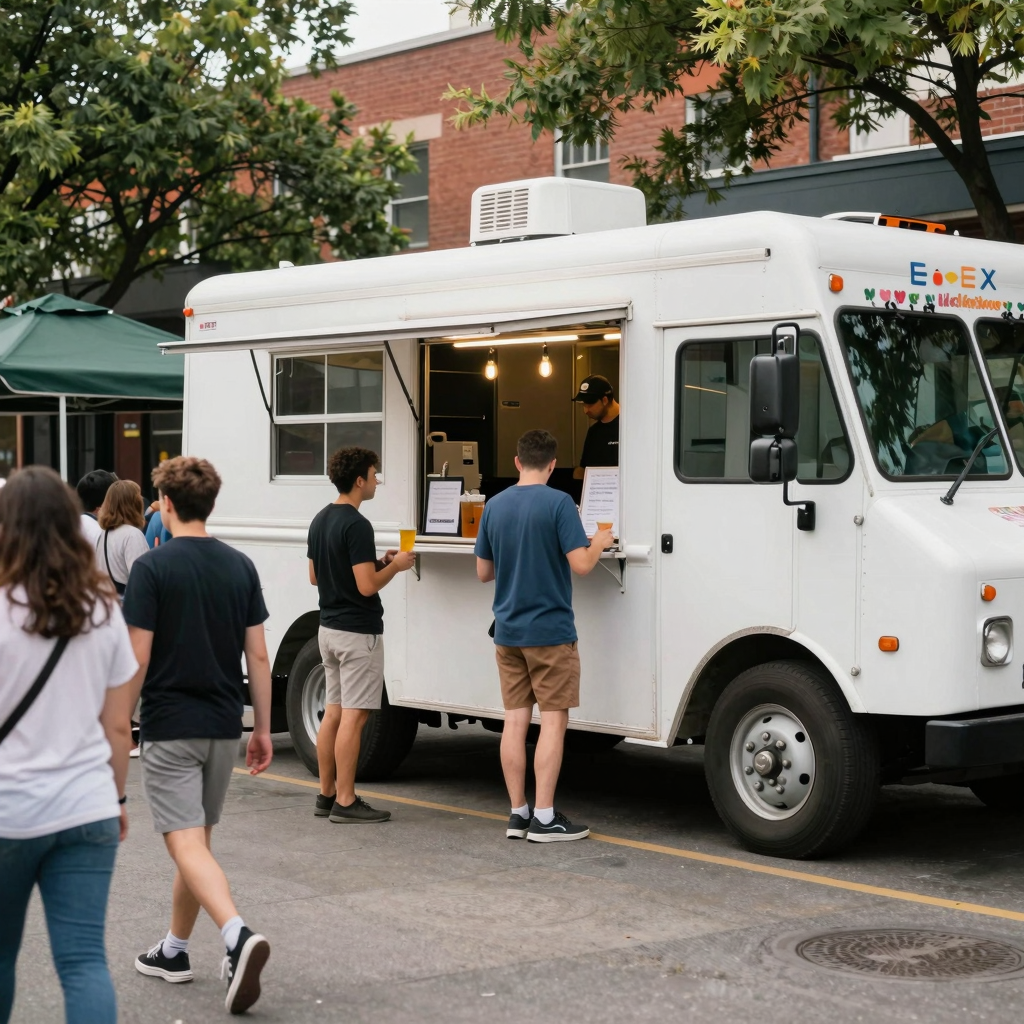
Choosing the right location for your food truck is crucial for attracting customers and ensuring success. With foot traffic being the lifeblood of food truck sales, finding a spot with high pedestrian volume should be your top priority. Areas like downtown business districts, university campuses, and popular tourist attractions are ideal because they can ensure a steady flow of potential customers.
The Importance of Foot Traffic
A location with significant foot traffic typically leads to higher sales. According to the National Restaurant Association, food trucks that strategically place themselves near events, such as music festivals and farmers’ markets, can see substantial spikes in their customer base. Event-based placements can result in temporary but impactful sales boosts.
Engaging the Community
Community engagement is equally important. Choosing locations near public parks or community centers not only helps in building a loyal customer base but also fosters relationships with the community. Research has shown that food trucks in designated pods or areas with local support see approximately 40% higher customer retention. By engaging with the community, such as sponsoring local events or partnering with businesses for cross-promotions, you can enhance your visibility and acceptance.
Tips for Assessing Locations Effectively
- Utilize Data Tools: Use tools like Google Maps Heatmaps and local analytics to analyze foot traffic patterns. Understanding peak hours helps in scheduling your operations effectively.
- Visit Potential Spots: Spend some time in your target areas. Observe customer behavior and foot traffic patterns throughout the day before committing.
- Build Relations with Local Businesses: Establishing ties with local businesses can offer mutual benefits. Collaborate for special promotions or events to draw more customers.
- Compliance with Local Laws: Always ensure that you are compliant with local zoning laws and understand the various permits required for operating in specific areas.
- Test Different Locations: Consider short-term trials at various spots to measure success before making a long-term commitment.
In conclusion, by thoughtfully assessing foot traffic and engaging with the community, your food truck can thrive in any chosen location. Remember, a successful food truck is often found in the right place at the right time. Learn more about local food truck events here for additional insights into optimizing your food truck’s presence.
Factors Influencing Location Selection
Here’s a quick overview of how different factors influence your choice of location:
| Factor | Importance Level (1-10) | Description |
|---|---|---|
| Foot Traffic | 9 | High foot traffic areas such as city centers increase visibility and sales. |
| Proximity to Events | 8 | Locations near events attract temporary but substantial crowds. |
| Community Engagement | 7 | Areas with strong local support foster loyal customer bases. |
| Competition | 6 | Too much competition can reduce profitability; strategize your placement accordingly. |
By focusing on these elements, you’ll set your food truck up for success in Missouri’s vibrant food scene!
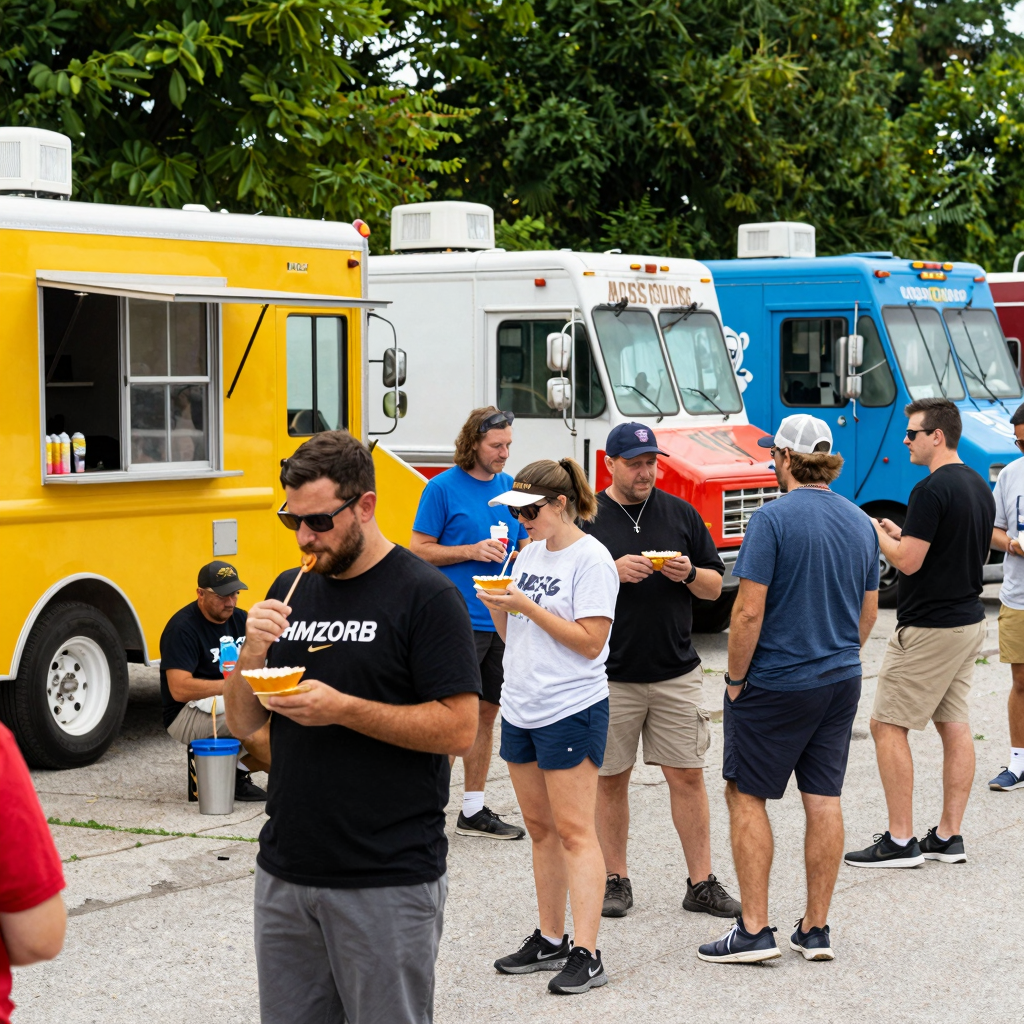
This image depicts a lively food truck gathering, capturing the warm community atmosphere and engagement of tourists. It’s an ideal representation for aspiring food truck operators looking to start their journey in Missouri.
Crafting a Unique Food Truck Menu in Missouri
Creating a compelling menu for your food truck is vital, especially in a culturally rich state like Missouri. Your menu should reflect both the flavors of the local community and appeal to tourists looking for an authentic dining experience. Here are some tips and ideas for crafting a unique menu that resonates with everyone.
Focus on Local Ingredients
Using local ingredients not only supports Missouri farmers but also enhances the freshness and flavor of your dishes. Missouri is known for its bountiful local agriculture, producing high-quality meat, dairy, grains, and seasonal produce. Here are some must-try ingredients to include:
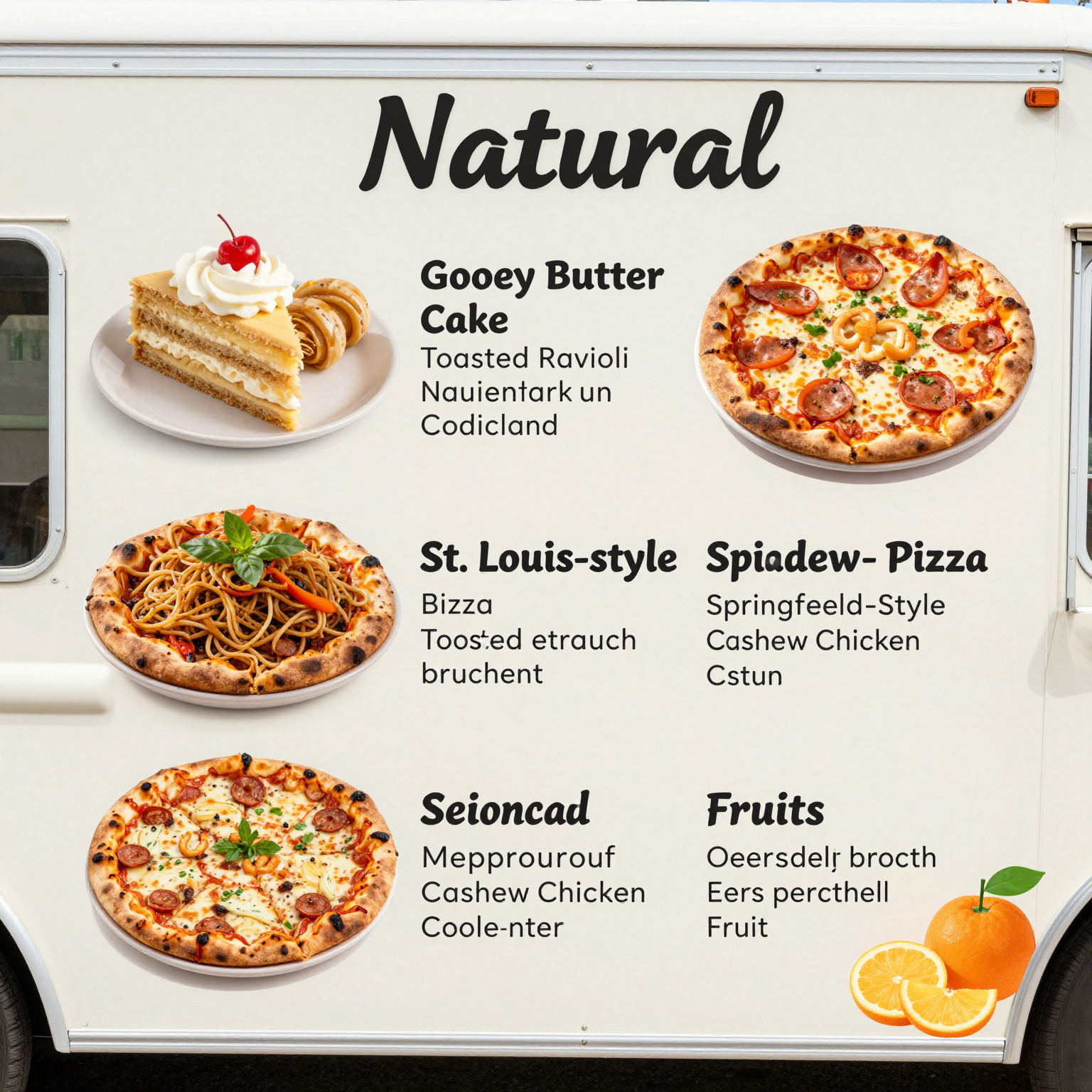
- Gooey Butter Cake: A local favorite that could be a delicious dessert option on your menu. Its rich, buttery flavor pairs perfectly with coffee or as a sweet ending to any meal.
- Toasted Ravioli: A St. Louis specialty, these breaded and fried pasta pockets filled with meat or cheese can serve as great appetizers or snacks.
- St. Louis-Style Pizza: Featuring a thin, crispy crust and a generous amount of Provel cheese, this regional classic can be an exciting addition to your offerings.
- Springfield-Style Cashew Chicken: A dish that fuses Asian and American flavors, this sweet and savory chicken can attract a diverse clientele.
- Fresh Seasonal Fruits: Incorporating local fruits like apples, grapes, and berries can add bright flavors to salads and desserts and showcase Missouri’s agricultural richness.
Highlight Local Flavors
Your menu should not just list ingredients, but tell a story of Missouri’s culinary traditions. Use descriptive language that evokes the essence of each dish, making it enticing for both locals and tourists. For example, you could describe your St. Louis-Style Pizza as “A beloved local classic with a crispy cracker-like crust topped generously with gooey Provel cheese and zesty sausage, delivering a slice of St. Louis in every bite.”
Embrace Seasonal Adaptations
Create a seasonal menu that changes throughout the year to feature the freshest produce available. This can enhance the dining experience by offering new tastes while keeping costs down. Not only will this inspire repeat visits from locals, but it will also give tourists a taste of what Missouri has to offer at various times of the year.
In summary, crafting a unique menu for your Missouri food truck is about embracing local ingredients, highlighting regional flavors, and evolving your offerings with the seasons. By doing so, you not only celebrate the heritage of Missouri but also create an unforgettable culinary experience that keeps customers coming back. For inspiration on local food truck events, check out the upcoming food truck rallies in Lakewood.
“We provide our neighbors with a space to gather, especially during large events or holidays, where our food truck becomes the center for conversation and celebration.”
- Food Truck Owner, Missouri
source
This quote from a Missouri food truck owner highlights the impact that food trucks can have on community cohesion. By serving as a gathering point, food trucks not only provide meals but also facilitate connections among local residents. This sense of community can inspire aspiring operators to engage deeply with the neighborhoods they serve and contribute positively to their local fabric.
If you’re looking to learn more about the role of food trucks in community-building, check out our post on community impact projects for food trucks here.
Conclusion
As you embark on your food truck journey in Missouri, remember the power of your role in the community. Your food truck can become more than just a business; it can be a place where your neighbors come together to celebrate, connect, and enjoy great food!
Effective Marketing Strategies for Food Trucks
Starting a food truck can be an exciting venture, especially in vibrant communities like Lakewood, Missouri. To stand out in this growing market, effective marketing strategies are essential. Here are some tailored tactics for food truck operators:
1. Harness the Power of Social Media
Social media platforms, especially Instagram and TikTok, are vital for food trucks. Here’s how to use them effectively:
- Visual Storytelling: Post high-quality images of your food, specials, and events. Use stories to showcase behind-the-scenes preparation and daily experiences to connect with your audience.
- Engagement: Regularly engage with followers by responding to comments and encouraging them to share their experiences with your food. Create polls and contests to keep things fun and interactive.
- Hashtags: Utilize trending and relevant hashtags to increase your visibility. Check out effective food truck marketing strategies for more tips.
2. Collaborate with Local Events
Participating in local events can significantly enhance your community presence. Here’s how:
- Food Truck Rallies: Take part in community food truck events or host your own! Learn about upcoming local events through the Lakewood Food Truck Rally schedule.
- Seasonal Promotions: Create seasonal menus or collaborations with local artists and vendors, which can draw in diverse crowds.
3. Partner with Local Businesses
Building partnerships with nearby businesses can further embed your food truck within the community:
- Cross-Promotion: Collaborate with local breweries or cafes to offer their customers exclusive discounts or special food pairings. In return, promote their businesses through your channels.
- Local Sourcing: Use ingredients from local suppliers and showcase this on your social media. Customers love to support businesses that contribute to the local economy.
4. Build a Loyal Customer Base
Attracting customers is just the start; keeping them loyal is key:
- Rewards Programs: Consider implementing a loyalty rewards program that encourages repeat visits.
- Feedback and Adaptation: Constantly solicit feedback from your customers and be open to making changes based on their preferences. This not only improves your offerings but also establishes a strong connection with your community.
5. Continuous Learning and Adaptation
Market trends can shift quickly. Stay ahead by:
- Following Industry Trends: Subscribe to food truck industry insights and adapt accordingly. Engaging with platforms that focus on food innovations keeps you informed and competitive, as suggested in Forbes on food truck marketing.
- Creative Content: Regularly refresh your content on social media to keep it engaging. Utilize free tools like Canva to create visually appealing graphics and promos.
Putting It All Together
Incorporating these strategies can help food truck operators thrive in Lakewood. Remember, the goal is to create a sense of community while highlighting the uniqueness of your offerings. The more engaged you are with your customers and local businesses, the more your food truck will grow in popularity!

A vibrant food truck scene attracting a diverse crowd at a local festival.
Essential Equipment for Your Food Truck
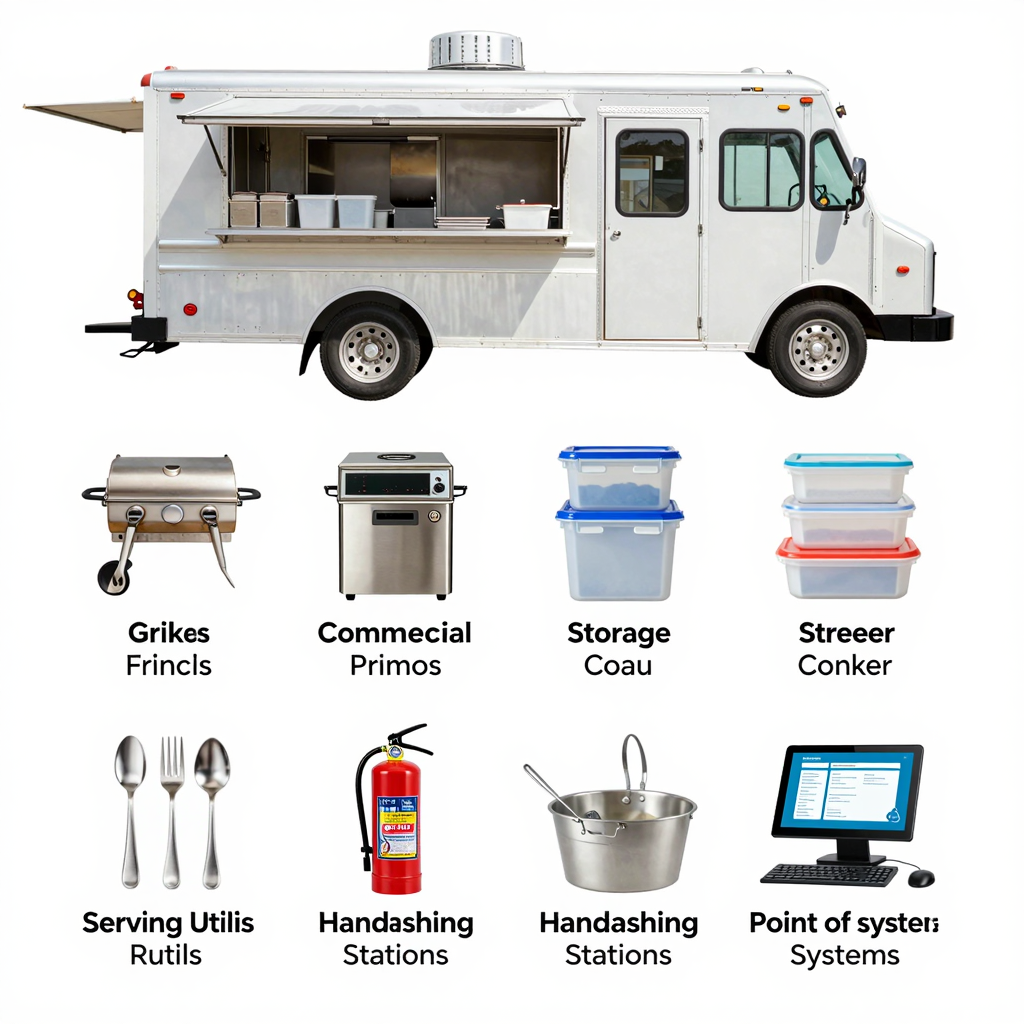
Starting your own food truck can be an exciting adventure, and having the right equipment is crucial to your success. Here’s a list of essential gear you’ll need, covering cooking, serving, and safety aspects:
Cooking Equipment
- Grill or Griddle
- Fryer
- Oven or Convection Oven
- Commercial Refrigerator
- Microwave
- Prep Tables
- Cooking Utensils (spatulas, tongs, etc.)
- Food Processors
Serving Equipment
- Serving Utensils
- Catering Pans
- Hot Holding Equipment
- Coolers
- Packaging Supplies (containers, bags, etc.)
Safety Equipment
- Fire Extinguishers
- First Aid Kits
- Handwashing Stations
- Non-slip mats
For detailed tips on starting your food truck business and to explore more community-focused resources, check out our food truck rallies and learn about popular food truck models in Lakewood!
Visual Representation
Conclusion: Start Your Food Truck Journey in Missouri!
Starting a food truck business in Missouri is an exciting opportunity that combines culinary creativity with entrepreneurial spirit. Key steps include obtaining the necessary permits, such as the Mobile Food Facility Permit, and having a solid plan in place for your food truck’s menu and branding. Don’t forget to consider local regulations, insurance needs, and the ever-important aspect of ensuring the safety and satisfaction of your customers.
Establishing your food truck not only allows you to serve delicious dishes but also helps you connect with your community. Food trucks play a crucial role in boosting local economies and adding flavor to local events. By participating in truck rallies and collaborating with other vendors, you can create memorable experiences and attract loyal customers.
If you’re ready to take this step, we encourage you to explore the fantastic options available at Summit Fairings. They offer quality food truck solutions tailored for aspiring entrepreneurs. Whether you’re considering design details or the logistics of a food truck operation, Summit Fairings is there to support you.
Don’t let your dreams simmer on the back burner! Learn more about the best food truck models for Missouri startups or dive into the community by checking out Lakewood’s food truck gatherings to get a taste of what’s possible. Your food truck journey begins now!