
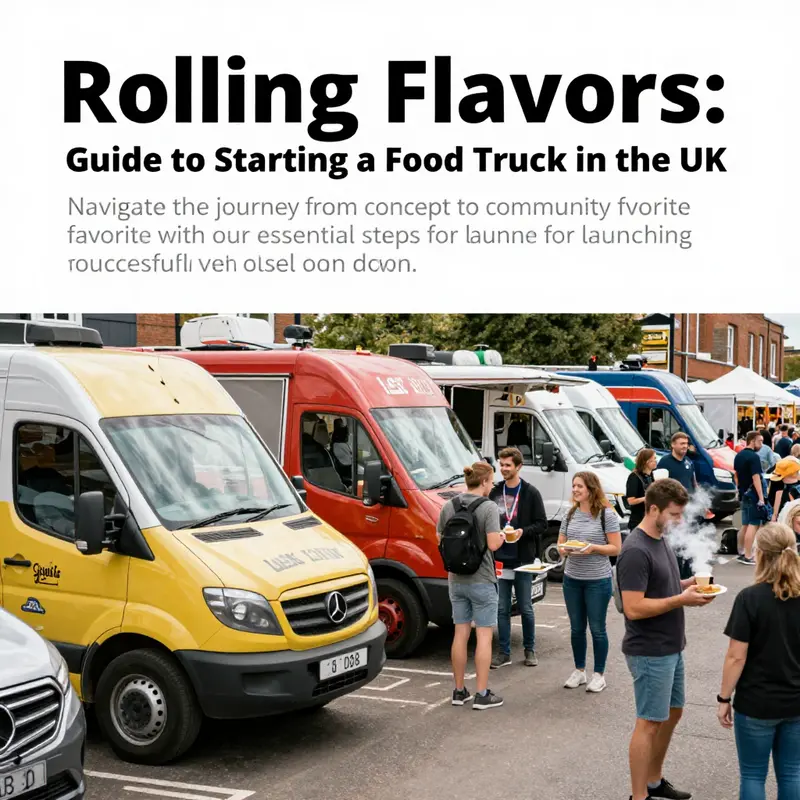
Starting a food truck is more than just cooking delicious meals on wheels—it’s about sharing your culinary passions with your community and creating unforgettable experiences. For aspiring food truck operators, especially those visiting the lovely Lakewood, understanding the ins and outs of establishing this mobile business is key. In this guide, we’ll walk you through essential steps, from registering your business to securing the necessary licenses and permits, planning your operational logistics, and finally, what you need to do to launch successfully. Each chapter will equip you with crucial information, ensuring you’re well-prepared to hit the road and serve up delectable dishes to eager customers.
Registering Right: Choosing the Legal Structure and Registering Your UK Food Truck
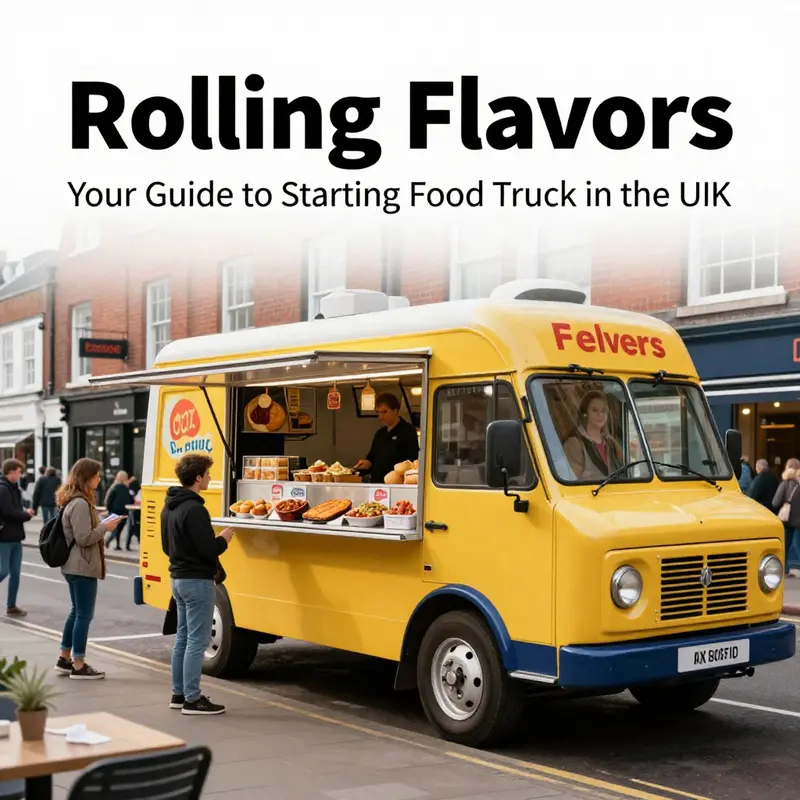
Registering your food truck and choosing the right legal structure sets the foundation for everything that follows. Your decision affects tax, liability, paperwork, hiring, borrowing and how easily you scale. Start by weighing how much personal risk you can accept, how you want profits taxed, and how much administration you want to carry. The simplest path is not always the best for long-term growth.
If you plan to run the business alone and want minimal bureaucracy, trading as a sole trader is the common starting point. It is quick to set up with HM Revenue & Customs (HMRC), and you keep all profits after tax. The trade-off is unlimited personal liability. If the truck faces big debts or a serious claim, your personal assets could be at risk. Sole traders complete a self-assessment tax return and pay Class 2 and Class 4 National Insurance. Keep clear records from day one; accurate bookkeeping makes tax returns easier and reduces stress at year end.
When two or more people start the truck together, a partnership offers a straightforward extension of the sole trader model. Partners share profits and responsibilities, and they accept shared liability for business debts. A formal partnership agreement is crucial. It clarifies who does what, how profits split, how disputes are resolved, and how someone exits the business. Without that document, personal relationships can fray under stress.
For many operators, forming a limited company is an attractive option. A limited company is a separate legal entity, which means the company itself owes debts. Directors and shareholders generally enjoy limited liability, offering strong protection for personal assets. That protection can be useful when you borrow to buy a well-equipped truck, sign rental contracts for pitches, or hire staff. Limited companies do require more accounting rigour. You must file annual accounts at Companies House, complete corporation tax returns, and keep statutory records. There are extra costs, such as accountancy fees, but the structure often makes sense once turnover reaches a certain level or when outside investment becomes likely.
A limited liability partnership (LLP) blends elements of partnerships and companies. It can suit two or more experienced operators who want partnership-style flexibility but with limited liability. LLPs still have reporting responsibilities and are registered at Companies House. Choose this structure only after careful legal and tax advice.
Once you have chosen a structure, register it correctly. Sole traders and partners need to tell HMRC that they are self-employed so HMRC can issue a Unique Taxpayer Reference (UTR) and provide self-assessment guidance. Limited companies and LLPs must register with Companies House. Online registration is fast and straightforward, but ensure your company name complies with naming rules. After incorporation, register the company for corporation tax with HMRC within three months of starting to trade.
Open a business bank account suitable for your chosen structure. Limited companies legally need a separate company account. Even sole traders benefit from separating personal and business finances. Clear separation simplifies VAT registration, payroll, and loan applications.
Tax planning matters from day one. Understand where you will sit on VAT thresholds, and whether voluntary VAT registration makes sense. If you expect turnover to exceed the VAT threshold, register at the correct time to avoid penalties. For sole traders and partnerships, familiarise yourself with allowable expenses. For limited companies, learn how directors’ salaries and dividends work together to optimise take-home pay while complying with rules.
If you intend to employ staff, register as an employer with HMRC and set up PAYE. Employers must operate PAYE in real time, make employer National Insurance contributions, and provide payslips. Employers must also meet statutory responsibilities such as workplace pensions and holiday pay. Plan staffing costs carefully. Labour is often a major outgoing for successful trucks, especially during busy events and festivals.
Business insurance is closely linked to your legal status. Public liability insurance is strongly advised for any food business operating in public spaces. If you hire staff, employers’ liability insurance is compulsory. Vehicle insurance should cover commercial use and the specific risks of cooking equipment. Limited companies may also require directors’ and officers’ liability cover. Think through scenarios such as food poisoning claims, third-party injuries, and vehicle incidents when choosing policies.
Registering with your local council is a legal step many people overlook until late. Councils issue street trading licences and food premises registrations. You must notify the council where you intend to trade, typically at least 28 days before you start operating. Local rules vary. Some councils run a permit system for specific pitches. Others restrict trading in particular areas or at certain times. Start conversations with the councils where you plan to operate as early as possible. They will advise on pitches, fees, and any local bylaws you must follow.
Food safety compliance is not optional. A food business registration must be made with your local authority at least 28 days before you open for business. One person in charge must hold an appropriate food hygiene qualification. A Level 2 Food Hygiene qualification is usually sufficient for small to medium operations. For managers or head chefs, a Level 3 qualification can be appropriate. Training builds practical knowledge about safe food handling, temperature control, cross-contamination prevention, and cleaning regimes. Local authority inspectors will assess your operation on hygiene standards. The vehicle must have suitable surfaces, handwashing facilities, and temperature-controlled storage where required. Regular cleaning schedules and documented checks defend both customers and your reputation.
Vehicle registration and roadworthiness are practical but vital. Your truck must be registered correctly as a commercial vehicle and meet vehicle tax and MOT requirements. Fit the vehicle with safe, secure ventilation if you use open flames or heavy cooking equipment. Consider the gas safety regulations and arrange regular servicing of equipment. A professionally fitted kitchen reduces the risk of accidental fires and makes any hygiene inspections smoother.
Licensing beyond basic registration can apply depending on your sales model. Street trading licences are often mandatory for selling food in public spaces. Councils charge fees and attach conditions to these licences. Failure to obtain the right permit can lead to fines or enforced shutdown. If you plan to sell alcohol, you will need a premises licence and a designated premises supervisor with the appropriate certification.
Record-keeping, from day one, reduces uncertainty. Record sales, stock movements, staff hours, supplier invoices, and maintenance invoices. This information feeds into VAT returns, payroll, profit forecasts, and annual accounts. Digitally record point-of-sale transactions where possible. Digital systems can integrate with accounting software, making HMRC filings and tax returns simpler.
A clear business plan helps you choose the right structure. The plan should set out your concept, target customers, menu benchmarks, and financial projections. Include a realistic sales curve and break-even analysis. A well-constructed plan supports loan or grant applications and helps you measure progress. When you plan for growth, consider how your chosen legal structure will handle new investment, additional vehicles, or franchising.
Think about intellectual property early. Your trading name, logo and menu brand matter. If you operate as a sole trader, consider registering trademarks or moving to a limited company later to protect brand assets. Trademarking is not mandatory, but it prevents others from using a similar name and gives you stronger legal footing if disputes arise.
Supplier contracts and terms should match your risk tolerance. Negotiate payment terms, delivery schedules, and minimum order quantities. For perishable ingredients, reliable suppliers reduce waste and maintain quality. If you operate multiple trucks later, consider bulk buying or negotiated agreements for predictable cost savings. Keep proof of delivery and invoices for tax records.
Finally, map a practical timeline for registration and checks. Register as a business or incorporate the company, open the right bank accounts, register with HMRC for tax, notify your local council about food operations, obtain street trading licences, arrange insurance, and complete food hygiene training at least a month before launch. Book your vehicle fit-out and inspections well ahead of time. Testing and a soft launch allow you to refine operations without full public pressure.
Choosing the right legal structure is a trade-off between simplicity and protection. Sole trader status suits lean starts and minimal paperwork. A limited company brings stronger liability protection and tax options. Partnerships and LLPs work where collaborative management and shared risk are acceptable. Whatever you choose, register correctly, maintain strong records, meet food safety rules, and secure the licences and insurance your truck needs. These actions reduce legal risk and create space for your culinary creativity to thrive.
For the practical truck selection and fit-out side of the journey, review options and models that suit mobile kitchens. If you want a sense of what commonly works for startups, see an overview of some well-regarded truck models that many new operators consider: best food truck models for Lakewood startups.
For definitive, up-to-date guidance on registering a food business, legal obligations and food safety responsibilities, consult the official guidance available from the government: https://www.gov.uk/start-a-food-business
Rolling Legal: Securing Licenses and Permits to Launch Your UK Food Truck
A food truck is, at its core, a portable kitchen that must meet the same standards as a fixed storefront while balancing mobility and curb appeal. In the United Kingdom, the path from idea to on-street operation requires more than a good recipe and a flashy menu. It demands permission—the right licenses, permits, and registrations that demonstrate you can feed the public safely, navigate waste and safety rules, and stay compliant with local and national regulations. This chapter threads together the key licensing ecosystems you will enter as you prepare to roll out your first service, and it keeps you mindful of the practicalities that can derail a launch if neglected. The moment you decide to trade your desk for a grill on wheels, you step into a web of responsibilities as much about safety and reliability as about flavor and speed. The licenses you obtain will shape where you park, when you operate, how you prepare and store food, and how you connect with customers in crowded markets and quiet high streets alike. It is not merely paperwork; it is the framework that ensures every successive service is consistent, responsible, and legally sound.
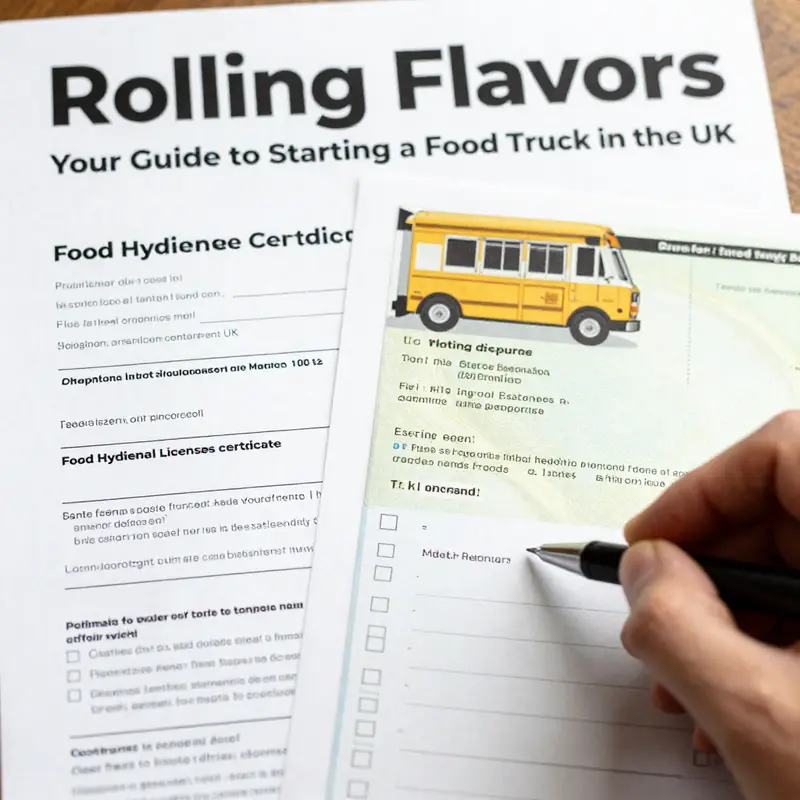
First, the cornerstone of any food business operating in public spaces is food safety oversight. The Food Hygiene Rating Scheme, or FHRS, is a certificate earned after an environmental health inspection conducted by your local council. The inspection scrutinizes food preparation areas, storage conditions, temperature control, hygiene practices, and the overall control of pests and waste. When the council completes its assessment, it assigns a rating that must be displayed so customers can gauge the level of hygiene you maintain. For a mobile operator, this rating travels with you, becoming part of your street presence as you stand beside your service window. TheFHRS is not optional; it is a statutory requirement for any business serving food to the public. As you plan your layout, think about how the truck’s kitchen flow supports hygiene—separation of raw and cooked foods, dedicated storage for perishable items, and clearly labeled, easily cleaned surfaces.
Next comes the trading license, often referred to as a business license, which your local council issues after you prove your intent and identity, describe your activities, and remit the appropriate fee. The process is straightforward, yet it is the legal passport that confirms you may operate within the specified area. The application itself is a chance to outline your concept in a concise way: your service model, your target customers, and your expected footprint in streets or markets. For those gliding through councils with modest setups, the license proves you’re committed to proper business conduct, not just a weekend detour for culinary experiments. The requirement is location-specific; some councils blend it with street trading permissions, while others keep it a distinct process. Either way, you should expect to present identity details, a description of the business activities, and payment of a fee. You may also be asked for details about your food provenance, supplier relationships, and waste disposal arrangements.
A popular but frequently overlooked permit is the Mobile Food Vendor Permit. This permit is increasingly demanded by local authorities for operations on public land or at events. It is not universal, and sometimes it is rolled into broader permits, but many organizers and councils reserve space for vendors who can demonstrate a formal permit in advance. The permit process can involve site-specific conditions: hours of operation, portable power or generator use, waste containment, and the ability to show you have reliable water and drainage arrangements. If you plan to collaborate with markets, fairs, or popular street corridors, budgeting the time and potential cost for this permit helps you avoid last-minute hurdles that can stall a weekend pop-up. Because event organizers are mindful of safety and crowd management, the permit often acts as a signal of your readiness to operate in variable conditions, not just in a kitchen’s predictable rhythm.
Vehicle regulations are fundamental because the truck is your working space and your mobile permit to operate. Your vehicle must be properly registered as a commercial vehicle with the DVLA and insured appropriately for business use. The chassis, engine, and emissions profile may come under broader environmental and road-safety considerations, depending on your locale and the specifics of your truck. The vehicle’s waste disposal systems, including how you manage grease and food scraps, should be designed to prevent leaks and contamination, with clear containment and a plan for waste removal. Neglecting vehicle compliance can nullify your other permits in one bureaucratic breath. A robust plan for vehicle maintenance, routine safety checks, and a schedule for addressing any mechanical issues ensures that the license to operate remains robust rather than aspirational. Your truck is not merely a vehicle; it is a regulated platform that must meet safety, environmental, and hygiene standards to protect both staff and customers.
Insurance is the protective layer that underpins every license and permit. Public liability insurance is essential for a business that interacts directly with customers, especially when you operate in public spaces, handle volatile hot equipment, and handle food served to the public. Vehicle insurance confirms that the truck itself, including any modifications for cooking, is covered on the road and during transit to events and markets. Depending on your business structure and staffing model, you may also consider employer’s liability insurance if you employ staff, and product liability coverage to address any claims arising from the food you serve. It is prudent to align your insurance with your risk profile: the higher your turnover, the more you will need to consider coverage breadth and limits. While insurance is not a license in itself, it is a necessary complement to the licenses you pursue. When you forecast costs, include a comprehensive line for insurance that reflects both your day-to-day operations and your longer-term expansion plans.
VAT and tax considerations hover behind the physical permits. If your turnover crosses the VAT threshold, which sits at £95,000 in the current framework, you will need to register for VAT. This is a crucial revenue obligation that affects pricing, cash flow, and supplier strategies. VAT registration is not a license in the traditional sense, but it interacts with how you price your menu and how you document your sales, particularly in markets and on-street locations where transactions are brisk and frequent. It pays to plan from launch for these tax thresholds, not as an afterthought when the first big weekend surge lands. In addition to VAT, you will need to file self-assessment if you operate as a sole trader, or set up your company for corporate tax if you structure as a limited company. In the early days, when margins may be tight and cash flow fragile, a clear understanding of your tax responsibilities helps you avoid penalties and maintain the financial discipline essential to growth.
All of these licensing steps share a common rhythm: preparation, documentation, and timely submission. One aspect that often gets overlooked is the timing of your application. Local councils typically require notification or registration well before you begin selling food on the street. In many parts of the UK, you should plan to inform your local authority at least 28 days before you intend to start trading. This window provides councils with the opportunity to review your plans, verify compliance with health and safety expectations, and coordinate any necessary inspections or site approvals. It also gives you a buffer to address any issues that arise from the inspection or from permit-specific conditions—whether that means adjusting your kitchen layout, repositioning your service window, or enhancing your waste-management plan. Being proactive about timing demonstrates reliability to both customers and authorities, and it reduces the risk of surprise delays that could derail a launch schedule.
In practice, achieving this array of licenses and permits is not simply a matter of submitting forms. It is a diagnostic exercise that compels you to design your operation with safety and accountability in mind. The FHRS inspection, for instance, often reveals practical opportunities to improve workflow—perhaps where cold storage is located, or how utensils are sanitized between tasks. The trading license process, meanwhile, invites you to articulate a predictable operational pattern and a transparent relationship with the neighborhood where you will operate. The Mobile Food Vendor Permit and vehicle regulations push you to translate your culinary concept into a physical form that can withstand the demands of a busy street or a bustling market. Insurance, VAT, and tax obligations then tie those on-street routines to the financial discipline that sustains your business through seasonal ebbs and market fluctuations. Without this ecosystem of approvals, even the most daring menu ideas remain tethered to a curbside curb—locked out of the full potential that a well-structured, compliant operation can unlock.
As you complete the licensing map, you will naturally consider equipment and layout choices that harmonize with regulatory requirements. In choosing a truck that fits your concept, you may want to explore models that balance footprint, cooking capacity, and ease of cleaning. A practical way to explore options without getting overwhelmed is to consult authoritative guidance on equipment choices and space planning. For a concise reference on current model options suitable for compact footprints and flexible street operations, you can review resources such as the guide on best-food-truck-models-for-lakewood-startups. It offers a sense of how vendors balance kitchen ergonomics with the realities of street service, including considerations such as workflow efficiency, heat management, and safety features that align with the FHRS and vehicle standards. See the guide here: best-food-truck-models-for-lakewood-startups.
Finally, remain anchored to the official, up-to-date guidance as you move through the licensing gauntlet. The government maintains a central resource that consolidates the steps you need to take to start a food truck, including licensing, safety, and compliance specifics. While your local authority will issue most of the permissions you need, the national guidance helps you understand the overarching framework and keeps you aligned with changes in regulation that may arise. For official guidance, see the government page dedicated to starting a food truck at https://www.gov.uk/start-a-food-truck. This resource is particularly valuable as you shift from planning to execution, ensuring that your operational design remains compliant across different councils and event organizers, and that you can adapt quickly if local requirements evolve.
In summary, the licenses and permits you pursue—FHRS, trading license, Mobile Food Vendor Permit where applicable, vehicle regulations, and appropriate insurance—serve as the scaffolding for your kitchen-on-wheels. They are not obstacles to be endured but structured steps that shape your operation’s efficiency, reliability, and safety. By approaching these requirements with a proactive mindset, you reduce the risk of costly delays, fines, or reputational harm that can come from non-compliance. You also lay a steady foundation for the longer arc of growth—whether you upgrade to a larger, more capable truck, expand into additional markets, or venture into multiple days of operation at busy events. Compliance, properly managed, becomes a competitive advantage because it translates into consistent service, dependable safety practices, and trust with customers who know they can count on a clean, safe, and compliant street-food experience every time they step up to your window.
Road-Worthy Plans: Crafting a Solid Blueprint Before You Roll in the UK Food Truck Scene
Every successful food truck story begins not on a bustling street corner, but in a quiet room where plans take shape. The road to a legally compliant, financially viable mobile kitchen in the UK is paved with careful preparation, deliberate decision-making, and the discipline to follow rules that protect customers and your own investment. Planning isn’t just about drawing up a nice menu or picking a flashy name; it is about turning a concept into a sustainable operation that can adapt to weather, footfall, and the shifting rhythms of city life. When you start with a well-constructed blueprint, you reduce risk, clarify costs, and create a narrative that attracts partners, lenders, and customers alike. The chapter that follows is not a checklist but a continuous process of refining your idea, securing the necessary foundations, and aligning every piece of the venture toward a single point: a truck that serves great food, operates safely, and earns its keep on UK streets.
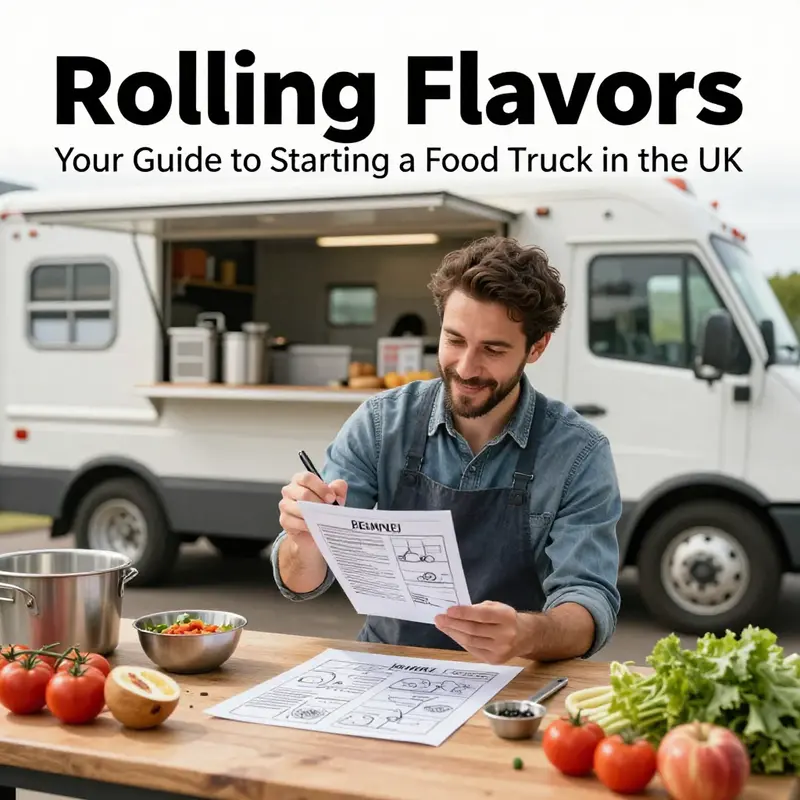
A comprehensive business plan stands at the center of this process. It is the instrument you use to articulate your concept, identify your target market, define a compelling unique selling proposition, and map the menu with pricing and portion control that makes sense in real-world kitchens. It should also include a marketing plan that describes how you will attract customers, build repeat business, and differentiate yourself from rival stalls and sit-down venues. Financial forecasting anchors the plan in reality: up-front startup costs, equipment purchases, licenses, insurance, and working capital, followed by projected revenue, gross margins, and cash flow across at least the first year. A clear forecast helps determine how quickly you need break-even, what level of daily sales is required, and where you might need to adjust your menu or scheduling to stay solvent. This is not speculative fiction; it is a map that guides every purchase and every shift on the street. For many operators, a well-constructed business plan also becomes a persuasive tool when seeking finance or supplier agreements. A detailed plan demonstrates that you understand the market, your costs, and the realities of operating a mobile kitchen.
To make the plan meaningful, it must be lived. It should be revisited monthly as you gather sales data, inventory usage, and customer feedback. The best plans are iterative: they adapt to what customers actually want, what the day-to-day realities of cooking in a compact space reveal, and how regulatory requirements evolve. In the UK context, the plan should reflect more than flavor and trend; it should reflect the practicalities of compliance, the rhythm of local events, and the relationships you will cultivate with councils and suppliers. Planning also means thinking ahead to growth. A solid plan contemplates whether you might expand to multiple trucks, whether you will hire staff, and how you will manage the transition from a sole trader into a structure that protects you and your partners. The importance of a plan is underscored by the simple truth that it helps you test ideas before you risk capital. A hypothetical menu that looks delicious on paper may crumble under the weight of real costs, so the forecast is where theory meets arithmetic—and where your business case earns or loses credibility with lenders and investors.
When designing your plan, anchor it to your brand story. What promise does your food make, and how will you deliver it consistently on every shift? In a crowded market, consistency is a currency as valuable as the ingredients you buy. This means standardizing recipes, portions, cooking times, and quality checks. Consider the back-of-house flow: where do you store ingredients, how do you stage mise en place, and what is the sequence that minimizes cross-contamination risk while keeping service fast. From the outset, your plan should address food safety, equipment layout, and staff roles with equal clarity. It is not enough to dream of a kitchen on wheels; you must design a system that travels with you—one that preserves hygiene, supports speed, and scales as you gain confidence and customers.
Part of turning planning into reality involves selecting a legal structure that matches your risk tolerance and growth ambitions. In the UK, many small operators begin as sole traders with HMRC, a route that is free and straightforward but places personal liability on you for debts. If more protection is required, forming a limited company can separate personal assets from business liabilities, though it brings more paperwork, cost, and ongoing compliance. Decisions about structure influence taxes, bookkeeping, and how you fund growth. If you expect to surpass certain revenue thresholds or to bring in partners or investors, the company route often provides a cleaner framework for ownership and accountability. Regardless of structure, you must register your business with the appropriate authorities. Companies House handles incorporation for limited companies, while HMRC handles tax registration for all business types. VAT thresholds matter too: if your annual turnover exceeds a specific limit, you’ll need to register for VAT, adding another layer to pricing and cash flow decisions.
With structure in mind, the next layer is regulatory compliance. In the UK, there are licenses and permits that must be secured before you ever turn the key on a street. The Street Trading License is a non-negotiable requirement, issued by your local council. The consequence of trading without this license is not merely fines; it is the risk of being shut down mid-service. The license process, including fees and eligibility, varies by location, so it is essential to engage early with the council where you plan to operate. A robust awareness of where you can park, the hours you can operate, and any street-specific restrictions helps you choose a route that maximizes footfall while staying within the rules. Equally critical is the Food Hygiene Permit, which ensures someone in the leadership team holds a Level 2 or Level 3 Food Hygiene Certificate. This credential signals your knowledge of safe food handling, proper cooking temperatures, cross-contamination prevention, and safe storage practices. In practical terms, it means you can train staff to follow standardized procedures and demonstrate your commitment to customer safety. Alongside hygiene, vehicle registration is essential: your truck must be registered and insured as a commercial vehicle and must meet road safety standards. The points above are not bureaucratic hurdles; they are the foundations that protect your customers and the longevity of your business.
Beyond licenses, you must consider health and safety in operation. A food truck is a compact workspace, and safe design matters as much as taste. The vehicle should be equipped with appropriate ventilation, drainage, lighting, refrigeration, and secure storage areas that prevent contamination and pest issues. Implementing a HACCP plan—Hazard Analysis and Critical Control Points—helps you identify and control hazards at every step, from receiving ingredients to cooking and serving. If your team grows to five or more employees, you will need a written health and safety policy. These measures are not optional add-ons; they are required practices that standardize how you prepare, store, and serve food on the move. They also help you train new staff quickly and consistently, which is essential when you scale operations or participate in multiple events.
Insurance is another pillar of a sound plan. Mobile catering carries unique risks, and standard insurance policies may not cover every scenario. You will want comprehensive cover that includes public liability, which protects against injuries or property damage claims; product liability, which covers foodborne illness or other food-related incidents; and vehicle insurance specifically designed for commercial mobile catering. Working with a specialist insurer who understands the nuances of a food truck operation can prevent gaps in coverage and save money in the long run by avoiding underinsurance. The aim is to have a safety net for both everyday risks and high-impact incidents, so you can recover quickly if something goes wrong and maintain trust with customers and partners.
Location strategy remains a critical element of planning. The flexibility of a food truck is offset by the need to understand where customers are likely to gather. City centers, business districts, event venues, and tourist hotspots all offer potential revenue streams, but each comes with different permissions, peak times, and competition. Your plan should identify a primary target area and a few secondary locations, while also outlining how you will monitor demand and adapt to seasonal changes. This means thinking about itineraries, scheduling, and how you will balance routine days with special events. The ability to pivot quickly—changing locations based on weather, foot traffic, or a festival calendar—can be the difference between steady earnings and a day that falls flat. Local councils often publish guidance on permitted zones and rules for street vending; your plan should reflect a thorough understanding of these constraints so you can operate smoothly without risking fines or forced closures.
Finally, equipment, suppliers, and the supply chain deserve thoughtful planning. The truck itself is the core asset, but the surrounding system—the kitchen equipment, the power source, the water system, the waste management approach, and the packaging—must be integrated into the plan. Sourcing reliable suppliers for ingredients and packaging is key to consistency and cost control. You may also explore leasing options for equipment to preserve capital in the early stages while testing menus and volumes. When it comes to equipment choice, many operators find it invaluable to study real-world examples of what works in similar markets. For instance, you can explore industry perspectives on model configurations and setups through resources like this one that highlights equipment options for early-stage ventures. A practical way to visualize your readiness is to examine equipment layouts and models that suit compact spaces while still enabling efficient workflow. To your team on the ground, this translates into clear responsibilities, from line setup to service cadence, and it translates to customers as a reliable, high-quality experience that keeps them coming back.
In this broader process, an internal reference point can help you quickly align your equipment choices with your plan. For those who want to ground their decisions in tested layouts and practical configurations, there are resources that discuss models and setups for startup operators. This can guide you toward a setup that minimizes bottlenecks while maximizing throughput on busy streets. Reflecting on this aspect, you might find value in studying how other small businesses translate a concept into a tangible, scalable street presence. As you progress, keep one more anchor in mind: the practical link between your plan and your day-to-day realities. The blueprint is your compass, but the compass must point to a truck that cooks safely, serves consistently, and thrives in the busy rhythm of UK streets.
To translate these planning principles into action, remember that the journey from concept to commerce begins well before you purchase a single pot or tote of condensate. It starts with a disciplined, honest assessment of your strengths, the market’s appetite, and the regulatory map you must navigate. It ends with a launch that feels inevitable rather than improvised. And it continues with a commitment to learning from each shift, refining your recipes and processes, and staying compliant even as you chase growth. If you’re looking for a practical lens on equipment options while you firm up your plan, you can explore a resource focused on startup-friendly models here: best food truck models for Lakewood startups. This link serves as a point of reference rather than a prescription, reminding you that the right machinery is a strategic decision that complements your brand story and your regulatory responsibilities.
As you evolve from planning to rolling, keep one guiding principle close: every choice should reduce risk, increase reliability, and reinforce your commitment to serving high-quality food with integrity. Your business plan is the spine of your operation, but the daily discipline of compliance, safety, and customer care is the muscle that makes the plan come alive on the streets. The UK’s regulatory landscape can seem intricate, but it becomes navigable when you approach it as a coherent system rather than a string of separate tasks. If you keep your goals clear, align your structure with your risk tolerance, and invest in the safety and efficiency of your kitchen on wheels, you’ll build not just a business, but a trusted local brand that customers seek out again and again. For official guidance to complement your internal planning, consult the government’s startup resources at https://www.gov.uk/start-a-business.
Final Checks Before Rolling: Mastering Permits, Prep, and Launch Readiness for a UK Food Truck
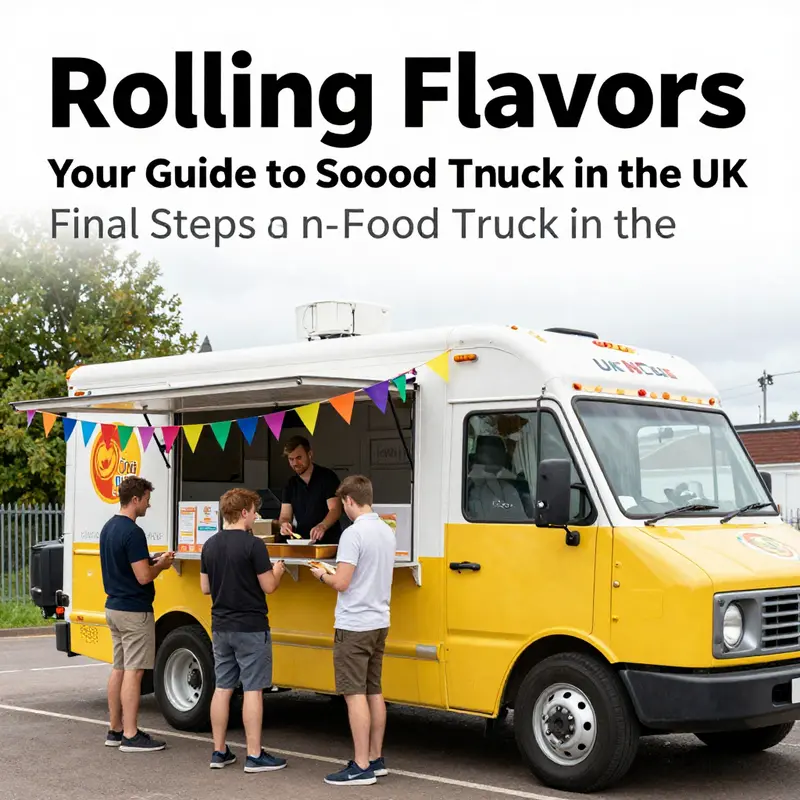
The moment you first flip the ignition on a bright morning or hear the hiss of the grill in a bustling town square, you’ll know your food truck journey is real. Yet the spark that launches a successful mobile kitchen in the UK is less about the sizzle and more about the careful, sometimes tedious, but essential final checks that sit between concept and the first customer. This chapter walks you through the culmination of weeks of planning—when permits, paperwork, and practical setup converge with a tested menu and a solid marketing plan. It’s not a finish line so much as a rigorous checkpoint sequence that ensures you can operate legally, safely, and sustainably from day one. The aim is not merely to avoid fines, though that matters; it’s to create a sturdy platform for steady growth, repeat customers, and a reputation built on reliability as much as on flavor.
First among the final steps is securing the permissions that govern where and how you sell. In the UK, a Mobile Food Vendor License from the local council serves as the cornerstone of legality. Without this license, the best menu and the most efficient truck layout are moot, because councils reserve the right to shut down street trading that lacks proper authorization. The process varies by locality in terms of application form, fee schedule, and the exact conditions that accompany your permit. It can feel bureaucratic, but treat it as a standard part of building a compliant business rather than a hurdle. A practical approach is to assemble a simple packet that includes your business registration details, a basic health and safety plan, a sketch of your operating area, and your proposed hours. When the council sees a clear plan that respects public access, food safety, and neighborly considerations, the path to approval often becomes smoother.
Alongside the license sits the critical requirement of food hygiene certification. In the UK, a Level 2 Food Hygiene Certificate is commonly the minimum you’ll need to demonstrate a solid baseline understanding of food safety and safe handling. For more complex operations, or if staff exceed a certain number, a Level 3 certificate may be prudent for a designated manager. Regardless of the exact level, ensure that anyone responsible for cooking or supervising food safety has current credentials from a reputable provider. Your training is not a box to check; it is a practical toolkit that helps you anticipate and prevent cross-contamination, temperature abuse, and allergen missteps. The certification is a signal to inspectors and customers that you take safety seriously, and in a field where margins depend on trust, that signal matters as much as the food you serve.
Your vehicle itself must be squarely in the operational remit. The vehicle registration and appropriate insurance for a commercial kitchen on wheels are non-negotiable. It should meet road safety standards and be appropriate for the intended routes and locations. The truck is not a decorative element; it is your primary workplace, logistics hub, and, quite literally, your portable storefront. Ensure you have a robust maintenance plan and a clearly defined load management system. Refrigeration must be reliable enough to keep perishables safe in transit and during service. Cooking appliances, ventilation, and storage solutions should align with health and safety guidelines so that the work environment remains safe for staff and customers alike. This is not merely compliance; it is a framework that minimizes risk and preserves food quality in the demanding mobile setting.
As you lock in licenses and registrations, you must also address the business structure that will govern your tax and responsibilities. The simplest route for many small operators is to register as a sole trader with HMRC. This option keeps things straightforward and cost-free to set up, but it does place you, personally, at risk for business debts. If you anticipate faster growth, a limited company can offer heightened liability protection and a clearer path to investors or partners. The choice influences accounting, self-assessment, and the potential implications of profits, losses, and dividends. Whichever structure you choose, set up a notification with HMRC and an accounting system that can track income, expenses, and VAT obligations if your turnover crosses thresholds. The aim here is not just to survive the first year but to build a scalable financial base that supports reinvestment in equipment, staff training, and menu refinement.
Another pillar in the final prep is a robust plan for suppliers and packaging. You need reliable sources for ingredients, disposables, and cleaning materials. Build relationships early with suppliers who can accommodate fluctuating demand, seasonal ingredients, and the possibility of last-minute menu changes. Packaging decisions are not cosmetic; they affect portion control, customer perception, and post-consumption waste. Seek packaging that maintains food integrity, minimizes spills, and aligns with sustainability goals you may have set for your business. A practical practice is to order in small trial batches to test how packaging performs during transit and at the serving window. The goal is to avoid surprises on service days—no dry runs with cold storage because a key ingredient arrived late, or a packaging solution that leaks under heat.
Before you roll the first wheels, the space planning inside your truck deserves attention. A well thought-out workflow is the backbone of consistent quality and efficient service. The layout should minimize the distance a pan, a knife, or a tray travels during a shift. It should also accommodate a single-server operation if that’s your plan, or a two-person crew with clear role delineations. Adequate cold and hot storage reduces time spent fumbling for ingredients and lowers the risk of cross-contamination. In parallel, tailor the signage and branding to the menu and the audience you intend to serve. People are drawn in by visuals and then convinced by taste; your truck’s facade can tell your story before a single dish is tasted. A coherent design—color schemes, typography, and lighting that echo the concept—supports a consistent customer experience and helps you stand out at markets and events where many mobile kitchens compete for attention.
Operational readiness also encompasses health and safety compliance beyond the kitchen. The Health and Safety Executive provides the broader framework within which you operate. Your equipment must be installed and maintained to prevent injury and to keep customers safe. Food contact surfaces must be non-porous, easily cleanable, and resistant to the temperatures and moisture typical of street food preparation. Sanitation protocols should be explicit, with documented cleaning schedules, ready access to sanitizers, and clear separation of raw and prepared foods. Materials used on the truck—flooring, walls, counters—should all be food-safe and able to withstand frequent cleaning without degrading. It’s easy to underestimate the importance of these details until a routine cleaning reveals a hidden corner where grime can hide, or a seal on a fridge begins to leak on a busy weekend.
As you finalize the physical space, you should test your menu under real-world conditions. Menu testing is not a marketing exercise alone; it is a functional check on workflow, equipment performance, and portion sizing. Conduct trial runs at events or quieter locations to gauge how your dishes hold up during transport, whether heat retention is adequate, and how long customers wait from order to plate. Use these test periods to observe queuing patterns, assess staff speed, and gather candid feedback from tasters who resemble your target audience. Small adjustments—adjusting cook times, tweaking spice levels, or rebalancing portions—can have outsized effects on customer satisfaction. This process is iterative and may require several cycles, but it returns dividends in consistency and a menu that travels well across locations and seasons.
The marketing and launch phase that follows your readiness tests is not a separate beast; it is the natural extension of your front-end planning. A well-timed marketing push that begins before your first official sale helps you land your initial events and secure regular spots. This means building a narrative around your concept—your ingredients, your culinary influences, and the experience you promise—while charting practical channels for reaching hungry people. Social media, email lists, local community networks, and partnerships with events and venues all play a part. The goal is to be recognizable and trusted before you say hello to your first customer, so that the moment you do serve, there is expectation and a sense of anticipation built around your brand. A thoughtful pre-launch phase also helps you refine operational details under the pressure of real customers, turning potential hiccups into opportunities for improvement rather than excuses.
All this planning culminates in a careful approach to risk management and insurance. Public liability insurance, while not always legally mandatory for every movement, is highly advisable. It protects you from claims relating to property damage or injuries that might occur in the course of your business. You should also evaluate vehicle insurance for your mobile unit, contents coverage for equipment, and employer’s liability if you hire staff. Insurance costs are part of the economics of your venture, but they are the cost of doing business with confidence, especially when your operation shares space with other traders, families, and pedestrians who may interact with your cart in busy public places. The financial cushion provided by appropriate coverage can save you from existential risks that could otherwise derail a startup’s early momentum.
There are practical steps you can take alongside insurance to safeguard your operation. Maintain meticulous records of all licenses, inspections, and certifications in a readily accessible binder or digital folder. Establish a routine for equipment maintenance and a service schedule for vehicles and gas lines, if applicable. Keep test equipment and spare parts on hand in a compact storefront-on-wheels that the crew can access quickly. Create a simple but robust cash handling process, including a float, a sequential receipt system, and a method to reconcile daily takings. These measures reduce friction with customers and regulators and help you identify bottlenecks before they become service failures.
In the midst of all these steps, you will likely encounter a moment of reflection about your identity as a street food operator in the UK. The final steps are as much about shaping a reliable and memorable customer experience as they are about ticking regulatory boxes. Your preparedness is the foundation for trust, and trust travels with you to every location you serve. The best operators view every sale as a chance to prove that they are consistent, clean, friendly, and capable of adapting to new locations and new constraints. They see the truck not as a temporary pop-up but as a mobile business that can endure through seasons, weather fluctuations, and a changing event calendar. The finishing touches—your menu’s final adjustments, the polish of your service counter, the clarity of your signage, and the warmth of the welcome you extend to every guest—become part of a composite that customers come back to time and again.
To weave these elements together, you’ll often find that the most meaningful guidance comes from both formal resources and lived experience. Practical insights about permits, health standards, and vehicle compliance can be found in official guidance and local authority pages, which provide a detailed map of what you must do to stay compliant. At the same time, conversations with experienced operators can illuminate how to balance preparation with flexibility. In this sense, your journey toward launch resembles a craft—one that demands discipline and creativity in equal measure. A well-tuned truck is a vehicle for flavor, community, and personal enterprise, but it is also a symbol of the care you invest in the people you serve and the standards you uphold.
Your path toward launch does not end with a signed license or the first grilled bite. It ends instead with a confident stride into the street, a business that operates with clarity and reliability, and a menu that travels well, holds up during service, and leaves customers eager for a return visit. The final steps are the quiet, practical accompaniments to the loud, joyful act of serving a hungry crowd. They help ensure that your first day and every day after that starts with a clean slate, a tested plan, and a willingness to iterate. This is what turns preparation into performance and a good idea into a thriving, legal, and sustainable food truck business in the United Kingdom.
For readers seeking official, detailed guidance that complements the practical steps described here, consult the GOV.UK resources on mobile food businesses and street trading. They offer authoritative, up-to-date information on licensing, health requirements, and regulatory expectations, serving as a reliable companion as you navigate permissions and inspections. To explore these guidelines directly, see the external resource linked here: Official Guidance on Starting a Mobile Food Business in England – GOV.UK.
Internal resource for deeper industry context and case studies can also be valuable as you refine your approach. A longer-form, industry-informed perspective on operational best practices is available through a variety of practical sources and networks; one useful example that reflects the broader landscape of mobile food operations can be found here: Kenworth Truck Centres: 45 Years of Family Business.
With these final checks in place, your food truck stands ready to roll into the world. But the real preparation has never truly ended; it merely transitions from compliance and setup to execution, adaptation, and growth. Every service teaches a lesson about timing, customer demand, and the choreography of a good kitchen on wheels. And every week, you’ll discover a new nuance—the best way to keep a hot dish at peak temperature, the ideal window layout for a faster service, or a fresh local ingredient that resonates with your community. This ongoing learning is the heartbeat of a successful UK food truck enterprise, and it starts the moment the doors of your mobile kitchen swing open and the first plates leave the counter.
Final thoughts
Embarking on the journey to start your food truck in the UK is an exciting venture filled with unique opportunities to connect with your community through food. Each step, from business registration to careful planning and compliance with local regulations, plays a crucial role in your success. When you’re ready to hit the road and bring your delicious offerings to Lakewood’s streets, remember that your passion and creativity are what will make your food truck stand out. As you serve eager customers, you’ll not only be sharing meals but also creating wonderful memories that enhance the local food scene.