
If you’re an aspiring food truck operator in Lakewood or just visiting our vibrant city, you’re stepping into a world bursting with flavor, creativity, and culinary adventures! Operating a food truck isn’t just about serving delicious meals; it requires a keen understanding of the necessary licenses and permits to ensure everything runs smoothly and legally. From business licenses to health permits, and compliance with state regulations, this article breaks down everything you need to know. Each chapter dives into specific requirements, ensuring you’re well-equipped to navigate your journey in the food truck world. Let’s roll ahead and explore the essentials!
Licensing the Route: A Practical, Full-Spectrum Guide to Permits Behind a Successful Food Truck
Launching a food truck is as much a legal expedition as a culinary one. The street becomes your kitchen, yes, but only after you’ve cleared the regulatory underbrush that keeps streets safe, fair, and orderly. Licenses and permits aren’t merely bureaucratic hoops to jump through; they are the framework that protects your customers, your team, and your investment. In practice, the permits you’ll need form a chain of compliance that starts with your business idea and ends with the day you gently pull into a park or lot and serve your first customer with confidence. The journey is nuanced because requirements vary by city, county, and state, but the logic behind them is consistent: verify who you are, prove your food is prepared safely, and show you’ve planned for the inevitable risks that come with a moving kitchen. With that in mind, the licensing route can be navigated methodically, and a thoughtful plan will help you avoid delays, fines, or the costly rework of menu days after you’ve opened. This chapter walks you through the core licenses and permits that most food-truck operators encounter, while keeping a practical eye on how to assemble them in a coherent timeline, regardless of where you plan to roll up your window and serve.
To begin, the foundational license is the business license. This is the legal backbone of your operation. Issued by your city or county, it confirms that you are authorized to operate within a particular jurisdiction and to conduct the activities you’ve described in your business plan. The exact form this takes can vary widely; some locales require you to register as a sole proprietor, others as an LLC or another business entity. The application will typically request basic information—your name, a business address (even if you operate primarily from a truck), the type of business, and sometimes a description of your activities. It is not unusual for this license to be required even if you’re working on private property or a pop-up setting, because the city wants to establish you as a recognized business entity with tax and regulatory responsibilities.
Beyond the business license, the health and safety layer forms the second essential strand. The Food Service Permit, or Food Establishment Permit, is issued only after a health department inspection validates that your truck’s food prep and handling areas meet sanitation standards. Expect a rigorous review of how food is stored, heated, cooled, and protected from cross-contamination. The inspector will look at your handwashing facilities, equipment cleaning protocols, and overall cleanliness. This is not a one-and-done check; it’s a baseline you’ll need to maintain, with periodic inspections to ensure ongoing compliance as you replace equipment, alter menus, or change suppliers.
Another central requirement is the Food Handler’s Permit, sometimes called a food safety certification. This permits your employees to work with food safely and confirms they have trained in essential topics such as personal hygiene, preventing cross-contact with allergens, preventing contamination, and maintaining clean food prep areas. While the exact name and format vary by state or locality, the underlying purpose is uniform: trained staff who understand how to protect public health. The health department typically approves or administers these certifications, sometimes requiring ongoing education or recertification as practices evolve.
In many states, there is a state-level layer on top of the local health permits. A State Food License—often issued by the Department of Agriculture or Health—can be a separate registration that confirms your business is meeting broader state standards beyond those enforced locally. This layer adds credibility and can be a prerequisite for certain venues or larger events that operate across city lines. The interplay between local and state oversight means you’ll often need to secure both local health permits and a state-level license, with timelines that require careful coordination to avoid duplicative requests or conflicting requirements.
If your customers are going to be receipts on a tax card, the Sales Tax Permit is a must. You’ll register with your state’s revenue department so you can collect and remit sales tax on food sales. This is not merely an administration task; it ties directly to pricing, accounting, and the ability to issue proper receipts. In most cases, you’ll be assigned a sales tax permit number that you’ll use on receipts and in your bookkeeping. It’s worth noting that some jurisdictions also require registration for local taxes or specific districts, especially in high-foot-traffic areas, so you’ll want to confirm any additional local tax obligations during the opening planning phase.
A food truck is a vehicle first and a kitchen second, which means vehicle-specific licensing cannot be ignored. Your truck must be properly registered with the state DMV, and you’ll likely need standard auto insurance and a separate liability policy tailored to food-service activities. The vehicle registration confirms that the truck is legally operable on public roads, while insurance protects you and others in case of accidents or incidents. Because a mobile kitchen operates at the intersection of road use and food service, many agencies require proof of insurance before licensing the vehicle for street use. It’s sensible to secure at least general liability coverage early and then add food-sale endorsements as your operations grow.
If you plan to offer alcohol, the scope of licensing expands further. An Alcohol Beverage License, issued by the appropriate state authority, governs when and how you can sell beer, wine, or spirits. The process is typically more involved, with background checks, fees, and specific restrictions on on-site service, hours of operation, and sometimes the allowable venues. Alcohol licensing may also intersect with health and safety rules to ensure responsible service and prevent underage access. If alcohol is part of your business model, it’s wise to pursue this license early in the journey, while you are also developing your food-service permits, so you don’t encounter a bottleneck at the point of opening.
Beyond these core licenses, many operators encounter additional permits that are highly location-specific. A Mobile Food Vendor Permit or Mobile Food Unit Permit, sometimes called a vocational permit, is the designation most clearly associated with food trucks. It’s the specific authorization that your vehicle meets sanitation and safety standards required for mobile food vending. Often administered by the local health department, this permit reinforces the idea that your setup is a legitimate mobile kitchen, not just a parked food stall. In some places, this takes the form of a separate permit process from the general business and health permits, and it may come with vehicle-specific inspection criteria or required equipment standards.
Event-related permits add another layer, especially if your business model includes parks, farmers markets, street fairs, or private events. A Vendor Permit or Temporary Event Permit is typically needed to operate at these venues and may be coordinated through city or county event management offices. The practical effect is that you’re granted the right to set up shop in a specific place and time, with rules about duration, generators, waste disposal, and noise. If you expect to participate in recurring events, you’ll want to inventory the event licenses you’ll need for the calendar year and track renewal dates so nothing slips through the cracks.
Because the licensing landscape is highly location-dependent, a practical approach is to treat it as a two-track process: build your checklist around the core licenses that almost every operator must secure, and then layer on jurisdiction-specific items as you research the exact city, county, and state in which you’ll operate. The best way to begin is to contact your local city or county government offices directly, then verify with the state health or agriculture department. These agencies will provide the official, up-to-date requirements and any fee schedules. Always document who you spoke with, the date, and the exact guidance you received; regulatory processes can change, and keeping a clear paper trail can save time later.
An integrated approach helps you avoid the trap of thinking you can handle permits in a single rush just before opening. In practice, licenses and permits unwind over weeks or months, not days. The health department may require a pre-inspection of your truck, which can take several weeks to book and complete. The DMV process for vehicle registration and insurance can introduce additional steps, particularly if your truck has modifications that affect its classification. The sales tax registration, while typically straightforward, may require a separate business address or tax identification number. The end-to-end path—from forming a business entity to obtaining a sales tax permit and securing a food-truck-specific health permit—benefits from a deliberate sequence. A rough but workable timeline often starts with the business license and tax registrations, followed by vehicle-related steps, then health permits, and finally any state-flavored licensing such as a state food license or alcohol permit if applicable. Since each jurisdiction has its own cadence, expect minor shifts in order and time, but the underlying logic remains stable: establish your legal identity first, then prove you can operate safely and responsibly in the community you’ll serve.
The practical realities of licensing also include ongoing compliance. Many licenses require periodic renewals, continuing education for staff, or re-inspections after changes to your equipment or menu. Keeping a shared or centralized compliance file makes sense. Track renewal dates, document updates to your menu or equipment, and maintain a calendar for inspections. It’s easy to lose track when you’re focused on sourcing ingredients, planning menus, and chasing the next event. A disciplined approach—one where every new permit is attached to a specific license and every renewal triggers an alert—will save you from last-minute scrambles that threaten opening timelines or, worse, your operating status.
As you read this, you may wonder how to weave this regulatory tapestry with the other dimensions of launching a food truck. Equipment choices, branding, food concepts, and supply chains all matter, but they won’t stand up without the governance layer holding them together. For operators who are evaluating both the licensing path and practical startup choices, consider looking at resources that explore how to pair vehicle selection with regulatory realities. For example, many aspiring owners find it useful to study the best food truck models for Lakewood startups to better understand how equipment layout and compliance considerations intersect in real-world settings. This kind of context helps you design a truck that not only cooks well but also remains friendly to inspections, permits, and the daily rhythms of a busy street environment. See here for more on that perspective: Best Food Truck Models for Lakewood Startups.
In addition to the internal considerations, you’ll want to anchor your plan to official guidance. The most dependable, up-to-date starting point for every jurisdiction is the government’s resource hub for starting a business. This external reference confirms the broad landscape of licenses and the typical sequence you’ll follow across most states and cities. Relying on official sources prevents misinterpretation and gives you a clear header for your licensing journey. For official guidance, see the Starting a Business page from the federal government’s public-facing portal. It outlines the core steps, the types of licenses commonly encountered, and the importance of coordinating among local, state, and federal levels to keep your venture compliant and sustainable over time. External resource: https://www.usa.gov/starting-a-business.
On the Move: Navigating Health, Safety, and Permits for the Mobile Kitchen
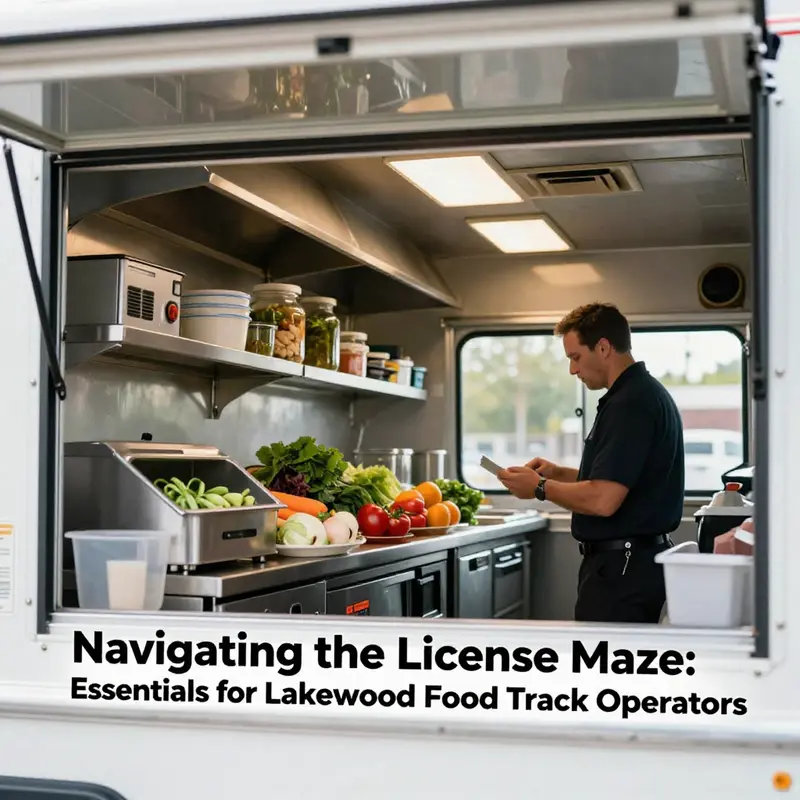
At the heart of the health and safety chapter are the permits issued by health departments and fire officials. The health department permit, often labeled as a Food Facility Permit or Mobile Food Vendor Permit, is the gateway to serving customers. It confirms that your kitchen on wheels meets sanitation standards that matter most to public health. Inspectors look for proper food storage, preventing cross-contamination, maintaining correct cooking and holding temperatures, and sound waste disposal practices. They want to see a kitchen layout that minimizes opportunities for bacteria to thrive, with clearly separated zones for raw and ready-to-eat foods, and equipment that can be cleaned and sanitized easily. The inspection typically includes a review of the vehicle’s interior, including the refrigeration units, handwashing stations, food thermometer documentation, and the ability to keep hot foods hot and cold foods cold during service. Because fleets of city inspectors have seen every good idea and every corner-cut, the process rewards preparation and transparency. A pre-approval inspection can prevent last-minute delays when you apply for the permit itself, so planning ahead matters as much as passion does.
The fire permit is another essential layer. It confirms that the cooking equipment—grills, fryers, and any other heat sources—meets fire safety regulations. Grease management is a central concern; inspectors want to see grease traps or containment methods that prevent build-up and reduce flare risks. Propane systems and connections demand careful attention, with proper shutoffs, hose protection, and leak detection procedures in place. A safe truck is also a truck that can respond quickly if a hazard arises, so fire suppression equipment must be accessible and in working order. Local fire marshals may require routine checks and additional clearances for any unusual installation, such as venting or canopy structures over the work area. The fire permit is a reminder that the excitement of cooking on wheels still exists within a framework designed to protect the crew and the neighborhood alike.
Utility permits form the third cornerstone in many jurisdictions. If your truck relies on municipal electricity or gas, you will likely need a utilities permit to certify that connections, meters, and supply lines are installed safely. Inspectors will check that electrical outlets, wiring, and back-up power supplies comply with code, that gas lines are properly sealed and vented, and that any cords and hoses are secured to prevent trip hazards or heat damage. Utilities management in a mobile kitchen is not just about convenience; it is about preventing fires, electric shocks, and fuel leaks. Some communities require inspections of the generator and its fuel containment, even if your truck uses shore power during events. The goal is to ensure that your kitchen’s lifelines—electricity and gas—are reliable, safe, and compatible with the surrounding infrastructure. This permit often interacts with the health department, because safe food handling cannot be divorced from safe utility delivery.
Several chapters of the permit book apply to the people who actually prepare the food. The food handler permits, required for all employees who touch or handle food, are about training and accountability. Each worker typically must complete a food safety course and pass an exam to obtain certification. The specifics—what course is acceptable, the passing score, and the renewal period—vary by state or locality, but the underlying principle is consistent: everyone in the kitchen understands hygiene protocols, temperature controls, and contamination prevention. A team with certified handlers demonstrates a culture of safety, which in turn helps your operation pass health inspections more smoothly. Training is not a one-time event. It should be reinforced in daily routines, posted in clear language for staff, and updated when procedures change or new equipment is added.
Beyond these core health-and-safety permits, a broader licensing framework governs the legal existence of the business itself. A business license establishes your operation as a legitimate entity in the eyes of the city or county. It is often the first document you obtain, a formal recognition that you are authorized to conduct business within a jurisdiction. A sales tax permit is another non-negotiable step if you are selling food to the public. This permit ensures you collect and remit sales tax in accordance with state law. Vehicle registration and insurance are equally critical. Your food truck is a motor vehicle and must be properly registered with the state motor vehicle agency. Liability insurance protects the operation, employees, and customers in the event of an accident or injury on the street or at a venue. Each of these elements contributes to a compliant, responsible business that can operate reliably in the public eye.
Special permits may also come into play depending on where you park or vend. If you plan to operate in parks, at events, or on private property, you may need temporary vendor permits, event permits, or location-specific approvals. Some venues require proof of insurance, a health department overview, and sometimes even security arrangements. The point is simple: the more your program moves between locations, the more you may encounter a mosaic of permit requirements. This is not a single-door process but a corridor of permissions that enable mobility while protecting public health and safety. Throughout this landscape, the most reliable strategy is proactive contact with the local health department and the city or county business licensing office. They can provide checklists, current forms, and timelines tailored to your truck’s design and intended route. For official guidance reflecting a broad federal and state framework, you can consult resources from national agencies that oversee food safety and inspection, such as FSIS, to understand overarching expectations and how they align with local practice. (External reference: https://www.fsis.usda.gov)
As you plan the physical footprint of the kitchen, the service flow, and the staffing model, remember that a well-structured permit package is a living document. You will update it whenever you change the kitchen layout, add new equipment, or expand into new jurisdictions. A thoughtful approach treats permits as a performance standard rather than a punitive checklist. When inspectors visit, they are less concerned with catching you out and more with validating that you care about sanitation, safe operations, and the well-being of customers. This mindset yields smoother renewals, faster inspections, and fewer last-minute surprises during peak season. The goal is continuity of service, not interruption of service, and that requires preparation, documentation, and ongoing training.
In practical terms, a workable sequence starts with an internal review of your current plan. Gather the truck’s schematics, equipment specifications, and maintenance records. Prepare a sanitation plan detailing cleaning schedules, expected temperature ranges, and corrective actions for deviations. Compile a staff training roster and certificates for food handlers. Then set up a pre-inspection with the health department if your jurisdiction offers it. Use their feedback to adjust the kitchen layout, add or relocate equipment, and ensure adequate ventilation and handwashing stations. For the fire and utilities permits, engage with the local fire marshal and the utilities department early. They can verify that your gas lines, electrical hookups, and generator placements meet standards. Because the rules change with every new venue or event, build a habit of annual refreshers for staff and an annual equipment audit before peak seasons. It is a rhythm, not a sprint, and it pays off in fewer compliance headaches and more time spent serving customers.
While these processes can feel technical, they are ultimately about people—customers who deserve safe food, staff who deserve a safe workplace, and communities that benefit from transparent business practices. The permits and licenses you secure are publicly visible commitments: you are saying you will cook for others under strict safety guidelines and that you will stand behind the quality of what you serve. In this sense, compliance becomes a competitive advantage. A well-permitted truck is more trusted at every stop, and that trust translates to repeat customers, favorable event partnerships, and smoother collaborations with venue managers. If you want a practical peek into how smart operators balance equipment, service lines, and mobility, consider exploring our guide on Best food-truck models for Lakewood startups. It offers insights into kitchen layouts, workflow, and how the physical design intersects with operational readiness. Best food-truck models for Lakewood startups.
By viewing permits as an integrated system rather than isolated hurdles, you can chart a realistic timeline. Most jurisdictions require you to obtain the health facility permit first, followed by the fire and utilities clearances, and finally the business-related registrations and tax authorizations. This sequencing helps ensure that once you open, you are not surprised by a delayed inspection or a protracted paperwork snag. Remember to maintain updated registrations, renewals, and training certifications. A lapse in a permit or a stale training certificate can halt operations as quickly as an empty grill, so make compliance part of your ongoing operational discipline. If you ever doubt the rigor of the process, return to the core principle: health and safety are not hurdles to creativity but their enabler. They are the visible guarantee that the food truck you bring to the street is as trustworthy as it is delicious.
For those who want to dig deeper into the regulatory landscape, official guidance remains crucial. Local health departments publish checklists and inspection criteria that reflect regional concerns, while state departments may provide broader food safety standards, licensing steps, and renewal timelines. In addition, national resources offer a broader frame for understanding how local rules fit into a federal ecosystem. For federal-level reference on food safety, you can consult the U.S. Department of Agriculture’s Food Safety and Inspection Service site, which outlines overarching principles that influence local practice. (External reference: https://www.fsis.usda.gov)
Road Rules for Rolling Kitchens: Mastering State Compliance to Launch a Food Truck
A food truck is more than a clever idea and a sizzling skillet; it is a moving ceremony of compliance. Before the first customer tastes a taco or a taco becomes a memory, a chain of licenses and permits must align across federal, state, and local lines. For operators, the objective is not to gatekeep opportunity but to open the highway to reliable, safe, and legitimate service. The core licenses usually begin with a business license—proof that the venture is a legal entity recognized by the jurisdiction where it operates. This foundational permit often requires basic information: the name of the owner, the business address, and a clear description of the activity. It establishes the business in the local ecosystem, and without it, all subsequent steps can stall. Yet the business license is only the first rung on a broader ladder of regulatory obligations that govern how a mobile kitchen can move, serve, and store food. The next steps typically involve securing a food service permit, sometimes labeled as a food establishment permit, which confirms that the truck’s food preparation and service areas meet sanitation and safety standards set by the local health department. The process usually includes an on-site inspection of the vehicle, including its refrigeration, handwashing stations, hot and cold holding temperatures, and the separation of raw and ready-to-eat foods. This is where the culture of food safety is translated into tangible requirements. The health inspection is not a once-and-done hurdle; it’s a recurring checkpoint. Inspections occur at routine intervals and can be triggered by complaints, equipment changes, or new menu items. The goal is not to pass a single test but to maintain a consistent standard of cleanliness, proper food handling, and employee hygiene throughout the life of the operation. In many cases the inspector’s notes shape ongoing practices more than any other document. There is also the matter of the people who handle the food. A food handler’s permit, or a food worker’s certification, ensures that every person who touches food has undergone a training program in basic safety, sanitation, and cross-contamination prevention, followed by a passing score on a relevant exam. The exact name and requirements for this credential vary by state and locality, but the principle is universal: trained staff reduce risk and improve trust with customers. Beyond the individual certifications, most operators must obtain a state-level license that confirms their business is registered with the state’s agricultural, health, or revenue department, depending on how the jurisdiction structures oversight. A state food license complements the local permits by ensuring the business meets broader state-level standards and can operate within state public health frameworks. Alongside this, a sales tax permit is typically required for any business selling goods to the public. This permit allows the operator to collect and remit sales tax, a critical component of how public revenue is generated from commerce, including mobile food service. The vehicle itself is not just a vehicle; it is a regulated asset in the eyes of the DMV and the insurance carriers. Vehicle registration is essential, and liability insurance is usually required to protect against accidents and claims arising from the operation. The vehicle also carries weight in zoning and location rules. Special permits may be necessary when parking at parks, event venues, or other regulated spaces. A temporary vendor permit or a special event permit can authorize street vending in places where regular business licenses alone would not suffice. In short, the regulatory framework is a layered architecture designed to ensure food safety, public health, and orderly commerce. The exact mix of licenses and permits varies from city to city and state to state, so the first and most practical step is direct engagement with local government offices and the state department that oversees health or agriculture. The difference between the broad strokes and the precise requirements can be substantial, and the consequences for noncompliance can be costly: fines, shutdowns, or a license revocation that halts business for an extended period. As such, building a compliant foundation is not a delaying tactic but a strategic investment in reliability and reputation. The landscape includes clear exemplars of how these rules manifest in practice. Take California as a case in point: a food truck operator must obtain a Mobile Food Facility Permit from the local health department. The permit is not merely a form; it encompasses specific standards for food handling, sanitation, and equipment. It often requires the truck to pass a facilities inspection that confirms proper cold and hot holding, safe cooking temperatures, cleanable surfaces, and adequate pest control. The process demonstrates how a state or local authority translates public health policy into the day-to-day realities of a mobile kitchen. Across other states, the specifics shift, but the cadence remains similar: prepare the business foundation, secure the health-oriented authorization, certify your staff, register the vehicle, and align with tax and insurance obligations. Zoning is the quiet, stubborn gatekeeper in this system. It determines where a truck can legally operate and can limit proximity to sensitive places such as schools or residential zones. The practical implication is that a flourishing fleet must plan routes and schedules with an eye to permissible operating zones, as well as to permit conditions tied to time-of-day or renewable waivers. The consequence of misalignment is not only legal risk but operational disruption—dispatches canceled, permits suspended, or locations blocked off during peak season. To navigate these complexities without becoming overwhelmed, many operators begin with a clear map of the regulatory landscape. They identify the core licenses and permits required in their jurisdiction, then work through a checklist that begins with establishing a legal business presence and ends with maintaining ongoing compliance through renewals and periodic inspections. A disciplined approach to compliance also includes keeping real-time awareness of rule changes. States periodically revise health codes, environmental requirements, and labor rules that affect mobile operations. A proactive operator treats regulatory updates as a standing agenda item, not an afterthought. The regulatory journey is not completed through a single application but through ongoing relationships with public offices. It helps to see government portals as the operating manuals for a mobile business: they provide the forms, the filing pathways, the fee schedules, and the timelines. Online portals are increasingly common, enabling applicants to submit documents, track statuses, and renew permits without repeated trips to government offices. In the broader ecosystem, there is a strand of guidance that cuts across jurisdictions. The U.S. Department of Agriculture offers resources that, while not the final word for every state, establish a baseline of food safety and sanitation expectations that many regulators reference when shaping local rules. This shared framework helps operators align practices such as temperature control, cross-contamination prevention, and personal hygiene with widely accepted standards. For anyone launching a food truck, a practical strategy is to lean into this shared foundation while carefully addressing state- and locality-specific requirements. Begin with the fundamentals: establish a registered business, obtain a health-centric food service permit, secure staff training credentials, verify state-level licensing, register for sales tax, confirm proper vehicle registration and insurance, and finally obtain any location-based permits necessary for the venues you intend to serve. Then, to keep the business resilient, design the operational playbook around compliance as an ongoing discipline rather than a periodic project. Develop routines for regular equipment checks, temperature logging, and employee training refreshers. Implement a calendar for permit renewals, inspections, and tax filings. Build a file system—digital or physical—that keeps all certificates, inspection reports, and correspondence in an accessible, auditable place. The value of such discipline extends beyond avoiding penalties: it builds customer trust, supports smoother operations at events, and creates a scalable path as the fleet grows. For readers seeking a practical, startup-focused lens on these considerations, a companion resource that discusses startup models and kitchen configurations can be a helpful companion. Consider exploring the article Best Food Truck Models for Lakewood Startups, which offers concrete ideas on how to structure a mobile kitchen in the early stages while keeping compliance in view as a central design constraint. Best Food Truck Models for Lakewood Startups. While not a substitute for legal counsel or official guidance, it can illuminate how successful layouts and workflows can harmonize with licensing requirements, ensuring that operational efficiency and regulatory stewardship advance together. As you plan the path forward, remember that the regulatory map is not a static obstacle course but a living framework that rewards organizers who stay informed and organized. The day will come when you no longer think of licenses as hurdles but as the rails that keep the truck on track, allowing a mobile kitchen to travel confidently from one event, park, or street corner to the next. To ensure that your practices stay aligned with evolving standards, leverage the public health and agricultural departments’ online portals, subscribe to regulatory updates when available, and keep a direct line open to the agencies you rely on most. In the end, the objective is straightforward: turn a great concept into a dependable, compliant operation that can respond to changing conditions with agility while protecting the health and safety of customers. For authoritative guidance on state-specific food truck licensing requirements, refer to the U.S. Department of Agriculture’s Food Safety and Inspection Service resources, which offer comprehensive, up-to-date safety standards and regulatory guidance: https://www.fsis.usda.gov/food-safety/safe-food-handling-and-preparation-tips.
On the Move: Mastering Sales Tax and Liability Insurance for Your Food Truck
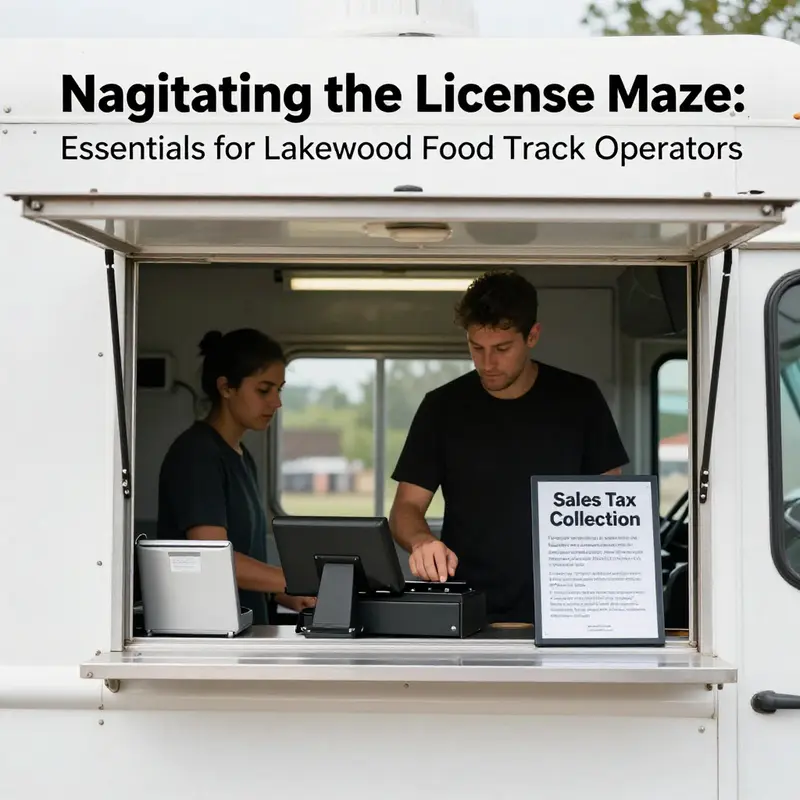
On the Move: Mastering Sales Tax and Liability Insurance for Your Food Truck
Operating a food truck places you on a dynamic frontline where cuisine, commerce, and civic compliance converge. In the broader arc of licensing, this chapter zooms in on two persistent pillars that keep the doors open and the wheels turning: sales tax compliance and liability insurance. These elements are not merely bureaucratic hurdles; they are the financial guardians of a mobile business. They shape pricing, customer trust, and long-term viability as you navigate a patchwork of local rules, state statutes, and regulatory expectations. The aim here is not to overwhelm with legalese but to illuminate practical paths through the maze so you can run your operation with confidence, even as you roll from one jurisdiction to the next.
Sales tax is, at its core, revenue collection on behalf of government entities. For a food truck, that means you are typically responsible for collecting tax on meals and beverages sold to customers in the jurisdictions where you operate. The landscape, however, is not uniform. States differ in what items are taxed, when exemptions apply, and how you report and remit collected taxes. Some states tax all prepared foods uniformly, while others carve out exemptions for certain staples or unassembled ingredients. Localities add their own layers—city and county rates, special districts, and occasional temporary tax rules for festivals or park events. Given this patchwork, the practical approach is to view sales tax as a per-location compliance discipline rather than a single one-size-fits-all task.
A foundational step is registration. Most states require you to register with the state revenue department and obtain a seller’s permit or sales tax permit before you begin collecting tax. That permit is not merely a formality; it is the legal credential that authorizes you to collect appropriate taxes and file returns. From there, you will need to maintain meticulous records. Every sale, every tax-exempt item, every discount or promotion—these details feed your tax returns and audits if they occur. Record keeping becomes a running ledger that supports accurate reporting and helps avoid penalties that can accumulate quickly when returns are late or inaccurate. In practice, this means setting up a digital or physical filing system that captures daily sales totals, tax collected, and any exempt transactions for each stop you make.
Across jurisdictions, use tax can also enter the picture, particularly when your business operates across city lines or with multiple vendors and suppliers. Use tax typically mirrors the same tax base as sales tax but is imposed on taxable purchases made by your business, often when no tax was charged at the time of purchase or when purchases come from out-of-state suppliers. Understanding how use tax interacts with sales tax in your state is essential, because it affects both your compliance obligations and your cash flow planning. In some cases, a single registration covers both obligations, but many jurisdictions require you to file separate returns or to reconcile use tax with sales tax. The risk of non-compliance—late filings, underpayments, or misclassified items—can result in penalties, interest, and audits that disrupt your operations far more than a routine revenue shortfall would.
Technology has made much of this more accessible. Software tools and online filing portals exist across many states to simplify tax returns, deposits, and correspondence with tax authorities. Even if you use a mobile processor, you still need to file as a business entity that is conducting taxable sales. The digital path helps you stay organized, maintain audit trails, and produce reports that demonstrate your compliance during inspections or reviews. When you size up a permitting plan for a new market or a festival, consider the tax implications of each location. Some venues impose their own temporary or local taxes, and others may require you to adjust your pricing or menus to align with local tax rules. It is not merely about collecting money; it is about respecting the jurisdiction you operate within and maintaining your business reputation by handling taxes properly.
If you are building a framework for your family of routes, a useful litmus test is how you would explain your tax process to a new team member. Are your sales tallies and tax calculations transparent and repeatable? Can you pull a month-to-date tax report with a few clicks? Can you file your returns online without digging through a dozen receipts? These questions are not bureaucratic trivia; they are indicators of a mature, scalable operation. They also prepare you for operational smoothness during peak seasons when your crew expands and the number of service points grows. To anchor your understanding, remember that federal guidance exists to illuminate the broader tax landscape, while state guidance provides the day-to-day specifics. An official resource like the Internal Revenue Service site offers foundational guidance that complements state and local requirements, guiding you on how to report income, how to treat tip income, and what forms or schedules apply to your business.
Alongside tax readiness, liability insurance acts as the other half of a responsible mobile food business. Liability insurance is not merely a protective phrase; it is a risk management tool that helps cover medical costs, legal fees, and settlements when accidents or injuries occur in the course of doing business. A food truck operates in a space where customers, pedestrians, parking lots, and event organizers intersect. A slippery surface near your service window, a dropped lid during a busy service, or a collision while maneuvering in a tight lot can all translate into real financial exposure. Insurance providers recognize this risk, and many cities and counties require a minimum level of general liability coverage as part of permit issuance. The exact limits and required endorsements can vary, but the underlying principle is consistent: the insurance policy acts as a financial safeguard so a regrettable incident does not derail the entire enterprise.
General liability insurance is the core coverage most operators consider first. It typically responds to third-party bodily injury and property damage arising from ordinary business operations, such as a customer slipping on a wet surface or a neighboring vendor’s vehicle being damaged by a hitch during loading. When you operate a mobile kitchen, your exposure extends beyond the truck itself. You may want to consider commercial auto insurance to cover the vehicle, especially since this is a moving business rather than a stationary kitchen. If you serve specialty foods or unique ingredients, product liability coverage can be a prudent addition to protect against claims related to a specific menu item. And if you have employees, workers’ compensation insurance becomes relevant, both for legal compliance in many jurisdictions and for protecting your workforce and your business in the event of an on-the-job injury.
The scope of coverage should reflect the realities of your operation. A one-truck startup serving a narrow menu may require a different mix than a growing fleet serving multiple markets with seasonal menus and a larger crew. When you discuss policies with an agent, you will be asked about revenue projections, the value of your equipment, the number of staff, and the types of events you attend. These inputs influence limits and endorsements. A common starting point for many operators is a general liability limit in the range of one to two million dollars per occurrence, with higher limits for venues or events that bring greater risk. You may also pursue endorsements that specifically address the unique hazards of food handling—such as equipment coverage for cooking gear if it becomes inoperable and causes a disruption—or add a business interruption rider if you rely on events that could be canceled.
Choosing coverage is a balancing act between protection and premium cost. Shopping for insurance benefits from talking to licensed agents who understand mobile food operations and the regulatory environment in your area. They can help you assess risk, review policy exclusions, and suggest appropriate endorsements. A practical approach is to compile a straightforward factsheet: your truck’s value, the menu you offer, the number of employees, typical events or locations, and any special equipment. With this, you can compare quotes that reflect similar coverage, ensuring you are not paying for gaps in protection or for coverage you do not need. The process also benefits from a broader, consumer-friendly resource hub such as the National Association of Insurance Commissioners, which offers guidance for small business owners and helps you navigate questions about finding licensed agents and comparing policies.
All of this—tax compliance and insurance coverage—feeds into a broader operational mindset. Your pricing decisions should reflect tax obligations so that your margins truly account for what you owe rather than what you collect. Your risk management should align with your business model, ensuring you are not over-insured to the point of draining resources, but sufficiently insured to weather unforeseen events. And because your mobility introduces an added layer of complexity, you want to keep your documentation organized and accessible. This means keeping your business license, health permits, vehicle registrations, any required vendor permits, and your insurance certificates in a ready-to-access file, whether physical or digital. In practice, you will want to confirm that each event site or city you plan to operate in has recognized your insurance and tax compliance as part of the entry process. A proactive, well-documented approach reduces friction at inspections and improves your credibility with venue coordinators, event managers, and customers alike.
To connect the planning of your fleet with ongoing compliance, consider studying how other operators approach the logistics of licensing and vehicle setup. For example, resources that discuss optimal chassis, loading configurations, and service layouts can offer practical ideas that influence where and how you sell, which in turn affects tax collection and insurance needs. See for instance a guide focusing on popular models for startup food trucks to gather ideas about layout and workflow that support efficient service while staying compliant.
In summary, sales tax and liability insurance are two elements that, when managed thoughtfully, enable a food truck to move confidently through diverse neighborhoods and occasions. They require a disciplined approach to registration, record-keeping, and timely filing, coupled with a proactive stance on risk transfer and coverage adequacy. This combination supports sustainable growth, protects your team, and preserves the financial health of your business as you expand your routes and menu. For federal tax guidance, the IRS site provides a foundational resource to understand overarching obligations, while state and local authorities specify the precise requirements you must meet in each jurisdiction you serve. To explore options for planning and fleet considerations, you can also review the article on best food truck models for Lakewood startups.
External resource: https://www.irs.gov
Final thoughts
Navigating the world of licenses for a food truck in Lakewood can feel daunting, but with the right information and resources, you’ll be well-prepared to take on the challenge. Ensuring you have the necessary business licenses, health permits, and compliance with state regulations not only protects your business but also builds trust with your customers. As you embark on your food truck adventure, remember that staying informed and organized will set you up for success in our vibrant Lakewood community. Now, it’s time to hit the road and serve up some deliciousness!