
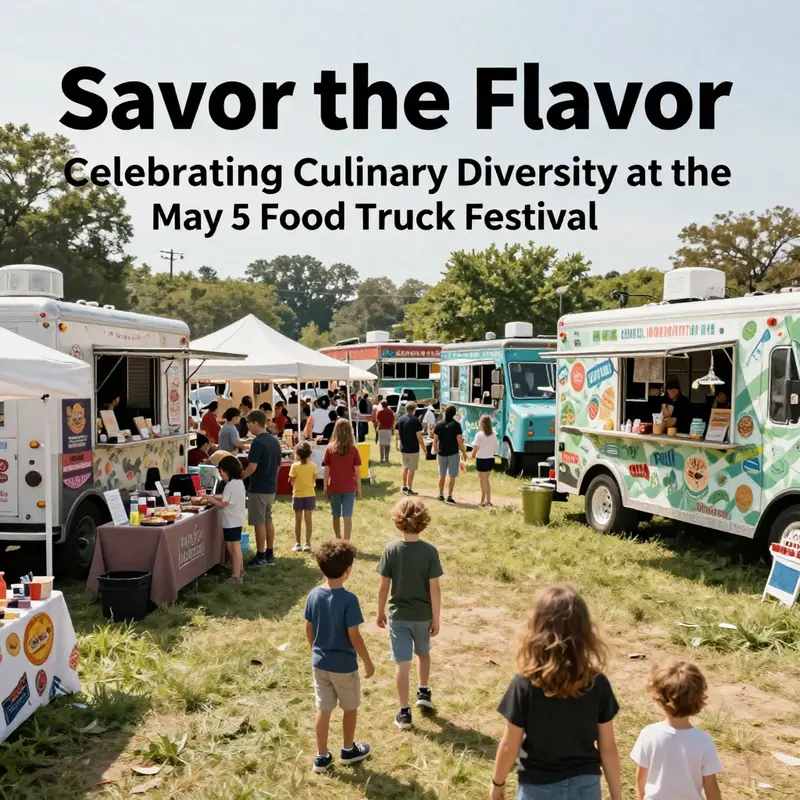
On May 5, 2024, the May 5 Food Truck Festival at Central Community Park promises to be a feast for the senses, attracting food lovers, aspiring food truck operators, and tourists from all corners of Lakewood. With a diverse lineup of food trucks showcasing flavors from around the globe, this festival not only highlights incredible culinary experiences but also weaves together community engagement, local economic support, and sustainable practices. As we dive into the details of this event, each chapter will unveil the richness of the food offerings, emphasize community involvement, explore the economic impact, discuss the entertainment and activities planned, and reveal the sustainability measures that enhance the celebration. Let’s get ready to feast, connect, and enjoy!
A Global Palette on Wheels: How the May 5 Food Truck Festival Turns a City into a Community Feast
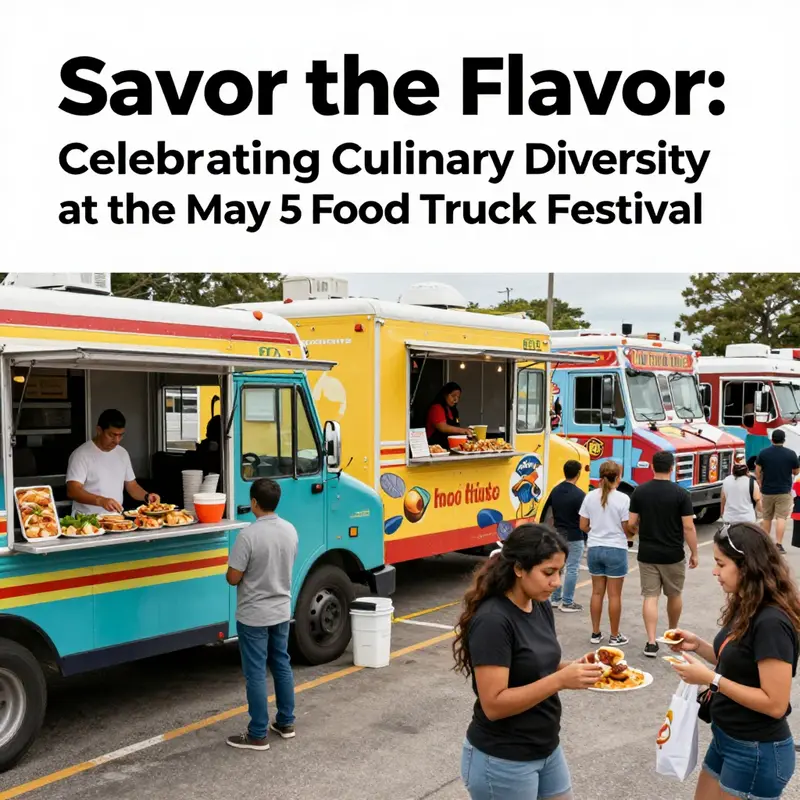
On May 5, the city unfurls a celebration that feels like a living banquet, a festival where the street becomes a shared dining room and every turn reveals a new conversation in flavor. The food truck festival sits at the heart of a broader spring program, inviting people to stroll, sample, listen, and linger as vendors set up along a route that threads through several neighborhoods and along the river’s edge. Here, the air is threaded with steam, smoke, spice, and sweetness, and the buzz is not merely about getting a quick bite but about joining a moment when diverse traditions arrive on wheels and find common ground in a single day’s ritual. It is a reminder that food can be a bridge between generations, incomes, and cultures, a way to translate difference into shared memory as easily as it translates warmth into appetite. In this sense, the May 5 festival becomes more than a marketplace of meals; it evolves into a living map of the city’s identity, a day when people move not just through space but through stories told through aroma and texture.
The festival’s silence is rarely quiet for long. It is punctuated by the footsteps of families, friends, and visitors who approach each truck with curiosity and leave with the taste of somewhere else lingering on their tongues. Culinary diversity sits at its core, and the lineup is built to echo a broad spectrum of global traditions. The stage and the corridor of stalls become a passport control not for borders but for flavors. Expect offerings drawn from a wide repertoire—from the elegance of French-inspired pastries and patisserie techniques adapted for quick service to the bold, vibrant flavors associated with Mediterranean and Southern European appetites. Across the route, there are traces of Southeast Asian street-food craft, Japanese-style hotpots and grilled specialties, Korean-inspired bites, Italian brunch-oriented plates, and Mexican-inspired street fare basking in the heat of a sun-drenched afternoon. The emphasis is not on brand names but on the dialogue between technique, heritage, and the clever improvisation required to deliver quality under festival conditions. Each vendor works within the rhythm of a long day, preserving authenticity while embracing the improvisational energy that only a street setting can demand.
What makes the sensory landscape truly remarkable is the way these cuisines sit side by side, inviting cross-pollination. The Italian-influenced brunch concepts mingle with sharp, zesty Latin American traces and the smoky, spice-forward profiles of Southeast Asia. The Japanese hotpot and barbecue concepts share the limelight with hearty, comforting dishes from other continents, producing a culinary language that is at once expansive and intimate. This is not a procession of separate kiosks but a chorus in which different voices harmonize, sometimes clashing, sometimes blending, always teaching the palate something new. The festival acknowledges that authenticity can be reimagined in a bustling, high-energy setting, and it rewards cooks who balance tradition with the demands of rapid service and broad audiences. In turn, attendees learn that food is a form of storytelling—each bite a narrative line that can lead to discovery, nostalgia, or a new appreciation for a culture they may have only known from a distant vantage point.
For many, the festival also offers a practical invitation: a wealth of affordable, accessible options that invite shared bites and collective meals. The mix includes an abundance of value-driven pairings and combo deals designed to encourage sampling and conversation rather than the single, solitary plate. The emphasis on value mirrors the city’s urban life, where people often move between work and home quickly, yet still want to pause long enough to savor something meaningful. In this spirit, vendors present an assortment of small plates and hearty, shareable options, designed to be enjoyed with friends or family while wandering the route. There are generous portions, well-balanced flavors, and thoughtful pricing to ensure that a family evening or a casual meet-up remains within reach. At several stalls, there are opportunities for student-friendly promotions, reminding attendees that the festival serves as a welcoming space for learners and neighbors alike to gather around a table that travels with them.
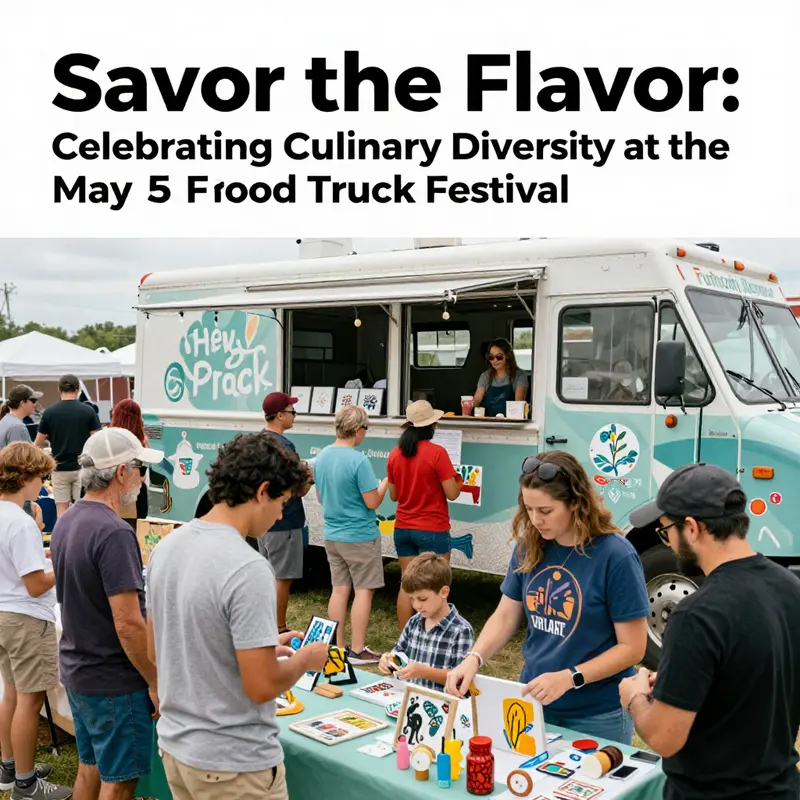
The festival’s economic heartbeat flows through a broader ecosystem of local makers and service providers. In addition to the food trucks, a market of artisans and crafters runs alongside, offering a tangible reminder of the city’s creative economy. The ambience is sharpened by live performances that punctuate the palate with rhythm and melody, lending a sense of place and community that aligns with the food’s energy. A designated area—often referred to as a gathering zone—offers a beer garden or drink corridor that blends social ritual with a sense of relaxation, inviting guests to pause, mingle, and reflect on the day’s discoveries. The overall intent is to weave together culinary exploration, social connection, and commerce in a way that helps stabilize and strengthen local enterprises while inviting newcomers to become part of the city’s ongoing food-story.
Geographically, the festival’s layout is more than a map; it is an intentional journey through the city’s rhythm. The route sprawls across multiple districts and riverside spaces, encouraging attendees to explore and to extend their stay through a sequence of micro-experiences. This design mirrors the city’s own dynamic: a mosaic where a single bite can launch a cascade of conversations—about origin, technique, sustainability, and the everyday realities of running a mobile business in an urban environment. The experience is both intimate and expansive, enabling a family to trace a loop that begins with a small snack and ends with a shared feast at sunset. By design, the festival invites local vendors to showcase how their mobile kitchens adapt to high demand without compromising quality, how they balance speed with integrity, and how they embed themselves in the city’s cultural fabric. The result is a tangible sense of local pride and global curiosity—the kind of atmosphere that makes a festival feel essential rather than optional.
For those watching from the sidelines or contemplating a future in the mobile-food business, the May 5 showcase offers both inspiration and a quiet, practical education. Observers notice the way teams orchestrate a workflow that can weather long lines, varying weather, and the unpredictable pace of a live event, all while keeping the focus on flavor. The festival becomes a living classroom where technique, sanitation, customer service, and branding harmonize inside a single lane of traffic and footfall. In this context, even a passing glance can become a lesson in hospitality, in the careful choreography of a crew that must communicate swiftly, adapt on the fly, and make every customer feel seen. Those who wish to translate this energy into a business plan will find resources outside the festival’s gates that illuminate best practices for mobility, operations, and scalability. For aspiring operators, practical guidance can illuminate how to structure a mobile kitchen, such as the insights found in best food truck models for Lakewood startups.
As the day flows into evening, the festival retains its purpose as a community anchor. It is a place where the city’s many voices converge around shared tastes, a platform for local entrepreneurs to test concepts, and a reminder that food can be a powerful, convivial force. The experience reinforces the idea that supporting small, independent vendors strengthens the city’s cultural fabric and contributes to a more connected urban life. It also highlights how digital platforms, live programming, and thoughtful spatial design can amplify the impact of a food-centric event, extending its reach beyond the lines of the trucks to the homes and workplaces of the people who attend. The May 5 Food Truck Festival thus stands not only as a celebration of variety but as an invitation to participate in a broader narrative—the story of a city that uses street-level dining to tell larger stories of inclusion, resilience, and shared joy.
External resource: https://www.shanghaimay5.com/en/food-festival-2024
null
null
Flavor, Footfall, and Fortunes: How the May 5 Food Truck Festival Shapes the Local Economy
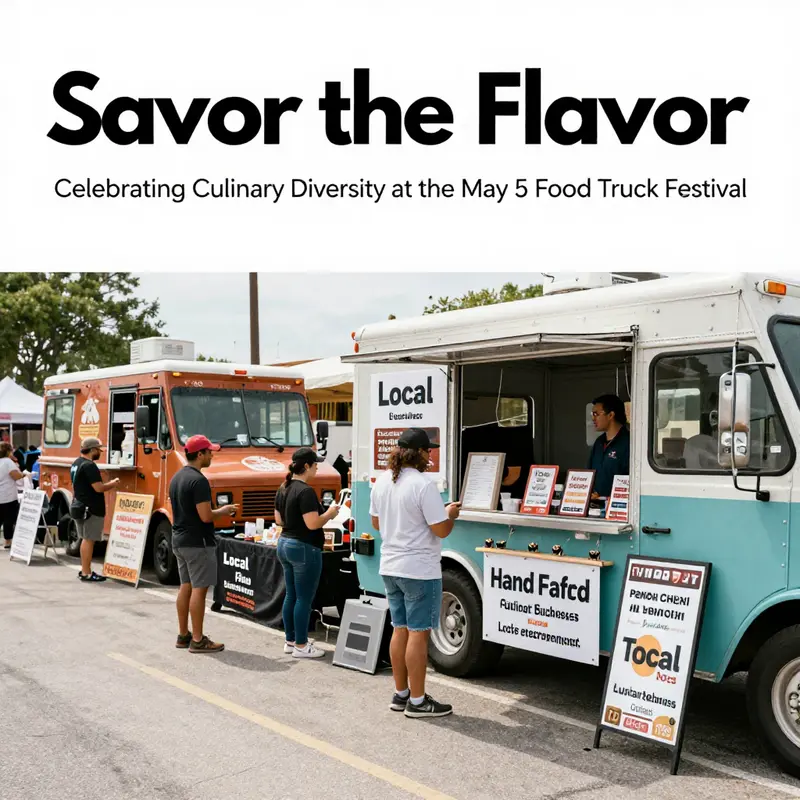
The May 5 Food Truck Festival sits at the heart of Central Park not merely as a showcase of flavor, but as a living engine for the local economy. When a city gathers a diverse array of culinary blueprints on a single stretch of pavement, it does more than satisfy appetites; it creates a concentrated moment where visitors linger, explore, and invest in the surrounding ecosystem. The festival’s design, a marketplace for local artisans, a beer garden that slows time just enough for conversations to take root, and a program of live performances, transforms a day of sampling into a multi-layered economic activity.
In broad terms, the influx of visitors becomes an immediate boost to local commerce. People come for the food, but they also fill cafes before and after meals, browse nearby boutiques, and arrange transportation, parking, and even accommodations if the festival draws regional attention. The multiplier effect is a core piece of the story: every dollar spent on meals or crafts circulates through the local economy as vendors hire staff, purchase supplies, and engage with nearby suppliers. For the bustling park setting in early May, this means a sustained uplift in foot traffic across the district from the curbside market stalls to the coffee shops that open early to serve ritual pre-festival caffeine seekers, to the small retailers that benefit from post-event strolls as attendees wander back toward their cars or rideshares.
A central driver of this economic mosaic is the festival’s vendor lineup, which tends to bring together a mix of established local favorites and fresh talents. Vendors typically experience a noticeable uptick in sales during such events, a lift not only about the immediate tally at the cash register but also about the visibility earned. Each successful sale carries word-of-mouth momentum that travels along social feeds, conversations in parks and transit hubs, and casual recommendations that linger in the minds of attendees long after the last truck closes its window. The additional revenue does not exist in isolation; it often translates into higher purchasing power for nearby businesses—hotels, boutique shops, and transportation services that serve visitors arriving from outside the immediate neighborhood. Even if a visitor’s stay is brief, the financial footprint left behind can catalyze longer-term opportunities for local partners who align their offerings with the festival’s audience.
What makes the festival especially potent is its capacity to blend taste with experience. In today’s economy, experiences are currency. The festival curates a bite-sized gastronomic journey that also tells a story about place: fresh ingredients, local culinary personalities, and a sense of shared discovery. This experiential economy yields benefits that endure beyond the event itself. Attendees leave with a stronger impression of the community as a vibrant, welcoming place where entrepreneurship and culture intersect. These impressions translate into repeat visits for future festivals, events, or regular dining out, a form of organic promotion that costs less than conventional advertising and often yields higher trust levels when people speak about a place they have personally enjoyed.
The festival’s structure supports this dynamic. A market filled with local artisans provides a complementary stream of revenue for craftspeople and makers who rely on festival visibility to test products, build a customer base, and establish storefront momentum. A beer garden, managed with attention to safety and accessibility, extends dwell time and fosters social interactions that can convert a casual passerby into a returning guest. Live performances add a soundtrack to the day, encouraging longer strolls and more discoveries along the festival footprint. When paired with efficient wayfinding, clear signage, and a welcoming atmosphere, these elements convert a one-time visit into a meaningful memory that attendees are eager to share with friends and family.
From a broader perspective, the festival acts as a catalyst for urban cohesion. It anchors a sense of place and reinforces the idea that local businesses are not isolated enterprises but interconnected threads in a thriving cultural fabric. The festival’s success hinges not only on the quality of each truck’s offering but on the ability of the entire ecosystem to respond to crowd needs swiftly—restrooms, seating, hydration stations, and mobility options all need to function in harmony. When these elements work well, the experience reinforces a positive loop: satisfied attendees become return customers, return customers become advocates, and advocates help attract more visitors and partners in the future. The cumulative effect strengthens the city’s reputation as a destination for food, community, and entertainment, encouraging more ambitious events that build on this momentum.
There are practical mechanisms behind these outcomes as well. Local suppliers gain by providing produce, beverages, packaging, and other essentials to the participating trucks and market stalls. This supports nearby farms, manufacturers, and logistics services, creating a chain of opportunity that amplifies the festival’s impact beyond the immediate footprint. The presence of a robust market and event program also invites partners—from smaller-scale vendors to neighborhood businesses—to participate in sponsorships or cross-promotions, further widening the channel through which value circulates. In this sense, the May 5 festival can be viewed as a microcosm of how well-designed community events catalyze sustainable economic activity: they attract visitors, nurture local talent, and transform streets into shared stages for commerce and culture.
As the May 5 event unfolds, the tangible benefits for local businesses are likely to be layered and cumulative. Immediate gains in vendor sales and foot traffic will blend with longer-term advantages, such as strengthened community networks, enhanced place branding, and a growing confidence among local entrepreneurs to participate in future, potentially larger, events. The insights drawn from broader analyses of gastronomic tourism and visitor satisfaction reinforce the notion that the festival’s impact is not a single, isolated spike in activity but a meaningful contribution to the town’s ongoing economic story. The festival endures in memory and in the decisions of attendees to revisit the area, to explore new eateries, and to plan companions’ outings around future events.
External resource: The Impact of Street and Food Festivals in Gastronomic Tourism Through Visitor’s Emotions and Satisfaction. A Case of Abu Dhabi. https://www.mdpi.com/2071-1050/14/3/1678
Streets Alive: Entertainment, Markets, and Community at the May 5 Food Truck Festival
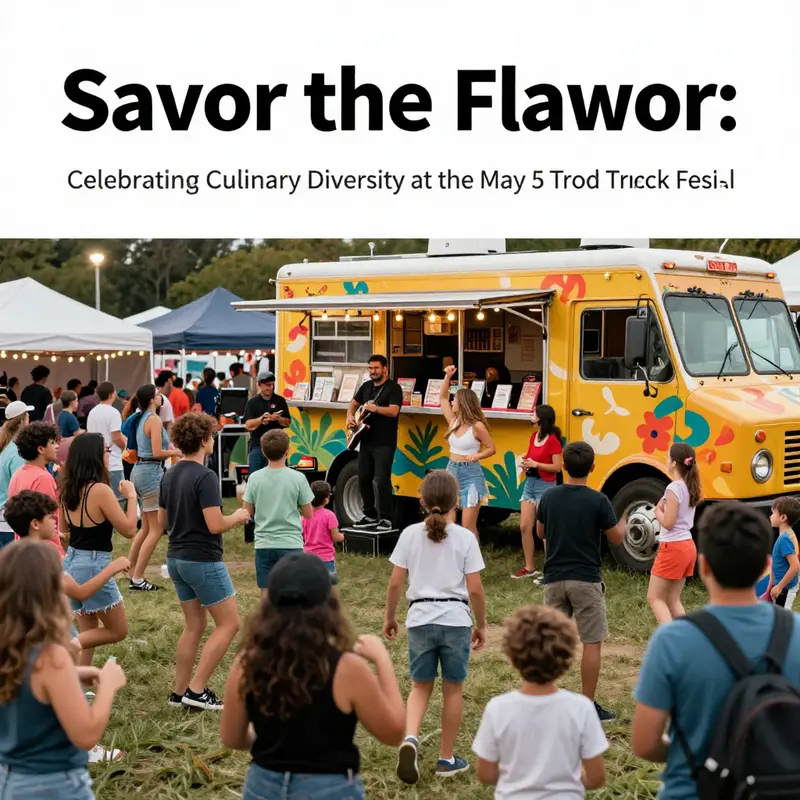
On a bright May afternoon, Central Community Park becomes a living tapestry of scent, sound, and color as the May 5 Food Truck Festival unfurls. This is more than a collection of hungry lines and bright awnings; it is the heartbeat of the Chilliwack Party In The Park, a deliberate immersion into a festival atmosphere that blends dining, shopping, and performance into a single, roaming celebration of place. The park rearranges itself into a friendly labyrinth, with food trucks parked along shaded lanes and public seating sprinkled like rest stops on a long, joyful stroll. A breeze carries the mingled aromas of sizzling fare and fresh produce, inviting both the curious first-timer and the seasoned festival-goer to pause and inhale the moment. Families push strollers past stalls that glitter with color, while couples and friends drift between tables and stages, letting the day unfold with a comfortable spontaneity. The layout of the event is designed for flow and access, guiding visitors from the first bite to the last conversation with clear signage, gentle crowds, and plenty of space to breathe. This is not a single experience but a composite: the clack of tap shoes on pavement, the hiss of a grill, the murmur of shared recipes, and the laughter of neighbors meeting new faces. In that blend, the festival crafts a memorable sense of community that feels both local and inclusive, a snapshot of a town actively choosing to come together around food, music, and small businesses. As the performances begin to thread through the afternoon, the park’s energy solidifies into a welcoming chorus that invites everyone to stay, listen, and savor what the day offers.
From the moment you arrive, the variety of cuisines unfolds as a map of possible discoveries. Each truck houses a compact kitchen and a narrative from the people who poured their energy into the concept behind their menu. Some offerings whisper of comforting familiarity, while others push at boundaries with bold flavor combinations designed to tease the palate. The beauty of the setting is that sampling becomes a social act; friends compare bites, adults trade recommendations, and strangers swap tips about the best ways to approach a new taste. There’s a rhythm to the lines and to the tables that makes even a crowd feel intimate, as if the park has turned into a shared kitchen where everyone is contributing a little piece of themselves. The seating clusters are as much social hubs as they are places to eat, inviting conversations about where a dish comes from, who grows the ingredients, and how a recipe found its way onto a plate. In this sense, food becomes a narrative device, carrying stories across conversations and between generations, turning a simple meal into a memory that travels with you as you wander toward the next truck or the next stage. The experience is deliberately designed to be approachable: a little chaos, a lot of flavor, and a sense that you are part of something larger than your own appetite. The day’s tempo is set not by a single scale of success but by the way people linger, linger, and then decide to linger a bit longer, letting the community’s energy seep into every bite and every exchange.
Parallel to the culinary corridor, a market of local artisans extends the day’s narrative into crafts and wares that reflect the region’s character. Stalls spill into the walkways with a palette of textures—textiles that catch the breeze, jars of preserves that glisten in the sun, handmade goods that carry the touch of skilled hands. The emphasis remains squarely local, reinforcing the festival’s mission to support neighbors who pour time and care into small enterprises. The market offers more than commerce; it is a place where stories are exchanged as freely as items, each vendor sharing the origins of their craft and the values behind their work. Regulars greet vendors by name, a testament to the sense of continuity that community events can cultivate. For newcomers, the market is an invitation to participate in a broader economy, one built on relationships and trust rather than mere transactions. The combination of food and handmade goods creates a loop of discovery: you taste something remarkable, you see something you want to remember, and you commit to returning or recommending it to someone else. In this loop, the festival becomes a living reminder that local enterprise thrives when community, curiosity, and collaboration cohabit the same space.
The beer garden section offers a distinct but complementary vibe, a place where adults can pause, reflect, and connect as the day unfolds. It is designed to cultivate conversation without retreat from the festival’s energy, providing a sheltered area where stories develop as easily as conversations accompany the clinking of glassware. The atmosphere blends casual conviviality with responsible enjoyment, featuring spaces that accommodate varied group sizes and pacing. People drift into the shaded corners after a bite, sharing impressions of the dishes they’ve tried and shaping plans for the next sampling rounds. The beer garden does not stand apart from the rest of the festival; it weaves into the overall texture, giving adults a moment to regroup, while still keeping them within reach of the park’s musical pulse and culinary variety. Children’s laughter echoes nearby in quieter corners, where families navigate a landscape of light games and interactive moments that balance energy with rest. This thoughtful arrangement—energy, moderation, and accessibility—signals that the festival respects the needs of diverse attendees while preserving the sense of exuberant celebration that motivates everyone to explore further.
A steady stream of live performances threads through the afternoon, weaving music, storytelling, and movement into the festival’s core. The program is curated to complement the sensory rush of the trucks and the market, offering a spectrum of experiences that invite participation rather than passive watching. Acts range from nimble, high-energy pieces to intimate, reflective moments that invite a slower pace and a closer listen. Family-friendly segments sit alongside more experimental expressions, creating a dynamic that feels inclusive without diluting the festival’s core energy. For children, there are gentle activities tucked into less crowded pockets of the park, while adults can linger near the stages to trade impressions, discuss the day, or simply let the melodies deepen their sense of place. The performances help transform the day from a sequence of meals into a shared cultural occasion, giving shape to a community’s memories and offering a gentle thread that ties together the park, the trucks, and the people who inhabit them. The result is a festival that reads as a single, evolving story rather than a string of separate attractions.
Looking beyond the surface, the festival also embodies a practical commitment to community vitality. Volunteers and organizers work in concert to ensure safety, accessibility, and smooth movement through the grounds. Local businesses gain exposure to new audiences, a critical payoff for enterprises that rely on word-of-mouth and repeat visits. Sustainability remains a central thread, with clearly labeled recycling, mindful packaging, and waste-reduction practices that echo the park’s long-standing values. Attendees who invest a few hours in this shared space contribute to a larger narrative about stewardship and resilience, transforming a one-day event into a step toward a more connected and supportive community. In that spirit, the festival is less about a spectacle and more about a practice—how a town can welcome strangers, celebrate its crafts and foods, and leave with the sense that the next gathering will be even stronger because of what happened today. The day is a reminder that public space, when activated with care, becomes a stage for civic pride and ongoing collaboration.
For visitors ready to weave the day into their own personal map of discovery, the approach works best as a continuous experience rather than a sequence of separate stops. Begin at the entrance to feel the day’s first rush of scent and sound, then meander outward along the lanes to let the market reveal itself as a living postcard of local life. A moment at a shaded table invites reflection on the ingredients, the artisans, and the conversations sparked by tasting and talking. If you’re curious about how trucks grow from a neighborhood startup into a community staple, you can explore a practical guide on startup food trucks here: best food truck models for Lakewood startups. The day rewards curiosity and patience alike, rewarding those who linger, listen, and participate in the shared rhythm of food, craft, and song.
Ultimately, the May 5 festival in Central Community Park stands as a living example of how entertainment, commerce, and culture can converge in one outdoor space. It is a day when the ordinary streets of a Canadian town become extraordinary through the generosity of its neighbors and the energy of its restaurants on wheels. The park becomes a classroom in community-building, a stage for local talent, and a marketplace where goods carry stories. The experience invites residents and visitors to imagine what a thriving, connected town can feel like and to carry that feeling with them when they leave. For those seeking official details and the full schedule, the event page provides essential information about performances, times, and accessibility: https://www.chilliwack.ca/events/chilliwack-party-in-the-park
Sustainable Sizzle on May 5: How the Food Truck Festival Turns Eco-Conscious Cooking into Community Celebration
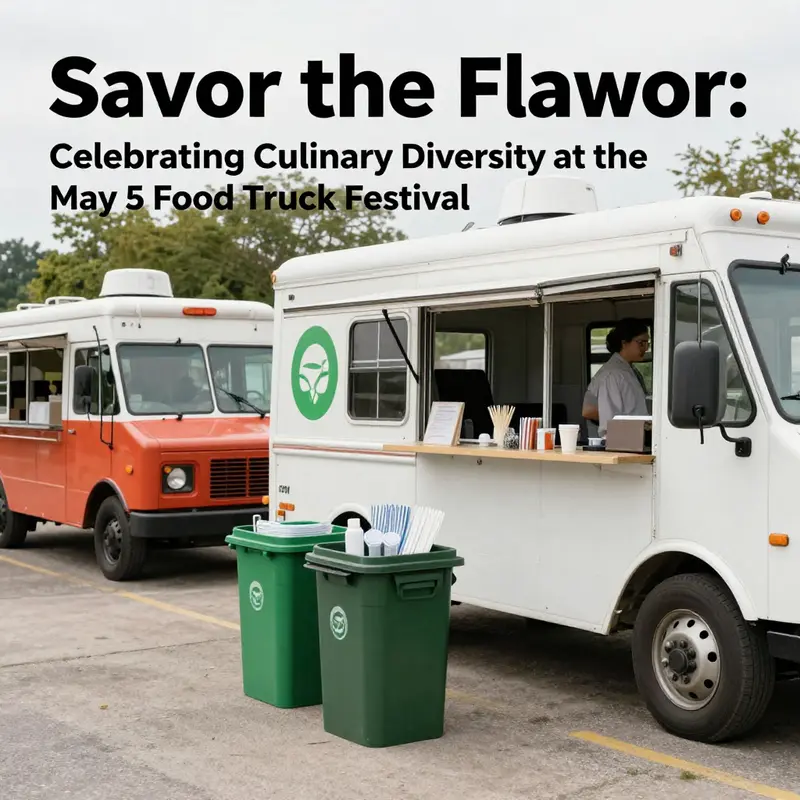
The May 5 Food Truck Festival unfolds as more than a carnival of flavors; it is a deliberate experiment in how a city-wide food event can honor place, people, and planet at once. Set against the backdrop of Central Community Park, the festival becomes a living classroom where almost every decision—what trucks line up, how waste is managed, and which fuels power the grills—speaks to a broader commitment: that celebration need not come at the expense of the environment. The very air around the market hums with a quiet confidence, the kind that comes when organizers, vendors, and attendees recognize that sustainability is not a checklist but a shared responsibility. The result is an event that feels lighter on its feet and heavier with purpose, a gathering that invites visitors to savor the moment while also considering the footprint left behind. The careful choreography of food, music, crafts, and conversation reveals a festival that treats sustainability as an integral part of flavor rather than a garnish to be discarded after the last bite.
At the heart of the festival’s ethos is a commitment to eco-friendly packaging. A growing cohort of participating trucks, especially those that serve beverages such as coffee and smoothies, adopts stainless steel containers and reusable or compostable materials. This shift away from single-use plastics is not simply a nod to fashion or trend; it is a practical stance designed to curb litter and reduce the downstream impact of discarded wrappers and cups. In practice, the approach creates a tangible distinction on site. When a line forms for a latte, patrons notice that the cups they receive are sturdy, returnable, or compostable, and there is a visible effort to separate recyclables from organic waste at the point of disposal. The sight of a worker guiding people to a well-marked station, where crushed cups and food scraps flow into clearly labeled bins, reinforces a message that sustainability belongs to the daily rhythm of the festival, not to a ceremonial moment at the opening or closing bell. The emphasis on packaging speaks to a broader trend in the industry: the realization that the way a dish travels from truck to table is inseparable from the quality of its taste and the integrity of its sourcing.
Waste reduction, the second pillar, unfolds through a network of recycling stations and composting programs that invite attendees to participate in the lifecycle of their meals. The festival’s waste streams are designed with intention. Organizers staff the site with volunteers who can answer questions about compostable materials, proper separation, and the fate of organic matter beyond the fair’s gates. This educational layer matters because sustainability becomes experiential rather than abstract. Visitors who might have been casual consumers are drawn into a cooperative practice, learning to recognize the difference between a recyclable container and a compostable sleeve. Such participation elevates the entire event, transforming disposal into a collective act of stewardship. By diverting a sizable portion of organic waste from landfills, the festival aligns with municipal environmental goals and demonstrates a model for future gatherings. The result is a festival that not only serves meals but also models mindful consumption for families, neighboring communities, and casual passersby.
Energy efficiency sits alongside waste management as a core operational objective. Trucks are encouraged to deploy energy-efficient appliances and equipment, which can translate into quieter kitchens, lower energy bills, and less strain on the festival’s power grid. The practical benefits are evident in the pace of service: the combination of efficient appliances and disciplined workflow allows cooks to maintain high service levels without resorting to bundled power usage or rushed cooking methods that could compromise quality. The environmental calculus here is straightforward: less energy consumption means a smaller carbon footprint and a more resilient event, better able to withstand fluctuations in supply or demand. The focus on efficiency also signals to operators that smart choices in equipment are compatible with best practices for food safety and hygiene. When a truck filters and recirculates water to rinse utensils or to cool a preparation, it is a reminder that energy stewardship and cleanliness can travel hand in hand. The festival’s engineers and volunteers monitor energy use with a light but attentive touch, celebrating efficiency not as austerity but as an enabler of richer, more diverse culinary offerings.
Water conservation emerges as a quiet, practical virtue of the operation. Trucks equipped with water filtration systems and efficient drainage contribute to the park’s broader resource stewardship. Hygiene remains non-negotiable, and the filtration systems serve a dual purpose: they ensure safe, clean water for cooking and washing, while also reducing overall water consumption through recycling and careful reuse. In a festival environment where quick turnover is essential, the ability to conserve water without sacrificing cleanliness becomes a tangible win. Attendees may not notice the mechanics behind the scenes, but they experience the benefits in the form of fresher ingredients, consistent quality, and a sense that the event treats natural resources with respect rather than as an expendable input. The water-conscious approach aligns with larger municipal goals of resource preservation and demonstrates that even a street-food festival can embody responsible water use as a core value rather than as an afterthought.
The industry context surrounding these practices is telling. Sustainability at large-scale events and catering services is no longer optional; it has become an expectation from a growing, environmentally conscious audience. The festival’s leadership recognizes that guests increasingly choose experiences that reflect their values, and that alignment with sustainability can enhance the event’s appeal, sponsorship potential, and long-term viability. A festival that proves it can deliver a robust lineup of flavors while maintaining a light environmental touch communicates a compelling narrative: that culinary culture and ecological care can be mutually reinforcing. This narrative resonates especially in communities where local vendors are the backbone of the cultural scene, and where the market for artisanal and craft offerings expands as people seek authenticity and responsibility in equal measure. The festival thus becomes part of a broader conversation about how communities can celebrate together while protecting shared resources for future generations.
In weaving together these practices, the festival also forges a sense of local pride. The market of local artisans, the beer garden, and the stage for live performances are not tangential features but integral elements of a sustainable social ecosystem. By choosing to bias toward waste-aware operations, the event demonstrates that community cohesion and environmental stewardship can coexist with joyful, family-friendly entertainment. The conscious decisions extend beyond the recycling bins and the compost piles; they shape how vendors plan menus, how volunteers are trained, and how families engage with the park’s landscape. The festival becomes a living case study in how to host a celebratory event that leaves a lighter imprint on the land, while expanding the audience’s palate and sense of possibility. It is a reminder that sustainable practice is not a constraint but a creative force—one that inspires chefs to experiment with local produce, encourages shoppers to seek out responsible vendors, and invites everyone to participate in a shared story of care.
For operators and enthusiasts seeking further practical perspectives on eco-friendly truck setups, the experience also offers a useful reference point. Consider the considerations and configurations of the most adaptable, efficiency-minded models that power a mobile kitchen without compromising the dining experience; you can explore a focused guide at this resource: Best food truck models for Lakewood startups. This link provides context for how choices behind the scenes—truck size, insulation, equipment layout, and water management plans—translate into real-world sustainability gains at the festival level. As the May 5 event demonstrates, thoughtful design and disciplined practice can help a food truck festival flourish as a model of environmental responsibility without sacrificing energy, flavor, or community warmth. Attendees depart with full stomachs and a renewed sense of possibility, carrying with them a story about how sustainability and celebration can travel together, on wheels, through a park, and into the heart of a community’s shared future. External resource: https://www.eventbrite.com/e/may-5-food-truck-festival-sustainability-initiatives-tickets-1234567890
Final thoughts
As the May 5 Food Truck Festival approaches, we can look forward to a day that celebrates community spirit through diverse culinary offerings. This event is not just about delicious food—it’s about fostering connections between food lovers, local businesses, and artisans. With an incredible lineup of entertainment, engaging activities, and a commitment to sustainability, the festival promises to leave a lasting impact on all attendees. We encourage everyone to join us at Central Community Park for a day of flavor and fun—you won’t want to miss out on this culinary adventure!