
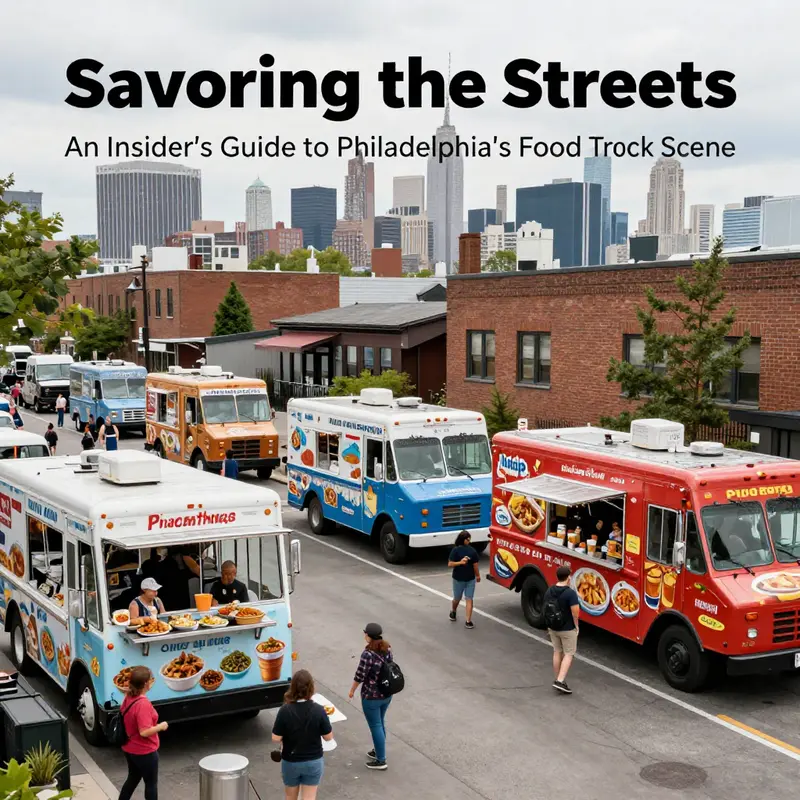
Philadelphia’s food truck scene is a culinary tapestry woven with flavors, cultures, and creativity. For aspiring food truck operators and tourists visiting Lakewood, understanding this lively mobile food culture is essential. Each food truck not only offers a unique menu but also tells a story of its cultural roots and entrepreneurial spirit. In this exploration, we’ll dive into the diverse culinary choices that Philadelphia’s food trucks bring to the table, uncover the special experiences these trucks create on college campuses, spotlight the popular key players in the industry, and discuss the broader cultural and economic impact of food trucks. Whether you aim to operate a food truck or simply savor the rich flavors, this guide will illuminate the bustling world of Philly food trucks.
Street Plates and City Pulse: What Philadelphia’s Food Trucks Bring to Every Meal
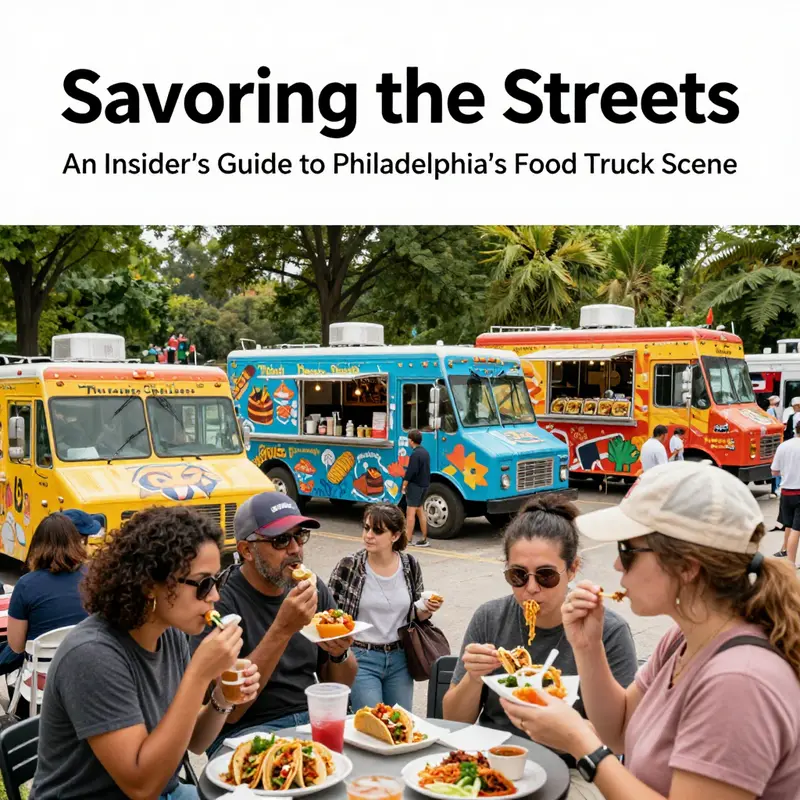
Philadelphia’s food trucks do more than serve meals. They map the city’s tastes, rhythms, and neighborhoods. Move through a weekday lunch line near a campus, and you’ll find quick, affordable bowls and sandwiches. Wander an evening market, and you’ll encounter inventive fusion dishes and late-night comfort plates. These mobile kitchens compress global traditions into single-serve experiences, and they make new culinary possibilities feel familiar.
On any given block, the scene showcases broad culinary range. You’ll find spice-forward Middle Eastern street food alongside handheld Latin American classics. Asian-inspired stir-fries sit beside hearty American comfort options. Chefs use compact kitchens to experiment. The result is a steady flow of dishes that are both approachable and surprising.
A large part of the trucks’ appeal lies in their accessibility. They park where people already are. That makes them ideal for students, office workers, and night-shift crews. Meals arrive fast, often customizable, and at prices lower than dine-in restaurants. For many, food trucks offer a reliable, delicious answer to a tight schedule. For others, they provide a chance to try something new without commitment.
Quality is another defining trait. Many vendors take sourcing seriously. Fresh bread, locally raised proteins, and seasonal produce appear on menus. Ingredients that might be expensive in a full-service restaurant become viable in a truck because overhead is lower. That tradeoff lets chefs focus on flavor and technique instead of large dining rooms or full staff rosters. The result: restaurant-level dishes that you can eat on a bench.
Dietary variety is central. Trucks serve vegan and vegetarian options alongside carnivorous specialties. Gluten-free preparations are common. Many operators design platforms that adapt to allergies and preferences. The mobile format encourages customization because customers often ask for it. That makes trucks a natural choice for groups with varied needs.
The culinary identities on display reflect the city’s multicultural makeup. Immigrant traditions are translated into accessible street fare. Dishes rooted in specific regions arrive with modern tweaks. The chefs behind the windows bring family recipes and personal twists. What appears as a simple plate can carry deep cultural meaning.
This story of diversity is also a story of entrepreneurship. Food trucks lower the barrier to entry for chefs without abundant capital. A well-executed truck can be a laboratory. Operators test menus, refine recipes, and build followings. Successful concepts sometimes migrate into brick-and-mortar restaurants. Others remain beloved as mobile fixtures. Either way, trucks create pathways for culinary careers.
Beyond daily service, trucks shape social life. Farmers markets, neighborhood block parties, and campus gatherings often center around them. These events turn meals into communal moments. Long lines become opportunities for conversation, and shared plates invite discovery. Trucks help convert ordinary urban spaces into temporary culinary hubs.
Technology and logistics have reshaped how people interact with trucks. Real-time tracking and pre-ordering apps let customers time their arrival. Digital menus update instantly. These tools reduce wait times and allow vendors to manage inventory more precisely. Technology doesn’t replace the human interaction, but it does make the experience smoother.
Operating a food truck in a city like Philadelphia comes with practical challenges. Fuel costs, maintenance, and permits affect margins. Parking rules and neighborhood regulations require careful planning. Weather and seasonality play roles, too. Yet many operators find the flexibility worth the tradeoffs. They can respond to demand, test new locations, and scale operations when opportunities arise.
The scene also has its star moments. Certain locations consistently draw crowds because of convenience, foot traffic, or built-up reputation. College campuses, business corridors, and nightlife districts act as anchors. Regulars learn where to expect specific flavors on given days. That rhythm creates a predictable circuit for both customers and vendors.
Community support matters more than buzz. Word-of-mouth, local reviews, and social media play important roles. A positive reputation often forms from repeated exposure. Consistency in food and service turns first-time visitors into regular customers. That loyalty helps vendors weather slow weeks.
Culinary innovation shows up in surprising combinations. Chefs mix flavor profiles from different traditions while maintaining balance. A spicy sauce might be paired with a creamy base. Fermented condiments and pickled accents add brightness. Street-level plating tends to favor hand-held convenience, but the flavor constructions can be highly sophisticated.
Sustainability has become a higher priority. Many trucks reduce waste by using compostable packaging. Some source from local farms to shorten supply chains. Efficient kitchen layouts minimize energy use. These practices reflect a larger trend in urban food culture toward responsible sourcing and waste reduction.
The trucks also reflect changing consumer values. People increasingly look for transparency about ingredients and preparation. They value vendors who communicate clearly about allergens, sourcing, and portion sizes. Responsiveness to dietary needs builds trust and encourages repeat visits.
For first-time explorers, a few practical tips make the scene easier to navigate. Check a truck’s social feed or tracking app for real-time location updates. Visit during non-peak hours to avoid long waits. Bring cash just in case, though most trucks accept cards. Try small plates to sample more vendors in one outing. And be patient—the line often signals quality and a dedicated operator.
For anyone interested in starting a truck, the model offers flexibility. The path often begins with a clear concept, attention to inventory control, and a reliable route. Learning to anticipate demand and adjusting menus accordingly is key. Operators who cultivate local partnerships and participate in community events tend to build stronger followings.
Regulation and the city’s permitting system shape how trucks operate. Compliance ensures safety and fairness. It also influences where and when trucks can park. Vendors often develop strategies to maximize permitted time slots and event-based permits. Those strategies, combined with strong customer service, help trucks maintain profitability.
Food trucks also act as culinary bridges. They introduce people to new cuisines in approachable formats. A handheld item can demystify a culinary tradition. Families and friends share plates and swap tastes. That exchange fosters cross-cultural appreciation.
The food truck scene evolves with the city. New vendors arrive with novel concepts, while established operators refine their offerings. Pop-up collabs and themed nights add variety. Seasonal menus celebrate local harvests and holiday flavors. This continuous adaptation keeps the scene vibrant.
Street vendors’ role in economic ecosystems is significant. They support local producers and create jobs. They activate underused urban spaces. By bringing food to neighborhoods without full-service restaurants, they help address food access gaps. That makes them part of a broader strategy for urban vitality.
Finally, the sensory experience is central. The sizzle of a griddle, the steam rising from a bowl, the aroma of spices in the air—these elements form a city soundtrack. Eating from a truck engages the senses in ways dining rooms rarely replicate. That immediacy contributes to the trucks’ enduring appeal.
Exploring this scene means more than sampling menus. It means paying attention to rhythms, people, and the small innovations that make city food culture resilient. Whether you seek a quick lunch near a campus or a late-night meal after an event, the trucks offer both comfort and culinary curiosity. They are mobile kitchens and living experiments. They teach through taste, and they invite everyone to participate.
For current listings and local rankings, consult the most recent directory linked below. It provides up-to-date locations, reviews, and availability. For practical guidance on building or choosing a vehicle for a startup, see a resource on the best food truck models for Lakewood startups.
How to Choose the Perfect Food Truck Model for Your Lakewood Startup—Complete Checklist Inside!
https://www.yelp.com/biz/food-trucks-philadelphia-pa
Rolling Kitchens, Campus Pulse: The Philly Food Truck Experience on College Campuses
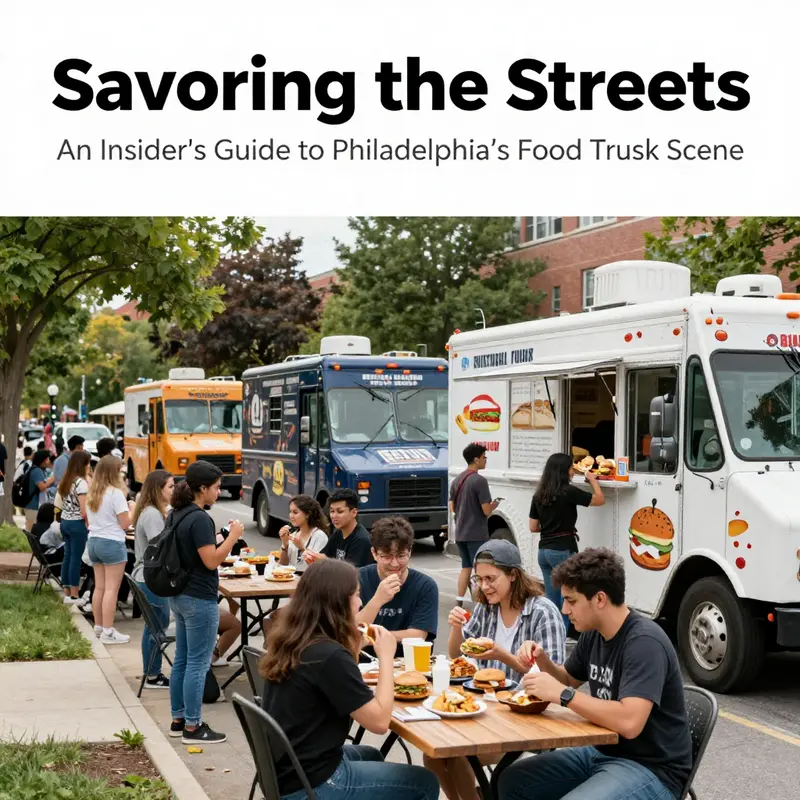
On the Penn campus, the rolling kitchens are more than a convenience; they are a daily pulse, the quick heartbeat that steadies a day filled with lectures, labs, and late-night study sprints. The food trucks that dot the campus landscape become part of the architecture of student life, seating themselves along routes that weave between the iconic landmarks of Franklin Field and the quiet courtyards near Van Pelt Library. It’s in these corridors of foot traffic and caffeine-fueled focus that the true value of the Philly food truck scene reveals itself. They offer not just meals, but a functional interlude—a moment to step out of the library’s fluorescent glare or the lecture hall’s deadline pressure and into a space where aroma, sizzle, and the possibility of something new converge into a plan for recharging both body and mind. In this environment, the truck is more than a kitchen on wheels; it is a mobile commons where the campus community gathers, negotiates time, and exchanges stories as readily as orders and receipts.
The variety on offer mirrors the cosmopolitan character of the school itself. Along these campus routes, the spectrum runs from tried-and-true American staples—tender burgers and comforting hot dogs—to flavors that hint at faraway streets: Chinese stir-fries that release that familiar wok heat; Indian curries that carry a touch of heat and a note of home; Mexican-inspired bites with lime and cilantro brightening the plate; and Korean-influenced preparations that deliver marinated depth in a few quick gestures. This breadth matters as much as speed. Students are juggling back-to-back classes, club meetings, and practice sessions, and the trucks understand that a good meal needs to be flexible—customizable, fast, affordable, and satisfying. They invite a kind of culinary exploration without demanding a long, formal commitment, making the campus itself feel like a compact, open-air food hall that travels with the day’s schedule rather than forcing it to conform to a fixed dining room.
The cadence of lunchtime on campus often features a line that tumbles into the adjacent walkways, the kind of queue that becomes a social cue as much as a signal of popularity. Wait times vary with the hour, yet even during peak moments the experience remains efficient. The staff move with practiced ease, assembling orders against a clock that seems to keep pace with the surrounding bustle. There is a rhythm to the exchange: students call out a preferred configuration, a cook or a cashier confirms the line-up, and in moments the tray slides forward with a warmth that seems to carry the scent of the day’s fresh offerings. It’s a small theater, but one with a consistent audience, and the performance never gets stale because the cast of dishes shifts with the seasons and with the appetite of the campus body. Behind the scenes, this cadence is the result of deliberate planning: a lean set of menus that can be reproduced at speed, a crew that understands the geometry of a crowded sidewalk, and a logistics loop that keeps the trucks moving between peak hours and practice fields so that a hungry student can always catch a break.
For many students, the appeal lies not only in the speed or the range of flavors but in the way the trucks become a nexus for community. Between classes, it’s common to spot study groups converging by the curb, a quick bite traded for a short discussion, and a pause taken to recalibrate before the next challenge. The trucks serve as informal meeting places where strangers become acquaintances on the way to forming study collaborations or weekend plans. In this sense, the Philly food truck phenomenon on campus is inseparable from the multicultural energy the university environment channels. Each order comes with a tiny conversation—the spice level, whether to add extra greens, the memory of a dish from another city—inviting a dialogue that mirrors the broader conversations happening within the campus community about identity, mobility, and belonging. The trucks do not merely execute a menu; they curate a lived experience that reflects the dynamic, interconnected nature of a campus that draws people from many places and backgrounds.
The practical side of this ecosystem also speaks to the ingenuity that makes mobile kitchens so enduring. These are businesses built for speed, resilience, and adaptability. Their menus are intentionally concise, yet the scope of flavors under that umbrella is surprisingly wide. A cook can pivot from a comforting, familiar option to something with bold, international influence in a single day, offering a sense of culinary travel without leaving the curb. The equipment aboard is chosen for mobility and reliability, enabling a rapid response to demand and a graceful handling of the weather and foot traffic that define life in an outdoor dining corridor. The never-ending need to balance quality with speed shapes everything from prep routines to the way ingredients are stored and rotated. The result is a kitchen that looks small from the outside but is capable of delivering a restaurant-grade sense of care on a schedule that keeps pace with college life. In this way, the trucks teach a lesson in efficiency without compromising the soul of the food—the careful browning of meat, the brightness of fresh herbs, the steam rising from a hot bowl that promises warmth on a chilly afternoon.
Perhaps most striking is the way campus food trucks illuminate the city’s broader culinary ethos. They bring a slice of Philadelphia’s street-food vigor straight toward the heart of campus life, translating the city’s energy into meals that can be shared beside a bench, under a tree, or within a sunlit quadrangle. This proximity creates a continuous exchange: students expose themselves to flavors beyond their family tables, while the trucks adapt to a student body that wants quick, affordable, and satisfying lunches that can be eaten on the go or tucked away in a moment of pause between seminars. The result is a daily dialogue between place and palate, a microcosm of the city’s larger food culture, where street food is not a fallback but a feature—an accessible entry point into the complex and delicious ecosystem that Philadelphia hosts at every corner.
The campus scene also offers practical guidance for those who may be new to the city’s street-food landscape. For any student or visitor who wants to map out the best stopping points, it helps to keep a loose horizon of where trucks gather and depart, the rhythm of practice and game schedules, and how to time visits to coincide with the most favorable lines and the freshest dishes. The academic environment itself—where every day means a different set of constraints and opportunities—creates a natural testing ground for what makes a food truck worthy of repeat visits: congruent flavors, consistent portions, and a sense of hospitality that makes the exchange feel personal even in a crowded queue. When a truck can greet a returning student by name or recall a preferred customization, you’re witnessing more than customer service—you’re seeing the way a mobile enterprise becomes part of a campus family that moves through seasons together.
For a moment of cross-pollination beyond the Penn perimeter, one can follow the broader currents of mobile cuisine to similar journeys across cities and campuses and see how those experiences intersect with the university’s own culture of experimentation. This form of dining—compact, quick, and deeply social—serves as a bridge between the fast, solo meals of dorm life and the more expansive dining traditions of the city at large. It allows students to navigate constraints with curiosity, to try new combinations, and to learn how food can reflect both the local terroir and the global perspective a modern university fosters. The trucks—these impromptu classrooms on wheels—teach something essential about education itself: that knowledge travels just as fast as appetite, and that the best lessons arrive not in a lecture hall alone but at a curb, in the shared moment when a student and a cook collaborate to create something nourishing and new. And as the day ends, the trucks fold into the campus fabric, ready to reinvent themselves again the next morning as a new cohort discovers what the Philly food truck experience on college campuses has to offer.
One memorable thread of this experience can be explored further through stories of mobile kitchens that have journeyed through different urban landscapes, offering a sense of how such ventures grow, adapt, and connect. For a broader sense of street-food journeys and the evolving culture of mobile eateries, consider following RockDog Adventures Food Truck Journey. RockDog Adventures Food Truck Journey.
As the campus scene continues to evolve, students, administrators, and local operators alike increasingly recognize that food trucks are not simply occasional vendors but vital components of campus life. They contribute to the daily rhythm with a reliable, approachable meal option, empower students to discover new flavors, and foster a sense of belonging in a place that thrives on collaboration and curiosity. The experience is distinctly Philly in its honesty and speed, yet universal in its appeal—a reminder that good food, shared quickly, can become a small but meaningful ritual that anchors a community through busy weeks, late-night study marathons, and the constant flux of campus life. For those visiting or studying in Philadelphia, a detour to the curb between classes is not just a break; it is an immersion into a living, edible map of the city’s dynamism, where flavors tell stories and lines become conversations. In that sense, the Philly food truck experience on college campuses is a microcosm of the city’s broader culinary soul: diverse, quick, friendly, and insistently alive.
External resources can offer a broader lens on this culture beyond the campus fence. To connect with a wider view of the city’s mobile food landscape, you can explore Yelp’s list of top mobile food trucks in Philadelphia, PA, which captures a snapshot of the options that residents and visitors turn to when they crave speed, variety, and neighborhood flavor. https://www.yelp.com/biz/top-10-best-mobile-food-trucks-in-philadelphia-pa
What the Philly Food Truck Tells Us About Taste: Players, Preferences, and the New Rules of Street Dining
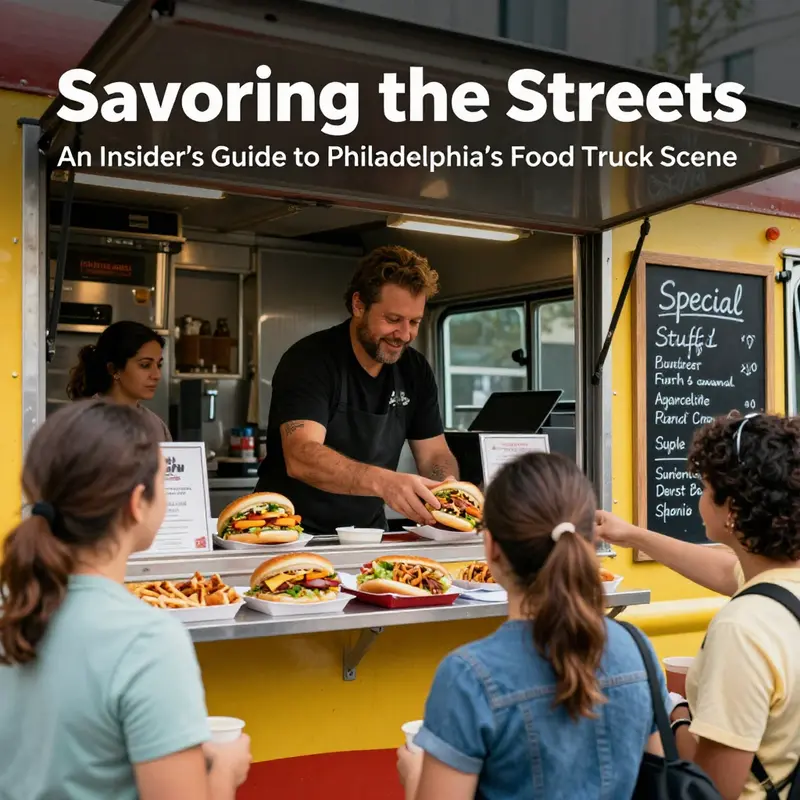
Philadelphia’s food trucks have become more than a convenient lunch option. They are living experiments in flavor, service, and brand-building. Where once a mobile cart meant quick, humble fare, modern trucks function like compact restaurants. They curate rotating menus, test bold mashups, and use digital tools to meet a city that expects speed without sacrificing quality. This chapter examines why these mobile kitchens enjoy such broad appeal, how a few key players set expectations, and what customer preferences are telling us about the future of street dining.
At the heart of the food truck surge is a simple promise: compelling food in a small footprint. Trucks have translated that promise into three core strengths. First, they deliver novelty. Menus that blend cuisines, swap textures, or reinvent classic dishes draw lines of curious customers. Philadelphia’s appetite for bold combinations and regional twists created the perfect environment for these experiments. Second, they offer immediacy. A short wait, often shortened further by digital ordering, fits the rhythms of busy urban life. Third, they create ritual. Regulars learn routes, favorite specials, and optimal times to visit. The ritual of chasing a truck — whether near campus, in a commercial corridor, or at a weekend market — becomes part of the meal.
Technology is a defining differentiator. Many operators now rely on real-time location tools and pre-ordering platforms. These features reduce uncertainty for customers and cut idle time for operators. When a truck posts its next stop and a limited drop of a seasonal item, it drives a fast, passionate response. For customers, real-time updates turn food runs into planned outings. For operators, they convert social buzz into immediate sales. That economical loop — promotion to purchase in minutes — suits a city that values both spontaneity and certainty.
Menu strategy has evolved alongside technology. Where early trucks maintained static, limited offerings, today’s mobile chefs rotate menus like restaurants. They test off-menu specials and let popular items graduate to regular status. This constant iteration keeps interest high and makes social sharing more frequent. Dishes tailored for portability and shareability do especially well. Think handhelds that promise full flavor with no forks required. Foods that photograph well and travel well earn repeat customers quickly. The cadence of rotating items matches seasonal produce and cultural moments, keeping the truck in daily conversation.
Customer preferences in Philadelphia skew toward a few distinct priorities: speed, customization, and daring flavors. Speed is not simply about service time. It also means predictable availability. Regular routes and online schedules give workers and students confidence that their favorite lunch is accessible. Customization allows diners to control portions, toppings, and heat levels. Trucks emphasize flexible bases and modular builds for this reason. Daring flavors satisfy a public eager for novelty. Fusion dishes, dessert twists, and limited-run mashups become local legends. The intersection of these priorities has reshaped what people expect from any eatery, mobile or brick-and-mortar.
The social dimension amplifies popularity. Food trucks are social media-friendly by design. Short queues and novel menu items encourage quick photos and posts. Viral menu items can create demand spikes that last weeks or months. Word of mouth on campus or in office neighborhoods fuels lines. That social energy gives certain trucks outsized visibility and turns trucks into community hubs. A spot that draws students at noon may transform into a night-time gathering place for neighborhood residents. By meeting the city where it lives — near parks, campuses, and transit hubs — trucks become woven into social life.
Branding matters more than ever. Successful trucks shift from anonymous carts to recognizable culinary brands. This shift involves a consistent visual identity, reliable quality, and a signature style. A memorable menu item can act as a brand’s ambassador. When that item becomes synonymous with a truck, repeat business and tourist curiosity follow. The truck’s identity extends to guest interactions, online voice, and even the rituals around service. Operators who commit to a coherent identity create trust, which is crucial in a market defined by rotation and competition.
Operational excellence underpins all this creativity. Sourcing consistent ingredients, managing a compact prep space, and maintaining food safety present ongoing challenges. Trucks that master these constraints can focus on menu innovation. Efficient workflows limit ticket time while ensuring a high standard. Many operators use prep houses, prepped components, and smart inventory systems to keep busy windows smooth. These behind-the-scenes systems are as important to popularity as any viral menu item.
The role of institutional hot spots, like colleges and business districts, cannot be overstated. Campuses generate a reliable, dense customer base with predictable peaks. Business corridors supply steady weekday demand. Trucks that lock into these rhythms realize consistent sales and gather loyal followings. Nighttime scenes and weekend events expand reach further. The convenience of trucks near transit or study spaces makes them a default option for many residents and visitors.
Community and culinary ecosystems grow around top trucks. Partnerships with event organizers and local suppliers extend reach. A truck that appears at community festivals gains trust and a broader audience. Cross-collaborations, when trucks team up with local makers or other chefs, create one-off experiences that attract new customers. This ecosystem approach turns individual trucks into cultural players, not just food purveyors.
Economic opportunity is another factor in their popularity. For aspiring restaurateurs, trucks require lower startup costs and offer a flexible testing ground. A successful truck can prove a concept with less financial risk than a permanent venue. It also allows operators to scale slowly, refine menus based on immediate feedback, and pivot quickly when tastes shift. This low-barrier entry diversifies the culinary landscape and welcomes bold entrepreneurs.
Regulatory frameworks and city planning have shaped the scene. Rules around permits, parking, and health standards differ between neighborhoods. Operators that understand these regulations thrive. Some trucks supplement street service with private events, catering, and collaborations to optimize revenue and manage constraints. A strategic mix of locations, permits, and timing keeps operations viable and responsive to demand.
The cultural importance of shareable items and limited drops shapes menu design. Dishes created for social sharing increase visibility and create communal dining moments. Limited drops generate scarcity, turning ordinary days into events. Food trucks leverage scarcity and novelty to maintain interest and keep lines moving.
Sustainability and supply chains matter too. Operators who use local suppliers and sustainable packaging appeal to conscious diners. These choices can distinguish a brand in a crowded field. Sustainable practices sometimes come with higher costs, but they resonate with customers who prioritize values along with flavor.
The most visible players set benchmarks, but emergent trucks often drive innovation. Up-and-coming operators learn rapidly, borrowing tactical elements from established trucks. That cross-pollination raises the overall bar for quality and service. It also fuels a competitive environment where uniqueness and consistency coexist.
For entrepreneurs and city planners, the lesson is clear: food trucks are flexible, resilient, and influential. They react to customer preferences faster than many traditional restaurants. They test new concepts with low risk and deliver concentrated impact in compact spaces. For consumers, the appeal is experiential as much as gustatory. Finding a truck, waiting in line, and tasting something new creates a story worth sharing.
If you want to learn more about choices for truck startups and how equipment and layout influence success, review practical guides that focus on mobile operation design and models, like this look at the best food truck models for Lakewood startups: https://lakewoodfoodtrucks.com/best-food-truck-models-for-lakewood-startups/.
For operators, the path forward involves balancing novelty with reliability. Keep the menu fresh, but keep the signature items consistent. Use technology to reduce friction. Build an identity that travels with the truck. Engage customers in ways that turn single visits into habits. Those who do will continue to define what the city expects from a meal on wheels.
For those curious about a prominent example of a modern, digitally engaged truck with rotating gourmet items and pre-ordering capability, more information can be found here: https://www.worldfamouseggrolltruck.com
Rolling Influence: How Philly’s Food Trucks Shape Culture, Communities, and the Local Economy
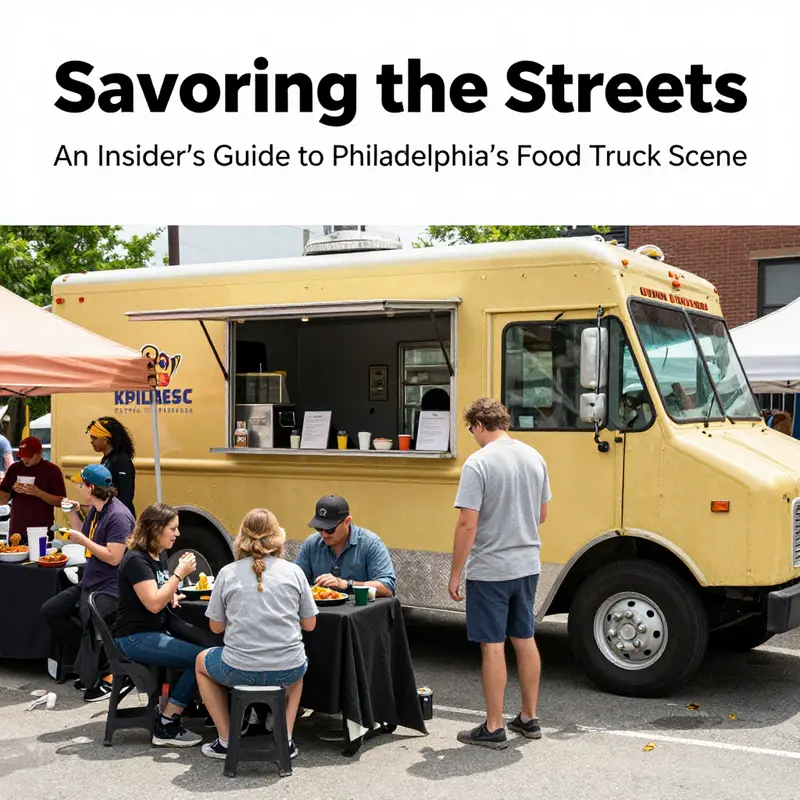
Philadelphia’s food trucks have evolved beyond lunchtime convenience. They are a visible, mobile expression of the city’s cultural mix. On any given weekday, a line of people waits by a parked truck, drawn by recipes passed down through generations or by bold new fusions. These vehicles bring more than meals. They bring access, opportunity, and a living stage for cultural exchange.
The cultural significance of the food truck scene is immediate and layered. Trucks offer cuisines that reflect the city’s diverse population. Diners encounter Latin American spices, East Asian techniques, Middle Eastern staples, and Southern comfort favorites from a single block. That variety changes how Philadelphians think about casual food. A quick bite can be a lesson in geography and heritage. It can be an introduction to a flavor profile that inspires curiosity. Because trucks often serve items in handheld formats, meals become social. People share bites, swap recommendations, and teach others the customs behind a dish. This casual sharing fosters small acts of cross-cultural understanding.
Food trucks also create a new kind of public realm. Streets and parks become temporary marketplaces where people gather. These pop-up dining spots have transformed ordinary corners into places that hum with energy. Neighborhood identity grows around recurring truck schedules and weekly markets. A park that hosts rotating vendors on weekends becomes a destination. A steady truck at a commuter hub turns into a ritual for early-morning workers. These patterns of use knit together different parts of the city, linking office clusters to residential blocks and tourist paths to local hangouts.
Visually and aurally, trucks add to urban life. Bright colors, handwritten menus, and the scent of grilling food animate sidewalks. They create micro-communities wherever they park. Regular customers form relationships with operators. Conversations happen at the window. These exchanges are more intimate than a typical restaurant visit can be. Operators remember orders and preferences. They learn what a neighborhood wants and adapt menus accordingly. That responsiveness feeds a sense of belonging for both vendor and customer.
At the economic level, the impact is substantial and multifaceted. Food trucks lower the barrier to entry for culinary entrepreneurs. Compared to opening a full-service restaurant, a truck requires less capital and less fixed overhead. This accessibility enables chefs and cooks from underrepresented communities to launch businesses and test concepts. Many entrepreneurs use a truck as a stepping-stone. They refine menus, build followings, and then decide whether to expand into a brick-and-mortar location. The mobility of a truck also allows operators to chase demand. They can move from festival crowds to dinner districts, aligning supply with peaks in foot traffic.
Trucks generate direct and indirect employment. Staffed by cooks, servers, and drivers, these businesses create hourly jobs that matter for many local workers. Beyond staff, trucks stimulate nearby commerce. When a cluster of vendors sets up near retail corridors or green spaces, surrounding stores see increased foot traffic. Cafes, bars, and shops benefit from passersby who stop to eat or linger. Event organizers, markets, and festival planners rely on trucks to enhance programming and draw attendees. In this way, mobile kitchens become integral to the broader ecosystem that sustains neighborhood economies.
Municipal policy has evolved in response. City officials have introduced designated vending zones and streamlined permitting to balance public space use with vendor needs. These changes aim to reduce red tape while protecting residents’ quality of life. Thoughtful regulation helps integrate trucks into city planning. It also ensures fair competition with brick-and-mortar establishments. When cities commit to clear rules and supportive infrastructure, vendors flourish. Communities benefit from an energized streetscape and a predictable calendar of food-centered events.
The trucks’ contribution to tourism and city branding is another economic thread. Travelers often hear about a city’s street food reputation before they learn about its museums or parks. A lively food truck scene signals a dynamic urban culture. Festivals and weekly markets that highlight mobile vendors become attractions that draw visitors from outside the region. These events extend stays and increase spending on lodging, transport, and retail. For a city already known for culinary history, a thriving truck scene adds a modern, approachable layer to its public image.
Food trucks also catalyze entrepreneurship in adjacent industries. Equipment suppliers, maintenance shops, and local farms supplying fresh produce all feel the ripple effects. Food trucks invest in local supply chains because many prioritize quality and seasonality. Small farms and specialty purveyors gain new customers through vendor relationships. In turn, those suppliers grow and hire more staff. This multiplier effect spreads the economic benefits beyond the immediate food ecosystem.
Beyond the numbers, the trucks influence social mobility. For many operators, a truck represents a tangible route to economic independence. Low startup costs make ownership feasible for people who might lack access to traditional financing. The business model rewards creativity, resilience, and community connection. Successful vendors build loyal followings through consistent quality and clever branding. Over time, that brand equity can translate into higher earnings, opportunities for partnerships, and expanded operations. When diverse entrepreneurs succeed, the local economy becomes more inclusive.
The communal aspect of truck gatherings deserves emphasis. Regular meetups, night markets, and park-based events create rituals that shape neighborhood life. These occasions are often family-friendly and budget-friendly. They offer culturally diverse programming and accessible entertainment. Local musicians play between service shifts, artists sell small works, and community groups host workshops. Such mixed-use events foster civic engagement and strengthen social bonds. They also allow vendors to test new ideas in a low-risk environment.
Challenges remain. Competition for prime parking spots can be fierce. Weather and seasonal demand affect revenue. Regulatory complexity still frustrates some operators. And tensions sometimes arise between trucks and established restaurants concerned about fairness. Addressing these issues requires continued dialogue among vendors, residents, and policymakers. Solutions often include scheduling reforms, transparent permitting, and equitable zone allocations that balance different interests.
Technology has helped smooth some operational frictions. Real-time order tracking, social media updates, and mobile payments boost efficiency. Customers benefit from knowing a truck’s location and wait time. Operators reach wider audiences through digital marketing. Technology also enables creative collaborations, such as shared kitchens or coordinated pop-ups. These innovations reduce friction and open new revenue streams.
The food truck scene in Philadelphia is more than a culinary convenience. It is a living laboratory for cultural exchange, an engine for local entrepreneurship, and a contributor to economic vibrancy. Its presence transforms streets into stages where food and community meet. As the ecosystem matures, so does the potential for trucks to support inclusive growth and enrich urban life. Their continued value lies in balancing innovation with fairness, and mobility with a rootedness that benefits neighborhoods across the city.
For a snapshot of how policymakers and market forces interact in this evolving space, see a detailed look at economic and cultural effects in the local press: https://www.inquirer.com/business/food-trucks-philadelphia-economic-impact-20240612.html. For a practical view of how rallies and gatherings are shaping regional food scenes, consider this resource on 2026’s best food truck rallies: https://lakewoodfoodtrucks.com/2026s-best-food-truck-rallies-what-lakewood-has-in-store/.
Final thoughts
The Philly food truck scene is more than just a collection of mobile kitchens; it’s a reflection of Philadelphia’s vibrant culture and community spirit. For aspiring food truck operators, understanding the diverse offerings, engaging with the local college culture, identifying key players and trends, and recognizing the broader impact of food trucks will inform successful ventures. As a tourist enjoying Lakewood, experiencing the culinary variety these trucks present will undoubtedly enrich your visit. This dynamic sector continues to evolve and contribute to the city’s unique food culture, making Philly’s food trucks an integral part of its identity. Let’s continue to support and celebrate these culinary staples!