
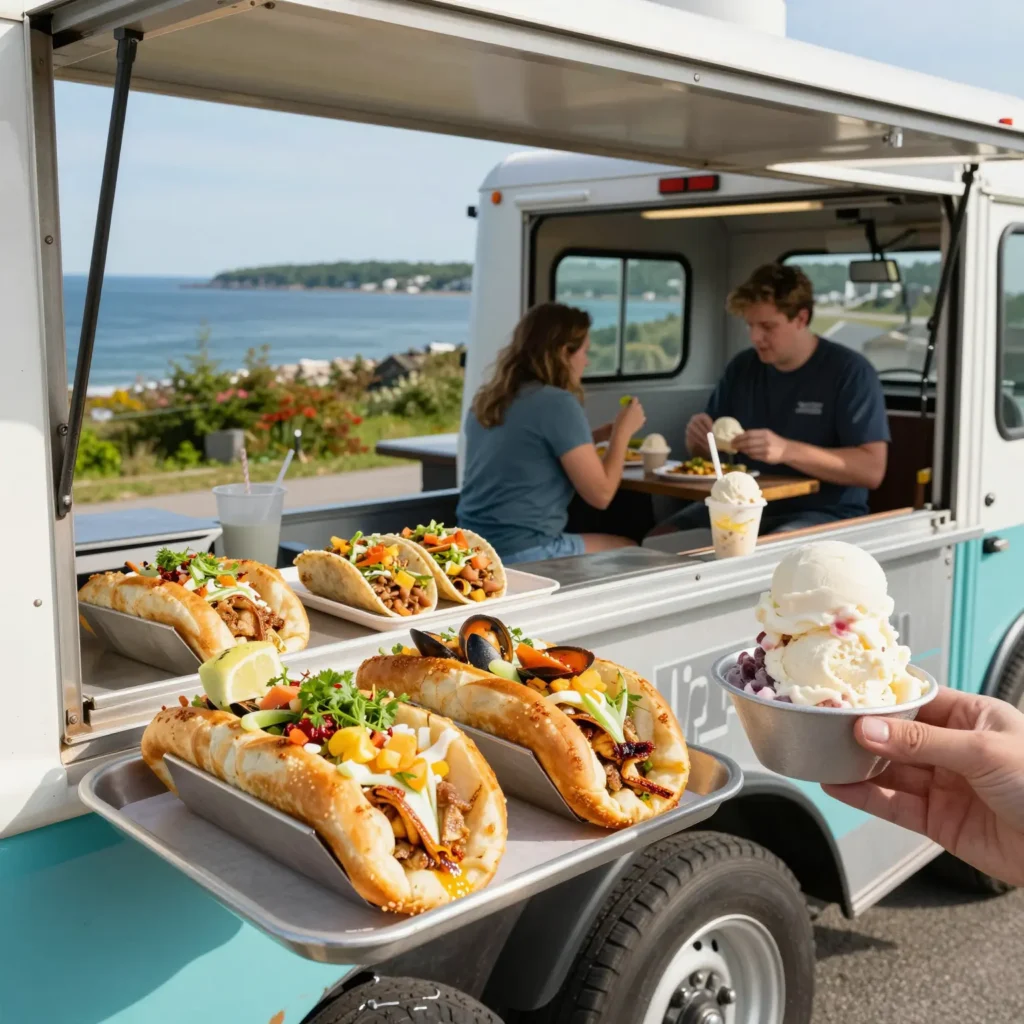
The Food Truck Revolution in Maine
Maine is not just renowned for its stunning coastal views and rich maritime history; it’s also home to a vibrant food truck culture that showcases the best of local gastronomy. As the seasons shift and tourists flock to the lakes and beaches, food trucks offer an irresistible way to enjoy fresh, delicious meals on the go. Picture a sunny afternoon by the lake with the tantalizing aroma of seafood rolls, gourmet tacos, and artisanal ice creams wafting through the air. The charm of food trucks lies not only in their diverse menu offerings but also in their ability to foster community and connection; they are gathering spots where conversations flow as freely as the food.
In communities like Lakewood, food trucks have become an integral part of local events and outdoor festivals, drawing people together to share in the joys of eating and socializing. Each truck tells its own story, often reflecting the unique flavors and culinary traditions of Maine. Whether you’re an aspiring food truck operator eager to enter this bustling scene or a curious tourist looking to indulge in local delights, the food truck movement is a celebration of innovation, creativity, and community spirit. As we explore how to start a successful food truck business in Maine, you’ll discover not just operational insights but also the heart and soul that make this experience truly special.
Let’s dive deeper into this exciting world of culinary adventure!
Why Start a Food Truck Business in Maine?
Maine is an exciting place for food enthusiasts, and the food truck business is booming! Here are several compelling reasons to dive into this vibrant culinary scene:
-
Thriving Tourism: With attractions like Acadia National Park and picturesque coastal towns, Maine draws millions of tourists each year. Food trucks can capitalize on this steady influx by providing tasty meals right at the tourism hotspots. Check out the upcoming food truck rallies here!
-
Local Food Movement: Maine is famous for its fresh seafood, artisanal products, and farm-to-table philosophy. Food trucks can tap into local ingredients and trends, offering unique dishes that highlight the best the state has to offer.
-
Lower Startup Costs: Compared to a traditional restaurant, food trucks require a lower initial investment. This makes it more accessible for new entrepreneurs to start their culinary journey in Maine’s competitive market.
-
Flexibility: Owning a food truck allows for mobility. You can change locations based on events, seasonality, and customer demand. This adaptability can be particularly beneficial during Maine’s peak summer tourism months.
-
Community Engagement: As a food truck owner, you can build a loyal customer base by participating in local events, farmers’ markets, and festivals. Engaging with the community not only boosts your brand but also enriches your culinary experience.
-
Networking Opportunities: The food truck industry in Maine is supportive and interconnected. Collaborating with local businesses and farmers can not only enhance your offerings but also provide a network of valuable resources.
-
Innovative Concepts: Maine’s gastronomic scene thrives on creativity. Operating a food truck gives you the freedom to experiment with your menu, catering to evolving consumer tastes and preferences.
-
Seasonal Adaptations: Whether it’s serving fresh lobsters in the summer or hearty chowder in the winter, food trucks can easily adapt their menu to reflect the changing seasons. Learn how to adapt to seasonal trends here.
Starting a food truck business in Maine not only offers a unique way to enter the culinary scene but also allows you to engage with a community that values great food and innovation. So gear up for this exciting venture and explore the delicious possibilities that await!
Legal Requirements for Food Trucks in Maine
If you’re dreaming about launching a food truck in Maine, it’s essential to navigate the necessary legal requirements. Food trucks must comply with local regulations to ensure public safety, sanitation, and the legitimacy of their business operations. Here’s an overview of the essential licenses and permits you’ll need:
1. Business License
A general business license is usually required to operate legally. You can typically obtain this from your city or town’s office. This license ensures that your operation adheres to local business laws and taxes.
2. Food Service License
A food service license is mandatory and can be obtained from the Maine Department of Health and Human Services (DHHS). This license verifies that your food truck meets all health and safety regulations.
3. Mobile Food Vendor License
Depending on your business model, you might need a specific mobile food vendor license. This will often be obtained from the local municipality and serves to ensure your food truck is compliant with local food service codes.
4. Health Department Permit
A permit from the local health department is necessary for food safety compliance. Health inspectors will evaluate your truck’s equipment, food storage practices, and overall hygiene before issuing this permit. Regular inspections will follow to ensure ongoing compliance.
5. Food Safety Certification
Becoming food safety certified is vital for anyone handling food. Programs such as ServSafe or the National Restaurant Association’s Food Safety Course provide certifications that many local health departments recognize. It ensures that both you and your staff understand safe food handling practices.
Graph of License Requirements

(Click on the image for a more in-depth view)
Additional Considerations
- Insurance: It’s wise to invest in liability insurance to protect your business against unforeseen incidents.
- Zoning Regulations: Check local zoning laws to confirm that you can operate in your desired location. Some towns have restrictions on where food trucks can park.
Resources for More Information
To get the latest updates and detailed information about food truck regulations in Maine, it’s recommended you check the Maine.gov website.
By ensuring you have all the necessary licenses and permits, you’ll be on solid ground to serve delicious food from your truck while complying with Maine’s legal requirements! Happy food truck journey!
This image represents food trucks operating in a scenic Maine landscape, evoking local charm and community spirit.
Explore how to start your own food truck business in Maine and be part of this vibrant scene! Learn more about food truck rallies in Lakewood and discover the best models suited for aspiring entrepreneurs at Lakewood’s food truck models guide.
When considering how to establish a food truck in Maine, one of the most rewarding aspects is curating a menu that not only satisfies cravings but also celebrates the local culture and flavors. A compelling menu can enhance your food truck’s identity and help you connect with your community. Here’s how to create a menu that reflects Maine’s culinary heritage and resonates with the local population.
Embrace Local Flavors
Maine is renowned for its diverse agricultural offerings and coastal delights. To connect with your audience, consider incorporating these local favorites into your menu:
-
Seafood Delights: Maine is famous for its fresh seafood. Dishes featuring lobster, clams, and scallops can be a hit. For instance, consider a lobster roll, which is a classic Maine dish, served with a touch of lemon and drawn butter, or a clam chowder featuring local clams and herbs.
-
Farm-to-Table Ingredients: Emphasize the use of locally-sourced produce. Seasonal vegetables, dairy, and meats from regional farms can make your dishes stand out. Creative options can include hearty sandwiches made with local cheeses or fresh salads featuring vibrant greens from nearby farms.
-
Unique Flavors: Think about incorporating distinct flavors that showcase Maine’s heritage. Maple syrup and blueberries are iconic and can be used creatively in sauces or desserts, serving as a nod to the state’s agricultural roots.
Tell a Story Through Your Dishes
Every dish has a story. Crafting narratives around your menu items can create a deeper connection with your customers. Share the inspiration behind each dish, where the ingredients come from, or a personal anecdote that resonates with Maine’s community:
-
Lobster Roll with a Twist: You could share how you were inspired by childhood summer days spent at the docks, enjoying lobster rolls fresh from the sea. This story can evoke nostalgia and charm.
-
Blueberry Pie Tacos: Imagine a twist on traditional recipes; think of combining Maine’s blueberries in a dessert taco format. You could tell the tale of picking blueberries with family and how each meal brings back those memories.
These storytelling elements not only market your menu but also foster a sense of community and belonging while encouraging patrons to relish in the authenticity of what they’re consuming.
Catering to Community Preferences
Understanding your target market’s preferences will also tailor your menu for success. Consider the following strategies:
-
Feedback Loops: Use social media or in-truck surveys to gather feedback on your menu. Understanding customer favorites can help refine offerings and introduce new dishes that your patrons are excited about.
-
Seasonal Adaptation: Change your menu with the seasons to reflect what’s fresh and available locally, as well as traditional celebrations. For instance, summer might call for refreshing salads, while fall could feature hearty stews or pumpkin-based dishes.
-
Participate in Food Festivals: Local food festivals are an excellent opportunity to experiment with your offerings and gauge community reactions. It’s also a perfect venue to introduce new flavors or take culinary risks in a supportive environment.
Highlighting Maine’s Culinary Culture
Your menu should resonate with the traditions that are significant to Maine’s food culture. Consider teaming up with other local businesses, farmers, or producers for special collaborations-maybe a limited-time dish featuring a local brewery’s beer in your batter or a partnership with a dairy farm for your creamy sauces.
Conclusion: A Menu as a Love Letter to Maine
In conclusion, your food truck menu should be more than just a list of items; it’s an opportunity to convey your passion for Maine’s culinary landscape while cultivating connections with your community. By embracing local flavors, telling your food’s story, and responding to community preferences, you’ll create a captivating menu that reflects your identity and appeals to the hearts and palates of your customers.
To learn more about creating a thriving food scene in Lakewood, check out this overview of food truck rallies and how they foster community engagement and culinary innovation. By celebrating local flavors, you’re not just serving food; you’re sharing a piece of Maine with every customer who stops at your truck.
Comparing Essential Food Truck Equipment
Starting a food truck can be an exciting journey, but choosing the right equipment is crucial for your success. Below is a comparison table of essential food truck equipment, their costs, pros and cons, and some recommended brands for aspiring food truck operators.
| Equipment Type | Estimated Cost | Pros | Cons | Recommended Brands |
|---|---|---|---|---|
| Griddle | $3,000 – $5,000 | Fast cooking, versatile for various dishes | Can be heavy, needs adequate ventilation | Adcraft, Titan, Wolf |
| Deep Fryer | $2,000 – $4,000 | Delicious fried food, high demand | Uses a lot of oil, requires safety measures | Frymaster, Pitco, Vulcan |
| Refrigerator | $1,500 – $3,500 | Essential for food safety, various sizes | Can take a lot of power to run | True, Stainless Steel, Maxx |
| Food Warmer | $500 – $2,000 | Keeps food at safe temperatures | Limited cooking capabilities | Cambro, Nemco, Winco |
| Generator | $1,000 – $10,000 | Provides power anywhere | Noise, maintenance required | Honda, Generac, Briggs & Stratton |
| Point-of-Sale (POS) | $500 – $3,000 | Streamlines transactions, easy inventory | Initial setup can be complex | Square, Toast, Clover |
Additional Resources
For more tips on starting a food truck in Maine, check out our guide to food truck rallies in Lakewood and explore essential food truck models.
Choosing the right equipment is vital for a successful food truck business. Ensure to balance quality with budget to create an appealing and efficient food truck!
Marketing Strategies for Food Trucks
Launching a successful food truck business requires not just delicious food but also effective marketing strategies to capture the hearts of your community and keep customers coming back. Here are some effective online and offline marketing strategies tailored for food trucks, particularly focusing on social media, local events, and partnerships.
Online Marketing Strategies
1. Social Media Engagement
Social media platforms like Instagram and Facebook are invaluable for food trucks. Here’s why and how to leverage them:
- Visual Appeal: Food trucks should create visually appealing content, showcasing their dishes through high-quality images and videos. The vibrant colors of your food can entice customers.
- Consistency: Regular posts keep your audience engaged. Update followers with daily specials, menu items, and even behind-the-scenes looks at your food prep process.
- Interaction: Engage with your audience through polls, questions, and comment responses. Hosting contests or giveaways can also increase interaction and follower count.
- Location Updates: Use social media to announce your daily or weekly locations. This keeps your regulars informed and helps new customers find you easily.
2. Responsive Website
Having an informative and easy-to-navigate website is crucial. Include:
- Location maps,
- Menu items,
- Catering options,
- A blog to share your culinary adventures.
Offline Marketing Strategies
3. Local Events and Festivals
Participating in local events, like farmers’ markets or food festivals, is an effective way to gain exposure.
- Sampling: Offer small samples of your food to entice passersby. Once they taste your food, they are more likely to purchase.
- Networking: Build relationships with fellow vendors and organizers, which can lead to referrals and partnerships for future events.
- Community Engagement: Being visible at events helps foster a connection with the local community, enhancing brand loyalty.
4. Partnerships with Local Businesses
Creating collaborations with local businesses can expand your reach:
- Cross-Promotion: Consider pairing with local breweries or farms. They can promote your food truck to their customers, and in return, you feature their products on your menu.
- Catering Opportunities: Offer catering services for local businesses or events. This not only provides additional revenue but also promotes your brand directly to potential long-term customers.
Building a Community
Food trucks thrive on community support. Here are ways to strengthen community ties:
- Customer Loyalty Programs: Create incentives for repeat customers. For example, after ten purchases, offer a free meal or drink. This not only encourages return visits but also increases customer satisfaction.
- Engage in Local Charities: Participate in charitable events and donate a portion of your sales to local causes. This positions your food truck as a community-focused business, earning respect and trust from potential customers.
In Maine, particularly around Lakewood, the food truck scene is vibrant and supportive. To discover how others are thriving in this scene, check out this article on Lakewood’s Food Truck Gatherings.
Successful food truck marketing combines the best of online presence and local engagement. Harnessing these strategies will help any aspiring food truck operator carve out their niche and build a loyal customer base that keeps coming back for more!
Understanding Seasonal Food Trends in Maine
For aspiring food truck operators in Maine, understanding seasonal food trends is crucial for planning menus and maximizing sales. Here’s a breakdown of popular food items by season:
| Season | Food Items | Popularity (%) |
|---|---|---|
| Spring | Lobster rolls, asparagus, strawberries | 30 |
| Summer | Blueberries, corn, tomatoes | 40 |
| Fall | Apples, pumpkins, cranberries | 20 |
| Winter | Root vegetables, chowder, hearty stews | 10 |

This chart illustrates how different food items gain popularity throughout the year, helping food truck operators tailor their offerings. For instance:
- Spring: Lobster rolls are a must, taking advantage of the fresh catch as well as seasonal veggies like asparagus and strawberries.
- Summer: Blueberries and corn are at their peak, perfect for fresh and vibrant dishes.
- Fall: It’s time for comfort food; think apples and pumpkins as key ingredients.
- Winter: Focus on warmth with root vegetables and hearty stews.
Keeping these trends in mind allows you to adapt your menu seasonally and attract customers looking for fresh, local flavors. Learn more about the seasonal varieties on the menu. Remember, being in tune with what’s fresh can be the difference between a slow day and a food truck that’s buzzing with customers!
“Every day is a new adventure on the road. Embrace the challenges and never forget the joy of seeing happy faces enjoying your food! Our plates bring people together, and that’s what it’s all about.”
- A local food truck owner in Maine,
inspiring new entrepreneurs in the food truck scene.
This quote speaks to the passion and resilience required to thrive in the vibrant food truck community in Maine. As you embark on your journey, remember the power of community and the joy of food to bond people together!
Starting a food truck business in Maine is not just a dream; it’s an exciting opportunity ready for you to explore! From understanding local regulations to selecting the perfect truck model, the journey begins with gathering the right information. Remember the importance of permits-it ensures you operate within the law while also prioritizing food safety and customer satisfaction. Community support is invaluable as you embark on this venture. For instance, towns like York and Lewiston have been proactive in fostering food truck operations, providing resources and encouraging entrepreneurial spirit among aspiring food truck operators. You can read more about local government initiatives here.
Moreover, consider the wealth of resources available to you. Organizations like the FLIP Program offer guidance tailored specifically for food truck entrepreneurs, detailing requirements for permits, insurance, and participation in thriving food truck rallies across the state. Check out their comprehensive guide on starting a food truck in Maine for crucial tips that can save you time and effort.
So, why wait? This is your moment to dive in! Embrace the passion for food that drives the food truck community and connect with local enthusiasts who can share their experiences and insights. Take the leap toward your culinary adventure on wheels! And if you’re looking for specialized equipment or need to make your truck stand out, don’t forget to explore Summit Fairings. With the right support, tools, and enthusiasm, the sky’s the limit for your food truck idea in beautiful Maine!