
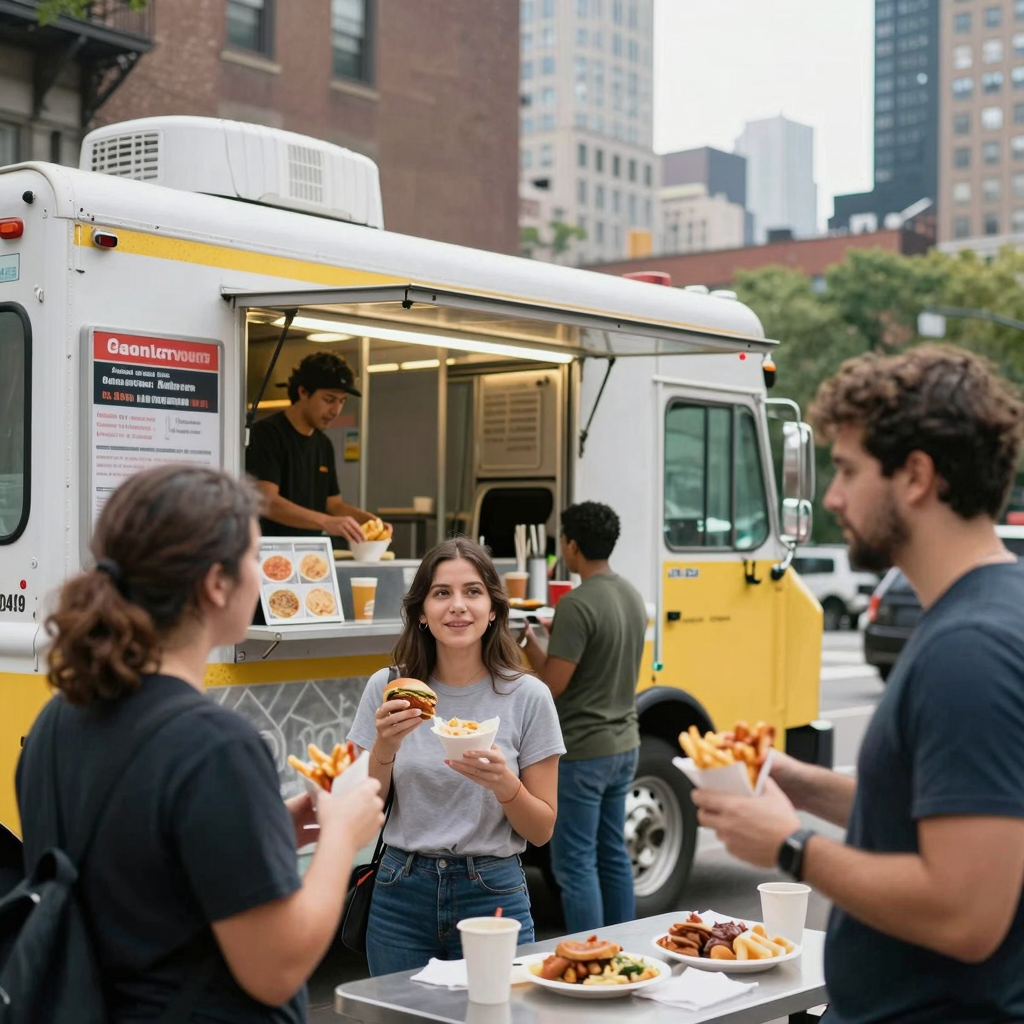
Get Ready to Roll: Starting Your Food Truck Business in NYC
The streets of New York City are alive with the irresistible aroma of food from every corner of the globe, making it one of the most vibrant culinary landscapes in the world. Imagine the thrill of serving your unique dishes to hungry passersby, sharing your passion for food on wheels! The excitement of embarking on your food truck journey not only allows you to showcase your culinary creations but also connects you with a diverse community that craves deliciousness on-the-go. In this bustling metropolis, every street corner and park becomes a hub of opportunity, where food lovers gather to celebrate flavors, culture, and camaraderie. Whether you’re serving gourmet tacos or artisanal donuts, the NYC food truck scene is ripe with potential for aspiring entrepreneurs. You can take part in this dynamic movement, becoming a vital part of people’s everyday lives-one meal at a time. Learn more about the potential for food truck rallies in Lakewood and discover how to tap into this vibrant market!
“Success isn’t about the size of your truck-it’s about the fire in your heart and the consistency in your service.”
-Maria Lopez, owner of ‘Taco Loco’
Maria highlights the importance of passion and feedback in her journey. Learn more about food truck success stories and how to adapt in a competitive market.
Necessary Permits and Licenses for NYC Food Trucks
Starting a food truck business in New York City is an exciting venture, but it’s essential to navigate through the necessary permits and licenses to operate legally. Here’s a friendly guide to help you get started:
-
Mobile Food Vending Permit
This is a must-have permit issued by the NYC Department of Health and Mental Hygiene (DOHMH). It allows you to operate your food truck on the city’s streets. You’ll need to pass a vehicle inspection to obtain this permit.
Learn more and apply here. -
Food Service Establishment Permit
Another requirement from DOHMH, this permit ensures that your food truck meets the health and safety standards necessary for food preparation and service. Inspections will also be conducted here.
Check the details here. -
Business Certificate
You’ll need to register your business with the NYC Department of Finance. This certificate establishes your food truck as a legal entity.
Get the application here. -
Sales Tax ID
This identification number is necessary for collecting sales tax from your customers. You can apply for it through the NYC Department of Finance as well. -
Vendor License
If you plan on selling on city property or during special events, you may need an additional vendor license. This might vary based on where you intend to operate.
Explore the vendor license specifics here. -
Liability Insurance
Although not a formal permit, having liability insurance is crucial. It protects you and your business from potential claims.
With these permits and licenses in hand, you’re on your way to launching a successful food truck in NYC! For more about community events and food trucks in Lakewood, visit our guide.
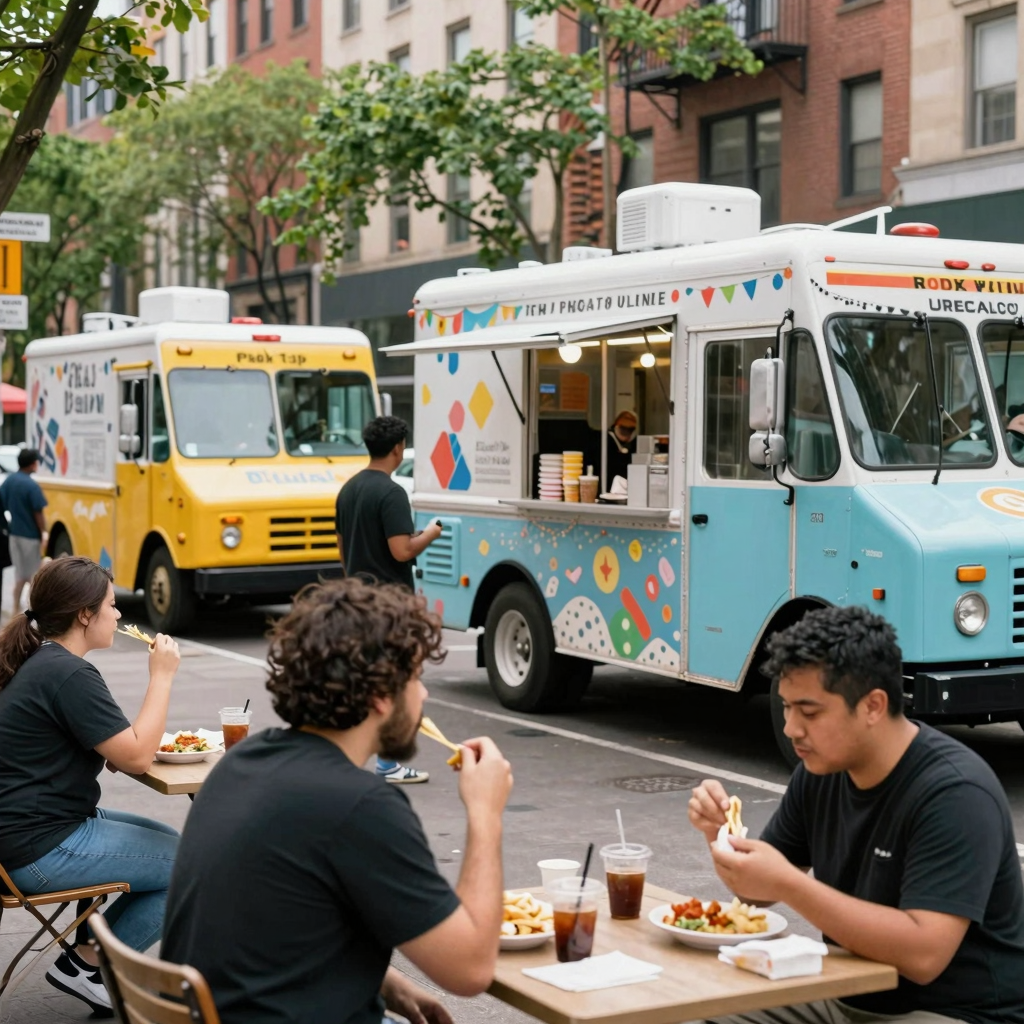
Starting your journey as a food truck operator can be both challenging and rewarding. Make sure to stay informed about the latest regulations and keep your community in mind!
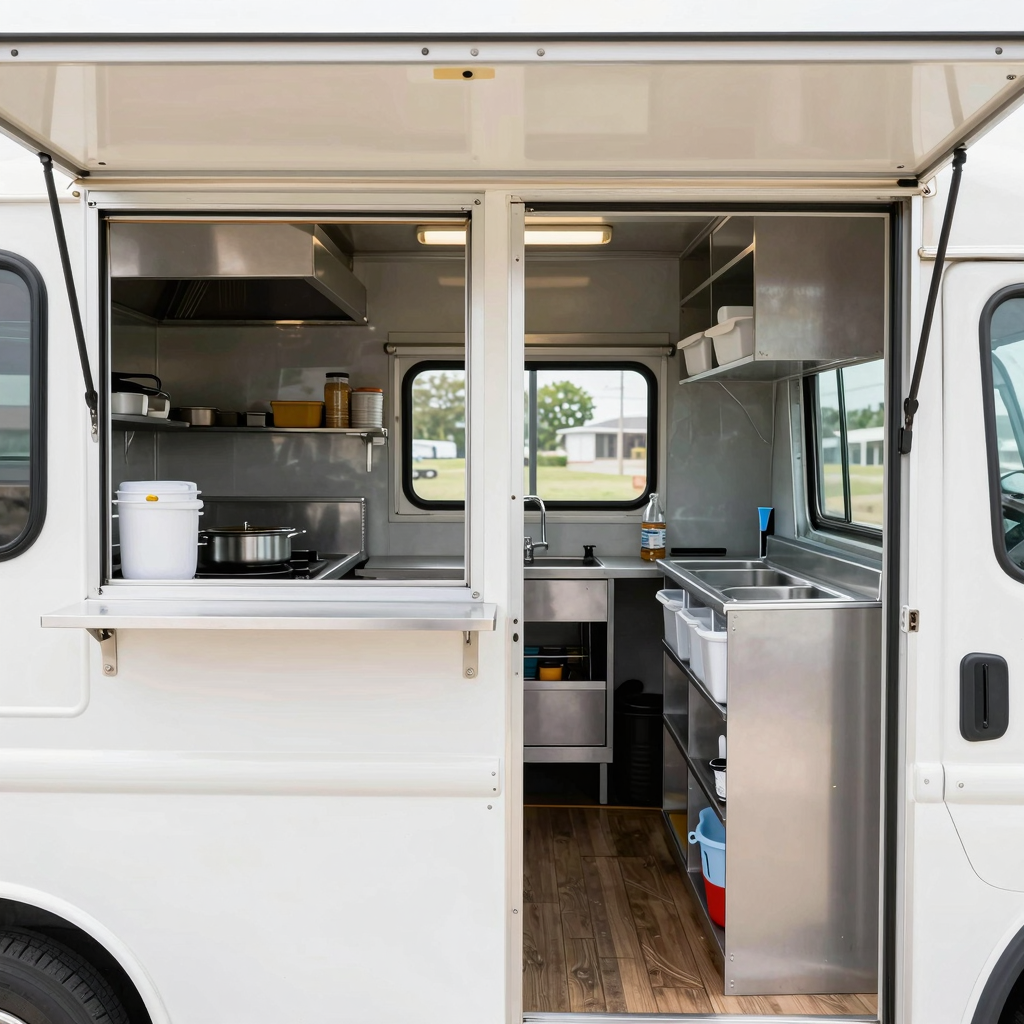
Selecting the perfect food truck is a crucial step in your entrepreneurial journey. With so many options available, it’s essential to find a truck that aligns with your specific needs and the type of food service you plan to offer. Here are some important factors to consider when making your decision.
Size Matters
One of the first things to consider is the size of the food truck. Generally, food trucks range from 3 to 6 meters in length, with 4.5 meters being particularly common. A truck that is too small may not accommodate your kitchen equipment and operational setup, while one that is too large might be harder to manage and maneuver in crowded areas. For simple menus, smaller trucks (3-4.5 meters) are often sufficient, while larger models (5-6 meters) are ideal for more extensive operations that involve grills or multiple cooking stations.
Kitchen Layout
The interior layout of your food truck plays a significant role in workflow efficiency. A good layout typically prioritizes ease of movement from the kitchen to the serving window. Essential considerations include:
- Workflow Design: Try adopting a front-to-back layout where chefs can prepare and serve seamlessly.
- Storage Space: Ensure enough room for ingredients and essential cooking equipment.
- Ergonomics: Plan for adequate counter space and easy access to refrigeration to enhance productivity.
Also, keep in mind local health and safety codes when finalizing your layout. Customization options, such as modular shelving and compact appliances, can greatly enhance your operational capabilities.
Budget Considerations
Budgeting for your food truck is vital. Prices for food trucks range widely based on features and customization. For instance, a basic food truck can range from $3,700 to $4,300 depending on the type and equipment included. Customization, such as adding branding panels or energy-efficient appliances, can affect costs, so it’s important to prioritize aspects that will give you the best return on investment.
By carefully considering these factors, you can choose a food truck that fits your specific culinary style and operational needs. Remember, customizing your truck to suit your menu can attract more customers and enhance your overall service experience. If you’re looking to explore various models and configuration options in-depth, check out our guide on choosing your first food truck.
In conclusion, the right food truck is out there waiting for you. Take the time to assess your options, customize it to your liking, and make sure it aligns with your food service vision. Happy truck hunting!
Overview of Startup Costs for Food Trucks in NYC
Starting a food truck business in New York City can be an exciting venture, but it’s essential to be prepared for the financial commitment involved. As of 2023, the average startup cost for a food truck in NYC typically ranges from $80,000 to $150,000. Let’s break down some of the essential expenses you’re likely to encounter on your journey.
Key Expenses
- Commercial Vehicle: Purchasing or leasing a food truck usually costs between $50,000 and $100,000. This varies based on whether you’re buying a used or custom-built truck.
- Kitchen Equipment: Outfitting your truck with necessary kitchen appliances and storage can range from $20,000 to $40,000. This includes things like cooking gear, refrigeration units, and storage.
- Permits and Licenses: To operate legally, you will need various permits, such as a mobile food vendor permit. Expect to spend around $1,000 to $3,000 on these fees.
- Initial Inventory and Marketing: Budget for food supplies and marketing costs, which could add another $10,000 to $15,000 to your total.
- Insurance and Working Capital: Don’t forget about insurance for your vehicle and food business, as well as some working capital to get you through those initial months.
Additional Considerations
It’s important to note that costs can fluctuate greatly based on your food concept and location. Be sure to check out resources from the NYC Department of Consumer Affairs for more detailed information on regulations and startup requirements. Starting a food truck is indeed a significant investment, but with the right planning and preparation, you can make your culinary dreams a reality!
| Cuisine Type | Average Price Point | Popular Menu Items |
|---|---|---|
| Korean BBQ | $10-$12 | Grilled meats, kimchi, rice bowls |
| Mexican Tacos | $8-$10 | Tacos, burritos, quesadillas |
| Japanese Ramen | $10-$12 | Ramen, sushi rolls |
| Indian Curry | $10-$12 | Chicken tikka masala, naan |
| Middle Eastern | $8-$10 | Falafel, shawarma, hummus |
| American BBQ | $10-$12 | BBQ ribs, pulled pork, coleslaw |
| Ice Cream | $5-$7 | Soft-serve, sundaes, milkshakes |
Explore more about the diverse street food options in NYC in our post about food truck gatherings!
Effective Marketing Strategies for Food Trucks
Starting a food truck business in NYC is an exciting venture, but to stand out from the competition, you need a solid marketing strategy. Here are three effective strategies to help you build a loyal customer base.
1. Social Media Engagement
Social media is a powerful tool for food trucks. Platforms like Instagram and Facebook allow you to connect with your audience in real-time and showcase your mouth-watering dishes. Here’s how you can leverage social media:
- Post Engaging Content: Share high-quality photos and videos of your food at various times of the day to attract followers. Seasonal specials and customer spotlights can also spark interest.
- Use Location-Based Hashtags: Incorporate popular hashtags related to your area’s food scene (like #NYCFoodTruck or #LakewoodEats) to increase visibility.
- Interact with Followers: Respond to comments quickly-within two hours, if possible. Engaging with your audience boosts customer loyalty and creates a sense of community around your brand. For more insights on using social media effectively, read our guide on building customer loyalty.
2. Community Engagement
Being active in your local community can significantly enhance brand loyalty. Successful food trucks often:
- Partner with local businesses for promotions.
- Sponsor local events or school fundraisers to increase visibility.
This approach not only promotes goodwill but also fosters a loyal customer base, as data shows that food trucks with strong community ties enjoy a 40% higher repeat customer rate.
3. Solid Branding
Creating a memorable brand can differentiate your food truck from the rest. Focus on:
- Unique Branding Elements: Develop a striking logo and vehicle design that reflects your cuisine.
- Consistent Messaging: Use the same voice and visuals across all platforms; authenticity builds trust. For further branding tips, check out our insights on food truck branding here.
By focusing on these strategies-social media engagement, community involvement, and strong branding-you can carve out a niche in the bustling NYC food scene and cultivate a loyal customer following that will keep returning for more!
In conclusion, starting a food truck business in NYC offers an exciting opportunity for aspiring entrepreneurs. With low startup costs, the ability to reach a diverse clientele, and the flexibility of location, food trucks serve as a vibrant part of the local economy. Entrepreneurs can adapt to consumer preferences and create a unique culinary experience that fosters community connections. By tapping into local events and understanding health regulations, your food truck venture can thrive.
For those ready to take their first step towards this exciting journey, consider exploring products from Summit Fairings to equip your truck with the best motorcycle needs. Embrace the spirit of entrepreneurship and let your culinary dreams take flight while contributing to your community’s vibrant food scene!
Food Truck Industry Growth in NYC: Why Now Is the Time to Invest
The food truck industry in New York City is thriving! As of 2023, the industry’s economic contribution has reached approximately $180 million, with a 12% year-over-year growth largely fueled by increasing demand for flexible dining options in commercial areas. The number of registered food trucks in NYC has grown to about 760, reflecting an 8% increase from the previous year. This surge includes a notable rise in trucks offering fusion cuisine, health-conscious options, and local specialties, which now account for over 65% of total revenue.
Key Statistics:
- Average Daily Revenue: Food trucks saw an average daily revenue of about $1,200, up 9% compared to 2022.
- Consumer Preferences: A whopping 78% of customers prefer food trucks for quick, convenient, and reasonably priced meals, while 45% are drawn specifically to particular brands or menu items.
- Social Media Influence: Approximately 35% of food truck operators reported significant customer growth through social media marketing, underscoring the importance of digital presence in today’s market.
Moreover, 120 new electric or hybrid food trucks have been introduced, reflecting a trend towards sustainable operations. With supportive policies from the city, including the issuance of 680 new operating licenses in 2023, the environment is ripe for investment in this dynamic industry. Learn more about food truck trends in NYC and the popular food truck rallies here.