
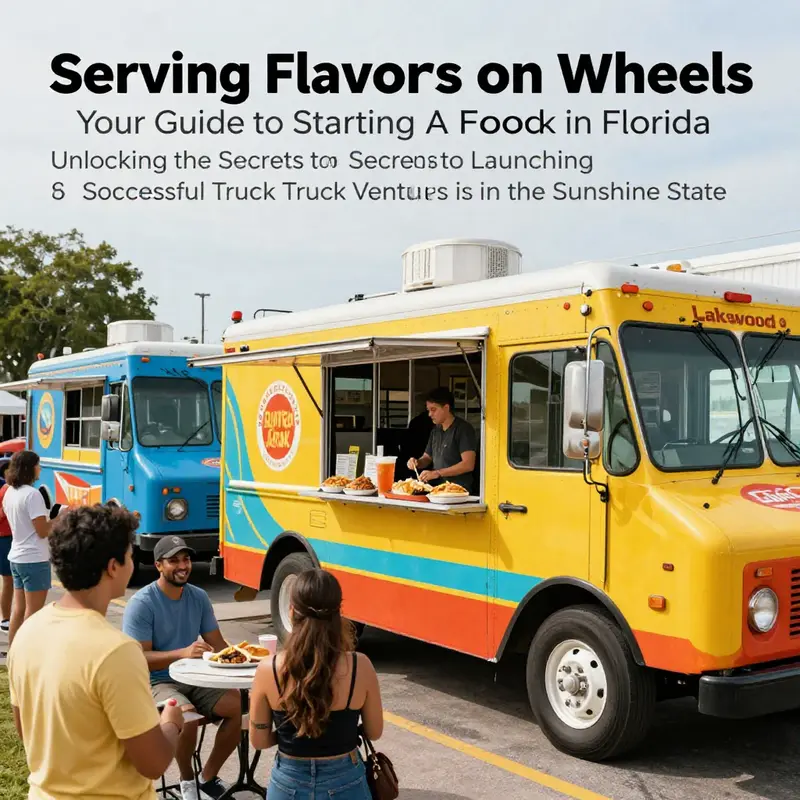
Imagine cruising through sunny Lakewood with the tantalizing aroma of delicious food wafting from your food truck. Starting a food truck business in Florida is not only a dream for aspiring food entrepreneurs but also a chance to create unforgettable culinary experiences for locals and tourists alike. Whether you’re passionate about gourmet tacos, vegan treats, or gourmet burgers, Florida’s vibrant food scene welcomes you! This guide covers everything you need to know, from establishing your business structure to understanding health regulations, so you can feel confident hitting the streets with your food truck. Each chapter will help you navigate the exciting journey ahead, providing the essential steps to ensure your business thrives in Lakewood and beyond.
null
null
Navigating Florida’s Licensing Maze: Licenses, Permits, and Compliance for Your Mobile Kitchen
In Florida, starting a food truck means stepping into a layered system built from state, county, and city rules that govern health, safety, business activity, and location. The path is real, but it becomes navigable when you picture licenses and permits as the scaffolding that keeps your operation legitimate and your customers safe. The practical truth is that you don’t just apply once and forget it. You maintain ongoing compliance, renewals, inspections, and sometimes location-specific permits as you move from one neighborhood to another. The payoff is a smoother launch, fewer delays at the permit counter, and a foundation that supports growth as demand for your food grows and your trucks travel to new venues. The goal of this chapter is not to overwhelm but to map the essential steps in a way that you can reference while you plan your truck, staffing, and routes. It starts with the basics—business structure and registration—then moves through the core permits and inspections, and culminates with insurance, location planning, and practical considerations that tie everything together for long-term success.
The first piece of the licensing puzzle is to formalize your business in the eyes of the state. In Florida, you typically begin by choosing a business structure—sole proprietorship, LLC, or corporation—and then registering your business name with the Florida Division of Corporations, known commonly as Sunbiz. This registration creates a recognized legal entity and is a prerequisite for many downstream activities, including opening a business bank account and filing taxes. Alongside entity registration, you’ll want to obtain an Employer Identification Number (EIN) from the IRS if you intend to hire staff or if you simply want a business bank account in the name of your entity. The EIN is not a state permit, but it is a federal identifier that keeps your finances clean and auditable. While this step appears bureaucratic, it plants the seed for all financial and payroll considerations and is essential for professional operations.
As you lay the legal groundwork, another critical piece appears: the Florida Seller’s Permit, issued by the Florida Department of Revenue. This permit—essentially a sales tax ID—covers the collection and remittance of sales tax on prepared foods and other taxable items. If your menu includes items that are subject to sales tax, you’ll need this permit to legally collect tax from your customers. The process is not onerous, but it is essential. It also ties directly into your accounting workflow. You’ll want to ensure your point-of-sale system or cash register is configured to collect tax correctly and report sales accurately to the state. This is one of those steps that, if skipped or rushed, can create headaches later when you file taxes or renew permits.
With the business itself set up, the next major hurdle is licensing your food truck for operation. In Florida, the central food-safety permit for mobile kitchens is the Food Service Establishment Permit. This is issued by the Florida Department of Agriculture and Consumer Services (FDACS). The FDACS permit confirms that your mobile kitchen meets state health and safety standards and is equipped correctly to prevent contamination and ensure safe food handling. The process begins with an inspection conducted by a licensed environmental health officer. Inspectors evaluate critical elements such as how you store and temperature-control foods, whether you have adequate handwashing facilities, the cleanliness of surfaces, waste disposal practices, and the general sanitation of the vehicle. In practice, this means you’ll need properly functioning refrigeration, hot and cold holding areas that meet temperature requirements, food preparation surfaces that resist harboring bacteria, and a plan to manage waste and pest control.
It’s important to recognize that FDACS is not the only health-gate for mobile operations. In many counties, the local health department conducts separate or complementary inspections to ensure you meet broader public-health standards. Some jurisdictions rely on FDACS to grant the initial permit and then require periodic county health inspections to maintain it. The interplay between state and local authorities can vary, which is why proactive communication with both the state and your county health office is crucial early in the planning phase. The health environment in Florida is dynamic and depends on your location, the density of mobile vendors in an area, and seasonal activity. Planning for inspections means designing your kitchen around the standards inspectors will expect: cleanable surfaces, proper ventilation and fire safety provisions, a reliable cold chain, and a hygienic workflow that minimizes cross-contamination.
Alongside the health inspections, you must address local municipal permits and zoning. Florida’s cities and counties each maintain their own licensing regimes and zoning rules for mobile vendors. In practice, this means contacting your local government’s business licensing office or code enforcement department to apply for a local business license and to verify zoning clearance for every place you plan to operate. Some areas designate specific zones for food trucks in parks, event spaces, or commercial districts; others may require temporary or special permits for pop-ups or temporary events. The reality is that even with FDACS and the sales tax permits in place, you still need local authorization to operate in the places you’ve chosen. In some cases, you may also need a Mobile Vendor Permit or a Temporary Event Permit when you’re selling at festivals, farmers markets, or private venues. Planning ahead—before you park in a particular spot—can keep a truck from facing a surprise “no-go” at the curb.
A steady rhythm of inspections becomes a pattern once you’re up and running. In addition to obtaining the FDACS Food Service Establishment Permit, your truck will likely be subject to regular inspections by the county health department. Inspections are typically performed at least annually, though some jurisdictions may require more frequent checks based on risk factors or enforcement history. Keeping meticulous records of maintenance, temperature logs, cleaning schedules, pest control reports, and staff health training makes these inspections smoother. It also helps build a narrative of compliance if questions arise about your procedures or your facility’s cleanliness. Health department personnel want to see a facility that behaves predictably—one where procedures are standardized and followed consistently—because that predictability translates into safer food handling and customer protection.
Beyond health inspections, there are a few other operational guardrails to anticipate. An Employer Identification Number is essential if you hire employees, but there are broader payroll and labor-law considerations to be aware of in Florida. If you plan to hire, you’ll need to comply with federal and state labor laws, maintain I-9 documentation for hires, and ensure workers have the necessary food-handling certification or training. The training often takes the form of a valid Food Handler’s Certificate, which many health departments require for employees who have direct contact with food. The intent is straightforward: anyone in contact with food must be trained in food safety practices, which reduces the risk of contamination and protects customers. You’ll also need insurance to guard against claims arising from property damage or personal injury. General liability insurance is a standard requirement, and many cities either require or strongly encourage proof of insurance before permits are issued. Some jurisdictions may additionally mandate commercial auto insurance to cover the truck itself in the event of an accident while operating. When you’re moving from one event to the next or when you’re parked in different locations, insurance coverage provides a key layer of protection that makes a risky business a little less risky.
As you map the logistics of where you’ll operate, remember that location and zoning restrictions can influence your permitting strategy. Some areas permit food trucks only in certain zones or during specific hours; others may require you to secure permits for each location where you plan to operate. The more you know about the rules in each area, the better you can plan your routes, your partner venues, and your schedule. It’s common to begin with a few recurring spots—markets, business districts, or event venues—and gradually expand as you verify the permit landscape for new zones. When you’re evaluating locations, it’s wise to factor in the extra time and potential cost of securing location-based permits into your business plan and cash flow. If you’re unsure about the local rules, you can often find clear guidance through the city or county’s business licensing pages, or by contacting the local health department for guidance on how inspections and permits operate in that jurisdiction.
When you design your truck and craft your menu, you’ll also want to consider practical design choices that ease compliance and inspection. The vehicle’s layout should support safe food handling, efficient workflow, and easy cleaning. Fire safety considerations—such as appropriate fire suppression systems and grease management—are not merely a matter of best practice; in many municipalities they are prerequisites for licensing and ongoing operation. NFPA guidelines provide a framework for safe, compliant kitchen design, and many inspectors will look for grease management, proper ventilation, and accessibility to emergency shutoffs. These design elements matter not just for passing inspections but for ensuring that your crew can work efficiently and safely in the small, high-intensity environment of a food truck.
In the broader picture, a successful licensing and permitting process hinges on integrated planning. As you prepare to launch, you’ll want to assemble your documents, align your registrations, and map your operating regions. A practical approach is to start with one or two core locations where you have strong permits and good relationships with venue owners or city officials. As your confidence grows and your understanding of the licensing landscape deepens, you can add additional locations, confident that your base operations remain anchored in compliant, well-documented practices. The process rewards proactive questions: What permits are needed for the first city you plan to operate in? Do you need a separate Mobile Vendor Permit for weekend events? Is your refrigeration equipment rated for mobile use and compliant with state standards? By anticipating these questions, you reduce the risk of delays, avoid last-minute scrambles for missing documents, and project a professional, prepared image to event organizers and customers alike.
For readers who want a tangible sense of equipment considerations as you plan the vehicle and its setup, consider reviewing practical examples of truck configurations and equipment layouts used by early-stage operators. This guidance can illuminate how design choices influence inspection readiness and daily operations. For practical ideas, see Best Food Truck Models for Lakewood Startups. The link offers a sense of how different layouts support compliance, speed of service, and customer experience, which in turn helps you plan the interior workflow around the permits and inspections you’ll face.
The licensing and permitting journey also benefits from a disciplined, ongoing cadence. Build a calendar that marks renewal dates for your FDACS permit, local licenses, health inspections, and insurance policies. Stay in touch with your health department and FDACS representatives, and set reminders for any required re-inspection windows. Finally, establish a simple internal process for staff training, routine cleaning, temperature logging, and incident reporting. The more you systemize, the less risk there is of an inspector noticing gaps in your operation. The goal is not to chase compliance after a problem arises but to preempt issues by making regulatory expectations a natural part of everyday operations.
To summarize the core takeaways in a concise way: secure your business entity and tax registrations early; obtain the FDACS Food Service Establishment Permit and align it with local health oversight; secure local permits and zoning clearance for each operating location; maintain disciplined health inspections and training; protect your business with appropriate insurance; and design and operate with an eye toward safety and compliance. The process is not a one-and-done event; it is an ongoing rhythm that supports a scalable, customer-focused food truck operation. With these elements in place, you’ll be positioned to focus on authentic flavors, service quality, and community-building as you move from a single truck to a network of mobile ventures.
External resource: https://floridahealth.gov/health-topics-diseases-and-conditions/food-service
Safeguarding the Serve: Navigating Health, Hygiene, and Permits for Florida’s Food Trucks
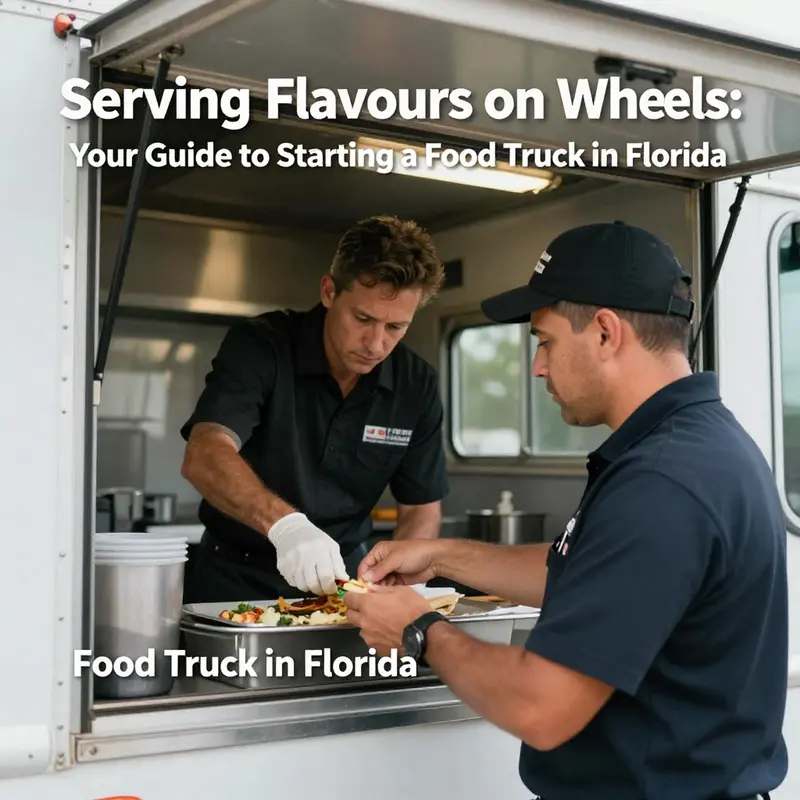
In Florida, the allure of a portable kitchen is matched by a demanding framework designed to protect public health. For every gulp of air on a breezy coastal street or a sunlit strip in a busy downtown, there is a layer of regulation behind the sizzle and the scent. Health and safety compliance isn’t a tedious hurdle so much as the backbone of a sustainable food truck business. It shapes every decision—from the design of the food truck’s interior to the way a crew moves between pop-ups and events. The state, supported by county health departments, places a premium on safe food handling, clean facilities, and transparent operations. The aim is simple and unwavering: ensure that fast, mobile meals arrive at customers in a state that meets or exceeds public health standards. This chapter traces the core requirements, explains how to build a robust safety culture, and shows how compliance becomes a competitive advantage in Florida’s vibrant mobile food scene.
At the center of the compliance ecosystem is the Food Service Establishment Permit. In Florida, this permit is issued and enforced through state and local public health channels, with the Florida Department of Agriculture and Consumer Services (FDACS) playing a pivotal role in issuing and coordinating oversight. Local health departments typically handle inspections and ensure that the daily practices inside and around the truck align with established food safety standards. The permit anchors a continuous cycle of readiness: routine facility inspections, verification of handwashing facilities, proper temperature-controlled storage, and designated areas for waste disposal. It is not a one-and-done document; it’s a living credential that must be maintained through ongoing discipline, not occasional compliance. Failing to meet the standards can trigger fines, temporary suspensions, or even permanent closure. This potential consequence underscores why premade checklists and proactive daily practices are not optional extras but essential costed bets on ongoing success.
A robust safety program begins with a formal plan anchored in Hazard Analysis and Critical Control Points, or HACCP. The requirement to embed HACCP principles in daily operations reflects a modern understanding: risks exist at every step of a food product’s journey, from receiving ingredients to serving customers. The plan asks a simple, practical question at each stage: what could go wrong, and what can we do to prevent it? For a mobile operation, this translates into concrete control points that protect temperature integrity, prevent cross-contamination, and safeguard cleaning routines. A real-world illustration helps: perishable ingredients must be kept at safe temperatures, with raw meats stored separately from ready-to-eat foods. In addition, all cooking temperatures must meet or exceed safety thresholds—165°F (74°C) is a common benchmark for many foods that require thorough cooking. These numbers are not arbitrary; they reflect authoritative guidance designed to neutralize pathogens that could otherwise ignite illness and liability.
In practice, the HACCP mindset expands beyond the thermometer. It is about creating a culture where every crew member understands why safety matters, whether they are stocking coolers, washing hands, or opening the service window for the next customer. Staff training, therefore, becomes a daily discipline rather than a once-per-year checkbox. Florida expects food handlers to have a valid Food Handler’s Certificate or an equivalent credential, a standard that helps ensure everyone on board speaks the same language about safe practices. The commitment to training is visible not only in certifications but also in the minute details of operations: dedicated handwashing stations with running water, soap, and single-use towels; properly calibrated refrigeration units; and a sanitation routine that covers every surface, utensil, and piece of equipment. Keeping contemporaneous logs—temperatures, cleaning schedules, and training records—turns what could be a memory-based system into a traceable, auditable process. When inspectors arrive, these logs become a map of diligence, illustrating that the truck has not only met standards at a single moment but maintained them over time.
The signage and visibility expectations are another visible layer of accountability. Florida rules require a clear, visible sign indicating that the operation is a food truck and a current health inspection rating displayed for customers to see. This transparency does more than satisfy regulatory requirements; it offers customers a quick, tangible signal that the operation prioritizes safety. The presence of a handwashing station is non-negotiable, especially for mobile vendors operating at events or in moving locations. It must be clearly marked and easily accessible, with running water, soap, and towels, reinforcing the principle that cleanliness follows where food is prepared and served. The emphasis on visible compliance is not about policing; it’s about building trust. Patrons who see recommendations, certificates, and an inspection score are more likely to feel confident in what they eat and more inclined to return.
The technical backbone of compliance extends into equipment maintenance and temperature control. Refrigeration and freezing units must be routinely maintained and calibrated to deliver accurate readings. Cooking equipment, ventilation, and hot-water systems all rely on precise operation to prevent hazard scenarios. Operators often maintain detailed temperature logs to document that food has remained within safe ranges throughout preparation and storage. These records are not merely bureaucratic artifacts; they are practical, actionable data that inform daily decisions, such as when to recheck a freezer, when to adjust a thermostat, or when to quarantine a stock before it spoils. The daily discipline of recording numbers translates into reliable service during peak hours when speed must not compromise safety.
Insurance accompanies this safety framework as a crucial risk management tool. General liability insurance protects the business against claims arising from property damage or bodily injury. In some jurisdictions, proof of insurance is required before permits are issued or renewed, underscoring that safety is not just about food but about the broader operation’s resilience. In many Florida locales, operators add commercial auto insurance to cover the truck itself while it travels to markets, events, or private gatherings. The combination of insurance, permits, and a culture of safety creates a more resilient enterprise that can weather regulatory changes, unexpected inspections, or shifts in consumer expectations.
Beyond the formal permits and the paperwork, the day-to-day realities of operating a mobile kitchen in Florida involve navigating location rules and zoning. Local ordinances govern where a food truck can park, how long it may stay, and what additional permissions are required for specific venues or events. Some locations may require temporary vendor permits for a one-off event; others may be part of a regular, designated corridor for mobile food services. The operator’s challenge is to build a calendar that aligns with all jurisdictions where the truck will operate, securing permits for each location and maintaining a log of where and when the business sells. This wasn’t just about compliance; it’s about ease of planning and reducing the friction that can occur when a busy schedule collides with a last-minute inspection or a crowded food festival.
As with any regulated industry, the practical experience of keeping a truck safe and compliant is enhanced by partnerships and ongoing education. It helps to cultivate a network of peers who share best practices for inventory management, safety drills, and staff training. In the broader ecosystem, equipment considerations also factor into compliance. The choice of truck design, the layout of the kitchen, and the placement of the handwashing station all influence safety outcomes. A well-planned interior can make it easier to separate raw and ready-to-eat products, to route staff efficiently through washing and sanitizing steps, and to perform quick, reliable temperature checks without disrupting service. For operators looking to optimize their fleet, there are practical resources about truck models and configurations that emphasize durability and safety under field conditions. A practical starting point is to explore articles on reliable fleet configurations that work well for mobile kitchens, such as resources that discuss how to balance workspace, equipment placement, and regulatory needs. These discussions can help you design a setup that supports HACCP principles rather than complicating them. For a concise reference to equipment planning, you can explore a practical guide focusing on best practices for lakewood startups that covers model choices and operational efficiency; it’s a useful companion as you map your own truck layout and safety flows. best-food-truck-models-for-lakewood-startups.
The heart of health and safety compliance is the everyday, unglamorous work that keeps food safe from the moment it enters the truck to the moment it lands on a customer’s plate. This includes controlling cross-contamination with separate cutting boards and utensils for raw and ready-to-eat foods, and ensuring that perishable ingredients never linger in the danger zone. Temperature control is a recurring theme: raw meats stored below 41°F (5°C) to deter bacterial growth, ready-to-eat foods kept above 135°F when hot, and cooling procedures that accelerate safe chill-down within the required time frames. Calibrated thermometers are a quiet ally in the truck’s toolbox, providing real-time evidence that food safety practices are being followed. When a health inspector steps onto the curb, they will want to see more than a certificate; they will want to read the kitchen’s pulse in the form of logs and records. An organized system for recording temperatures, cleaning activities, and training updates makes the difference between a smooth inspection and a stalling delay that can disrupt a busy service.
The broader Florida context is dynamic. State rules can evolve with new health threats, advances in food science, and shifts in local appetite. Staying informed means routinely checking official resources that translate policy into practice. The Florida Department of Agriculture and Consumer Services, together with local health departments, publishes guidance, inspection checklists, and training materials that help operators stay current. The practical takeaway is simple: make compliance a habit, not a hurdle. Build your daily routines around safety, ensure every staff member understands their role in HACCP, and keep your paperwork or digital logs up to date. In a crowded market, compliance becomes part of your brand narrative—customers may not notice the fine print, but they will notice the consistency of safe food and the confidence that comes with a well-run operation.
In the end, health and safety compliance is not a single task but a philosophy embedded in every decision a mobile cook makes. It informs how you select a location, how you describe your menu in the context of safe handling, and how you train your team to respond when a scenario challenges safety norms. Florida’s regulatory system rewards operators who treat compliance as a competitive advantage—one that translates into fewer disruptions, steadier customer streams, and a stronger reputation in the market. The aim is not to stifle creativity but to channel it through a framework that reduces risk while preserving the flavor and speed that define a successful food truck experience. For operators who approach compliance with this mindset, the road ahead—whether it leads to a pop-up at a farmers market, a recurring spot near a stadium, or a festival circuit—becomes not a line drawn against the rules but a pathway to long-term growth.
Official guidance and resources can be found through state channels, including FDACS’s Food Trucks portal, which provides inspection guidelines, checklists, and training materials for operators navigating these requirements. As you embark on your Florida journey, keeping pace with regulatory updates will help ensure your truck remains a welcome, trusted choice for guests seeking safe, delicious meals on the go. For quick reference to official state resources, see the Florida Department of Agriculture and Consumer Services’ Food Trucks page. FDACS Food Trucks Guidance.
In summary, health and safety compliance for Florida food trucks is a comprehensive, integrated system that blends regulation, practical food safety science, and everyday discipline. It requires more than passing a test or passing a health inspection; it demands a culture where every cook, server, and driver understands that safety protects people, preserves the business, and sustains the joy of eating on the move. When done right, compliance becomes a steady rhythm that supports speed, consistency, and customer trust—three essentials for thriving in Florida’s vibrant street and festival food culture.
Chapter 4: Guardrails and Ground Rules—Securing Insurance and Navigating Zoning for Florida Food Trucks
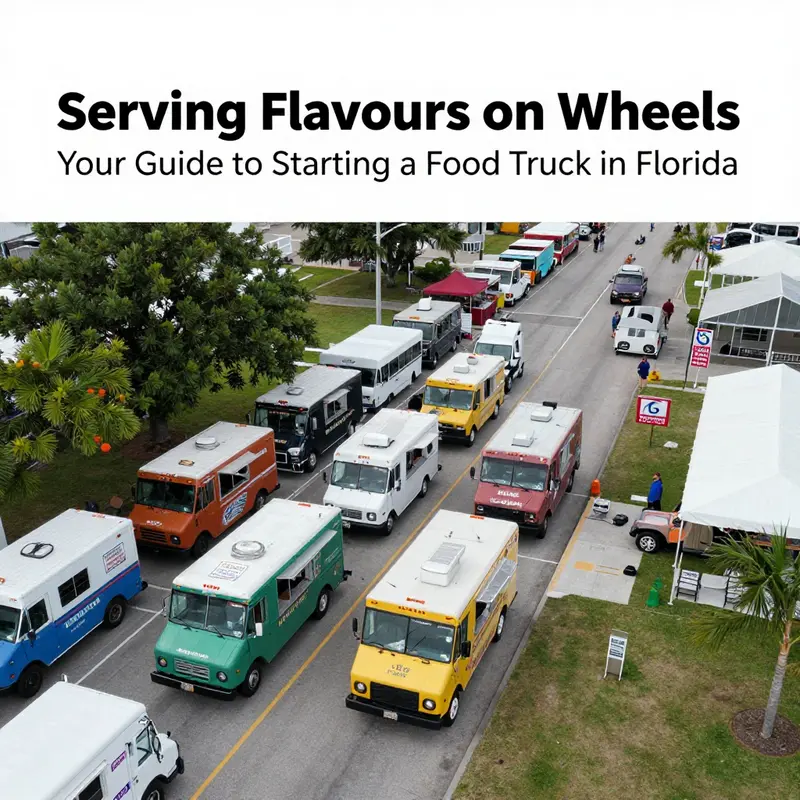
In Florida, the mobile food business is as much a matter of safety and legality as it is of flavor and speed. The road to a successful food truck starts with two interlocking pillars: insurance and location zoning. They determine not only what you can do, but how you can grow, protect your assets, and earn the trust of customers, partners, and lenders. The concept may feel heavy, but when approached with practical steps and a clear map of local expectations, these guardrails become a framework that supports momentum rather than a maze that stifles it.
Insurance is the first layer of protection that separates a small, hopeful venture from unpredictable risk. It isn’t a single policy but a suite of coverages that reflect the realities of running a vehicle-based kitchen. The cornerstone is general liability insurance. This coverage shields the business from claims arising from everyday operations—slips, falls, burns, or any mishaps that could injure a person or damage property near the truck. A customer spilling hot sauce or a wet floor near the serving window is more than an inconvenience; it can become a claim that stretches finances and tests reputation. General liability is your first line of defense in those moments and a prerequisite for many permits and licenses.
Alongside liability, commercial auto insurance is not optional but essential for a food truck. The vehicle is both the tool and the workplace, and insurance must recognize that mobility. It covers not only the truck itself but any incidents during travel between locations. Because Florida food truck operators often shuttle between parks, plazas, and event venues, this coverage accounts for the most common exposure—a crash on a busier street, a claim from a parked event, or damage from weather-related incidents while on the road. In practice, many municipalities require proof of this coverage before they issue or renew permits, underscoring how central it is to legitimate operation.
Some Florida jurisdictions also set minimums for general liability that may feel surprisingly high. For example, in certain counties and cities, operators are expected to carry at least a half‑million to a full‑million dollars in general liability coverage. These standards are not universal; they vary by locality and by the specifics of the permit, the size of the operation, and the types of events in which the truck participates. In Miami-Dade County, for instance, a common benchmark is at least one million dollars in general liability coverage. In Orlando, a minimum of five hundred thousand dollars often applies. While these figures can look daunting, they serve a clear purpose: they ensure that the community and the business have a buffer against costly claims. The important point for a starting operator is to verify the exact requirement with the local jurisdiction before purchasing or renewing policies, as the rules can shift with neighborhood plans, major events, or changes in city ordinances.
Beyond liability and auto, there are other layers that may be necessary depending on the menu and the team. Product liability insurance protects against claims tied to the food itself—contamination, allergens, or adverse reactions—particularly for prepared items or specialty offerings. If employees are part of the operation, workers’ compensation coverage might be required or strongly advised to protect against job-related injuries. Even if workers’ comp isn’t mandatory in a given locale, lenders and investors often expect it as part of their risk management criteria. The best practice is to build a coverage package that anticipates potential scenarios—slips on a slick surface, a damaged tent or canopy, or a fire incident near the grill—and to document each policy with certificates of insurance naming the appropriate authorities, landlords, or event organizers as additional insured where required.
Navigating insurance starts with a candid planning conversation. Speak with a local insurance professional who understands mobile vending in Florida, not just standard restaurant coverage. They can help translate the regulatory language into a practical policy mix, estimate costs based on vehicle type and anticipated revenue, and align coverage with financing needs from any equipment loans or business lines of credit. Even for a newer operator, this early step pays off as it reduces the risk of last-minute policy gaps when permits are due or a lender requests proof of coverage. A cautious approach—documenting coverage, collecting certificates, and organizing policy numbers in a central file—builds credibility with partners and authorities and makes the licensing process smoother.
The permits and licenses required to operate a mobile kitchen also shape insurance needs. Many localities require a certificate of insurance or proof of coverage as part of the application packet. Some jurisdictions name the city, county, or health department as an additional insured, which means the policy explicitly covers claims arising from the operation in those jurisdictions. Keeping certificates up to date and available for inspection helps avoid delays. It’s not unusual for a permit to be contingent on showing current insurance before the authorization is issued, renewed, or transferred to a new owner or operator.
As you align insurance with zoning, keep in mind that the policy landscape is not static. Changes in city leadership, aging infrastructure, or shifting regulatory priorities can alter minimums or documentation requirements. Staying informed means building a routine: annually review existing coverage, solicit quotes from multiple carriers to compare limits and premiums, and confirm that all venues where you expect to operate continue to recognize your policy. This ongoing diligence echoes the broader philosophy of risk management, where prevention, preparedness, and documentation create a resilient operation rather than a fragile venture at the mercy of a single incident.
With insurance understood, the other half of our focus—location zoning—demands equal attention. Florida cities and counties regulate where a food truck can park, how long it can stay in one spot, and what kinds of sensors, signage, or waste disposal practices are permissible. The mobility that is the essence of a food truck is also what triggers more stringent scrutiny. Zoning boards, health departments, and business licensing offices balance economic opportunity with traffic, safety, and neighborhood character. In practice, this means that a truck cannot simply pull into any curb and begin cooking; it must fit within a network of designated zones, time windows, and permit structures that local governments meticulously manage.
Most jurisdictions have established designated zones or “hot spots” for mobile vendors. These zones are typically in downtown districts, near parks or event venues, and around large business complexes. The idea is to concentrate foot traffic and integrate the mobile option into the urban ecosystem without overwhelming existing restaurants or congesting public spaces. In forming a plan, an operator should study the local zoning map, identify where trucks are permitted to operate and when, and understand the competing uses in those spaces. Some municipalities maintain formal Mobile Food Vendor Programs, with instructions that spell out permit applications, location lists, time limits, and any seasonal or event-specific rules. For a new operator, this means mapping potential venues early and aligning business hours, menus, and staffing with permissible windows. It also means recognizing that proximity to brick-and-mortar restaurants can carry both advantages and restrictions. Many areas enforce a minimum distance from fixed-location eateries to prevent unfair competition, which makes pre-opening scouting essential.
Time limits are a common feature of zoning for mobile vendors. A truck may be allowed to operate for a set number of hours in a given location, with required breaks or relocations to limit congestion. For some events or parking lots, operators may be allowed to remain only briefly to minimize impact on the site and to preserve access for emergency routes or neighboring businesses. These rules push a practical reality: efficiency becomes a strategic capability. A well-planned route, optimized cooking sequence, and a compact setup reduce dwell times and help ensure compliance. It is not enough to be tasty; a successful operator must also be an invisible neighbor during quiet hours, a responsible guest at peak times, and a reliable partner for event organizers and property owners.
Another dimension of zoning relates to vehicle design and operation. Local health departments still require that the truck’s kitchen meet hygiene standards, with cleanability, sanitation, and temperature controls that align with state and local health codes. The mobile nature of the business means inspections often occur at the start of operation and may recur at intervals or in response to complaints. This is why early engagement with the local health department matters. Operators should plan for facility design reviews that consider how handwashing stations, refrigeration, cold-holding capabilities, and waste management will function in portable spaces. The design must support clean exits from the vehicle, easy access to hot surfaces for staff, and a layout that minimizes cross-contamination risks while staying within physical constraints of street parking.
Successful navigation of these rules also depends on relationships. A food truck does not operate in a vacuum; it exists in a web of property owners, event organizers, and city or county staff. Building trust means staying current with permit renewals, keeping a clean operation, and communicating proactively about planned locations and schedules. When a new site is under consideration, outreach to the property owner or event manager can clarify expectations, confirm whether a permit will be needed for a specific date, and identify any site-specific requirements such as trash disposal or shared electricity. A thoughtful operator will also prepare for contingencies—backup locations in case a venue becomes unavailable, alternative operating hours for weather events, and a flexible staffing plan that can adapt to permit constraints.
The regulatory landscape is a moving target, which is why coalescing the essential threads—insurance and zoning—into a single operating playbook is so valuable. The playbook should begin with an accurate picture of the permits required by the jurisdictions in which you plan to operate, followed by a robust insurance strategy that aligns with those permits. It should then translate this information into a practical operating plan: a schedule that respects time limits, a vehicle setup that passes health inspections, and a vendor policy that communicates clearly with event organizers and landlords. This approach turns legal compliance from a perceived burden into a competitive advantage. A well-insured, well-located, and well-coordinated operation signals reliability to customers who may be visiting your truck for the first time and to partners who may sponsor events or provide recurring venues.
In practice, a seasoned operator will integrate a few strategic habits. First, dedicate a specific day each quarter to verify coverage and certificate updates, ensuring that all venues see current documentation. Second, maintain a simple map of approved zones with corresponding time windows, so shifts and routes can be tuned to local rules rather than personal preference. Third, maintain open lines of communication with the health department and the licensing office. When plans change—new permits, new sites, or revised rules—these channels should be the first to know. Finally, treat the permit and insurance processes as living elements of the business, not dog-eared checklists filed away. They are a reflection of professional discipline, and that discipline, in turn, underpins customer trust and long-term viability.
As you plan how insurance and zoning integrate into your business, consider how equipment, branding, and service design fit within the regulatory frame. The vehicle is your workplace, the licenses are your passport, and the policies are your safety net. It is entirely possible to launch a Florida food truck that feels nimble and creative while adhering to robust standards of protection and place. The path is not about complexity for its own sake, but about clarity: knowing what you must have in place before you pull into a site, and knowing the steps to secure approvals that keep you there over time. When in doubt, lean on the state’s official guidance and local authority resources to confirm requirements. The result is not a barrier but a shared standard that makes your business predictable, safe, and scalable.
If you want a practical touchstone while you map your plan, consider how your vehicle choice and layout influence processing times, staffing, and compliance. A look at the broad spectrum of truck configurations and layout considerations can illuminate how a seemingly small decision affects your ability to meet health codes, conserve space, and meet zone-specific constraints. For example, a compact layout that prioritizes a clear separation between raw ingredients and cooked foods can ease inspection and reduce cross-contamination risk, while a design that keeps a dedicated handwashing station accessible at the serving window supports hygiene compliance across multiple jurisdictions. These details matter because the regulatory framework rewards readiness and organization with smoother permitting processes and less friction in daily operations. And the better you plan from the start, the more your business can ride the wave of opportunities that show up in the Florida food scene.
To connect practical planning with ongoing learning, you can explore resources that discuss how operators balance equipment needs with local rules. For instance, when thinking through the broader picture of truck design and startup costs, a reference point on equipment options can be informative. Real-world case studies from peers can illustrate how a well-structured operation negotiates permits and zones while maintaining consistent service. Best food-truck models for Lakewood startups offers a representative sense of how layout and equipment decisions correlate with regulatory readiness, even though the specifics will differ by Florida locality. This kind of comparative lens helps you calibrate expectations without overcommitting early in the process.
In sum, starting a Florida food truck with a clean legal and logistical spine isn’t about chasing a single perfect path. It’s about building a resilient framework: the right insurance mix that protects you, the zoning awareness that keeps you legally parked, and the operational discipline that keeps you efficient and trustworthy. When these elements align, your truck can travel from one permit to the next with confidence, from the first curbside bite to the long-run relationships that fuel steady growth. The people you serve will taste the difference not just in the food, but in the sense that every bite comes from a business that respects the rules, neighbors, and shared public spaces. The result is a sustainable operation that can thrive in Florida’s vibrant, diverse food scene while staying firmly grounded in sound risk management and smart location strategy.
External resource for formal guidelines and current requirements: https://www.floridasbusiness.gov
Final thoughts
With the right foundation, your culinary vision can flourish on the streets of Lakewood! As we’ve explored, establishing a solid business structure, securing necessary licenses, ensuring health compliance, and navigating insurance and zoning are essential steps for success. The journey of starting a food truck might seem daunting, but with passion and strategic planning, you can draw in hungry customers eager to savor your delicious offerings. As you embark on this exciting adventure, remember: the vibrant food truck community in Florida is here to support you as you serve delicious meals on wheels!