
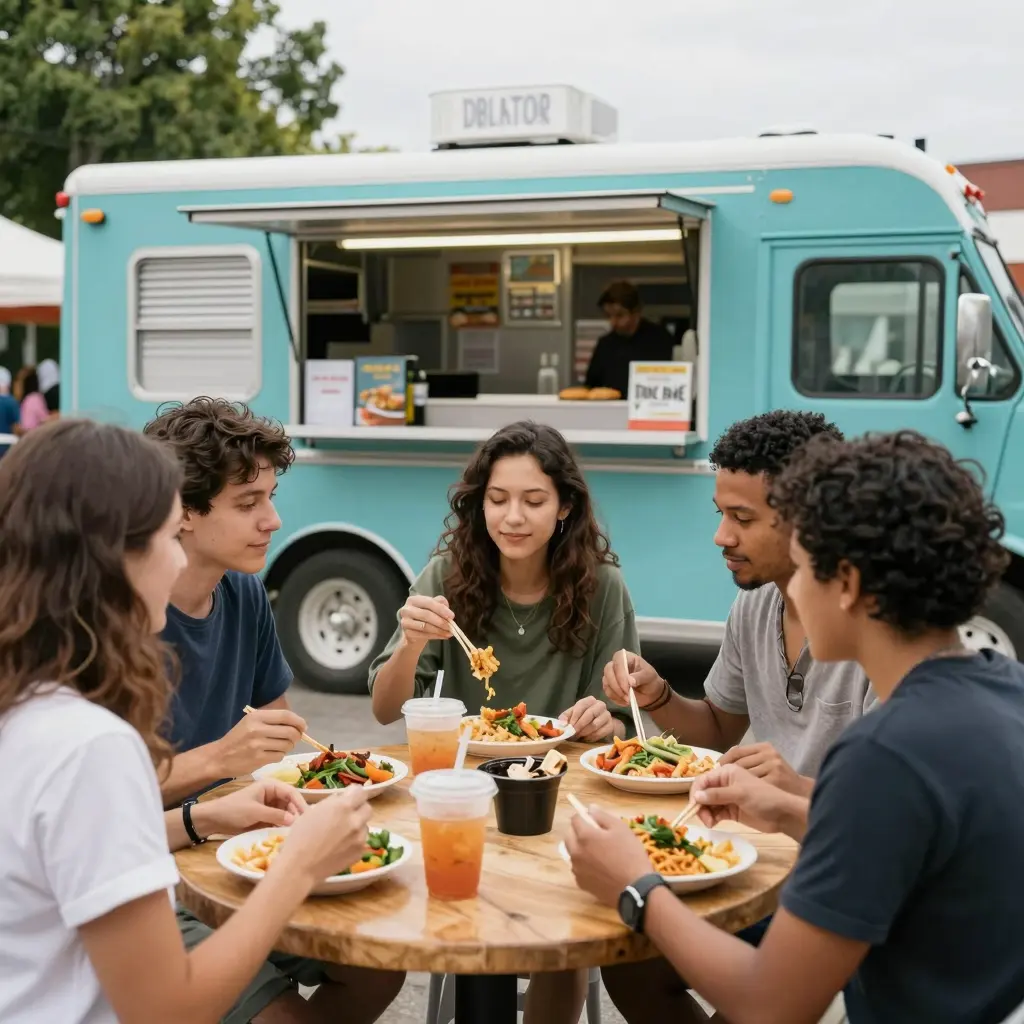
Are you ready to ignite a culinary journey with a heartwarming mission? Starting a food truck ministry is not just about serving delicious bites-it’s about building community, fostering connection, and spreading kindness, one meal at a time. Imagine the thrill of hitting the streets with your vibrant truck, sharing flavorful dishes that not only satisfy hunger but also serve a greater purpose. Whether it’s bridging gaps between neighbors or providing meals for those in need, your food truck can be a hub of warmth and generosity. In a world where connection often feels distant, food has an incredible power to bring people together. With every order you take, you’ll be crafting stories, sharing smiles, and making a real impact. So let’s dive into how you can start this exciting venture and create a mobile ministry that feeds both the body and the soul. Discover Lakewood’s food truck scene and see how you can be a part of it!
Benefits of Running a Food Truck Ministry
Starting a food truck ministry can significantly impact both the community and its members. Here are some key benefits:
-
Community Connection: Food truck ministries create unique opportunities to build relationships within the community. By serving meals in familiar locations, they foster a sense of trust and friendship among patrons. This aligns with insights from Living Lutheran about how these ministries emphasize community bonding.
-
Outreach Possibilities: A food truck can serve as a mobile outreach platform, delivering meals to those in need, such as the homeless and underprivileged groups. Organizations like Mobile Loaves & Fishes demonstrate this successful outreach, showing how ministries can cater to vulnerable populations efficiently.
-
Unique Marketing Opportunities: Food trucks can utilize events or local gatherings to promote their services and mission, enhancing visibility and brand recognition. Collaborations with local businesses or events, like food truck rallies in Lakewood, present the perfect setting for outreach and community engagement.
-
Fostering Inclusivity: Ministries often share a message of inclusivity and social justice, thereby extending their mission beyond just food. This dual-focus has proven essential in many food truck ministries, similar to that of Shobi’s Table, which aims to serve both meals and community support.
Engaging in a food truck ministry not only serves delicious food but also nourishes the soul of the community!
Legal Considerations for Starting a Food Truck Ministry
Starting a food truck ministry is an exciting way to serve your community, but it comes with important legal responsibilities. To operate legally, you’ll need to be aware of the various permits, licenses, and regulations that apply to food trucks. Here’s a breakdown of the key requirements you should consider:
1. Business License
- What it is: A business license legally permits you to operate your food truck as a business.
- How to obtain: Contact your local government office to apply for a business license specific to your area.
2. Food Service Permit
- Why you need it: This permit is essential for ensuring that your food truck complies with health and safety regulations.
- Where to get it: Contact your local health department to understand specific requirements and application procedures.
3. Mobile Food Establishment Permit
- Purpose: This permit allows you to operate a mobile food business legally.
- Details: Regulations vary by state; for example, in Georgia, obtaining a mobile food facility permit is mandatory. Learn more about food truck permits in Georgia.
4. Zoning Permits
- What you need to know: Food trucks must comply with local zoning laws that may dictate where you can operate.
- Action step: Check with your city or county for zoning regulations and restrictions regarding food trucks.
5. Fire Department Permits
- Reason: If your food truck uses cooking equipment that may pose a fire hazard, you’ll likely need a fire safety inspection and permit.
- Getting approval: Contact your local fire department to discuss the requirements based on your equipment.
6. Sales Tax Permit
- Why it’s needed: This permit enables you to collect sales tax from customers.
- How to apply: You can usually apply for a sales tax permit through your state’s department of revenue or taxation.
7. Health and Safety Regulations
- Compliance: It’s critical to maintain high hygiene and food safety standards.
- Regular inspections: Expect regular health inspections to ensure your food truck meets all safety standards.
Setting up a food truck ministry involves not only serving delicious food but also navigating through several legal requirements. Ensuring compliance with these regulations will help your ministry achieve long-term success and serve your community effectively.
For more guidelines on running a food truck, check out our article on food truck regulations. Enjoy your culinary journey while making a positive impact in the community!
Comparing Local Food Truck Regulations
If you’re thinking about starting a food truck in Lakewood or nearby cities, understanding the local regulations is critical. Here’s a comparison of food truck regulations, including permit requirements and health department regulations for Lakewood, Denver, and Aurora:
| City | Citation | Types of Permits Required | Health Department Regulations |
|---|---|---|---|
| Lakewood | Lakewood Food Trucks | Business license, food truck permit, health department permit | Regular health inspections, adherence to food safety standards |
| Denver | My Curb Spot | Mobile food licensing, fire safety permit | Health department inspections required for food safety |
| Aurora | AAA Food Handler | Business licenses, vendor permits | Health inspections required, compliance with safety regulations |
Breakdown of Permits and Regulations
| City | Types of Permits Required | Health Department Regulations |
|---|---|---|
| Lakewood | – Jefferson County health permit ($325) | – Sanitation standards |
| – Lakewood business license ($100) | – Equipment compliance | |
| – Fire inspection fees ($260) | – Food safety standards | |
| Denver | – Mobile food vendor license | – Health department approval required |
| – Business license | – Compliance with sanitation regulations | |
| Aurora | – Mobile food vendor permit | – Health permit required for operation |
| – Business license | – Must meet local health codes |
Additional Resources
- For more details on food truck regulations, check this guide.
- Learn about best practices in the food truck industry at Lakewood Food Trucks.
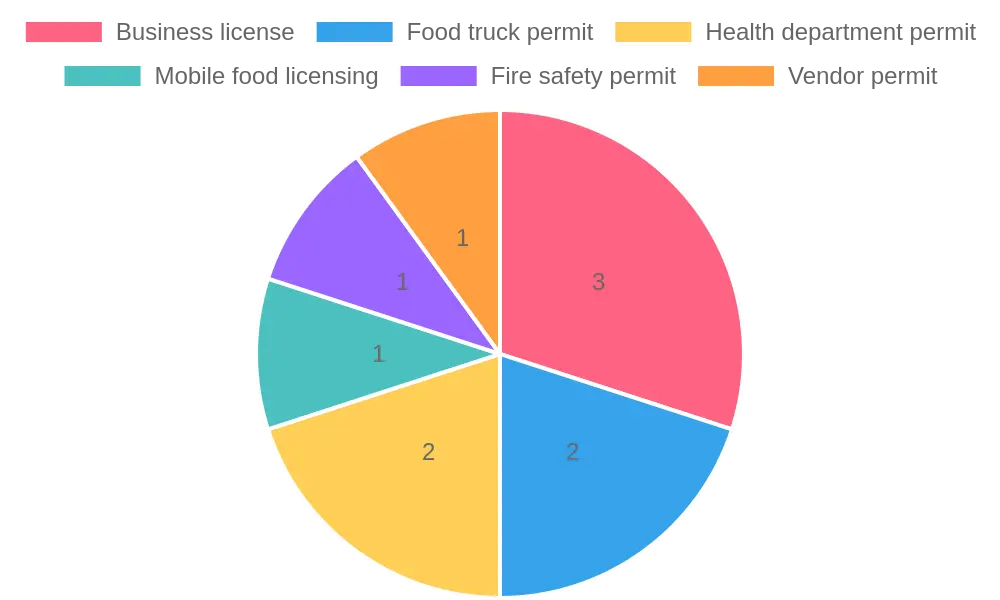
This graphic illustrates the types of permits required for food trucks across these cities.
Exciting Food Trends for Food Trucks in 2023
If you’re thinking about starting a food truck ministry or just curious about what’s cooking in the world of food trucks, you’ll be delighted to know that 2023 is bursting with vibrant and tasty food trends! Let’s dive into the delicious details, shall we?
Popular Cuisines and Offerings
Food trucks are stepping up their game with a variety of cuisines. Based on current trends, here’s a breakdown of what’s hot on the streets:
| Cuisine Type | Popularity Trend | Source |
|---|---|---|
| Plant-Based | Rising in popularity, linked to health benefits | Eat This |
| Fusion Cuisine | Experiments with flavors, combining culinary traditions | iPantry |
| Gourmet Offerings | Elevated comfort food with artisanal ingredients | Burlington Gazette |
| Notable Example | Korean-Mexican fusion gaining recognition in food truck scene | Seattle Times |
| Unique Offerings | Plant-based fusion food focusing on sustainability | Quick Eats Hub |

Dietary Preferences Changing the Game
As more folks become conscious of their food choices, the demand for specific dietary options is climbing. Here’s a snapshot of the emerging dietary preferences:
| Preference Type | Trend Description | Source URL |
|---|---|---|
| Plant-Based | Demand for plant-based options is increasing among consumers. | Euromonitor – Sustainable Consumers 2023 |
| Gluten-Free | Growing market for gluten-free meal replacements; consumers seek health and personalization. | LinkedIn – Gluten-Free Meal Replacement Market |
| Health-Conscious | Consumers prefer meals that support health goals with an emphasis on fresh ingredients and functional foods. | Fanspo – Food Trends Influencing Modern Dining |

What Do These Trends Mean for Aspiring Food Truck Operators?
- Diverse Menu Options: To stand out, think about including plant-based and fusion options in your menu.
- Customer Engagement: Understanding dietary trends can help in designing your offerings, ensuring you meet the needs of health-conscious consumers.
- Sustainability: Focus on sourcing local ingredients to cater to the growing appetite for sustainable food practices.
With these insights, you’re gearing up to serve not just good food but also joyous experiences for the community! For aspiring food truck operators, check out more about building customer loyalty with this growing trend. Don’t forget that delicious food can create lasting friendships and community bonds!
Happy cooking!

Menu Planning for a Food Truck Ministry
Creating an engaging and diverse menu for your food truck ministry is crucial for attracting customers and meeting the culinary needs of your community. Here’s how you can thoughtfully approach menu planning, taking into account dietary needs, local sourcing, and customer preferences.
1. Focus on Dietary Needs
The modern diner often has specific dietary restrictions and preferences. Consider incorporating the following options into your menu:
- Vegan and Vegetarian: Offer dishes like vegan tacos with jackfruit or plant-based lumpia to cater to plant-based eaters.
- Gluten-Free Choices: Breaded or fried items can be made gluten-free, like gluten-free fried chicken or quinoa salad, appealing to those with gluten intolerance.
- Dairy-Free Selections: Include options such as dairy-free milkshakes and desserts, making sure that no dairy ingredients are used in your cooking process.
Meeting dietary needs not only attracts a diverse crowd but also adds a unique taste profile to your offerings. Explore strategies for inclusive menus here.
2. Local Sourcing of Ingredients
A commitment to local sourcing is not only sustainable but also supports local farmers and businesses. Here’s how to do it:
- Choose Local Produce: Use locally grown greens, sweet potatoes, and seasonal fruits for your salads and sides. This increases freshness and flavor while supporting the local economy.
- Sustainable Proteins: If incorporating meat, consider sourcing from local farms that practice humane and sustainable farming.
This approach enhances your food quality, improves your community tie, and offers transparency to your customers about where their food comes from.
3. Understanding Customer Preferences
Getting to know your customer base is key. Here are some effective strategies:
- Surveys and Feedback: Engage with your customers through surveys. Ask them what they’d like to see on your menu, whether it’s spicy options or new entrees.
- Social Media and Trends: Keep an eye on food trends popular in your region. This allows your menu to stay relevant and intriguing. For instance, research shows a rising demand for fresh and organic ingredients, which implies customers might be looking for healthier, thoughtfully prepared options.
Visual Insight
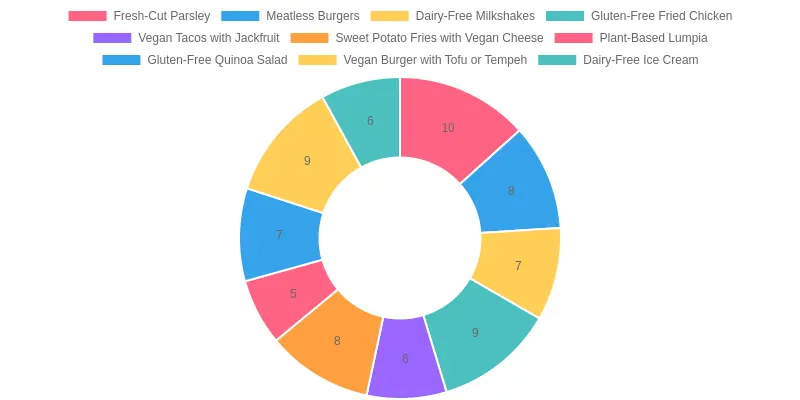
To help visualize the composition of a diverse menu, check out this chart displaying popular food truck menu items along with their dietary options:
Conclusion
Crafting a menu for your food truck ministry that is diverse and inclusive involves more than just variety; it requires understanding and adaptation to the needs of your community. By focusing on dietary requirements, sourcing locally, and aligning with consumer preferences, you’ll not only create delicious food but also foster a loyal customer base. For more inspiration on how to outfit your food truck with seasonal menus, check out this resource.
Community Engagement Strategy Outline for a Food Truck Ministry
Engaging with the local community through a food truck ministry can create meaningful connections and foster a sense of togetherness. Here’s a comprehensive outline of strategies to effectively engage with the community:
1. Participate in Local Events
- Join seasonal festivals and markets to showcase meal offerings.
- Collaborate with local organizations, as highlighted in the article on strengthening connections to increase visibility.
- Offer free meals or reduced-priced meals during community outreach events to engage those in need.
2. Create Promotional Events
- Host themed food days or cultural food nights featuring different cuisines from within the community.
- Run contests that engage followers and give away free meals, promoting interaction on social media platforms.
- Include a community vote for new menu items to create excitement and involvement.
3. Form Partnerships with Local Businesses
- Join forces with nearby businesses to provide catering services for their events, enhancing exposure.
- Partner with local breweries or farms for a farm-to-table model, as seen in partnerships like the one discussed by Food Truck Festivals of America.
4. Utilize Social Media
- Leverage platforms like Instagram and Facebook to promote events and engage with followers.
- Share customer experiences and testimonials, encouraging feedback and word-of-mouth promotion.
5. Support Charitable Causes
- Organize fundraising events where a portion of sales go to local charities, enhancing community spirit.
- Provide meals for local shelters or soup kitchens, reinforcing the ministry’s charitable focus, as suggested in articles about community support.
6. Engage with Local Media
- Invite local influencers or bloggers to review and promote your food truck’s offerings.
- Create press releases for notable events or charitable activities to gain media coverage.
7. Educational Workshops
- Conduct workshops on food sustainability or cooking classes to educate the community and build rapport.
- Offer training sessions on food truck operations for aspiring food entrepreneurs, drawing on community experiences.
8. Feedback and Adaptation
- Regularly gather community feedback on menu items and service offerings to adapt to changing preferences.
- Implement community suggestions to show responsiveness and commitment to their interests.
By implementing these strategies, a food truck ministry can create a lasting impact in the Lakewood community while promoting food, fellowship, and service. For additional community event ideas, check out this article about local food truck gatherings.
Inspiring Words from Food Truck Operators
Opening my food truck wasn’t just about serving delicious meals; it was about bringing people together. Every smile I see and every story I hear reminds me that food is a powerful ministry. It’s a way to reach out, share hope, and create connections within our community.
In addition, you may find additional insights and stories from food truck owners discussing their experiences in fostering community connections through articles like this one on TruckTasting and this summary on Roaming Hunger.
Conclusion
Starting a food truck ministry is a fulfilling journey that can bring nourishment and hope to those in your community. Here’s a quick recap of the main steps to guide you through this rewarding process:
-
Identify Your Mission: Establish the purpose of your ministry. Decide whether you’ll focus on homelessness, community outreach, or another aspect of service.
-
Create a Business Plan: Detail your operations, including menu items, target locations, and funding sources. This will serve as your roadmap.
-
Choose Your Food Truck: Select a reliable truck that meets your needs and adheres to food safety regulations. For an in-depth look at models suitable for startups, check out our best food truck models.
-
Get Necessary Permits: Ensure you have the right licenses and permits to operate legally in your target areas.
-
Build Your Team: Engage volunteers and staff who share your vision for community service.
-
Start Serving: Launch your ministry by hitting the streets and serving meals while fostering connections with those in need.
Remember, the impact of your food truck ministry can ripple through the community, building relationships along the way. So go ahead, take that first step, and serve with passion!