
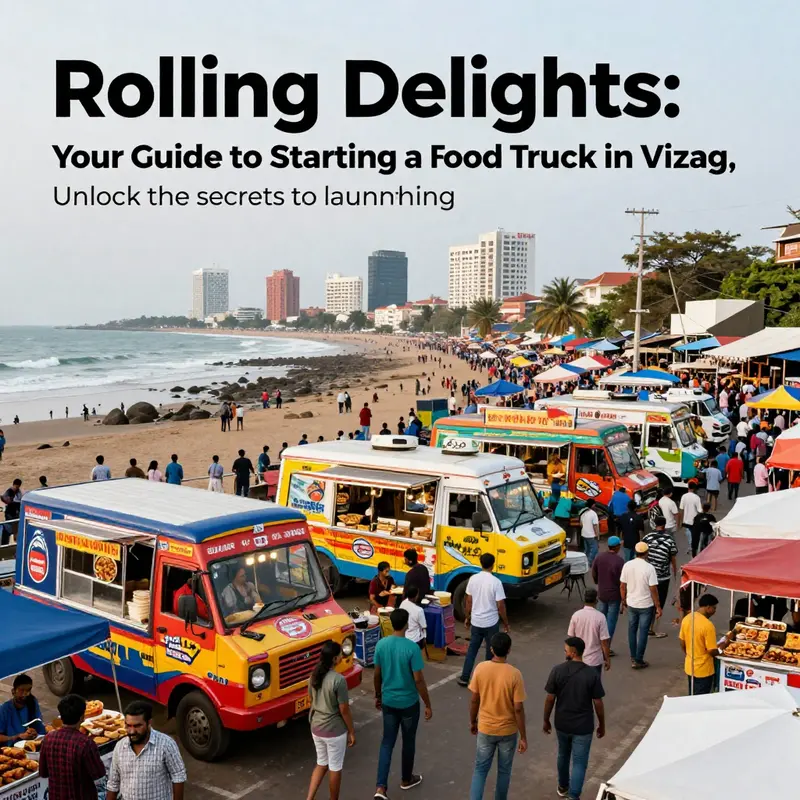
Picture this: a sunny day in Vizag, with the salty breeze from the sea and the aroma of delicious street food enticing your senses. If you’ve ever dreamed of blending your passion for cooking with the thrill of entrepreneurship, starting a food truck could be your calling. Just imagine serving mouthwatering dishes inspired by the rich culinary heritage of Andhra Pradesh, all while exploring the bustling streets and popular hangouts of this coastal paradise. In this guide, we’ll take you step-by-step through the nuances of starting a food truck in Vizag, covering essential legalities, setting up your vehicle, and carving out the perfect operational strategies that can help you thrive. Let’s dive into the delicious journey waiting for you!
Navigating Vizag’s Compliance Highway: A Practical Path to Launching Your Vizag Food Truck
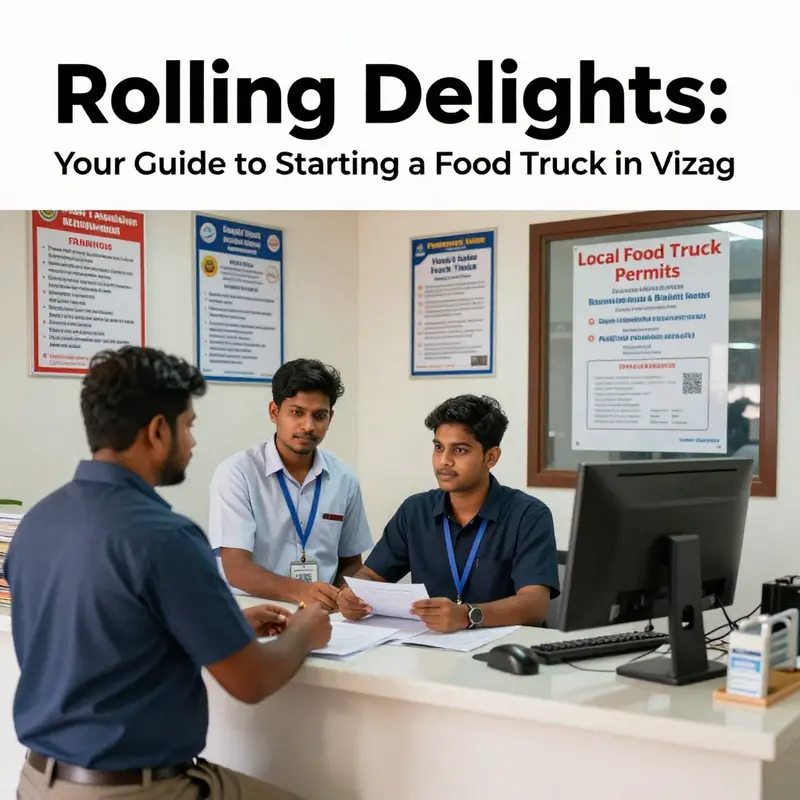
In Visakhapatnam, a city known for its sea breeze, rising IT zones, and a growing appetite for street flavors, turning a food-truck dream into a legal, thriving venture starts long before the first sizzle of the grill. It begins with a clear map of compliance, a willingness to engage with local authorities, and a design that respects safety, hygiene, and the rhythm of Vizag’s streets. The journey is less a sprint and more a steady ride along a highway of licenses, permits, and registrations that protect customers, workers, and the business itself. Framing your plan around regulatory readiness does not dampen your entrepreneurial spirit; it concentrates it. It helps you secure permits with less friction, plan routes that stay within the letter and spirit of the law, and build a reputation that keeps customers coming back. This chapter takes you through the regulatory landscape in Vizag as a cohesive, practical path—one that aligns with the city’s commercial pace and supports a scalable, ethical food-truck operation.
First, the question of structure and formal registration anchors the entire enterprise. A food truck is not a hobby; it is a business that must be traceable, insured, and capable of meeting ongoing tax and regulatory requirements. In India, most new ventures begin as a sole proprietorship or a partnership, but many operators who plan to grow prefer more formal structures such as a private limited company or a limited liability partnership. The choice affects liability, funding options, and the ease of expanding a fleet later. The practical step is to register the enterprise in a way that suits your growth trajectory, while laying the groundwork for more formal compliance. This includes applying through reliable channels for business registration and, where applicable, ensuring you have a documented plan that demonstrates your intent to operate within Vizag’s regulatory ecosystem. In parallel, you should secure a tax registration, such as GST, as soon as your turnover crosses the statutory threshold or if you anticipate cross-state supply or input tax credit benefits. These steps are not bureaucratic box-ticking; they anchor your legitimacy, enable access to schemes for small and medium enterprises, and keep you aligned with the city’s evolving business climate.
Central to the Vizag launch is the FSSAI license, the national safety passport for food businesses. The Food Safety and Standards Authority of India requires that any mobile food unit adheres to precise safety and hygiene standards, with licensing determined by turnover and activity type. For a food truck, the licensing framework typically falls into a basic, state, or central category. The thresholds matter because they determine the level of inspection, compliance documentation, and oversight you will face. For instance, a basic license covers smaller operations with turnover up to a defined ceiling, whereas a state license applies to a broader range of activities within the state, and a central license is reserved for larger, higher-turnover concerns. The documents you prepare—identity and address proofs, a food safety management plan, a layout plan of the truck, and a detailed list of equipment—are not mere paperwork. They are a living credential that signals to inspectors and customers that your operation adheres to standardized safety, storage, handling, and sanitation practices. The plan should reflect your daily routines: how you store perishable items, how you manage waste, how you prevent cross-contact in a shared kitchen space, and how you maintain traceability in menu items from receipt to serving. This clarity translates into smoother inspections and fewer delays when renewals or changes are necessary, and it builds a narrative of responsibility that matters in Vizag’s bustling markets and beachside corridors.
The next layer involves engaging with Vizag’s municipal authority to obtain the local permits that authorize activity on public spaces. The Visakhapatnam Municipal Corporation (VMC) governs mobile vending and street-food operations, and securing a municipal trade license or a mobile-vendor permit signals that you intend to operate within the city’s civic framework. The process typically involves providing vehicle details, your planned route or operating zones, and sometimes a small registration fee that may be modest but meaningful in terms of legitimacy. The permit is not only a legal passport; it is a practical tool that helps you navigate the city’s fluctuating demand in a predictable, compliant way. For many operators, the most critical advantage of obtaining a VMC permit is access to designated vending zones where competition is balanced and the traffic patterns align with customer flow. In Vizag, these zones often cluster around nightlife pockets, IT corridors, markets, and transport hubs, where footfall is consistent and customers seek quick, quality meals. Arriving early to secure a slot or booking ahead on the online portal is often necessary, because these windows can be limited and competitive. A calm, respectful approach to the process pays off, along with a professional vehicle presentation and a plan for maintaining cleanliness in the assigned area.
Safety, of course, is inseparable from legality when a mobile kitchen is in motion. A reliable fire-safety framework, proper fuel storage, and a safe electrical and gas setup are non-negotiables. Vizag’s fire-safety norms, when applied to a mobile kitchen, require an inspection that ensures the vehicle’s wiring, gas storage, exhaust systems, and possible fire-safety equipment meet regional standards. The fire department’s clearance is a practical indicator of a vendor’s commitment to customer safety and to avoiding preventable hazards. The vehicle itself must be prepared for the road beyond its kitchen, with a design that keeps heat, smoke, and potential leaks contained so that a single incident does not disrupt the entire street ecosystem. The emphasis on safety has a ripple effect: it reduces risk for your staff, improves customer confidence, and supports smoother relationships with local authorities who oversee street activity. Equally important is a Pollution Under Control (PUC) certificate, which confirms that your vehicle meets emissions standards. Vizag’s air quality considerations and the city’s traffic dynamics make this certificate more than a regulatory checkbox; it signals a responsible, forward-thinking approach to urban life in a coastal city where tourism and daily commerce intersect.
Beyond safety and emissions, your vehicle’s legality hinges on proper registration and fitness documentation. Your food truck should be registered with the Regional Transport Office (RTO), and you must maintain a current fitness certificate. If you are modifying a conventional vehicle into a food truck—installing a kitchen, installing gas lines, upgrading electrical systems—these modifications must be performed by qualified professionals and documented properly. An up-to-date RC book and a valid PUC, along with a fitness certificate, are crucial to avoiding interruptions during inspections or roadside checks and to ensuring that your truck remains legally operable across Vizag’s diverse neighborhoods and transit corridors. The process underscores a simple principle: your vehicle’s paperwork is a bridge to reliability. It reduces the friction of day-to-day operations and gives customers confidence that every ride or stop is backed by compliance and care.
In Vizag, the physical footprint of your business also depends on zoning and location permissions. The city’s vending rules cluster around certain zones where foot traffic is high, including beachfront promenades, busy markets, tech parks, and station areas. The key is to plan routes and schedules that align with these approved zones, while also considering the city’s demand cycles. You may need to apply for temporary permits or book specific times and locations through the VMC portal. The reality is that while these permits require effort, they also offer a structured rhythm for operations. This rhythm reduces the friction of uncertain spaces and crowded corners, enabling you to predict customer flow, optimize cooking times, and balance stock levels with predictable crowds. For new entrants, this is often the most practical leverage: a predictable footprint within Vizag’s urban landscape, rather than a constant chase for unsanctioned spaces that can yield fines or confiscation and disrupt momentum.
Tax compliance is the unseen backbone of a sustainable food-truck business in Vizag. GST registration is mandatory if your turnover crosses the applicable threshold, and even when not strictly required, registering early helps you claim input tax credits and keep accounts tidy. In Andhra Pradesh, the threshold for GST has specific care points that reflect the state’s policy framework. For many small operators in Vizag, the threshold sits around ten lakhs of annual turnover, with flexibility for certain categories. Once registered, you will file periodic returns, and you will be required to maintain records of sales, purchases, and tax paid. The discipline of tax compliance shines a light on the business’s health over time. Candid, clear books empower you to make informed decisions about pricing, supply contracts, and investment in the fleet. You can plan for seasonal fluctuations, taxi-like shifts near campuses during exam periods, or tourist surges near the beach and promenade. In other words, tax compliance is not a burden; it is a diagnostic tool that reveals growth patterns and helps you optimize your operations.
The menu and the kitchen’s design must harmonize with regulation and city life. The FSSAI framework supports not only safety but also the ability to deliver a consistent, high-quality product. Your kitchen layout, storage facilities, and waste management plan should be prepared to minimize contamination, to separate raw and cooked ingredients, and to ensure ease of cleaning between service windows. This is not only about compliance; it’s about customer trust. People who dine from a mobile unit in Vizag often do so in a hurry, in crowded spaces, or near scenic locations where timings matter. Your design, then, should balance speed with safety, enabling quick service without compromising the health of your customers or the people who work with you. The micro-dynamics of a small kitchen—where you place the sink, the refrigeration unit, the grease trap, and the waste bins—shape service times, waste management efficiency, and the ability to maintain cleanliness during peak hours. A thoughtful layout also supports easier compliance with FSSAI guidelines, as it makes it simpler to document processes and demonstrate that you are consistently applying safe practices.
In practice, this means building into your business plan a continuous rhythm of renewal and review. Licenses, permits, and registrations are not once-and-done chores; they require annual or periodic renewals, updated documentation when plans change, and ongoing dialogue with municipal authorities. The consequences of neglect are tangible: fines, restricted operating hours, or even vehicle impoundment. Conversely, a routine of proactive compliance—keeping your documents current, maintaining vehicle safety standards, storing critical information in accessible files, and setting up reminders for license expirations—creates a reliable operating tempo. It also communicates to customers that you are serious about service quality and safety, which, in a place like Vizag, can translate into strong word-of-mouth and repeat visits in a market that values both taste and trust.
As you navigate these requirements, remember that the regulatory landscape is not a static barrier but an evolving ecosystem. Vizag’s authorities periodically update rules to reflect changing urban dynamics, safety knowledge, and environmental concerns. A practical approach is to stay anchored in official channels: the FSSAI portal for food-safety licensing, the Visakhapatnam Municipal Corporation for local permits and designated zones, and the RTO for vehicle and fitness tasks. These sources give you the latest forms, checklists, and contact points. They also provide pathways for clarifications, so you can resolve ambiguities about whether your particular menu, serving format, or location is permissible. If you find yourself uncertain, it is wise to request a pre-application consultation or a written clarification from the relevant authority. This step may require patience, but it often saves time and money by preventing missteps.
The broader picture that emerges from Vizag’s regulatory environment is one of opportunity framed by responsibility. The city’s edible street culture is robust, and there is room for diverse cuisines, innovative formats, and flexible service rhythms. Yet that opportunity is most accessible when you operate with a robust compliance backbone. The internal discipline—keeping track of licenses, maintaining safety standards, and aligning with designated zones—delivers external benefits. It reduces risk, enhances customer confidence, and makes it easier to scale from a single truck to a growing mobile fleet. The internal link to practical industry-minded design considerations comes from looking at how other start-ups manage their kitchen footprints in compact spaces. While Vizag’s local rules matter, the underlying principles—safe food handling, efficient workflow, and a transparent relationship with regulators—translate to any city where mobile food businesses operate. For operators contemplating their physical build, exploring resources on mobile food truck models offers design insights that can be adapted to Vizag’s regulatory reality. See an example of how the best models balance kitchen ergonomics with safety requirements in environments similar to Vizag’s
best food truck models for Lakewood startups.
In practical terms, the path to Vizag viability is to couple a lean but compliant setup with a strong local presence. Your first truck should be designed to maximize service speed within the approved zones and time windows. The kitchen should be configured for efficient movement, easy cleaning, and safe waste disposal. In parallel, your operations should be designed to adapt to seasonal patterns, local events, and student or office-worker rhythms. This means building a menu of 6–8 core items that travel well, using ingredients that store safely under Vizag’s climate conditions, and incorporating a quick-turnaround system that minimizes stall time for customers. The financial model then aligns with the regulatory framework: you manage costs with careful procurement, predictable maintenance, and a schedule that matches the zones and permits you have secured. When you see the numbers clearly—your costs, revenue potential, license fees, and renewal timelines—you gain confidence that the business can not only launch but endure and grow within Vizag’s vibrant economy.
To close this chapter on legal and regulatory compliance, remember that the regulatory path is not adversarial but foundational. It gives you credibility with customers and with the city’s guardians of public space. It creates a structure within which creativity can flourish, because you know exactly what is permitted, where you may operate, and how you can protect your staff and customers. Your success hinges on the steady discipline of staying current, keeping thorough records, and maintaining a safety-first mindset. The city’s waterfronts and markets want fresh food and energetic service, but they also want operations that are orderly and safe. By charting a compliant course and keeping pace with Vizag’s evolving rules, you convert a mobile culinary idea into a durable, scalable business that respects the city it serves and contributes to Vizag’s growing reputation as a hub for innovative, street-level dining.
External resource: https://www.fssai.gov.in/
Rolling Kitchens in Vizag: Vehicle, Equipment, and Compliance for a Smooth Start
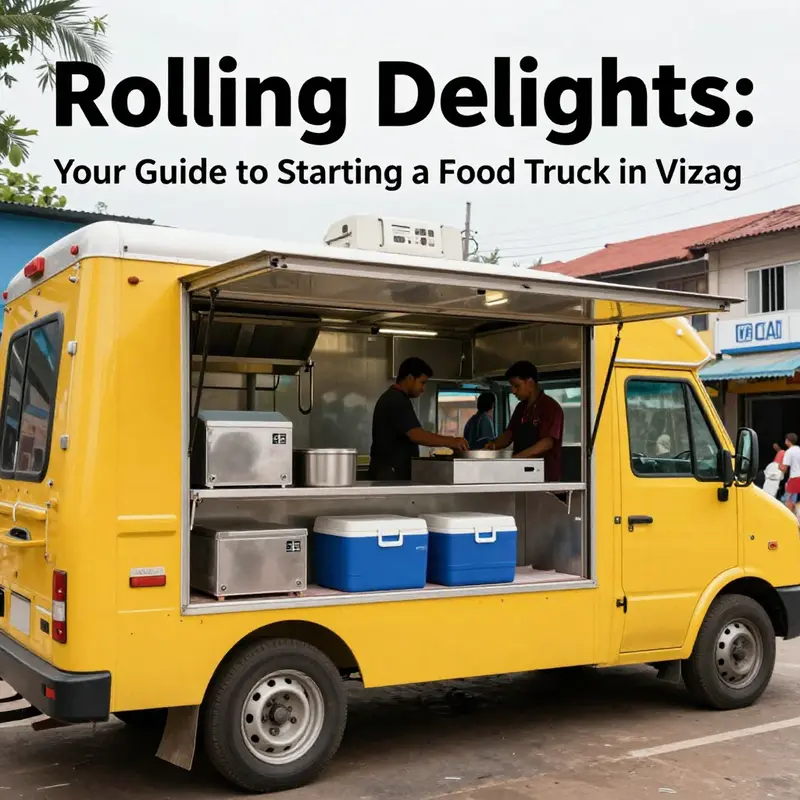
Vizag’s mobile food scene rewards kitchens that balance a compact footprint with reliable safety and hygiene. This chapter outlines how to choose a suitable vehicle, plan a practical layout, select lean yet capable equipment, and align with local regulations so a food truck can operate with confidence from day one. Key themes include maneuverability in dense streets, clean separation of clean and dirty zones, efficient water and waste management, and a practical approach to power and gas supply that minimizes risk. The content emphasizes safe food handling, proper ventilation, and durable materials that stand up to Vizag’s climate. It also covers regulatory pathways with Visakhapatnam Municipal Corporation and the FSSAI, highlighting permits, licensing, and documentation that help a truck gain trust with customers and inspectors. A successful Vizag kitchen on wheels prioritizes simplicity of workflow, ease of cleaning, and a customer experience that feels inviting and trustworthy. Practical tips on vehicle profiles, hood sizing, exhaust placement, and secure gas storage are presented alongside guidance on budgeting, maintenance planning, and contingency strategies to keep service smooth even during peak hours and seasonal events.
Charting Vizag’s Street Flavor: Location, Timing, and Agile Operations for a Winning Food Truck
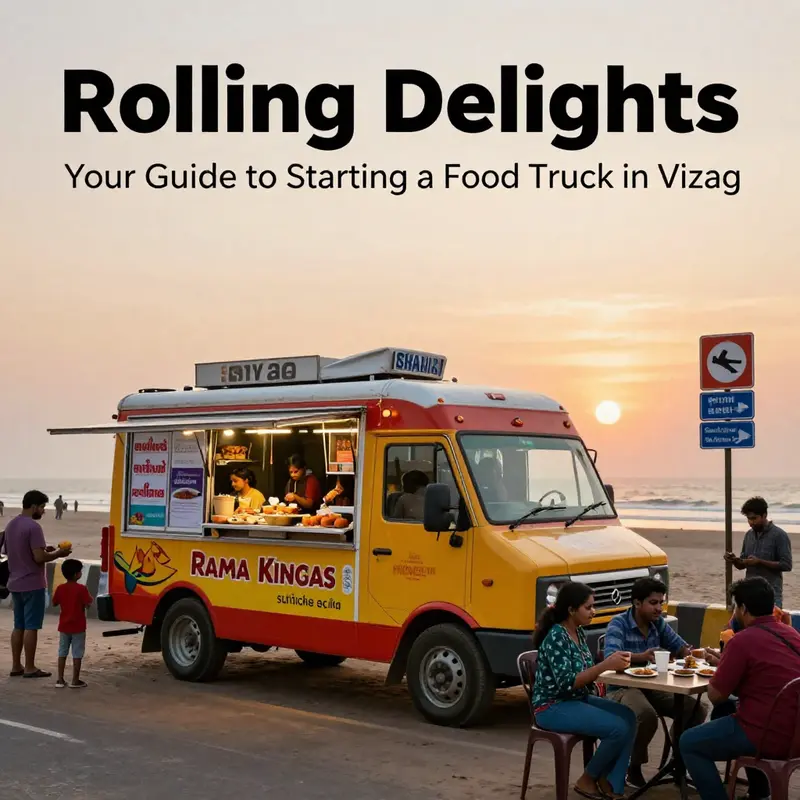
Vizag, or Visakhapatnam, sits along the coast where sea breeze meets city pace. Its neighborhoods are not just places to live; they are pulse points where people commute, study, work, and wander after sundown. A food truck in Vizag doesn’t exist in isolation. It thrives where the rhythms of factories, campuses, beaches, and markets collide. The most successful operators treat location as a living map, not a static spot. They study where crowds converge, how long they stay, and what they crave at different moments of the day. This chapter weaves together the practical realities of locating a mobile kitchen with the art of timing, brand presence, and operational agility. It is a guide to reading Vizag’s streets the way a conductor reads a score, knowing when to move, what to offer, and how to keep customers coming back even as the city’s weather and events shift the crowd.
A moving kitchen must understand the city’s geography in three layers: everyday work and study flows, tourist and leisure currents, and the city’s own festival tempo. The industrial corridors around Duvvada and Anupapalle create steady weekday lunch demand. Factories and IT parks draw office workers and shift changes, especially around noon. Student hubs near Andhra University and government institutions deliver a dependable after-class crowd and weekend traffic that can surprise you with its consistency if you’re in the right place at the right time. Tourist hotspots—Rama Krishna Beach, Kailasagiri, and nearby viewpoints—offer surges during holidays and weekends, when visitors want quick, flavorful bites with a local twist. Commercial centers like RK Puram and Gajularamaram pulse with families and shoppers in the evenings, while parks, bus stands, and event spaces light up with seasonal energy during festivals and concerts. The challenge—and the opportunity—lies in weaving these layers into a coherent plan that lets a single truck serve as many high-value moments as possible without losing control of quality, compliance, and costs.
The choice of location must be nested inside a practical regulatory framework. Vizag’s municipal authorities treat mobile vendors with a mix of support and boundaries. A food truck isn’t simply a vehicle with a griddle; it’s a licensed unit that travels through zones that require permits and adherence to health and safety norms. The first rule is simple but essential: know the permits and plan routes. The Visakhapatnam Municipal Corporation (VMC) issues registrations for mobile vendors, designates vending zones, and sets the expectations for where a truck can operate. The licensing logic is layered. You need basic business registration and GST, but more specifically for the kitchen on wheels, an FSSAI license that aligns with the scale of your operation—state or central license depending on turnover. The vehicle itself should wear its credentials, with RC and PUC certificates in order, particularly if you’ve modified a delivery van into a food truck. These formalities are not cosmetic; they are the backbone of a sustainable business that can weather audits, insurance scrutiny, and neighborly concerns about waste and noise.
In practice, locating a truck begins with a day in the field, not a day behind a desk. You’ll identify zones where the crowd gathers, then test the waters with temporary permits through the VMC portal. The early days are about learning—where lines form, how long people wait, and which directions the most enthusiastic walkers or riders take after your truck becomes a known stop. It’s also about relationships. Vendors who have run in Vizag for years often know the micro-currents of traffic in specific blocks, near IT parks at lunch, or around college gates during class breaks. Ask for permission, not just forgiveness. Communicate your schedule and your waste plan. Maintain courtesy near sensitive areas like railway stations and IT campuses. In Vizag, a respectful footprint matters almost as much as the food you serve.
The chapters of a successful location strategy unfold as an interplay of proximity, timing, and adaptability. Proximity matters because a truck’s value comes from how quickly it can deliver hot, fresh items. Being within a few minutes’ walk of a cluster of offices or classrooms ensures a predictable flow of customers. Timing matters because Vizag’s rhythms shift with the sun and the week. Morning commuters crave breakfast and quick bites; the lunch window near factories and offices is brief but steady; evenings near beaches, parks, and markets explode with casual demand that is perfect for snacks and dinner items. Adaptability matters because every location carries constraints—permit windows, noise limitations, or waste disposal rules. A truck that can adjust its schedule, menu, and even its refrigeration load honors these limits while maximizing throughput.
Consider the industrial corridors around Duvvada and Anupapalle. A truck stationed near a factory gate or a corporate campus can become the lunchtime ritual for dozens of workers who swap crowded canteens for speed and taste. Here the logistics favor compact, efficient layouts and a menu that can be served in under five minutes per order. A concise menu also reduces waste and simplifies stock management, which is crucial when your location changes daily or weekly. In such zones, visibility matters. A bright, legible sign and a compact but sturdy serving counter help your truck stand out amid a sea of lunch options. The goal is to become a familiar, reliable option that people can spot quickly on a busy street as they walk from the gate to the bus stop or ride-share point.
The educational enclaves surrounding Andhra University and VIT University offer a different flavor of demand. Students know good value and quick satisfaction. A truck placed near campus gates during peak breaks can capture a steady stream of hungry minds looking for affordable meals and a quick recharge. The duration of their meals—15 to 20 minutes between lectures—means you must be ready to move with precision. A rotating schedule works well here: weekdays near the main gates for lunch and late afternoons; weekends near student hostels and common areas where study groups gather, offering snacks and coffee-like beverages that pair with a lightly spiced, portable menu. This is a space where creative, budget-friendly items written up on a simple chalkboard or digital display can become an afternoon ritual for a large cohort of repeat customers.
Tourist corridors near Rama Krishna Beach and Kailasagiri Hill demand a different set of instincts. Weekends and holidays produce a surge in foot traffic but also a more scattered pattern of dwell time. Visitors wander, pause for photos, and often seek a quick bite before returning to a scenic overlook or to the promenade. Here, a truck’s success hinges on branding that tells a story in seconds and a menu that travels well in a warm environment. Fusion twists that echo local flavors—with clear labeling for spice levels—become conversation starters and shareable moments online. A visually striking truck, reflected lighting, and a small, easy-to-scan menu board help curious travelers decide in the moment. In such zones, sometimes the best strategy is to stay longer in fewer places rather than chase every corner of the beach. A period of sustained presence near a popular parking lot, with a periodic rotation to nearby entry points, can yield a reliable weekend uplift.
Commercial hubs like Downtown and RK Puram intensify the demand in the early evening and late-night hours. Families, service workers, and shopping crowds accumulate as the sun goes down. This is the heartbeat of a dining-on-the-go concept. It rewards a menu that can be enjoyed with hands or small utensils, and it gives you an opportunity to pair meals with quick beverages or light sides. Evening hours demand a balance between speed and hospitality. Queue management, clear signage, and a predictable pickup flow reduce friction and keep the line moving. In such environments, a well-timed rotation—moving from a high-traffic corner to a nearby cross street or plaza—keeps your stall fresh and perceptibly present in the daily routine of residents and workers.
Parks and event spaces introduce seasonal spikes that test your ability to scale quickly without sacrificing quality. Festivals, concerts, and public gatherings create short-term opportunities for higher volume, but they also bring constraints: limited space, stricter noise norms, and more demanding waste management expectations. Your plan should include contingency zones where you can set up temporary stalls or partner with organizers to serve attendees without cluttering public spaces. In Vizag, the best operators treat these spikes as both chance and discipline. They pre-stock a lean inventory, map pickup lanes, set up separate waste collection points, and coordinate with local authorities to avoid conflicts with other vendors. The result is a dependable surge in revenue that does not compromise hygiene or customer experience.
The operational backbone of this location strategy is the disciplined use of information. Data-driven scheduling helps you decide where to be on which day and at what time. A simple habit—tracking when footfall peaks in a given zone, noting how long lines form, and recording customer preferences—turns into a concise playbook. You might discover that near the IT park you achieve a lunchtime surge on Tuesdays and Thursdays, while college campuses yield stronger weekend crowds. This knowledge informs not only where you park your truck but when you push new items, adjust portion sizes, or offer time-limited deals. A small, daily log can reveal patterns that a monthly revenue target simply cannot capture. In Vizag’s dynamic environment, such responsiveness is a competitive edge.
Brand and experience are inseparable from location. The roadside theater you create—your signage, your color palette, your apron and uniforms, and even your freshness of ingredients—makes a difference in how customers remember you when they walk away. A consistent color theme helps your truck become a recognizable landmark in a grid of vendors. A clear, appetizing menu board reduces decision fatigue for passersby. And a friendly, efficient crew who knows how to greet regulars by name creates a sense of belonging that strangers carry with them when they depart. Yet branding alone won’t sustain a business if it isn’t joined to practical operations. A truck must still move, stock must replenish on time, and waste must be managed to keep the space clean and compliant. The most successful Vizag operators merge branding with routine—preparing in advance for the day’s location, testing a couple of signature items that can be prepared with minimal waste, and keeping buffers for peak moments.
To tie these threads together, consider the vehicle’s role in the location story. A compact, maneuverable vehicle is essential on narrow lanes and busy cross streets near campuses and markets. It should allow a smooth kitchen workflow: a compact cooking area, a reliable grease trap, and a system for waste disposal that complies with local norms. It is possible to design a kitchen around the limitations of a small footprint while maintaining food safety and ease of service. When the vehicle is well configured, you gain resilience—the ability to swap between locations with minimal downtime, to extend your service window on a busy day, or to shorten setup and teardown times between zones. The best operators treat their truck as a flexible platform—a base of operations that can adapt its configuration to different street fabrics as Vizag’s daily life unfolds.
The practical rhythm of a Vizag food truck therefore becomes a blend of steady, repeatable patterns and responsive, opportunistic moves. You schedule core locations for steady revenue and reserve capacity for festivals and weekends. You maintain a core menu that accommodates quick service and high turnover, while keeping a few rotating items to test local tastes and seasons. You embrace digital commerce not as a novelty but as a natural extension of your location strategy—letting customers preorder for pickup near the high-traffic zones or offering a glance at today’s location and specials via a simple app or social updates. In such a system, a customer who discovers you on Rama Krishna Beach on Saturday evening might become a loyal visitor who tracks your movements week to week. This is how a single truck becomes part of Vizag’s street culture rather than a fleeting snack option.
For operators seeking additional guidance on vehicle considerations, there is a well-established reference point that explores how different truck configurations suit startup needs. It’s worth a read for anyone weighing layout choices, shelf space, and the balance between kitchen efficiency and front-of-house visibility: Best food-truck models for Lakewood startups. The article’s emphasis on modular design, durability, and cost-conscious builds speaks to the universal challenges of starting a mobile kitchen, even though it speaks from a different city context. The core takeaway is universal: design around your routes, your peak times, and your service speed. Your truck should invite customers to step closer, not force them to stand in the rain or heat, and it should support clean, quick turnaround so you can keep moving through Vizag’s lively streets.
As you refine location choices and schedules, remember that success sits at the intersection of people, permits, and predictability. The Vizag landscape is layered with opportunity, but it rewards careful planning, respectful engagement with authorities, and attention to sanitation and safety. Your day will likely begin early in a space chosen for its proximity to a predictable flow of potential customers—be it a factory gate, a university gate, or a popular beachfront access point. You’ll set up swiftly, greet familiar faces, and begin a cycle of service that becomes familiar to your customers as well. When the truck’s daily route is understood by the neighborhood, you gain a kind of street credibility. People know where you’ll be, what you’ll serve, and when you’ll return. That trust translates into repeat business, better word-of-mouth, and the ability to weather the inevitable fluctuations that Vizag’s weather, events, and economy throw at a small, mobile kitchen.
In the end, the most resilient Vizag food trucks do not chase every crowd. They read the city’s beat and respond with a thoughtful mix of location discipline, menu clarity, and operational agility. They remain compliant without being constrained, and they use data to sharpen decisions rather than to second-guess instinct. They know when to stay in a zone for a long run and when to hop to a new one to capture an emerging wave of foot traffic. They invest in branding that travels with the truck—clear signage, a memorable color, a simple, appealing menu—so that the truck becomes a known, welcome presence in Vizag’s street life. And they stay connected to the community, joining local vendor groups, listening to customers, and integrating feedback into the next day’s plan. This is how a food truck begins not as a mere mobile kitchen but as a conversational, evolving part of Vizag’s culinary landscape.
External resource: For official licensing details and regulatory specifics, refer to Vizag’s food safety and licensing portal: https://www.visakhapatnam.gov.in/portal/food-safety-and-licensing.html
Final thoughts
Starting a food truck business in Vizag is not just about serving food; it’s about creating memorable experiences that bring people together. By navigating the necessary legalities, investing in the right equipment, and strategically positioning your truck in high-traffic areas, you’ll be well on your way to building a beloved spot in this thriving community. Remember, this adventure is as much about connecting with your customers as it is about cooking. With dedication, creativity, and community spirit, you’re set for success in the vibrant world of Vizag’s food truck scene!