
Are you dreaming of serving delicious meals from a shiny food truck while basking in the vibrant energy of Lakewood? Starting your own food truck business is not just about cooking up tasty dishes; it’s about crafting a unique culinary experience on wheels! This guide will walk you through essential steps from creating a business plan to navigating legal requirements, choosing the perfect menu, securing insurance, and building a marketing strategy that resonates with the local community. Each chapter will equip you with the tools to turn your food truck dream into reality, making your culinary adventures rewarding not only for you but for the community you serve.
Charting the Route: Building a Robust Business Plan for Your Food Truck Startup
A food truck business is as much a strategic venture as a culinary one. The blueprint that guides your daily decisions and long-term investments is the business plan, a living document that translates passion into process and risk into evidence. A solid plan does more than outline menus and routes; it crystallizes your vision, defines how you win customers, and proves to lenders and partners that your concept is financially viable. When you start with a clear map, you can navigate the inevitable questions about location, labor, and scale with confidence. The plan becomes a compass that keeps your operations aligned with a sustainable purpose rather than chasing every passing trend. In practice, this means weaving together six interconnected elements that together form a credible path from concept to street corner to potential expansion. This chapter treats the plan as a coherent story rather than a checklist, ensuring that each piece supports the others and that the final document speaks to both heart and numbers in equal measure.
First, the executive summary sets the tone. It is the trailer to a feature film: a concise, compelling snapshot of your truck concept, the problem you are solving, and the emotional and practical benefits you offer to customers. Your summary should crystallize a unique selling proposition that differentiates you in a crowded market. It might be a distinctive flavor approach, a tight menu built for speed and consistency, or a commitment to sourcing ingredients from specific, verifiable channels. The aim is not to tell everything but to invite the reader to invest in the full plan. If the executive summary is strong, people will want to read on; if it’s opaque, even the best concept risks being dismissed before it’s given a chance.
Beyond the summary, the company overview anchors the plan in structure. Here you outline the legal form of the business, such as a sole proprietorship or a limited liability arrangement, the location or service area you expect to cover, and the mission that will guide every decision. Clarity about structure isn’t just legal housekeeping; it informs tax treatment, liability management, and how you will attract partners or investors. The mission should be more than a slogan. It should articulate a practical commitment—what you want to deliver, to whom, and why it matters—so that every operational choice, from menu development to supplier selection, aligns with that purpose.
A thoughtful management structure follows, even in the early days when you wear many hats. You should identify core roles and outline responsibilities, from day-to-day operations and scheduling to vendor relations and compliance tasks. Even if you plan to hire staff later, naming the essential functions helps you spot gaps in capability and prepare a realistic hiring plan. This clarity also streamlines training and helps you communicate your standards to future team members. A well-articulated management framework reduces friction later, particularly when working with a network of cooks, drivers, and event coordinators.
Market analysis is where your narrative meets the street. It requires honest research into who will buy from your truck, when and where they will eat, and what influences their choices. You should define your target demographics with as much specificity as possible—commuting workers who crave quick, flavorful lunches, families at weekend markets, or festival-goers seeking novel palate experiences. An honest assessment of competition—other food trucks and nearby bars or restaurants—helps you map a competitive edge. Consider how seasonality, weather, and local event calendars shape demand, and build contingency plans for slow periods. A robust plan quantifies these insights: estimated foot traffic in key locations, average spend per customer, and the frequency of repeat visits. The more you can anchor your strategy in real world patterns, the easier it is to justify pricing, location choices, and marketing investments.
Menu development anchors the plan in practicality. Your menu must be compelling, profitable, and realizable in a mobile kitchen. Begin with a focused core of items that share ingredients and equipment to minimize waste and speed up preparation. This is not about chasing every food trend; it’s about choosing items that balance flavor appeal with margin and consistency under mobile service conditions. Include potential seasonal specialties to keep the concept fresh without overcomplicating the back end. Sourcing is part of the menu story—recipes should be designed to accommodate predictable supplier lead times and pricing, while still allowing you to adapt to local preferences. The plan should spell out portion sizes, prep methods, and cross-utilization of ingredients, because each of these decisions directly impacts speed, waste, and profitability.
Supply chain management deserves careful attention because even the best menu can stumble if ingredients falter. Your plan should describe how you will source core ingredients, establish supplier relationships, and manage inventory to avoid stockouts or overages. This includes forecasting demand, setting par levels, and implementing a system to track usage in real time. You may begin with a lean supplier network and expand as you gain volume, but the crucial point is to articulate a reliable process for replenishment, quality checks, and contingency sourcing. In a mobile business, the rhythm of deliveries, the reliability of cold storage, and the speed of restocking all influence service quality and customer satisfaction. The plan should also address waste management and expiration controls, underscoring your commitment to consistency and safety while preserving margins.
Pricing strategy sits at the heart of profitability. It should reflect the true cost of ingredients, labor, and overhead, while still positioning the truck as a value or premium option depending on your concept. The plan should present a method for calculating cost of goods sold for each item and tying that to a pricing ladder that supports a sustainable margin. Factor in labor—the hours required to prepare, cook, serve, and clean—plus cash controls, maintenance, fuel, licensing, and insurance. A well-reasoned pricing framework also anticipates promotions and discounts, keeping your overall profitability intact while enabling seasonal adjustments. The most durable plans connect pricing to the customer value proposition and show how small shifts in volume, operating hours, or location can meaningfully move the bottom line.
Long-term goals give the plan a trajectory beyond the first pop-up season or two. They translate ambition into milestones—like expanding to additional locations, increasing daily sales, or diversifying the menu in a controlled way. Your milestones should be specific and measurable, with clear timelines and the resources required to achieve them. Linking goals to cash flow projections helps you understand when new markets or added vehicles become feasible. A credible plan demonstrates you understand the trade-offs between growth and quality, between speed of rollout and the consistency customers expect. It also prepares you for the capital conversations that accompany scale, whether with lenders, partners, or investors. The best plans recognize that growth is a series of tested steps, not a single leap, and they outline what success looks like at each stage.
Financial planning is the backbone that supports every narrative thread above. Your forecast must include startup costs, ongoing operating expenses, and anticipated revenue. Startup costs cover essential expenditures such as vehicle acquisition or retrofitting, kitchen equipment, permits, and initial inventory. Operational expenses include fuel, maintenance, insurance, licenses, ingredient sourcing, and payroll. Revenue projections should be grounded in the market analysis and pricing strategy, with explicit assumptions about daily or weekly sales, average ticket size, and the number of operating days. A cash flow model helps you see when you will reach break-even and how much working capital you’ll need to cover gaps between cash inflows and outflows. This is not a rigid forecast; it’s a tool for scenario planning. Your plan should present best-case, expected, and conservative projections, along with sensitivity analyses that show how changes in foot traffic, price, or supply costs would affect profitability. Accurate financial modeling reduces surprises, sets realistic targets, and guides decisions about when to invest in more equipment, hire staff, or expand to new venues.
In the end, the value of a comprehensive business plan lies in its ability to turn ideas into a disciplined execution path. It creates a shared language for you, lenders, and future team members. It highlights risks and mitigation strategies before you face them in real life. It aligns every operational decision with a bigger purpose and a rational budget. If your plan is clear enough to be understood by someone who has never tasted your food, it can attract the support you need to bring the concept to life. As you write, remember that the document is not a static artifact; it should evolve with your business. Review it after your first few months of operation, revise projections as you learn what works, and keep the plan accessible to the people who will help you grow.
To readers building out their own road map, the exercise should feel practical, not opaque. The framework above is designed to be adaptable, portable across different culinary directions, and responsive to the realities of a mobile kitchen. In practice, you can draw on established resources to refine your plan, including guides that lay out templates, sample financials, and step-by-step approaches to market analysis. For example, operators who want a grounded sense of capital needs and vehicle configurations often consult practical resources that outline viable truck models and layout considerations for startups. This kind of reference can illuminate how your menu, equipment choices, and service concept interact with real-world constraints, helping ensure that the plan remains feasible as you move from concept to commission to streetcorner. For a succinct exploration of model considerations, see the resource titled Best Food Truck Models for Lakewood Startups. Best Food Truck Models for Lakewood Startups.
Finally, a strong plan anticipates how to translate this thinking into action. You should attach concrete steps for the most immediate next phase—finalizing your legal structure and securing initial permits, confirming a short list of suppliers, validating your price points with a small group of potential customers, and securing a pilot location. Yet you should also map longer-term operational priorities: refining the menu once you observe demand patterns, developing a cash-reflow strategy to weather off-peak times, and setting a clear cadence for revisiting the plan as you accumulate data from sales, feedback, and events. The aim is to move from a written document to an ongoing operating discipline, where monthly reviews compare actuals with forecasts, and each decision reflects the core intent spelled out in the executive summary.
For readers seeking a structured, practical template that complements the narrative approach described here, a well-crafted external guide can be a helpful companion. It offers a blueprint for turning the plan into concrete finance and operations, including templates and scenario planning that align with the realities of a mobile kitchen. You’ll find such guidance at the external resource linked here, which provides a detailed framework for building a food truck business plan. https://www.shopify.com/blog/food-truck-business-plan
Niche by Design: Crafting a Distinct Food Truck Concept and Menu for Lasting Success
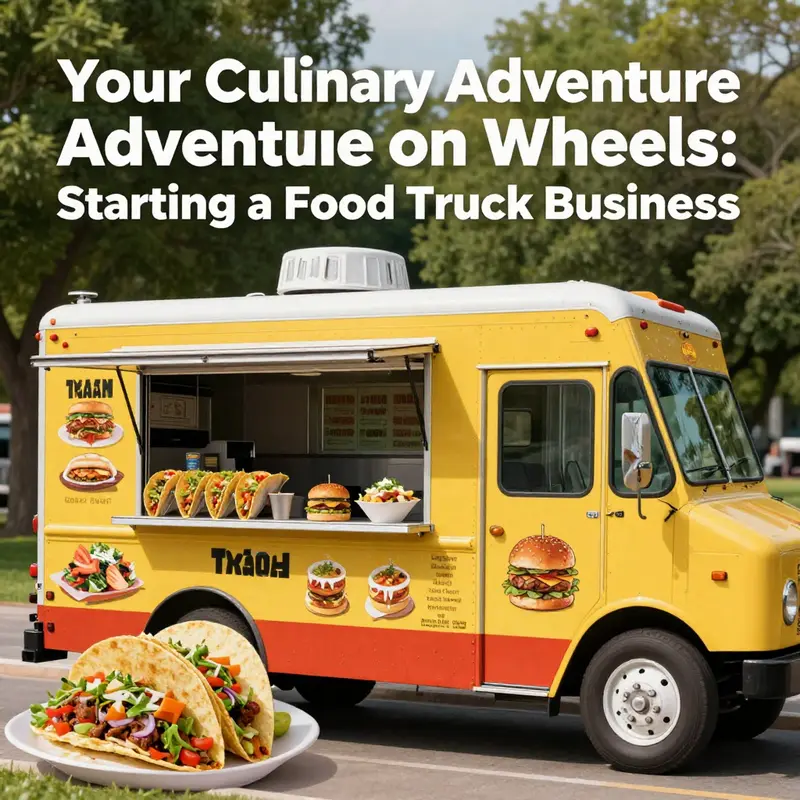
Choosing a niche for a food truck is more than picking a dish you love. It is about shaping a complete, coherent philosophy that guides your menu, your kitchen setup, your pricing, your location strategy, and the story you tell customers with every post and parcel. In a crowded street where a dozen trucks offer similar bites, a well-defined concept acts like a beacon. It helps you attract the right people, train a team that shares a single culinary language, and build a brand that travels beyond a single block. The chapter of your business begins with this choice, and the menu you design is its most visible, most tested instrument. When you get it right, operations hum, costs stay predictable, and customers become regulars who seek you out by name, not just by aroma.\n\nA practical path begins with a clear view of what the market in your area wants and what you can consistently deliver with quality and speed. The literature on successful mobile concepts emphasizes three archetypal directions, each with its own rhythm. Gourmet food trucks lean into chef-driven, elevated street fare that surprises urban palettes. They promise a distinctive dining experience that can command premium pricing but require advanced culinary skill, more intricate equipment, and a tighter control over prep time. Health-focused trucks cater to wellness-minded diners, offering vegan, vegetarian, gluten-free, organic, or low-calorie options. They capitalize on a trend toward transparency and nutrition, often attracting a dedicated following willing to pay for ingredients and sourcing integrity. Dessert trucks specialize in treats that are inherently photo-friendly and shareable, capitalizing on festivals, events, and casual moments when sweetness becomes a social signal. Each path has advantages and trade-offs, and the best choice aligns with your strengths, your budget, and the realities of your local market.\n\nIn practice, niche selection should be grounded in rigorous, local market signals rather than a pure personal preference. Start with market research that looks at who shops nearby, when they visit, and what gaps competitors leave behind. Note foot traffic by time of day, especially during lunch hours, commute windows, and after-work gatherings. Observe nearby office districts, parks, hospital campuses, college campuses, and entertainment zones to see where people already gravitate for quick bites. The strengths of a strong niche also lie in its consistency. A focused concept reduces decision fatigue for your staff and helps you standardize recipes, sourcing, and cooking methods. When a menu is tightly curated around a theme, you can master the production line, train quickly, and keep waste to a minimum. It becomes easier to project costs, forecast demand, and schedule shifts around peak times. Conversely, a diffuse menu can confuse potential customers, increase kitchen complexity, and stretch your inventory across too many SKUs, elevating costs and undermining reliability.\n\nA well-chosen niche should also accommodate your personal skills and the realities of your equipment. If your background includes classic French technique, a gourmet concept that relies on precise temperatures and time-controlled processes can be feasible with the right portable equipment, such as induction stoves, compact braising units, and a thoughtfully organized cold section. This choice invites a design that emphasizes plating, texture, and aroma—elements that translate well to street visuals and social media when executed consistently. If your strengths lie in nutrition and sustainability, a health-focused truck can be told through vibrant salads, grain bowls, and energy-forward plates that emphasize fresh produce and clean labels. Here, you’ll need reliable cold storage, high-quality refrigeration, and prep zones that minimize cross-contamination while preserving nutrition. Dessert concepts, with their emphasis on sweetness, texture, and visual appeal, lean into eye-catching presentation, quick assembly, and the social media loop that makes desserts viral. The core takeaway is that your niche should harmonize your abilities, the equipment you own or can justify investing in, and the expectations of your local audience.\n\nMarket research is not a one-and-done exercise. It is a disciplined, iterative process that keeps your concept sharp as the market evolves. Start by mapping consumer preferences, then test your hypotheses with a limited pilot menu. A focused lineup helps you gather feedback quickly and calibrate flavors, portion sizes, and pricing. Refreshing the menu over time can help combat menu fatigue, the phenomenon where repeat customers crave novelty after a few visits. For a gourmet truck, a rotating chef’s special or seasonal tasting item can maintain excitement without destabilizing the core menu. For health-focused trucks, rotating plant-forward bowls or limited-edition dietary options can highlight seasonality and ingredient availability while maintaining a steady baseline of staples. For dessert trucks, one or two signature items—paired with a rotating seasonal sweet—can keep the visuals fresh for social channels and festivals.\n\nAs you shape your menu, consider several operating variables that keep the concept viable in a mobile kitchen. Menu items should be executable within a reasonable prep window and with equipment that your truck can house without overloading the workflow. Consistency is the backbone of a successful food truck menu. Every dish should taste the same, whether prepared at 11 a.m. or 11 p.m., weekday or weekend, in a sunny lot or a windy alley. Standardized recipes, precise portion controls, and clear mise en place enable reliable service. The cost of goods sold (COGS) must be closely watched from day one. A profitable truck balances premium pricing for high-quality ingredients with a deliberate view on portion sizes and waste. It’s common to begin with a concise core menu that showcases your strengths and then stage a measured expansion as your operations scale and your customer base grows.\n\nThe narrative you craft around your niche is not just about flavors. It is about experience, branding, and story. The look of your truck, the tone of your social posts, the way your staff greet customers, and the packaging you use all reinforce the concept. A gourmet concept benefits from a sleek, image-forward aesthetic, precise plating, and a narrative about craft and technique. A health-focused concept thrives with transparency—clear labels, bold color imagery, and messages about sourcing and nutrition. A dessert concept wins with whimsy and shareability—bright colors, fun shapes, and high-quality photos that invite tagging and reposts. Your storytelling should weave through every customer touchpoint, from the menu card to the online ordering page to the handwritten chalkboard announcing daily specials. The goal is to create a cohesive brand that people recognize and trust, no matter where they meet your truck.\n\nOne practical way to navigate the many choices is to view the niche decision as a system, not a single choice. Your menu design, your procurement plan, your prep schedule, your supplier relationships, and your staffing approach should all align with the chosen path. If you choose a gourmet track, you may need higher-skilled cooks, more precise equipment, and a tighter menu to sustain a steady pace on busy streets. If you go health-focused, you’ll look for reliable suppliers of fresh produce, plant-based proteins, and clean-label ingredients, with attention to allergen control and cross-contact prevention. If you choose a dessert concept, you’ll emphasize speed, portion control, and on-trend flavors that perform well visually. This system-oriented view helps you avoid chasing multiple directions at once and instead builds a durable, scalable foundation.\n\nAs you finalize your niche, there is value in checking practical models and setups that have proven successful in similar markets. For readers thinking about a specific locale, a useful starting point is Best Food Truck Models for Lakewood Startups, which offers imaging and sizing considerations for different niches. This kind of resource helps you translate ambition into a tangible truck layout, storage plan, and power needs that fit your chosen concept. The goal is to enter the market with a coherent package: a type of cuisine, a defined audience, a reliable production system, and a brand that resonates with the neighborhoods you intend to serve.\n\nIn the end, your niche should reflect both your passion and a pragmatic business sense. The most successful food trucks don’t chase every trend; they choose a lane, refine it relentlessly, and invite customers to become part of a story that feels personal and valuable. The menu is not simply a list of items; it is a blueprint for how you operate, what you can reliably deliver, and how you connect with the people who cross your path each day. Your concept becomes a promise you make to your customers—that you will consistently deliver flavor, speed, and a sense of discovery in a manner that feels authentic and sustainable. If you can light that spark and sustain it, your niche will not merely attract attention; it will create loyalty, repeat business, and a pathway to growth across seasons and neighborhoods.\n\nFor further exploration of the physical side of scaling a niche into a mobile kitchen, it helps to reference materials that discuss the practicalities of equipment and facilities in the context of everyday food-truck life. The journey from concept to cart is as much about the craft of cooking as it is about the craft of running a small business. And as you plan, remember that the best niche is one you can defend with consistent performance, compelling storytelling, and a dedication to delighting customers in a way that feels uniquely yours. For a broader look at the infrastructure that supports food-truck endeavors, you can consult the external resource on materials and construction used in these mobile kitchens: https://www.industrialmetalsupply.com/gasoline-food-truck-materials
Getting Legal Grounded: Registering Your Food Truck for a Strong Start
Launching a food truck requires both appetite and approvals. The path from concept to curbside service begins with the basics: choosing a business structure, obtaining an EIN, and securing the licenses and permits that let you operate legally. This chapter walks you through the essential steps so you can focus on great food and reliable service. First, decide on a business structure (sole proprietor, partnership, LLC, or corporation). The choice affects liability, taxes, and growth; many operators start simple and scale up later. Next, apply for an Employer Identification Number (EIN). An EIN helps you open a business bank account, hire staff, and simplify bookkeeping, even if you start as a sole proprietor. Then comes licensing: a local business license confirms you may operate in your city or county, while health department permits ensure safe food handling in a mobile setup. Some regions also require Food Handler certifications for you and your team. Local regulations—parking, permits, and event restrictions—vary widely, so connect early with city offices to map out what is needed and when. Keep a calendar of renewals and training, and maintain organized records of inspections and correspondence. The practical payoff is a smoother launch, fewer delays at permits, and a trusted foundation for growth. By aligning your legal foundations with your brand and operations, you create a portable restaurant that can move from one neighborhood to the next with confidence.
Guarding the Dream on Wheels: An Insurance Roadmap for Launching a Food Truck
Insurance may not be the flashiest part of starting a food truck, but it is the quiet guardrail that keeps your dream from crumbling under a single misplaced risk. From the moment you sign a lease on a commissary space to the first busy lunch shift in a city park, protection matters. The pursuit of a mobile kitchen comes with unique vulnerabilities: the vehicle itself on busy streets, the constant hum of refrigeration, the sudden power outages that threaten perishable ingredients, and the unpredictable interactions with customers who trust you with their meals. A thoughtful coverage plan does more than prevent financial losses; it underwrites your ability to weather the inevitable bumps along the road, maintain compliance with evolving rules, and pursue growth with confidence. In practice, insurance is not a one-and-done purchase. It is an ongoing dialogue between your business reality and the protections that keep that reality from becoming a costly tale of what could have been.\n\nFor an owner starting out, the first pillar is understanding the core policies that most mobile food ventures rely on. Commercial auto insurance is not optional in many regions; it is the bedrock that protects the vehicle, its cargo, and the people you share the road with. This coverage typically extends to liability for accidents involving the truck, physical damage to the vehicle, and sometimes damage to trailers or attached equipment. Because a food truck operates as a commercial vehicle, the policy is designed to reflect the higher risks associated with driving a business asset. The required proof of coverage often accompanies registration, licensing, and permits, and lenders or grant programs frequently ask for it as part of due diligence. Deliberate risk assumptions—like leaving three heavy stock crates unsecured during a sharp turn—become manageable when the truck is protected by appropriate limits and a clear understanding of what is covered during transport, loading, and unloading outside your base of operations. In practical terms, you want a policy that understands the daily rhythms of a food truck: frequent parking demands, route changes, curbside service, and the possibility of minor fender-benders in tight urban environments. A focused insurer will help tailor limits to your vehicle’s value, equipment load, and potential cargo exposure, ensuring you are not underinsured when a tire blowout or collision happens near a crowded event.\n\nAlongside auto coverage, general liability insurance—often labeled as public liability—addresses the kind of claims that arise from everyday operations. A slip or fall on a wet surface near your truck, a customer’s claim of a burn from a hot grill, or incidental property damage to a neighboring booth can trigger a payout, settlement, or defense costs. This policy is less about the vehicle and more about the interaction between your business and the public. It covers bodily injuries and non‑bodily damages to third parties and can be especially valuable if you operate in busy areas, at festivals, or in shared spaces where pedestrian foot traffic is heavy. For a growing operation, it is worth discussing expansion options within the policy, such as coverage for additional sites or extended premises exposure, to reflect the evolving footprint of your truck’s routine. When you add a storefront strategy, pop-ups, or recurring market appearances, your general liability profile should scale accordingly, because the risk profile shifts with each new location and audience.\n\nBeyond these two core protections, many mobile operators choose to augment their coverage with specialized protections that speak directly to the distinctive hazards of a mobile kitchen. Food spoilage insurance is designed to respond when perishables go to waste due to refrigeration failure, extended power outages, or other equipment hiccups that render ingredients unsalvageable. This coverage is not a luxury; it protects the cash flow that would otherwise be decimated by a single service outage during a busy night or a long stretch between supply deliveries. Equipment breakdown insurance follows the same logic for the lifeblood of your operation: the grills, fryers, chillers, and other critical appliances that define your menu. When a key piece of gear stops functioning, this coverage helps with repair or replacement costs, smoothing out a disruption that could otherwise force a costly shutdown or a rushed repair that compromises food safety and service quality. Then there is product liability insurance, which anticipates claims tied to foodborne illness or contamination. It is particularly prudent if your menu features ingredients with higher scrutiny or if you rely on suppliers with variable quality. While no policy can guarantee immunity from a lapse in food safety, product liability coverage provides a financial backstop that helps you respond quickly, communicate transparently with customers, and manage settlements and legal defense if a claim surfaces.\n\nRegional requirements can add another layer of complexity. In some jurisdictions, authorities tie permit eligibility to the presence of robust insurance programs. The interplay between licensing and coverage means you must stay connected with local regulators to understand what is mandatory in your area. A proactive approach is to treat insurance not as a checklist item but as a daily discipline—reviewing limits, endorsements, and exclusions as your menus, routes, and crew expand. The reality is that the mobile food business is a moving target, and insurance needs evolve with risk. This is where choosing the right partner becomes critical. An insurer with experience in the food truck niche can translate your specific operation into a tailored protection plan. They should be able to map coverage to your reality: the vehicle type, the way you store and transport ingredients, your typical service zones, and the scale of your events. In many cases, bundling policies—auto, general liability, and the specialty covers—into a single program can yield efficiency and cost savings. A provider attentive to the unique revenue cycles of mobile food service can also help you manage seasonal fluctuations, such as off-peak months when deliveries slow but fixed costs continue.\n\nSelecting a policy is not simply about choosing the highest coverage or the lowest premium. It is about aligning protection with your risk profile and your business plan. If you are evaluating trucks and choosing a model, your decision should be informed by both operational needs and insurance implications. For example, the choice of vehicle and equipment affects premium levels, deductibles, and even how quickly a claim can be adjudicated. When you compare options—whether you settle on a larger, more robust chassis or a smaller, more fuel-efficient setup—you should think through how each choice interacts with your coverage. If you are weighing the question of which truck to purchase or convert, consider this: the right model is not just about speed or capacity, but about how your insurance strategy scales with your menu, your locations, and your anticipated volume. If you want a practical reference on model selection that aligns with risk and protection in mind, you might explore the notion of best-in-class options for startup operators in your market, such as the insights shared in the guide on lakewood startups’ food truck models. Best food truck models for Lakewood startups: https://lakewoodfoodtrucks.com/best-food-truck-models-for-lakewood-startups/. This kind of resource can help you translate a physical asset decision into a smarter risk management decision, ensuring that your truck not only serves great food but also sits on a solid foundation of protection.\n\nGiven the interconnected nature of these protections, a practical path to securing robust coverage begins with a structured discovery session with an insurer who specializes in mobile food service. During this process, you will outline your business structure, the ownership and operability of the vehicle, your planned menu, and your target markets. You will gather details about your vehicle’s make and model, the type and location of refrigeration, power supply arrangements, and your inventory value. You will quantify your equipment list, including idling times for compressors, the hours of operation during peak service, and the risk exposure presented by your cooking process. You will also enumerate your anticipated locations and the typical crowd density at those sites. These are not mere paperwork items; they are essential inputs that shape premium costs, policy limits, and the kind of endorsements that will keep you covered across the year. A seasoned provider will sit with you to translate these inputs into a coherent program, explaining not only what is covered but how to document losses, how to prove compliance after a claim, and how to respond to a regulator’s request for proof of insurance during an event permit approval process.\n\nAs you finalize your protection plan, remember that insurance is part of a broader risk-management ethos. It coexists with cleanliness, food safety training, and a culture of proactive maintenance. Regular review is essential because your business will evolve. If you expand to multiple routes, add a second truck, or switch to a different cuisine, your exposure changes. A smart plan includes scheduled check-ins with your insurer to adjust limits, review new endorsements, and confirm that your insured value aligns with current replacement costs. In some regions, insurers may also offer risk-management services, such as on-site safety audits, loss-prevention recommendations for kitchen workflow, and guidance on responding to incidents that could otherwise escalate into claims. These value-added services not only reduce premiums over time by lowering risk but also cultivate a disciplined operating approach that strengthens relationships with event organizers, suppliers, and regulators.\n\nBeyond the day-to-day protection, consider the practical implications for financing and scaling. Lenders, investors, and grant programs often require evidence of adequate coverage before they commit capital. A clear, well-documented insurance program signals prudent risk management and can facilitate smoother financing negotiations. It also matters to your customers and partners. A business that demonstrates responsibility in protecting people, property, and food safety builds trust. That trust translates into repeat customers, stable stall locations, and better access to high-demand events. The upside is not simply financial protection; it is a platform for sustainable growth. As you embark on this journey, approach insurance not as a hurdle but as a foundational component of your business blueprint. The right protection enables you to focus on the art of cooking, the craft of running a mobile operation, and the strategy to scale in ways that preserve quality and safety for years to come.\n\nTo continue strengthening your understanding, engage with resources that summarize the core concepts and offer practical steps for implementation. For instance, you can consult external guides that lay out the essential components of food truck insurance and the best practices for new owners. These resources provide concrete checklists, scenario-based examples, and guidance on selecting the right coverage mix for your location and menu. External resources offer insights into how to tailor a policy to your business size, the kind of endorsements you may need, and the process for filing a claim efficiently. By combining this external knowledge with a tailored plan from a trusted insurer, you put yourself in a strong position to protect both your culinary ambitions and your financial future.\n\nExternal resource: For further reading on insurance considerations and best practices in the food truck space, you may reference Shopify’s guide on food truck insurance. It offers detailed components and practical guidance that complements the approach outlined here: https://www.shopify.com/blog/food-truck-insurance
Moving the Menu: Dynamic Marketing Tactics to Launch and Grow Your Food Truck
Marketing is the engine that powers a successful food truck launch and sustainable growth. It is not a separate campaign but a daily practice of listening to customers, refining offers, and showing up where your audience already spends time. The core idea is agile visibility: you do not wait for a perfect grand opening; you build momentum with a steady stream of authentic, useful moments that invite attention and sharing.
Real time updates about location, menu tweaks, and what you are serving today create trust and anticipation. A predictable rhythm — a consistent posting cadence, clear signals for location shifts, and quick responses to demand — keeps regulars returning and attracts curious newcomers. A few concise notes about why a dish changes, or a seasonal ingredient, can humanize the truck in a way a static storefront cannot.
Hashtags and tagging help a small operation punch above its weight by connecting with local communities, neighborhoods, and events. Tag partners, nearby businesses, and event organizers to extend reach through their audiences. People discover the truck not just for food but for the stories behind it, the people who cook it, and the moments when the truck rolls into a new place.
Consistency is a quiet superpower. Profiles that stay active with menu updates, behind the scenes, customer shout outs, and short clips build trust and set expectations. The most effective posts balance clarity with personality, inviting engagement rather than overpowering the feed.
Smart operators experiment with paid boosts and apps in a measured way. A modest budget, tightly written copy, and a few test ads can reveal what resonates before you scale. Mobile ordering, loyalty programs, and location-aware updates can reduce friction for busy customers while preserving the personal touch that makes a truck memorable.
Video content amplifies brand personality. Short, authentic clips of prep, plating, and the story behind a signature dish help customers feel the heat and hear the sizzle even before they taste the food. A regular video cadence — whether weekly features or daily bites — creates a recognizable voice that remains cohesive across platforms.
The practical frame is to see marketing as an extension of the truck’s physical journey. The routes you take, the events you attend, and the people you serve generate content that can be repurposed across Instagram, Facebook, and TikTok. Tailor content to each platform while preserving a consistent brand voice and the same core value proposition: this truck is dependable, friendly, and fast when hunger strikes.
For newcomers, start small: build a tiny content library of photos, clips, and customer shout-outs; draft a handful of captions that translate your menu and mood into invitation; try a small paid boost and watch engagement patterns rather than chasing vanity metrics. If you add a simple mobile ordering option or small loyalty rewards, you can reward repeat visits without losing the human touch.
The overarching takeaway is that authenticity paired with strategy yields a sustainable edge. Local connection, clear messaging about quality and speed, and a willingness to listen to feedback let a truck grow warmer in the community rather than louder in the feed. A well maintained, evolving presence invites return visits and long term loyalty.
When mapping launch and growth, treat marketing as a living practice that adapts to day to day reality while staying true to the brand story. The result is a brand that feels local and welcoming, capable of weathering competition and thriving on the momentum built through people, stories, and steady improvement.
Final thoughts
Starting a food truck business in Lakewood is an exciting journey filled with delicious possibilities. By developing a solid business plan, honing in on a unique niche and menu, adhering to legal requirements, securing the necessary insurance, and employing thoughtful marketing strategies, you can set your food truck up for success. Remember that every thriving food truck brings something special to the community, and with your passion and dedication, yours can become a beloved addition to Lakewood’s culinary scene.