

Food trucks have become a lively part of the culinary scene, growing in popularity in recent years. Food lovers are looking for dining experiences beyond traditional restaurants, and mobile kitchens offer an exciting option.
However, starting a food truck business requires careful planning, especially in choosing the right vehicle model. The food truck model you select impacts operational efficiency, the type of cuisine you can serve, and your overall success.
Among the many options available, popular models like the Ford Transit, RAM ProMaster, and Freightliner MT45 are known for their versatility and adaptability. Whether you dream of a taco stand, a gourmet burger truck, or a mobile coffee shop, understanding the strengths of these models will help you make an informed investment in your culinary journey.
Step Vans for Food Truck Business Startup
Step vans are commercial vehicles designed specifically for ease of use in loading and unloading cargo. They feature a low floor, allowing for dock-high loading without the need for ramps or lifts, making them ideal for food trucks that require frequent access for ingredients and equipment. Their spacious interiors provide ample room to accommodate cooking equipment, refrigeration units, and storage for food supplies. Step vans have gained significant popularity among food truck owners due to their unique design and functionality, offering a balance between size, maneuverability, and cargo capacity.
Why Step Vans Are Ideal for Food Truck Business Startups
Step vans stand out in the food truck landscape because of their favorable cargo capacity that can range from 500 to 1,500 pounds, depending on the model. Their boxy shape allows for optimized space utilization, making it easier to design a full kitchen layout that can include ovens, fryers, and storage areas. Moreover, the low step-in height of these vehicles enhances accessibility, enabling quick access to supplies, which is crucial during busy service hours.
Notable Models
Two of the most recommended models in the step van category are the Chevy P30 and the Freightliner MT45. Here are some key features of each:
Chevy P30
- Cargo Capacity: Typically around 3,000 pounds
- Engine Options: Available with a range of engines, including a 5.7L V8 providing robust performance.
- Customization: Easily customizable for various food truck layouts, including built-in refrigeration and prep areas.
Freightliner MT45
- Cargo Capacity: Can carry approximately 4,000 pounds.
- Engine Options: Comes with a diesel engine option that offers better fuel efficiency.
- Durability: Known for its durability and comes with various wheelbase lengths to suit different operational needs.
In summary, step vans like the Chevy P30 and Freightliner MT45 not only maximize cargo capacity and efficiency but also allow food truck owners to create a popular mobile dining experience while keeping operational costs manageable.
Cargo Vans for Food Trucks
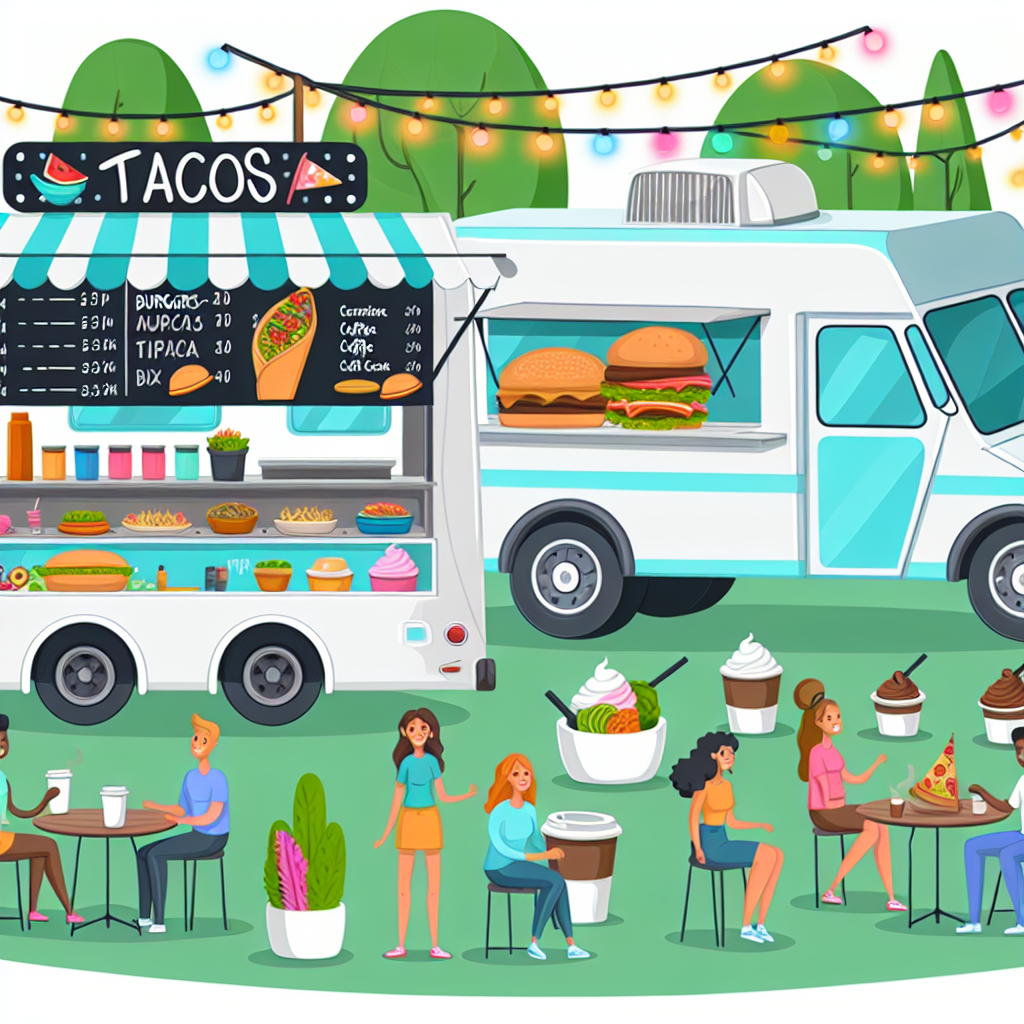
Cargo vans serve as a popular choice for food truck owners due to their versatility, spacious interiors, and ease of customization. Designed mainly for transporting goods, they are well-suited for food truck operations where equipment needs, storage, and comfort play crucial roles. They typically feature a boxy shape that maximizes interior space, making them ideal for housing kitchen equipment needed to prepare and serve various cuisines.
Advantages of Cargo Vans
- Size and Capacity: Cargo vans are generally sized to accommodate food truck needs, offering cargo capacities that can range from 3,000 to 4,000 pounds, depending on the model. This capacity is essential for food truck owners who need to transport raw ingredients and kitchen supplies regularly.
- Affordability: Compared to step vans, cargo vans are often more affordable, making them a popular choice for startups or those looking to minimize their initial investment. For example, a new Ford Transit can cost around $46,000, while the RAM ProMaster is priced at approximately $44,000. Used models can be even more economical, starting at about $10,000.
- Customization Options: Both the Ford Transit and RAM ProMaster come with flexible configurations that can be tailored to fit specific food service requirements. From ample cargo space for food storage to long counters for food prep, these vans can be outfitted with various appliances and layouts.
Notable Cargo Van Models
Ford Transit
- Engine Options: Offers gasoline and diesel alternatives.
- Cargo Space: Spacious options with different roof heights and lengths.
- Cost: New models priced around $46,000, with used models available at lower prices based on mileage and condition.
RAM ProMaster
- Engine: Equipped with a 3.6L V6 engine for efficient performance.
- Cargo Space: Notable for its wide, boxy interior which allows for easy customization and accessibility.
- Cost: Typically starts around $44,000 for new models, offering a more budget-friendly alternative for food truck businesses.
Final Thoughts
When choosing a cargo van for food truck operations, considerations should include the size and type of kitchen equipment needed, layout preferences, and budget constraints. With a suitable cargo van, food truck owners can establish efficient workflows, serve diverse menus, and create enjoyable dining experiences on the go.
User Adoption Data for Food Truck Models
As the food truck industry continues to grow, certain models have gained prominence among vendors for their operational efficiency and alignment with consumer demands. Here is a summary of the most popular food truck models and the reasons for their popularity:
-
Buses and Vans
- Market Share: Approximately 32-35%.
- Reasons for Popularity: Mobility, cost-effectiveness, and adaptability for diverse events.
-
Medium-Sized Trucks
- Market Share: Dominates with a 42-45% share.
- Reasons for Popularity: A balance between portability and capacity, allowing for efficient service and diverse menu offerings.
-
Customized Trucks
- Market Share: Holds 35% of the segment market.
- Reasons for Popularity: Tailored kitchen configurations that improve workflow and operational efficiency.
-
Box Trucks
- Market Share: Commanding a revenue share of 37.1%.
- Reasons for Popularity: Ample kitchen space and versatility for various culinary concepts.
-
Expandable Trucks
- Market Share: Makes up 15% of the market.
- Reasons for Popularity: Adaptability for growth and suitability for larger events.
Market Trends and Insights
- The U.S. food truck industry is projected to reach revenues of about $2.8 billion by 2025.
- A growing number of food trucks (around 60%) utilize mobile apps or QR-code-based ordering to enhance customer experience.
- Significant shifts towards sustainability reflect that about 55% of food trucks now use biodegradable packaging to meet rising consumer expectations for environmentally friendly practices.
In summary, the choice of food truck models is driven by factors such as operational efficiency, adaptability to various conditions, and the ability to offer diverse and health-conscious menu options. The continued evolution of consumer preferences, alongside technological advancements, shapes the landscape of food truck operations.
Food Trailers
Food trailers present an exciting and cost-effective option for aspiring culinary entrepreneurs looking to make their mark in the mobile food industry. Unlike food trucks, which can demand a much larger initial investment, food trailers allow for budget-friendly entry into the market. A small food trailer can cost less than $6,000, while larger ones typically range around $8,000, making them an attractive alternative for startups.
Cost Comparison: Food Trailers vs. Food Trucks
- Initial Investment: Food trailers generally cost less than food trucks. A fully equipped food trailer could cost between $17,000 and $18,000 on average, significantly less than the $50,000 to $250,000 required for food trucks. This lower initial cost allows entrepreneurs with limited budgets to enter the food service market more easily.
- Maintenance and Repairs: Trailers typically have lower maintenance costs since they do not have an engine or drivetrain. If a towing vehicle experiences issues, it does not impede trailer operations, unlike food trucks where mechanical problems can bring the entire business to a halt. This makes food trailers a more reliable option over time.
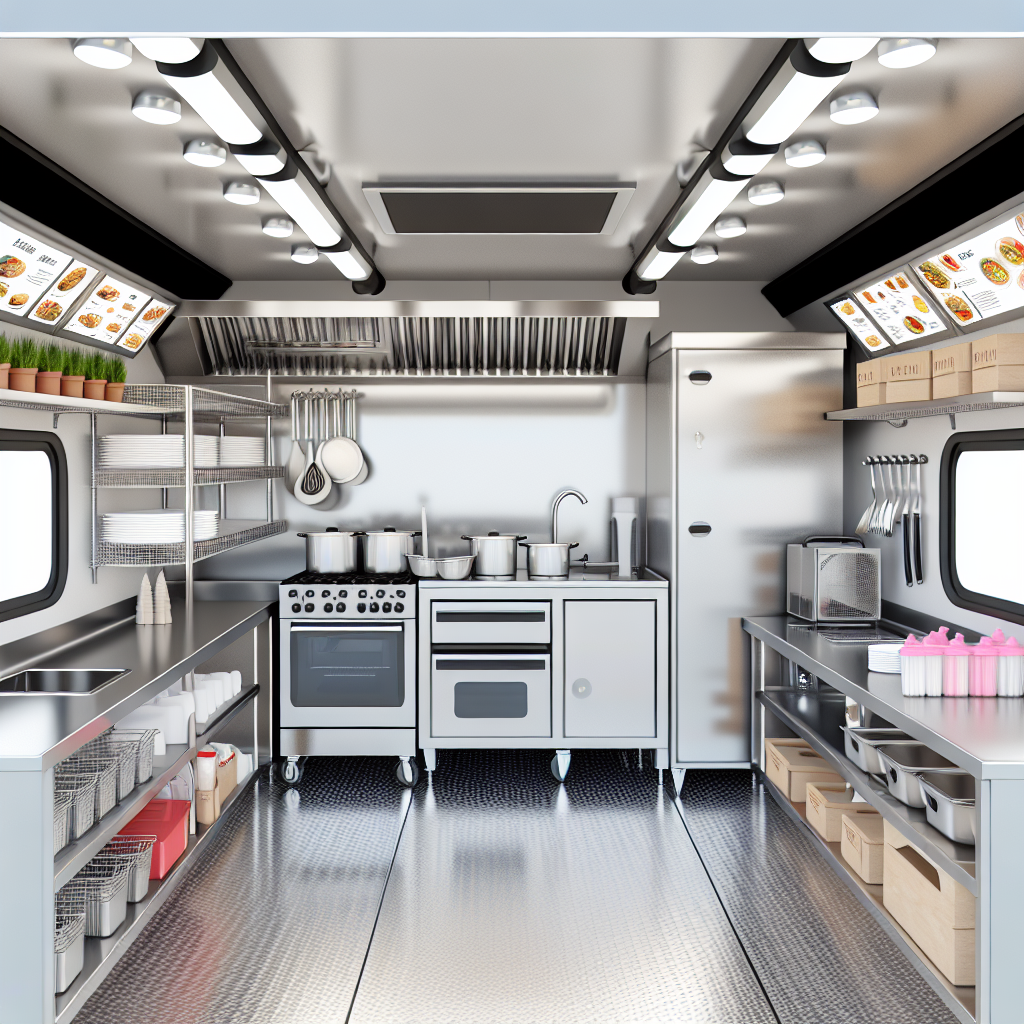
- Space and Usability: Food trailers often offer more usable kitchen space than food trucks, as they do not need to accommodate a driver’s cab. This feature enables better layout customization and more efficient storage of kitchen equipment, which is vital during busy service times.
- Flexibility and Mobility: While food trucks provide greater mobility, allowing for quick relocation, food trailers can be towed to various locations, hence allowing flexibility for the towing vehicle to be utilized elsewhere when the trailer is stationary.
Popular Models: Diamond Cargo Trailers
One of the standout options in the food trailer category is Diamond Cargo Trailers, which offers customizable designs to suit various culinary businesses. Their concession trailers cater to food vendors by accommodating specific needs for food preparation and service. These trailers have become integral to mobile catering, pop-up restaurants, and event-based food service.
Overall, food trailers offer a practical solution for those looking to venture into the food industry without the high costs of food trucks, while also providing versatility and space efficiency crucial for thriving mobile kitchen operations.
| Vehicle | Price Range (USD) | Payload Capacity (lbs) | Cargo Volume (cu ft) | Engine Options | Drivetrain | Notable Features |
|---|---|---|---|---|---|---|
| Chevy P30 | Varies (used) | ~4,000 – 5,000 | ~300 – 400 | 5.7L V8 Gasoline | RWD | Discontinued model; commonly used for step vans and food trucks. |
| Freightliner MT45 | Varies (used) | ~7,000 – 10,000 | ~500 – 700 | 5.9L Cummins Diesel | RWD | Popular for delivery services; customizable cargo area. |
| Ford P700 | Varies (used) | ~4,000 – 6,000 | ~300 – 400 | 5.4L V8 Gasoline | RWD | Discontinued model; used in various commercial applications. |
| RAM ProMaster | $40,000 – $45,000 | ~4,010 | ~366 | 3.6L V6 Gasoline (280 hp) | FWD | Wider interior space due to FWD; high roof interior height of 86″ (7’2″); affordable maintenance. Source |
| Ford Transit | $43,000 – $48,000 | ~3,800 | ~357 | 3.5L V6 EcoBoost (310 hp) | RWD/AWD | High roof interior height of 82″ (6’10”); available in AWD; extensive dealer network. Source |
| Mercedes Sprinter | $48,000 – $55,000 | ~3,512 | ~319 | 2.0L Turbo Diesel (170 hp) | RWD/AWD | High roof interior height of 79″ (6’7″); premium interior; advanced safety features. Source |
Notes:
- The Chevy P30, Freightliner MT45, and Ford P700 are older models primarily available in the used market. Their specifications can vary based on the year and configuration.
- The RAM ProMaster’s front-wheel-drive system allows for a lower load floor and increased cargo space width, making it favorable for certain conversions.
- The Ford Transit offers versatility with its AWD option and is supported by a widespread service network, facilitating easier maintenance.
- The Mercedes Sprinter is known for its premium build quality and advanced features but comes at a higher initial cost and potentially higher maintenance expenses.
When choosing among these vehicles, consider factors such as intended use, budget, maintenance costs, and the availability of service centers.
Choosing the right truck model is crucial for anyone embarking on a food truck venture. Each model offers unique features that cater to different operational needs, from cargo capacity to ease of customization. A suitable vehicle can enhance efficiency, streamline operations, and offer the flexibility required in a dynamic food service environment.
As you consider your options, it’s vital to align your choice with your specific requirements, such as the type of cuisine you wish to serve, your budget, and how you plan to operate your food truck. Balancing these elements will pave the way for a successful and fulfilling culinary endeavor on wheels.
Your food truck represents not just a mobile kitchen but the potential for innovative and exciting dining experiences, so take the time to ensure that your choice supports your vision and goals.
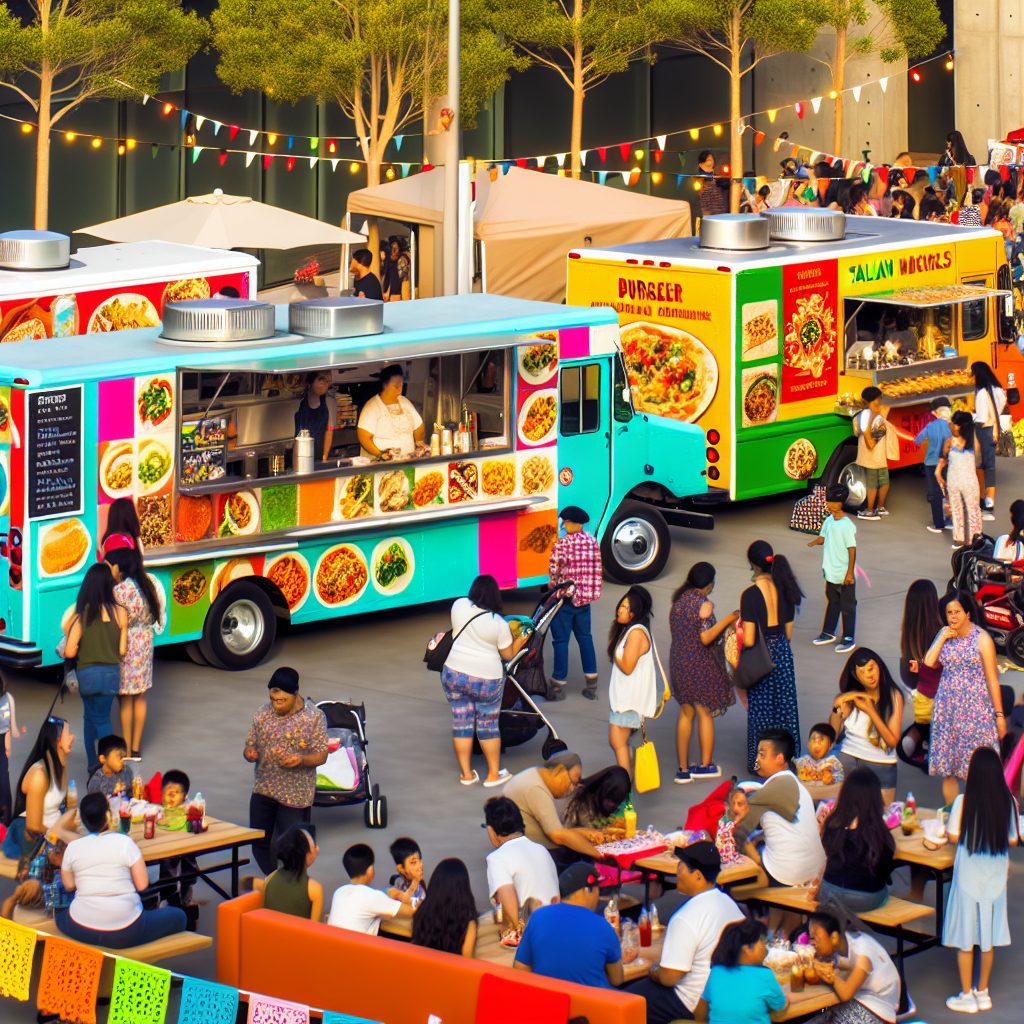
As you explore the various food truck models available, it is essential to understand how the versatility of these vehicles translates into operational efficiency. Among the standout options, step vans merit special attention due to their unique design and functionality, making them an excellent choice for food truck owners. These models, including the Chevy P30 and Freightliner MT45, are not just capable of transporting food; they have features tailored specifically for the demands of the food service industry.
The low floor design of step vans simplifies the loading and unloading of ingredients and equipment, thereby enhancing workflow during busy hours. Their spacious interiors allow for a well-organized kitchen layout, which is crucial for preparing diverse and delicious menus on the go. This functionality is what makes step vans a favored choice for food truck owners who are looking to establish an efficient mobile dining experience while maintaining flexibility in their operations.
| Category | Food Trucks | Food Trailers |
|---|---|---|
| Advantages |
|
|
| Disadvantages |
|
|
Take the Next Step!
Ready to transform your food truck dream into reality? Check out our comprehensive online resource that guides potential food truck owners through every essential aspect, including business planning, vehicle selection, and regulatory requirements. Whether you’re just starting or looking to enhance your existing operations, this guide is tailor-made to help you succeed. Start your journey today and navigate the exciting world of food trucks with confidence!