
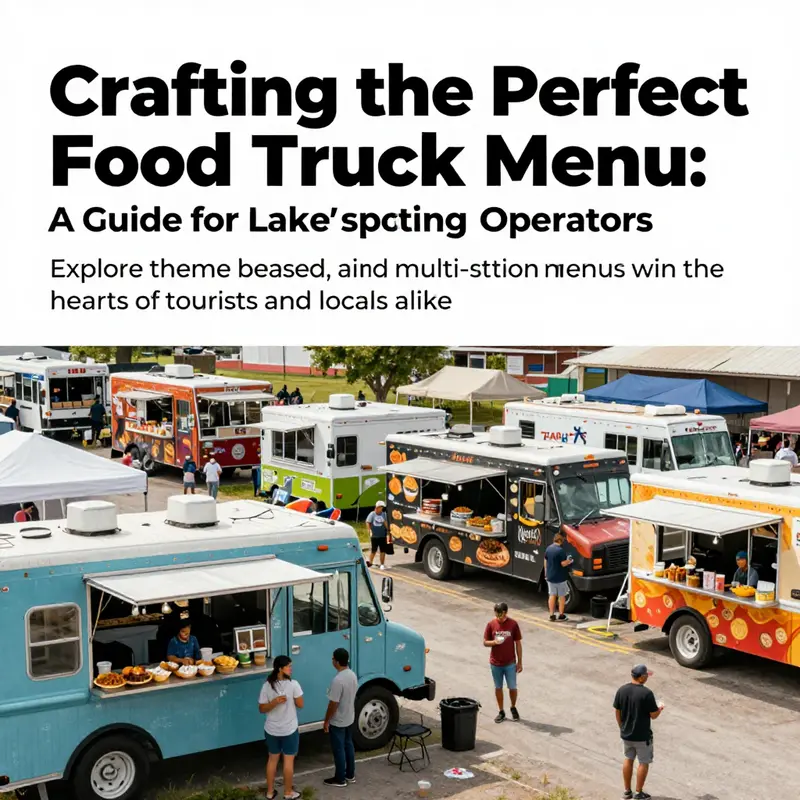
Creating a food truck menu that appeals to both tourists and locals in Lakewood means focusing on simplicity, portability, and high culinary value. With the right approach, aspiring food truck operators can define their brand and attract customers with amazing flavors. This guide will explore three effective menu styles: theme-based menus that create a distinctive identity, niche specialties that provide unique offerings, and multi-station setups that enhance operational efficiency. Each chapter will provide insights to help you craft a menu that delights hungry Lakewood visitors.
Wheels of Identity: How Theme-Driven Menus Shape Brand, Experience, and Profit for Food Trucks
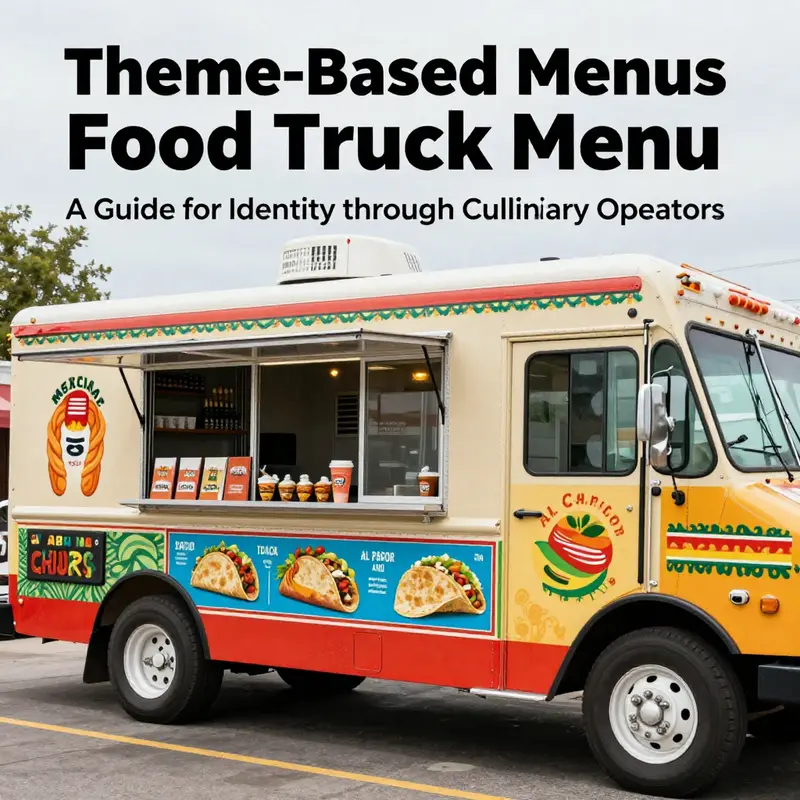
In the crowded lanes of city streets, where a parade of sizzle and color competes for attention, the real differentiator for a food truck often isn’t the latest gadget or the loudest radio jingle. It is the promise carried on the plate—a cohesive story that customers can taste, see, and feel as soon as they approach the window. Theme-based menus do more than guide what’s on the tray; they define who the truck is, what it stands for, and why people should return. A theme, when executed with discipline and texture, weaves together cuisine, sourcing, service, and design into a single, portable narrative. The result is not merely a meal; it is a moment that travels with the customer, reinforcing memory and preference the way a good refrain returns in a favorite song. The arc of this approach is not accidental. It is rooted in practical decisions about operations, supply chains, and customer psychology, all of which become simpler when the culinary focus is sharply drawn and consistently upheld.
When a truck commits to a theme, the brand identity begins with the menu and radiates outward. The choice of theme acts as a compass for every choice that follows. Exterior design, signage, menu boards, staff uniforms, and even the tempo of the music heard by customers are informed by the same central idea. That harmony matters. It creates what marketers might call “brand salience”—the extent to which a customer can readily recall and recognize the truck in a crowded market. Rather than competing on a long list of disparate items, the operator leans into a short list of signature experiences. The menu becomes a storytelling device, and the kitchen responds to that story rather than the other way around. In practical terms, this means sourcing and prep are aligned with a specific cuisine or regional cuisine family, reducing complexity and waste. A truck focused on a regional street food, for example, can standardize its base components—tortillas, core proteins, core sauces—and then build a handful of variations on top of them. This creates a reliable rhythm in production, speeds up service, and makes it easier to train new staff who can learn the same playbook rather than a moving target of techniques.
Consider the emotional pull of a clearly defined theme. Customers are not merely hungry; they are seeking an experience that resonates with memory or curiosity. A theme that conjures a sense of place—a coastal bistro that leans on fresh seafood and light citrus, or a regional street-food concept that evokes bustling markets and street-side grills—engages all the senses. Visual cues reinforce the promise. Color palettes on the exterior, the typography of the menu, the arrangement of napkins and condiments, the style of the signage—all of these components echo the narrative. A well-executed theme can turn a casual passerby into a curious shopper and, eventually, into a loyal follower who looks for that thematic promise in new locations. The consistency of that promise matters at a higher level than one might expect. When a customer experiences a theme-based menu and trusts it, they are more likely to return in a new neighborhood and recommend the truck to friends. The value is not only in the dishes but in the reliability of an identity they can articulate to others.
From an operational standpoint, a theme-driven menu simplifies decisions around sourcing and inventory. When every dish is anchored to a specific culinary family, the range of ingredients tends to shrink to a core set that can be bought in larger, more cost-efficient quantities. This clustering of ingredients reduces waste, lowers per-item costs, and streamlines procurement. It also fosters kitchen discipline: cooks operate within a defined toolkit, making prep faster and more precise. In many mobile kitchens, speed and accuracy are the currency of success. A focused menu that highlights a handful of signature items—perhaps one or two standout plates and a small set of supporting sides—enables the team to execute consistently under pressure. The chef’s time becomes more predictable, which in turn makes scheduling and shift planning more reliable. The edge is not merely about having a faster fry or a quicker wrap; it’s about delivering a steady, repeatable experience that customers can count on, even when the truck has to pivot to different neighborhoods or weather conditions.
A well-chosen theme also offers a natural avenue for storytelling that can travel far beyond the kitchen. The narrative can be threaded through social media posts, micro-video clips of prep, and in-person demonstrations at events. In today’s digital ecosystem, the story behind a dish—its origins, the people who inspired it, the regional textures that inform its flavors—has become a potent form of engagement. When a menu supports a vivid tale, it invites engagement rather than mere consumption. Dishes become “moments of discovery” that customers want to document and share. The sharing economy of visuals means the truck gains visibility not only through repetition but through resonance. That resonance translates into a more robust location strategy: customers who have had a strong thematic experience are more likely to seek out the truck at events, at different neighborhoods, or at pop-ups, knowing they will encounter a reliable, story-forward version of the theme wherever the truck travels.
Yet a theme-based menu is not a call for rigidity. The strongest concepts embrace both depth and flexibility. If a theme centers on a particular cuisine or regional tradition, it can still adapt with the seasons or local opportunities. A coastal concept can feature a rotating selection of seafood items that align with what’s freshest and most affordable, while keeping the core identity intact. A street-food concept from a distant city might introduce limited-time variations that echo current food trends, but always within the safe harbor of the central theme. The trick is to introduce novelty without diluting the core promise. A simple rule of thumb helps: 1) maintain 1–2 signature items that define the theme; 2) offer 3–4 supporting dishes that echo the signature flavors; 3) incorporate a small range of sides or desserts that complement the narrative without turning the menu into a long quest. With this structure, every addition to the menu reads as a paragraph in a larger story rather than a separate chapter that requires a new theme.
A practical illustration emerges when we consider the idea of a theme and its impact on customer perception. When a truck presents a menu that clearly says “This is our cultural lens,” customers perceive the culinary decision as deliberate and respectful. They feel the investment behind sourcing, training, and presentation, which boosts perceived value. The experience becomes more than sustenance; it becomes a curated encounter. And because the theme informs every touchpoint—from the way the crew wears aprons that match the color palette to the way the menu is laid out on the counter, with imagery that evokes a place rather than just a dish—the customer’s sense of novelty is reinforced. It is much easier to justify a higher price point when the meal is anchored in a compelling narrative and executed with polish. The perceived value grows in tandem with the clarity of the concept, which is particularly important in busy environments where customers decide in seconds whether to wait for a prepared item.
The research landscape supports this approach with clear implications for market strategy. Theme-based menus allow operators to carve out a distinct slice of the urban food scene, especially in areas that crave distinctive, personalized dining options. In practice, this means the truck can become a destination, not just a mobile stall. The brand becomes a locus around which fans gather, in person and online. A consistent thematic focus helps with event selection and cross-promotional opportunities, too. When a truck arrives at a festival or a market, the ability to tell a compact, citable story about its cuisine increases the odds that curious crowds will stop, sample, and convert. The narrative becomes a durable asset that compounds its value over time as fans bring friends, stream photos, and participate in the growing legend of the truck. By embedding the theme in the entire customer journey, the operator earns a feedback loop: the more the brand’s story is felt and seen, the more customers want to engage, share, and revisit.
In balancing theory with practice, the best outcomes arise from a strategic blend: a strong thematic identity paired with a lean, high-impact menu. This approach gives the operator both a compass and a speedboat. The compass guides product development, sourcing, and branding, while the speedboat ensures quick service, consistent quality, and agile response to demand. The “best overall strategy,” as observed across industry case studies, is to lean into a theme that sparks recognition and loyalty while anchoring the menu with 1–2 signature items and a handful of complementary offerings. Those signature items act as anchors in the customer’s memory—the short, repeatable notes that customers will recall when they think of the truck. The supporting items provide texture, color, and value, enabling customers to customize their experience without diluting the core narrative.
One can envision a spectrum of thematic directions that align with these principles. It could be a regional street-food theme that highlights street-level technique and bold, punchy flavors; a global fusion concept that blends techniques across borders to create surprising, harmonious combinations; a nostalgic or comfort-food motif that taps into shared memories and familiar textures; or a modern, health-forward theme that emphasizes fresh ingredients, clean labels, and vibrant presentation. The common thread is a defined soul, a clear menu plan, and the discipline to execute consistently. This alignment yields practical harvests: faster training, more predictable inventory, more convincing marketing, and a more confident staff that can carry forward the theme even when the crew rotates. It also builds trust. Customers learn to trust the narrative as much as the flavors, and trust is often the bridge to repeat visits and positive word-of-mouth.
To see how this translates in lived experience, consider the journey of a food truck that stays true to a scenic, coastal concept. The team curates a menu around uncomplicated, seaworthy flavors, with a core emphasis on freshness and lightness. The signature item might be a simple grilled seafood plate with a bright herb sauce, accompanied by a handful of sides that showcase the sea’s bounty. The other items on the menu are carefully chosen to echo the same culinary language—textures and tastes that complement the sea-focused centerpiece without complicating prep or inventory. The branding reflects the theme through color choices, nautical motifs, and a calm, inviting aesthetic. Because the kitchen has optimized the core ingredients for speed and consistency, the crew can deliver that coastal vision repeatedly, even on a crowded festival day. The effect on the customer is palpable: visitors feel they are seeing not just a dish but a small portal to a place they imagine visiting. The tagline is not simply “delicious” but “immersive,” and that depth of impression can translate into social sharing and stronger community ties.
This is not a call to confine ingenuity. It is a call to harness focus. In a world where options are plentiful, a well-defined theme reduces decision fatigue for both the operator and the customer. The operator can lean into the story’s strengths, avoid overreaching, and invest in the elements that matter most—quality ingredients, reliable equipment, and a kitchen workflow that supports rapid service. The customer, in turn, experiences clarity: a promise fulfilled with every bite, consistent presentation, and a sense of discovery that feels intentional rather than opportunistic. The narrative marches forward with you as the storyteller and the kitchen as the front line of that story. When done well, the theme is not a marketing ploy but a lens through which every operational choice becomes meaningful.
A word about education and iteration is warranted. Thematic menus require diligence in training and constant attention to feedback. The crew must understand not only the “how” of cooking but the “why” behind each element of the menu. Training should explore the origin of the dishes, the cultural contexts of the flavors, and the precise textures that define the signature items. It should also cover the logistics of the theme’s sourcing, including how to handle seasonal variations and market fluctuations without breaking the narrative. Feedback loops matter: menus should be revisited periodically to respond to customer tastes, seasonality, and the realities of the truck’s route network. Yet changes should be deliberate, not ad hoc. The theme’s core must remain intact, or the brand risks fragmentation and a dilution of identity. The appropriate cadence for refinement might be quarterly, aligned with seasonal shifts, with occasional one-month experiments that test new ideas while preserving the central story. In this way, evolution becomes a strategic process, not a perilous drift.
In closing, the argument for theme-based menus rests on a few durable pillars: identity that is tangible and transportable, operational clarity that yields efficiency and consistency, and emotional resonance that makes meals memorable. When the dish becomes a chapter in a larger narrative, customers connect more deeply, staff take pride in their work, and the truck earns a position in the local dining landscape as a destination rather than a fleeting option. The practical wisdom is straightforward: choose a cohesive theme, define a concise menu that highlights 1–2 signature items, and surround those items with carefully chosen supporting offerings that reflect the same culinary language. The effect is a brand that can travel with confidence, a kitchen that can scale without losing its soul, and a customer base that perceives real value in both flavor and story.
For a concrete illustration of how a narrative can travel with a truck across different geographies while remaining faithful to its core, consider the journey of RockDog Adventures in the mobile dining scene. Their experience demonstrates how branding, menu storytelling, and on-the-ground execution can align to create a coherent, appealing identity on the road. RockDog Adventures food truck journey – https://lakewoodfoodtrucks.com/rockdog-adventures-food-truck-journey/
To complement these insights, designers and operators can consult practical guides that show how to present them visually. A practical, image-driven guide to visually engaging and theme-aligned digital menus tailored to food trucks offers templates and design strategies for translating concept into an appetizing display. The visual dimension matters as much as the flavor, and an attractive, thematically aligned menu can act as a beacon that draws curious crowds into a short line that moves quickly. A cohesive aesthetic increases the likelihood that new visitors will stop, sample, and share their experience, contributing to a virtuous cycle of visibility and repeat customers.
External resources that knit together the sensory and logistical aspects of theme-based menus help round out this approach. For operators aiming to balance innovation with reliability, resources that examine dessert-focused or snack-forward concepts offer useful case studies in turning novelty into repeatable, scalable offerings. These discussions highlight how sensory appeal—crisp textures, warm aromas, and visually striking items—drives social sharing and customer curiosity, reinforcing the value of a targeted menu philosophy that remains focused on a core narrative.
In sum, choosing a theme and building a concise, high-impact menu around it is a practical, revenue-conscious strategy for food trucks seeking to stand out in competitive markets. It is not a constraint but a framework—a stage where the chef’s talent, the sourcing acumen, the service flow, and the brand’s visual identity converge to create a cohesive customer experience. When executed with discipline and imagination, theme-based menus transform a mobile business into a memorable, repeatable journey that customers eagerly recount to friends and family, and that operators can grow with over time as their routes, audiences, and aspirations evolve. The road is long, the curbside lines can be fierce, and the weather can test even the best planning, but with a clear theme and a tight, efficient menu, a food truck can turn every drive-by into an invitation to a story customers want to tell again and again. For operators ready to lean into narrative as much as flavor, the journey toward a stronger brand, smoother operations, and healthier margins begins with a single decision: what story will your menu tell on wheels? External resource for further reading: https://www.foodtrucks.com/dessert-truck-guide
Standout Menus: Designing Niche Food Truck Offerings That Draw Crowds and Boost Profit
Designing a niche menu that becomes a destination
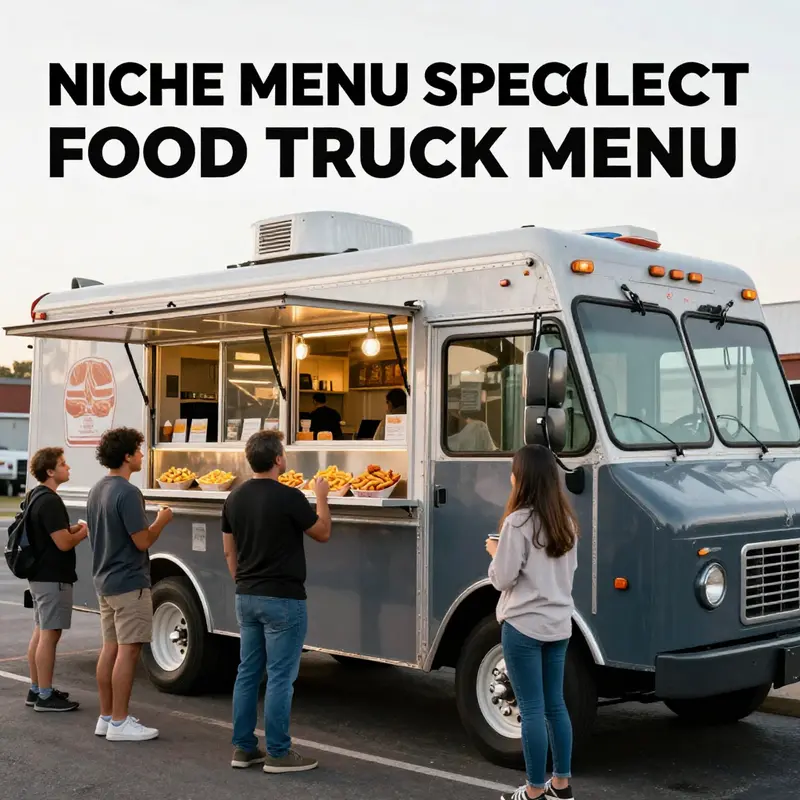
Choosing a niche menu is more than picking a popular food trend. It is a deliberate decision to focus your mobile kitchen’s identity, simplify operations, and build strong customer expectations. A well-chosen niche creates a short path from curiosity to purchase. It also turns first-time buyers into repeat customers and social media promoters. The right niche balances three needs: clear brand identity, efficient back-of-house flow, and memorable customer experience. When those align, even a small menu can feel abundant and exciting.
Start by imagining the ideal customer who will seek your truck out. What do they value most: novelty, convenience, health, authenticity, or indulgence? Match menu choices to that motivation. A dessert truck thrives on impulse and spectacle. A plant-based burger truck targets health-conscious diners and flexitarians. An authentic regional barbecue truck attracts purists who prize technique and flavor depth. Each niche carries its own operating demands, price expectations, and marketing hooks. Treat those as design constraints, not limitations. Constraints force creative decisions that sharpen your offering.
Limit your core lineup to five to eight items. That range keeps choice manageable and speeds service. Within this small menu, build one or two signature items. Signatures act as beacons. They give customers a quick reason to choose you over a competitor. For a fried dessert truck, a signature could be a reinvented churro served with rotating gourmet sauces. For a gourmet plant-based burger truck, it might be a house-made patty with a unique texture and a bold sauce. Signature items carry high perceived value. Price them to reflect both cost and desirability. Supporting items should complement signatures and be fast to produce. Think of them as amplifiers, not distractions.
Ingredient cross-utilization is crucial. Pick proteins, sauces, and produce that work across multiple dishes. Shared ingredients cut purchase complexity, reduce waste, and improve speed during peak periods. Example: a house-made spicy mayo used on a burger, a loaded fry, and a fried dessert drizzle creates a recognizable flavor thread across the menu. For niche trucks with specialty elements—smoked meats, delicate pastries, or plant-based mince—plan prep volumes carefully. Batch work happens off-site or during slow hours. Final assembly should be quick and visible to customers. Visibility builds trust and enhances the experience.
Operational feasibility must shape every menu decision. Deep-fried desserts need stable oil filtration and a safe fryer location. Dessert trucks offering custards or creams require reliable refrigeration and temperature monitoring. Authentic barbecue demands space and fuel for smoking, plus time for low-and-slow cooking. Plant-based burger artisans need preparation areas for patties and a grill or pressing surface that creates a proper sear. Match your menu to the equipment the vehicle can handle without compromising speed. If a menu requires complex stations, consider a cargo trailer setup that can accommodate multiple stations and climate control. Choose the smallest set of tools that deliver the signature experience.
Price strategy matters. Niche menus allow premium pricing when you deliver clear value. Customers pay more for novelty, high-quality ingredients, or a unique technique. Yet perceived value must match reality. Use presentation, portioning, and storytelling to reinforce price. Small gestures—an elevated plating style, a printed brief story about the dish, or a visible finishing step—make premium prices feel justified. For high-margin sides, think loaded fries, shareable dessert samplers, or craft beverages. These items improve average ticket size while keeping preparation time low.
Sourcing influences both cost and authenticity. Specialty ingredients can define a niche. House-made sauces, locally sourced cheeses, or rare spices make a menu memorable. But specialty items can increase complexity and cost. Balance one or two authentic or rare components with more common staples. Build relationships with a small set of reliable suppliers. For seasonally driven niches, design rotating specials that lean on local harvests. Rotations provide freshness and create urgency. A seasonal flavor becomes an event.
Branding and presentation amplify a niche. Visual cues matter more for niche trucks than generalist operators. Colors, typography, and display styles should align with the cuisine. A dessert truck benefits from bright, playful visuals and clear displays of finished treats. A barbecue truck should convey rugged authenticity and showcase smoke and char. Plant-based trucks do well with clean, modern design and imagery that highlights freshness. Packaging is part of the product. Select wrappers, boxes, and cups that preserve food temperature and look attractive in photos. Instagrammable presentation is a real marketing tool for visual niches.
Customer experience is a key part of the product. Create rituals customers can expect. Make toppings, assembly, or finishing touches visible and interactive. A truck that lets customers watch a fried dessert being dipped and dusted turns service into theater. A burger truck that presses patties on a hot griddle in plain sight builds appetite. Allow customization options, but limit them. Offer a handful of premium add-ons—extra sauce, a special topping, or a flight of mini-desserts. These increase revenue and let customers tailor their experience while preserving speed.
Events and location strategy must match your niche. Dessert and other indulgent trucks perform well at fairs, festivals, and nightlife hotspots. Plant-based menus flourish near office districts, college campuses, and health-focused events. Authentic barbecue excels in parks, community gatherings, and events where people linger. Research and target events where your niche naturally fits. Calendars of annual festivals and regional gatherings are goldmines for niche trucks. For an operator planning event routes, resources listing prominent gatherings can help pinpoint ideal stops; see 2026’s best food truck rallies for planning ideas.
Marketing for niche trucks is about storytelling and sampling. Use short, compelling stories that explain what makes your truck special. Share the origin of a family recipe, the craft behind a house-made patty, or the source of a seasonal ingredient. Sampling is powerful for niche foods. Offer small bites during slow hours or at events where sampling is allowed. Social proof fuels demand. Encourage customers to post photos by offering a small instant discount for tagged posts. Maintain a consistent voice across social channels, emphasizing the sensory details that make your niche unique—crisp, smoky, creamy, tangy, or crunchy.
Menu design should be legible and persuasive. Use clear categories like Signatures, Sides, and Limited Runs. Highlight allergens and dietary options plainly. For niche trucks that cater to dietary needs, make that a visible strength. If you offer gluten-free or vegan versions, list them prominently. Avoid cluttering the menu with too many modifiers. A concise description under each item should have three elements: the main ingredient, the method, and the finishing touch. Keep language vivid but concise. “House-smoked brisket, molasses glaze, pickled onions” is clearer and more appetizing than a long paragraph.
Staff training is a multiplier. Teach a small crew the art of speed and hospitality. Cross-train employees so anyone can handle front-line service, assembly, or fryer tasks. A niche menu often includes techniques that require finesse—perfect fry times, precise plating, or consistent patty pressing. Create checklists for quality and speed. Teach staff to tell the menu story quickly. A 10-second pitch about the signature item converts more customers than a long description.
Waste management and scaling deserve planning from day one. Specialty ingredients can spoil quickly. Track sales patterns to refine purchasing and prep. For highly perishable items, batch prep in predictable quantities. Use daily prep sheets that sync with expected event attendance. If a truck grows and moves into larger venues or adds a second vehicle, preserve the signature taste by centralizing key prep steps when possible. A commissary kitchen or production partner can scale batch work while maintaining quality.
Regulatory and safety concerns are practical realities that shape niche viability. Deep-frying, undercooked fillings, and smoked meats all carry unique health requirements. Understand local codes for fryers, smokers, refrigeration, and allergen labeling. Build processes that make compliance second nature: checklists, temperature logs, and documented cleaning routines. Compliance reduces risk and keeps doors open. It also becomes part of your credibility. Customers notice when food is handled safely and consistently.
Pricing experiments help find the sweet spot. Test price points for signature items at events and adjust based on performance. Track conversion rates, average ticket size, and customer feedback. Bundles often increase sales. Create a few curated combos for busy customers: signature item plus side and drink at a slight discount. For niche trucks with strong visual appeal, consider offering a premium “experience”—a plated sample or tasting flight at a higher margin sold during events.
Themed partnerships expand reach. Collaborate with local breweries, markets, or event organizers that align with your niche. A dessert truck pairs naturally with family festivals, while a spicy or smoky menu pairs well with craft beer events. Partnerships can provide cross-promotion and access to audiences you might not reach alone. Choose partners who share audience values and maintain consistent quality when appearing together.
Long-term growth hinges on refining, not expanding, the menu. Resist the urge to chase every trend. Successful niche trucks deepen their expertise. Expand only when a new item clearly extends the brand and uses existing systems. Introduce limited-time specials to test new ideas. If a special sells consistently, consider making it a permanent offering. When expanding to multiple trucks, centralize critical prep to ensure consistency. Train new crews to replicate the signature reliably.
Niche markets reward specificity. A focused dessert truck can outperform a general bakery truck because it creates demand through novelty and convenience. A plant-based burger truck can capture both vegans and flexitarians when it delivers texture and taste on par with traditional burgers. Authentic barbecue commands loyalty when technique and sauce speak to the regional palate. Each niche carries a promise. Fulfill it consistently, and customers will come back and bring others.
Finally, measure what matters. Track repeat customers, social mentions, average ticket, and the sell-through rate of signature items. Those metrics show whether your niche resonates. Use customer feedback for small, iterative improvements. When a dish consistently underperforms, diagnose whether it’s price, portion, or presentation. Small changes to plating, timing, or messaging often have outsized effects.
Niche menu specialties are powerful tools for creating memorable food truck experiences. They clarify who you are, simplify operations, and provide a platform for premium pricing. When you design a menu around a tightly defined identity, support it with efficient systems, and tell the right story, your truck becomes more than a meal stop. It becomes a destination.
Multi-Station Menus on Wheels: Maximizing Throughput, Variety, and Brand Identity in a Food Truck
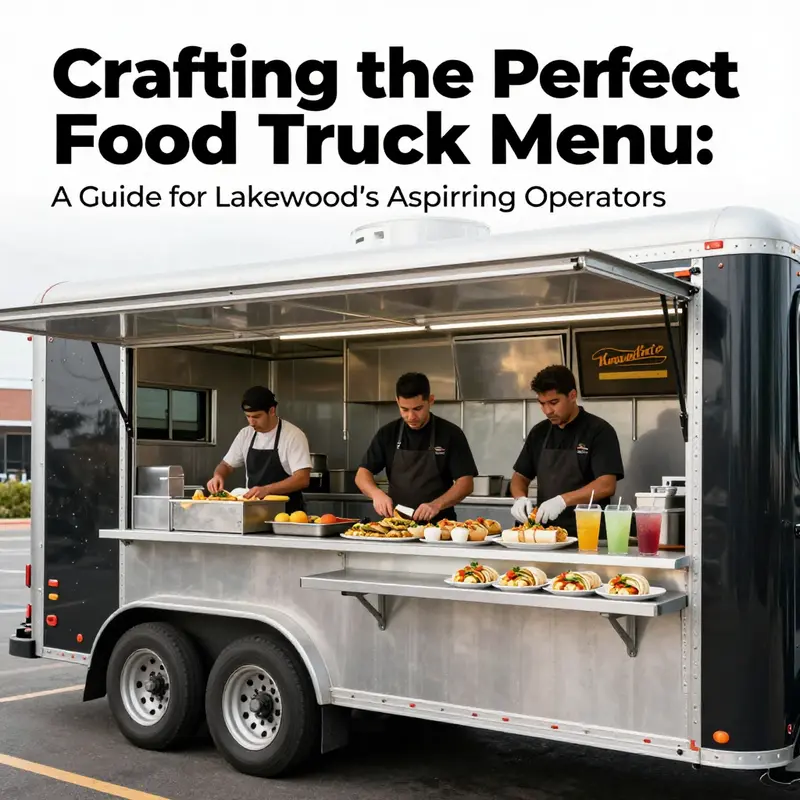
A food truck is more than a moving kitchen; it is a compact stage where speed, discipline, and personality converge to shape the customer experience. When a truck embraces a multi-station design, it transforms into a carefully choreographed system rather than a single, portable steamship of ingredients. The idea is simple in theory but powerful in practice: allocate distinct, purpose-built zones for cooking, grilling, cold storage, and serving. Each zone becomes a focused micro-environment, reducing cross-traffic, enabling parallel preparation, and safeguarding the integrity of every dish. The result is a kitchen that can handle more orders with fewer bottlenecks, while still preserving the artisanal feel customers crave when they step up for a bite of street food that looks and tastes like it came from a full-service operation. In other words, multi-station menus on wheels unlock a balance between throughput and variety that a single- workstation layout struggles to sustain, especially during peak times or when the menu stretches across several culinary textures and dietary needs.
The core advantage rests in the separation of tasks and the clarity of flow. With multiple workstations, a truck can simultaneously handle core cooking, precise finishing, cold preparation, and service without the same crowding that comes from stacking everything into a single counter. This separation matters for several reasons. First, it allows for better temperature control. A dedicated cold station keeps perishable components within a safe range, while a separate cooking area relies on targeted ventilation and heat management to avoid overwhelming the dining window with smoke, steam, or heavy odors. Second, it supports parallelism. While one cook sears or braises in a controlled environment, another can assemble, garnish, or portion sides. The customer experiences a steady rhythm rather than one long, single-threaded queue. Third, it reduces cross-contamination risk and streamlines hygiene practices. In a world where health and safety are non-negotiable, having clearly defined zones makes it easier to maintain clean lines, separate utensils, and track what goes where—from prep to plate.
Layout is the invisible language of efficiency. A well-planned multi-station truck invites a smooth cadence: the procurement and storage zone feeds the prep areas; the cook station handles the hot items; the grill or flame zone has its own rhythm; the assembly and serving counter completes the arc. When these zones are thoughtfully positioned, the kitchen becomes a loop rather than a bottleneck. The cook line might be positioned to face the service window, enabling the expeditor to monitor ticket flow and signal timing without leaning into hot surfaces. A secondary station for cold items—salads, dressings, fresh toppings—keeps those components crisp until the moment they meet the plate. In practice, this means thinking about the physical relationships between zones: where raw ingredients enter, where they are sliced or portioned, where hot items are finished, and where they are plated. The path should minimize backtracking and eliminate unnecessary movements, so a cook never has to haul a pan across a crowded space to reach the next station.
Of course, a multi-station setup is not a turnkey magic wand. It amplifies capability, but it also raises demands on planning, equipment, and staffing. The more workstations a truck includes, the more attention must be paid to electrical supply, water management, waste disposal, and ventilation. A cooking station, for example, often requires a separate power draw, specialized exhaust, and adequate clearance above and around hot surfaces. A refrigeration module calls for reliable temperature control, door seals, and efficient airflow, especially in hot weather. Serving counters need an ergonomic height, a splash-proof surface, and a seamless handoff from kitchen staff to front-of-house crew. These requirements are not merely nice-to-haves; they are the scaffolding that keeps speed honest and safety intact. When operators invest in proper mechanical support—ventilation that remains effective at scale, robust electrical setups, and modular units that can be rearranged—the multi-station concept becomes resilient, scalable, and adaptable to evolving menus.
A strategic feature of multi-station kitchens is modularity. Rather than building a fixed, one-size-fits-all interior, operators plan with modular components that can be swapped, added, or reconfigured. A modular prep island, a slide-out refrigeration drawer, or a fold-down work surface can be integrated or removed as the business grows or shifts markets. Modularity enables a single truck to pivot between different concepts without a complete overhaul. It also supports remote cooking for pop-ups or weekend events where space and power are at a premium. The modular approach reduces long-term risk, because you can grow the footprint that you actually need rather than overspending on a permanent, rigid layout. It is a practical way to future-proof a mobile operation in which trends, customer preferences, and regulatory requirements will continue to evolve.
The real-world impact of multi-station configurations can be felt in both throughput and menu diversity. When a truck has multiple functional zones, it can execute a broader range of dishes within the same service window. One station might concentrate on searing proteins and producing hot components, another could handle sautéed vegetables and finishing sauces, while a third maintains cold prep for toppings, salsas, and fresh garnishes. A fourth area can be devoted to assembling and presenting the final plates with care. In combination, these zones can deliver a menu that feels bigger than the truck’s footprint. The kitchen becomes a factory of flavor where speed and quality reinforce each other rather than compete for limited space. The increased output is not a bludgeon to quality; it is a product of disciplined workflow, where each station has a clear job, standardized procedures, and a predictable rhythm. When a customer orders a multi-item spread, the kitchen can deliver a cohesive experience with consistent color, texture, and temperature across items.
Diversity in the menu is the natural complement to higher throughput. A multi-station design makes it feasible to service different dietary needs and palates in a single pass. For instance, a portion of the menu can lean into roasted or grilled main items, while another section emphasizes fresh, crisp toppings or lighter alternatives. A dedicated vegetarian or vegan prep area can handle plant-based proteins and produce without cross-contact, while a separate station tackles the more indulgent, meaty items. This approach reduces the friction of accommodating special requests during peak times and helps maintain a reliable service tempo. The result is a brand that feels capable and inclusive—a crucial asset in a crowded street-food marketplace where customers increasingly seek options that align with their values and dietary choices.
From a branding perspective, the arrangement of stations matters as much as the branding on signage. A multi-station truck communicates competence and intentional design. When the kitchen’s physical layout reflects a coherent theme, the experience extends beyond the plate. The choice of zones—boldly named or color-coded for quick recognition—can make the difference between a customer who orders impulsively and one who leaves with a memory of the moment. For example, a truck pursuing a “global street food” concept can highlight the journey through its zoning: a warm, smoky grill area that suggests charred flavors; a cold prep zone that communicates freshness; a sauce and finishing station that frames the final touch; and a serving counter that presents a visually appealing, shareable plate. In this sense, the kitchen becomes a stage for storytelling, where each station contributes to a larger narrative and reinforces the theme in a tangible way.
Operationally, multi-station configurations require a deliberate staffing plan. The presence of multiple zones invites a division of labor, but it also demands cross-training so staff can cover gaps when a line cooks or finishes an item during a rush. A well-trained crew moves with confidence: they know how long a protein needs to rest, when a sauce should be finished to brighten a bouquet of flavors, and how to align finishing and plating with the service cadence. The leadership must establish standard operating procedures that translate across stations, so the sequence from prep to plate remains consistent no matter who is on duty. Clear handoffs reduce the risk of missed steps, miscommunication, or duplicated effort. The more a team internalizes common workflows, the more fluid the entire operation becomes, even as the menu evolves or expands. In practice, this means regular rehearsals of line setups, cross-training on equipment, and ongoing checks to ensure that each station’s outputs synchronize with the others.
An important strategic takeaway emerges when we connect the multi-station approach to the broader menu framework discussed earlier in this article. The best overall strategy favors a strong theme and a short, high-impact lineup of items. A multi-station layout can be the enabler that makes this strategic blueprint scalable and repeatable. You might have one or two signature items that anchor the brand and draw crowds, with supporting sides and toppings produced across the other stations. The catching power of a few signature items is amplified by the efficiency of the kitchen that can deliver them swiftly and consistently across dozens of orders each hour. When customers encounter a consistent, theme-driven experience—color, aroma, texture, and plating that echo the same concept—the perception of value grows. The perceived value is not merely about the price point but the confidence that each item will arrive with the same care, at speed, and with a level of flavor that makes them want to return.
From a cost perspective, multi-station configurations require a thoughtful initial investment and ongoing maintenance. The upfront cost includes more equipment, enhanced ventilation, more robust electrical and water supplies, and possibly a larger truck footprint. However, the incremental capacity and menu flexibility can translate into higher per-hour revenue and better margins on a steady mix of items. The economics depend on a careful balance: how much of the menu truly needs a dedicated station versus how much can be effectively executed with shared workflow and modular components. Thoughtful forecasting plays a critical role here. By projecting peak volumes, identifying which items are most frequently ordered together, and analyzing table turnover patterns for the service window, operators can calibrate the number of stations and the degree of modularity that will yield the strongest return without overbuilding. In practice, this means starting with a core set of stations that cover the essential cooking and finishing steps, then layering in additional modular components as demand confirms the need.
To readers considering a transition to a multi-station design, a practical note stands out: the kitchen’s success rests on the clarity of roles and the predictability of the workflow. This clarity comes from a well-designed layout, standardized procedures, and an investment in staff training. It also rests on the ability to communicate the brand story through the workstations themselves—through signage, color, and the choreography of how orders move from prep to plate. A successful multi-station truck does not merely cook faster; it tells a story of efficiency without sacrificing personality. Customers walk away with a sense that they have witnessed a well-oiled machine that respects the craft behind each item and honors the brand’s promise. In that sense, multi-station menus on wheels become not just a operational solution, but a strategic choice that aligns speed, variety, and brand identity into a single, compelling mobile experience.
For readers who want to examine practical configurations and real-world configurations of multi-station layouts, there is value in comparing how different setups approach common challenges. A robust takeaway is not to chase every new gadget or each latest design trend, but to build a layout that matches your concept, your space, and your forecasted flow. Start with a layout that supports the core theme and the essential 1–2 signature items, and then design the supporting stations around those anchors. This approach helps ensure that the kitchen remains agile as menus and weather conditions shift and that your brand presence remains consistent regardless of the menu’s breadth. If you are exploring practical startup configurations and want to see how other operators have balanced footprint, equipment, and throughput, consider reviewing resources that discuss the best food truck models for Lakewood startups. You can explore practical examples and configuration logic at the following link: best food truck models for Lakewood startups.
Beyond the technical and operational aspects, the human element should remain central. The most successful multi-station operations cultivate a culture of teamwork, where chefs, line cooks, and service staff understand how each station’s work supports the others. This shared understanding manifests in smoother handoffs, fewer miscommunications, and a heightened attention to plating consistency. A well-coordinated team can respond to sudden changes in order mix with poise, reallocating tasks and adjusting the line as needed without compromising quality. Regular briefings before service—and brief, focused post-service debriefs—help keep the system healthy, identify bottlenecks, and reinforce the brand’s commitment to reliability and excellence. The chapter thus moves from the mechanics of space and equipment to the subtler, equally important current of culture and practice that sustains high performance over time.
The multi-station concept also invites a broader reflection on the future of mobile dining. As consumer expectations evolve toward personalized, immersive experiences, the physical layout of a food truck becomes a canvas for storytelling and engagement. A well-structured multi-station kitchen can support interactive elements, such as finished items that are plated with visible finishing steps, garnish stations that allow customers to observe the final touches, or a tasting flight that demonstrates the breadth of a theme within a compact footprint. In this way, the kitchen’s design becomes part of the customer journey, not just a behind-the-scenes function. The more the layout communicates intentional design and care, the more customers perceive value in the menu choices, even when the price point remains modest. And as brand stories crystallize through every plate, the customer’s perception of quality, speed, and creativity deepens, strengthening loyalty in a crowded market.
As the culinary landscape and the street-food business model continue to evolve, the multi-station approach stands out not only for its immediate operational benefits but also for its adaptability. A truck can begin with a tighter configuration that emphasizes a couple of core stations and a couple of signature items. Over time, as demand grows or as the concept evolves, those stations can be reconfigured, scaled, or repurposed to accommodate new dishes or new service models, such as catering or weekend markets. This degree of adaptability is rare in fixed kitchens but becomes a defining advantage for mobile concepts that must respond rapidly to changing consumer tastes and economic conditions. The best operators embed this flexibility into their initial design choices, ensuring that their trucks remain fit for an evolving menu and a shifting customer base.
In closing, a multi-station food truck menu is not merely a way to cook more things faster. It is a framework for delivering a coherent, themed experience at scale. It preserves the freshness and distinctiveness of each dish while enabling a more efficient overall operation. It makes room for variety without sacrificing speed or quality, and it supports a brand narrative that can be communicated through layout, colors, signage, and the choreography of the kitchen. For many concepts, this combination of efficiency, diversity, and identity is precisely what transforms a mobile eatery from a novelty into a dependable favorite. If you are weighing the merits of expanding capacity, balancing a broad menu with tight margins, and maintaining a high standard of service on a moving stage, a multi-station configuration offers a compelling path forward that respects both the craft and the business of mobile dining.
External resource: For a deeper dive into the mechanics and effectiveness of multi-station layouts, see the detailed guide available at https://www.foodtrucks.com/multi-station-food-truck-guide.
Final thoughts
Choosing the right menu style for your food truck can significantly enhance your chance of success in Lakewood’s vibrant food scene. By developing a strong theme, offering unique niche specials, or utilizing a multi-station setup, you can create a memorable experience that resonates with both tourists and local customers. Embrace creativity, efficiency, and quality, and you’ll be well on your way to making your food truck a cherished destination on Lakewood’s culinary map.