
Are you an aspiring food truck operator dreaming of bringing delicious flavors to Lakewood while enjoying the vibrant community atmosphere? Starting a food truck can be an exciting adventure brimming with opportunities! But before the wheels start rolling, there are essential requirements to consider to keep your business thriving. Each chapter dives into key aspects of launching your food truck, from understanding local regulations to ensuring food safety and obtaining the right permits. With this knowledge at hand, you’ll be all set to take a flavorful journey on the road!
A Solid Beginning on Wheels: Navigating Business Licensing and Registration to Start a Food Truck
Before the first sizzle hits the pan, there is a quiet, almost architectural set of steps that will determine how smoothly your food truck can roll. The business license and registration you secure are not merely gatekeeping forms; they are the frame, foundation, and compass of your venture. When you approach a mobile culinary dream with this mindset, you help ensure that every plate you serve goes out under a roof of compliance, safety, and professional intent. The path to a truck that can legally drive into neighborhoods starts with a clear decision about how you will structure the business, followed by a careful choreography of naming, paperwork, and the careful accumulation of permits that verify you can cook, store, and sell without compromising public health or pedestrian safety. This is the work that makes your dream credible to landlords, customers, partners, and lenders alike, because it signals that you value accountability as much as flavor.
Choosing a business structure is the first hinge. You will typically choose between a sole proprietorship and an LLC. A sole proprietorship is straightforward and inexpensive to launch, but it blends personal and business risk. An LLC adds a layer of liability protection and can simplify certain financial moves as you grow, though it sometimes involves higher setup costs and ongoing maintenance. The right choice depends on your appetite for risk, your plans for hiring, and how you foresee scaling in the coming years. If you anticipate expansion, multiple vehicles, or partnerships, an LLC often offers a cleaner path forward. Regardless of structure, you will want to align your business plan with a name that is distinct, compliant, and easy to remember. A unique name helps you stand out in a crowded market and reduces the risk of trademark confusion. Once the name is settled, you file the necessary registration forms with state and local agencies. This formalization is not just bureaucratic theater; it signals to banks, suppliers, and customers that you are operating as a legitimate business with a defined identity.
An essential companion to structure and naming is the Employer Identification Number, or EIN. This federal identifier functions like a social security number for your business. An EIN is needed to open a business bank account, hire staff, and file taxes. The process is streamlined online with the IRS in most jurisdictions, and securing it early streamlines later steps such as payroll and vendor contracts. With a registered entity and an EIN, you are ready to assemble the license package that will keep your operation above reproach and in good standing with regulators. The central piece is the Food Service Establishment Permit, awarded by your local health department after a thorough review of your truck’s design and practices. The permit is more than a stamp; it embodies a commitment to sanitation, proper food handling, and a clean, safe work environment. In practice, this means your vehicle must have a layout that supports safe workflows, surfaces that are easy to sanitize, appropriate food storage that preserves temperature control, and a reliable water supply and waste management plan. The health department’s inspection checks every corner—from the arrangement of cold and hot storage to the cleanliness of handwashing stations and the integrity of food-contact surfaces. This is where your preparation meetings with a designer, a chef, or a compliance consultant pay off, because a well-planned kitchen flow minimizes risk and streamlines the inspection process.
Alongside sanitation, a Mobile Food Vendor Permit—or street vending license, depending on your locality—forms the gateway to street operation. These permits regulate where you can operate, the hours you can serve, and often the types of signage you may display. The regulatory grid can feel intricate, but anticipating these rules early saves time and money. In some regions, securing this permit in advance can be the difference between landing a coveted daily location and watching permits drift into the next season. The consequence of neglect here can range from fines to license revocation, and in densely populated districts, that could shutter your daily schedule before you even begin. Insurance is another pillar in the foundation. While it may not be a universal legal requirement for every small operation, carrying general liability, property, and commercial auto coverage is widely advised. Insurance protects you in the event of a slip, a fire, or a vehicle mishap that could otherwise derail your business for weeks. Some jurisdictions require proof of liability coverage as a licensing condition, so it belongs in your budget from the outset rather than as an afterthought.
Zoning is the quiet yet stubborn gatekeeper that many newcomers overlook. Local zoning codes determine where a mobile unit can park, how close you can be to buildings, and which zones you can service. A seamless alignment between your planned routes and the zoning map can save you from costly detours or operational pauses. It pays to build relationships with city staff and community organizations early. When regulators recognize you as a thoughtful, cooperative operator, you gain allies who can help you adapt to changes in the local landscape and keep your lanes open. The beauty of this approach is not only compliance; it is reputation. When your customers see that you operate with predictable rules and consistent locations, trust grows alongside your brand.
The legal backbone you assemble today also demands ongoing discipline. Licenses require renewal, sometimes annually, and health inspections can recur on a fixed cadence. A small but crucial habit is to keep thorough records of all licenses, permits, and insurance certificates. Digitize them if possible, and have a quick-access binder for inspections or audits. Staff training matters as well. Food safety training, including recognized certifications, helps your team stay ahead of contamination risks and helps you communicate your standards to regulators and customers alike. A well-trained crew is not just a safety feature; it is a professional signal that you treat food as a technical craft as much as a culinary art. ServSafe and other recognized programs are common benchmarks in the industry, though the exact certification requirements depend on your jurisdiction. Keeping up with these requirements signals long-term seriousness about safety and quality.
The lifecycle of licensing is not a one-time sprint but a sustained rhythm. Renewals, inspections, and updates to business information are routine tasks. Your organization will benefit from a simple calendar that tracks renewal dates, inspection windows, and any changes in ownership or address. Maintaining precise records also helps during audits or when you seek financing to expand. When your operation grows, this foundation becomes a narrative you can share with lenders or partners: you are not merely chasing the next customer; you are building a compliant, scalable enterprise built on solid administrative discipline. In that light, the paperwork you complete today is a strategic investment in speed and reliability tomorrow.
As you mind these duties, you may also consider practical vehicle choices that align with the licensing framework. The way you design your truck—its layout, water systems, and waste disposal—affects not only efficiency but how inspections will view your setup. It can be helpful to consult resources that discuss real-world configurations for new operators. For example, resources detailing the best food-truck models for Lakewood startups offer practical perspectives on how adjustments to equipment placement and utility hookups can harmonize with sanitation and compliance requirements. This is not a distraction from licensing; it is a pragmatic check against the realities inspectors will expect you to meet while you serve customers.
Finally, it is worth recognizing that licensing and registration are part of a broader ecosystem of guidance available to small food businesses. The U.S. Small Business Administration provides templates, checklists, and direct guidance that can shorten the path from idea to street-ready operation. Embracing these resources can help you move with clarity, reduce back-and-forth with authorities, and project confidence to investors and partners. If you ever feel overwhelmed by the maze of forms, remember that many operators have stood exactly where you stand and emerged with a solid, legal, and profitable mobile food business. External resources such as the SBA’s official site can serve as a steady compass as you navigate the early months of launch.
External resource: https://www.sba.gov
Licenses That Guard the Sizzle: Navigating Health and Safety Permits on the Road to a Safe Food Truck
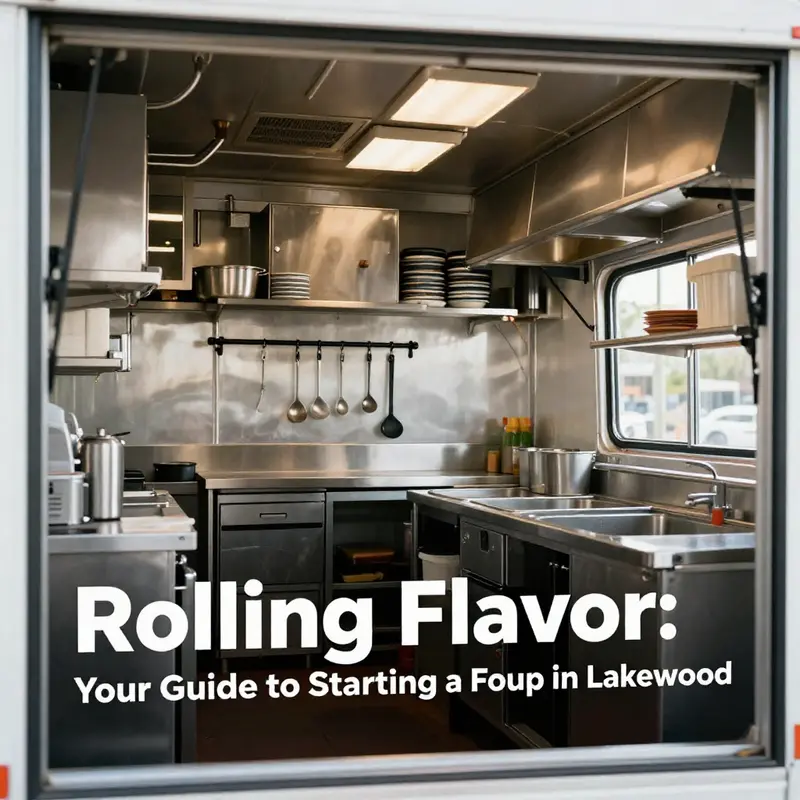
Launching a food truck is as much about compliance as it is about creativity and appetite. The health and safety permit landscape can feel labyrinthine, but it is the backbone that protects customers, staff, and your growing brand. Across jurisdictions, the core obligation is simple in intent: prove that your mobile kitchen serves safe, sanitary food. What varies is the pathway, the specific paperwork, and the timing. By understanding the essentials and how they fit together, you can map a clear route from concept to curbside service without the back-and-forth of constant last-minute scrambling. In practice, the most fundamental permit is the Health Department Permit, a seal that signals your truck meets rigorous standards for sanitation, cleaning, and safe food handling. This permit is nearly universal in its necessity, acting as the gateway to legitimate operation in markets crowded with hungry patrons and strict inspectors alike. The process often includes unannounced health inspections, a measure that keeps operators vigilant rather than reactive. The instinct to prepare ahead becomes a discipline: a written food safety plan that documents how you will keep food at safe temperatures, prevent cross-contamination, and maintain a clean, orderly workspace inside a compact vehicle. The plan becomes a living document, not a one-time form, guiding daily routines and training. In many places the plan is reviewed in tandem with the facility’s layout and equipment choices, and it must reflect the reality of a mobile operation where space is at a premium and every inch must earn its keep. When inspectors arrive, they expect demonstrations of reliable plumbing and sanitation systems. A common expectation is the inclusion of proper handwashing facilities, including a dedicated handwashing sink that is separate from food preparation areas, clear access to soap and drying supplies, and a plan for keeping these facilities sanitary during a shift. Adequate waste disposal is another non-negotiable. In a compact truck, waste streams—from cooking grease to wastewater—must be managed through approved containers and disposal routes that prevent odors, leaks, or cross-contamination. Your water supply is equally non-negotiable: a reliable, potable source for cooking, cleaning, and dishwashing. A steady supply of clean water under pressure is not just a luxury; it is a prerequisite for safe food handling and a defensible response if a health inspector asks for proof of compliance. The stakes of noncompliance are significant. Fines, temporary closures, or even revocation of operating licenses can strike with little warning, interrupting a budding business just as customer demand climbs. The aspirational path, therefore, is not to chase permits in a panic but to align every step with a culture of safety and transparency. In this light, the practical steps become a rhythmic routine of due diligence. Start with a clear understanding of your local requirements, which means engaging with the health department and, when relevant, the city or county offices that oversee mobile vending, business licensing, and waste management. The required documentation typically includes proof of a registered business entity, a general business license, and sometimes a separate operations permit, in addition to the specific health permit. Some regions also require a separate food handler’s permit for individuals who handle or prepare food. This is where training becomes part of daily operations rather than a mere box to check off. Employees and owners alike should complete a basic food safety course that covers safe temperatures, proper handwashing, cleaning schedules, equipment sanitation, and the avoidance of cross-contact with allergens. The value of training extends beyond compliance; it creates consistency across shifts and helps deliver a reliable, safe customer experience. As you plan equipment and layout, consider the practical realities inspectors will assess. Plumbing must support sanitation goals without creating dead zones where bacteria can thrive. Sinks should be appropriately sized and positioned to minimize splash and cross-contact. Waste disposal should be integrated into the workflow so that garbage and wastewater do not accumulate near food prep areas. A well-designed system also speaks to reliability: a water tank that can sustain multiple service days, a refrigeration setup that holds foods at safe temperatures, and a fire suppression plan that aligns with local codes. The vehicle itself needs to be properly registered and insured, and any modifications should be compatible with health and safety codes. A well-documented maintenance schedule for refrigeration, cooking equipment, and waste systems helps demonstrate a serious, professional operation during inspections and also reduces the risk of breakdowns during busy service windows. Crucially, the path to compliance is not siloed. Health, sales, and operations regulators often cross-check information to ensure there is a cohesive system in place. That means accurate record-keeping—logs of temperatures, cleaning, pest control, and routine maintenance—becomes part of everyday practice, not a quarterly or annual chore. When you narrate this journey to investors, potential partners, or even your own team, framing it as an ongoing commitment to safety rather than a one-time hurdle makes the process more practical and less daunting. If you are at the stage of choosing a truck and designing the kitchen, you can blend regulatory readiness with thoughtful design. Certain practical design choices can streamline compliance: placing the handwash station in a location that is easy to reach during peak service, ensuring there is enough refrigeration for all perishable ingredients, and routing waste lines to prevent backflow or cross-contamination. The transportation side matters as well; a solid plan for vehicle maintenance and road-worthiness, including insurance, is essential for long-term stability. Even with all these precautions, keep lines of communication open with regulators. Ask questions early, seek clarification on ambiguous points, and request guidance on any unique circumstances your operation might face. This proactive stance often translates into smoother inspections and a faster move from permit approval to full operation. For those who want a broad, accessible reference while you navigate the specifics, practical guidance can be found in comprehensive licensing resources that summarize the permits and the typical steps involved in obtaining them. As you explore additional insights about cost, timing, and regional variations, you might also find it helpful to review industry perspectives on equipment layouts and startup considerations—such as articles that discuss optimization of space and workflow for mobile kitchens. If you’re curious about how equipment choices can intersect with regulatory readiness, you can check this resource that delves into model considerations for startup trucks. It provides a grounded view of how layout and capacity influence not only efficiency but compliance, as you plan for both day-to-day operations and peak events. When you are ready to deepen your understanding beyond the basics, a detailed guide on licensing and permits offers a thorough map of the required documents, processes, and compliance benchmarks. This connection to a broader regulatory framework helps anchor your planning in the realities of municipal, state, and national expectations. For more detailed guidance on the specific requirements and application process, you can refer to a comprehensive resource that outlines health department regulations and best practices for maintaining compliance: https://www.katom.com/blog/food-truck-licenses-permits. As you weave permits into your narrative of growth, remember that health and safety are not obstacles but enablers. They build trust with customers, reduce risk, and create a durable foundation for expansion—whether you stay local or roll into new neighborhoods with a consistent, safe experience. To keep your planning grounded, consider linking to practical industry insights such as the internal resource focused on kitchen layouts and startup considerations: best-food-truck-models-for-lakewood-startups. This internal pointer can support your team in envisioning how a well-designed truck supports compliance rather than complicates it, helping you move confidently from concept to curbside success without losing sight of the safety benchmarks that protect everyone involved.
From Certification to Cruising: Why the Food Handler’s Permit Opens the Door to a Legit Food Truck
A food truck can be the most agile and intimate way to bring a kitchen to the curb, but agility does not excuse laxity in safety. The first mile on the road to a mobile business is not choosing a menu or a truck; it is securing the right credential that proves you will serve food safely wherever you park. The Food Handler’s Permit is more than a bureaucratic checkbox. It is the frontline commitment that protects your customers, your staff, and your brand, and it is the doorway through which every other regulatory step must pass. When your truck circulates the city or town square, you are not simply selling meals; you are delivering a promise of hygiene, temperature control, and responsible handling. Without this permit, the dream of a mobile kitchen can stall at the dock, fines looming and schedules breaking as authorities pause operations. In the grand arc of starting a food truck, this certification wires together practice with policy, turning culinary ambition into compliant, repeatable service on wheels.
So, what exactly is a Food Handler’s Permit, and why does it matter so much? In most jurisdictions, the permit is issued by the local health department or a municipal health authority and signals that you and your team have completed a recognized food safety training program. It is not merely about knowing how to wash hands correctly; it encompasses personal hygiene, preventing cross-contamination, controlling temperatures, safe food storage, and the basics of cleaning and sanitizing equipment. These elements are the invisible backbone of a mobile operation. A single lapse—improper hand hygiene, mishandled ingredients, or a lax approach to cooling and reheating—can expose customers to illness, trigger a health inspection, or shut down a truck mid-season. The permit, then, is both shield and proof: it shields the operation from unnecessary risk and proves to regulators and patrons that safety is non-negotiable for your brand.
Obtaining the permit is usually a matter of completing an approved training course and passing a standard exam. Courses can be taken online or in person, and many jurisdictions accept curricula from nationally recognized safety programs that cover the same core topics: personal hygiene, how to prevent cross-contact between raw and ready-to-eat foods, correct methods for temperature control, proper storage, and safe cleaning practices. In practice, this means you study at your own pace, absorb the fundamentals, and sit for a test that demonstrates you understand the rules and the rationale behind them. The exact format and passing score vary by location, but the path remains straightforward: learn the material, prove you understand it, and receive your permit. The advantage of a broadly recognized program is that it standardizes knowledge across the industry. It also makes it easier for you to train new staff as your operation grows, because the baseline expectations do not change with a new neighborhood or a new city.
Local requirements, of course, are the real map. While the concept is universal, the specifics—what documentation you need, how much you pay, and whether other permits are prerequisites—live at the city or county level. The typical process starts with a call or visit to the local health department to confirm the exact certification you must hold, the papers you should submit, and any accompanying licenses you must possess to operate legally. Fees can be modest but nontrivial, and in some places, you may need to demonstrate ongoing competency through periodic renewals or continuing education credits. It is also common to encounter a bundle of related requirements tied to a mobile operation: a business license, a vendor or street-trading permit, and a vehicle inspection to verify that the truck’s refrigeration, cooking apparatus, waste systems, and water supply meet health and safety codes. Each piece is a thread in the larger fabric of compliance; neglect one thread, and the entire weave loosens.
The practical implications of holding a Food Handler’s Permit extend beyond compliance. For customers, it is a visible sign that you take food safety seriously. For you as a business owner, it reduces risk by formalizing procedures that keep food within safe temperature ranges, prevent contamination, and uphold consistent quality. For your crew, it provides a shared standard of practice that makes morning setup, service, and post-shift cleanup more predictable and safer. Even the planning phase benefits: with a permit in hand, you can design your kitchen flow around safety requirements from the start, rather than retrofit safety measures after you start serving crowds. This foresight pays off in smoother service, fewer headaches during busy shifts, and a stronger basis for franchising or expanding to new routes as demand grows.
Embarking on the permit journey also invites practical scheduling and budgeting realities. The timeline to obtain certification depends on how quickly you can complete the training and pass the exam, plus any administrative steps the health department requires. Some operators carve out evenings or weekends for the coursework, pairing it with practice in a home kitchen or a rented commissary space, while others enroll staff in a compact, intensive program ahead of a launch window. Costs are typically accessible—a modest investment compared with the potential penalties of operating without it—and many programs offer flexible payment options. The key is to treat it as an essential startup milestone rather than a side quest. When you plan your pre-launch calendar, pad time for studying, testing, and any necessary re-tests, and align this with vehicle preparation and menu finalization. The result is a well-timed, legally solid roll-out that minimizes last-minute hurdles.
As you map these steps, you can also keep an eye on the broader ecosystem of equipment and layout. A thoughtful layout that respects safe handling supports, rather than undermines, your permit’s intent. For instance, ensuring easy access to sanitation stations, segregated storage zones for raw and ready-to-eat foods, and clear labeling of temperatures can help your operation stay in line with the principles you’ve studied. If you are in the early stages of choosing a truck or planning equipment upgrades, you might explore the practical variations across models and configurations by checking resources that profile startup-friendly designs. For example, you can explore guidance on models suited for beginner food businesses in a comprehensive guide to best food truck models for Lakewood startups. This reference can help you imagine how a compliant—in both design and practice—mobile kitchen looks on the street and how it can evolve as you scale.
Ultimately, the Food Handler’s Permit is about setting a standard you can sustain day after day. It is not a barrier to entry as much as a foundation for trust—one you build with your customers and with the communities you serve. It interacts with every other requirement: it informs how you store ingredients, how you cool and re-heat, how you train staff, and how you document your processes for inspections. When paired with a solid business license, a street-vendor permit where required, and proper vehicle compliance, this certification helps you keep moving forward, season after season, weathering the inevitable bumps that come with a mobile business. Keep in mind that while the permit itself is a single document, its real value lies in the daily discipline it promotes. It is the quiet promise that every burrito, taco, or bowl you serve meets a standard you would be comfortable feeding to a friend, a neighbor, or a curious tourist wandering through town. And that promise—consistently kept—will carry your brand far beyond the first few block parties and into a durable, repeatable, and legally sound operation on the road.
External resource for deeper details: https://www.health.gov/food-handler-permit-information
Tax Trails on the Tarmac: Navigating Sales Tax Permits on the Road to a Food Truck
Securing a food truck is as much a legal journey as it is a culinary one. Among the many regulatory steps, the sales tax permit sits at the crossroads of compliance and practical operation. It is not merely a ritual to tick off a list; it is the mechanism that ensures every meal you serve contributes fairly to public services, funds local infrastructure, and keeps your business on the right side of state law. In many places, the authority that governs sales tax also governs how you report your revenue, how you collect from customers, and how you file returns. The permit itself may seem like a small piece of paperwork, but without it, your pricing, accounting, and ability to legally collect tax could unravel. In the mobility and hustle of a food truck, this permit anchors your kitchen on wheels to a clear and consistent financial framework, reducing risk as you grow from a single cart to a fleet of portable kitchens.
To begin, you typically register with your state’s revenue or taxation department to obtain a sales tax permit. This step formalizes your obligation to collect sales tax on taxable goods and services you offer through your truck. The registration is often straightforward, but it requires careful accuracy. You will be asked to provide essential details about your business that will shape how you report taxes. Your business name, the legal structure you choose—whether a sole proprietorship, a limited liability company, or another entity—and the principal place where you operate are all part of the profile. The state will also want an estimate of your monthly sales volume. This last item might feel speculative early on, but it helps determine your tax filing frequency and the level of scrutiny your account may receive during audits. In short, the information you supply creates the tax heartbeat of your operation, so precision matters as you fill out the forms.
Once registered, the next layer of the process is understanding what compliance actually requires. A sales tax permit is not a stand-alone license; it is the gateway to ongoing reporting and remittance duties. If you fail to secure the permit or neglect ongoing compliance, penalties can accumulate quickly. Fines, interest on back taxes, and even suspension of business privileges can pile up, especially if you are operating in a jurisdiction with active tax enforcement. Even more important is the practical risk: without a valid permit, you may not be legally allowed to collect or remit sales tax from customers. That means you could be forced to absorb the tax yourself or, worse, confront an audit that uncovers unpaid obligations. The financial implications extend beyond a single filing period; missteps can affect cash flow, access to financing, and the ability to expand to new locations.
No matter where you start, you should also anticipate additional permits and licenses that intersect with sales tax compliance. A comprehensive picture includes a general business license, a health department permit for food handling, and potential local zoning or street-use permits that govern where you can park and operate. The exact mix varies by state, city, and even neighborhood. Some jurisdictions treat street vending or mobile food operations as a special category with its own requirements. Getting these connected licenses in sync with your tax permit helps you avoid conflicting deadlines and reduces the chance of a compliance gap during busy seasons. The layered approach matters: if you have a valid sales tax permit but lack the health permit, for example, your operation cannot legally serve food, which makes the tax compliance moot in practical terms. The right set of licenses creates a stable legal footprint for your truck to roam and sell with confidence.
The practical path to obtaining the sales tax permit blends preparation with access to the right information. In most states, you apply online through the state revenue department’s portal. You will need to submit basic business information and then wait for a determination or a confirmation that your permit has been issued. The online process typically guides you through several screens, each designed to collect data while validating it in real time. Some states allow you to save your progress and return later, which can be invaluable if you are juggling permit paperwork with menu planning, vehicle modifications, and route scouting. When you complete the application, you should receive a tax identification number or a permit display that you must keep handy for audits and inspections. Remember, the permit is not a static badge. It changes with your business—if you change your ownership structure, your business name, or the types of items you sell, you may need to update your permit and possibly refile certain documents.
As you navigate this landscape, a practical tip is to treat the sales tax permit as part of a broader compliance blueprint rather than a one-off obligation. Tie it to your day-to-day financial practices by establishing a simple remittance cadence, a schedule of when you file returns, and a system for keeping receipts and sales records. A reliable record-keeping approach will serve you well during audits and can simplify inventory management, especially when you are testing new locations or market concepts that affect your sales mix. It also helps to align your pricing strategy with tax collection requirements. For instance, if your jurisdiction taxes prepared foods at a different rate than beverages, your menu and POS configuration should reflect those distinctions to avoid miscalculations at the point of sale.
In terms of applying, the process is best navigated by visiting your state’s Department of Revenue or equivalent agency’s website. The instructions you will find there are designed to be user-friendly but can be dense if you rush. A practical path is to start by locating the correct portal, then prepare the essential information in advance: legal business name, structure, address, an estimate of monthly sales, and a contact person who can respond to follow-up questions. If you are unsure about which structure to choose, you may want to consult a small-business advisor or an attorney who specializes in food service ventures. The aim is a seamless submission that minimizes back-and-forth requests for clarification. For readers starting in California, the official point of reference is the state’s revenue agency website, and you will find clear guidance on obtaining and maintaining your sales tax permit. The exact link is provided in the resources section of this chapter, but a simple search for the state’s Department of Revenue sales tax permit will connect you to the right page. A practical search tip is to query “[Your State] Department of Revenue sales tax permit application” to locate the correct portal quickly.
In addition to the steps above, you may find value in seeing how other food-entrepreneurial ventures approach the broader regulatory landscape. For example, a peer resource on food truck configurations and startup considerations discusses how the vehicle’s setup can influence compliance, including the way you keep records and how you document your tax collection practices at the point of sale. This tangential information complements the permit journey by reinforcing that a well-run business integrates legal, financial, and operational decisions into a cohesive system. If you want a concrete example of how other operators plan their vehicle and operations, consider reviewing content such as the article on best food truck models for Lakewood startups, which offers practical insights into vehicle choice and layout that can support efficient tax reporting and compliance within a broader startup framework. You can access that resource through the linked article here: best food truck models for Lakewood startups.
As you wrap this phase of planning, remember that the sales tax permit is not merely a box to check; it is a foundation for predictable cash flow, accurate pricing, and lawful operation. By aligning your state registration with timely reporting, understanding the penalties of noncompliance, and coordinating with other required licenses, you create a robust base for growth. Your truck becomes more than a moving kitchen; it becomes a compliant, efficient, and scalable business on wheels. With that framework in place, you can focus your energy on refining recipes, building customer relationships, and exploring new neighborhoods, confident that the regulatory side is stable and manageable. For readers seeking official guidance, consult the state tax authority’s resources online, and consider bookmarking the California Department of Revenue page as a practical reference point for when you operate in that jurisdiction. External resource: https://www.dor.ca.gov
The Permit Gate: Navigating Local Regulations to Launch Your Food Truck
Launching a food truck is a bold blend of culinary craft and logistical planning. The permit gate you must pass through is more than a stamp of approval; it is a map of expectations that shapes your truck design, daily routines, and where you may park or sell. Understanding the permit process and the licenses that usually travel with it helps you avoid detours and stay focused on cooking, serving, and growing your business. At its core, legality builds trust, and trust attracts customers and opportunities for expansion.
Begin with the broad framework. In most cities, a food truck operates as a mobile food service that requires a mobile vendor permit issued by a local health department or licensing authority. This permit sits alongside several other essential documents. A basic business license or registration establishes your legal entity. A sales tax permit lets you collect and remit sales tax. A health or food service permit confirms that your process meets sanitation standards. An individual food handler certification validates that staff know safe practices. For trucks parked on public streets, additional street vending or mobile vendor licenses are often required, sometimes with limits on hours or locations. As you read the requirements for your city, you begin to see how these pieces fit into a single operating envelope.
Within this envelope, the permit asks for specifics about your mobile unit. Inspectors want to know how your kitchen operates from receiving ingredients to cooking to plating to waste disposal. They want layout diagrams showing sinks, refrigeration units, cooking appliances, and prep areas. They want assurances that water, waste, electrical supply, and ventilation meet safety standards. In practice, the application often requires detailed plans of the unit design, materials, and equipment arrangement. This is not about aesthetics but about safety and sanitary suitability. In a city like New York, the standards can be exacting; for instance, water storage and contamination controls are tightly defined. Acknowledge such specifics as a baseline, while recognizing that other jurisdictions will have their own figures and thresholds.
The path to approval usually unfolds in stages. First comes plan submission with technical drawings and a narrative explaining how the truck will handle storage, preparation, cleaning, and waste management. You may need to specify plumbing, electrical systems, fire safety equipment, and ventilation compliance. The objective is to show that the mobile unit can operate safely within codes and electrical standards. After submission, an inspection typically follows. Inspectors review plumbing and electrical work, confirm that water and waste are correctly configured, verify fire suppression measures, and assess the materials used on food-contact surfaces. The inspection is a checkpoint that confirms your kitchen is safe to serve and protects workers and the public.
Requirements vary widely by jurisdiction. Some places are prescriptive; others allow more flexibility. That is why the official site of your city or county health department is your best source for current rules, forms, fees, and contact information. You may also find information about special permits for events or festivals, which can impose unique rules on power supply, waste disposal, and on site safety.
As you navigate this terrain, remember that the permit is not an isolated obstacle. It informs your truck design, staff training, and the cadence of inspections. It also shapes the customer experience. A clearly compliant operation signals professionalism and care, which builds trust and repeat business. If you plan to operate in multiple jurisdictions, track different permit requirements and renewal cycles. The effort pays off in a licensed, safer, and more scalable operation.
To stay practical, seek checklists or preapplication consultations when offered, ask questions before submitting, and keep organized records of conversations and documents. Track renewal dates and maintain ongoing compliance. The permit is a gateway that enables movement into neighborhoods, markets, and events, and it should be viewed as a foundation for safe, reliable service rather than a barrier to entry. For official guidance, rely on your local health department and, in major cities, the mobile food vendor pages they publish. External resources such as city health department guidance can provide specifics and timelines for your jurisdiction, including examples from large cities.
Final thoughts
Starting a food truck in Lakewood is an exciting venture filled with potential! By ensuring you meet the necessary legal and safety requirements, you’re paving the way for a successful and enjoyable culinary journey. Remember, each permit and certification serves a purpose—protecting you, your customers, and the community. So gear up, stay informed, and get ready to serve up some unforgettable flavors!