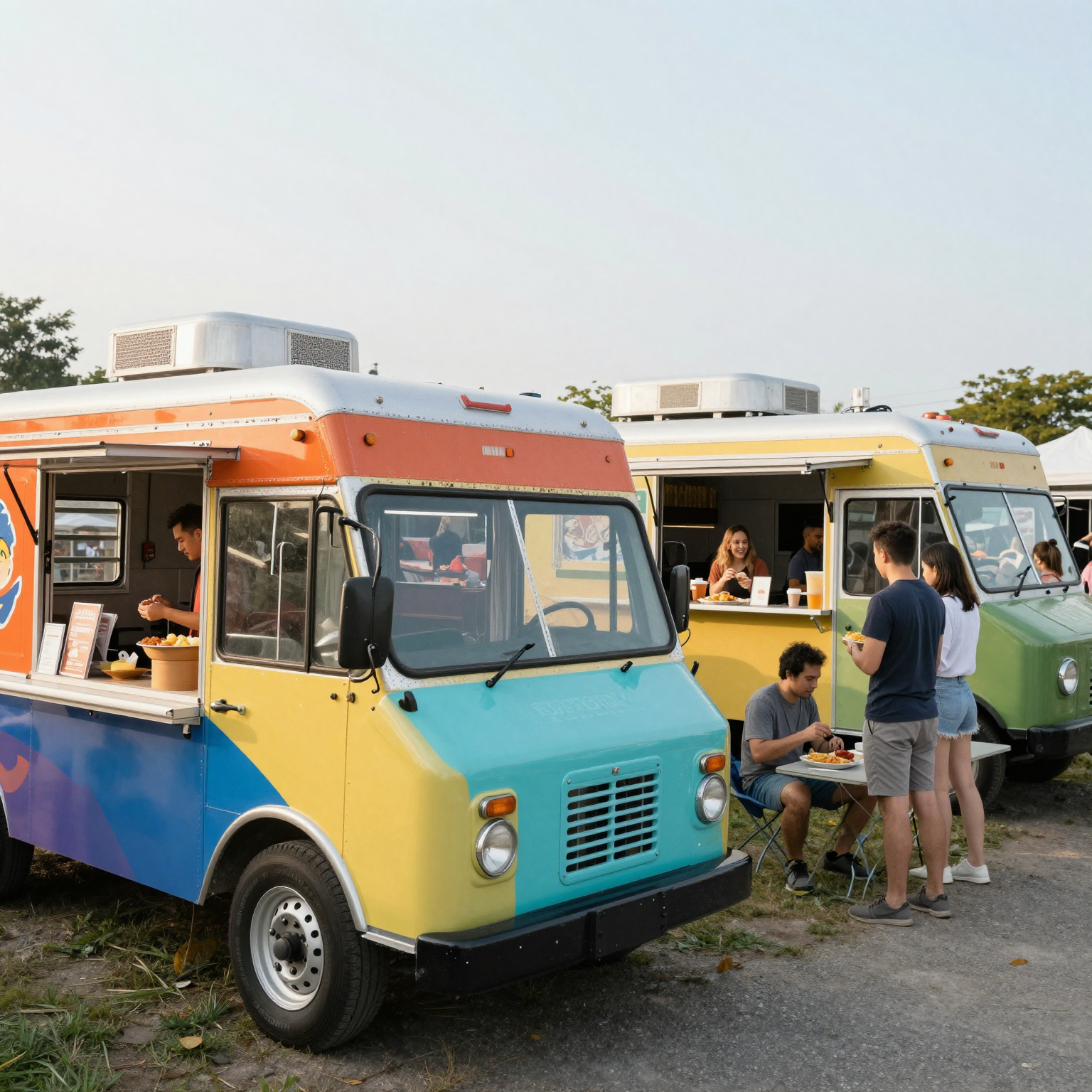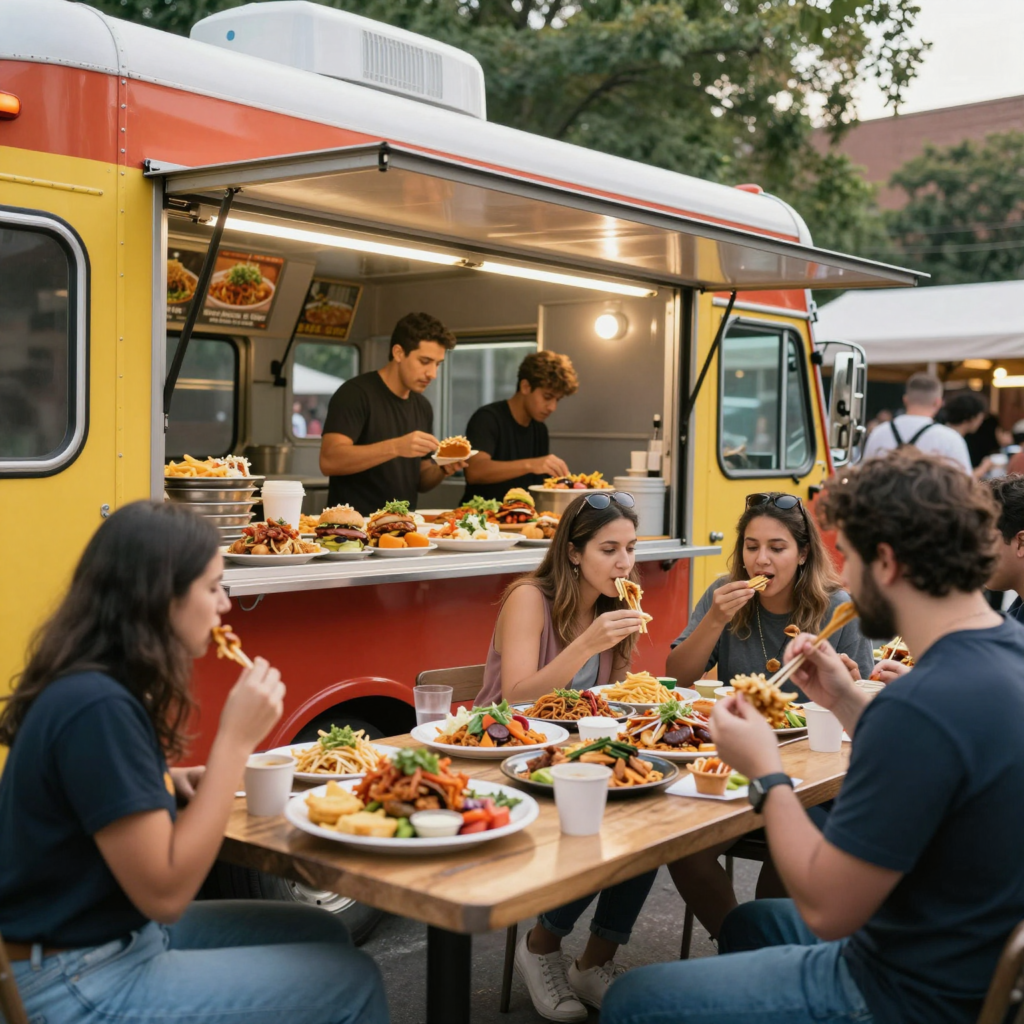
When it comes to exploring the culinary landscape of Lakewood, few things capture the spirit of community and creativity quite like food trucks. These mobile kitchens have gained immense popularity over the years, transforming not just what we eat, but how we experience dining. From savory tacos to gourmet burgers, food trucks offer a diverse palette of flavors, appealing to food lovers and adventurous eaters alike. Their rise in prominence provides an exciting opportunity for aspiring food truck operators who are eager to bring their unique culinary visions to life. At the same time, tourists visiting Lakewood can indulge in a delightful array of food options that reflect the local culture and taste. As food trucks continue to roll through neighborhoods and events, they not only serve delicious meals but also foster a vibrant community spirit that connects people from all walks of life. For those interested in starting a food truck, discover the best food truck models for Lakewood startups and get inspired by stories like that of Rockdog Adventures’ food truck journey.
A Flavorful Journey: The History of Food Trucks
The history of food trucks in the United States is both rich and diverse, dating back to the mid-19th century when the first lunch carts appeared, serving affordable meals to night workers. In 1872, it was a Providence businessman who took the initiative by operating a horse-drawn cart that sold food outside a newspaper office, marking what many consider the beginning of modern food trucks.
Key Milestones in Food Truck Evolution
- Early 1900s: Food trucks transitioned from horse-drawn carts to motorized vehicles, making them more mobile and accessible. The concept gained traction during the Great Depression, where food trucks were favored for their low prices, providing much-needed cheap meals to the masses.
- Post World War II: Returning veterans took advantage of loan programs to enter the food truck business. This survival spirit helped the industry expand and flourish with new innovations, such as improved insulation and refrigeration.
- The 1980s and 1990s: Although food trucks saw a plateau in popularity during this time, they maintained a loyal niche market, often serving construction sites and large gatherings.
- 2008 Financial Crisis: A significant turning point occurred during the 2008 recession. With many individuals looking for affordable business opportunities, the rise of gourmet food trucks began. These trucks offered creative menus at reasonable prices, merging fine dining with the convenience of street food, and capturing public interest through social media.
Today, food trucks symbolize the vibrant street food culture in the U.S., featuring diverse cuisines that celebrate multiculturalism and innovation. They are more than just moving restaurants; they represent community, entrepreneurship, and a unique foodie experience.
If you’re considering entering the food truck industry, explore the best models for startups or check out the journey of successful food truck operators like Rockdog Adventures to inspire your culinary adventure.
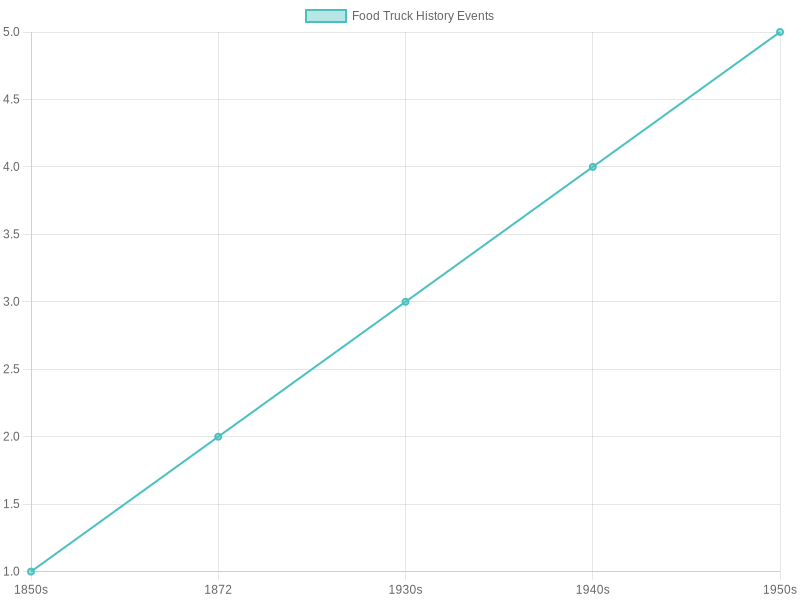
Timeline of Key Events in Food Truck History
1850s: The Inception of Food Trucks
- Walter Scott begins selling sandwiches and coffee from a basket to night shift workers in Providence, Rhode Island. This is considered the first mobile food vending in America.
1872: The Modern Food Truck is Born
- Walter Scott modifies his food-selling approach by using a horse-drawn cart with windows, parked outside the Providence Journal. This innovation marks the first true food truck.
1930s: Flourishing During Hard Times
- The Great Depression creates a surge in food truck popularity, as they provide affordable meals to the masses, filling a crucial need for affordable dining options.
1940s: Veterans Innovate the Industry
- Post-World War II, veterans enter the food truck arena, leveraging military experiences and surplus vehicles to start their own mobile kitchens.
1950s: A New Standard
- The use of stainless steel in food truck construction becomes the norm, leading to more hygienic and durable vehicles that reflect professional food service standards.
“Food trucks don’t just serve meals-they create jobs, support local farmers, and foster social interaction in ways traditional restaurants cannot.”
- Dr. Lena Torres, Senior Urban Economist at the Institute for Sustainable Cities
As food trucks continue to thrive, their impact on local communities and economies becomes increasingly significant. These mobile kitchens transform public spaces, turning them into vibrant community hubs. Learn more about the importance of food trucks in local economies.
Rise of Food Trucks in Lakewood
The food truck phenomenon has seen a remarkable rise in Lakewood, California, bringing an exciting twist to the local culinary scene. In recent years, food trucks have proliferated, embodying the city’s vibrant and diverse culture. With a rich variety of options available, these mobile kitchens cater to every palate – from mouthwatering tacos at Pinkys Tacos, rated 4.5 stars on Yelp, to the innovative eats provided by Best Bites Food Truck Events, making each visit a feast for the senses.
Local food trucks do more than just serve delicious meals; they play a vital role in enhancing community life. The recently held Food Truck Festival captured this spirit beautifully, attracting over 5,000 people in June 2024. Local vendors showcased dishes from across the globe, from Mexican burritos to Korean fried chicken, creating a culinary melting pot that strengthens community bonds and local pride. The festival, organized in collaboration with the city government, has become a beloved tradition, drawing families and friends together for food and fun.
Moreover, according to a 2023 report by the California Department of Public Health, Lakewood has experienced a 35% increase in food truck operations since 2020. These food trucks offer affordable, healthy choices, catering particularly to lower-income families. They also provide flexible job opportunities, significantly contributing to the local economy. With such robust growth, food trucks are not merely a trend; they are becoming a key part of the Lakewood identity, fostering community spirit and culinary variety.
Essential Equipment for Starting a Food Truck
Starting a food truck business is an exciting venture, but it requires careful planning and the right equipment. To help aspiring food truck operators, here’s an unordered list of must-have equipment to get your culinary journey rolling:
- Commercial Grade Cooking Appliances: This includes a griddle, deep fryer, and induction cooktop to prepare delicious meals efficiently.
- Refrigeration Units: A refrigerator and freezer are vital for storing fresh ingredients and keeping food safe.
- Prep Tables: Stainless steel prep tables provide a clean space for food preparation, ensuring safety and efficiency.
- Cooking Utensils: Essential tools like knives, spatulas, tongs, and cutting boards help streamline cooking processes.
- Sinks with Running Water: A three-compartment sink is necessary for washing food, preparing meals, and maintaining hygiene.
- Ventilation System: An exhaust hood is crucial for maintaining air quality and compliance with health codes.
- Serving Dishes & Utensils: Plates, cups, utensils, and food containers for serving customers promptly and professionally.
- Point-of-Sale (POS) System: A reliable POS system allows for smooth transactions and inventory management, ensuring accuracy in orders.
- Grease Trap: This is important for maintaining clean water and proper waste management.
- Fire Safety Equipment: Fire extinguishers and a fire suppression system are vital for safety in the kitchen.
Starting your food truck requires both culinary passion and the right equipment. For more guidance on models and inspirations, learn more about food truck startup essentials and explore popular food truck models.
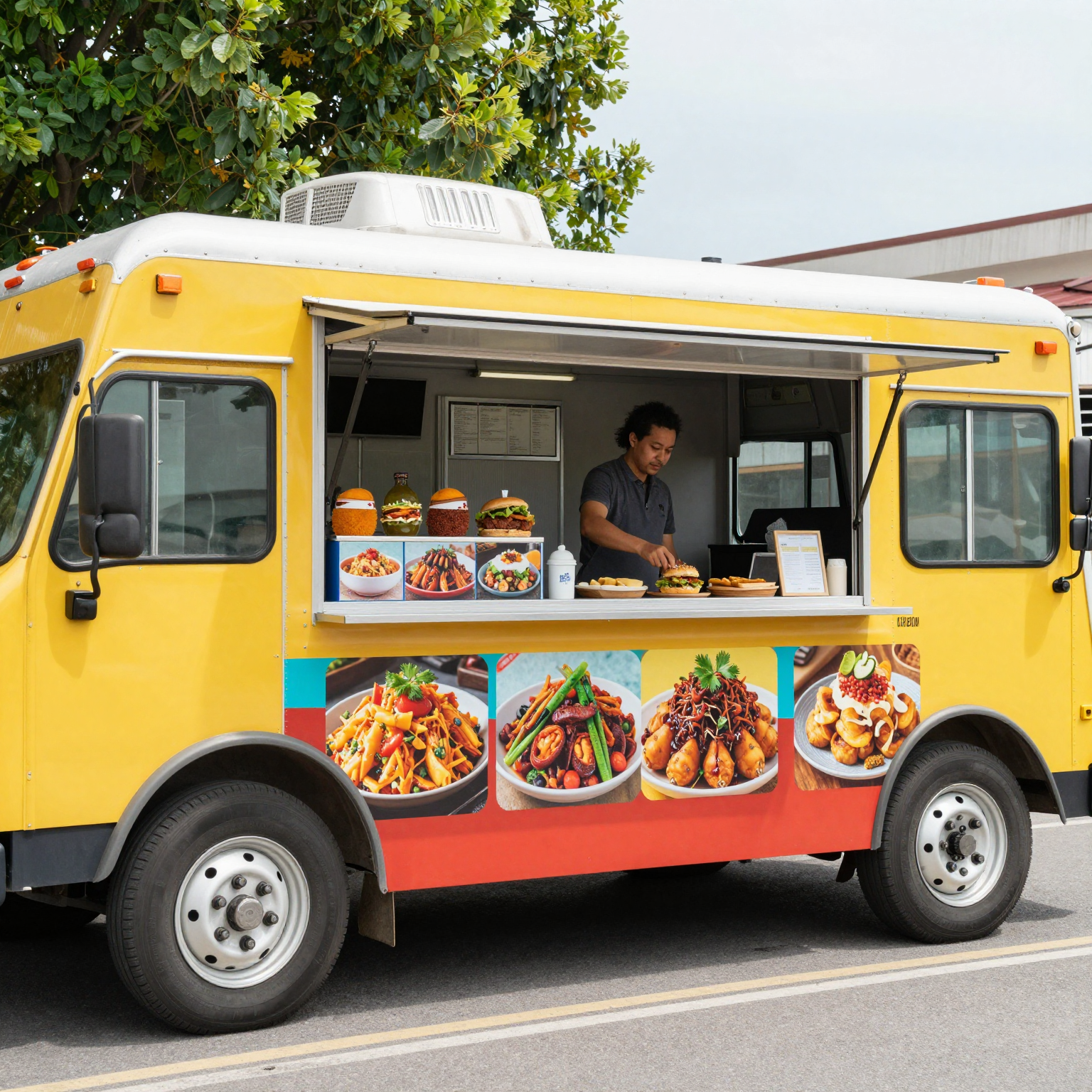
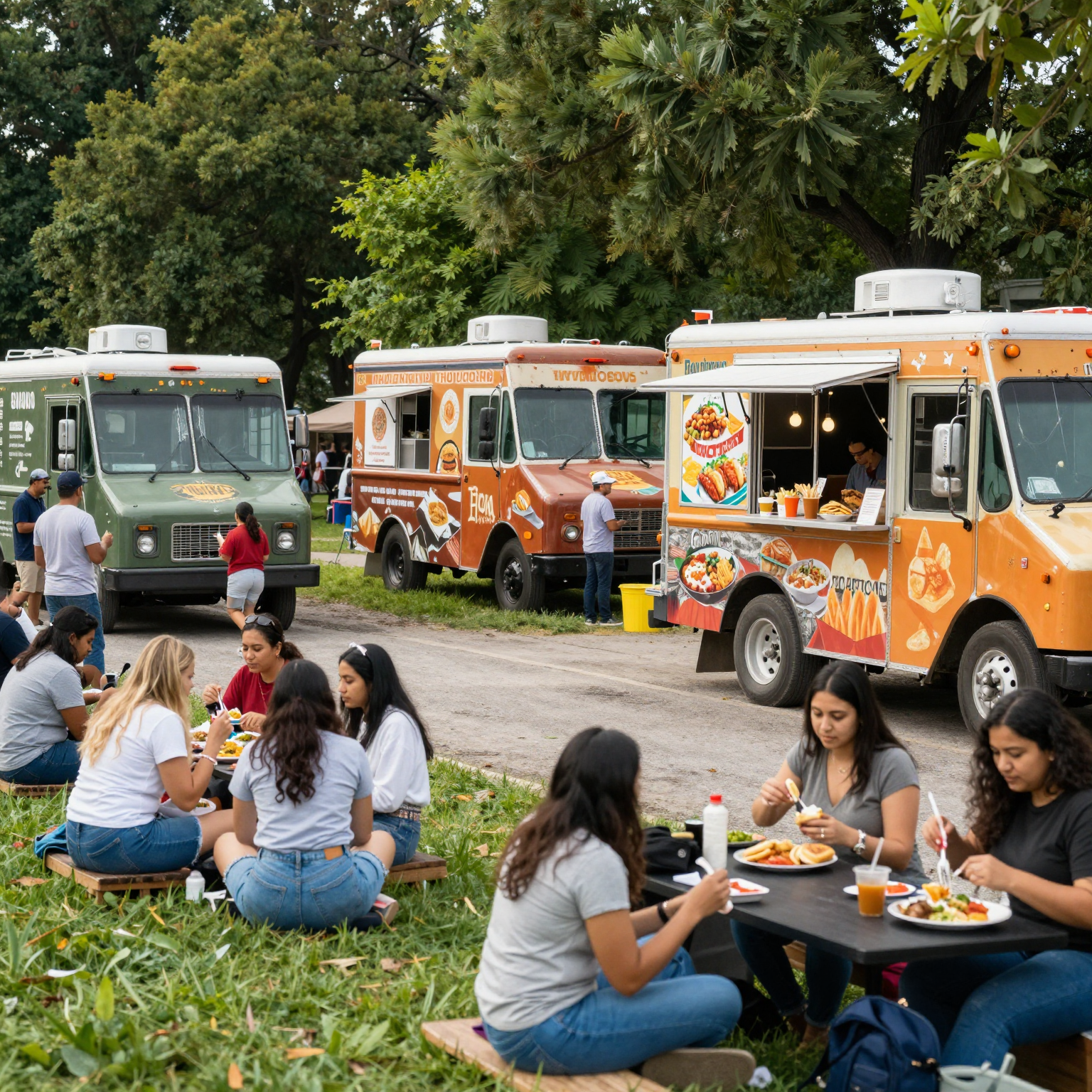
Food Truck Revenue Trends: A Growing Industry
The food truck industry has seen remarkable growth in recent years, especially as consumer preferences evolve. Recent reports indicate that the global food truck market size reached approximately $4.6 billion in 2023. This rapid expansion is largely fueled by an increasing interest in convenience, diversity, and high-quality dining options among consumers.
Revenue Growth and Projections
According to forecasts, the food truck market is expected to continue its upward trajectory with a compound annual growth rate (CAGR) of 7.4% expected over the next several years (2023-2030). This indicates a solid trajectory, with the market projected to grow from $4.6 billion in 2023 to about $7.87 billion by 2032.
Here’s a summary of projected market size over the next decade:
| Year | Market Size (USD Billion) |
|---|---|
| 2023 | 4.60 |
| 2024 | 5.45 |
| 2025 | 5.80 |
| 2026 | 6.10 |
| 2027 | 6.50 |
| 2028 | 6.90 |
| 2029 | 7.30 |
| 2030 | 7.70 |
| 2031 | 8.10 |
| 2032 | 8.50 |

Consumer Trends Driving Growth
The rising trend toward health-conscious eating, coupled with a preference for locally sourced ingredients and personalized meals, significantly impacts consumer choices in the food truck sector. Consumers, especially millennials and Gen Z, are more inclined to explore unique flavors and experiential dining.
Here’s a breakdown of consumer trends for 2023:
- Health Consciousness: Increased demand for healthy foods.
- Locally Sourced Ingredients: Preference for local and sustainable products.
- Personalized Meals: Rising interest in customization of food options.

Overall, the food truck industry is not just alive and kicking; it is thriving! For aspiring food truck operators looking to dive into this vibrant market, understanding these trends can be crucial for crafting a successful business. If you want to learn more about choosing the right truck for a startup, check out our guide here.
In summary, there has never been a better time to explore the food truck business, thanks to these positive trends and consumer demands!
Average Startup Costs Comparison
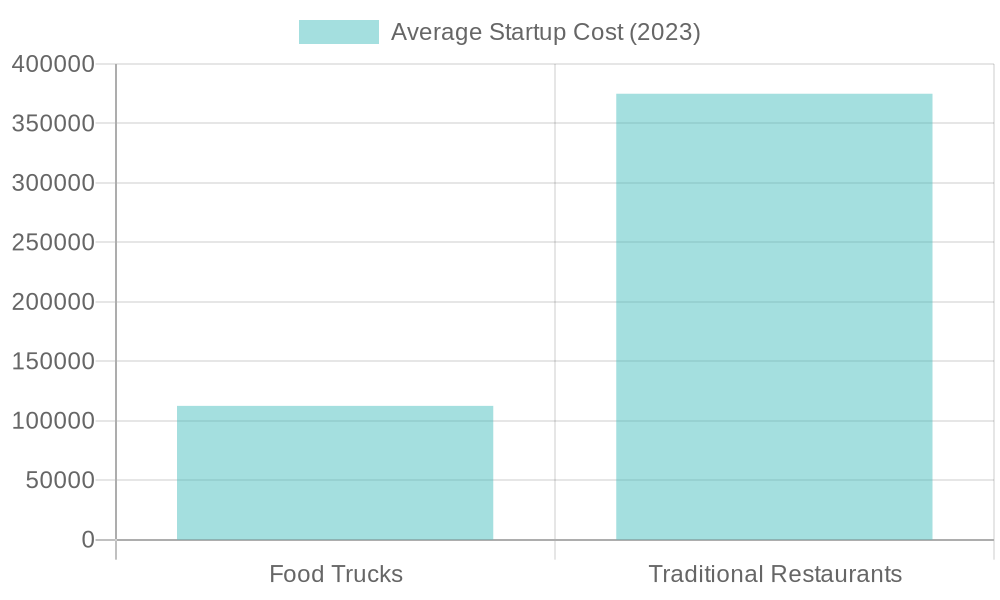
If you’re considering entering the food industry as an operator in Lakewood, understanding the startup costs associated with food trucks versus traditional restaurants is essential. Here’s a comparison based on recent data:
| Type of Business | Average Startup Cost |
|---|---|
| Food Trucks | $75,000 – $150,000 |
| Traditional Restaurants | $250,000 – $500,000 or more |
Food trucks typically require a significantly lower investment compared to traditional restaurants, providing aspiring operators a more accessible entry point into the food industry. Additionally, they benefit from lower overhead costs and flexibility in location. For a deeper dive into successful food truck models, check out this guide.
Understanding these costs can help you plan better as you embark on your culinary journey!
Conclusion for Aspiring Food Truck Operators
The world of food trucks is brimming with potential, offering aspiring operators the chance to unleash their culinary dreams while engaging with vibrant communities. Whether it’s the allure of crafting unique dishes or the excitement of creating a mobile culinary experience, the food truck business is more than just a trend-it’s a movement that’s rapidly evolving.
As you’re contemplating launching your own food truck, remember that resources are available to help you succeed. Consider exploring the benefits of using custom fit fairings from Summit Fairings to enhance your food truck’s look and functionality! These fairings not only safeguard your investment but also boost your brand’s visibility, allowing you to stand out in crowded food truck events.
So take the plunge! Embrace the challenge and joy of running your own food truck, and savor the experiences that await in this dynamic industry.