
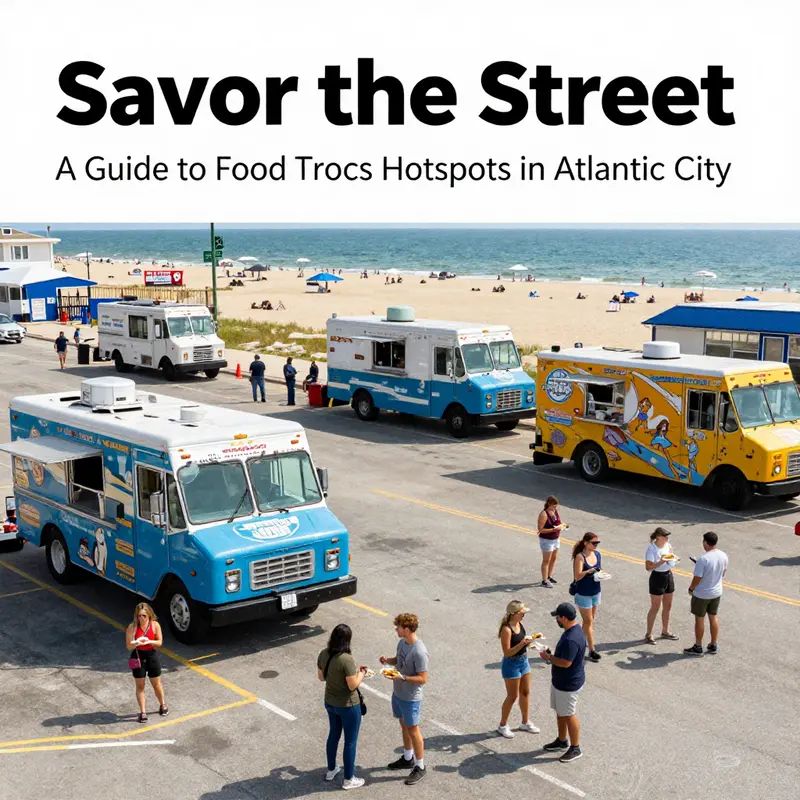
Atlantic City is not only famous for its vibrant nightlife and stunning boardwalk, but also for its eclectic food truck scene. Whether you’re an aspiring food truck operator looking to carve out a niche for your culinary delights, or a visitor eager to savor quick bites while exploring the city, it’s essential to understand the ins and outs of food truck operations in this bustling coastal hub. This article will take you on a journey through the regulations and permits necessary for food trucks, explore designated areas where they can thrive, delve into private property operations, and highlight key compliance requirements. Each chapter aims to paint a complete picture of the food truck experience in Atlantic City, inviting you to partake in its delicious offerings.
Coastlines, Licenses, and Local Law: Navigating Where Food Trucks Can Park in Atlantic City
Atlantic City remains a magnet for travelers, locals, and vendors who turn the city’s iconic boardwalk and seaside streets into a living canvas of aromas, colors, and quick meals. The energy of the shoreline, the pulse of the casinos, and the rhythm of the boardwalk create a backdrop where food trucks can offer diverse flavors to a steady stream of visitors. Yet the city’s appetite for activity comes with a map of rules that shape where those trucks can actually operate. Understanding this map is essential not just for compliance, but for building a sustainable business that can move with the seasons and the crowds. In Atlantic City, the guiding principle is clear: you may not operate a vending unit or a food truck on or over the streets, highways, sidewalks, or public property without proper authorization. That baseline rule reframes the question from where a truck might simply park to where it may legally and safely set up shop. The practical implication of this rule is substantial. It redirects potential operators away from the most visible, central corridors and toward regulated zones where the city has explicitly approved vending activity. The coastline between Pacific Avenue and the ocean embodies the city’s most prominent and coveted real estate, which, through historic zoning and public safety considerations, has also become the zone where permanent motor vehicle vending is prohibited. In plain terms, this stretch is not a default storefront for food trucks. The same logic that preserves pedestrian flow and street safety also guides who may place a grill, a fryer, or a pop-up kitchen on curbside corners or in the middle of the city’s busiest corridors. It is not that opportunity is absent, but that it is conditional and organized around permits, designated locations, and event-based operations rather than a blanket right to set up anywhere that seems convenient. The framework thus invites a disciplined approach to planning. Operators seeking a foothold in Atlantic City must look to designated public parking lots and municipal facilities as legitimate venues. These are not “free-for-all” spaces; they are locations where the city has established parameters, including the requirement for a valid permit, adherence to health codes, and compliance with zoning. In practice, this means identifying a site that the city has pre-approved for food vending, obtaining the appropriate permit, and coordinating with the relevant municipal office to ensure that the vending activity aligns with traffic patterns, public safety, and seasonal events. The distinction between a permit that allows a brief pop-up during a festival and a license to operate on a longer basis is essential. The city’s approach to events and special occasions is a core part of how Atlantic City manages the rhythm of street food without compromising the flow of crowds or the ambience of public spaces. Food trucks often find opportunities during events hosted at locations such as the Boardwalk, the Convention Center, or other city-sponsored gatherings. In those moments, a temporary permit can unlock a legal, well-supervised presence, letting operators participate in the energy of a festival, a parade, or a seasonal celebration. The emphasis here is transparency and control: temporary permissions are grounded in event planning, crowd management, and health inspections, ensuring that food trucks contribute to the experience without introducing new risks to public safety or sanitation. Beyond public spaces, private property represents another significant avenue for food truck operators. When a property owner or manager grants explicit permission, the truck may operate on private sites—business parks, shopping centers, or private events—provided that all applicable rules are followed and that the arrangement respects the property’s zoning, safety protocols, and any city licensing requirements. This model benefits both the operator and the property owner: the operator gains a venue with established foot traffic, while the property owner can augment a tenant mix or event calendar in a way that responds to consumer demand. The key, as with all regulated activity, is adherence to the licensing framework designed to ensure public health, safety, and fair competition. Central to this framework is the vending unit license, a credential issued by the Atlantic City Department of Licenses and Permits. This license is more than a badge; it is a formal acknowledgment that an operator has met the city’s prerequisites for mobile food vending. The licensing process typically encompasses verification of health compliance, confirmation of zoning compatibility, and a review of safe vehicle operation standards. It also signals that the operator has awareness of, and commitment to, the city’s public safety requirements—an essential consideration in a town where seasonal crowds can shift traffic patterns, parking availability, and pedestrian flow in a matter of hours. The step from concept to concrete operation is thus navigated through a sequence of administrative layers. At the core is the understanding that the city’s codes and ordinances, accessible to the public, are not merely bureaucratic hurdles but a living framework that keeps public spaces safe, accessible, and vibrant. The precise text of these rules is codified in the municipal code, which regulates not only where a truck can stand but also how it may operate when it is there. For the most authoritative and up-to-date information—especially regarding current permit requirements, eligible locations, and any changes in policy—consulting the official Atlantic City government resources is essential. The city’s approach emphasizes due process and clarity, ensuring that operators know exactly where they can set up, what they must have in hand, and how to renew or adjust licenses as circumstances evolve through the season. The practical path to compliance also benefits from shared experiences within the industry. Stories and case studies from operators who’ve navigated the city’s permit landscape offer useful insights into timelines, site selection, and coordination with event planners. One such narrative, illustrated through the journey of a food truck operator, highlights how resistance to a blanket right to park can be balanced by opportunistic use of permitted spaces and event-specific permissions. It is a reminder that planning, patience, and a solid understanding of the regulatory framework are as essential as the truck and the menu. To ground these considerations in a concrete example within the broader conversation about mobility and opportunity, consider the real-world journeys of operators that appear in industry narratives. Rockdog Adventures: Food Truck Journey offers a vignette of how a crew navigates permits, site selection, and the evolving demands of a mobile food business. The narrative underscores a central truth: regulatory clarity, site agreements, and health and safety compliance are not obstacles to creativity but scaffolding that supports it. The business of moving through Atlantic City, then, hinges on respecting the line between public space and privately controlled property, and between permanent physical presence and timed, event-driven activity. Operators must align their timelines with the city’s approvals, which can be influenced by the calendar of major events, renovations, or changes in pedestrian patterns along the Boardwalk and adjacent districts. Even when a site seems ideal, the permit reality can require flexibility—adjusting to permit windows, coordinating with organizers, and sometimes relocating to alternative sites when demand and compliance obligations intersect in complex ways. The legal scaffolding does not chase opportunity away; it channels it, encouraging operators to think in terms of a diversified portfolio of permitted sites rather than a single, fixed location. This approach has the additional benefit of enabling consistent quality control and safer operations. Permit holders are typically required to meet health regulations and to ensure proper waste disposal, food safety practices, and adequate handwashing stations. These standards help protect public health in a city that welcomes millions of visitors each year and that depends on a robust street-food ecosystem to complement its hospitality offerings. From the vantage point of a prospective operator, the path forward can be summarized as a three-part plan: first, identify permissible venues that the city has already designated for mobile vending; second, secure the necessary licenses and permits from the local licensing and permits office; and third, maintain rigorous compliance with health, safety, and zoning regulations at all times. The first step requires careful planning and a willingness to adapt. While the beachfront corridor between Pacific Avenue and the ocean is off-limits for permanent vending, the city’s ecosystem does include a spectrum of locations where a truck can legally operate, as long as the operator obtains approval and adheres to the rules. The second step is procedural, but not opaque. The vending unit license signals to the city and to customers that the operator has met the required standards. The third step—compliance—ensures that the operation remains within the contours of public health and safety, allowing the vendor and the community to benefit from a lively street-food culture without compromising the interests of residents and visitors. Finally, the importance of consulting official sources cannot be overstated. The municipal code, accessible through the city’s official channels and the eCode360 platform, provides the definitive articulation of what is permitted, where, and under what conditions. This is not a document to be read once and filed away; it is a living guide that changes with policy updates, enforcement priorities, and evolving urban planning goals. For anyone seriously considering launching or expanding a food truck operation in Atlantic City, the path is to couple entrepreneurial ambition with deliberate regulatory literacy. The city’s approach reflects a sophisticated balance: it preserves pedestrian safety and the integrity of public spaces while offering thoughtful, limited avenues for mobile food vendors to contribute to the city’s culinary diversity. The result is not a laissez-faire marketplace but a managed, dynamic ecosystem that invites careful planning, community engagement, and continuous learning from the field. In sum, Atlantic City doesn’t offer free rein to park wherever a vehicle can fit; it offers a structured map of opportunities where a truck can thrive, provided it secures the right permissions and upholds the standards that protect public health, safety, and the shared enjoyment of the city’s most cherished public spaces. Those who master this map—identifying permitted sites, obtaining licenses, and aligning with events and private-property opportunities—will find Atlantic City to be a city of moving tastes as much as moving crowds. For the precise legal text and the most current permit requirements, consult the official eCode360 resource and the city’s licenses and permits offices. As regulations evolve with the city’s seasonal rhythms, keeping a close eye on official notices will help ensure your food truck remains part of Atlantic City’s vibrant, evolving culinary landscape. External resource: https://ecode360.com/Atlantic-City-NJ/Streets-and-Sidewalks-2574189
Where the City Opens Doors for Mobile Kitchens: Atlantic City’s Public Lots, Municipal Spaces, and Event Corridors Guiding Food Truck Flavor
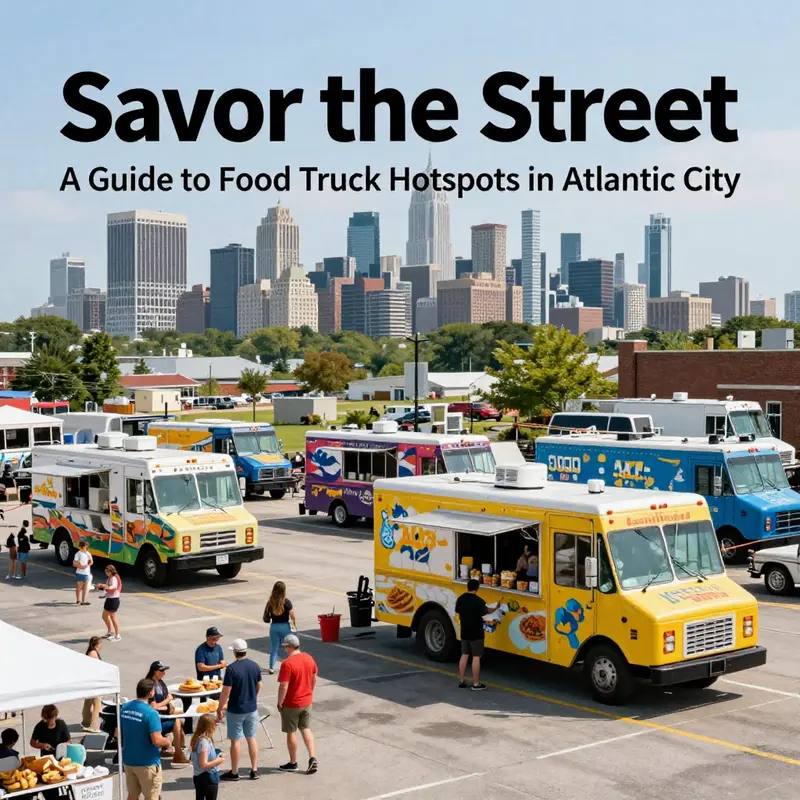
Atlantic City’s food truck scene does not exist in a vacuum. It sits at the intersection of municipal planning, public safety, tourism strategy, and small-business opportunity. The city’s approach is practical and staged: it keeps streets and sidewalks clear for pedestrians while designating specific spots where a mobile kitchen can operate with proper authorization. This method is not about confinement; it is about channeling energy—foot traffic, hungry visitors, seasonal crowds—into controlled, compliant venues that protect health, maintain cleanliness, and enhance the overall visitor experience. In practice, that means most days you will not see a fleet of trucks lining the sidewalks the way you might in some other cities. Instead, you’ll encounter clusters of trucks in carefully chosen public lots and at carefully scheduled events, each location chosen to maximize visibility without compromising safety and city standards. The design is deliberate, and the rules are clear: no one may operate a vending unit or food truck on streets, highways, sidewalks, or public property without the appropriate authorization. This baseline ensures a predictable rhythm to the city’s food landscape and helps keep streetscape aesthetics in balance with commerce and public health.
The designated public spaces are the backbone of Atlantic City’s plan to expand opportunities for small businesses while preserving the city’s iconic pedestrian experience. Public parking lots and municipal facilities become the conventional homes for trucks when the city wants to showcase a rotating cast of culinary offerings in high-visibility zones. These spaces are chosen not only for their convenience but for their alignment with zoning rules and safety standards. The designation is gradual and strategic; it is not a free-for-all, but a framework that offers credible, recurring options for operators who meet the licensing and health requirements. In other words, these designated areas are the city’s way of saying, “We want to see your food in places where people gather, but we also want to see families, cyclists, and visitors safe and comfortable as they explore the boardwalk corridors and the tourism districts.”
Temporary openings during events and special occasions form another crucial pillar of the city’s approach. Atlantic City hosts a slate of events at locations such as the Boardwalk, the Convention Center, or other city-sponsored venues. During these times, trucks can receive temporary permits that allow operation in event-specific zones. The logic is straightforward: events generate concentrated foot traffic, and a limited number of trucks can contribute to the ambiance and convenience of attendees without overwhelming pedestrian flow or creating conflicts with nearby vendors, public safety operations, or traffic management. The permit process for events is designed to be transparent and predictable, giving operators a viable path to participate in a festival atmosphere while ensuring compliance with safety, sanitation, and emergency access requirements. This balance between predictability and flexibility is essential for keeping Atlantic City’s food offerings fresh and accessible across the calendar year.
A third channel for mobile meals involves private property with permission. The city recognizes that private venues—from business parks to shopping centers and private events—may welcome food trucks as a value-added experience for their customers and employees. In these settings, the operator must obtain explicit permission from the property owner and still comply with all applicable local regulations. The private-property route is not an exemption from rules; it is a licensing hygiene and safety lane, ensuring that a business’s presence does not disrupt nearby commerce, disrupt traffic flows, or compromise sanitary conduct. Property owners serve as the local regulators in these spaces, but the overarching standards—zoning compliance, health department oversight, and the vending unit licensing requirements—remain intact. The net effect is a flexible system that can accommodate traditional brick-and-mortar venues seeking a pop-up flavor, corporate campuses desiring a lunchtime rotation, and boutique events looking to diversify their food offerings without sacrificing safety and order.
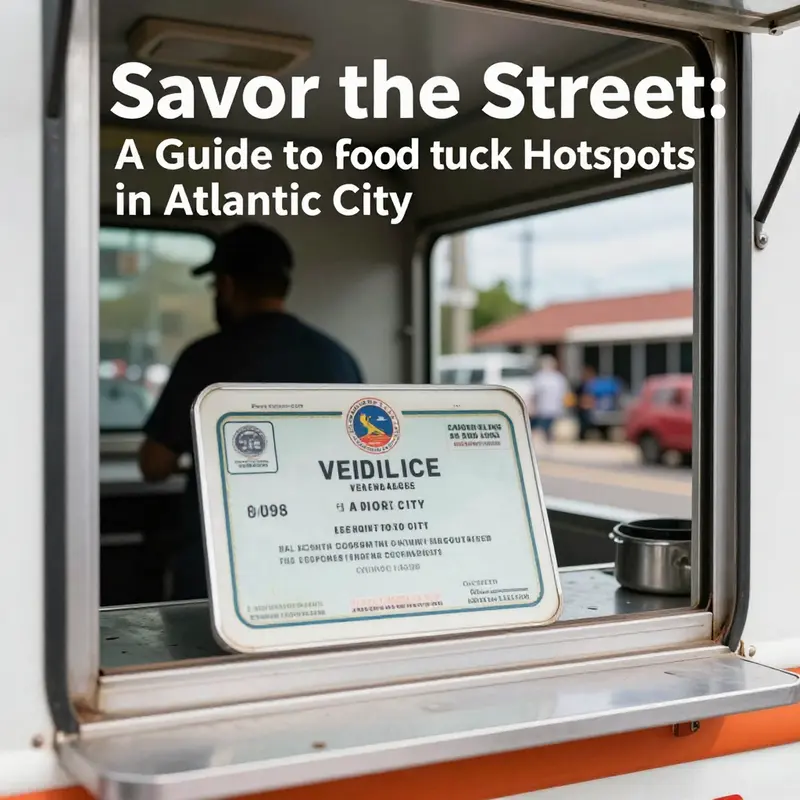
Central to this entire framework is the vending unit license issued by the Atlantic City Department of Licenses and Permits. The license is the formal credential that confirms a vendor’s legal right to operate within the city’s boundaries and in the chosen designated spaces. It embodies more than a permit; it is a declaration of compliance with a suite of standards, spanning food handling, waste management, sanitation, vehicle cleanliness, and adherence to health regulations. The licensing requirement operates in concert with zoning and health regulations, ensuring that every truck, every menu, and every portable cooking setup meets established health and safety criteria. Vendors do not operate in isolation here; they operate within a system that emphasizes accountability, traceability, and public health. The process to obtain and maintain the license may involve inspections, renewals, and periodic updates to reflect evolving health codes or municipal policies. In this sense, the license is both permission and responsibility—the gateway to visibility and the fiduciary obligation to protect the public’s well-being.
The city’s expansion of designated spaces is not just procedural prudence; it is also a strategic bet on what makes Atlantic City attractive to visitors. The designations are spatially thoughtful—chosen to maximize visibility and pedestrian flow while respecting zoning constraints and ensuring compliance with safety standards. The idea is to create a robust ecosystem where culinary entrepreneurs can reach diverse audiences across various neighborhoods, from the high-traffic tourist corridors to the more intimate shopping centers that draw daily crowds. By anchoring trucks in public lots and municipal facilities, Atlantic City provides a reliable, recurring platform for vendors that are vetted and licensed, helping to reduce the uncertainty often faced by small operators who otherwise worry about finding legitimate, compliant places to park, serve, and operate. This is not a one-time experiment; it is the city’s ongoing commitment to integrating mobile food into the urban fabric in a way that sustains both business viability and the visitor experience.
For operators, the appeal lies in the predictability of space once permits are secured. The designated areas are not random stops; they are part of a curated map that aligns with peak traffic periods, events calendars, and strategic gateways to major tourism hubs. A truck parked in a designated lot during a city-approved window can become a staple of that location’s identity for the season, offering a reliable option for locals and tourists seeking quick, flavorful bites between activities. In turn, the visitors gain convenience and variety—an added layer to Atlantic City’s famous mix of gambling, entertainment, beaches, and boardwalk attractions. The design also reduces friction between vendors and traditional brick-and-mortar food providers by setting clear boundaries and schedules, which helps everyone plan more efficiently and respond to fluctuations in demand. The city’s planners and health officials understand that the success of a designated space depends on ongoing maintenance: waste disposal protocols, routine sanitization, safe food handling, and a cadence of inspections that reassure the public and the merchant alike.
As with any evolving policy, the devil is in the details. The city’s announcements emphasize that the designated areas are carefully chosen to maintain a balance of foot traffic, safety, and compliance. The process for applying to operate in these spaces is not opaque; the official channel provides information on available spots, application procedures, and eligibility requirements. Prospective vendors are advised to consult the Atlantic City government website for current permit requirements and the latest approved locations. The program’s transparency is intended to prevent confusion and to foster a sense of opportunity that feels open yet accountable. In practice, this means that the city is inviting new vendors to participate in the reinvention of Atlantic City’s culinary streets while preserving the integrity of public spaces. The balance between openness and control is delicate, but it is central to the city’s long-term vision of a vibrant, safe, and diverse food landscape.
One can sense the strategic intent in the way these designated spaces are framed. They are not merely places to park a truck; they are nodes in a broader narrative about Atlantic City as a place where tradition meets innovation. The designated public lots act as visible landmarks where visitors know they can discover new flavors without disrupting the flow of pedestrian traffic. Event corridors bring a sense of seasonal renewal, inviting locals and tourists to explore different menus in tandem with concerts, conventions, and cultural happenings. Private-property arrangements offer a flexible alternative for venues looking to monetize their space with a dynamic, on-site food experience. Taken together, these elements form a coherent ecosystem that supports entrepreneurship, sustains a dynamic culinary scene, and keeps safety and hygiene at the forefront.
For readers curious about concrete steps or who want to plan ahead, staying aligned with official guidance is essential. The Atlantic City government website provides the authoritative resource for available spaces, application windows, and any changes to permit requirements or site designations. The city’s approach to food trucks demonstrates a mindful blend of opportunity and oversight: opportunity in the form of accessible spaces and event-driven windows, oversight in the continuous alignment with zoning, health, and public-safety standards. The result is a pragmatic model that other coastal cities might study when considering how to harness the energy of mobile food vendors without compromising the public realm. The narrative behind Atlantic City’s designated spaces is not merely about where trucks can go; it is about how a city can choreograph mobility, flavor, and community in a way that serves residents, visitors, and operators alike.
For a broader glimpse into how other cities balance similar dynamics, the Lakewood piece on 2026s-best-food-truck-rallies-what-lakewood-has-in-store provides a comparative lens on event-driven opportunities and the role of community-invited vendors in a regional food scene. See the linked article for a perspective that echoes certain themes—visibility, accessibility, and the importance of well-timed permission windows—though the specifics of Atlantic City’s program clearly reflect local regulatory contexts. This cross-city view can be a helpful companion as vendors assess whether Atlantic City’s designated space approach aligns with their growth plans and event calendars. 2026s-best-food-truck-rallies-what-lakewood-has-in-store
In sum, Atlantic City’s designated areas for food trucks—public lots, municipal facilities, event corridors, and select private-property spaces—form a thoughtfully constructed lattice. The lattice supports a diverse, resilient food landscape that can adapt to seasonal rhythms and city-sponsored happenings. It is a framework that invites new entrants while protecting public health, pedestrian flow, and neighborhood character. The licensing and regulatory backbone—vending unit licenses tied to zoning and health oversight—translates ambition into accountability. And the ongoing expansion of designated spaces signals a city that wants culinary diversity to be an engaging, accessible, and safe feature of the Atlantic City experience. For operators, the invitation is clear: pursue the official pathways, participate in the designated-space program, and align with the city’s standards so that the aroma of a new menu can travel far and wide without compromising the very streets and spaces that define Atlantic City. For residents and regular visitors, the result is a city that shows up with more flavor, more variety, and a steady rhythm of approved opportunities to discover something new in a place that already excels at hospitality and entertainment. The balance of openness and regulation in Atlantic City’s food-truck policy offers a blueprint for responsible urban entrepreneurship in a destination that thrives on movement, spectacle, and flavor.
External resource: Atlantic City official Food Truck Program. https://www.atlanticcitynj.gov/food-truck-program
Private Property, Public Policy: Atlantic City Food Trucks on Private Land
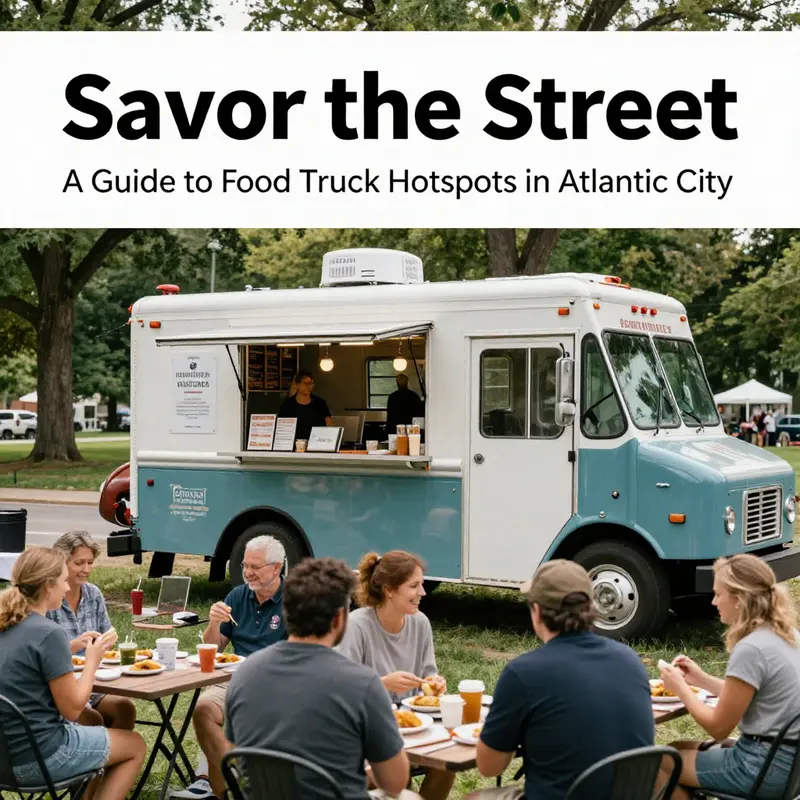
Atlantic City’s approach to private property food trucks balances private consent with public oversight. A food truck cannot simply park on private land without the property owner’s explicit permission and the city’s municipal approval. Health and safety standards equivalent to a stationary storefront apply, including proper storage, sanitation, and clear ingress and egress paths. Zoning determines which sites can host a truck and during what hours; some properties such as shopping centers or corporate campuses lend themselves to temporary setups during peak times, while others require stricter controls. The licensing process requires the operator to obtain a vending unit license from the city’s department of licenses and permits, and to comply with site-specific rules negotiated with the property owner. For events on private property, the same framework applies. Ongoing coordination among operator, owner, and city ensures safe traffic flow, accessible emergency routes, and a limited nuisance. Good private property practice aligns the site goals with public policy, enabling local entrepreneurship while preserving neighborhood character and pedestrian safety. Keeping current with the city code and resources helps operators plan for site permissions and renewals, and ensures compliance with health, safety, and waste disposal requirements. This approach demonstrates how private property can host vibrant food service without compromising public interests.
null
null
Final thoughts
Understanding the landscape of food truck operations in Atlantic City is crucial for aspiring operators and food enthusiasts alike. From securing the necessary permits and licenses to finding the best locations, knowledge is your best ally in making the most of this vibrant food scene. As you explore the designated areas or consider private properties for your food truck venture, remember that community engagement and compliance with regulations are key to thriving. Embrace the flavors of Atlantic City and enjoy the unique food truck experience that awaits you!