
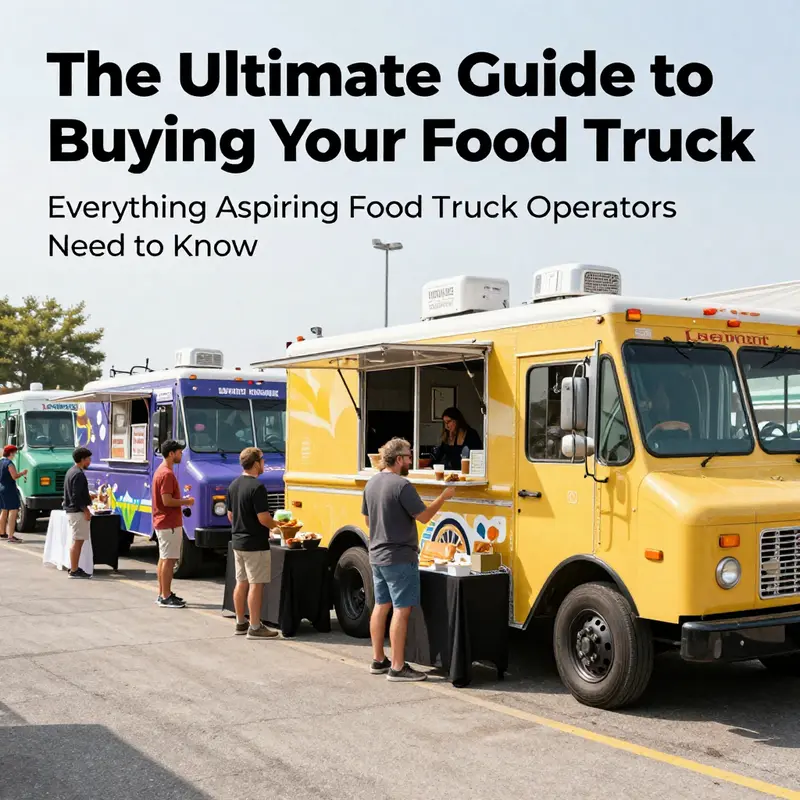
For anyone dreaming of whipping up delicious bites and serving them from a mobile kitchen, buying a food truck is the first step in a culinary adventure. In Lakewood, the aroma of street food wafts through parks and festivals; these are the bustling moments that aspiring food truck operators seek to create. Whether you’re a local or a tourist intrigued by the food scene, understanding how to buy a food truck can open doors to delightful meals on wheels. This guide will help you at every turn—starting from defining the concept that truly excites you, to choosing the right vehicle that fits your vision, and navigating the key features and regulations so you can hit the ground running. Get ready to dive into the vibrant world of mobile cuisine!
Shaping a Food Truck Concept That Works on the Street and on Paper
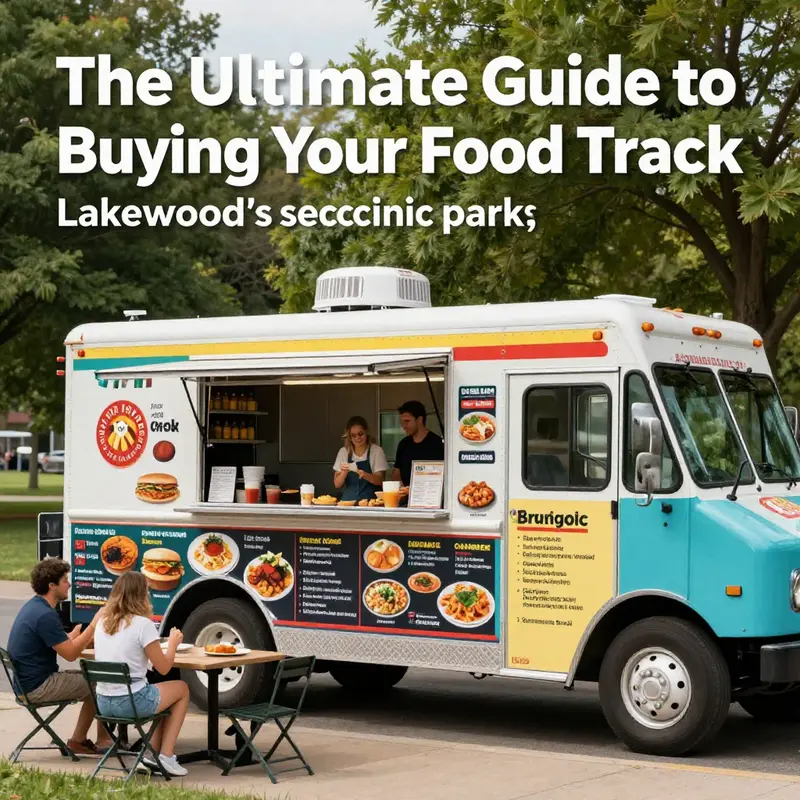
Shaping a Food Truck Concept That Fits Your Vision and Market
Defining your food truck concept is the step that turns a vague idea into a workable business plan. Your concept will influence every decision you make. It will shape menu design, kitchen layout, staffing needs, pricing, branding, and where you park. A clear concept reduces costly course corrections later. It also makes permits easier to plan for, and helps you choose the right truck and equipment from the start.
Begin by answering a few direct questions. What do you want to serve? Who will buy it? How will you serve it? What price point feels right for your target customer? Be specific. If your answer is simply ‘street food,’ narrow it. Pick a style, a handful of signature items, and a service rhythm you can replicate daily. Specificity forces useful trade-offs. It clarifies equipment needs and makes operations leaner.
A tight menu is a strategic advantage. A menu with five to eight reliable items is easier to execute inside a compact kitchen. It limits the number of cooking stations, reduces inventory complexity, and speeds service. When you design a menu, think about ingredient overlap. Choose proteins, sides, and toppings that can be reused across several dishes. That reduces storage requirements and lowers food waste. It also helps during busy service when you need to move fast.
Consider how your food will be prepared and presented. Foods that require a wood-fired oven demand a specific truck layout and ventilation. Deep-fried items need proper fryers and fire suppression systems. Cold-prep concepts require extended refrigerated storage and a different flow. A concept that depends on temperature-sensitive ingredients might limit where and how long you can park during a shift. Match the food to the space.
Your service style needs to align with your concept. Counter-service works well for quick-serve menus where speed matters. Table service or on-site finishing may be possible at events, but they slow turnover. Decide if you will prepare everything to order or use a partially prepped system. Prep can happen in a commissary to avoid space constraints, but that adds a layer of logistics and cost. Make the choice that keeps quality high without making operations impractical.
Price positioning signals who your customer will be. Are you a premium option for food lovers or an affordable choice for a lunchtime crowd? Higher prices allow for premium ingredients and smaller volumes. Lower prices demand faster turnover and simpler preparation. Think in terms of both perceived value and margins. A value menu with thin margins often requires higher volumes to break even. A premium menu may sell fewer items but generate healthier profit per sale. Align pricing to your realistic daily sales expectations.
Target market research does not need to be elaborate. Walk the neighborhoods you plan to serve. Notice who is there at lunch, after work, or on weekends. Are they office workers, students, shoppers, or families? Watch which cuisines draw crowds. Talk to potential customers. A short conversation can reveal whether your concept resonates. Use those observations to refine menu items and price points.
Branding should reflect the concept and the customer. A family-friendly truck and a late-night street-food truck require different tones, color palettes, and menu layouts. Your visual identity must be consistent with your food, service style, and location choices. But remember: functional clarity matters more than cleverness. Menu boards must be legible. Order workflows must be obvious. Strong branding attracts attention. Clear communication keeps customers moving.
Location strategy is a core part of concept definition. The places you can operate legally will shape what concept is viable. Some neighborhoods have active lunch crowds but strict parking rules. Others host events and festivals where crowds expect novelty and premium items. Match your concept to the operating landscape you can realistically access. A concept designed for late-night festivals will struggle if you cannot secure event permits.
Regulations will shape your concept as much as customer preference. Food trucks are both vehicles and kitchens, so they fall under multiple regulatory frameworks. Look up local zoning rules, mobile vendor ordinances, and health department requirements. Some cities restrict where trucks may park, limit the number of trucks in a neighborhood, or reserve certain spots for brick-and-mortar businesses. Understanding the legal environment early prevents painful reversals and wasted investment.
Operational constraints feed back into concept choices. If local rules prohibit cooking on-site, you may need to operate a cold-prep concept or rely on a commissary for hot prep. If rules limit generator noise or fuel type, you may need to invest in quieter or electric systems. Factor regulatory realities into your design. A concept that looks brilliant on paper can be impossible to execute under local rules.
Choosing the type of truck intersects with concept. Fully customized units let you match every inch of space to your menu. They are ideal for specialized equipment, such as wood-fired ovens or large grills. Pre-built trucks or well-executed conversions offer faster starts and lower initial costs. They work well for straightforward menus that fit standard kitchen footprints. Conversions are cost-effective but demand careful inspection to ensure safety and compliance. Decide early which route aligns with your concept and finances.
Kitchen layout must follow the flow of service. Plan stations for prep, cooking, assembly, and plating. Keep hot and cold zones distinct to meet health codes. Ensure sufficient handwashing sinks and cleanable surfaces. Storage should support the volume you expect to sell in a day. Consider the ergonomics of movement inside the truck. A cramped, inefficient layout will slow service and increase errors.
Equipment selection must be purpose-driven. A compact flat-top griddle may suffice for many menus. Fryers, steamers, ovens, and heavy-duty refrigeration have their place, but each adds to power requirements and ventilation needs. Think about power generation and fuel. Gas engines and onboard generators are common. Electric systems reduce local emissions and, in some markets, attract incentive programs. However, they require access to charging or shore power. Evaluate energy needs and how they fit into your preferred locations.
Food safety and sanitation should be non-negotiable in your concept. Choose materials and fixtures that are easy to clean and durable. Stainless steel is a standard choice in food trucks for good reason. Plan for waste storage, grease management, and wash procedures. These details affect both permit approval and everyday operations. A concept that neglects sanitation will face fines and lost business.
Staffing must match the service model. A two-person crew can run a focused, high-turnover menu. Larger crews enable more complex operations but increase payroll costs. Train staff on multitasking and efficient communication. Consider peak periods and plan for how shifts will be staffed. If your concept depends on made-to-order items with long prep times, hire accordingly or rethink menu complexity.
Inventory and supply chains are part of concept sustainability. Source ingredients that are reliably available and cost-stable. Local sourcing can be a selling point but can also introduce seasonal variability. Choose staple suppliers and backup options. The more complex your menu, the more delicate your supply chain becomes. Simplicity reduces risk.
Test your concept before a full purchase. Use pop-ups, catering gigs, or shared kitchens to trial recipes and service. Small tests reveal whether your assumptions about preparation time and customer demand hold. They also refine menu pricing and portion sizes. Real-world testing allows you to iterate cheaply.
Budget the concept realistically. Beyond the truck and equipment, include costs for permits, insurance, commissary rental, and ongoing maintenance. Factor in marketing, signage, point-of-sale systems, and initial ingredient costs. Allow for unexpected repairs. A conservative cash buffer keeps your operation afloat during early unpredictability.
When you are ready to shop for a truck, bring your concept documentation. A clear menu, a list of essential equipment, and a desired layout streamline conversations with manufacturers, dealers, and sellers. They can tell you which models and conversions fit your needs. If you plan to buy used, match the truck’s existing layout to your equipment list. Assess whether retrofitting will be economical.
Inspection of a potential purchase should verify that the vehicle and kitchen align with your concept. Check ventilation, gas lines, refrigeration, and electrical systems. Confirm that surfaces and fixtures meet sanitation standards. If a truck needs modifications, obtain quotes so you can compare retrofit costs to alternatives. Hire a professional inspector familiar with mobile kitchens whenever possible. Their experience can reveal issues you might miss.
Finally, plan for gradual growth. A strong concept can scale with added trucks, catering divisions, or brick-and-mortar offshoots. Design your initial operation to be repeatable. Standardize recipes, portion sizes, and supplier lists. Document workflows and training protocols early. These systems make expansion predictable and protect quality as you grow. A concept that is both practical and scalable gives you options if circumstances change.
Selecting the right concept for a food truck is an exercise in alignment. Match the food, service, price, and location to local reality. Build a menu that fits the kitchen you can operate legally. Choose equipment and a vehicle that suit your signature dishes. Test the idea in small ways before committing capital. When your concept and the operational landscape are in sync, buying the truck becomes a logical step toward a viable business.
For advice on which truck models suit startup operations and layouts, see this practical guide to the best truck models for Lakewood startups: best food truck models for Lakewood startups.
If you want deeper context on how regulations can shape food truck viability, review this analysis of regulatory challenges: https://www.latimes.com/business/story/2026-01-31/food-truck-regulations-challenges
Choosing the Right Food Truck: Match Vehicle, Menu, and Market Before You Buy
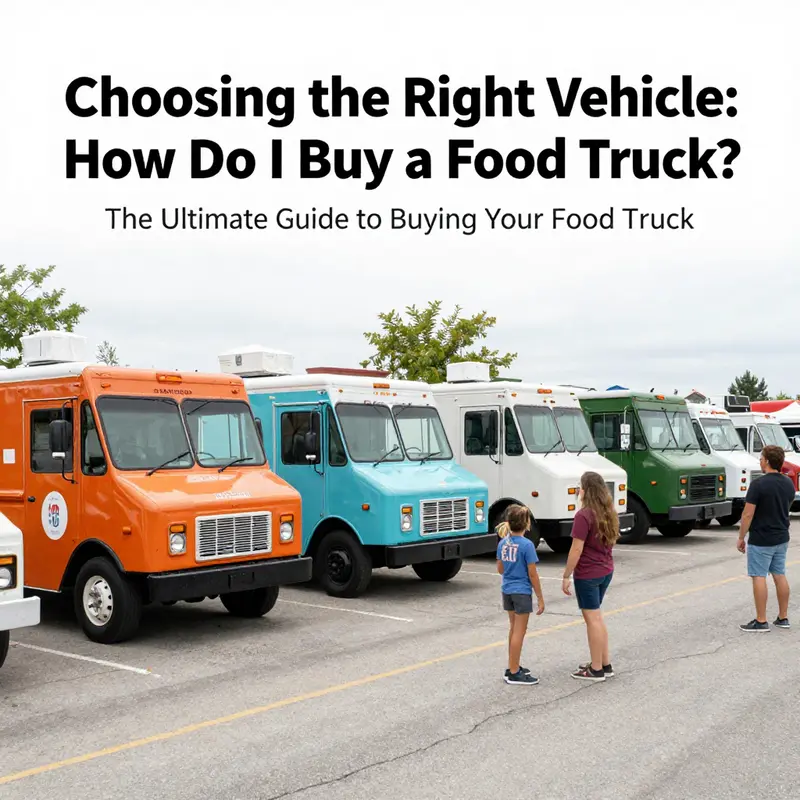
Selecting the right vehicle is more than a purchase. It defines how you cook, serve, and grow. When you buy a food truck, the chassis and layout become the backbone of daily operations. They set limits and create possibilities. Start by thinking about what your truck must do every single day. Will you navigate narrow city streets, or serve large crowds at festivals? Will your menu require powerful fryers and a full oven, or a compact espresso setup and a small prep area? Answering these questions narrows choices quickly.
Begin with operational scope. If you will work primarily in a concentrated urban area, tight turning radius and compact parking trump raw kitchen space. A smaller, maneuverable van-style vehicle helps you reach street corners and event alleys. If your plan includes long-distance moves between cities or frequent festival runs, prioritize chassis comfort and storage. A larger box truck offers more room for prep stations, bulk storage, and multiple staff. It also handles better on highways, with more space for propane tanks and extra fuel. Think about daily routes and peak events, not just average days.
Your menu drives the kitchen layout. Simple menus with handheld items need less equipment. A taco concept with a grill and refrigerated toppings, for example, fits well in compact footprints. Complex menus require zones: cooking, plating, refrigeration, and washing. Those zones must flow logically to avoid bottlenecks. Place cooking equipment near vents, prep areas adjacent to cooking lines, and cleaning stations near waste exits. If you design poorly, peak service becomes a choke point. A clear sketch of peak service workflow helps you decide both truck size and interior configuration.
Next, consider vehicle type and maneuverability together with staffing needs. Smaller crews need less service space. If you expect to run with one or two people, favor a layout that allows multitasking. Larger crews can justify a deeper kitchen and separate stations, but only if the truck offers that space without creating interference. Also think about ingress and egress for staff during busy service. Doors, sliding windows, and step heights matter. Simple ergonomic choices reduce fatigue and speed up orders.
Deciding between new, used, or custom vehicles is the financial hinge of the purchase. New vehicles offer the advantage of warranties and up-to-date components. They arrive with modern insulation, electrical systems, and often with a fresh chassis that requires less immediate maintenance. But new trucks cost significantly more. If your capital is limited, a used vehicle may be the smarter choice. Used trucks lower the initial outlay and shorten lead time to open. The trade-off is potential hidden wear and the need for more frequent maintenance early on.
Custom builds sit at the high end. They let you design every inch. If your menu or brand needs a unique layout, custom conversion is attractive. It is, however, the most expensive path. Custom builds also take months to complete. Budget for delays and contingency costs. Whether new, used, or custom, always match the vehicle’s mechanical condition to its intended use. A well-built used truck can outperform a cheaply converted new chassis if the work was done by skilled technicians.
A thorough inspection is non-negotiable. Inspect the engine, transmission, brakes, and exhaust system. Check for rust in the frame and corrosion near plumbing and gas fittings. Look under flooring for signs of water damage or rot. On the kitchen side, test all electrical outlets, lighting, and ventilation. Run every appliance on its intended fuel source to confirm proper operation. Document serial numbers and model information for equipment warranties. If mechanical inspection is outside your skill set, hire a mechanic familiar with commercial vehicles. Their expertise often saves more than their fee.
Ventilation and exhaust are critical safety and performance features. Proper hood and exhaust systems remove grease and heat. They also ensure compliance with health department standards. Ventilation affects worker comfort and gas appliance performance. When inspecting a vehicle, assess hood placement, baffle filters, and duct runs. Look for clean, accessible grease traps and service points. A poorly designed exhaust system can cause smoke buildup, trigger kitchen shutdowns, or fail inspections.
Power and utilities shape daily running costs and service reliability. Decide whether to rely on the vehicle’s engine-driven power, a generator, or an onboard electrical system. Many operators use a combination: the truck alternator for basic needs and a generator for peak load. Consider fuel types carefully. Propane remains common for cooking because of reliable heat and portability. Electric appliances are cleaner and quieter, but they demand robust battery and inverter systems. If you plan to run off-grid for camping-style events, prioritize battery capacity and charging options.
Refrigeration and cold storage are essential for food safety. Size your refrigeration to handle peak inventory. Undersized units force frequent restocking and complicate prep. Ensure refrigeration has reliable seals and efficient compressors. Verify operation under load and listen for unusual noises. Consider the climate where you’ll operate; hot regions require heavier-duty refrigeration. Insulation and airflow inside the truck help preserve internal temperatures. Design storage to minimize cross-contamination and to allow quick access during service.
Layout thinking should begin before you buy. Sketch a workflow from delivery to service. Where will supplies enter? Where will dirty dishes exit? How will staff move between stations? Good layouts minimize cross-traffic. They place waste handling away from food prep. They ensure service windows are clear and accessible. If possible, simulate a rush service on paper. Walk through the motions mentally or with a team. That exercise exposes awkward angles and unnecessary steps.
Consider chassis variety and suspension for comfort and longevity. Medium-duty chassis handle heavy kitchen equipment better than lighter vans. They provide stiffer frames and better suspension for stability. If your concept includes heavy items like large fryers or ovens, choose a chassis rated for the weight. Overloading voids warranties and increases wear on brakes and tires. Balance kitchen needs with chassis ratings to avoid costly repairs and citations.
Think about long-term maintenance and parts availability. Choose a chassis and appliance line with easy access to service and replacement parts. Local mechanics and suppliers reduce downtime. If you plan to travel across regions, favor widely supported vehicle platforms. A rare chassis can mean long waits for parts and higher towing costs. Regular service schedules extend vehicle life and prevent mid-service failures that would disrupt your operation.
Regulatory compliance influences vehicle choice. Local health departments set specific requirements for sinks, water supply, waste tanks, and handwashing stations. Fire codes dictate extinguisher placement and gas shut-offs. Zoning and vendor permitting may restrict where you park. Research local rules early. Failing to match regulations can convert a promising truck into an expensive retrofit project. For detailed guidance on vehicle requirements and mobile food regulations, consult specialized national resources. The National Food Truck Association offers practical buyer guidance that helps match vehicles to local codes and operational needs: https://www.foodtruck.org/.
Budget for conversions and unexpected expenses. Even a fairly equipped vehicle may need modifications. Additions like exterior serving windows, custom signage mounts, or upgraded insulation add cost. Factor in permits, inspections, and any required engineering approvals. Create a contingency of at least 10 to 20 percent of the purchase price to handle surprises. Cash flow often tightens during the first months; avoid depleting all reserves on the vehicle alone.
When evaluating used trucks, request maintenance records. Those records tell the story of prior care. Ask about past repairs, frequency of service, and reasons for sale. Examine receipts for replaced components like compressors, alternators, or transmission work. A truck with regular maintenance history usually performs better long term than one with spotty records. If records are missing, weigh that absence in negotiations.
Negotiation and purchase process benefit from clear priorities. Know your absolute must-haves: required equipment, vehicle weight rating, and minimal interior dimensions. Those items form a walk-away threshold. Everything else is negotiable. Use inspection findings to adjust price expectations. If you discover worn tires, frayed hoses, or outdated equipment, incorporate repair costs into your offer. Secure the purchase through clear documents and, if needed, an escrow service or bank transaction that protects both parties.
Insurance and liability coverages deserve equal attention. Vehicle insurance for commercial use differs from private policies. Coverage must include liability, collision, and equipment protection. Some policies cover loss of income if the vehicle is disabled. Compare quotes from brokers familiar with mobile food operations. They can advise on appropriate coverage levels and common pitfalls.
Once purchased, build a maintenance routine. Daily checks of oil, fluid levels, and refrigeration temperatures prevent failures. Weekly cleaning of exhaust and filters maintains safety and efficiency. Keep a logbook for inspections and repairs. A disciplined maintenance habit reduces emergency repair costs and prolongs the vehicle’s life.
Finally, tap community knowledge. Established operators share practical tips about layout, suppliers, and event logistics. Review local industry resources and model recommendations tailored to your market. For example, a curated list of models popular with nearby startups can reveal what performs well in similar conditions. That local insight shortens the learning curve and helps align your vehicle choice with real-world experience. Learn from peers, and adapt proven solutions to your concept.
Choosing the right food truck means aligning vehicle capability with menu demands and market realities. Balance size, maneuverability, and equipment needs against budget and maintenance realities. Inspect thoroughly, plan layouts for peak service, and confirm regulatory compliance before closing the deal. With a clear checklist and informed priorities, the right vehicle becomes a durable platform for your brand and operations.
For a closer look at models that work well for local startups and how they match market needs, review a curated guide to popular food truck models in nearby markets: https://lakewoodfoodtrucks.com/best-food-truck-models-for-lakewood-startups/.
Essential Features and Legal Musts: What to Look For When Buying a Food Truck
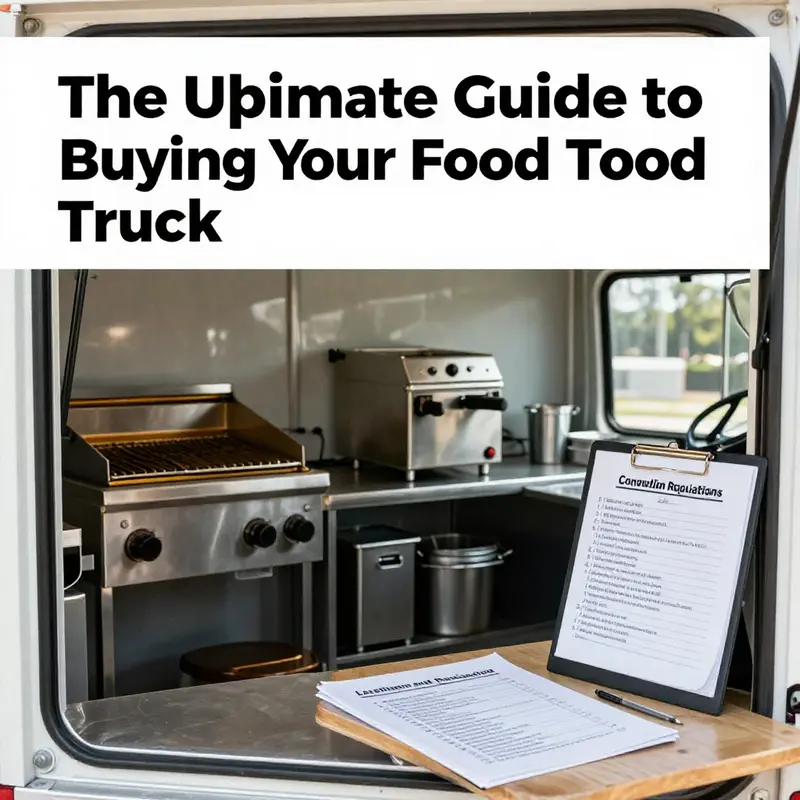
Key features and regulatory roadmap for buying a food truck
Buying a food truck requires decisions that shape daily operations. You must think like a chef, mechanic, and regulator all at once. The vehicle you choose sets limits on menu complexity, staffing, and where you can park. Focus on the combination of layout, durability, and compliance. Each choice affects cost, speed of setup, and long-term maintenance.
Start by imagining a typical service shift from arrival to cleanup. Picture unloading supplies, setting up the service window, cooking during peak hours, and closing out. The truck should support that flow without bottlenecks. Layout matters more than brand. A narrow galley kitchen can work if equipment is arranged for smooth handoffs. A cramped walk-in model fails when two cooks try to work side by side. Pay attention to sight lines so crew can anticipate orders. Plan counter and pass areas where servers can hand food safely. Ensure there is a clear path for waste and a separate path for clean supplies.
Size and mobility determine where you can operate. A large, fully outfitted truck offers capacity for complex menus. It also limits access to tight downtown streets and low-clearance areas. Smaller trucks and trailers win on fuel economy and parking flexibility. They may restrict menu items to what the smaller equipment can handle. Consider the gross vehicle weight rating. Overloading a chassis has legal and safety implications. It affects licensing, insurance, and the need for a commercial driver credential. Ask for the GVWR, axle ratings, and current curb weight. Factor in water, fuel, and propane weight when estimating loaded mass.
Material choice affects longevity and hygiene. Stainless steel is the industry standard for food-contact surfaces. It resists corrosion and cleans easily. Nonporous finishes prevent bacterial growth and hide fewer scratches. Flooring should be durable and slip-resistant. Welded seams and coving where walls meet counters make cleaning faster. Insulation matters for temperature control and noise. Well-sealed windows and doors reduce drafts and keep pests out. Exterior paint and bodywork are worth inspecting. Rust around seams or undercarriage components can mean costly future repairs.
Kitchen equipment must match the menu, not the other way around. If you plan to fry, you need a properly vented fryer with a rated suppression system. If you make sandwiches, a griddle and refrigerated prep table may suffice. Refrigeration capacity affects inventory strategy. Overestimating refrigeration leads to wasted space. Underestimating it forces more frequent restocking. Sinks are non-negotiable. Health codes require specific sink counts and sizes for hand washing and utensil washing. Verify hot water capacity and recovery rates for your chosen water heater.
Power and fuel choices change operational costs and permit requirements. Traditional setups use vehicle alternators, generators, and propane. Newer setups can include shore power and battery systems. Battery systems can reduce noise and emissions. They may also require different charging infrastructure and safety systems. Generators must be sized to handle peak draw. Undersized generators trip circuits and stall service. Consider metering and circuit protection. Label panels and provide clear schematics for electricians and inspectors.
Ventilation and fire suppression protect life and property. Hood systems must meet local fire marshal standards. Grease filters and exhaust ducting need regular cleaning. Fire suppression systems must be rated for the appliances installed. They need annual inspection and re-certification in some jurisdictions. Propane systems should use certified regulators and leak-detection devices. Grounding and bonding prevent static or stray current issues during fueling.
Water, waste, and plumbing often create surprises. Fresh water tanks require food-grade materials. Waste tanks must be sized for the longest run between authorized disposal points. Many cities require service agreements with a licensed waste hauler or commissary. Plumbing connections and pump-out access must be accessible without violating local rules. Install easy-to-open cleanouts and labeled service panels. Test hot water pressure and check for leaks under bench areas. Corrosion around fittings can indicate long-term problems.
Storage and inventory management determine how busy you can get. Dry storage should be rodent-proof and elevated from the floor. Shelving must be anchored to prevent shifting while driving. Consider lockable compartments for boxes and small-quantity bulk goods. Ice and cold chain strategies affect how much product you can hold safely. Plan the space for peak occasions, like festivals or lunch rushes. Think about how often you will restock and where you will park to load and unload.
Operational ergonomics increases speed and lowers injury risk. Stepladders, handholds, and anti-slip flooring reduce accidental slips. Place heavy items at waist height to reduce lifting strain. Lighting over prep and service areas should be bright and shadow-free. Service windows must be at comfortable heights for both customers and crew. Consider how trash is handled during a rush. Temporary exterior awnings and heat lamps add comfort but can add setup time and require permits.
Maintenance access reduces downtime. Engine and chassis service points should be reachable without removing built-in fixtures. Fuel and battery systems need accessible shutoff valves. HVAC, refrigeration, and generator access panels speed repairs. Keep a clear service path to the engine bay and major components. Ask sellers to provide maintenance records. Review any recent work and receipts. A well-documented service history reduces risk when buying used.
Safety systems and insurance considerations protect you financially. Install a monitored alarm system and clearly labeled emergency exits. Ensure the truck has compliant reflectors and functioning brake lights. Check the chassis for frame damage and previous collision repairs. Obtain vehicle history reports and title documentation. Insurance policies vary for stationary and mobile operations. Talk with insurers early to understand coverage for liability, equipment, and downtime.
When shopping for a used unit, perform a methodical inspection. Start with the vehicle title and registration to confirm ownership. Check for liens and ensure the title transfers cleanly. Inspect the engine, transmission, and tires. Look for evidence of smoke, leaks, or unusual wear. Inside the kitchen, test each appliance and the hood fan while the generator runs. Verify that suppression systems are charged and correctly serviced. Inspect wiring for professional installation. Amateur wiring can hide code violations and fire risks. If in doubt, hire a technician experienced with mobile kitchens to conduct a pre-purchase inspection.
Understanding regulatory obligations early prevents costly delays. Health departments enforce sanitation, food handling, and waste disposal rules. They also require permits specific to mobile vendors. Zoning and municipal rules dictate where you can park and sell. Some cities restrict vending in certain districts or near brick-and-mortar restaurants. Others have rotating schedules that assign locations by permit. Festivals and private events often require temporary permits or proof of insurance.
Licensing typically involves several agencies. You may need a business license, a food service permit, and a vehicle permit. Fire department approvals are common if you use open-flame cooking or propane. Electrical and plumbing modifications might require separate permits. Permit fees and inspection timelines vary widely. Start the application process before you finalize a truck purchase. Some jurisdictions allow conditional inspections based on planned equipment. Others mandate that the truck meet local standards before a permit is issued.
Food safety training safeguards customers and staff. Many regions require food handler certification or food safety manager credentials. These courses reduce the risk of contamination and support consistent operations. Establish standard operating procedures for temperature control, cross-contamination prevention, and cleaning. Train staff on handwashing, glove use, and illness reporting. Proper documentation and visible certifications during inspections build trust with regulators and event organizers.
Commissaries and shared-use kitchens are often a regulatory requirement. These facilities provide approved spaces for food prep, refrigeration, and waste disposal. They may also offer water fill and waste pump-out services. Using a commissary simplifies compliance with storage and disposal rules. Factor in the commute and access hours. Some commissaries restrict late-night access, which affects restocking and cleaning.
Environmental regulations increasingly affect choices. Some cities restrict idling, fuel types, or emissions. Consider low-emission options if you plan to operate in dense urban areas. Electric and hybrid support changes permit requirements and charging needs. Check local incentives and grants for cleaner trucks. Noise ordinances affect generator use and operating hours. Plan for quieter generator models or battery backup systems if you expect strict noise enforcement.
Specific regional rules, like those in parts of Europe, illustrate how varied requirements can be. For example, many European cities allow vending at markets and festivals under flexible rules. Yet they still require hygiene, waste handling, and local permits. Research the exact rules for any city you plan to operate in. Contact the health and municipal offices to confirm details. Early conversations with inspectors reduce surprises at final approval.
When the inspection passes, keep a compliance folder in the truck. Include permits, inspection reports, equipment manuals, and maintenance receipts. Document routine cleaning and suppression system checks. Keep staff training certificates handy. This folder speeds festival applications and inspector visits. It also improves the resale value if you ever decide to sell.
A final checklist helps at the point of purchase. Confirm title and lien status. Verify the GVWR and axle capacities. Test all kitchen appliances and ventilation systems. Inspect plumbing and waste tanks. Review maintenance records and suppression certificates. Ask about past insurance claims and repair history. Confirm which permits will transfer and which you must obtain. Establish a timeline for retrofits needed to meet local codes.
If you want examples of practical model layouts and local startup advice, review curated guidance on suitable trucks for new operators. A helpful resource on model types and configurations can clarify trade-offs between size, equipment, and cost. See this guide to the best food truck models for Lakewood startups for layout ideas and startup planning.
For a deeper dive into technical standards, performance metrics, and international used-truck considerations, consult authoritative resources that detail conversion standards and grading. This can illuminate how inspection grades map to real-world reliability. External technical guidance is available here: https://www.japanfoodtruckguide.com/used-truck-standards
By combining careful equipment selection with early regulatory research, you reduce risk. The right truck meets your menu needs, fits your routes, and passes inspection. Plan for maintenance, staff training, and proper documentation. That preparation keeps service consistent and helps you focus on cooking and serving customers.
Final thoughts
Congratulations on taking the first steps toward launching your food truck business! By defining your food concept, choosing the right vehicle, and understanding the necessary regulations, you have set a solid foundation for your culinary journey. Remember that each food truck reflects its owner’s passion—let yours shine! Lakewood’s community is eager for delicious new offerings and innovative flavors, so now is the time to start reaching out to foodies and building your brand. Keep connecting with locals and refining your recipes, and soon you’ll be serving up tasty treats that create smiles one meal at a time.