
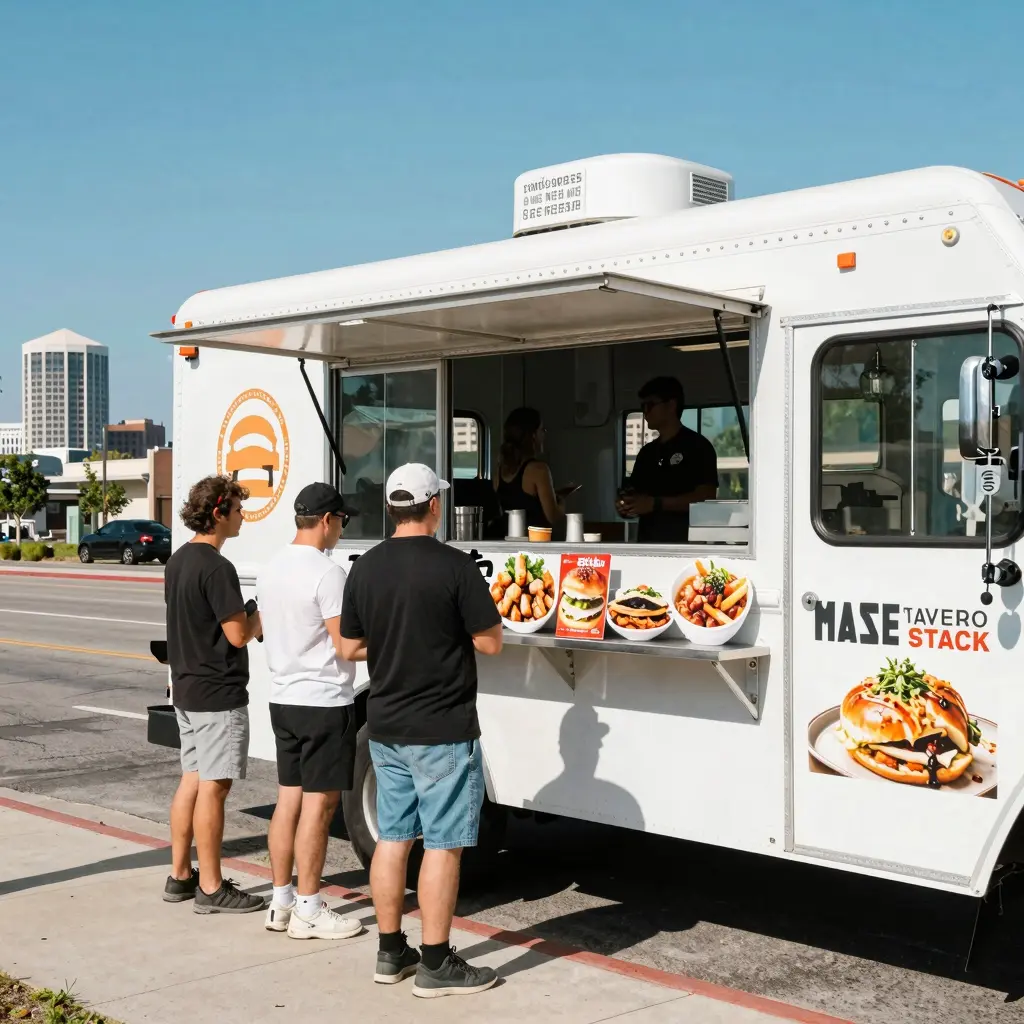
Introduction: The Thrilling Journey of Food Truck Entrepreneurship in Lakewood
Have you ever dreamed of serving up delicious meals while cruising around Lakewood? The excitement of starting your own food truck business is a thrilling opportunity that’s gaining immense popularity! Food trucks are popping up everywhere, from bustling city streets to local festivals, reflecting a growing culinary trend that attracts both food lovers and entrepreneurial spirits alike. In fact, the food truck industry has shown an impressive average growth of 4.9% annually, with projections indicating the market is set to reach USD 6.06 billion by 2030!
However, before you hit the road with your culinary creations, there’s a crucial step that cannot be overlooked: obtaining the necessary food truck permits. Navigating the requirements for these permits can feel daunting, but understanding them is essential for compliance and success in this competitive market. From local business licenses to health department approvals, each regulation ensures that your food truck operates legally and safely, allowing you to focus on delighting your customers with every bite.
So, whether you’re an aspiring food truck operator eager to make your mark or a tourist in Lakewood ready to savor some incredible mobile cuisine, recognizing the importance of these permits will set the stage for a successful food truck adventure! For a deeper dive into the excitement of Lakewood’s food truck scene, explore what’s in store for 2026’s best food truck rallies and discover local culinary delights that await you!
Food Truck Permit Requirements in Lakewood
Aspiring food truck operators looking to set up in Lakewood must navigate a series of local regulations for a food truck permit. While exact requirements can often vary, they typically align with California statewide regulations. Here’s an ordered list detailing general requirements needed to obtain a food truck permit:
-
Business License
Obtain a business license from the local city or county government. This license allows you to legally operate your business in Lakewood. -
Food Service Permit
You will need to apply for a food service permit from the local health department. This often involves an inspection of your food truck to ensure it meets sanitation and safety standards.
Learn more about health regulations -
Health Department Permit
A health department permit is mandatory. This may require submitting detailed plans about your food preparation areas, equipment, and storage facilities. -
Fire Department Permit
Depending on the type of cooking you do, you may require a permit from the fire department, especially if you are using cooking equipment that emits smoke or heat. -
Vehicle Registration
Ensure your food truck is registered with the Department of Motor Vehicles (DMV) and complies with state vehicle laws. -
Insurance
Provide proof of commercial liability insurance. This protects against any accidents or injuries that might occur while you operate your food truck. -
Zoning and Property Regulations
Verify that you comply with local zoning laws, including restrictions on where food trucks can park and operate. Understanding these laws helps in avoiding fines or issues when serving customers. -
Local Permits
Depending on your specific location within Lakewood, there may be additional permits required by local authorities. It is wise to check your city’s regulations or consult with local officials.
Getting your food truck permit in Lakewood may initially seem challenging, but being informed about these requirements can ease the process. For further details about food truck operations in the area, you might find it helpful to explore Lakewood’s food truck gatherings or successes shared by fellow food truck operators.
Food Truck Permit Regulations in Lakewood
Operating a food truck in Lakewood is an exciting venture, but it’s essential to understand the local regulations that come with it! If you’re an aspiring food truck operator or a tourist curious about the tasty truck cuisine available in the area, here’s a friendly rundown of what you need to know regarding food truck permits in Lakewood.
Licensing Requirements
To start with, every food truck operator must obtain a food truck permit from the City of Lakewood. This includes submitting an application along with a fee, which varies based on different factors. The permit ensures that your food truck meets local health standards and safety regulations.
Health and Safety Standards
Lakewood’s regulations emphasize health and safety. Food trucks must adhere to strict health codes, which include:
- Sanitation Practices: Ensure your food truck is clean and sanitized to prevent foodborne illnesses.
- Health Inspections: Regular inspections by the health department are a must. These checks ensure that food truck operations comply with health standards.
Operational Guidelines
Lakewood also has specific operational guidelines that food trucks need to follow:
- Designated Areas: Food trucks can only operate in designated zones. Check with the city to find popular areas for food truck activity.
- Time Limits: Many locations have regulations on how long a food truck can park in one spot, contributing to smoother traffic and community interactions.
Community Focus
By adhering to these regulations, food trucks not only ensure their success but also contribute positively to the Lakewood community. It’s great to see diverse cuisines catering to locals and visitors alike!
For more details on food truck regulations, check out Navigating Food Truck Regulations. If you’re eager to explore the local food truck scene, don’t miss out on Lakewood’s Food Truck Gatherings!
Food Truck Permit Cost Comparison
If you’re looking to start your food truck business in Lakewood or the neighboring cities, it’s essential to understand the varying costs associated with permits. Below is a comparative table highlighting the permit costs for food trucks in Lakewood, Tacoma, Puyallup, and Olympia.
| City | Permit Cost ($) | Notes |
|---|---|---|
| Lakewood | 100 | Estimated annual permit cost |
| Tacoma | 200 | Generally higher fees |
| Puyallup | 150 | Moderate costs |
| Olympia | 120 | Competitive within the region |
Insights
- Lakewood has the most affordable permit cost at $100, making it an attractive choice for new food truck operators.
- Tacoma presents the highest costs at $200, which could impact startup budgets.
- Puyallup and Olympia offer moderate pricing, with Puyallup slightly higher than Olympia.
For those interested in the local food truck scene, learn more about upcoming food truck rallies in Lakewood.
Additionally, understanding costs helps you budget better and make informed decisions about your food truck operations.

Image source: Food Truck Permit Costs Chart
Benefits of Obtaining a Food Truck Permit
Getting a food truck permit is a key step for anyone looking to start their culinary adventure on wheels, especially in a vibrant community like Lakewood. Here are some fantastic benefits of securing that all-important permit:
Legality and Compliance
Firstly, possessing a food truck permit means you are operating within the law. This compliance not only prevents hefty fines and legal troubles but also ensures you’re meeting all health regulations and safety standards. When customers see that you’re licensed, it boosts their trust in your food and service.
Enhanced Credibility
Having a food truck permit adds a layer of professional credibility to your business. It shows that you are serious about your venture and have taken the necessary steps to comply with regulatory requirements. This can greatly enhance your reputation among customers and fellow food truck owners.
Attracting More Customers
With a valid permit, you can set up your food truck in popular locations and participate in local food truck events or festivals. This not only expands your reach but also allows you to showcase your culinary skills to a broader audience. Engaging with the Lakewood community at events is a great way to attract repeat customers!
Access to Resources and Support
Many regions offer support services and resources for food truck owners, including training programs and networking opportunities, usually accessible to those with permits. This community focus can help you grow your business through shared knowledge and experiences.
In conclusion, investing the time to obtain a food truck permit is not just a legal formality; it’s a strategy for your business’s success. For more tips and insights on operating a food truck in Lakewood, check out our article on best food truck models for Lakewood startups!
Food Truck Industry Trends and Statistics for 2023
The food truck industry remains a vibrant and rapidly growing sector, especially appealing to aspiring operators and an exciting culinary experience for tourists. As of 2023, there are approximately 36,324 active food truck businesses in the United States, reflecting a nearly 10% growth compared to the previous year. This growth underscores the post-pandemic recovery and the increasing popularity of mobile culinary services.
States like California, Texas, and Florida have become hubs for food truck activity, hosting the highest concentration of vendors. This regional popularity highlights the growing demand for diverse and convenient food options in busy urban and tourist areas.
Financially, the global food truck industry is valued at around $2.7 billion, with an average food truck generating about $300,000 in annual revenue. This makes the food truck business an attractive venture for entrepreneurs looking for flexible yet profitable opportunities.
Key Trends Driving Growth
- Social Media Marketing: Over 70% of food trucks actively use social media platforms to engage customers and boost their sales, with some seeing revenue increases up to 30% thanks to marketing efforts online.
- Customer Experience Focus: Quick service and managing wait times effectively are crucial to maintaining loyal customers and attracting new ones.
- Innovation and Menu Diversity: Operators are constantly innovating their menus to offer unique, affordable, and culturally diverse food options.
Challenges
Aspiring food truck operators should be aware of challenges such as stringent regulations, competition intensity, and staffing shortages due to fewer young drivers entering the industry. Efficient operations and strategic marketing can help overcome these hurdles.
Inspiring Success Stories
The resilience and creativity shown by food truck entrepreneurs are inspiring. Many have transformed their passion for food into thriving businesses, contributing positively to local communities and the vibrant street food culture.
If you’re interested in seeing how the food truck scene thrives locally and want to learn more about the best food truck rallies in Lakewood, this is a great community to explore and grow your culinary dreams.
This booming trend highlights promising opportunities for newcomers, whether you’re an aspiring food truck operator looking to get started or a tourist eager to sample diverse flavors on wheels.
“As a food truck operator, I’ve learned that permits aren’t just pieces of paper-they’re the foundation of my relationship with the community. They not only keep us compliant but also show our commitment to safety and quality. Building a successful food truck isn’t just about the food; it’s about serving a community that believes in what you do. When we put down roots and engage with locals, we don’t just sell meals; we create experiences that unite us all. Always remember, the heart of your food truck is the community it serves!”
- Jamie Lee, Owner of “Tasty Wheels” Food Truck
This quote beautifully underscores the intertwining of permits, community engagement, and successful food truck operations, resonating with both aspiring operators and visitors alike.
Common Misconceptions About Food Truck Permits
Starting a food truck business is an exciting journey, but many aspiring operators face some common misconceptions about the permits needed. Let’s clear up these misunderstandings so you can confidently navigate the process!
Misconception 1: Permits Are Easy and Cheap to Get
While it might seem that getting a food truck permit is a quick and inexpensive step, the reality is that it involves multiple steps and fees. Permits often include health inspections, vehicle safety certifications, and sometimes zoning approvals. These steps ensure your truck meets local regulations and food safety standards, protecting both you and your customers.
Misconception 2: One Permit Covers All Locations
Food truck permits aren’t always one-size-fits-all. Different cities or counties may require separate permits even if you’re operating in close areas. It’s important to research local regulations for each location you want to serve. Some areas might have special events or zones where additional permits or permissions are needed.
Misconception 3: Permits Cover Any Type of Food Truck
Permits can vary based on the type of food you plan to serve. For example, preparing raw meat may require additional food safety certifications. Some permits might also stipulate the kind of equipment your truck needs.
Misconception 4: Permits Are a Barrier to Entry
Although permits require effort, they are there to protect your business and your customers. Think of them as a foundation for building a reputable operation. Completing the necessary paperwork and inspections sets you up for success and community trust.
By understanding these common permit misconceptions, you’re better prepared to meet your local requirements and take your food truck dream to the streets of Lakewood with confidence and pride.
For practical advice on picking your food truck and starting right, check out our guide on choosing your first food truck.
Ready to dive deeper into the world of food trucks? Explore the exciting opportunities presented at Lakewood’s best food truck rallies for inspiration and networking! Learn more about upcoming events
As you can see, obtaining a food truck permit is not just a bureaucratic step; it’s a vital foundation for launching your culinary dreams on wheels. Understanding the requirements and navigating the process will enable you to operate legally and successfully within the vibrant community of Lakewood. Whether you’re driven by passion for cooking or the thrill of entrepreneurship, a food truck offers a unique opportunity to showcase your culinary creations while engaging with a diverse clientele.
Now that you’re informed about the essentials, it’s time to take that exhilarating next step! Start gathering the necessary documentation, consult your local regulations, and plan for a business that not only satisfies your aspirations but also delights the taste buds of hungry consumers.
To help get your journey rolling, learn more about the best food truck models for Lakewood startups. Make your culinary mark today and explore the endless possibilities awaiting you with your very own food truck – the first step starts with securing that permit!
Ready to dive in? Check out Summit Fairings to find the right equipment for your food truck journey! Let’s create a food-loving community together!