
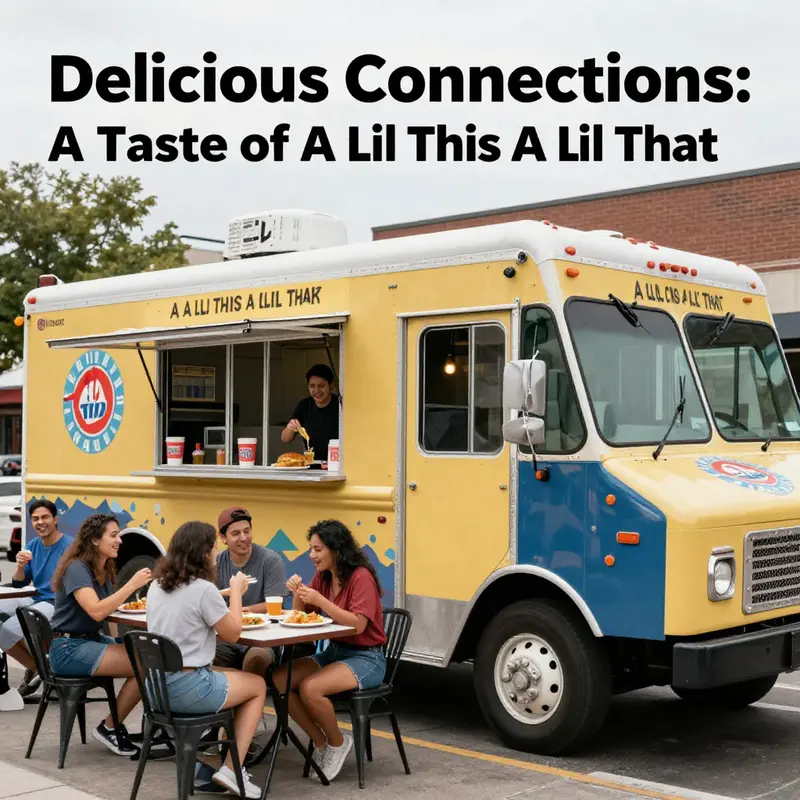
Nestled within the charming communities of Humble and Lakewood, A Lil This A Lil That food truck is more than just a moving kitchen – it’s a vibrant community hub. Encapsulating the essence of local flavors and friendly service, this food truck brand has carved its niche on TikTok and amongst food lovers who crave authentic, delicious meals on the go. Our journey into understanding this beloved truck will explore its innovative menu, deep community ties, savvy customer engagement, and the social media influence that unites its patrons. Join us as we uncover how A Lil This A Lil That not only serves up tasty meals but also enriches the local culture, drawing visitors and aspiring food truck operators to its flavorful offerings.
Under Ten, All Flavor: The Value-Driven Rhythm of A Lil This A Lil That Food Truck
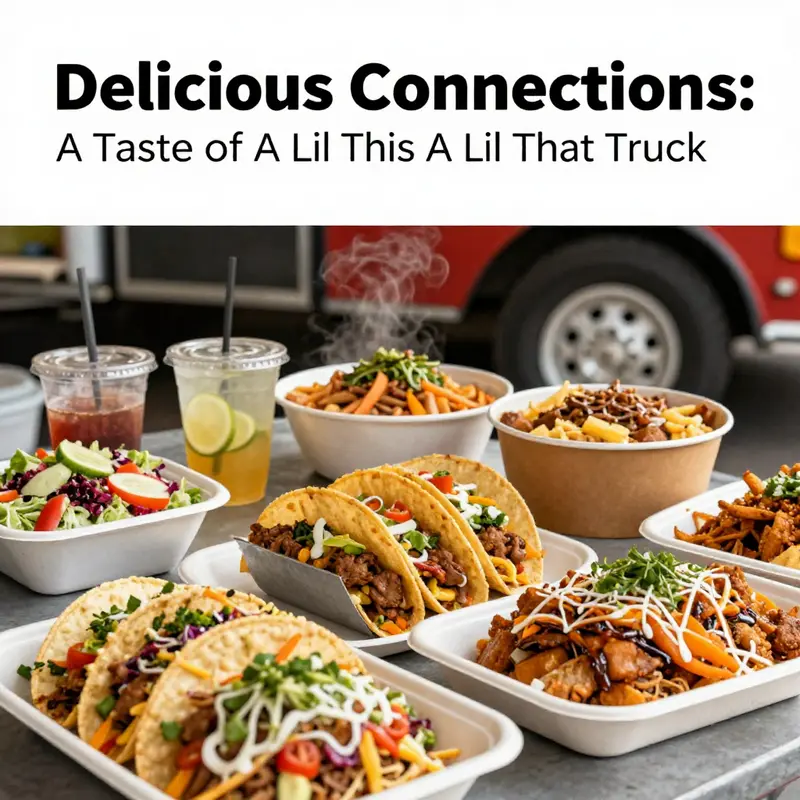
On a corner where the Humble sun hits the metal of a mobile kitchen, A Lil This A Lil That glides into the lunchtime rush with a simple proposition: great taste, priced for today. The concept is straightforward: a value menu under $10, designed for speed, consistency, and comfort. The aim is to feed as many hungry people as possible in a hurry, without sacrificing taste or personality. In the world of mobile dining, such a promise can be enough to build trust and a steady following.
The promotional video posted on November 16, 2025, on their TikTok account, though modest in likes, offers a window into the operation. It shows a compact kitchen in motion, the sizzle and steam, the way the cook counts seconds as orders arrive, the neat lines of plates landing on the counter, the quick exchange of a friendly greeting with the customers. The post signals a brand that is listening as much as it is serving. It is not merely about stepping up to a window and handing over a bag; it is about creating a moment when a customer feels seen, heard, and rewarded for their choice. This is the subtle power of a value menu in a local scene: it lowers the barrier to entry and invites a recurring, tangible ritual.
The Humble area in Houston provides a particular kind of dining rhythm. Lunchtime here is not a single demographic story. It is a mosaic of students, shift workers, families, and retirees who value speed as much as flavor. A value menu under ten dollars recognizes that a lunch break is a limited window, and every minute matters. It also acknowledges that the neighborhood wants options that can travel easily, items that can be eaten with one hand while the other points to the next street corner where the day continues. In this setting, a mobile kitchen with a visible price point becomes more than a source of nourishment; it becomes a reliable waypoint in a busy day.
Behind the scenes, pricing decisions are as much about psychology as they are about cost accounting. A line item under ten dollars anchors the entire menu in a shared sense of affordability. It signals generosity without blurting out discounts that erode the perceived value. The operators balance portion sizes, ingredient quality, and prep times so that each dish feels generous yet efficient. A well-calibrated plan allows high turnover without fatigue; it enables the same flavors to roll out repeatedly with minimal variance. The kitchen’s discipline shows in the careful stock management and the way it repurposes imperfect ingredients into a fresh, finished product. The result is a consistent batch of meals that travelers and locals alike can count on for a predictable price and a dependable flavor profile.
What makes the experience memorable is not only the price but the pace and personality that accompany it. The truck is not a static storefront; it is a moving neighborhood staple that travels with the rhythms of the day. The staff often greet regulars by name, swap a quick joke, and ask after a coworker or classmate who once stood in line. Those small social exchanges turn a quick transaction into a moment of connection. It is in these exchanges that value becomes more than a number. It becomes trust, reliability, and a sense that a community restaurant on wheels is a shared resource rather than just a pit stop. The food may be simple, the menu compact, but the hospitality can carry as much weight as any more elaborate dining experience.
In such a framework, the idea of value expands beyond price. It includes the reliability of the kitchen, the transparency of the ingredients, and the honesty of the portion sizes. It includes the ability to customize within a tight constraint, a skill that many food vendors cultivate to meet diverse needs without bloating the bill. A lily-white bowl of rice, a bright sauce, a garnish that brightens the plate, and a careful balance between crisp textures and tender interiors all contribute to the sense that you have received more than the money you paid for. The visual appeal of a well-prepared dish, even when the price is modest, matters. In the smartphone era, the first impression is often captured in a quick video or photo posted by a delighted customer. That loop of social proof reinforces the value proposition and invites new customers to walk up with curiosity rather than hesitation.
The narrative around this kind of menu is as important as the menu itself. It invites people to see a trade-off not as sacrifice but as a clever use of limited resources to maximize impact. It rewards repeat visits by promising consistent quality and quick service, both of which are essential for a mobile operation that thrives on speed and volume. When a customer knows that a few dollars can be transformed into a satisfying, flavorful meal and can be consumed on the go, brand loyalty begins to form in the margins of a busy day. The truck becomes a habit, a reliable option when the campus is crowded, when the office neighborhood is in full swing, or when a family just needs a tasty break from cooking at home.
Sustainability, too, quietly threads through this story. The choice to maintain a lean menu often goes hand in hand with a focus on waste reduction. Fewer SKUs mean fewer leftovers, less freezer burn, and a narrower spectrum of ingredients that must be tracked with care. This specificity helps the kitchen manage costs and maintain freshness, which in turn supports the promise of value. The operator can emphasize seasonal or locally available elements without losing the core budget-friendly identity. And because the menu is intentionally accessible, there is less risk that a customer will leave hungry or disappointed. The objective is to create a dependable, low-friction dining option that respects both the customers’ time and their finances.
For readers and observers who track the micro-dynamics of mobile food scenes, the value-first approach offers a compelling case study. It shows how a brand can leverage social media not merely to advertise but to narrate a consistent daily practice. A few seconds of footage, a candid reaction from a patron, a quick demonstration of how portions are assembled, and a steady stream of updated price points can create an impression of transparency and approachability. The value menu acts as a bridge between the kitchen’s craft and the customer’s expectations, a bridge that is reinforced by ongoing dialogue with the community through comments, messages, and occasional in-person encounters. The soundscape of a hot grill, the scent of spice, and the visual cues of a bright signage package together form a sensory map of the lunch commute, an invisible but real invitation to choose this truck as a friend and neighbor rather than just a pit stop.
If one wants a broader sense of how mobile culinary teams animate local scenes, a closer look at related communities and events can be instructive. For example, the Lakewood area has been hosting a range of mobile dining gatherings that celebrate the energy of street food culture. A dedicated overview of 2026’s best food truck rallies in Lakewood captures how fleets and riders coordinate, how organizers shape the menu expectations, and how the public responds to the promise of affordable, diverse options. It is not a direct mirror of Humble, but it offers a comparative lens on how value-driven menus travel across cities and create shared rituals around lunch, late afternoon, and weekend wanderings. 2026s Best Food Truck Rallies in Lakewood
The last mile of this chapter returns to the heart of the truck on wheels. It returns to the lines that form every day around noon, the scribbles on a napkin plan, the quiet joy of a customer nodding at a familiar price and a familiar flavor. It remembers that, beyond the math of margins and the romance of branding, there is a practical promise: a good meal, quickly prepared, at a price that respects the budget of a person who is hungry now and hungry tomorrow as well. That is the heartbeat of a Lil This A Lil That, a mobile kitchen that believes in the power of a value menu to bring people together, one affordable bite at a time.
The value menu is not a gimmick; it is a philosophy that invites experimentation within constraints, a way to stretch resources while keeping the flavors bright and the service steady. It rewards curiosity by offering enough variety to satisfy different moods, yet keeps the core lineup simple enough that the kitchen can deliver every item with consistent speed. It invites repeat visits by promising that the same favorite can be had quickly and cheaply, and that a new customer can become a regular without feeling pressured to overspend. In this sense, the chapter closes with a promise that extends beyond the cash register: a sense of belonging, a place on a lunch map where affordability and warmth collide to create a welcoming, reliable ritual.
External reference: https://www.tiktok.com/@alilthis_alilthat2/video/7508493267745547046
A Rolling Identity: How A Lil This A Lil That Food Truck Builds Community Through Branding, Digital Dialogue, and Flexible Footprints
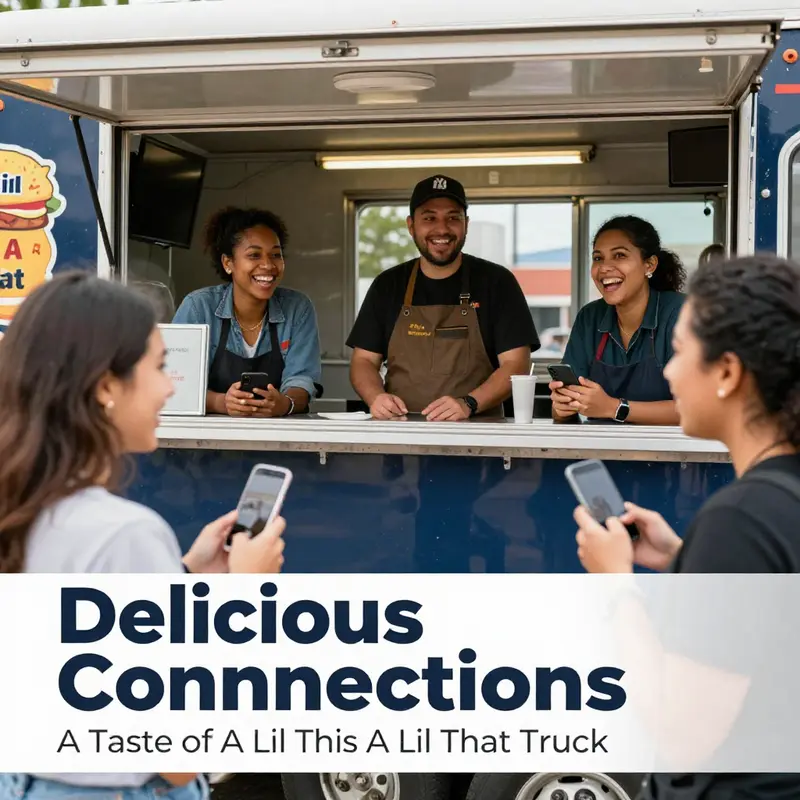
Rolling through Humble, Texas, a lil this a lil that food truck isn’t just a kitchen on wheels. It is a rolling invitation, a mobile storefront that folds into the rhythms of a neighborhood. The TikTok clip posted on November 16, 2025 hinted at a busy lunch window and a draw that starts before the first sizzle fades. With 26 likes, it may look modest, yet in the world of mobile dining, small interactions compound into repeated visits, word of mouth, and a sense of belonging. The truck does not own a fixed dining room; it earns a place in the daily flow of streets, parks, and office corridors by listening as much as it serves, by showing up where people are and making them feel known.
Branding: The brand’s appeal is more than catchy copy; it rests on a clear, consistent identity that travels with it. A strong visual language—color, typography, and a look that travels across a sign, a menu card, and a post—helps customers recognize the truck in a crowded street. Industry best practices suggest that a distinctive brand story is the opening move in attracting patrons. Even without hot menu item names being advertised, the narrative of what the truck represents becomes the magnet. A lil this a lil that might stake a claim as neighborhood comfort and culinary curiosity, a balance that invites regulars and newcomers alike to try something that feels both familiar and new, depending on the day. The story is reinforced by everyday visuals—true-to-life photos of the cooking process, signage that hints at local culture, and a tone in captions that mirrors the personality of the people who operate the truck. Consistency matters: same logo, same color family, and a cadence of posting that says the brand is present, listening, and appreciative of feedback.
Digital engagement sits at the center of modern mobile dining. For a brand that moves, social channels function as a virtual dining room where customers gather, comment, and return. The best practices borrowed from the broader industry show that regular updates are not about selling a product every time; they are invitations to participate in the journey. Behind the scenes glimpses—prepping a popular sauce, catching a quick moment of service, or noting the weather that shapes a day’s menu—build trust. Quick responses to comments, polls about preferred flavor profiles, and shout-outs to customers who share photos create a loop of interaction. When customers see themselves reflected in the feed—whether through a photo they posted or a friendly reply to their question—the likelihood of sharing, recommending, or returning increases. In practice, this translates to posting a few well-timed updates each week, offering simple online-only incentives, and designing posts that encourage followers to tag friends or swing by during a special window. The aim is continuity: a presence so steady that the thought of visiting the truck becomes a natural part of the routine rather than a one-off event. The social efforts are not advertisements; they are the living room where the neighborhood meets the street kitchen.
Loyalty programs take the form of simple, repeatable rewards rather than complicated systems. A person who hands over cash or taps a card should walk away with something that feels earned. A point or punch will accumulate toward a free item or a discount, and the process should be quick and frictionless, especially in a mobile setting where speed matters. Digital loyalty, delivered through a lightweight app or a simple QR-based card, keeps the math transparent and the sign-up easy. This is crucial for repeat business; the best programs convert occasional visitors into regulars by offering a sense of progress and belonging. Beyond points, exclusive access to a cook’s notes, a first look at new concepts, or a small birthday gift creates a feeling of being in on a shared story. The challenge in this space is to maintain simplicity so that the customer interface remains as smooth as the service on the curb. When loyalty feels effortless, patrons choose to return not just for food but for the experience surrounding it.
Menu design and on-site service also shape the customer journey. The menu should tell a coherent story: it may lean into regional flavors, or it may celebrate a niche that resonates with locals. The reference materials point to the value of focusing on a cultural or regional signature that feels authentic, not merely trendy. The aim is to offer a consistent product that travels well, cooks fast, and satisfies the palate the moment it meets it. A skilled crew can deliver a friendly welcome, a precise order, and a clean, efficient station that communicates care without delay. In a truck, service speed is part of the product; it defines the pace of the lunch rush and the pace of returning again. Great diners remember not only the taste but the warmth of the service—the way the crew checks in with a smile, the way a question is answered with patience, and the way a small mistake is corrected promptly and with courtesy. The result is predictable quality that builds trust and invites repeat visits, which is the core of a sustainable mobile operation. The challenge is to keep the menu tight enough to be reliable yet flexible enough to accommodate the moment when inspiration and availability intersect.
Flexibility in operations is the truck’s greatest advantage. A lil this a lil that can roam from a business district to a park, from a campus to a community event, chasing the best combination of foot traffic and customer mood. The ability to position a pop-up where workers, students, and families converge means the brand does not chase customers as much as it invites them to come and experience it. Strategic location choices, timed around peak hours and weather windows, create a rhythm that customers come to anticipate. The move itself becomes part of the story: the truck is seen as a familiar traveler, a reliable signal that lunch is ready. This mobility also allows for partnerships with local gatherings, fairs, and micro-events that align with the brand persona. The practical discipline of inventory control, route planning, and rapid turnover keeps the operation lean while maintaining a generous, satisfying portion of the experience. In short, the flexibility is the strategic backbone that allows the brand to adapt to changing neighborhoods and evolving tastes, not merely to chase trends that pass quickly.
Behind the scenes, the numbers matter, not as a spreadsheet spectator sport but as a compass. A small, steady growth in followers, engagement, and saves translates into more predictable lunchtime patterns, easier staffing decisions, and a longer reach within the local ecosystem. Listening to customer feedback—through direct messages, comments, and posted photos—helps refine both the menu and the service ritual. When a neighborhood indicates enthusiasm for a particular flavor or a preferred service style, the truck can adjust cadence, timing, and even the locations it visits. Moreover, active community involvement becomes a form of marketing that costs little and earns goodwill in return. It is common for mobile brands to connect with nearby businesses, schools, and charitable initiatives, extending the brand’s visibility while contributing to community life. This approach does not rely on high budgets or glamorous campaigns; it depends on consistency, sincerity, and opportunistic generosity. The broader lesson from the field is that a mobile dining brand thrives when it treats its temporary neighborhoods as lasting patrons, recognizing that the street is a shared space and that every interaction matters toward building a habit of stopping by.
Finally, the case of a Lil This a Lil That, observed from public signals and industry best practices, underscores a pattern: success in mobile dining is less about single standout dishes than about a cohesive experience that makes customers feel known, valued, and part of a story that moves with the day. The small but steady engagement on social media, the deliberate branding, the loyalty tact, and the deliberate mobility create a chain of touchpoints that compounds over time. The brand’s local footprint in Humble and the broader Houston area grows not only through the food but through the sense of belonging it builds. For readers exploring how to translate these principles into practical action, one useful resource suggests that retaining customers in the food truck space hinges on a mix of clarity, consistency, and community. See this external resource for more context: https://www.linkedin.com/pulse/strategies-retaining-food-truck-customers-alex-kim. In addition, prospective operators may find guidance on mobility and kitchen setup in community-driven discussions such as the internal note about real-world models like those detailed in the Lakewood startup context best food truck models for Lakewood startups.
null
null
Feeding the Feed: How Social Media Shapes A Lil This A Lil That’s Street-Side Success

On a quiet afternoon in Humble, Texas, the lil this a lil that truck sits near the curb and the air tastes of peppers and warm corn tortillas. The street is a stage and every post turns into a ticket to the next stop. The truck’s social feed shows where the crew will be, what is on the menu, and why a hungry afternoon can become a plan for the evening. Followers see not just food but the rhythm of service, the pace of the kitchen, and the little stories that make the bite feel personal. A short video of the grill sizzling, a quick clip of a new topping, and a friendly reply to a comment can turn a passerby into a neighbor on the map.
Across the industry, social media is not an afterthought but a compass. Local operators learn to stage posts that promise value: reliable hours, honest tasting notes, and a sense that the truck is part of the neighborhood fabric. For a mobile business like lil this a lil that, proximity matters more than polish. The feed becomes a calendar of sightings, a living menu, and a way for people to plan around lunch or a weekend rush. When a post announces a stop near a school event or a park, locals can reserve a moment in their day to join the line.
The technology behind the posts matters, but the human voice matters more. A friendly greeting in the comments, a behind the scenes clip showing the team at work, and a consistent visual style build trust. People want to feel they know the folks behind the flavors, and that trust lowers the hesitation to try something new. The result is a virtuous loop: posts invite visits, visits inspire more posts, and more posts attract a wider circle of friends who want to be part of the next drop.
To sustain momentum, the truck can blend routine with small surprises. A weekly spotlight on a dish, a limited time remix, or a collaboration with a neighbor vendor can keep content fresh without losing the core persona. The social channel becomes a living map of where to find the truck and what to order, helping the community turn a curbside stop into a social moment.
For operators seeking a blueprint, the lesson is clear: authenticity, consistency, and value are the magnets that attract a local audience when every street corner competes for attention. A lil this a lil that can turn each post into a plan for the next stop and each stop into a story for the next post, creating a loop that travels from plate to screen and back again.
null

null
Final thoughts
A Lil This A Lil That food truck is more than just a source of delicious food; it serves as a central piece of the Lakewood community and a model for aspiring food truck operators. With its innovative menu and strong ties to local patrons, it highlights the importance of engagement, adaptability, and social media in building a beloved brand. As it continues to roll through the streets, this food truck reminds us of the joy of community dining and encourages others to dream big and embrace culinary entrepreneurship.