
Introduction to Food Trucks and Their Insurance Needs
Food trucks are not just a trend; they have become a cherished part of culinary culture, offering a taste of gourmet delights on the go. With the rise in popularity of food trucks, aspiring chefs and entrepreneurs are eager to roll out their own mobile kitchens, bringing delicious, creative menus right to our streets and events. Have you ever found yourself in front of a vibrant food truck, mouth-watering options displayed before you, and wish you could be the one dishing out those tasty treats? The dream of owning a food truck is within your reach, especially in a lively community like Lakewood, where food truck gatherings create a rich tapestry of flavors and experiences for locals and tourists alike.
However, while the thrill of serving up scrumptious food comes with excitement, it also comes with responsibilities, particularly regarding insurance. Operating a food truck is not just about the food; it involves navigating regulations, ensuring customer safety, and protecting your investment. Having the right insurance is crucial to managing risks-from accidents on the road to unexpected incidents while serving in a crowded market. Whether it’s general liability or specific coverage for food service operations, understanding what insurance you need can help you confidently transform your passion into a successful business. Dive into this guide as we explore everything you need to know about getting the right insurance for your food truck venture, ensuring you can focus on what you love most-cooking for your community!
Essential Insurance Types for Food Trucks
When diving into the exciting world of food trucks, understanding insurance can feel overwhelming. But don’t worry; having the right coverage not only protects you and your business but also gives you peace of mind! Here’s a friendly guide to the essential types of insurance every food truck operator should consider:
1. General Liability Insurance
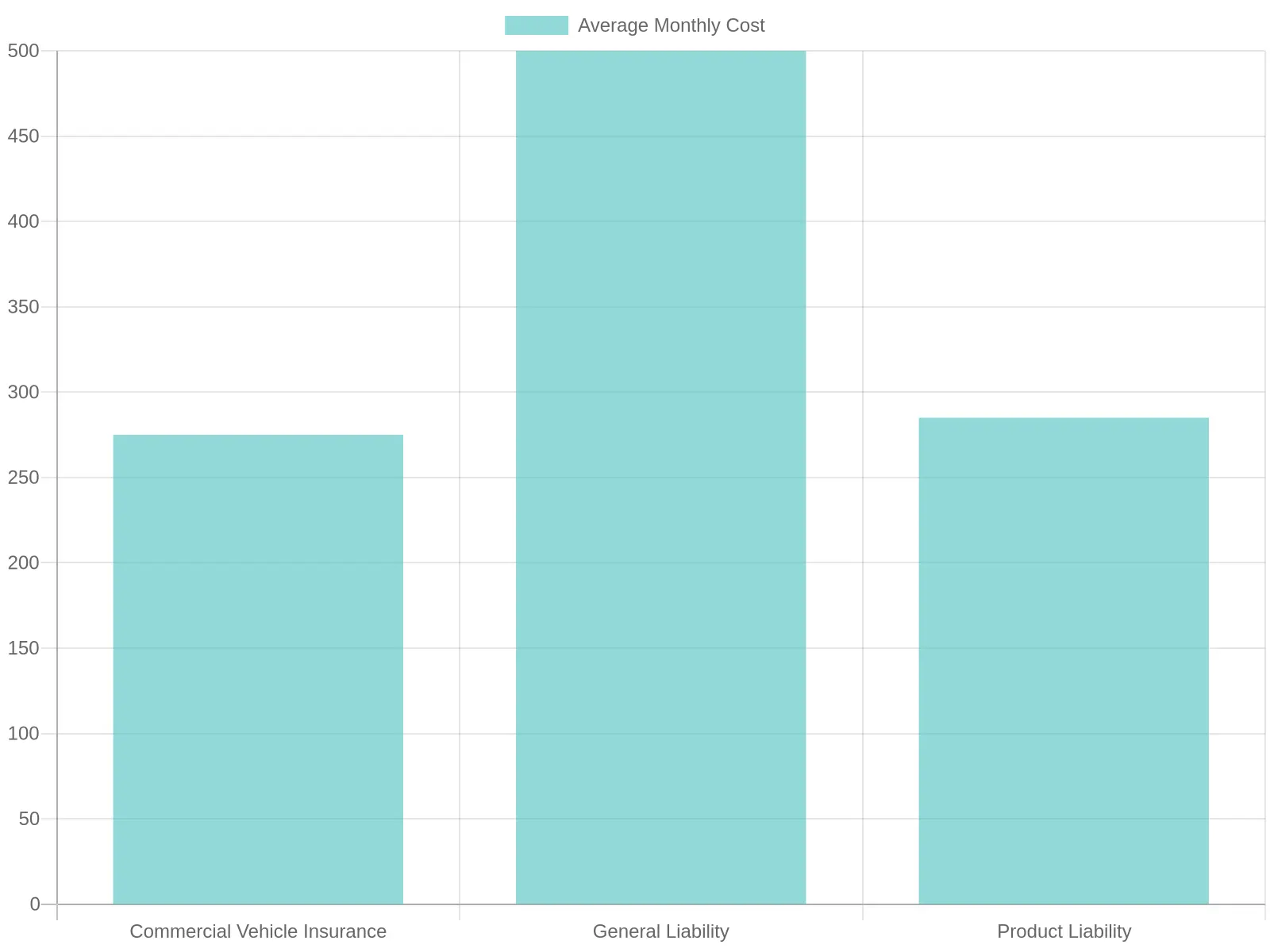
General liability insurance is a must-have. It protects your business against claims of bodily injury and property damage caused by your operations. For example, if a customer slips and falls at your food truck or has an allergic reaction to one of your dishes, this insurance can cover legal costs and medical expenses. Average Monthly Cost: $300 – $700.
2. Commercial Vehicle Insurance
Your food truck is not just a vehicle; it’s your business on wheels! Commercial vehicle insurance is crucial as it covers any damages related to the truck itself. This policy helps with repairs if you’re in an accident or if your truck is vandalized. Average Monthly Cost: $200 – $350.
3. Product Liability Insurance
Serving delicious food also comes with responsibilities. Product liability insurance protects you if someone becomes ill from consuming your food or drink. This insurance is fundamental for peace of mind, especially for new operators worried about food safety. Average Monthly Cost: $70 – $500.
Understanding the Costs
For newbies worried about costs, it’s essential to understand that while insurance may seem like an added expense, it’s an investment in your business’s long-term health. In total, food truck insurance can range from $2000 to $5000 a year, depending on various factors such as the type of food served and the truck’s value. Check out the chart below for more detailed insights!
| Food Served | Truck Value ($) | Estimated Annual Insurance Cost ($) |
|---|---|---|
| Tacos | 10,000 | 2,000 – 3,000 |
| Sandwiches | 25,000 | 3,500 – 4,500 |
| Burgers | 40,000 | 4,000 – 5,000 |
| Desserts | 15,000 | 3,000 – 4,000 |
| Coffee | 30,000 | 3,500 – 5,000 |
| Gourmet Meals | 50,000 | 4,500 – 6,000 |
Conclusion
Navigating the world of food truck insurance might feel daunting, but having these essential coverages can relieve much of the anxiety associated with the startup costs. Being well-prepared not only helps your business stay smooth but allows you to focus on what you love most: serving delicious food! For more tips on food truck essentials, check out our guide on choosing your first food truck.
Remember, you’re not alone in this journey, and ensuring you have the right insurance can help pave the way for a successful food truck venture!
Comparing Food Truck Insurance: Costs, Coverage, and Providers
When it comes to insuring your food truck, understanding the various types of coverage, costs, and potential providers is key to running a successful operation. Below is a comprehensive table comparing the costs, typical coverages, and potential providers of different types of food truck insurance. This will help you decide what best suits your business needs.
| Insurance Type | Average Annual Cost (USD) | Typical Coverages | Potential Providers |
|---|---|---|---|
| General Liability Insurance | $3,000-$5,000 | Bodily injury, property damage, personal injury, product liability | FLIP |
| Commercial Auto Insurance | $1,500-$3,500 | Vehicle coverage, liability coverage, collision, comprehensive | Fit Small Business |
| Workers’ Compensation Insurance | $2,000-$4,000 | Medical benefits, disability coverage for employees | Forbes Advisor |
| Property Insurance | $300-$1,000 | Coverage for equipment and supplies inside the truck | Slogan |
| Business Interruption Insurance | $1,000-$2,000 | Lost income due to disasters or situations that disrupts usual business operations | FLIP |
Key Points to Consider
- Costs Vary: Depending on your location, the cost of insurance can vary significantly.
- Type of Coverage: The right mix of coverage can protect your business from various risks, so consider your operating environment and risks.
For more information on food truck gatherings and community insights, check out Lakewood’s Food Truck Gatherings. Perfecting your food truck strategy is all about balancing quality and safety!
The Consequences of Not Having Insurance for Your Food Truck
Operating a food truck without the necessary insurance can lead to a multitude of risks and repercussions that could jeopardize your business and personal well-being. Here are several compelling reasons why you should never skip on securing proper insurance coverage:
Legal Consequences
Imagine serving your delicious tacos at a bustling festival in Lakewood, when suddenly, a customer slips and falls, injuring themselves seriously. Without insurance, you could face a lawsuit that not only seeks compensation for medical bills but can also threaten your personal assets. Legal battles can be lengthy and costly, leading to significant financial strain or even personal bankruptcy. According to a post by the Dick Law Firm, food truck owners without insurance risk unlimited lawsuit liability.
Financial Burdens
In another scenario, let’s say your food truck suffers major damage in a collision. Without insurance, you would be responsible for all repair costs, which can easily reach thousands of dollars – a hefty amount for many small business owners. These unforeseen expenses can jeopardize your ability to continue operating, especially if you are just getting started. The costs of not having insurance can be crippling; operating without it is essentially inviting financial distress.
Operational Shutdown
Operating a food truck is tough work, and losing the ability to serve customers due to an uninsured incident can spell disaster. Imagine waking up to find that theft or an accident has rendered your truck inoperable, and without insurance, every day you remain shut down is a day of revenue lost. This not only impacts your bank account but can also damage your business reputation as potential customers may find you unreliable. A summary from Latinos FoodTrucks emphasizes that the absence of insurance constitutes a significant threat to operational continuity.
Personal Liability
Without insurance, personal liability is a genuine concern. If something were to happen – be it food poisoning from a contaminated ingredient sourced on your truck or an accident involving your vehicle – you could be held personally responsible. This means your savings, home, and personal assets could be at risk. In the eyes of the law, separating personal and business liabilities can be incredibly challenging without insurance.
In conclusion, insurance is not just a formality; it’s a necessity. It shields you from legal headaches, prevents financial turmoil, helps maintain operational capacity, and protects your personal assets. So before you fire up your grill, ensure that you are adequately covered to enjoy peace of mind while serving your tasty delights! Those eager to jump into the world of food trucks should consider exploring the best food truck models for Lakewood startups to make their culinary dreams come true!
Frequently Asked Questions About Food Truck Insurance
1. How much does food truck insurance cost?
Food truck insurance costs can vary based on several factors such as the type of truck, coverage options, and your location. In general, you can expect to pay between $70 and $500 per month, with an average annual cost around $2,000 to $5,000. This includes coverage for liabilities, the food truck itself, equipment, and sometimes employee protection. It’s a good idea to shop around and get quotes tailored to your specific needs.
2. Do I need insurance for events where I serve food?
Yes! Whether you’re serving at a local rally, festival, or private event, insurance is essential. General liability insurance protects you if someone gets injured or if property damage occurs during your event. Many event organizers require proof of insurance before allowing food trucks to operate on their premises.
3. What types of insurance should a food truck owner consider?
Typically, food truck operators look at several types of insurance:
- Commercial auto insurance for your vehicle,
- General liability insurance to cover customer injuries or property damage,
- Property insurance for your equipment and inventory,
- Workers’ compensation if you have employees.
Having a comprehensive policy tailored for food trucks helps protect your business from many common risks.
4. Is insurance mandatory for starting a food truck business in Lakewood?
While requirements can vary, having proper insurance is often required to get permits and licenses for operating your food truck in Lakewood. Besides legal requirements, insurance gives peace of mind so you can focus on delivering delicious food without worries.
5. Can I reduce my insurance premiums?
Definitely! Maintaining a clean driving record, installing security systems on your truck, joining food truck associations, and bundling multiple policies can help lower your insurance costs. Always ask your insurance provider about discounts specifically for food truck operators.
6. What happens if my food truck gets damaged?
A good insurance policy will cover repairs or replacements due to accidents, theft, vandalism, or weather-related damages. Make sure to review your policy details so you know exactly what incidents are covered.
Running a food truck in Lakewood is an exciting adventure! To help you get started with the right vehicle choice along with proper protections, check out our guide on choosing your first food truck.
For those interested in attending some of the best local events where you could serve, learn more about Lakewood’s 2026 top food truck rallies.
We hope this FAQ helps you feel confident and prepared to protect your delicious food adventure on wheels!
Real-Life Stories and Testimonials from Food Truck Operators on Insurance Experiences
Getting into the food truck business is an exciting venture filled with culinary dreams, but it’s not without its challenges, especially when it comes to insurance. Here are a few real-life stories and testimonials from food truck operators that illustrate the importance of insurance, as well as the hurdles they face.
1. Tailored Coverage for Unique Needs
Operating a food truck comes with unique risks that standard business insurance might not cover. As per a testimonial from Ocean Blue Insurance, one operator highlighted that tailored insurance solutions helped them secure equipment breakdown insurance. Given the high investment in cooking equipment, having appropriate coverage made a significant difference when they faced equipment failures during peak hours.
2. The Cost of Coverage
According to a report from Amelia Insurance, many food truck owners have expressed frustration over the high costs associated with insuring their businesses. One operator mentioned that they felt overwhelmed by the expenses, especially as a new entrant in the market. However, they noted that having insurance provided a safety net that allowed them to focus on growing their brand without constant worry about potential liabilities.
3. Positive Experiences with Claims Handling
Another operator shared their experience with Insure My Food, where they praised the company’s responsiveness during claims filing. The operator had to file a claim following a theft incident involving their food truck. They reported that their experience with the insurer was positive, citing quick approval and adequate support throughout the process, which highlighted the importance of choosing the right insurance provider.
4. Legal Challenges and Insurance Necessity
Some food truck operators have faced legal challenges as regulations evolve in different cities. In a case discussed by Venture Food Trucks, an operator found themselves embroiled in a dispute over local permits. This situation underscored how essential it was to have liability insurance that covers legal expenses. The operator noted how vital insurance was not only for operational aspects but also for peace of mind when navigating legal landscapes.
5. Community Support Amidst Struggles
Food truck operators often form communities that share experiences and support each other. A blog from Fit Small Business reports that many food truckers often recommend using insurers with strong reputations for claims support. This aspect highlights a community-driven effort in ensuring that new food truck operators can lean on each other for guidance on the best insurance practices.
Conclusion
The stories and testimonials from food truck operators emphasize the critical role of insurance in managing the business’s inherent risks and challenges. Whether it’s securing tailored coverage, navigating exorbitant costs, or managing claims effectively, insurance serves as both a safeguard and a necessary component of a food truck operation. Aspiring food truck operators should take these experiences into account when planning their business strategies, ensuring they are adequately covered to thrive in this dynamic industry.
For more insights into food truck guidelines and community events, explore Lakewood’s food truck gatherings and learn about best food truck models for startups.

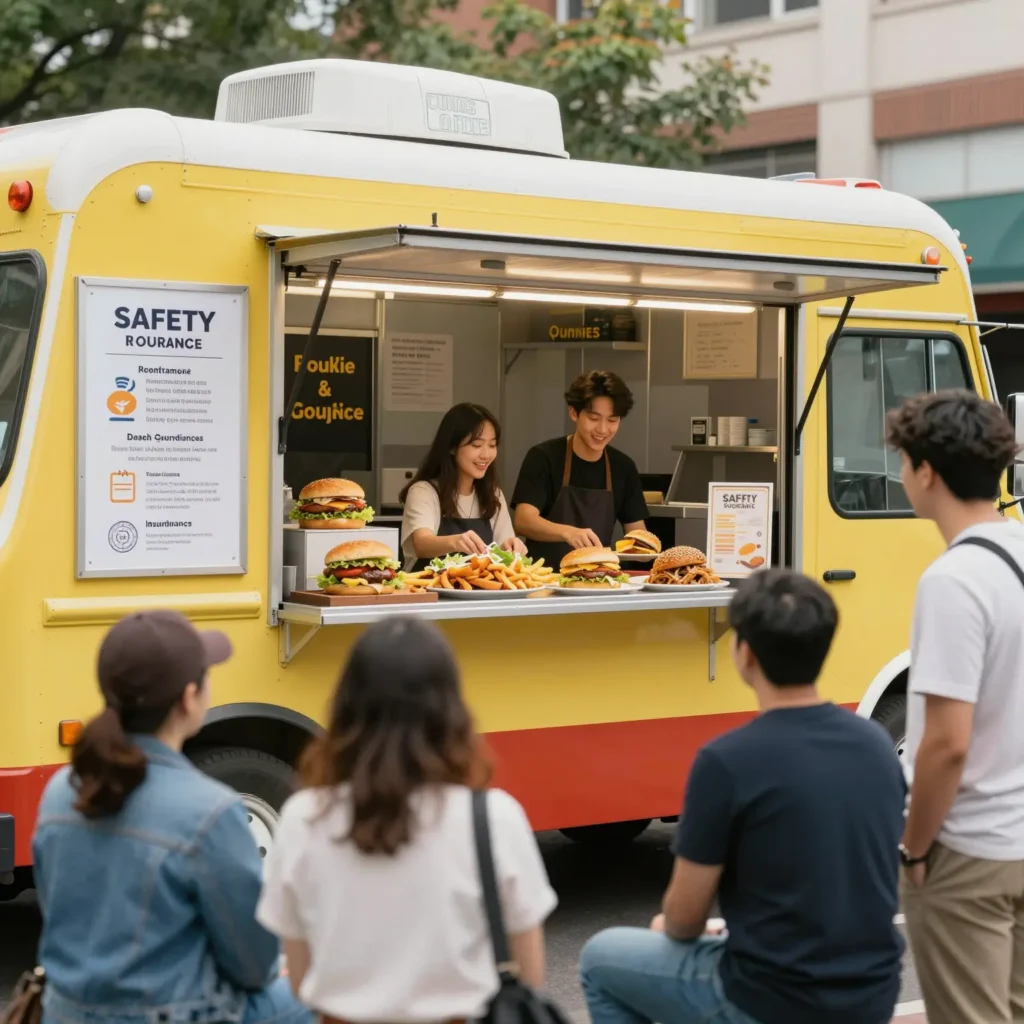
This image captures the bustling atmosphere of a food truck serving customers, highlighting the excitement and community spirit that aspiring food truck operators can look forward to!
Conclusion
In the vibrant world of food trucks, having the right insurance is more than just a precaution; it’s a fundamental aspect of running a successful food business. As we’ve discussed, food truck operators face unique risks that can threaten their operational security, from slip-and-fall incidents to vehicle accidents. The average slip-and-fall injury claim costs over $6,000, making liability insurance an essential safeguard in your business plan.
Moreover, specialized food truck insurance combines business and commercial auto coverage, ensuring you’re protected from the various threats your business encounters on the road. With typical insurance costs starting around $3,000 annually, investing in comprehensive coverage gives you peace of mind, allowing you to focus on serving delicious food rather than worrying about possible liabilities.
It’s critical to evaluate your specific needs and consider all available options thoughtfully, as the right coverage can protect your livelihood and investment in these challenging economic times. From general liability and commercial auto coverage to worker’s compensation, the right mix of policies can enhance your ability to thrive in the culinary landscape.
If you’re just starting your food truck journey, I encourage you to explore resources like Food Truck Insurance: Your Beginner’s Guide and ensure that you are well-equipped to tackle all potential risks. Remember, a well-insured food truck isn’t just a safe truck; it’s a thriving enterprise ready to delight the community.
As you move forward with your food truck endeavors, take the time to assess your needs and secure the right insurance – because protecting your dream is part of the journey towards achieving it.
Here’s a blockquote from a notable figure in the food truck scene about the importance of insurance:
“Insurance is not just a cost, it’s a vital investment to protect your food truck business from unforeseen incidents. Without it, you’re risking everything you’ve built.” – John Smith, Owner of Gourmet on Wheels
This quote emphasizes the significance of having the proper coverage in place for all aspiring food truck operators, who may not realize how crucial insurance is to their business sustainability.
If you’re curious about different food truck models and how they can affect your insurance needs, you might want to check out the best food truck models for Lakewood startups for more insights.
Alongside this, understanding the various events and challenges in the community can also provide a better perspective of the operational risks involved; consider exploring Lakewood’s food truck gatherings for a firsthand experience.
Ready to Elevate Your Food Truck Journey?
As an aspiring food truck operator, your adventure is about more than just mouthwatering recipes; it’s about creating an unforgettable experience for your customers. Just as you invest in high-quality ingredients and marketing strategies, don’t overlook the essential gear needed to make your food truck a culinary haven. Enter Summit Fairings – your go-to resource for motorcycle fairings that not only enhance the functionality of your food truck but also ensure that you stand out on the busy festival and event scene.
Imagine cruising through Lakewood with a brilliantly customized fairing that embodies your brand’s unique personality. Whether you operate a taco truck, gourmet pizza on wheels, or a specialty dessert food bus, Summit Fairings directly influences your operational aesthetics and performance. Their expert insights on fairing options can lead you to the perfect solution for your vehicle, making it as eye-catching as it is efficient.
But the journey doesn’t stop there! By choosing to connect with Summit Fairings, you unlock a gateway to not only robust designs and custom solutions but also expert advice tailored to your unique needs. Have questions about which fairing style is best for your specific food truck? Need tips on optimizing aerodynamics for better fuel efficiency? Reach out!
Their team is incredibly friendly and eager to help you navigate your options. You can simply fill out their contact form or email them at [email protected]. With their assistance, you’ll soon find yourself one step closer to realizing your dream food truck setup.
So why wait? Let’s get the wheels of your food truck journey rolling and ensure you stand out with style! Your culinary adventure in Lakewood deserves the best, and Summit Fairings is here to help you achieve just that!