
Introduction
Have you ever dreamt of launching your own food truck amidst the vibrant streets of Miami? The thrill of serving up delicious bites while basking in the sun sounds enticing, doesn’t it? Miami’s bustling food truck culture is not just about food – it embodies a rich tapestry of flavors reflecting the city’s diverse culinary heritage. From savory Cuban sandwiches to mouth-watering tacos, this coastal city offers a vibrant community spirit and enthusiastic foodies eager to support local entrepreneurs. In this article, we will guide you through essential steps on how to start a food truck in Miami, helping you turn your culinary dreams into reality and become a part of this lively community. Whether you’re an aspiring food truck operator or a tourist wanting to dive into the local food scene, we’ve got you covered! Learn more about Miami’s food truck scene and get ready to hit the ground rolling!
Overview of the Food Truck Industry in Miami
The food truck scene in Miami is thriving! With a vibrant mix of cultures and cuisines, this city has become a hotspot for food truck enthusiasts. If you’re considering jumping into this exciting business, you’re in for a treat – not just for your palate but also for your entrepreneurial spirit.
As of 2023, the U.S. food truck industry includes about 12,487 employer food truck establishments, employing approximately 38,438 people. These establishments have a collective annual payroll of around $1 billion. The industry’s growth over the past few years shows a promising trend; in fact, between 2016 and 2021, it experienced an annual growth rate of 12.1%, highlighting a strong consumer demand for mobile food services. Here’s a quick overview of the growth rates from that period:
| Year | Annual Growth Rate (%) |
|---|---|
| 2016 | 7.9 |
| 2017 | 6.7 |
| 2018 | 4.5 |
| 2019 | 3.0 |
| 2020 | 2.2 |
| 2021 | 4.0 |
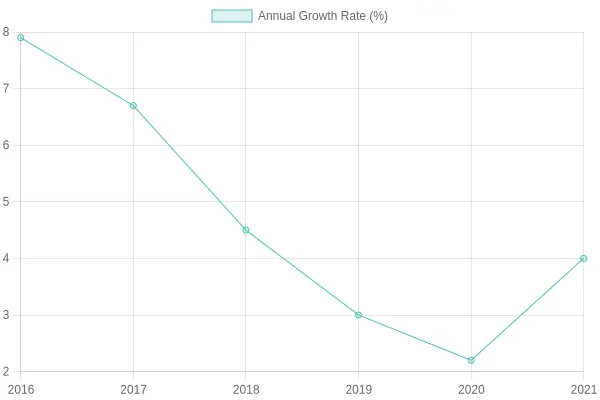
The chart above illustrates the fluctuations in growth rates, which were heavily influenced by various market conditions, including the onset of the pandemic in 2020. However, it seems like the industry is rebounding, with an upward trend post-2021.
Current Trends in Miami’s Food Truck Scene
- Diverse Menus: Miami’s food trucks offer everything from gourmet tacos to vegan delights, tapping into an array of culinary trends. Diverse cuisines are crucial for attracting customers, especially locals who appreciate variety.
- Food Festivals and Rallies: Events like the 2026’s Best Food Truck Rallies in the area are pivotal for food truck operators to showcase their offerings and connect with the community.
- Embrace of Technology: More trucks are adopting mobile ordering and delivery options, catering to the growing demand for convenience.
- Sustainability Focus: As environmental concerns grow, food trucks embracing eco-friendly practices see a rise in customer loyalty. Incorporating sustainable ingredients and minimizing waste can connect you with eco-conscious diners.
Whether you are a gourmet chef looking to share your culinary passion or an aspiring entrepreneur ready to hit the streets, Miami’s food truck industry awaits! Starting a food truck here means entering a community that values creativity and flavor.
Essential Licenses and Permits for Operating a Food Truck in Miami
Starting a food truck in Miami can be an exciting adventure! However, it’s important to ensure that you have all the necessary licenses and permits to operate legally. Here’s a breakdown of what you’ll need:
- Business Tax Receipt: Required for all businesses operating in Miami-Dade County. It’s an official document that allows you to conduct business in the area.
- Certificate of Use (CU): This permit indicates that your food truck meets local zoning regulations.
- Mobile Food Permit: Specific to food trucks, this permit allows you to sell food on public streets and at events.
- Food Service License: Issued by the Florida Department of Business and Professional Regulation, this is necessary for any establishment offering food to the public.
- Health Department Permit: Ensures that your food truck meets health and safety regulations. This includes inspections of your vehicle and food preparation practices.
- Fire Department Permit: If you’re using cooking equipment that generates heat or fire, this permit may be required.
- Sales Tax Permit: Obtain this from the Florida Department of Revenue to collect sales tax on the food and beverages sold.
Navigating the permit process can be tricky, but it’s crucial for operating your food truck legally. Unfortunately, failing to secure these permits can lead to fines or even closure of your food truck. To learn more about specific food truck events happening in the area, check out Lakewood’s best food truck rallies or explore different food truck models that suit your startup needs.
Best Locations to Park Food Trucks in Miami
Miami is a vibrant city with a dynamic food truck scene that thrives on community and culture. If you’re an aspiring food truck operator looking to establish yourself, certain locations can offer you the best opportunities to connect with both locals and tourists.
Top Tourist Hotspots
-
Wynwood Arts District: Known for its colorful murals and bustling art scene, Wynwood attracts a large crowd, especially on weekends. It’s a hotspot for food trucks, as people come here to explore art and enjoy food together.
-
Miami Beach: This iconic area draws tourists year-round. Parking your food truck here puts you right in the middle of sunbathers, beachgoers, and local events, ensuring a steady stream of customers.
-
Downtown Miami: With numerous offices, shops, and popular venues, Downtown is another prime location. The area is busy during lunchtime, and special events such as the Miami Ultra Music Festival bring in huge crowds that are hungry for diverse culinary options.
Community Events Beneficial for Food Truck Operators
Miami hosts a variety of events where food trucks can thrive:
- Jazz in the Gardens: This annual music festival is a great chance for food trucks to showcase their offerings to a large audience. The combination of great music and food is always a hit.
- Lift City Festival: Known for featuring local vendors, this festival attracts food lovers from all over the region and provides a welcoming environment for food trucks.
- Valencia Gourmet Food Truck Festival: This event features various cuisines and is a great opportunity for food truck operators to connect with a new audience.
Ideal Neighborhoods for Food Trucks
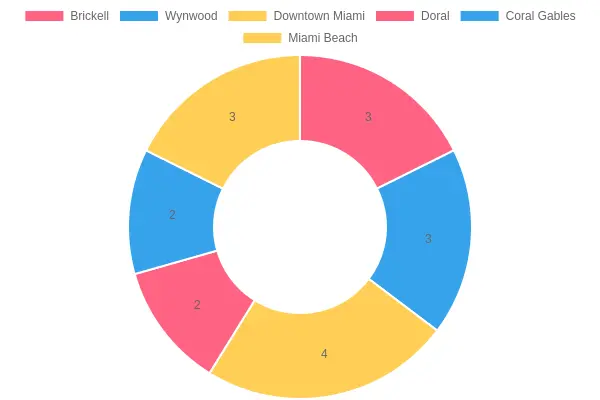
Here’s a handy overview of some of the best neighborhoods to park your food truck:
| Neighborhood | Foot Traffic | Events | Culinary Diversity |
|---|---|---|---|
| Brickell | High | Yes | Diverse |
| Wynwood | High | Yes | Very Diverse |
| Downtown Miami | Very High | Yes | Diverse |
| Doral | Moderate | Yes | Diverse |
| Coral Gables | Moderate | Yes | Diverse |
| Miami Beach | High | Yes | Very Diverse |
For more information on community events and food truck gatherings, you can check out the latest happenings in Miami.
Conclusion
In conclusion, Miami offers an array of opportunities for food truck operators, from exciting locations to vibrant community events. Embrace the culture, connect with locals, and serve delicious food to create an unforgettable experience for everyone.
Comparing Food Truck Types in Miami
When starting a food truck in Miami, it’s essential to evaluate different options based on costs, benefits, and popular cuisine types. Below is a comparison of some of the top food truck cuisines you might consider:
| Cuisine Type | Average Startup Costs | Benefits | Popular Food Items |
|---|---|---|---|
| Latin American | $50,000 – $75,000 | High demand for diverse flavors | Tacos, arepas, empanadas |
| Barbecue | $50,000 – $100,000 | Popular for outdoor events and gatherings | Ribs, pulled pork, brisket |
| Asian | $30,000 – $70,000 | Growing popularity; fusion potential | Sushi rolls, dumplings, bao buns |
Starting a food truck can be a fantastic venture, especially in a vibrant culinary city like Miami. Whether you’re leaning towards Latin American, Barbecue, or Asian cuisine, understanding the financial aspects and customer preferences can guide your decision. For insights on successful local food truck stories, check out this article.
Visual Representation of Startup Costs
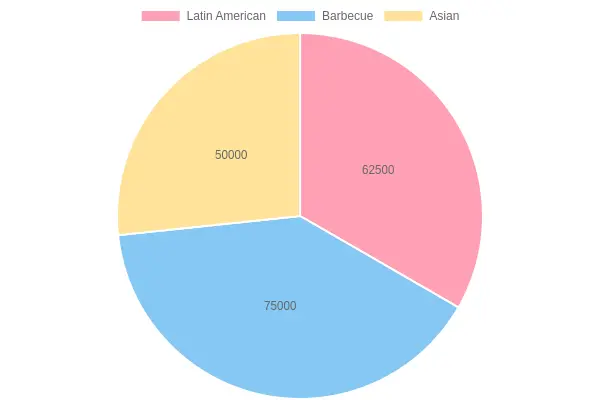
This chart illustrates the average startup costs associated with different food truck cuisine types, helping you visualize your potential investment.
It’s crucial to choose a cuisine that not only appeals to customers but also fits your cooking style and passions!
Crafting a Standout Food Truck Menu and Effective Pricing Strategies
When it comes to launching a food truck in Miami, the right menu can make or break your business. Given the city’s vibrant culinary scene, it is crucial to create a menu that resonates with both locals and tourists. Here’s how to craft a menu that stands out and employ effective pricing strategies to attract a diverse clientele.
Menu Creation Tips
-
Embrace Miami’s Culinary Influences: Miami’s food landscape is a melting pot of cultures, offering a fusion of Latin American, Caribbean, and Mediterranean flavors. Consider incorporating dishes that blend these influences, like Cuban sandwiches with a twist or tropical fruit-infused desserts. For the latest culinary trends, check out this insightful guide on Miami’s culinary scene.
-
Seasonal and Local Ingredients: Utilizing seasonal and locally sourced ingredients not only enhances the flavors of your dishes but also creates a connection with the local community. Miami’s farmers’ markets and local suppliers can be great sources for fresh produce and unique ingredients.
-
Diverse Options for Diets: Make sure your menu includes options for various dietary preferences, including vegetarian, vegan, and gluten-free choices. This inclusivity appeals to a broader customer base and shows that your food truck caters to health-conscious consumers.
-
Simplified Menu: While it might be tempting to offer an extensive menu, focus on a few key items that you do exceptionally well. A simpler menu can streamline operations and improve service efficiency, which is crucial in the fast-paced food truck environment.
-
Visual Appeal: The presentation of your food can significantly impact customer perception. Invest time in plating your dishes to make them visually enticing. Eye-catching photos of your food can also enhance your social media presence and attract more customers.
Effective Pricing Strategies
-
Value-Based Pricing: Consider implementing a value-based pricing strategy where you set prices based on the perceived value of your food. Research suggests that customers are often willing to pay more for unique and high-quality dishes that provide a memorable experience. Learn more about pricing strategies here.
-
Cost-Plus Pricing: This traditional method involves calculating your costs (ingredients and overhead) and adding a markup for profit. While it’s straightforward, ensure your prices remain competitive. Monitor local food truck pricing to adjust accordingly.
-
Psychological Pricing: This strategy plays on consumer psychology. For instance, pricing a dish at $9.99 instead of $10.00 can create a perception of lower cost. Small price adjustments can influence purchasing behavior significantly.
-
Bundling Offers: Create value deals by bundling menu items together. For instance, offer a drink with a meal at a discounted rate. This not only increases the average transaction size but also encourages customers to try more items from your menu.
-
Adapt to Location and Audience: Understand the demographics of the areas where you operate. Tailor your menu and pricing strategies based on whether you’re parked near tourist attractions or residential neighborhoods, adjusting for local spending habits and preferences.
Culinary Trends in Miami
Being aware of current culinary trends can provide a competitive edge. In 2023, Miami’s food scene has been showcasing culinary hotspots that highlight innovation and creative experiences. Notable mentions include Maty’s and Smoke and Dough, which reflect the city’s growing reputation as a dining destination. Emphasizing immersive and experiential dining can also set your food truck apart, attracting tourists eager for unique experiences.
For further insights into Miami’s culinary landscape, refer to articles like Exploring Miami’s Culinary Scene.
In conclusion, creating a standout menu and effective pricing strategies will help your food truck thrive in Miami’s competitive landscape. By staying attuned to culinary trends and the preferences of both locals and tourists, you can carve out your niche and attract a loyal customer base.
Visualizing Food Truck Startup Costs
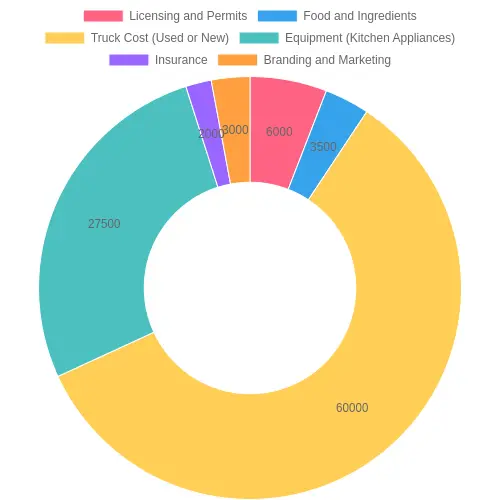
Starting a food truck can be an exciting venture, but understanding the costs involved is crucial for success. Below is a chart that outlines the various startup costs associated with running a food truck:
Cost Breakdown
| Expense Category | Cost Range |
|---|---|
| Licensing and Permits | $2,000 – $10,000 |
| Food and Ingredients | $2,000 – $5,000 |
| Truck Cost (Used or New) | $20,000 – $100,000 |
| Equipment (Kitchen Appliances) | $15,000 – $40,000 |
| Insurance | $1,000 – $3,000 |
| Branding and Marketing | $1,500 – $5,000 |
This chart visually summarizes the essential startup costs that anyone considering entering the food truck market should prepare for,
covering everything from permits to essential kitchen equipment. If you want to dive deeper into specific aspects of navigating the Miami food truck scene, check out the best food truck models for Lakewood startups and learn more about food truck gatherings in Lakewood.
Marketing Strategies for Food Trucks in Miami
Starting a food truck in Miami isn’t just about serving delicious food; it’s also about how to effectively market your mobile kitchen. A vibrant city like Miami offers a unique set of opportunities and challenges when it comes to marketing strategies. Here are some tailored tactics to elevate your food truck business!
Engage on Social Media
In the world of food trucks, social media is your best friend! Platforms like Instagram, Facebook, and TikTok are essential for showcasing your culinary creations and building a loyal customer base. Here’s how to maximize your social media engagement:
- Visual Appeal: Post high-quality images of your dishes. Use natural lighting and engaging compositions to capture the essence of your food. It’s all about making your meals look irresistible!
- Behind-the-scenes content: Share the journey of your food truck – be it prepping your ingredients or showcasing a day on the road. This creates transparency and builds a connection with your audience.
- Use Local Hashtags: In Miami, leverage hashtags specific to your locale (#MiamiFood, #MiamiEats). This tactic can help increase your visibility and attract local customers who are searching for nearby food options.
- Engagement Posts: Create polls or ask questions that encourage interaction. For example, ask your followers what new dish they want to see on the menu!
Studies have shown that 74% of customers discover food trucks via social media platforms, so make sure you’re part of that conversation (The Benefits of a Food Truck Social Media Strategy).
Form Local Partnerships
Collaboration is key in a bustling city like Miami. By partnering with local businesses, you can create mutually beneficial relationships that enhance visibility for both parties. Here’s how to approach partnerships effectively:
- Participate in Local Events: Get involved in community events, fairs, or festivals. This doesn’t just increase your visibility; it’s also a great way to meet potential customers face-to-face.
- Cross-Promotions: Team up with local breweries, gyms, or markets. For instance, you could offer a special discount to customers who show a receipt from the partnering business. Everyone wins!
- Charity Events: Consider hosting or participating in charity events. Not only do you give back to the community, but you also gain extensive exposure in the process.
For a detailed look at maximizing food truck gatherings, check out this guide on food truck rallies.
Conclusion
In summary, effective marketing strategies for food trucks in Miami revolve around leveraging social media and building local partnerships. By engaging with your community online and offline, you can create a loyal customer base eager to support your food truck endeavor. Happy cooking and marketing!
Starting a food truck in Miami is an adventurous and fulfilling endeavor that allows you to connect with vibrant communities while sharing your culinary creations. Throughout this article, we’ve discussed essential steps to launch your food truck journey-including understanding local regulations, exploring financing options, and finding the right location for your truck. As you embark on this exciting path, remember that the Miami food scene is brimming with potential, but be prepared to navigate challenges such as competition and unique local laws. To get started today, take some time to research and consider the best food truck models tailored for the Miami landscape, and check out our guide on choosing your first food truck. With passion, persistence, and a sprinkle of creativity, you’re on the way to building a successful food truck business that not only serves delicious food but also creates lasting connections within the Lakewood community. Don’t wait any longer-turn your dreams into reality and hit the streets with your food truck brand!